
Texas is one of the most rewarding states in the country to grow grapes, but only if you match the variety to your region. blank" rel="noopener noreferrer">Texas A&M AgriLife Extension’s Path to the Plate guide on grapes also emphasizes that grapes can be grown in many parts of Texas, with local extension expertise helping you decide what will fit your specific area. In Bordeaux, you’ll usually see grape varieties like Cabernet Sauvignon, Merlot, Cabernet Franc, and Sauvignon Blanc planted for the region’s wines. Get that wrong and you'll fight disease, winter kill, or fruit that never ripens. Get it right and you can have a productive vine bearing fruit in as little as two to three years. The short answer: Black Spanish (Lenoir), Blanc du Bois, Mustang, and Muscadine are the workhorses for most of Texas, while varieties like Champanel, Orlando Seedless, and Favorite round out the table-grape list. But your exact location matters a lot, so let's break it all down by region. If you’re specifically gardening in western Washington, the best grape choices depend heavily on the cool temperatures and higher rainfall patterns best grapes to grow in western Washington. If you’re gardening in Southern California, the best grape choices depend on how your local heat and coastal or inland conditions affect ripening and disease pressure best grapes to grow in southern california.
Best grapes to grow in Texas: top picks by region
Texas grape-growing zones explained
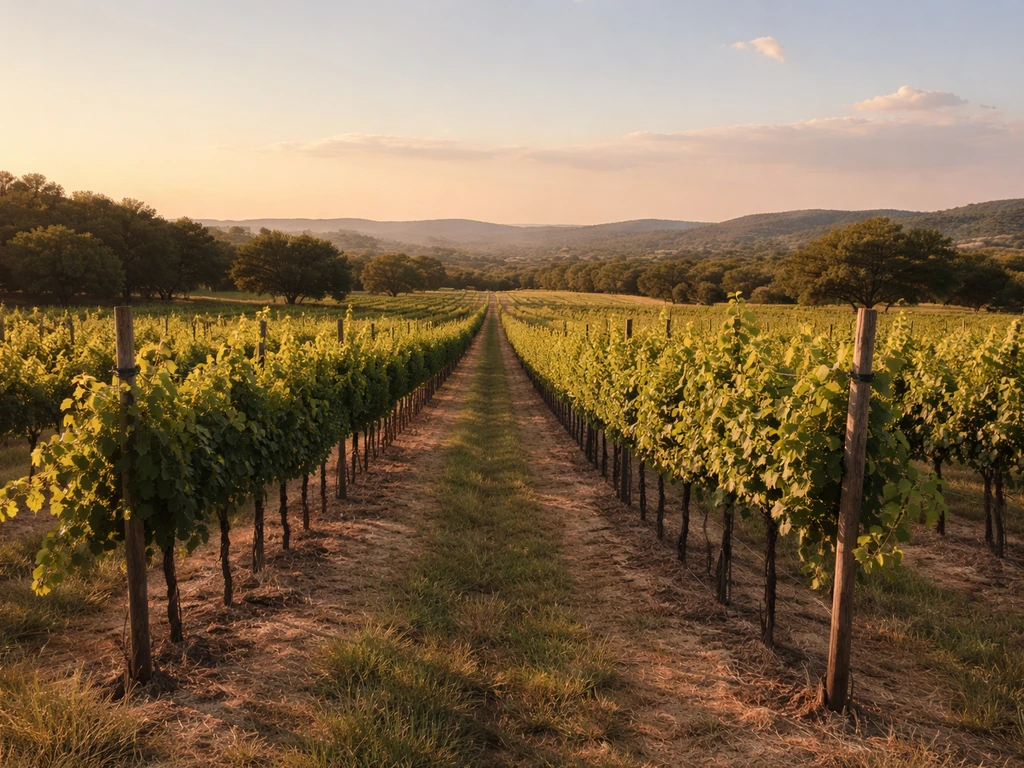
Texas spans USDA hardiness zones 6a in the northern Panhandle all the way to 9b along the southern Gulf Coast and Rio Grande Valley. That range is enormous, and it means a variety that thrives in Lubbock will struggle to survive a Brownsville summer, and vice versa. For practical grape growing, it helps to think of Texas in four broad regions: North Texas (zones 6b–7b), Central Texas (zones 7b–8a), East Texas (zones 7b–8b), and South Texas (zones 8b–9b).
The biggest climate challenges you'll face in Texas are Pierce's disease, cotton root rot, and extreme summer heat. Pierce's disease, caused by the bacterium Xylella fastidiosa, is spread by glassy-winged sharpshooter leafhoppers and is essentially a death sentence for susceptible vinifera varieties like Cabernet Sauvignon or Chardonnay in most of the state. East and South Texas have the highest Pierce's disease pressure. Central and North Texas have lower but still real pressure. This is the single most important factor shaping which grapes work where. Texas A&M AgriLife Extension has catalogued 67 winegrape varieties suited to Texas conditions, which tells you how seriously researchers take regional variety matching here.
Winter cold is the other bookend. Muscadine grapes, which are native to East Texas, cannot reliably survive north of zone 7a and may freeze to the ground if temperatures drop below about 5 to 10°F. North Texas gardeners in zone 6b need cold-hardy varieties or they'll lose vines in a hard winter. The sweet spot for variety diversity is Central Texas, where you have enough heat to ripen fruit well and enough cold resistance in the right cultivars to survive winter dormancy.
Best-performing grape varieties by Texas region
North Texas (zones 6b–7b: Dallas-Fort Worth area and northward)
North Texas gets cold enough in winter to knock back tender varieties, but summers are hot and humid enough to drive Pierce's disease. Your best bets are Pierce's disease-resistant hybrids that also handle zone 7 winters without drama. Black Spanish (also called Lenoir) is a standout here: it's been grown in Texas since the 1800s, tolerates cold well into zone 7, resists Pierce's disease, and produces reliably. Texas A&M AgriLife Extension’s Black Spanish (Lenoir) variety profile notes that the cultivar is grown in Texas for tolerance to Pierce’s disease and consistent fruit production Black Spanish (Lenoir) variety profile describes the cultivar. Champanel is another solid performer, originally developed specifically for Texas conditions, with strong vigor and decent heat tolerance. For something more wine-oriented, Blanc du Bois and Lomanto are worth considering if you're in zone 7b. Avoid straight Vitis vinifera (European wine grapes) without disease-resistant rootstock unless you're prepared for a serious spray program.
Central Texas (zones 7b–8a: Austin, San Antonio, Hill Country)
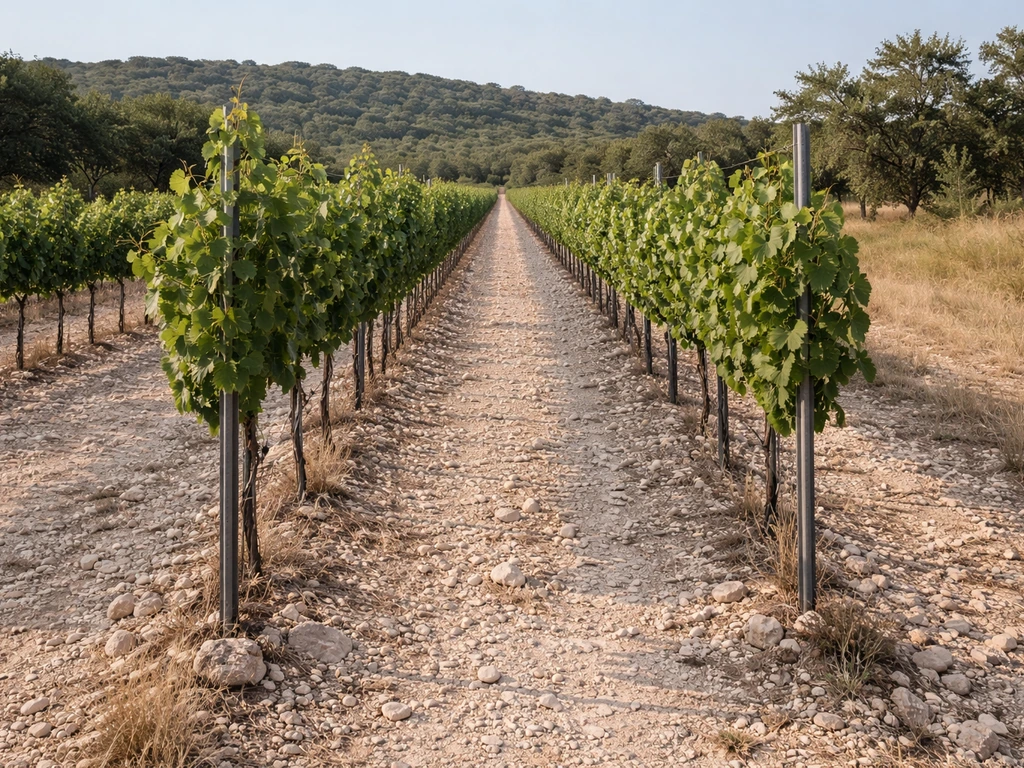
Central Texas is where Texas grape growing really opens up. The Hill Country in particular has become a serious wine-producing region thanks to its combination of alkaline limestone soils, moderate elevation, and lower disease pressure than the eastern part of the state. Blanc du Bois is arguably the top white grape here: it was bred specifically for the South, resists Pierce's disease well, and produces clean, fruity wine. Black Spanish and Lenoir continue to perform. Tempranillo, Viognier, and Mourvèdre have shown real promise in the Hill Country, where lower humidity reduces fungal pressure compared to East Texas. Sangiovese and Vermentino are also being grown successfully by home gardeners in this zone. Central Texas is also the best spot to try table varieties like Orlando Seedless, which needs the heat to ripen properly.
East Texas (zones 7b–8b: Tyler, Lufkin, Beaumont)
East Texas is humid, warm, and has high Pierce's disease pressure year-round. This is also the native range of Muscadine (Vitis rotundifolia), which evolved here and is genuinely the easiest grape to grow in this part of the state. Muscadine varieties like Fry, Carlos, Nesbit, and Ison thrive in slightly acidic, well-drained East Texas soils and shrug off the humidity that kills other grapes. Blanc du Bois also performs here, though it needs careful canopy management to limit fungal disease. Avoid bunch grapes that are not specifically rated for Pierce's disease resistance in this region. If you're determined to grow bunch grapes in East Texas, Champanel and Black Spanish are your safest picks.
South Texas (zones 8b–9b: Corpus Christi, McAllen, Laredo)
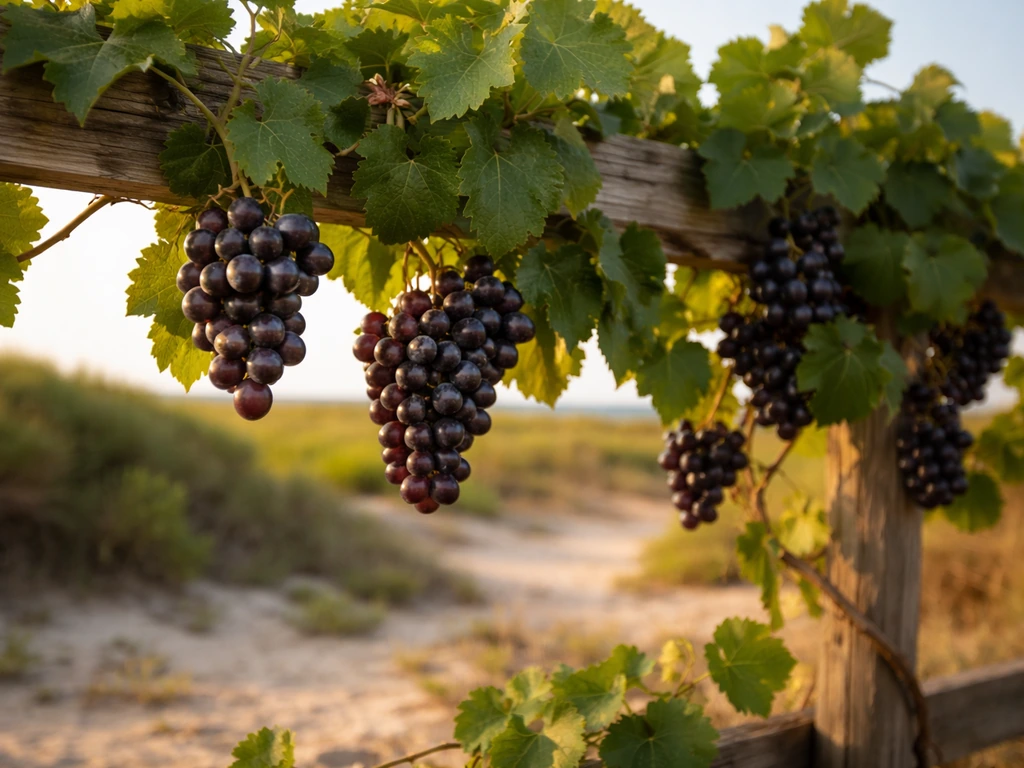
South Texas is hot, humid near the coast, and dry further west. Pierce's disease pressure is high along the Gulf Coast. Muscadine is again the most reliable option near the coast. Blanc du Bois holds up better here than most bunch grapes. In drier inland areas around Laredo, some growers have success with Black Spanish and even a few heat-tolerant vinifera varieties with aggressive irrigation, though cotton root rot becomes a concern in alkaline clay soils. South Texas grape growing rewards patience and a willingness to experiment, but Muscadine and Blanc du Bois should be the foundation of any planting here.
Best table grapes for Texas
If you're growing grapes purely for fresh eating rather than winemaking, your variety selection shifts a bit. You want seedless or near-seedless fruit, good flavor without too much tannin, and skins that aren't too thick. The challenge in Texas is that most of the best commercial table grapes (Thompson Seedless, Concord) are not suited to the heat and disease pressure here. These are your practical table-grape options:
| Variety | Type | Best Region | Key Traits | Tradeoffs |
|---|---|---|---|---|
| Orlando Seedless | Bunch, seedless | Central & North Texas | Sweet, thin-skinned, good fresh flavor, ripens mid-season | Moderate Pierce's disease resistance; needs heat to fully ripen |
| Champanel | Bunch, seeded | North & Central Texas | Large vigorous vine, sweet black fruit, heat tolerant | Seeded; primarily a table/juice grape |
| Favorite | Bunch, seeded | Central & East Texas | Good fresh eating, ripens early, disease tolerant | Seeded; less common but reliable |
| Fry Muscadine | Muscadine, seeded | East & South Texas | Very large bronze fruit, exceptional sweetness, high yields | Thick skin; seeds present; needs pollinator variety |
| Nesbit Muscadine | Muscadine, seeded | East & South Texas | Deep purple, rich flavor, good for fresh eating and juice | Thick skin; self-fertile but yields better with pollinator |
| Ison Muscadine | Muscadine, seeded | East & South Texas | Large black fruit, sweet, highly productive | Thick slip skin; requires eating style adjustment |
| Black Spanish (Lenoir) | Bunch, seeded | All regions | Dual-purpose (juice/eating), reliable across Texas, disease resistant | Small berries; more juice/wine than fresh table use |
For pure fresh eating, Orlando Seedless is the go-to recommendation for Central and North Texas home gardeners who want a seedless bunch grape. In East and South Texas, Fry Muscadine is the top pick for sweetness and size, though you do need to plant a second pollinator variety nearby (something like Carlos or a self-fertile variety like Ison) to get good fruit set. If you want one versatile plant that can do fresh eating, juice, and jam without much fuss anywhere in Texas, Black Spanish is hard to beat even though it's seeded.
Picking the best growing site in Texas
Variety choice is critical, but site selection runs a very close second. Even the most disease-resistant grape will struggle on a bad site. Here's what actually matters when you're choosing where to plant in Texas.
Sun exposure
Grapes need a minimum of 8 hours of direct sun per day, and in Texas more is better for ripening fruit. A south- or southeast-facing slope or row orientation gives you the best light exposure while reducing early morning dew sit time on the foliage, which matters a lot for fungal disease management. Don't plant grapes where a structure, fence, or tree shades them even partially in the afternoon. In Texas summers, afternoon shade might sound appealing, but it dramatically increases disease pressure and reduces sugar accumulation in the fruit.
Soil and drainage
Grapes are surprisingly forgiving about soil fertility but ruthless about drainage. Standing water even briefly after rain can cause root rot and set up conditions for cotton root rot in Central and West Texas. Well-drained sandy loam or gravelly loam is ideal. The Hill Country's rocky limestone soils are excellent. East Texas's sandy, slightly acidic soils suit Muscadines perfectly. If your site has heavy clay, consider raised rows or berms to get the root zone elevated 12 to 18 inches above the surrounding grade. Avoid areas where water ponds even for a few hours. Muscadines prefer a slightly acidic soil pH of 5.5 to 6.5, while most bunch grapes do well in a slightly wider range of 5.5 to 7.0. In alkaline Hill Country soils above 7.5, you may need to amend or select rootstocks that handle high pH.
Airflow and frost pockets
Good airflow through the canopy is your best natural tool for managing powdery mildew, downy mildew, and bunch rots, all of which are real problems in humid East and South Texas. Avoid planting in low-lying areas where cold air and humid air both pool. A gentle slope with air drainage is better than a flat low spot. In North Texas, late spring frosts (as late as mid-April in zone 7a) can burn emerging shoots and eliminate your entire season's crop. If you're in a frost pocket, your last frost date may be two to three weeks later than the official zone date for your area, so plant tender new growth accordingly.
Proximity to water sources
Established grapevines in Central and West Texas will need supplemental irrigation through the summer. Plan your site within reach of a drip irrigation line. East Texas typically gets enough rainfall (45 to 60 inches annually) that established Muscadines may need little to no supplemental water, but young vines in their first two years need regular watering everywhere in the state.
How long grapes take in Texas, and timing around heat and cold
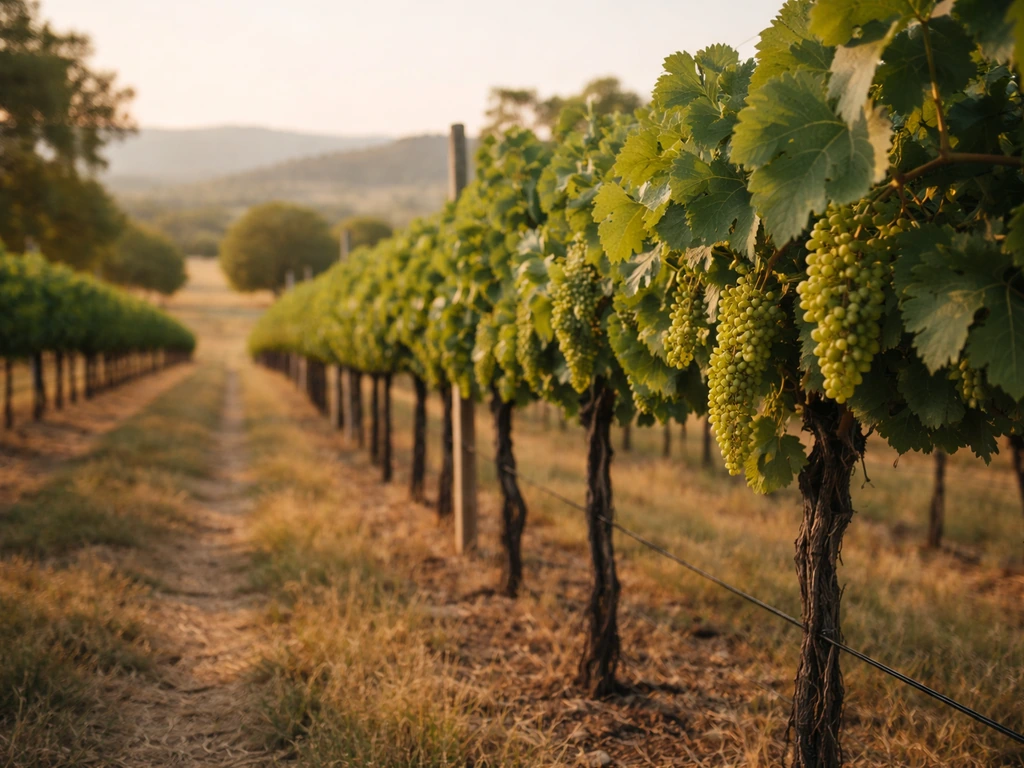
Most grapevines planted from bare-root or container stock in Texas will begin producing a small crop in year two and a fuller crop by year three. Don't expect serious yields until year four. That said, Texas's long, hot growing season works in your favor for ripening once the vine is established: the frost-free growing season in Central Texas runs roughly 240 to 260 days, compared to about 180 to 200 days in North Texas and closer to 300 days in South Texas.
Bud break for bunch grapes in Central Texas typically happens in late February to mid-March, which means late frosts are a real risk. In North Texas, bud break comes a couple of weeks later, roughly mid-March, but so do the late frosts. Berry ripening for early-season varieties like Black Spanish happens from late July into August in most of Texas. Blanc du Bois ripens in mid-to-late August in Central Texas. Muscadines in East Texas typically ripen from late August through September. South Texas growers can see earlier ripening across the board due to the longer, hotter season.
The brutal reality of Texas summers is that temperatures above 95 to 100°F during flowering and early fruit set can cause berry shatter and reduced fruit set, particularly in more sensitive varieties. This is less of a problem with heat-adapted Texas hybrids like Black Spanish and Champanel, which were essentially selected for exactly this environment. If you're in the Houston area, the article on best grapes to grow in Houston goes into even more detail on managing extreme Gulf Coast heat and humidity.
Getting started: planting, trellising, irrigation, and fertilizing
When and how to plant
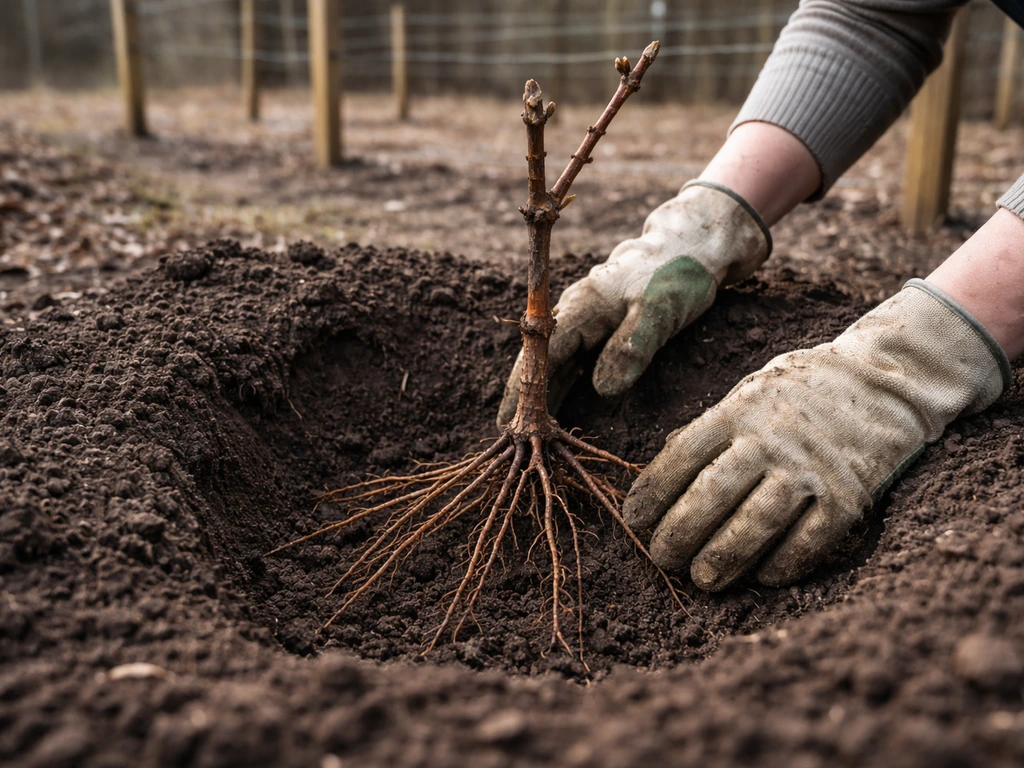
Plant bare-root vines in late winter, from late January through February in South and Central Texas, and from late February into March in North Texas. Container-grown vines can go in a bit later, up through April, but avoid planting during the hottest part of summer. Dig a hole wide enough to spread roots without circling, and plant at the same depth the vine was growing in the container or nursery. Space vines 6 to 8 feet apart in the row for most bunch grapes, and 10 to 12 feet apart for Muscadines, which are vigorous spreaders.
Trellis setup
Set your trellis posts before or at planting time, not after. For most Texas home gardens, a simple two-wire trellis works well: end posts of 4-inch treated wood or metal T-posts set 18 to 24 inches deep, with two wires at 36 and 60 inches from the ground. Posts should be spaced every 20 feet along the row. For Muscadines, an overhead arbor or a high-wire system is often preferred because of their vigorous sprawling growth. The goal of any trellis system is to keep fruit and foliage off the ground (which reduces disease) and to let sunlight and air penetrate the canopy.
Irrigation basics
Drip irrigation is strongly recommended for Texas grapes. It delivers water directly to the root zone, keeps foliage dry (reducing disease), and conserves water in the dry Hill Country and West Texas regions. Newly planted vines need about 1 to 2 gallons per week in the first growing season, increasing gradually. Established vines in Central and West Texas typically need irrigation from May through September, roughly 2 to 4 gallons per vine per day during peak summer heat. In East Texas, natural rainfall usually covers most of the season for established Muscadines, but monitor and supplement during dry spells.
Fertilizing
Start conservatively. Too much nitrogen early on pushes lush vegetative growth that is more susceptible to mildew and Pierce's disease. In year one, apply about half a cup of 10-10-10 or equivalent balanced fertilizer per vine in early spring, and again six weeks later. From year two onward, a soil test is worth the small investment: Texas A&M's soil testing lab can tell you exactly what your site needs. Most Texas soils are sufficient in phosphorus and potassium but may be low in nitrogen or, in East Texas's sandy soils, in overall nutrients. Avoid fertilizing after July, which would push late growth that can't harden off before the first frost.
A few first-year priorities
- Pick the right variety for your specific Texas region before anything else. This single decision determines more of your success than any other factor.
- Get your trellis in the ground at planting time so you can train the vine upward from day one.
- Install drip irrigation before summer heat hits, ideally at planting.
- Remove any flower clusters in year one so the vine puts all its energy into root and shoot development.
- Spray a basic fungicide program (copper-based or sulfur) every 10 to 14 days during humid periods, especially in East and South Texas.
- Keep weeds away from the base of young vines, which compete aggressively for water and nutrients.
Texas grape growing is genuinely achievable for home gardeners, and the state's long season is actually an advantage once your vines are established. The key is respecting the regional differences: what works in the Hill Country won't necessarily work in Beaumont, and what thrives in East Texas may freeze out in Amarillo. Stick with proven regional performers, site your planting carefully, and give the vines two to three years to establish before judging the results. If you're also weighing options for nearby states or exploring varieties suited to hot climates broadly, there's good overlap with what works in hot-climate wine regions and in Southern California, where heat-adapted varieties face similar selection pressures. For a broader look at which red and white varieties handle hot, dry conditions best, see our guide to the best wine grapes to grow in hot climates.
FAQ
Can I grow classic European wine grapes like Cabernet Sauvignon in Texas if I choose the right spot?
Sometimes, but in much of Texas it is still a high-risk plan because Pierce’s disease pressure and winter cold both vary sharply by region. If you try vinifera, plan on using disease-resistant rootstock, strict canopy airflow, and a realistic spray schedule, then expect that consistent results are most likely in Central or parts of North Texas where Pierce’s pressure is lower.
What’s the biggest mistake Texas gardeners make when picking the “best grapes to grow in Texas” list?
Choosing only by taste or reputation, then ignoring the disease and temperature reality of their specific microclimate. Two yards can behave differently due to frost pockets and drainage, and those two factors often matter as much as the grape variety.
Do muscadines really survive only in the warmer parts of Texas?
They are the most reliable option in East and parts of South Texas, but they can fail in colder locations because they may freeze back or die north of about zone 7a. If you are in zone 6b or cooler, choose cold-hardy hybrids instead, or treat muscadines as an experiment with extra winter protection.
If I want seedless table grapes, should I plant Orlando Seedless everywhere in Texas?
It is the best seedless option for Central and North Texas, but it is not the same fit as in East or South Texas. In hotter, more disease-prone humid areas, Orlando can struggle, and a Muscadine option like Fry (with the right pollination setup) tends to be more dependable.
How do I handle pollination for muscadines when buying plants?
Many muscadines require a second compatible variety nearby for good fruit set, so planting one vine is a common reason for low yields. When you buy, confirm whether the cultivar is self-fertile or if you need a nearby pollinator (and space accordingly).
What if my yard has clay soil or heavy drainage issues, can I still grow grapes?
Yes, but you must fix the root zone. If water ponds even briefly, use raised rows or berms to keep the roots elevated 12 to 18 inches and incorporate coarse, well-draining material. Then re-check drainage after heavy rains, because grapes can’t tolerate persistent wet feet.
Does trellis choice change which grape varieties are easiest in Texas?
It does. Bunch grapes usually do well on a simple two-wire trellis that keeps fruit off the ground, while Muscadines often perform better on an overhead arbor or high-wire system due to their vigorous growth. Matching trellis style to growth habit reduces mildew and makes pruning more manageable.
How much irrigation do I actually need in Texas beyond the first year?
It depends on your region and how quickly your soil dries. Central and West Texas commonly need summer irrigation from about May through September, while established Muscadines in East Texas may need little supplemental water unless you get extended dry spells. The practical check is soil moisture at the root depth, not the calendar alone.
When should I worry about frost, since Texas zones are only an estimate?
You should treat zone dates as a baseline and watch your specific location for frost pockets. Low spots can trap cold air, and last frost in those areas can be later than expected. If your new shoots are tender, delay trellis training and other growth-promoting steps until after your local last-frost window.
Are late frosts and extreme heat both affecting the same stage of the grape crop?
They often hit different stages, but both can reduce yields. Late frosts mostly affect bud break and early shoots, while extreme heat during flowering and early fruit set can cause shatter and poor fruit set. Plan for both by selecting region-matched varieties and timing pruning and training so the vine’s most sensitive growth aligns with safer conditions.
Should I fertilize the same way for wine grapes and table grapes?
Generally, avoid heavy nitrogen for either, but table grapes often need consistent vigor to size fruit and maintain flavor, which can tempt overfeeding. A soil test starting in year two is the best guardrail, and stop fertilizing after mid-summer so growth hardens off before cold weather.
How long before I can judge whether my grape variety is truly the “best grapes to grow in Texas” for my area?
Give the vine time. Even when the variety is correct, Texas vines typically produce a small crop in year two, a fuller crop by year three, and more consistent results closer to year four. If you judge after one season, you may just be seeing establishment limitations rather than true suitability.