
Yes, you can absolutely grow grapes in Alabama, and with the right variety choices you can get reliable harvests without turning your backyard into a full-time vineyard. The key is leaning hard into muscadines, which are perfectly at home in Alabama's heat and humidity, and then picking the right site and training system. European vinifera grapes are a tough sell in most of Alabama, but muscadines and some hybrid bunch grapes will thrive if you set them up correctly from the start. Grapes can be grown in Houston too, but the best approach there depends on heat, humidity, and choosing the right variety for your exact site conditions can you grow grapes in houston.
Can You Grow Grapes in Alabama? How to Do It Well
Marcus Whitfield
2 May 2026
Alabama's climate and whether grapes will work for you
Alabama is genuinely a good grape state, but it throws a few curveballs you need to plan around. The biggest ones are humidity-driven fungal disease, summer heat, and a winter cold gradient that runs from Mobile (average winter low around 40°F) up through Montgomery (around 35°F) and Birmingham (around 33°F) to Huntsville (around 31°F). Statewide, Alabama sees an average of about 35 days per year below freezing, which is enough to provide the dormancy grapes need but rarely enough to cause severe cold injury to well-chosen varieties.
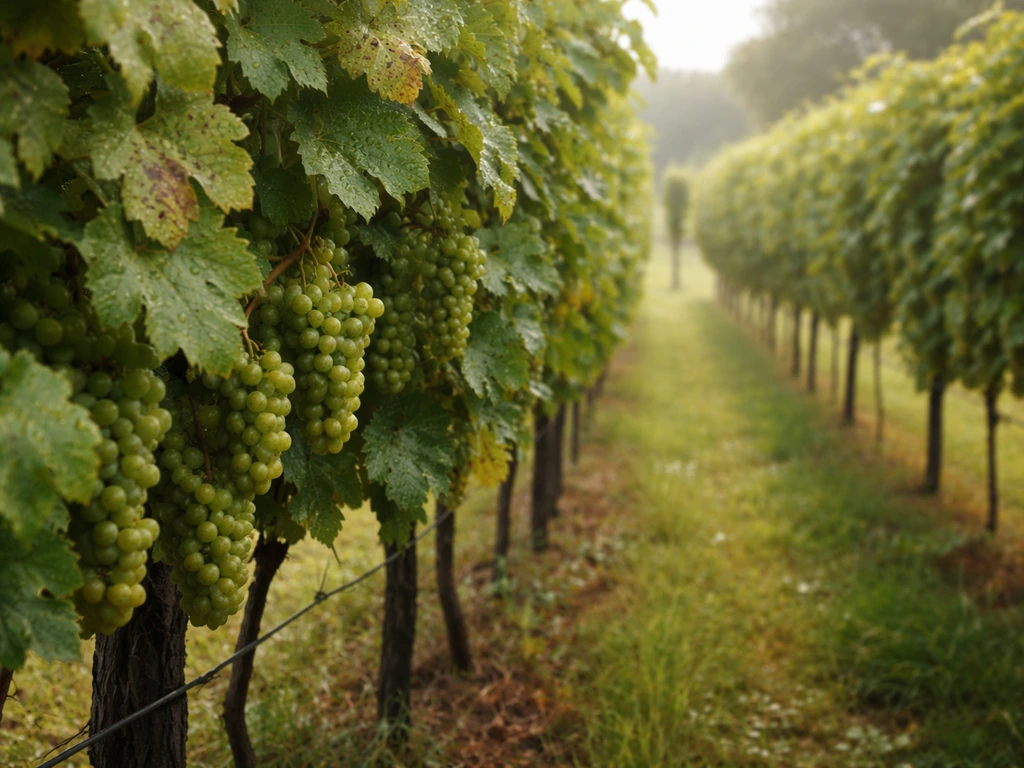
The bigger seasonal threat is usually humidity, not cold. Alabama summers create ideal conditions for powdery mildew, black rot, and downy mildew if you're growing susceptible varieties in poor airflow. That's the core reason muscadines dominate here: they're naturally adapted to the Southeast's humid, hot growing season, and they're resistant to Pierce's disease, which knocks out many European and some hybrid varieties further south. North Alabama gardeners growing bunch grapes may see occasional winter injury on buds and canes during a hard freeze, so cold-hardier hybrids become more important the further north you go. One more thing to watch: late freezes can extend into April or even May in northern counties and at higher elevations, so 'Easter Freeze' events are a real risk for early budbreak.
Best grape varieties for Alabama
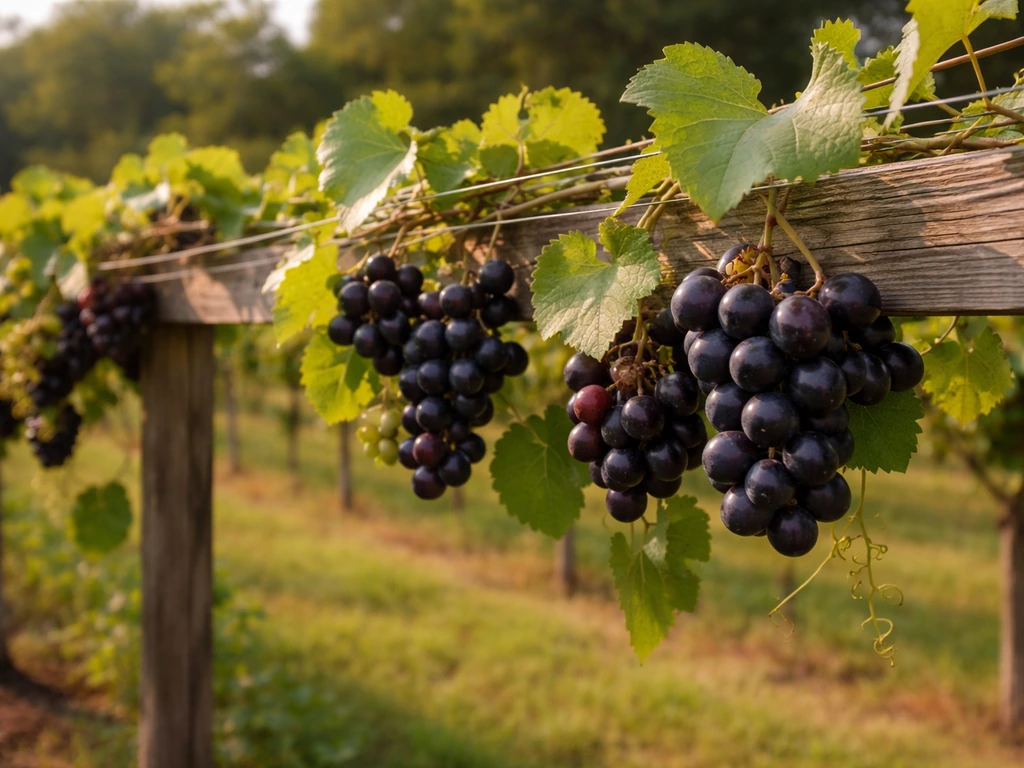
Muscadines are your safest bet across most of Alabama, especially in the central and southern parts of the state. They're adapted to the Piedmont and Coastal Plain regions and handle Alabama's heat, humidity, and disease pressure better than any other grape type. For bunch grapes and wine hybrids, you'll want to focus on disease-resistant varieties, particularly if you're in North Alabama where the growing conditions are a bit closer to neighboring Kentucky or Tennessee. If you are specifically wondering can you grow grapes in Kentucky, the same idea applies: choose varieties that match Kentucky's winters and summer disease pressure rather than assuming European vinifera will work everywhere disease-resistant varieties.
| Variety | Type | Best Use | Disease Resistance | Notes for Alabama |
|---|---|---|---|---|
| Carlos | Muscadine | Juice / Wine / Fresh | High (thick skin) | Bronze type, self-fertile, extremely popular in AL |
| Fry | Muscadine | Table / Fresh eating | Moderate | Large berries, needs a pollenizer plant nearby |
| Triumph | Muscadine | Table / Fresh eating | High | Self-fertile, sweet, one of the best table muscadines |
| Noble | Muscadine | Juice / Wine | High | Dark fruit, self-fertile, excellent for juice and wine |
| Ison | Muscadine | Table / Fresh eating | High | Self-fertile, large black berry, vigorous grower |
| Doreen | Muscadine | Juice / Wine | High | Bronze type, heavy producer, self-fertile |
| Frontenac | Cold-hardy Hybrid | Wine / Juice | High (downy + powdery mildew) | Hardy to -35°F, best option for North AL bunch grape fans |
| Chambourcin | French-American Hybrid | Wine | Moderate | Performs well in the mid-South; watch black rot closely |
| Concord | American Bunch | Juice / Jelly / Table | Moderate | Familiar flavor; doable in North AL but disease spray needed |
A quick note on muscadine pollination: muscadine cultivars come in two flower types, self-fertile (perfect flower) and female-only. If you plant a female-only variety like Fry, you need a self-fertile variety within about 50 feet to get fruit. Most newer cultivars like Carlos, Triumph, and Ison are self-fertile, so if you're planting just one or two vines, start with those. If you want a mix of varieties, one self-fertile plant can pollinate several female-only neighbors.
Where to plant: site selection for Alabama conditions
Full sun is non-negotiable. Grapes need at least 8 hours of direct sunlight daily, and in Alabama's humid climate, maximum sun exposure is also your first line of defense against fungal disease. A south or southwest-facing slope is ideal because it warms up quickly in the morning, dries dew off the foliage fast, and typically has good cold air drainage to reduce late-freeze risk on buds.
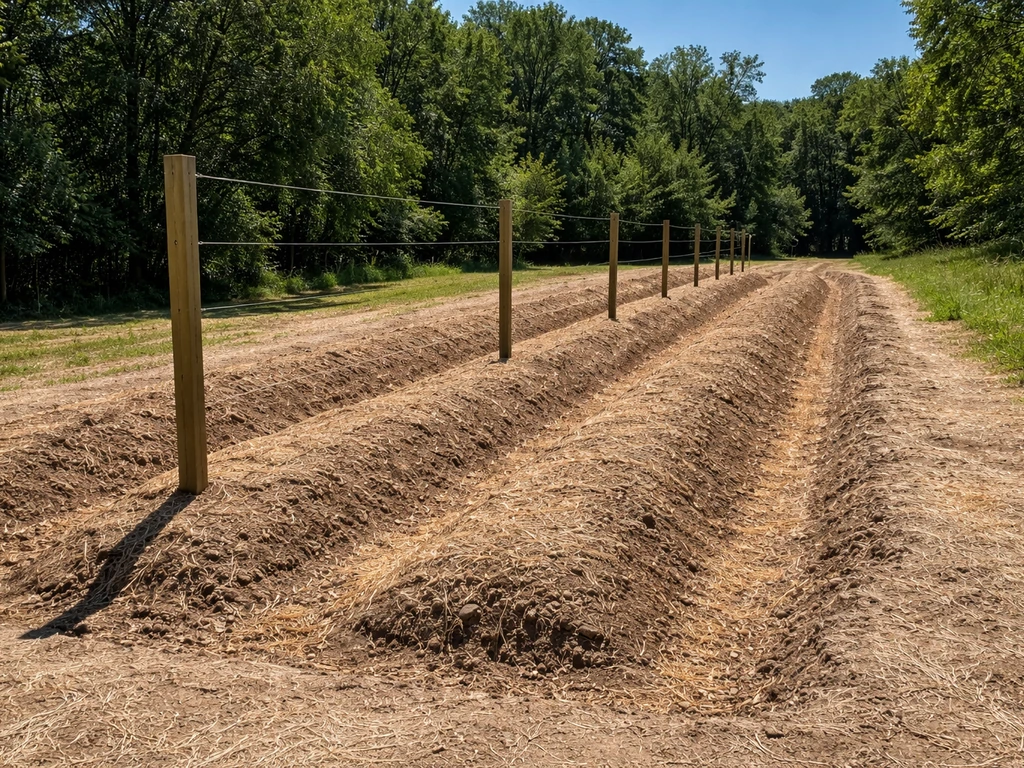
Drainage is the other big factor. Grapes absolutely will not tolerate waterlogged roots, and Alabama's clay-heavy soils in many areas can stay saturated after heavy rain. If your soil drains slowly, either build raised rows or choose an elevated part of your yard. Avoid low spots where water collects. If you're unsure about your drainage, dig a hole about 12 inches deep, fill it with water, and see how long it takes to drain. More than 4 hours is a problem.
Target a soil pH of 5. UGA Extension (muscadine home garden circular/soil cropsheet materials) notes that if soil pH is less than 5.5, liming guidance and tables should be consulted Target a soil pH of 5.. 5 to 6.5 for muscadines and hybrid bunch grapes. Alabama soils often skew acidic, which is usually fine, but get a soil test through your local Extension office before planting. If pH needs adjusting, do it months ahead of planting. Avoid sites near large trees that create shade or compete for water and nutrients, and make sure you have enough room for a proper trellis with good airflow between rows.
How to get started: plants, spacing, and trellising
Buying plants and what to look for
Buy bare-root or container-grown rooted plants from a reputable nursery rather than trying to start from cuttings if this is your first time. One-year-old plants establish well and give you a reliable, disease-free start. Look for plants with a healthy root system and at least one strong cane. Many Alabama gardeners source muscadines from local Extension-affiliated nurseries or specialty suppliers in the Southeast, which ensures the plants are already adapted to the regional climate.
Spacing and trellis basics
For muscadines, space plants 10 to 20 feet apart in a row, with rows at least 10 to 12 feet apart. For bunch grapes, 6 to 8 feet between plants and 8 to 10 feet between rows is typical. Wider spacing improves airflow, which directly reduces fungal disease pressure in Alabama's humid summers. Set your trellis posts before or right at planting time, not as an afterthought. A standard single-wire trellis at about 5 to 6 feet high works for many home gardeners; a double-wire Geneva Double Curtain or bilateral cordon system gives you more fruit surface area if you're planting a longer row.
Plant in late winter to early spring, after the risk of hard freeze has passed but while vines are still dormant. In South Alabama, that's typically February. In North Alabama, wait until March. At planting, cut the vine back to two or three buds on the strongest cane. This feels aggressive but it's exactly right: you're directing all the plant's energy into root establishment that first season.
Your Alabama growing calendar
Alabama's growing season for grapes runs roughly from budbreak in late March or April through harvest in August to October, depending on variety. Here's how to structure your annual care:
| Month(s) | Key Tasks |
|---|---|
| January – February | Prune dormant vines; cut muscadines back to 2–4 inch spurs with about 2 buds each; delay pruning until as late as possible if late freezes are a concern in your area |
| February – March | Apply first fertilizer application once vines show green growth (not before); prepare soil; plant new vines |
| March – April | Watch for budbreak; scout for early mildew signs; train new growth toward trellis wires |
| April – May | Begin fungicide scouting/spray program for bunch grapes; thin shoots to reduce canopy density; watch for late-freeze forecasts in North AL |
| May – June | Remove lower leaves around fruit clusters for airflow; keep weed growth controlled with mulch or mowing; second fertilizer application for first-year vines |
| June – July | Scout for grape root borer adult emergence (late June to early July); monitor for powdery mildew, black rot, and downy mildew; avoid sulfur sprays when temps exceed 100°F |
| July – August | Maintain canopy airflow; reduce irrigation if fruit is ripening (helps concentrate flavor); third fertilizer application ends for first-year vines by mid-summer |
| August – October | Harvest by variety (muscadines typically ripen August through October); remove dropped fruit from ground; note any problem areas for next season |
| October – December | After leaf drop, clean up all fruit mummies and diseased canes; do not compost diseased material; plan trellis repairs or expansion |
Fertilizing first-year vines works best split into three applications: once in early spring when growth starts, once in late May or early June, and a final one in mid-July. After year one, mature vines are less demanding, but a balanced fertilizer in early spring keeps them productive. Watch for yellowing leaves between the veins, which can indicate magnesium deficiency in Alabama's often sandy or leached soils.
The diseases and pests you'll actually deal with in Alabama
Fungal diseases
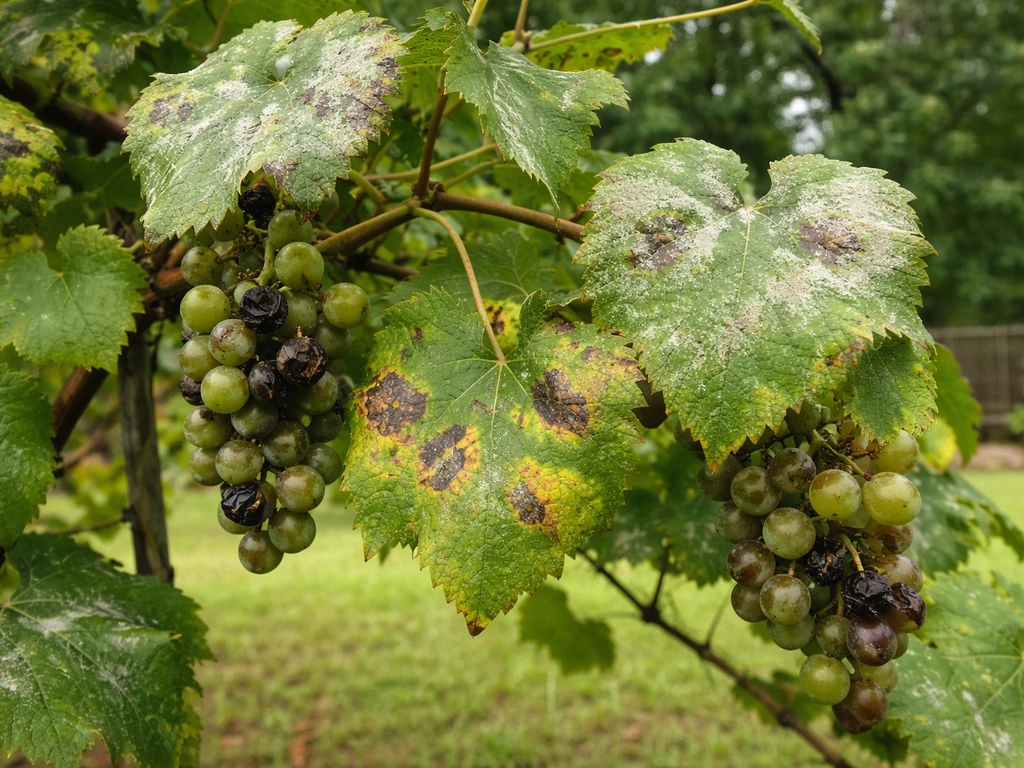
Black rot is considered one of the most serious grape diseases in the Southeast, and Alabama's wet springs make it a genuine threat on bunch grapes and even some muscadines. It starts as small tan spots on leaves and progresses to shriveled, mummified berries. Prevention is everything here: clean up all infected fruit and leaves at the end of the season because the fungus overwinters in that debris. Fungicide sprays during wet periods from budbreak through berry set are often necessary for bunch grapes.
Powdery mildew is another consistent Alabama problem, especially for bunch grapes. It can destroy infected clusters and reduce fruit quality significantly. For sulfur-based controls, be careful in Alabama summers: sulfur can damage vines when temperatures exceed about 100°F, which is not unusual in July and August. Time your applications for cooler parts of the day or switch to alternative fungicides during heat waves. Muscadines are somewhat more tolerant but still susceptible, so don't skip scouting.
Downy mildew thrives in humid conditions with warm nights, which describes Alabama from May through July. Frontenac hybrid grapes have strong resistance to downy mildew, which is one reason they're worth considering for North Alabama gardeners who want bunch grapes. For susceptible varieties, canopy management through pruning and leaf removal to improve airflow is your best cultural tool, supported by a spray program when conditions are favorable for disease.
Botrytis (gray mold) is particularly tricky because there are no curative treatments once it takes hold. Prevention through good airflow, avoiding berry injury, and removing damaged fruit immediately are your only reliable strategies.
Grape root borer
This one is Alabama-specific and serious. The Alabama Cooperative Extension System classifies grape root borer as a significant threat to Alabama vineyards. The larvae feed on roots and can cause damage ranging from reduced vine vigor to complete root destruction over time. Adults emerge in late June to early July. One practical cultural control: mound soil under your vines just after the pupation period to physically block adults from emerging. Scout regularly and keep records so you know if populations are building in your planting.
Other pests
Japanese beetles can defoliate vines quickly in summer and are common across Alabama. Hand-picking in small plantings works surprisingly well, especially in the early morning when beetles are sluggish. Grape berry moth larvae tunnel into berries, allowing secondary rot to follow. Scouting and timing any treatment to the life cycle is more effective than calendar spraying. Wildlife, especially birds and deer, can wipe out a harvest quickly once fruit starts to color, so plan for netting or fencing early.
What to expect at harvest and beyond
First-year expectations
Be honest with yourself here: year one is about root and vine establishment, not fruit. Most well-managed first-year vines won't produce a meaningful harvest, and that's completely normal and correct. If you see some flower clusters forming on a first-year vine, it's generally a good idea to remove them so the plant puts energy into roots and framework canes. You're building a vine that will produce heavily for 20 or more years, so that first season of patience pays off.
Harvest timing
Muscadines typically ripen from mid-August through October in Alabama, with exact timing depending on variety and location. They don't all ripen at once on the cluster, which is why most muscadine harvests are done by spreading a tarp under the vine and shaking or gently pulling ripe berries rather than cutting whole clusters. Bunch grapes ripen earlier, generally July through August depending on the variety. Taste is your best ripeness indicator: grapes don't continue to ripen after they're picked the way some fruits do, so wait until they're genuinely sweet before harvesting.
Storage and what to do with your harvest
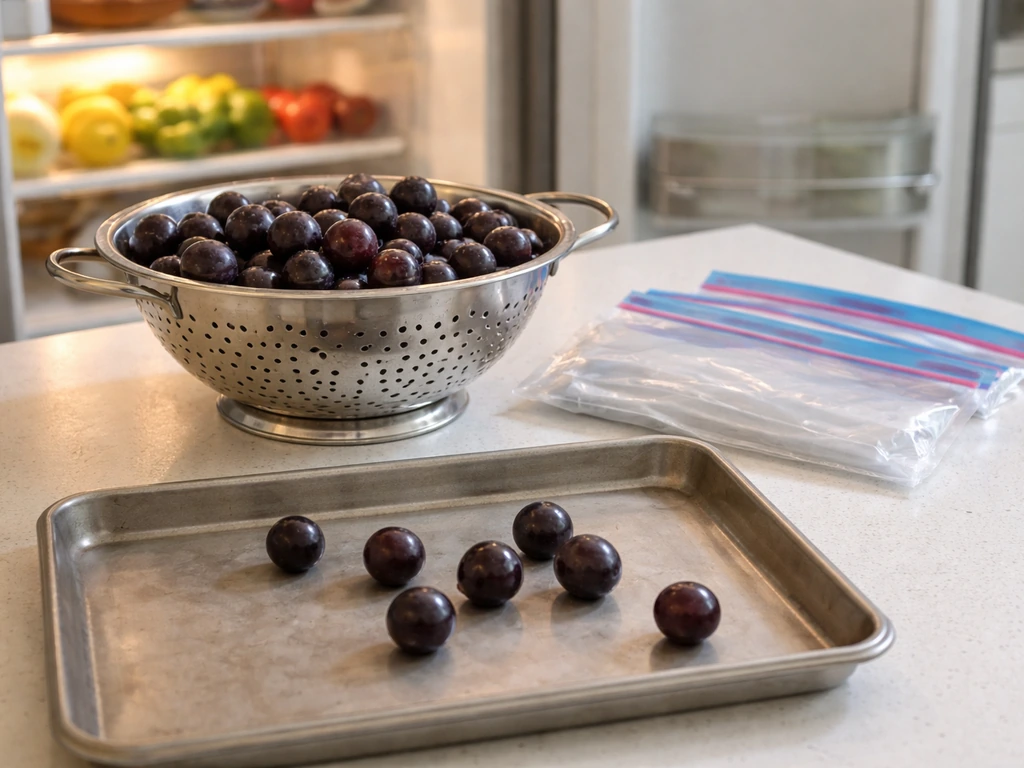
Fresh muscadines keep for one to two weeks in the refrigerator. For longer storage, freeze them whole on a baking sheet then transfer to freezer bags, where they'll keep for up to a year and thaw well for juice or cooking. Muscadines make outstanding juice, jelly, and wine, and their thick skins are actually rich in antioxidants. For juice, simply simmer ripe berries with a small amount of water, mash, and strain. Bunch grapes can be eaten fresh, juiced, or processed into jelly. After harvest, do a thorough cleanup of any dropped or mummified fruit before the end of the season to cut down on disease sources for next year.
If you're comparing Alabama to neighboring states like Arkansas or Kentucky, the fundamentals are similar but Alabama's longer growing season and higher humidity push the advantage even more toward muscadines as the low-maintenance choice. If you’re specifically wondering can you grow grapes in Arkansas, you’ll want to pick varieties matched to your local winter lows and plan for pest and disease pressure. The payoff for getting the variety selection and site right is real: a well-established muscadine vine in Alabama can produce 20 to 40 pounds of fruit per plant annually once it hits full production in years three to five. The same general approach also applies if you are asking, can you grow grapes in Kansas, but you will need to match varieties to Kansas cold and heat swings.
FAQ
Which grape type is most likely to succeed for a first-time grower in Alabama, muscadine or bunch (wine) grapes?
For most home gardeners, muscadines are the safer first bet because they tolerate humid heat better and you can often get fruit with less intensive disease control. Bunch grapes can work, especially in parts of North Alabama with disease-resistant hybrids, but plan on stricter pruning for airflow, more scouting, and a more involved spray and sanitation routine.
Can I grow grapes in Alabama if my yard only gets 6 to 7 hours of sun?
It will be difficult. Grapes need at least 8 hours of direct sun to ripen reliably and to dry foliage quickly after dew and rain, which reduces fungal pressure. If you are short on sun, choose the sunniest wall or slope you have, avoid tree shade, and do not rely on partial shade because it typically delays ripening and increases mildew risk.
What’s the best way to deal with Alabama’s clay soils if drainage is my biggest concern?
If your soil drains slowly (a water-filled hole takes more than about 4 hours to drain), raised rows or an elevated planting spot are usually the quickest fix. In severe wet areas, consider a berm-style mound under the trellis line so roots stay in oxygenated soil, and keep the planting hole from becoming a “catch basin” that traps water.
Do muscadines really need a second vine for pollination?
Some do. Female-only cultivars require a self-fertile muscadine within about 50 feet to set fruit. If you want to plant only one vine, select a self-fertile type (many common newer cultivars fall into this group), otherwise you may end up with lush growth but little or no fruit.
How much cold can grape vines in Alabama take without major damage?
Alabama typically has enough freeze days to satisfy dormancy, but bud and cane damage can still happen after hard freezes, especially in North Alabama or on exposed sites. The practical move is to match the variety to your county’s winter lows and site it where cold air can drain away, such as a slope that avoids frost pockets.
What should I do if my vines break bud early and then get hit by a late freeze?
You cannot fully prevent late freezes, but you can reduce risk with site choice (avoid low spots) and by selecting varieties known for later or more reliable bud behavior in your area. After a freeze, let damaged growth rest for a couple weeks before pruning, then remove only clearly dead tissue so you do not accidentally cut back living wood.
How often should I water grapes in Alabama during the hot, humid summer?
After establishment, focus on deep, infrequent watering rather than daily light watering, which encourages shallow roots and can keep soil overly wet. During heat waves, check whether leaves wilt in the hottest part of the day and only irrigate if vines are actually under stress, then stop early enough to avoid keeping foliage wet overnight.
What’s the easiest way to reduce fungal disease in Alabama without overcomplicating everything?
The highest-impact basics are full sun, good spacing, pruning for airflow, and strict season cleanup of infected fruit and leaves. If you are growing bunch grapes, plan to scout weekly during wet periods, remove diseased clusters when you find them, and adjust your canopy early so spray coverage and air movement both work.
Is sulfur always safe for controlling powdery mildew in Alabama summers?
Sulfur can burn vines when temperatures climb too high, so do not apply it during peak heat. If you expect days above roughly 100°F, use timing (apply early morning or late afternoon when it is cooler) or switch to an alternative treatment method during heat waves, following the label for your specific product.
What do I look for to spot black rot early on my grapes?
Early signs often appear as small tan spots on leaves, then the disease can progress to shriveled, mummified berries. The key is to inspect leaves and berries during wet stretches starting near budbreak and berry set, then remove infected material promptly so the fungus does not keep producing new spores.
How do I handle the first-year expectation that grapes might not produce much fruit?
Treat year one as framework and root establishment, not a production year. If flower clusters appear, removing them usually helps the vine invest energy into strong canes and roots that support heavy yields later, typically starting around years three to five.
What’s the most effective bird and wildlife protection strategy once grapes start coloring?
Start protection early, before berries fully color. Netting is usually the most reliable option for birds, and for deer, a fence or barrier may be necessary because vines can be browsed quickly. Put protection in place as soon as fruit begins to soften, not when the first berries are already gone.
How should I harvest muscadines for best flavor and storage?
Pick only fruit that tastes sweet, since muscadines can vary in ripeness within the cluster. For storage, refrigerate promptly after harvest, and if you want longer storage, freeze whole berries quickly on a tray first so they freeze individually, then package them for freezer holding.
Should I grow grapes in the ground or in containers in Alabama?
Ground planting is usually more successful because grapes are long-lived and need stable soil moisture and root space. Containers can work for experimenting with a few vines, but you must manage drainage and watering carefully and be ready for more frequent soil adjustments and winter protection for roots in colder northern areas.
What’s a realistic yield goal for Alabama home vineyards once the vines mature?
If you get variety selection, sun, drainage, and trellising right, a mature muscadine vine often reaches meaningful annual production around years three to five. A common expectation once established is roughly a few tens of pounds per vine per year, but actual yield depends heavily on disease pressure and your pruning and canopy management.