
Grapes grow best in a temperate to Mediterranean climate: warm, sunny summers with low humidity, cold but not brutal winters, and a growing season that runs roughly 150 to 180 frost-free days. That's the short answer. The longer answer is that 'grapes' covers a wide range of species and varieties, and some of them can handle conditions far outside that sweet spot. Whether your backyard qualifies really depends on which type of grape you're talking about, and once you sort that out, the picture gets a lot clearer.
What Climate Do Grapes Grow In and How to Choose Varieties
Marcus Whitfield
9 Apr 2026
Grape climate basics: temperature, seasons, and the growing window
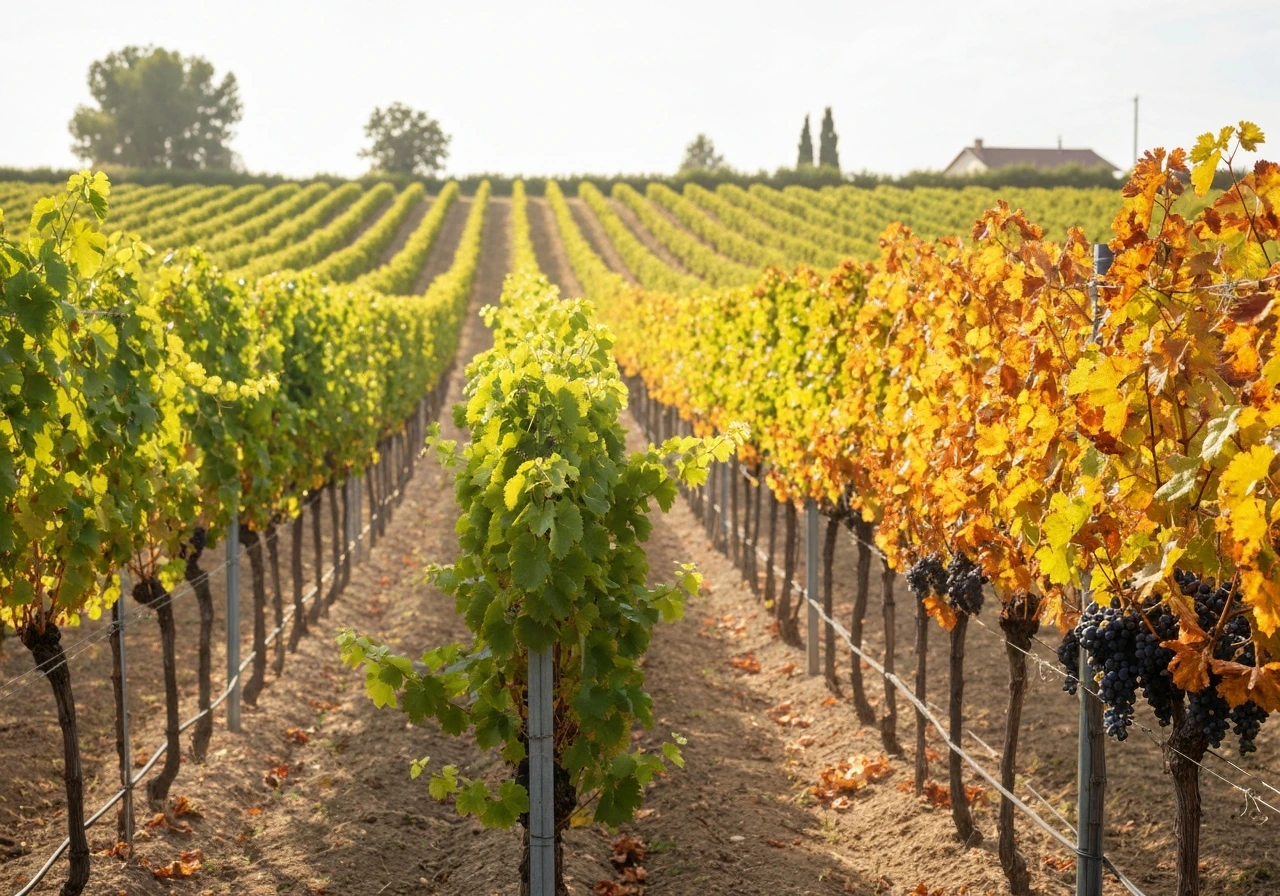
Grapevines need four distinct seasons to perform well. They go dormant in winter, break bud in spring, grow and fruit through summer, and then ripen and harden off in fall. The growing season, measured from the last spring frost to the first fall frost, needs to be long enough for the variety you're growing to fully ripen its fruit. Most wine and table grape varieties need blank" rel="noopener noreferrer">somewhere between 150 and 180 frost-free days. Some early-ripening cold-hardy varieties can squeeze into a 120-day window, which opens up growing to northern gardeners who would otherwise be shut out.
Summer heat is what drives ripening. Viticulture researchers use a concept called Growing Degree Days (GDD), which accumulates heat above 50°F throughout the season. Wine regions like Napa Valley or Bordeaux clock in around 2,600 to 3,500 GDD. Cooler regions like the Finger Lakes or Willamette Valley run 1,800 to 2,400 GDD. As a home gardener, you don't need to crunch those numbers yourself, but the principle matters: if your summers are cool and short, you need early-ripening varieties. If your summers are long and hot, you have far more flexibility. Understanding what temperature grapes grow in helps you match a variety to your specific summer conditions before you plant a single vine.
Winter cold matters just as much as summer heat. Vines need a dormant period with adequate cold to reset for the next season, but there's a hard floor below which the wood, buds, and roots suffer lethal damage. European wine grapes (Vitis vinifera) are the most winter-sensitive, with most varieties dying or suffering severe bud damage at temperatures around -5°F. American Vitis species like Concord are dramatically tougher, surviving down to -20°F or colder. Interspecific hybrids, which are crosses between European and American species, generally fall in between, tolerating roughly -10°F to -30°F depending on the specific variety.
What grapes can handle vs. what will hurt them
Cold and frost
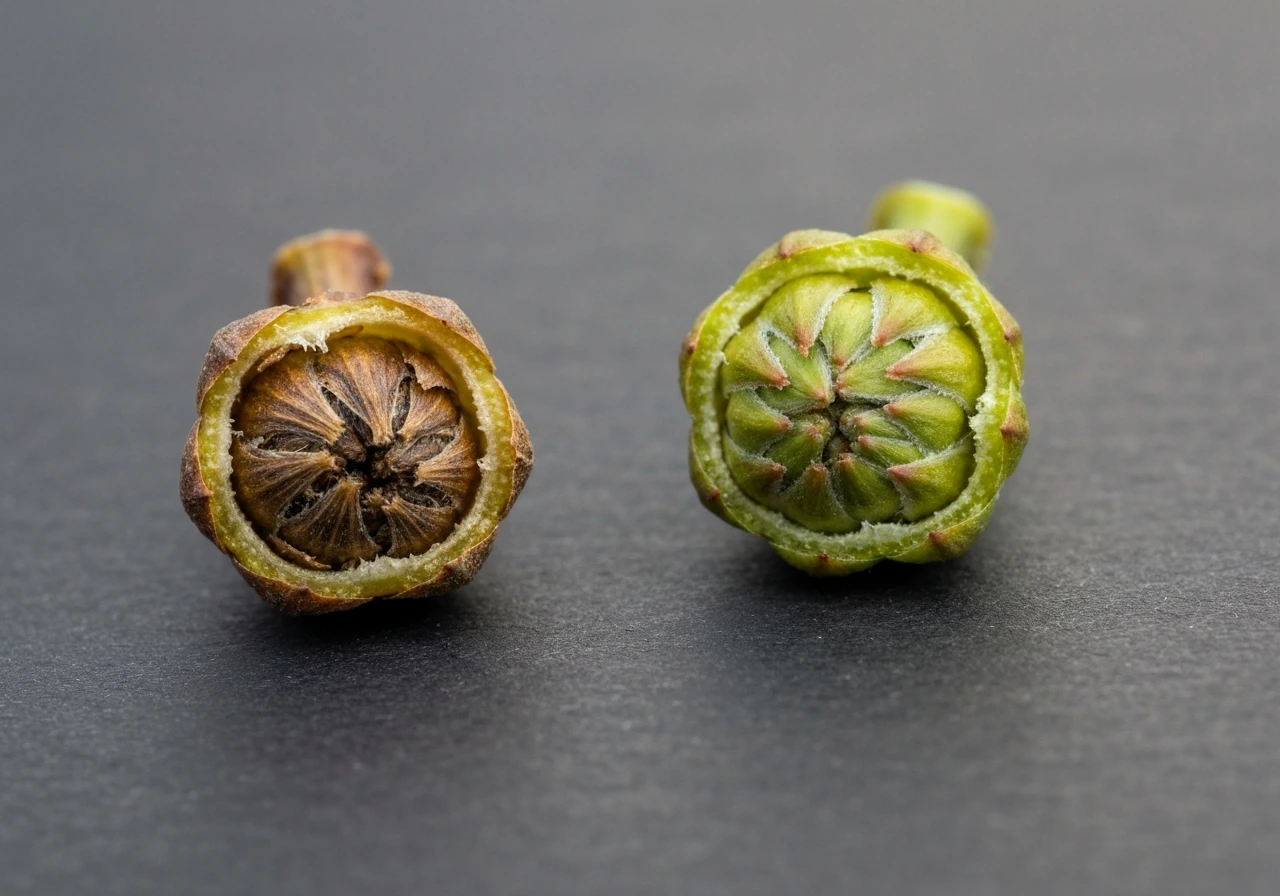
Winter cold tolerance isn't a fixed number. Cold hardiness in grapevine buds is dynamic, shifting throughout dormancy as the vine acclimates to dropping temperatures in fall and deacclimation begins in late winter. A vine that can tolerate -15°F in January may only handle -5°F in November before it's fully hardened, or in March when it starts waking up.
This is why a late-season cold snap after a warm spell in February is often more damaging than a colder but steady January night. Researchers at WSU have even built a Cold Hardiness Model that predicts where a variety's LT50 (the temperature that kills 50% of buds) sits at any point in the season based on local temperature data, which is a powerful tool if you want to get technical about risk.
Viticulture research describes grape bud cold hardiness using LTE50 (the lethal temperature that kills 50% of buds) and predicts it with a dynamic thermal-time model during dormancy [LT50](https://pmc. ncbi. nlm. nih.
gov/articles/PMC3043938/).
Spring frost timing is the other half of the cold equation. Once buds break in spring, the new green growth is tender and will be killed by temperatures at or below 28°F to 30°F. A late frost in May can wipe out your entire crop for the year without killing the vine itself. This is one of the biggest practical challenges in cooler climates and one of the main reasons site selection, which I'll get into later, matters so much.
If you're wondering whether grapes can survive winter in your specific region, the answer usually comes down to variety selection and whether you're willing to do some protective measures like hilling soil over the graft union in very cold zones.
Heat and drought
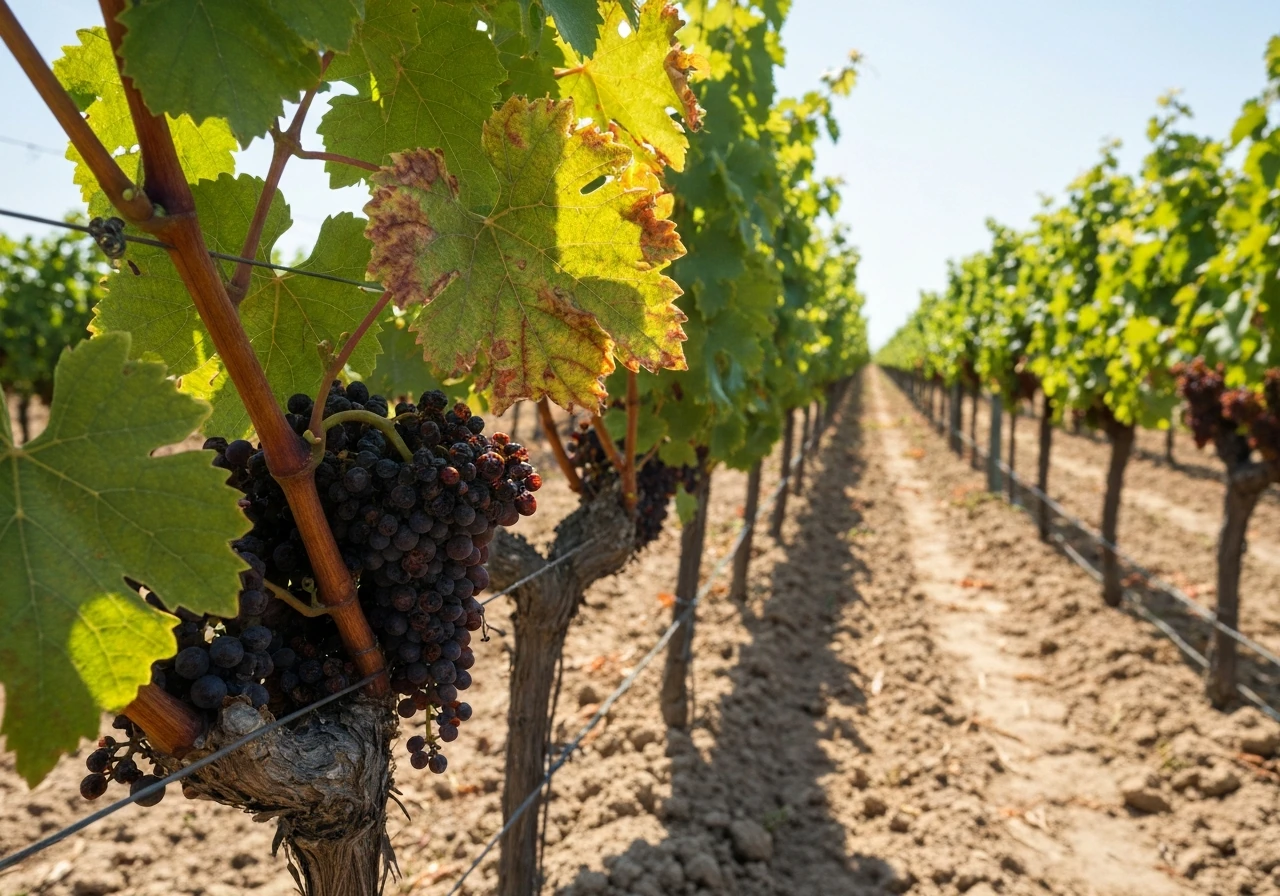
Grapes are surprisingly heat-tolerant, and established vines handle dry summers better than most fruit crops. But there are limits. Extended periods above 100°F can sunburn fruit, stress the vine, and reduce sugar accumulation in ways that hurt quality. The bigger issue in hot climates is often nighttime temperature: grapes ripen better when there's a significant day-to-night temperature swing, which preserves acidity and complexity in the fruit. A climate with hot days and cool nights, like high-elevation areas or inland valleys near mountains, is often ideal. Growing grapes in hot weather is very doable with the right variety and some attention to irrigation, but pure desert heat without that nighttime cooldown is harder to work with.
Humidity and rain
High humidity and frequent summer rain are the conditions grapes struggle with most. Wet, humid weather promotes fungal diseases like powdery mildew, downy mildew, and black rot, which can devastate a crop and weaken vines over time. Classic wine-grape country in Europe has relatively dry summers. The American Southeast and Midwest, with their humid summers, aren't impossible for grapes but require disease-resistant varieties and diligent spray programs. If you're in a humid region, selecting disease-resistant hybrids isn't optional. It's the difference between success and constant frustration.
How to judge whether your yard's climate actually works

Start with your USDA Plant Hardiness Zone. Zones 5 through 9 cover the widest range of successful grape growing in the US. Zone 4 and colder is challenging but possible with cold-hardy American varieties. Zones 10 and above are difficult because vines don't get enough winter chill to break dormancy reliably. The USDA zone map is based on average annual minimum winter temperature, so it tells you a lot about cold tolerance but nothing about summer heat or humidity.
Chilling hours matter too, especially in warm-winter climates. Most grapevines need somewhere between 100 and 500 hours below 45°F during dormancy to fully reset and break bud normally in spring. Parts of Southern California, south Texas, and Florida sometimes fall short of this, which can cause uneven budbreak and reduced productivity. If you're in a climate that rarely sees hard winters, look for low-chill varieties.
Your local frost dates are non-negotiable data points. Find your average last spring frost date and first fall frost date, then count the days between them. That's your growing season window. Compare it to the days-to-maturity listed for the variety you're considering. If the variety needs 160 days and your window is 140 days, you're going to be harvesting underripe fruit every single year.
Finally, look at microclimates within your own yard. A south-facing slope drains cold air downhill instead of pooling it around the vines, which can extend your effective frost-free period by two weeks or more on either end of the season. A spot sheltered by a building or fence from north winds retains heat better. A low-lying area or frost pocket, on the other hand, will always be a few degrees colder than the surrounding land and is the worst place to put grapevines. Walk your property on a cold, still morning and you'll notice where frost settles and where it doesn't.
Where grapes thrive: the best climates and regions
The classic grape-growing climate is Mediterranean: warm to hot, dry summers with plenty of sunshine, mild winters that don't dip too far below freezing, and low humidity throughout the growing season. California's wine country, Spain, Italy, Greece, and southern France all fit this pattern. In the US, coastal and inland California, parts of Oregon and Washington, and southern Arizona come closest to this ideal.
But grapes aren't limited to Mediterranean climates. The Mid-Atlantic states (Virginia, Maryland, Pennsylvania), the Finger Lakes region of New York, and parts of the Midwest all support successful viticulture with the right variety choices. The key in these regions is managing humidity with disease-resistant varieties and paying close attention to frost timing. The Pacific Northwest's Willamette Valley is cooler and wetter but excels with Pinot Noir and early-ripening varieties that thrive in moderate heat.
Even the Upper Midwest and Northeast can support grapes when you use cold-hardy varieties developed by the University of Minnesota breeding program, like Marquette, Frontenac, or La Crescent. These vines were specifically built for climates with brutal winters and short seasons, and they've genuinely changed what's possible for home gardeners in zones 4 and 5. The question of whether grapes grow year round in your region depends almost entirely on which type of vine and climate zone you're dealing with.
Picking the right grape variety for your climate
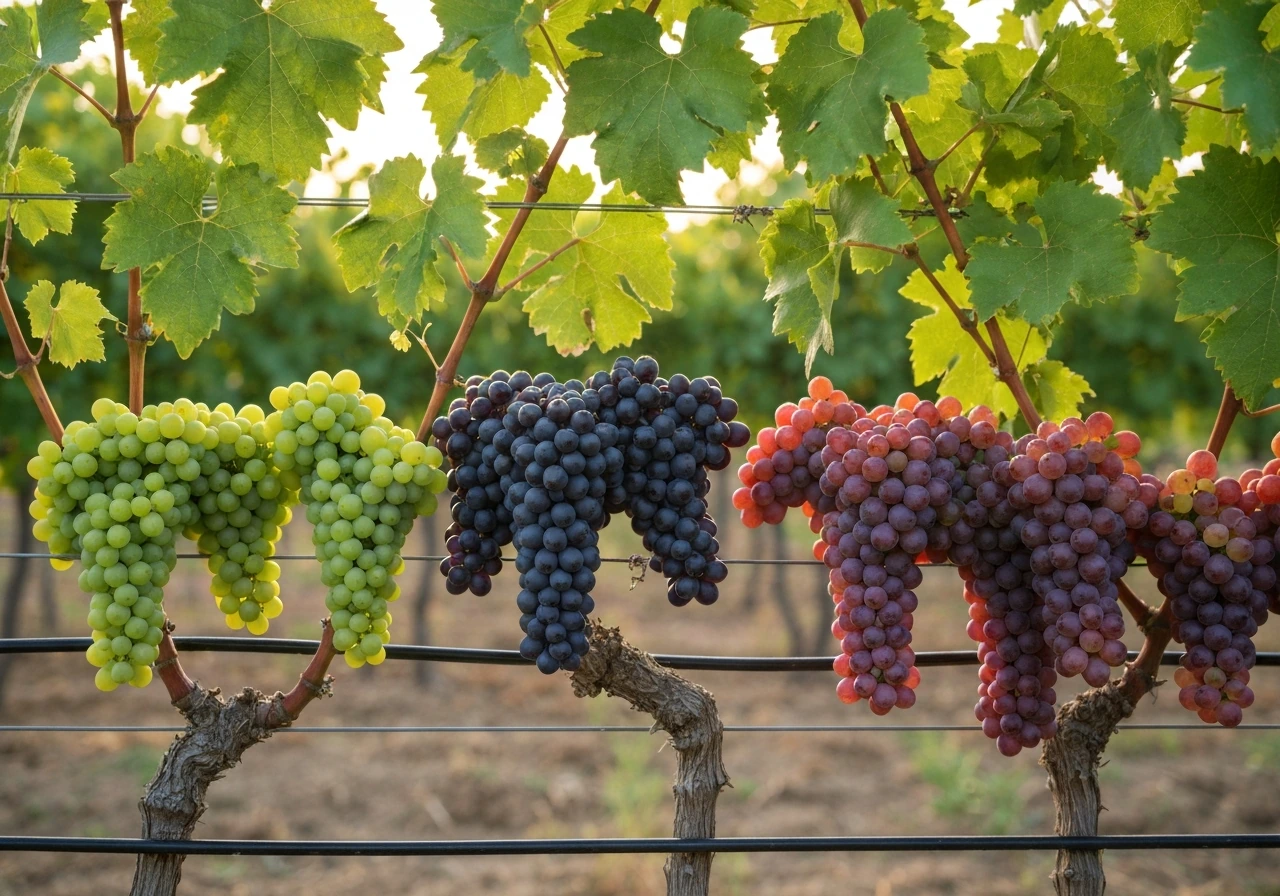
This is where the rubber meets the road. Getting the climate match right at the variety level is more important than anything else you'll do as a beginning grape grower. Here's a quick breakdown of how to think about it:
| Grape Type | Winter Cold Tolerance | Best Climate | Example Varieties |
|---|---|---|---|
| Vitis vinifera (European) | Down to about -5°F | Mediterranean, mild-winter temperate | Cabernet Sauvignon, Chardonnay, Riesling |
| American Vitis species | -20°F or colder | Cold northern climates, humid East | Concord, Niagara, Catawba |
| Interspecific hybrids | -10°F to -30°F depending on variety | Cold to moderate climates, humid regions | Marquette, Frontenac, Vidal Blanc, Chambourcin |
If you're in USDA zones 7 through 9 with dry summers, Vitis vinifera varieties are a realistic choice. If you're in zones 5 or 6 with humid summers, disease-resistant hybrids like Chambourcin or Vidal Blanc are going to give you far less heartache than European varieties. If you're in zones 3 or 4, stick with the University of Minnesota cold-hardy releases unless you enjoy replacing dead vines every few years.
Season length is the other variable to match. Early-ripening varieties like Marquette or Concord mature in 140 to 150 days. Late-ripening varieties like Cabernet Sauvignon need closer to 180 days. If your frost-free window is on the short side, choose an early ripener. Don't try to force a late-season variety into a short growing window by planting it in a warmer microspot. It rarely works consistently.
Heat tolerance is a separate consideration from winter hardiness. Some varieties that survive cold winters also struggle with intense summer heat, while others thrive in it. Muscadine grapes (Vitis rotundifolia) are native to the American South and are genuinely heat-tolerant, disease-resistant, and productive in the humid Southeast, a region where most other grapes fail. If you're in the Gulf Coast states, Muscadines are often the most practical starting point.
Ready to plant? Here's how to set yourself up for success
Site selection comes first and it's worth taking seriously. Grapes want full sun, and I mean real full sun: a minimum of 6 to 8 hours of direct sunlight daily during the growing season. Anything less and you'll get weak growth, poor ripening, and worse disease pressure because the foliage stays damp longer. Knowing exactly how much sun grapes need to grow before you commit to a location will save you years of frustration.
Drainage is just as critical as sunlight. Grapevines hate wet feet. They'll tolerate drought far better than they tolerate waterlogged soil, and roots sitting in saturated ground are a fast path to root rot and vine death. If your yard has heavy clay or low spots that hold water after rain, either choose a different site or plan to build raised rows or berms to lift the root zone above the wet zone.
Soil type matters, but grapes are more flexible here than most people expect. They actually tend to produce better fruit on lean, well-drained soils than on rich, fertile garden beds. Rich soil pushes excessive vegetative growth at the expense of fruit quality. Understanding what type of soil grapes need will help you decide whether to amend what you have or leave it mostly alone.
Once you've got your site sorted, here's a simple sequence to move forward:
- Look up your USDA hardiness zone and average frost dates for your zip code.
- Count your frost-free days and compare them to the maturity window of the varieties you're considering.
- Check your area's average summer humidity and disease pressure to decide between vinifera, hybrid, or American varieties.
- Walk your yard and identify the site with the best sun exposure, air drainage, and cold-air flow away from low spots.
- Order bare-root vines from a reputable nursery in late winter for spring planting, choosing varieties matched to your zone and season length.
- Install your trellis system before or at planting time, not as an afterthought.
One last thing worth keeping in mind: grapevines are a long-term investment. You're typically looking at two to three years before you see a meaningful harvest, and vines planted in the right climate and site will still be producing in 20 or 30 years. Taking the time to match your variety to your actual climate isn't overthinking it. It's the single decision that determines whether this becomes a rewarding part of your garden or a recurring source of disappointment.
FAQ
Can I use my USDA hardiness zone alone to decide if grapes will grow in my climate?
USDA zones predict winter survival, but “what climate do grapes grow in” is really about your specific frost window plus summer heat and humidity. If you only use zone numbers, you can end up with a cold-hardy vine that still will not ripen (too few frost-free days) or will fail from mildew pressure (too much summer moisture).
If my grapes survive winter, will I still reliably get grapes each year?
Not reliably. Even if a vine can survive winter, inconsistent spring weather can wipe the crop when new shoots are hit by late frosts around 28°F to 30°F. To reduce risk, choose a variety with earlier budbreak and locate vines on well-drained, higher ground that avoids frost pockets, then consider delayed pruning and physical frost protection during cold snaps.
What’s the fastest way to confirm a grape variety will ripen in my climate?
Start by matching the variety’s maturity days to your actual frost-free season, then confirm summer heat using Growing Degree Days if you want to be precise. For beginners, the practical shortcut is: if your growing window is short, pick early ripeners, because moving the vine to a warmer microspot rarely adds enough time to make a late variety consistent.
How do I choose among cold-hardiness, heat tolerance, and disease resistance if my climate has multiple challenges?
Choose your variety based on which stress will limit you most: winter cold, summer heat, or summer humidity. For humid regions, prioritize disease-resistant cultivars and plan for more aggressive canopy management to keep leaves drier. For hot regions, prioritize varieties that can handle high daytime heat and produce good acid retention when nights are cooler.
Is a cold January safer than a milder winter followed by a sudden freeze?
Yes, but only if the “cold” is in the right form. A vineyard can have a colder January and still be fine, while a warm spell in late winter that reduces cold acclimation followed by a sudden drop can damage buds more severely. This is why steady cold can be safer than fluctuating temperatures.
Do chilling hours apply to every climate, or only warm-winter regions?
Chilling hours matter less when you are in a region with regular, dependable winters. In climates with warm winters, low-chill varieties are important to avoid uneven or delayed budbreak, which reduces yields and can extend the season into worse fall weather. If you see erratic spring growth, that can be a clue your chilling requirement is not being met.
How strict should I be about frost date averages versus real weather years?
Yes, but treat them as guidelines, not guarantees. Your “days between last spring frost and first fall frost” is an average, and real years deviate. If you’re right at the maturity limit, you should choose a shorter-maturing variety or plan for added protection, because underripe fruit will still be a problem even if winter survival is perfect.
Can I grow grapes in containers to overcome a climate mismatch?
Yes. Container grapes can work, but they often struggle with winter acclimation and root protection, especially in colder climates. If you keep vines in containers, you need an explicit plan for insulating roots, preventing freeze-thaw cycles, and ensuring the plant still gets enough sun and air circulation in summer to limit mildew.
How much can microclimates within my yard change whether grapes succeed?
Even within a backyard, slope and shelter can change your effective frost risk. South-facing slopes can drain cold air, while fences and buildings can create warmer microclimates by reducing wind and trapping heat. Avoid frost pockets and low areas where air pools, since those spots stay colder than nearby ground even when the rest of the yard looks fine.
In a humid climate, is disease resistance enough by itself, or do I need a full management plan?
Grapes can be “difficult” in humid climates because the main problem is not just disease presence, it is disease pressure throughout the season. You will usually need disease-resistant varieties plus diligent practices like canopy openness for airflow, removing infected leaves when possible, and staying consistent with whatever spray or preventive plan you choose.
If grapes prefer lean soil, should I skip fertilizer entirely?
Dry, lean soil can improve fruit quality and reduce excessive leafy growth, but “lean” does not mean “no nutrients.” Expect to provide balanced feeding based on growth and leaf color, because nutrient starvation can reduce yields and fruit set. Test soil if possible, then adjust rather than over-fertilizing.
Why do my grapes take so long to start producing, even if the climate seems suitable?
Most regions require at least a couple of years before meaningful yields, but the timing depends on vine establishment conditions. Slow early growth from poor sun, waterlogging, or nutrient imbalance will delay production. So your climate match matters, but early site conditions after planting also strongly affect how soon you get a harvest.