
Missouri is genuinely one of the better Midwestern states for growing grapes. The best varieties for most home gardeners are cold-hardy American and French-American hybrids like Concord, Chambourcin, Norton, Reliance, and Mars. If you're aiming for the best grapes to grow in Oklahoma, you can use the same cold-hardy hybrid approach and then narrow choices based on your local frost risk and disease pressure cold-hardy American and French-American hybrids. If you're in the warmer southern tip of the state, muscadines are also worth a look. The catch is that Missouri's late spring frosts, humid summers, and wide climate variation from north to south mean variety selection and site preparation make or break your vineyard before you ever pick a cluster.
Best Grapes to Grow in Missouri: Varieties and How to Grow
Can You Actually Grow Grapes in Missouri?
Yes, and people have been doing it successfully here for well over a century. Missouri sits in USDA hardiness zones 5b through 7a depending on where you are. Northern Missouri winters can push down to -15°F in bad years, while the Bootheel and far south hover around zone 7a with much milder winters. That difference matters a lot when you're picking varieties.
The bigger seasonal wildcard is late spring frost after bud break. A hard freeze in April or even early May can wipe out primary buds and slash your crop for the year. MU Extension tracked this directly after the 2024 harvest, attributing low yields partly to scattered spring frosts after bud break. Some varieties handle this better because their secondary buds can still push a partial crop when primaries are killed. That's a real advantage worth factoring into your variety choice, not just a footnote.
Summer heat and humidity are the other challenge. Missouri's warm, wet growing season creates ideal conditions for fungal diseases like black rot, downy mildew, and Phomopsis. If you pick susceptible varieties and do nothing to manage disease, you'll lose fruit. But if you choose tolerant varieties and follow a basic spray schedule, grapes here are very manageable for home growers.
Best Grape Varieties for Missouri
Here's where I'd focus your energy: choose varieties bred for cold hardiness and disease tolerance in Midwest conditions. The climate forgives a lot of beginner mistakes if your variety is suited to Missouri in the first place.
Table Grapes for Eating Fresh
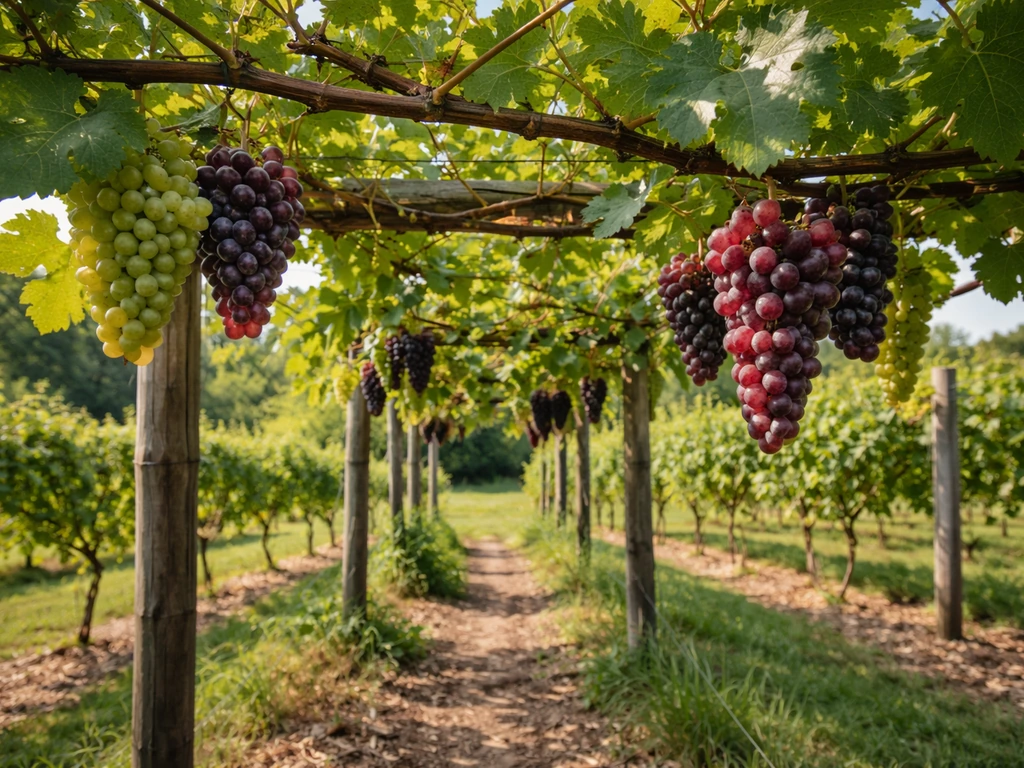
MU Extension specifically calls out Reliance, Mars, and Himrod as adapted to Missouri growing conditions for home dessert use. Reliance is a seedless red grape with good cold hardiness and decent disease resistance. Mars is a seedless blue grape that performs especially well in Missouri's climate and has solid black rot tolerance. Himrod is a seedless white grape with excellent flavor but is slightly more disease-susceptible than the other two, so plan on staying on top of your spray schedule if you plant it. All three are suited to a soil pH of 5.5 to 6.5, which covers most Missouri garden soils.
Wine Grapes
Missouri has a real wine grape tradition, and Norton (also called Cynthiana) is the flagship. It's a native American grape that makes excellent red wine and handles Missouri winters and humid summers better than almost anything else. It's not a beginner variety in terms of management, but it's genuinely suited to this state. Chambourcin is a popular French-American hybrid here, producing good red wine with reasonable disease tolerance, though it's more susceptible to winter injury than American grapes. Vignoles is a widely grown white hybrid in Missouri with good yields but high acidity that winemakers appreciate. A grower/enthusiast on r/wine sharing their first season reported growing Vignoles at a Missouri vineyard and commented on their experience with the variety Vignoles is a widely grown white hybrid in Missouri. If you're in zone 5b or 6a in northern Missouri, be cautious with French-American hybrids and make sure they're planted on a protected, south-facing slope if possible.
Muscadine Grapes
Muscadines are warm-climate grapes native to the Southeast, and they are only reliably viable in southern Missouri, roughly zone 7a and the warmest parts of 6b. If you're in the Bootheel or deep southern counties, muscadines like Carlos, Noble, or Ison are worth trying. They are remarkably disease-resistant and require almost no fungicide program, which is a huge advantage in a humid climate. Just don't plant them in northern or central Missouri and expect to get through a typical winter.
| Variety | Type | Use | Cold Hardiness | Disease Tolerance | Best For |
|---|---|---|---|---|---|
| Concord | American | Juice/Jelly/Table | Zone 4-5 | Good | Statewide |
| Reliance | American hybrid | Table (seedless) | Zone 5 | Good | Statewide |
| Mars | American hybrid | Table (seedless) | Zone 5 | Very Good | Statewide |
| Himrod | American hybrid | Table (seedless) | Zone 5 | Moderate | Central/South MO |
| Norton/Cynthiana | American | Red wine | Zone 5 | Very Good | Statewide |
| Chambourcin | French-American hybrid | Red wine | Zone 5-6 | Moderate | Central/South MO |
| Vignoles | French-American hybrid | White wine | Zone 5-6 | Moderate | Central/South MO |
| Carlos (Muscadine) | Muscadine | Table/Wine | Zone 7 | Excellent | Southern MO only |
Picking the Right Planting Site
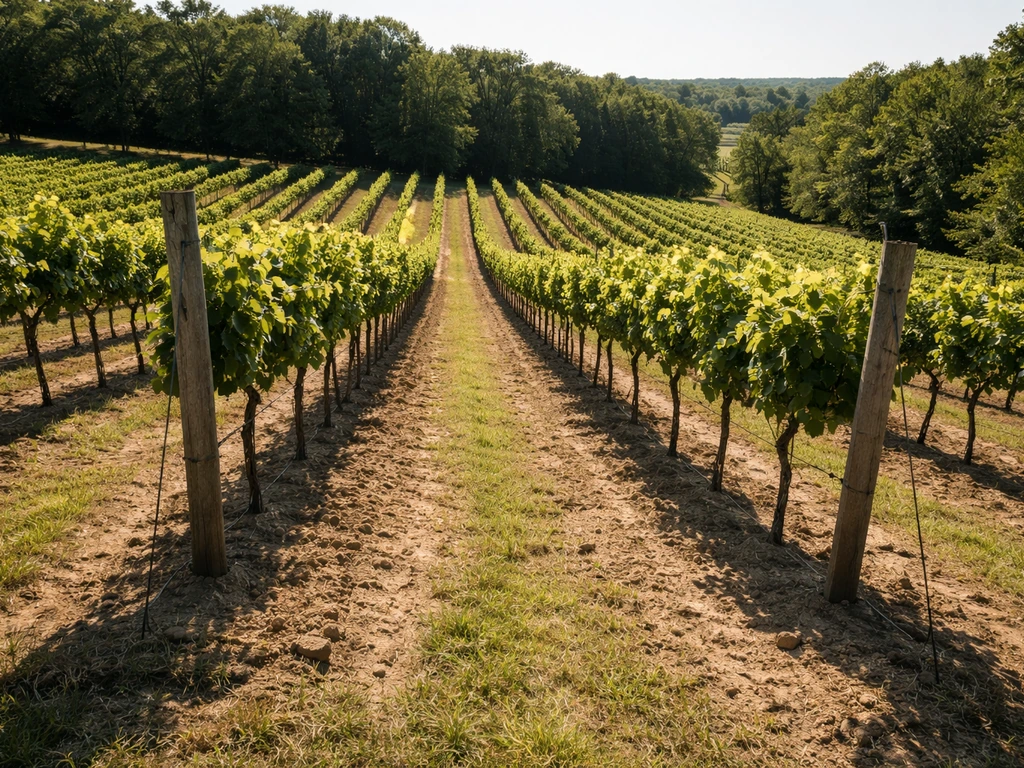
Site selection is probably the single biggest lever you have over your long-term success. Grapes grow best in full sun and well-drained soil, and in Missouri, that means at least 8 hours of direct sun daily. A south- or southeast-facing slope is ideal because it warms up earlier in spring, helps buds break evenly, and promotes air circulation that dries foliage and reduces fungal pressure.
Drainage is non-negotiable. Grapes sitting in wet, compacted soil are stressed, disease-prone vines waiting to fail. If your site holds water after rain, build raised rows or add organic matter and till deeply before planting. Don't try to make a bad drainage site work with a good variety; fix the site first.
Soil pH for most Missouri table grapes should sit between 5.5 and 6.5. Test your soil before planting, and if you're above 6.5, sulfur amendments can bring it down over a season. Most Missouri garden soils fall somewhere in this range naturally, but it's worth confirming rather than guessing. Avoid frost pockets at the base of slopes. Cold air drains downhill and pools in low spots, which is exactly where late spring frost does its worst damage.
How to Grow Grapes in Missouri: A Season-by-Season Roadmap
Planting (Year 1, Early Spring)
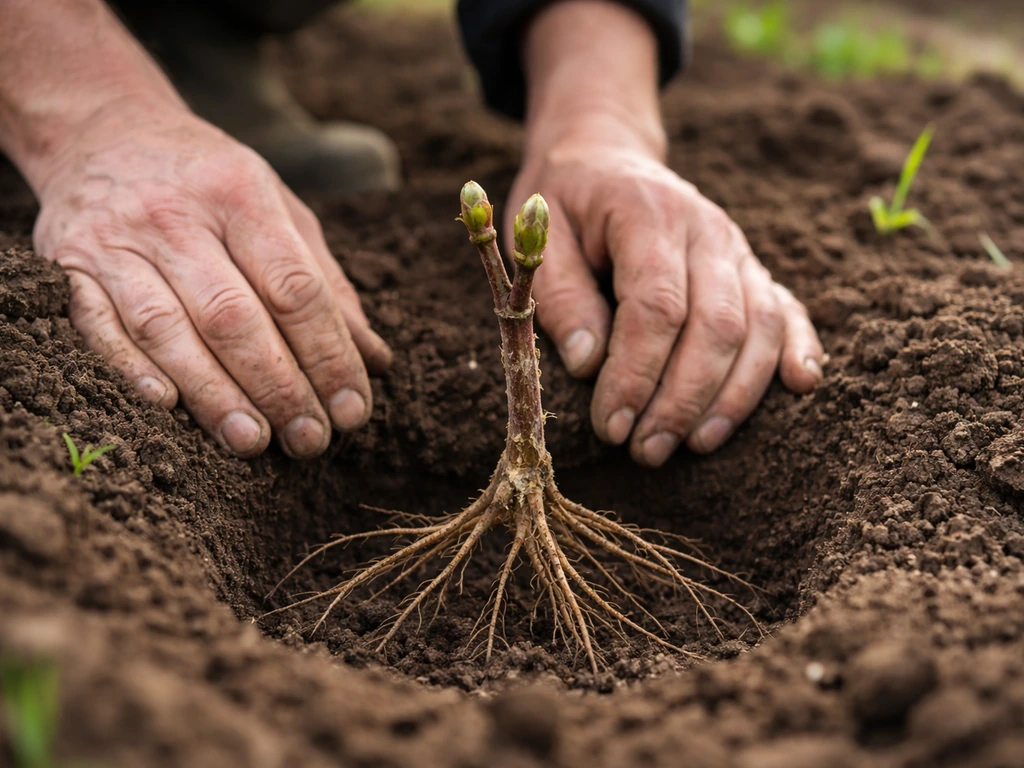
Plant bare-root vines as early in spring as your site allows, ranging from March in southern Missouri to mid-April in northern Missouri according to MU Extension. Get them in the ground while dormant but after the hardest freeze risk has passed. For most cordon-trained systems, space vines 8 feet apart in the row, which gives each plant enough room to develop a full cordon without crowding. Rows themselves are typically spaced 8 to 10 feet apart to allow equipment access and airflow.
At planting, cut the vine back to two or three strong buds. I know it feels counterintuitive to cut a small plant back even more, but it focuses energy into root establishment instead of pushing weak top growth. Set your trellis posts before or at the same time as planting so you're not disturbing roots later.
First Growing Season (Year 1)
Year 1 is entirely about roots and structure. Water regularly during dry spells, roughly an inch per week, but don't overwater. Keep the area around the base weed-free. If any flowers appear on the young vine, remove them. MU Extension is explicit on this: suppressing fruit in year 1 (and year 2) redirects the plant's energy into developing the vine framework you'll be training for the next decade. It's frustrating to skip fruit, but this patience pays off in years 3 and 4.
Dormant Pruning and Training (Late Fall Through Early Spring, Years 1-3)
Prune during dormancy, targeting early March in Missouri before bud swell begins. In year 1, select the strongest shoot and tie it to your training stake as the future trunk. Remove everything else. In year 2, train lateral arms (the cordon) along the trellis wire in both directions. Remove all flower clusters again in year 2. By the end of year 2, you should have a permanent trunk and two cordon arms extending along the wire. In year 3 and beyond, prune spurs every 8 to 12 inches along the cordon, leaving two to three buds on each spur. These spurs are where fruiting shoots will grow each season.
Growing Season Management (Year 2 and Beyond)
Once the vine is established, your seasonal routine focuses on shoot positioning, disease scouting, and timely pruning. In spring, as new shoots emerge from your spurs, thin them to the strongest one or two per spur position. Tuck shoots upward or downward into the trellis wires as they grow to keep the canopy open and allow air and sunlight to penetrate. A dense, tangled canopy is an invitation for disease. Fertilize lightly in early spring with a balanced fertilizer, but don't over-apply nitrogen or you'll get a lot of leafy growth and poor fruit set.
Watering
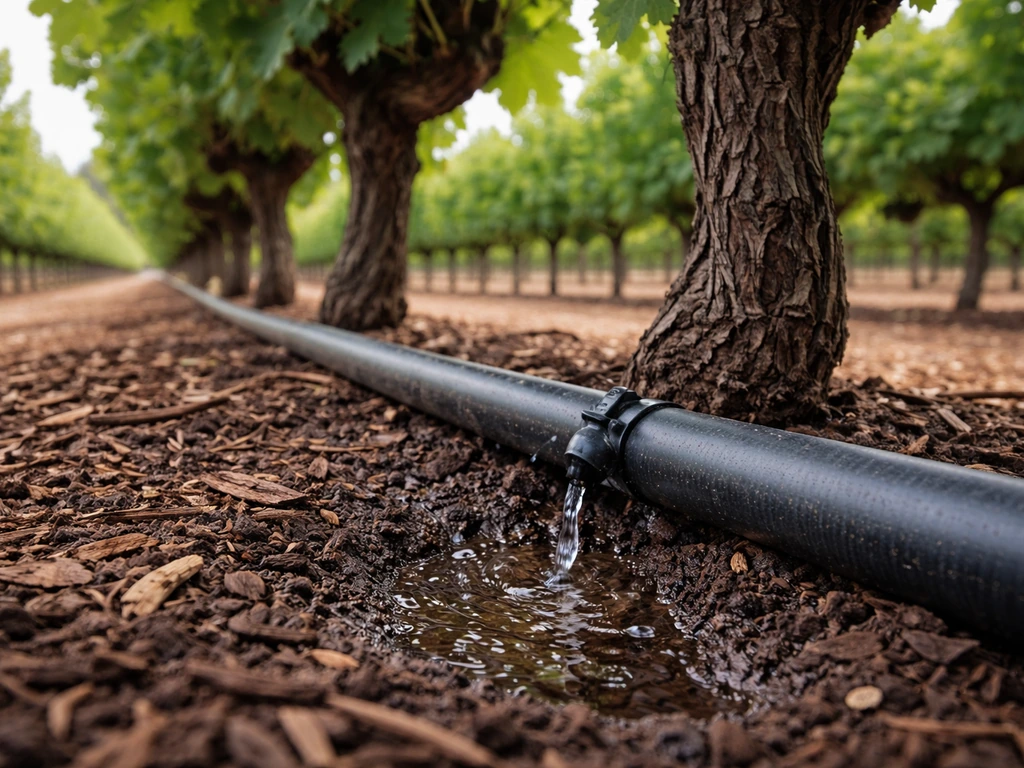
Drip irrigation is the most efficient approach and has the benefit of keeping foliage dry, which directly reduces fungal disease pressure. If you're hand-watering, water at the base and avoid wetting leaves, especially in the evening. Established vines (3 years and older) are surprisingly drought-tolerant, but they need consistent moisture during fruit development to size up clusters properly.
Trellising and Training Systems
For most Missouri home vineyards, MU Extension recommends a high-wire single-curtain trellis system. This positions the cordon (the permanent horizontal arm of the vine) about 5.5 to 6 feet off the ground, with shoots hanging or growing downward from it. This system works especially well in Missouri because it keeps the fruiting zone up off the humid ground level, improves air circulation, and makes harvest easier.
The basic setup uses wooden or metal line posts spaced about 20 feet apart, with a single wire running at cordon height. Anchor posts at the ends of each row need to be set more deeply and may need to be braced to handle the tension of the wire and the weight of mature vines. For muscadines in southern Missouri, a Geneva Double Curtain (GDC) trellis with two parallel wires about 4 feet apart at 5 feet high can significantly increase yields compared to a single wire. Research from Mississippi State Extension shows single-wire muscadine trellises yield roughly two-thirds of what a GDC produces, and the GDC allows up to 40 feet of fruiting wood per vine.
For beginners, I'd suggest starting with the single high-wire system. It's simpler to build, easier to maintain, and more than adequate for American and French-American hybrid varieties. You can always add a second wire later if you shift toward muscadines or want to experiment with split-canopy systems.
Pests, Diseases, and Missouri Weather Challenges
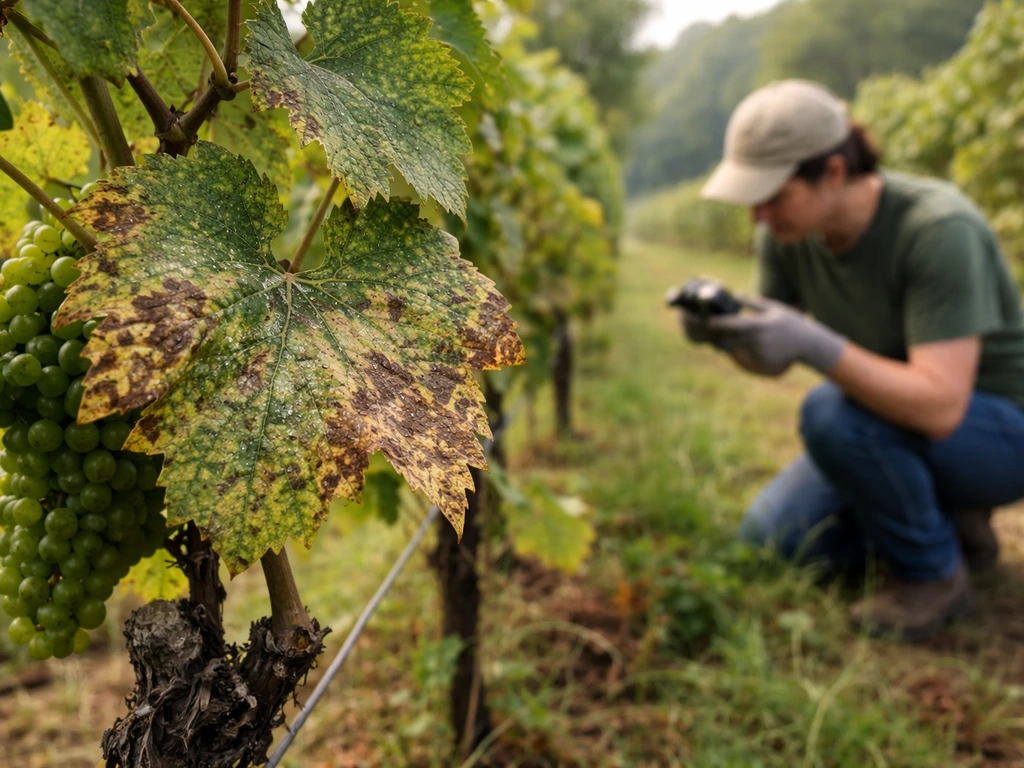
Missouri's humid summers create serious disease pressure, and this is the area where most beginner home vineyards run into trouble. The diseases you'll encounter most often are black rot, powdery mildew, downy mildew, Phomopsis cane and leaf blight, and bunch rot. MU Extension describes these as the 'Big Five' for Midwest and Eastern U.S. vineyards. Phomopsis is especially sneaky because it infects vines early in the season, often before symptoms are obvious, and can cause significant cane dieback.
Disease Prevention Basics
- Choose disease-resistant varieties from the start. Norton, Mars, and Concord have strong resistance. Himrod and Chambourcin need more attention.
- Follow a basic spray schedule starting at bud swell. Copper-based fungicides are effective against black rot, powdery mildew, and downy mildew and are appropriate for home use. MU Extension includes copper in their home spray schedule for grape diseases.
- Keep the canopy open by consistent shoot positioning and pruning. Air circulation is your best free disease tool.
- Remove and dispose of mummified fruit clusters and infected canes. Don't leave disease material on the ground or on the vine going into winter.
- Avoid overhead watering and evening irrigation that leaves foliage wet overnight.
Phylloxera
Grape phylloxera is a root-feeding insect pest that can devastate vines. There is no known completely successful chemical control for the root form once it's established in your soil. The practical prevention is to buy vines grafted onto rootstocks derived from native American grapes, which are resistant to phylloxera damage. Most reputable nurseries selling to Midwest growers already graft onto appropriate rootstocks, but it's worth confirming when you order.
Late Spring Frost
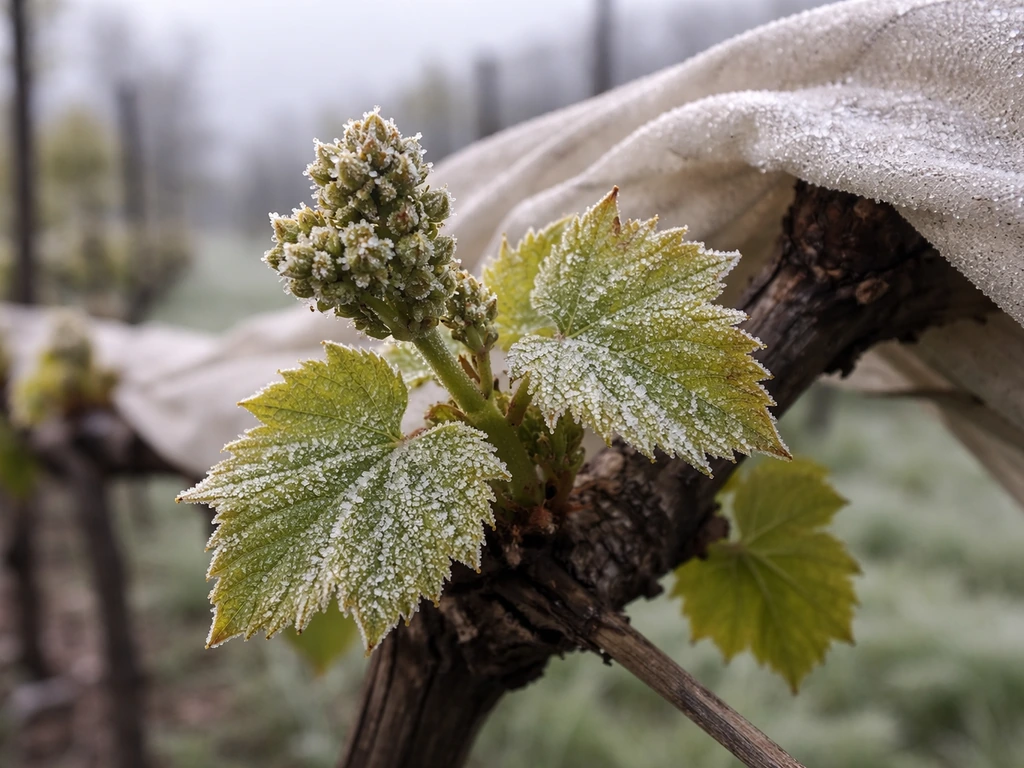
Late frost after bud break is a recurring problem in Missouri, especially in northern and central parts of the state. Planting on a slope above a frost pocket, choosing varieties whose secondary buds can produce a backup crop, and avoiding low-lying sites all help reduce your risk. In severe frost years, even well-sited vines may produce a reduced crop. The 2024 Missouri harvest was a real-world example: widespread spring frost damage led to low yields statewide despite good fruit quality. It happens, and it's not a sign you did something wrong.
Other Pests
- Japanese beetles feed heavily on grape foliage in mid-summer. Hand-picking and neem oil work for small plantings. Larger infestations may need a labeled insecticide.
- Grape berry moths can damage fruit clusters. Timing sprays to egg hatch (degree-day models help with this) is more effective than calendar-based spraying.
- Birds become a serious problem as fruit ripens. Netting clusters or the whole row is the most reliable solution.
When to Harvest and What to Expect in the Early Years
Set realistic expectations: you will not harvest grapes in year 1 or year 2. That's intentional, not failure. MU Extension instructs removing all flower clusters in both of those years to push energy into vine structure. The first meaningful harvest typically comes in year 3 or 4, what growers call the 'third or fourth leaf.' From that point forward, yields build as the vine matures and fills in its trellis space.
For table grapes, harvest timing is easy to judge: taste the fruit. When it tastes sweet, ripe, and the skin has fully colored, it's ready. Don't judge by color alone because many varieties color fully before they reach peak sugar. For wine grapes, growers measure brix (sugar content) with a refractometer, typically targeting 20 to 24 brix depending on the variety and style of wine intended.
A healthy, established home vine trained on a single high-wire system can produce 10 to 20 pounds of fruit per vine per year once fully mature, though yields vary widely by variety, site quality, and how well disease is managed. Don't obsess over yield in the early years. A small crop from a healthy vine in year 3 is a better sign than a large crop from a stressed vine that's struggling to establish.
Your Next Steps
If you're in northern Missouri or zone 5b, start with Concord, Reliance, or Norton. If you're growing in Iowa instead of Missouri, the best grapes to grow in Iowa will be different because of your colder winters and frost risk. If you are growing grapes in a colder or more variable climate like Kansas, the best grapes to grow in Kansas will also depend on winter hardiness and disease resistance. They'll handle your winters reliably and give you something to work with while you learn. If you're in central Missouri around zone 6a, you have more flexibility and can explore Chambourcin or Vignoles for wine without too much winter risk. Southern Missouri and the Bootheel open up muscadines as a genuinely excellent low-maintenance option alongside standard American hybrids. Neighboring states like Oklahoma to the south share some of Missouri's southern variety options, while growers in Minnesota and Nebraska face harder winters and should lean even more heavily on cold-hardy American types. If you're asking about the best grapes to grow in Minnesota, you'll want to prioritize cold-hardy cultivars and plan around frost risk just like you would here grow grapes in Missouri. If you’re growing grapes in Nebraska specifically, you’ll want to prioritize cold-hardy American varieties and plan for winter protection best grapes to grow in nebraska.
Order bare-root vines from a Midwest-focused nursery so the material is already adapted to your region. Get your soil tested this fall if you haven't yet so you can amend before spring. Set your trellis posts before the vines go in. And plan for year 3 harvest, not year 1. That mindset shift alone will make the whole process feel a lot more rewarding.
FAQ
Do I need to choose different grapes for north vs south Missouri, or can I plant the same ones statewide?
Not necessarily. If you want grapes reliably, pick cultivars bred for Missouri conditions and plant them in a site that avoids frost pockets and stays well-drained. You can still lose crops in a harsh spring freeze even with a great variety, but cold-hardy types with productive secondary buds give you a better chance at a partial crop.
Can I grow grapes without a trellis in Missouri?
For Missouri, most home setups should be on a trellis system from the start. A sturdy single high-wire trellis improves airflow and keeps fruit off humid ground, which directly lowers bunch and cane disease pressure. If you plant canes on the ground or skip trellising early, expect more fungal issues and harder pruning later.
Are seedless grapes easier to grow in Missouri than seeded varieties?
Yes, but it affects your disease management. Seedless table types like Reliance and Mars still need canopy management, scouting, and a realistic fungicide plan because humidity can drive infections even when plants produce well. The main benefit of seedless varieties is fruit type, not disease resistance, so plan as if disease pressure is always possible.
If I live near the Missouri border, can I still grow muscadines successfully?
Muscadines are primarily a southern Missouri option, roughly zone 7a and the warmest parts of 6b. Even if they survive winter in a protected yard, fruiting can be inconsistent in colder springs. In marginal areas, you may get vines that live but produce less consistently.
How often should I water grapes in Missouri, and what mistakes cause trouble?
Keep water consistent rather than heavy. During dry spells, about an inch per week is a useful target, but the bigger rule is to prevent cycles of drought stress followed by overwatering, which can increase vine problems and complicate disease pressure. Use drip irrigation and check soil moisture near the roots before adding more.
When is the right time to prune in Missouri, and what happens if I prune too late?
Don’t rely on the calendar. Prune during dormancy, but do it early enough that you complete major pruning before bud swell, and avoid working vines when temperatures are very low (branches are more brittle). If you prune too late and break buds, you can mimic frost damage.
If I remove all flowers for the first two years, will that stunt my vines?
It helps to suppress fruit in year 1 and year 2 so the vine builds structure, but you also need to remove only the flower clusters, not the entire shoot growth that your training system depends on. Use the training plan, keep the strongest shoot(s) for the future trunk, and avoid over-thinning new shoots too early in spring.
My grapes survived winter but keep failing to crop, what should I check first?
Yes, and the most common culprit is poor site selection. Frost pockets, wet compacted spots, and shade will all reduce bud survival and increase disease. Before changing varieties, check full-sun hours, drainage after a rain, and whether cold air settles in your planting location.
Can I grow the best Missouri grape varieties in containers?
If you’re growing in containers, you must treat the plant as a winter-hardiness challenge and a disease-management challenge. Container soil freezes differently and dries out faster, so roots may be more exposed to winter injury and stress. For most gardeners, in-ground planting with Missouri-adapted varieties is far more reliable.
How can I tell if Phomopsis is a problem before it causes major damage?
Grape leaves can look fine even when canes are infected. Phomopsis can infect early, so “no visible problems” doesn’t always mean you’re safe. Use a scouting checklist (shoot dieback patterns, leaf lesions) and follow timely management steps rather than waiting for obvious symptoms.
What should I do if I think my soil has grape phylloxera?
If you suspect grape phylloxera, focus on prevention and sourcing. The practical approach is buying vines grafted onto resistant rootstocks, then maintaining good vine health and avoiding questionable nursery material. Once root-feeding phylloxera is established in soil, chemical rescue is not reliable for the root form.
How do I know when to harvest table grapes in Missouri if color is misleading?
For tasting table grapes, ripeness is about sugar and flavor, skin color is only one clue. Some varieties color early, so taste a few berries from each cluster and also watch for full softening and sweetness. If birds are eating them first, install netting early rather than waiting until “it looks ripe.”
What if my soil test shows pH is too high or too low for grapes?
If your soil pH is outside 5.5 to 6.5, correcting it takes time and should be based on a test, not guesswork. Also, don’t overcorrect with aggressive amendments right before planting, because pH swings can stress roots. Plan to test in advance (often in fall) so you can adjust before spring.
What extra steps should I take if I want to grow Chambourcin or other French-American hybrids in northern Missouri?
If you’re growing a French-American hybrid like Chambourcin in colder northern areas, increase your odds by placing vines on a protected slope when possible and avoiding north-facing low spots. Still, accept that winter injury risk is higher than with American and French-American hybrids bred for hardiness, and your winter losses may be variable year to year.