
Zone 8b is genuinely one of the better places in the country to grow grapes at home. Your winters are cold enough to give vines the dormancy they need, your summers are long and warm enough to ripen most varieties, and you have a wide range of cultivars to choose from. For table grapes, Reliance and Venus are your most reliable starting points. For wine or jam, Blanc du Bois, Lenoir (also called Black Spanish), and Carlos muscadine are standout picks. The rest of this guide will help you narrow those down to the right fit for your specific yard.
Best Grapes to Grow in Zone 8b: Top Varieties Guide
Marcus Whitfield
21 Jun 2026
Zone 8b reality check for grape growing
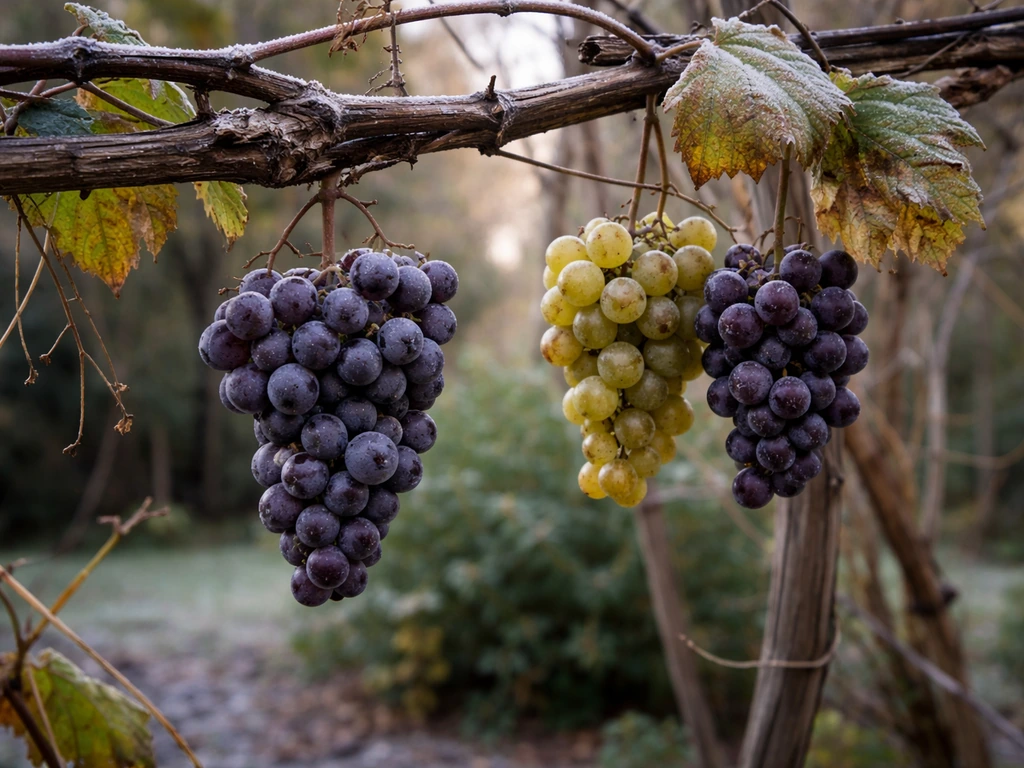
Zone 8b means your average annual extreme minimum winter temperature lands between 15 and 20°F (about -9 to -7°C). That's cold enough to push vines into real dormancy every year, which is exactly what grapes need. It's also warm enough that true cold-hardy varieties designed for zones 5 or 6 can actually be overkill here. You don't need the ultra-tough Minnesota hybrids. You have options.
The bigger challenge in zone 8b isn't the cold itself, it's two things that catch new growers off guard. First, occasional hard freezes can dip below the typical zone range in certain years, and spring frosts can hit budding vines at exactly the wrong time. Tissue that's already broken dormancy is far more vulnerable than fully dormant wood, so a late frost in March can do more damage than a deep January freeze.
Second, most of zone 8b runs through the Southeast and Gulf Coast states, parts of the Pacific Northwest coast, and stretches of Texas and California, all of which bring real summer humidity. That humidity is the main reason disease resistance matters so much when you're picking a variety.
The good news: zone 8b easily clears the 150 to 180 frost-free days that most grape cultivars need to develop and ripen a crop. You have the season length. The job is matching the right variety to your specific combination of summer heat, humidity, and winter pattern.
What to look for in the 'best' grapes for zone 8b
When someone asks what the 'best' grape is, the honest answer is that it depends on what they're optimizing for. But there are three things every zone 8b gardener should evaluate before picking a variety.
Cold hardiness (but not too much)
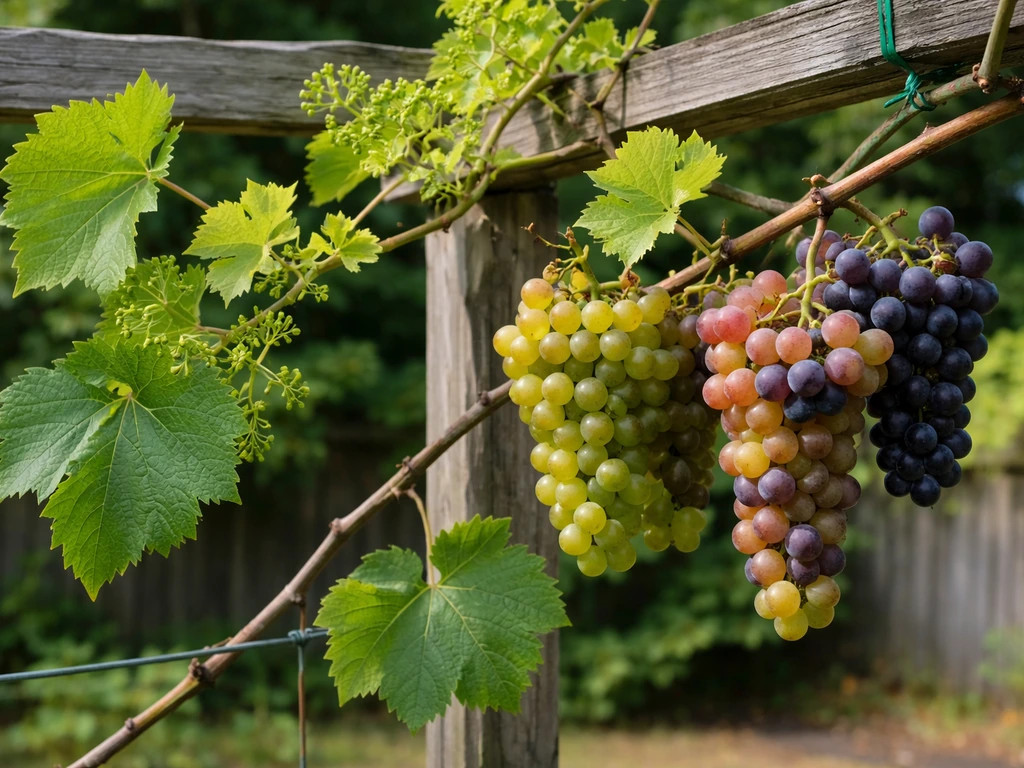
You want a vine that can handle occasional dips to 15°F without significant damage, but you don't need something rated to -30°F. Varieties bred for the upper Midwest are often too vigorous and too early-ripening for your climate, and they can actually struggle in zone 8b's long, hot summers. Look for varieties rated to zones 6 through 8, or muscadines if you're in the humid Southeast.
Ripening window
In zone 8b you have plenty of heat to ripen early and mid-season varieties with room to spare. Most early cultivars need roughly 1,500 to 2,000 growing degree days between budbreak and harvest, and zone 8b delivers that comfortably. Early and mid-season varieties are your sweet spot because they finish before your late-summer disease pressure peaks. Late-ripening vinifera varieties like Cabernet Sauvignon can work in drier parts of zone 8b, but in the humid Southeast they tend to sit on the vine too long and rot.
Disease resistance
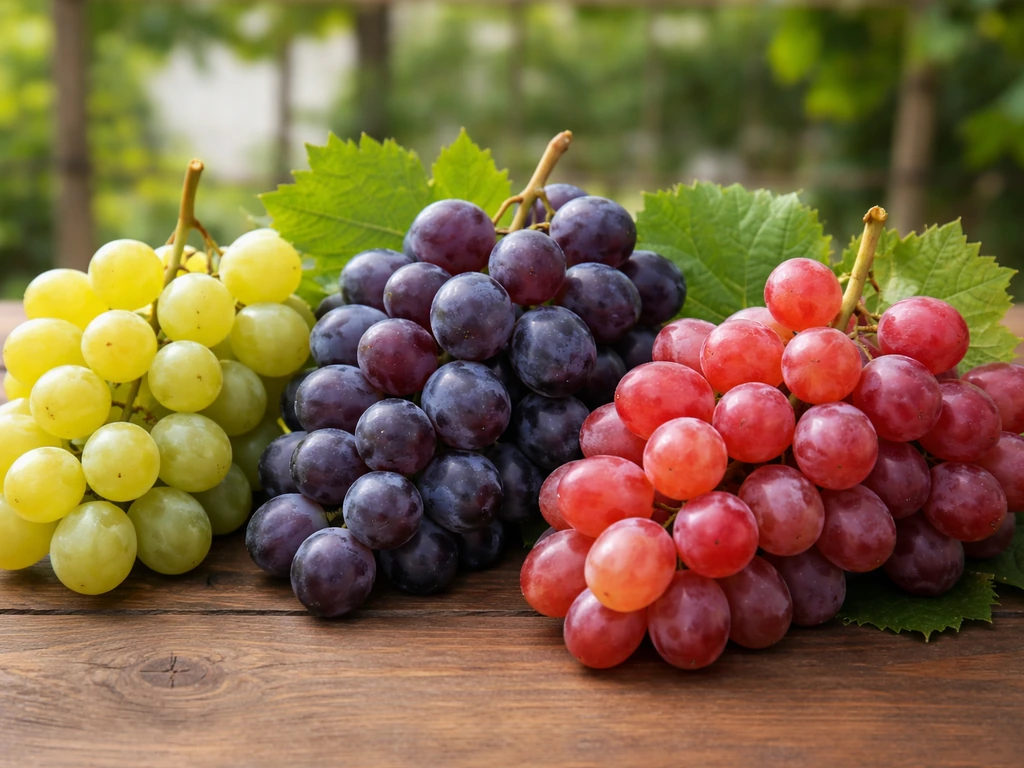
This is the big one for zone 8b, especially if you're in the Southeast, Gulf Coast, or anywhere that gets humid summers. Powdery mildew, downy mildew, black rot, and Botrytis bunch rot are real threats when vines sit in warm, humid air. Pure vinifera varieties (the classic European wine grapes) have almost no natural resistance and will require a serious spray program to survive. American and hybrid varieties, and especially muscadines, have much better built-in disease resistance. For beginners, choosing a disease-resistant variety isn't just nice, it's the difference between harvesting grapes and watching them rot.
Top table grape picks for zone 8b
These are the varieties I'd recommend first to anyone in zone 8b who wants grapes for fresh eating. They're forgiving, productive, and don't require a professional spray schedule to stay healthy.
| Variety | Type | Flavor/Notes | Ripening | Disease Resistance | Best For |
|---|---|---|---|---|---|
| Reliance | American hybrid (seedless) | Sweet, mild, pink-red skin | Early (late July–August) | Good | Beginners, fresh eating |
| Venus | American hybrid (seedless) | Rich, slightly spicy, blue-black | Early-mid (August) | Good | Fresh eating, easy care |
| Concord | American (seeded) | Bold, classic 'grape' flavor | Mid-season (September) | Good | Fresh eating, juice, jelly |
| Himrod | American hybrid (seedless) | Sweet, golden, thin skin | Very early (late July) | Moderate | Fresh eating, small clusters |
| Interlaken | American hybrid (seedless) | Very sweet, crisp, green | Early (July–August) | Moderate | Fresh eating (note: cold-sensitive buds) |
Reliance is probably the safest first grape for zone 8b. It's consistently productive, handles the heat well, and the seedless red berries are genuinely delicious. Venus is right behind it, with a richer flavor and good tolerance for the zone's humidity. Concord is the classic American grape and performs reliably in zone 8b, though it's seeded and a bit later to ripen. Himrod and Interlaken are both excellent, but note that Interlaken's buds can suffer cold damage in colder microclimates within the zone, so if you're somewhere that occasionally sees hard freezes, favor Reliance or Venus over Interlaken.
Top wine and jam grape picks for zone 8b
If you're growing for wine, jam, or juice rather than fresh eating, your variety list shifts a bit. You want more concentrated flavor, higher sugar content, and ideally something that still holds up under zone 8b's summer humidity.
| Variety | Type | Use | Ripening | Disease Resistance | Notes |
|---|---|---|---|---|---|
| Blanc du Bois | Florida hybrid (white) | White wine, juice | Early-mid | Excellent (Pierce's disease resistant) | Top pick for hot, humid zone 8b |
| Lenoir (Black Spanish) | American (red) | Red wine, port-style | Mid-season | Very good | Proven in Southeast TX, heat-tolerant |
| Carlos | Muscadine (bronze) | White wine, fresh, juice | Late summer | Excellent | Classic Southeast muscadine, very productive |
| Noble | Muscadine (red/black) | Red wine, juice, jam | Late summer | Excellent | Most popular red muscadine for wine |
| Catawba | American (seeded, red) | Wine, juice, jam | Mid-late | Good | Reliable flavor, good in zone 8b heat |
| Cynthiana/Norton | American (red) | Serious red wine | Late | Good | Best in drier zone 8b; long ripening window |
Blanc du Bois is worth singling out. It was specifically developed for hot, humid climates and has resistance to Pierce's disease, which is a bacterial disease spread by sharpshooter insects that kills most vinifera grapes in the South. If you're in Texas, Florida, Louisiana, or Georgia, Blanc du Bois is often the single best white wine grape you can plant.
For many growers, picking from the best grapes to grow in zone 6 starts with choosing varieties that match your cold-hardiness needs, then layering in disease resistance for your humidity. Lenoir (also sold as Black Spanish or Jacquez) is similarly built for hot, humid zone 8b conditions and produces deeply flavored red wine.
Muscadines like Carlos and Noble deserve their own mention: they're native to the Southeast, have outstanding natural disease resistance, and thrive in exactly the humid summer conditions that kill bunch grapes. They ripen later, have a distinctive musky-sweet flavor, and make excellent wine and jam. If you're in the humid Southeast and want low-maintenance grape growing, muscadines should be your first choice.
For gardeners in the drier, western parts of zone 8b (parts of the Pacific Northwest coast or Northern California), you have more flexibility to try vinifera varieties like Pinot Gris, Merlot, or Grenache, but that's a different set of conditions from the Southeast version of zone 8b. Know which version you're in before you order plants.
How to choose for your specific microclimate
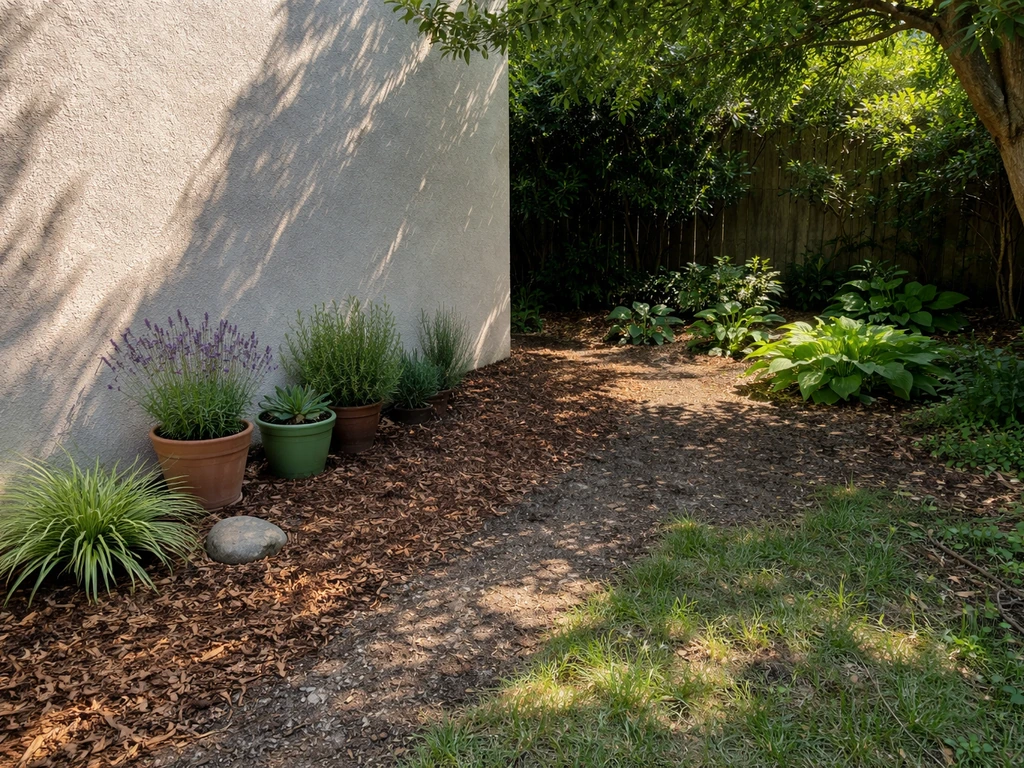
Zone 8b is a big tent. A gardener in coastal Georgia has a completely different growing environment than someone in the Puget Sound lowlands or the Texas Hill Country, even if they share the same USDA zone designation. Your microclimate matters more than the zone number alone.
Here are the key questions to ask about your specific yard before you finalize your variety list:
- How humid are your summers? High humidity plus warm temperatures dramatically increases disease pressure. If you get regular summer thunderstorms and muggy nights, prioritize disease resistance above everything else and lean toward American hybrids or muscadines.
- Do you get Pierce's disease pressure? If you're in the Deep South (Florida, Gulf Coast, parts of Texas), assume Pierce's disease is a risk and avoid unresistant varieties. Blanc du Bois, muscadines, and Lenoir are your go-to options.
- How cold do your winters actually get? Check your personal records, not just the zone average. If you've seen 10°F in bad years, factor that in. Muscadines can be injured by temperatures near 0°F, so they're best where winters stay reliably mild.
- Do you have a frost pocket? Low spots in a yard can collect cold air and experience late spring frosts that the rest of the neighborhood avoids. If your planting spot is in a low area, choose an early-budding but cold-tolerant variety like Reliance over more frost-sensitive buds like Interlaken.
- How much sun does your spot get? Grapes need at least 6 to 8 hours of direct sun daily. South or west-facing slopes are ideal. More sun means better ripening and lower disease pressure from faster drying of wet leaves and clusters.
If you're torn between varieties, a simple tie-breaker: go with the one that has the best disease resistance for your conditions. If you want the best grapes to grow in zone 7, focus on varieties that balance winter hardiness with disease resistance the one that has the best disease resistance for your conditions. A grape you can actually harvest beats a 'better' grape you spend all season fighting to keep alive. Beginners especially should resist the urge to plant European vinifera varieties just because they sound impressive. Grow what works, then experiment later once you understand how your yard behaves.
It's worth knowing that gardeners in zone 7 and zone 9, your neighbors in the hardiness spectrum, face their own tradeoffs. Zone 7 deals with harder winters that eliminate some of the options available in 8b, while zone 9 gardeners often struggle more with insufficient winter chill. If you're gardening in zone 9 instead, the list of grape varieties changes a bit because winter chill is often the limiting factor what grapes grow in zone 9. Zone 8b sits in a genuinely productive middle ground.
Planting timeline and how long until your first harvest
Here's what a realistic first few years look like in zone 8b if you plant bare-root or container vines in spring.
- Year 1: Plant in early spring, typically late February through mid-April depending on your exact location within zone 8b. Focus entirely on establishing the root system. Remove any fruit clusters that form so the vine directs energy downward. Train one or two strong shoots up toward your trellis wire. Don't expect fruit and don't be disappointed when you don't get it.
- Year 2: The vine puts on real growth. Continue training the main trunk and beginning to develop your fruiting arms along the trellis. You might see a small cluster or two, but it's still better to remove most of them. The vine is building the structure it will fruit from for decades.
- Year 3: This is when most zone 8b gardeners get their first real, worthwhile harvest. The vine has an established root system, a trained framework, and enough vigor to ripen fruit properly. Expect a modest but real crop of several pounds from a single vine.
- Year 4 and beyond: Full production. A well-established vine in zone 8b can produce 15 to 20 pounds of fruit or more per season depending on variety, training, and management.
The three-year wait is the thing that surprises most new grape growers. It feels like nothing is happening, but patience in years one and two directly pays off in years three and beyond. A vine that's rushed to fruit early often ends up unbalanced and less productive long-term.
Starter care essentials: trellising, watering, and pruning
Trellising
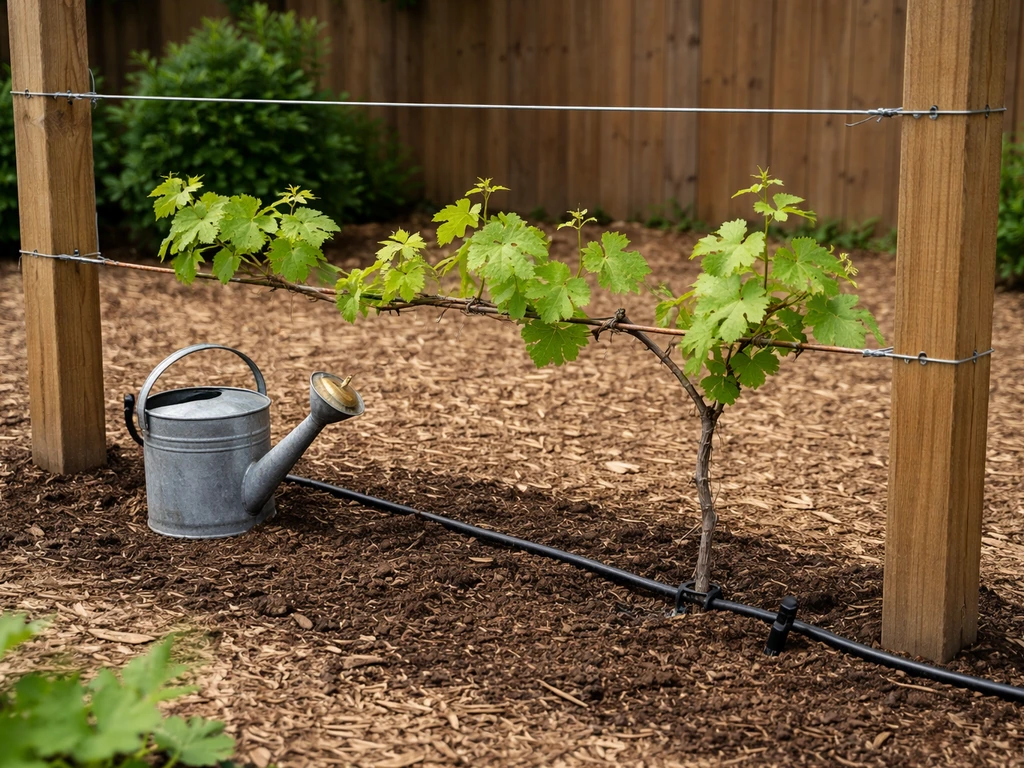
Grapes need support from day one. A simple two-wire trellis works well for most home gardeners: set sturdy posts 8 feet apart, run a wire at about 3 feet and another at 5 to 6 feet, and tension them well. The high-wire cordon system (also called the Geneva Double Curtain for more vigorous vines) is popular in zone 8b because it gets fruit and foliage off the ground and into airflow, which matters enormously for disease management. Don't skip the trellis or plan to add it later. Build it before you plant.
Watering
Established grapes are drought-tolerant but young vines in their first two years need consistent moisture, especially through summer heat. Water deeply and less frequently rather than a little every day. A soaker hose or drip line works well and keeps water off the foliage, which reduces disease pressure. Maintain a weed-free area under the vine for the first few years, because weeds compete for water and nutrients during the establishment phase. Once the vine is mature, most of zone 8b's rainfall is sufficient except during extended dry spells.
Pruning
Pruning is the single most important skill in grape growing, and it's the one that intimidates beginners most. The honest truth: you need to remove a lot of wood every year, often 80 to 90 percent of the previous season's growth. It looks brutal. It's correct.
Pruning in late dormancy, typically late February or early March in zone 8b, is ideal because you can see any winter damage before making final cuts. Look for healthy, pencil-thick canes with plump buds.
Thin, twiggy growth gets removed. [There are two main pruning styles: spur pruning (leaving short stubs with 2 to 3 buds each) and cane pruning (leaving a few long canes with 8 to 12 buds each). ](https://extension. usu.
edu/yardandgarden/research/grape-trellising-training-basics) For most American hybrids and muscadines, spur pruning is simpler and works well. For some table grape varieties, cane pruning produces better crops. Check the specific recommendation for your chosen variety.
One more care note for zone 8b specifically: canopy management during the growing season is almost as important as winter pruning. Removing some interior leaves and shoots to open the canopy improves air circulation, helps clusters dry faster after rain, and dramatically reduces Botrytis and powdery mildew pressure. It takes 20 minutes on a walk through the vines and saves hours of spraying.
A quick-start checklist for year one
- Choose 1 to 3 varieties matched to your specific zone 8b conditions (humid Southeast: muscadines or disease-resistant hybrids; drier West: more variety options).
- Buy from a reputable nursery that sells regionally appropriate, disease-free stock. Local extension office websites often list recommended local suppliers.
- Build your trellis before planting.
- Plant in early spring once soil can be worked, in a full-sun spot with well-drained soil.
- Remove fruit in year one. Train one strong shoot straight up.
- Apply a balanced fertilizer (such as 10-10-10) sparingly in the first year. Don't push too much nitrogen or you'll get leafy growth at the expense of root development.
- Keep a weed-free zone of 2 to 3 feet around each vine.
- Mark your calendar for late February pruning each year going forward.
Zone 8b really is a good place to grow grapes. You're not fighting the climate the way gardeners in zone 5 are, and you're not battling insufficient chill the way zone 10 growers do. If you are wondering can you grow grapes in zone 5, the key is choosing very cold-hardy varieties designed for that colder winter range. Pick a variety suited to your specific corner of the zone, give it a proper trellis and an honest pruning each winter, and you'll be harvesting your own grapes by year three. That's a realistic promise, not hype.
FAQ
Can I grow grapes in zone 8b if my winter sometimes drops below 15°F?
Yes, but treat 15°F as a worst-case rather than an average. Choose varieties rated at least for zone 6 conditions, plant in a spot with minimal cold sink (avoid low areas), and delay major pruning until late dormancy so you can assess winter damage before final cuts.
How do I tell whether my problem is winter cold damage or spring frost?
Cold damage shows up as dead or browning buds and canes after pruning in late dormancy. Spring frost damage usually shows on newly greened shoots and tender buds, and it often reduces crop even if the vine survives; in that case, prioritize disease-resistant varieties and consider frost protection during budbreak.
Do seedless grapes like Reliance and Venus always taste better to beginners?
They are easier to work with and convenient, but flavor preference varies. Also, seedless crops can still be seeded partially under stress, especially after temperature swings or uneven watering, so consistent moisture during early growth helps keep berries uniform.
Is Concord always a good choice for humid parts of zone 8b?
Concord can perform well, but in consistently humid conditions your disease pressure may still be high even with American grapes. If you notice recurring mildew or black rot, switch your first plantings toward the most disease-tolerant options you have available locally (and use canopy thinning to speed drying).
What’s the difference between bunch grapes and muscadines for zone 8b disease control?
Bunch grapes are more prone to bunch rot when berries stay wet and warm, so timing and canopy airflow matter a lot. Muscadines generally have stronger natural resistance and thrive in humid Southeast conditions, but they ripen later and have a different berry flavor profile, so expect a distinct wine or jam style.
Should I start with wine grapes like Blanc du Bois even if I want to eat fresh?
You can, but Blanc du Bois is often grown for wine or processing because the berries and juice are designed for that use. For fresh eating, prioritize the varieties recommended for table use first, then add a wine grape later once you understand how your trellis, sun exposure, and harvest timing affect quality.
Do Pierce’s disease and sharpshooters affect all white grapes in zone 8b?
Pierce’s disease pressure is location-dependent, but when sharpshooters are present in hot, humid areas, many vinifera whites struggle. Blanc du Bois is the safer targeted pick for hot, humid regions because of its intended resistance; if you are not in the highest-risk counties, it may be less urgent, but choosing resistant varieties still reduces risk.
How much sun do my grapes need to actually ripen in zone 8b?
Plan for full sun, ideally most of the day (often 6 to 8 hours). In warmer but humid areas, more sun can still help by drying leaves and clusters faster, which lowers disease, but too much shade tends to delay ripening and increases mildew risk.
What trellis setup works best if I have limited space?
A simple two-wire trellis can work, but if space is tight and vines grow vigorously, a high-wire cordon (Geneva Double Curtain-style) is often worth it because it improves airflow by lifting fruiting areas. If you cannot maintain overhead clearance for airflow, expect more mildew and Botrytis pressure.
Do I need to water during winter after planting?
Usually no. In zone 8b, watering is most important during establishment and hot, dry stretches in the growing season. Winter watering can create root stress or promote issues when growth is dormant, so focus on deep watering in summer and let rainfall handle the rest when temperatures cool.
How do I avoid over-pruning when I’m learning?
Use the vine’s structure as your guide, not the calendar. In late dormancy you can remove most of the prior season’s wood, but keep healthy, pencil-thick canes or selected spurs with plump buds. If you see extensive winter dieback, reduce the amount you remove only after you confirm what survived.
Is canopy thinning worth it if I’m not planning to spray?
Yes, it becomes even more important. Opening the canopy helps clusters dry quickly after rain and reduces the conditions that drive powdery mildew and Botrytis. Combine canopy work with pruning accuracy, because poor structure often forces you into higher disease pressure later.
How can I tell when my grapes are ready to pick, especially in humid weather?
Do not rely on just the calendar. For wine and jam grapes, you can judge ripeness by sweetness and flavor development, but for disease-prone bunches, also check for early signs of rot or split berries. In humid zone 8b, harvesting at the first window of maturity can prevent losses from late-summer disease peaks.
How long will it take before I get a meaningful harvest?
A realistic target is about three years for consistent production after bare-root or container starts. Year one and two may feel slow, but it’s when the vine builds the wood and root system needed for heavy cropping later.