
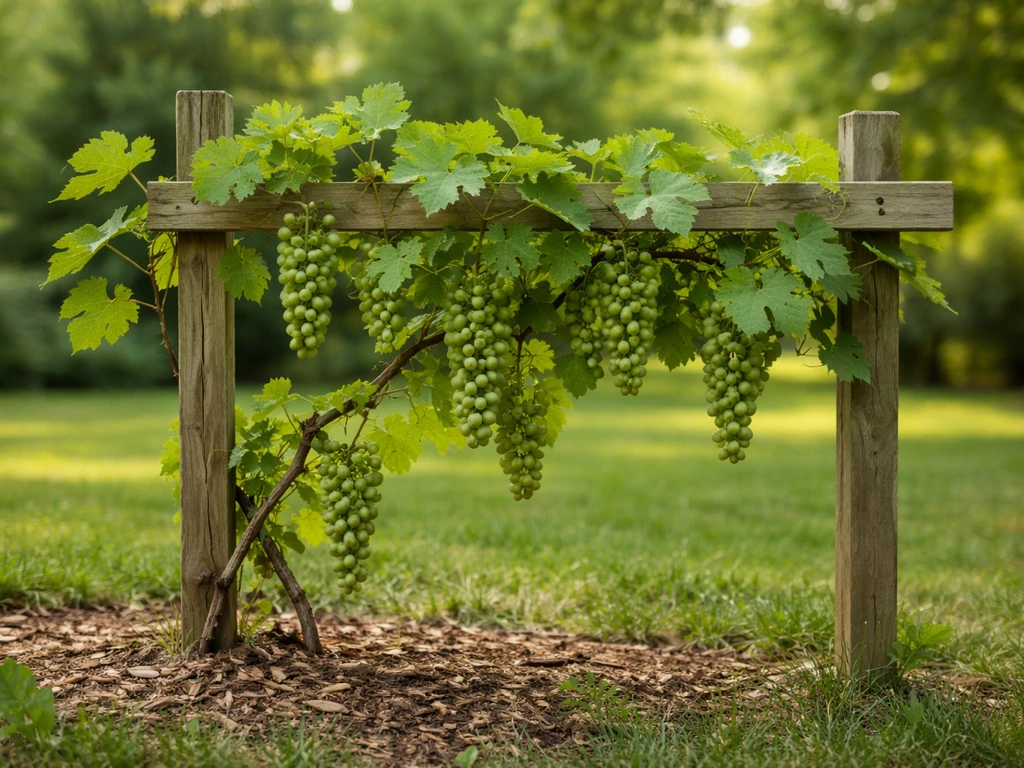
Yes, you can absolutely grow grapes in Indiana. The state's combination of warm summers, a decent growing season, and manageable winters actually makes it one of the better Midwest states for home grape growing. The catch is that Indiana's climate is not uniform, and the biggest challenge is not cold winters alone but the wild swings: late spring frosts that can wipe out early green growth and early fall cold snaps that cut the ripening season short. Pick the right variety, give the vines a good site, and you will be harvesting your own grapes within a few years of planting.
Can You Grow Grapes in Indiana? Guide to Varieties and Care

Marcus Whitfield
28 Apr 2026
Indiana's climate and what it means for grapes
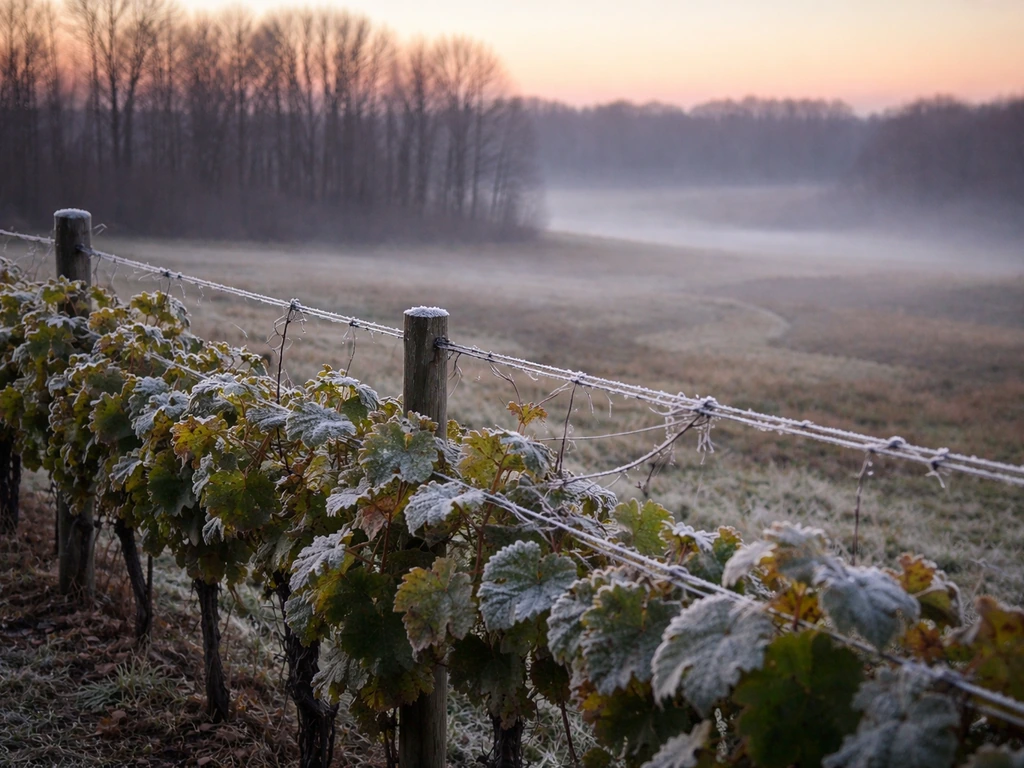
Indiana sits in USDA hardiness zones 5b through 7a, depending on where you are. The southwest corner of the state rarely drops below 0°F to -5°F in a typical winter, which means a much wider variety selection. Move north toward the Indiana/Michigan border and you are looking at -15°F to -20°F in a hard winter, which knocks out a lot of European (Vitis vinifera) varieties entirely. That north-south difference is not a small thing. It changes which varieties are safe bets and which are gambles.
The bigger threat, honestly, is not the coldest night of winter but what Purdue Extension calls 'rapid temperature extremes,' especially late frosts in spring. A Mother's Day cold snap can kill every bit of green tissue that has broken bud, and early-ripening varieties in northern Indiana are especially vulnerable. If you have ever had a beautiful spring warmup followed by a hard frost in late April or early May, you already know the feeling. It is the most frustrating part of growing grapes in Indiana, and no amount of cold hardiness in a variety's genes protects green tissue from a late freeze.
The upside is that Indiana summers are warm and long enough to fully ripen mid-season varieties, the soil is generally workable, and there is a solid track record of home growers and small commercial vineyards producing good fruit across the state. Compared to states like Iowa or states with extremely short seasons, Indiana growers have more variety options and a more forgiving ripening window. You just have to match the variety to your part of the state.
Best grape varieties for Indiana
The varieties that consistently perform well in Indiana fall into two main categories: American and French-American hybrids. Pure European wine grapes (Cabernet Sauvignon, Pinot Noir, Chardonnay) are possible in the warmest parts of southern Indiana but are high-risk for most home growers due to cold sensitivity and disease pressure. Stick with cold-hardy hybrids and you will have far more success.
| Variety | Type | Cold Hardiness | Best For | Notes for Indiana |
|---|---|---|---|---|
| Marquette | Red wine hybrid | To -30°F | Wine/juice | One of the hardiest reds; 85-95% bud survival in severe cold events; excellent choice statewide |
| Frontenac | Red wine hybrid | To -30°F | Wine/juice | Very cold hardy, ripens early; good for northern Indiana |
| LaCrescent | White wine hybrid | To -30°F | Wine/juice | Extremely cold hardy white; comparable hardiness to Marquette |
| Niagara | White American | To -15°F | Table/fresh eating | Classic Indiana table grape; solid disease tolerance |
| Concord | Blue/purple American | To -20°F | Juice/jelly/fresh | Reliable performer statewide; widely available; familiar flavor |
| Catawba | Red American | To -15°F | Wine/juice/fresh | Good for southern and central Indiana; some disease susceptibility |
| Reliance | Red seedless | To -20°F | Table/fresh eating | Seedless; one of the hardier seedless options for Midwest home gardens |
| Chambourcin | Red wine hybrid | To -10°F | Wine | Better suited to southern Indiana; some disease resistance |
For northern Indiana (roughly north of Indianapolis), lean toward Marquette, Frontenac, LaCrescent, and Concord. These can handle the coldest Indiana winters with minimal injury. For central and southern Indiana, you can expand into Niagara, Catawba, Chambourcin, and even try some of the warmer-climate hybrids. Ripening date matters too: an early or mid-season ripening variety is less likely to get caught by a fall frost before the fruit is ready. Check the ripening window on any variety you are considering, especially if you are in northern Indiana.
If you are new to growing grapes and just want something that will produce reliably without a lot of stress, Concord is hard to beat. It is cold hardy, disease tolerant, widely available at nurseries, and produces heavy crops of fruit that are great for juice, jelly, and fresh eating. It will not win any wine competitions, but it will reward a beginner with actual grapes.
Choosing the right site
Sun and air circulation
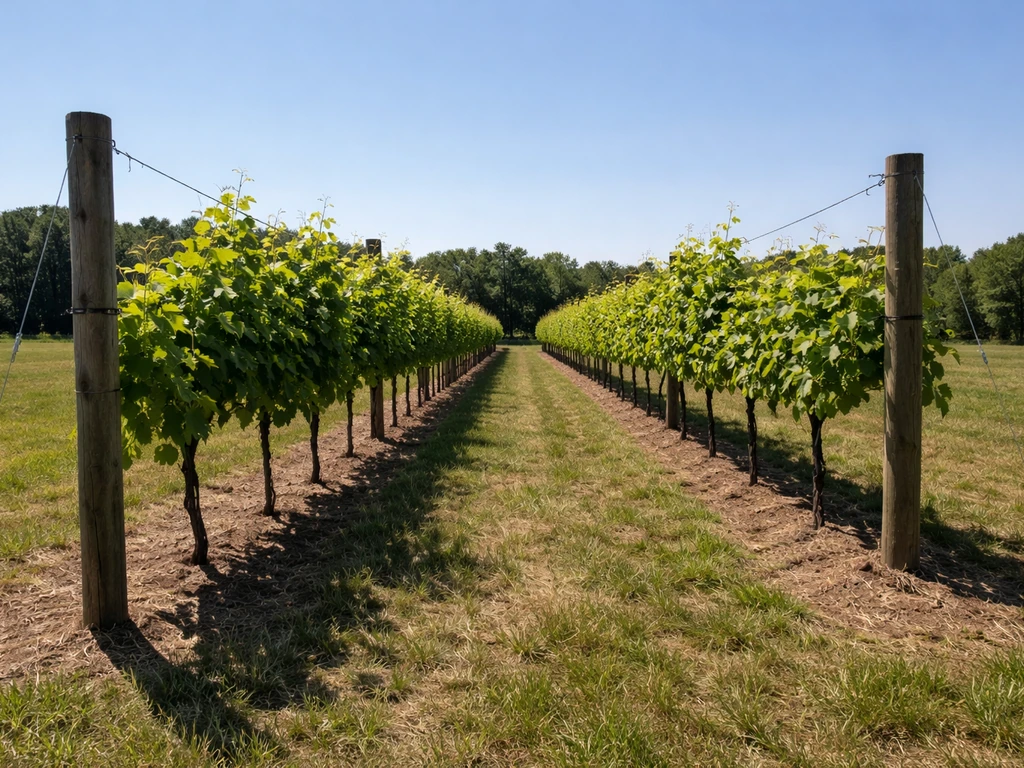
Grapes need full sun, and I mean genuinely full sun: at least 8 hours of direct sunlight per day. This is not negotiable. Fruit needs heat to ripen properly, and in Indiana's variable growing season you cannot afford to lose hours to shade. A south or southwest-facing slope is ideal because it maximizes sun exposure and gets the vines warmer earlier in the day.
Good air circulation matters too because Indiana summers are humid and stagnant air around the foliage encourages the fungal diseases (especially black rot, downy mildew, and powdery mildew) that are the biggest disease headaches in the state. Purdue Extension’s Indiana Yard and Garden Question and Answer page also emphasizes pruning and air circulation as part of black rot management Good air circulation matters too.
Soil, pH, and drainage
Grapes are not that fussy about soil type, but they absolutely require good drainage. Soil that stays persistently wet will restrict root development and shorten the life of the vine. If your site has a drainage problem, fix it before you plant. Either amend the soil, install tile drainage, or find a different spot.
A slightly acidic soil pH of around 6. 0 to 6. 5 is ideal, though vines can tolerate a range of about 5. 5 to 7.
5. Get a soil test before planting so you know what you are working with. Do not mulch heavily around the base of the vines: mulch can keep soil temperatures too cool, which slows vine growth and fruit ripening, and that is the opposite of what you want in Indiana's climate.
Spacing and layout
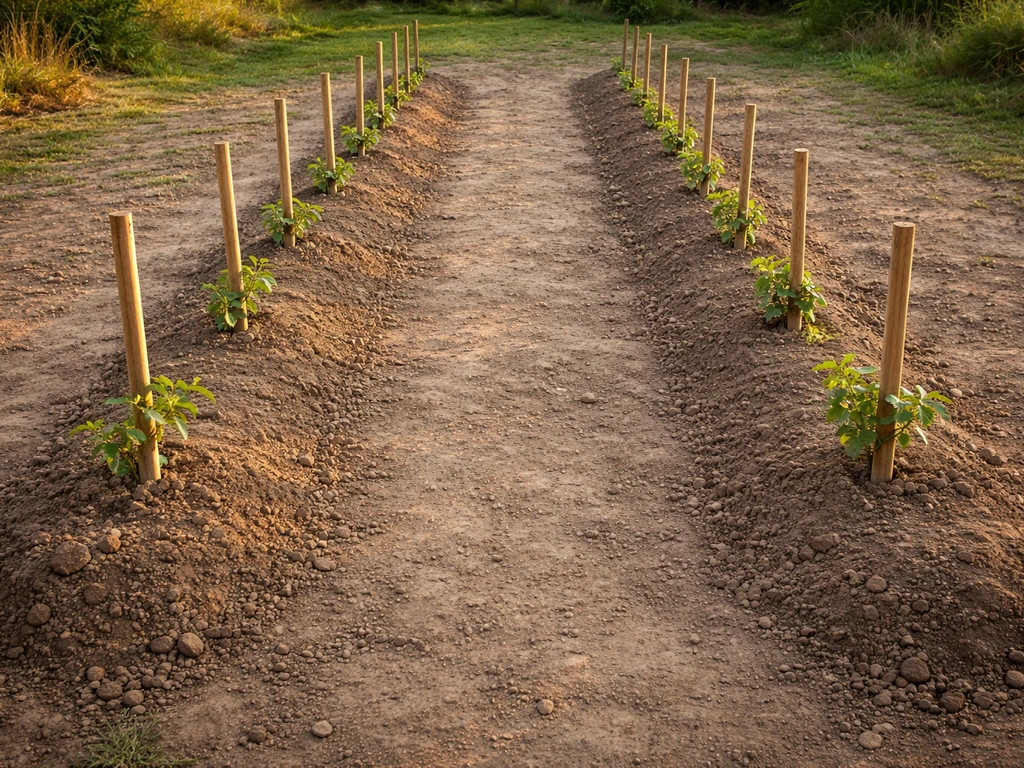
For a home vineyard, plan on spacing vines about 6 feet apart within a row. Rows should be spaced at least 8 to 10 feet apart if you are planting more than one row. This gives you room to walk, work, and get good airflow between plants. Plan your trellis before you plant, not after, so you are not trying to retrofit support into an established planting.
Planting and getting established in Indiana
Plant bare-root grapevines in early spring, as soon as the soil can be worked and prepared. In Indiana, that typically means late March to mid-April depending on your location and that year's conditions. Getting the vines in the ground early gives the root system time to establish before summer heat arrives and sets the vine up to survive its first Indiana winter with good vigor. Set plants slightly deeper than they were growing in the nursery, and if you bought grafted vines, make sure the graft union ends up a few inches above the soil line.
Before you plant, prepare the site thoroughly. Purdue Extension is emphatic about this: good soil preparation and drainage are essential, not optional. Loosen the soil deeply, incorporate any amendments your soil test recommends, and make sure the surface drains well so water does not pool around the root zone after rain. This upfront work pays off for years.
At planting, cut the vine back to two or three strong buds. That feels brutal, but it forces the plant to invest energy in root establishment rather than trying to support a lot of top growth it cannot sustain yet. Water the newly planted vine in well. The first growing season is about roots, not fruit.
Training, trellising, and pruning
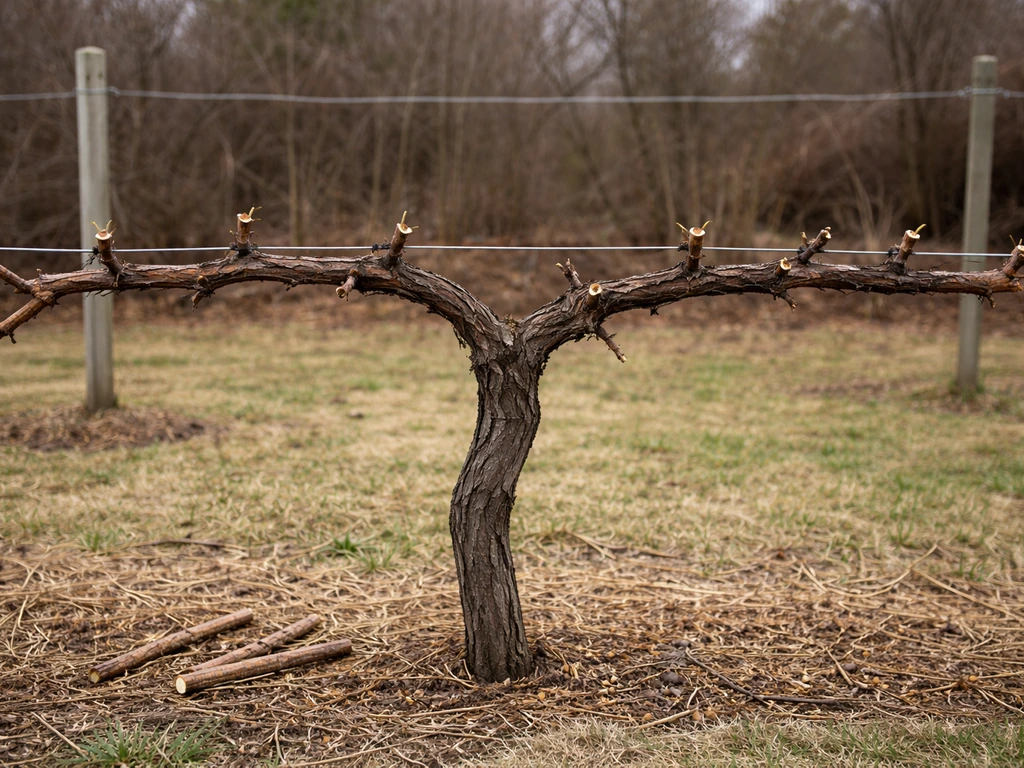
Grapes need a trellis from the start. The most practical systems for Indiana home growers are the umbrella kniffin, the bilateral cordon (also called the high cordon), and the Geneva double curtain. Purdue's home vineyard guide (HO-45-W) has detailed illustrations of all of these, and I recommend reading it before you build anything. For cold-hardy varieties in northern Indiana, some growers use low-trellis systems that make it easier to bury or cover canes for winter protection. In southern Indiana where winters are milder, a standard two-wire trellis with the main wire at about 5 feet works well.
Pruning is where most home growers either succeed or struggle. The goal each dormant season is to remove most of the previous year's growth and select the strongest canes to carry the current year's crop. A common mistake is leaving too many buds: leaving more than about 40 buds on a vine limits the plant's ability to build energy reserves and increases the risk of winter injury. In a cold climate like Indiana's, disciplined pruning is not just about fruit quality, it is about vine survival. Prune in late winter or very early spring, after the worst cold has passed but before buds swell, typically late February to mid-March in Indiana depending on your location.
Seasonal care through the year
Watering and fertilizing
Young vines need regular watering in their first year or two, especially during dry spells in summer. Once established, grapevines are relatively drought-tolerant but will produce better fruit with consistent moisture during the growing season. Avoid overwatering, which encourages lush vegetative growth at the expense of fruit and can also promote fungal diseases. Fertilize lightly. A soil test will tell you if you have specific deficiencies, but many Indiana soils do not need heavy fertilizing. Too much nitrogen pushes excessive vine growth, which makes disease management harder and can reduce cold hardiness going into winter.
Pest and disease pressure in Indiana
Black rot is the number one disease concern for Indiana grape growers. Purdue Extension’s guidance on grape black rot highlights it as a major grape disease concern, especially for serious or most common disease impacts Black rot is the number one disease concern for Indiana grape growers.. It is a fungal disease that causes fruit to shrivel into hard, black mummies that stay on the vine and harbor the fungus through winter, starting the infection cycle again the following year. Remove any mummified fruit you see during winter pruning. Do not leave them on the vine or on the ground beneath it. Choosing a variety with good black rot resistance is your first and best line of defense.
Downy mildew and powdery mildew are also significant problems in Indiana's humid summers. Powdery mildew can even overwinter in bark crevices on the vine. Good airflow through your canopy (managed by pruning and training) reduces humidity around the leaves and fruit and limits how bad these diseases get. If you are managing a disease-susceptible variety, you will likely need a spray program starting at bud break. Disease-resistant varieties like Marquette and Frontenac will save you a lot of trouble here.
Japanese beetles are a real nuisance. They feed on grape foliage and on ripening fruit, and in a bad year they can defoliate vines quickly and reduce fruit quality significantly. Hand-picking in the morning when beetles are sluggish is effective on a small scale. Row cover or netting can also protect fruit clusters during the ripening period, and netting has the bonus of keeping birds off your harvest too.
Winter protection
Whether you need winter protection depends on where in Indiana you are and which variety you planted. If you are growing Concord or Marquette in central or northern Indiana, the vines can usually handle normal winters without intervention. But vine survival in severe cold is affected by more than just the variety: a vine that carried a heavy crop, was defoliated by disease earlier in the season, or went into winter with low vigor is at much higher risk of injury than a healthy, well-fed vine. Vine health matters as much as cold hardiness rating.
For less cold-hardy varieties or young vines in their first or second winter, consider hilling up soil around the base of the vine to insulate the graft union and the lowest canes. This is the same principle commercial vineyards use in colder climates: bury the most critical tissue so that even if the exposed canes get damaged, the vine can regrow from low on the trunk. Do not use mulch for this purpose; use actual soil. Remove the mounded soil in spring after hard frost risk passes. If you grow any wine grapes that are marginal for your zone, this step can make the difference between a vine that rebounds in spring and one that dies.
How long until you get fruit, and what to expect
Here is the honest timeline most Indiana home growers experience:
- Year 1: Focus entirely on establishment. Let the vine grow, water it regularly, and get the root system settled. You might see a small cluster or two, but remove them. The vine needs to build structure, not produce fruit.
- Year 2: You can allow the vine to carry a very light crop, maybe a cluster or two per cane, but keep expectations modest. The trellis and training system are taking shape this year. This is also the year you really learn your site: how it drains, where the frost pockets are, what the disease pressure looks like.
- Year 3 and beyond: A properly trained and cared-for vine should be producing a real, harvestable crop by year three. Cold-hardy varieties with good disease resistance and good site selection can produce reliably for decades. In a year with a late spring frost or unusual cold event, even a mature vine can have a setback, but it will recover and fruit the following year.
It is technically possible to get a small amount of fruit in the first year after planting, but that is not a reliable expectation in Indiana, especially if late spring frosts hit early in the vine's life. Set your mental benchmark at year three for a proper harvest and you will not be disappointed. Grapes are a long-term garden investment, but once established, a healthy vine in Indiana can produce for 20 to 30 years or more with good management.
Your next steps for starting grapes in Indiana
If you are ready to get started, here is what to do right now:
- Identify your USDA hardiness zone and your region of Indiana (northern, central, or southern) to narrow down your variety options.
- Choose a disease-resistant, cold-hardy variety matched to your zone. Concord for beginners, Marquette or Frontenac for those interested in wine or juice grapes, Niagara for white table grapes.
- Scout your yard for the sunniest, best-draining spot with good airflow. Get a soil test through your local Purdue Extension office.
- Order bare-root vines from a reputable nursery for spring planting, targeting late March to mid-April depending on your location.
- Build your trellis before the vines arrive. A simple two-wire system is enough to start.
- Plan for disease management from the beginning: keep the canopy open, remove mummified fruit at pruning, and consider a disease-resistant variety as your first line of defense.
Indiana is a genuinely viable state for home grape growing. If you are wondering can you grow grapes in Washington state, you can follow similar site and variety matching basics, but your winter and disease patterns will vary by region. You can also grow grapes in Mississippi, but the best results depend on choosing heat-tolerant, disease-resistant varieties and matching them to your local conditions.
If you are asking can you grow grapes in Iowa, start by matching a cold-hardy variety to your site and planning for winter temperature swings. It takes a bit more intention than growing tomatoes, but it is far from the advanced-expert-only project some people assume it is. If you are wondering can you grow grapes in Hawaii, the same basics still apply, but you will need to pick varieties that handle heat and local disease pressure growing tomatoes.
The gardeners who succeed here are usually the ones who matched their variety to their specific region, gave the vines good sun and drainage, and stayed on top of pruning each winter. Do those things and you will be harvesting your own grapes in a few years.
FAQ
Can you grow grapes in Indiana without spraying for diseases?
You can reduce spraying risk by choosing black-rot-resistant, mildew-tolerant hybrids and keeping the canopy open for airflow, but if you want consistent fruit quality in humid Indiana summers, some level of disease management is usually still needed. If you avoid sprays entirely, expect more shriveled fruit and more leftover “mummies” on the vine, which increases next year’s pressure.
What variety should I choose if I live in northern Indiana and want the easiest success?
Concord is the most beginner-friendly option for many northern growers, but among wine-grape types Marquette and Frontenac are often the safer bets because they handle colder winters and tend to need less intensive disease control. The other key decision is matching the variety’s ripening time to your expected first fall frost.
Do I need to cover grapes for winter in Indiana?
Often you do not need winter covers for established Concord or Marquette in central or northern Indiana, but cover decisions depend on vine health. If the vine had heavy disease damage, low vigor, or an unusually heavy crop, it has a higher risk even if the variety is cold-hardy, so adding soil hilling around the base or using a low-trellis approach can improve survival.
How do I protect grape buds from late spring frosts?
Late frosts are the main reason green growth fails, so watch the forecast once your vines break bud. Practical options include temporary frost protection such as covering vulnerable shoots overnight and focusing on early-season practices that speed uniform dormancy control, like avoiding excess nitrogen that creates overly tender growth. Even with cold-hardy varieties, bud tissue can still be injured.
Is it better to plant grapes in containers or in the ground in Indiana?
For long-term success, plant in the ground. Containers usually dry out faster, can limit root expansion, and make winter survival less predictable for graft union placement. If you start in a pot, plan to transplant early and ensure drainage is excellent, because grapes do not tolerate persistently wet soil.
How many grapevines do I need for a harvest?
Plant at least two vines if your variety is not reliably self-fertile, and in many home plantings you will get better fruit set and more even crops with two plants of compatible types. Also, expect that the first year (and sometimes the second) is mostly for establishing roots rather than filling a harvest bucket.
How should I handle the “too many buds” problem when pruning?
If you leave excess buds, you get a weaker vine with less stored energy and often worse winter survival. A useful rule of thumb from the Indiana growing experience is to avoid high bud counts, keep pruning disciplined each dormant season, and prioritize selecting strong canes that you know you can ripen reliably within your local growing window.
Why do my grape leaves get blackened fruit that looks like “mummies”?
Those are commonly black rot fruiting leftovers. Remove mummified berries during winter pruning and also eliminate any infected fruit you find, do not leave it on the vine or in the area under the trellis. This sanitation step helps break the cycle because the fungus can overwinter on those remnants.
What is the best spacing for airflow and disease reduction?
Use spacing that gives each vine enough room for light and airflow, typically about 6 feet between vines within a row and at least 8 to 10 feet between rows for multi-row plantings. Closer spacing makes humidity management harder, which increases risk from black rot, downy mildew, and powdery mildew even when you have good varieties.
Can I mulch grapes heavily in Indiana?
It is usually a mistake to apply heavy mulch right at the vine base because it can keep soil temperatures cooler, slowing early growth and delaying ripening. If you want mulch, focus on keeping the root zone from overheating in summer without insulating the crown too much, and keep the base zone managed for warmth.
When should I expect real harvests in Indiana?
A small amount of fruit can happen the first year, but it is not reliable, especially if late spring frosts hit newly breaking buds. Plan on a more dependable crop around year three, and think of grapes as a 20 to 30 year investment once the vine is established and healthy.
How can I protect grapes from Japanese beetles at ripening time?
For small plantings, hand-picking in the morning can work because beetles are sluggish then. For more protection during ripening, netting or row covers can safeguard clusters and also reduce bird damage. Start protection early enough to cover vulnerable clusters, not after most fruit has already been damaged.