
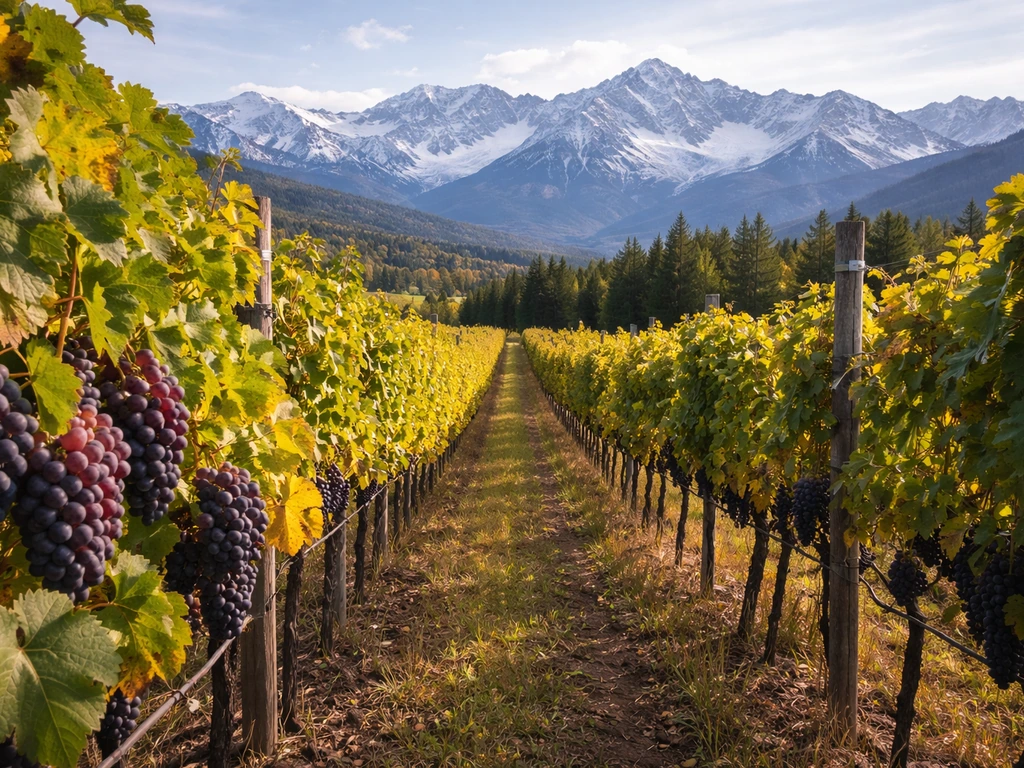
Yes, grapes genuinely grow in Colorado, but your success depends almost entirely on which variety you plant and where in the state you garden. The best grapes to grow in Colorado are cold-hardy American types like Concord, Valiant, and Reliance for backyard eating and juice, and French-American hybrids like Seyval Blanc, Vidal Blanc, and Chambourcin for wine production. If you are also considering a warm, humid state like Georgia, the best grapes to grow there will focus on heat and disease resistance, so you will want to choose different varieties than Colorado gardeners best grapes to grow in Georgia. On the Western Slope, especially in the Grand Valley around Palisade, you can push into vinifera territory with Riesling, Chardonnay, Merlot, and similar European varieties. Everywhere else, the shorter season and harder winters push you firmly toward hardier options.
Best Grapes to Grow in Colorado: Varieties by Location
Are grapes actually viable in Colorado?
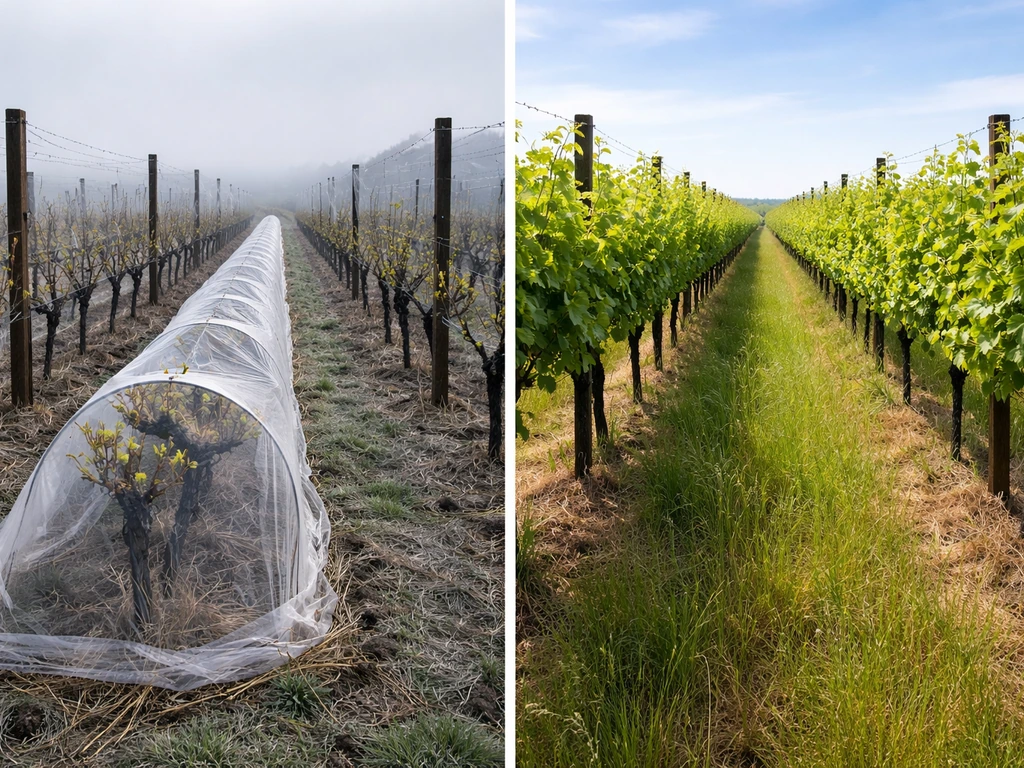
They are, but Colorado does not make it easy. The state throws a combination of cold winters, late spring frosts, early fall freezes, and variable microclimates at your vines every single year. The biggest challenge is not the summer heat (Colorado actually has plenty of that) but the shoulder-season frosts and the deep cold that can kill unprotected buds or desiccate roots over winter.
The rule of thumb from CSU Extension is that most American grape varieties need about 160 frost-free days with adequate summer heat to ripen fruit. European vinifera varieties need roughly 170 frost-free days and are far more vulnerable to winter kill of both buds and wood. Much of the Front Range and higher elevations fall right at or below that threshold, which is why variety selection is so critical here. It is not that grapes cannot grow at those margins, it is that the wrong variety will give you vines that live but never produce reliably.
One thing worth knowing: the temperature difference between a weather station and your actual vineyard or garden spot can be 10 degrees Fahrenheit or more. A hillside with good air drainage will behave very differently from a low spot that collects cold air. This means your microclimate often matters more than your official hardiness zone number.
How to pick the right grapes for your Colorado region
Colorado is not one climate. The Western Slope around Grand Junction and Palisade sits in USDA zones 6b and 7a, gets more frost-free days, and supports serious vinifera wine grape production in its Grand Valley AVA. The Front Range from Fort Collins down to Pueblo is more variable, typically zone 5b to 6b, and rewards gardeners who lean toward hardier hybrids and American types. Higher elevation areas in the mountains are genuinely challenging for any grape production and usually call for the most cold-tolerant varieties available.
The most honest advice is to think about your frost-free day count before you fall in love with a particular variety. If you are regularly seeing frosts into late May and again in mid-September, you are working with maybe 110 to 130 frost-free days, and even American types will struggle to ripen properly. If you are on the Western Slope or in a protected Front Range location with a longer season, your options open up considerably.
| Colorado Region | Typical Zones | Best Grape Types | Notes |
|---|---|---|---|
| Western Slope / Grand Valley | 6b–7a | Vinifera, French-American hybrids | Colorado's premier wine grape region; Palisade/Grand Junction area |
| Front Range (Fort Collins to Pueblo) | 5b–6b | French-American hybrids, hardy American types | Variable microclimates; avoid frost pockets |
| Eastern Plains | 5b–6a | Hardy American types, some hybrids | Wind and late frosts are the main challenges |
| Foothills and Higher Elevation | 4b–5b | Cold-hardiest American types only (Valiant, Concord) | Short seasons; marginal for most varieties |
The best grape varieties for Colorado
Table grapes and fresh eating
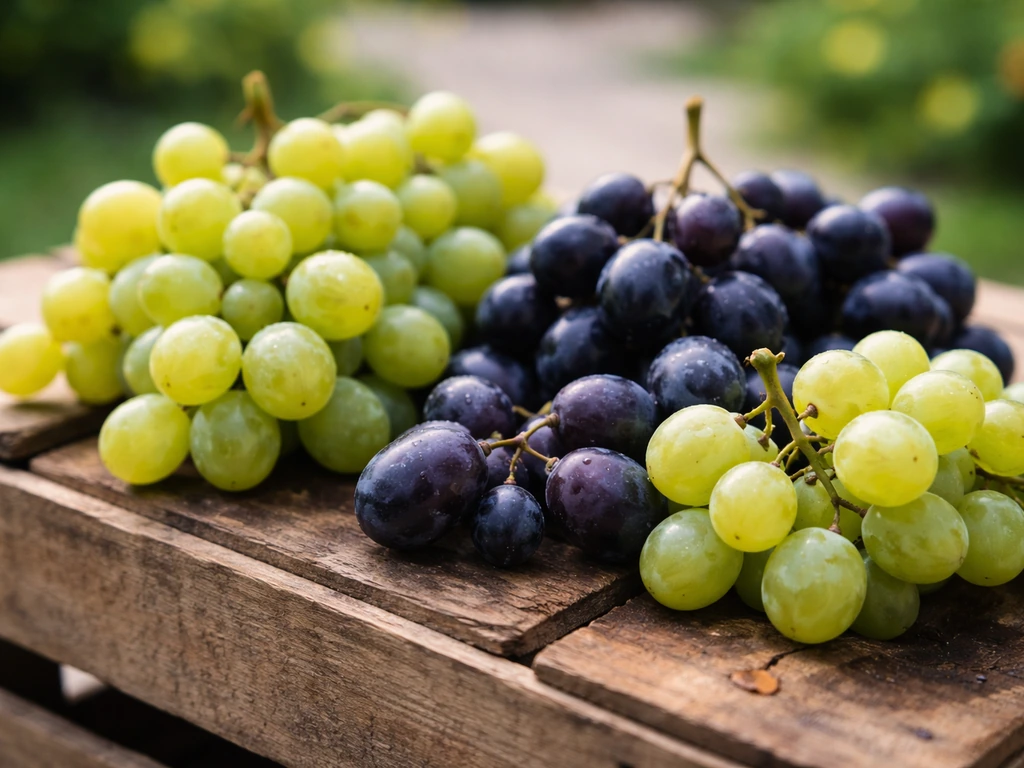
For backyard snacking and fresh eating, these are the varieties that consistently perform across most of Colorado's populated areas. Himrod is a seedless green grape with good cold tolerance and a sweet, mild flavor. Canadice is a seedless red with excellent flavor and one of the better disease resistance profiles for humid spots. Reliance is a reliable seedless red, and St. Theresa Seedless is worth planting if you want a more refined table grape. Interlaken is an early-ripening seedless green variety that works well where the season is tight. All of these are vinifera hybrids or French-American crosses that hit a sweet spot between flavor quality and cold tolerance.
Juice and jelly grapes
Concord is the gold standard for Colorado juice and jelly production. It is a Vitis labrusca variety with a strong foxy flavor that most people associate with grape juice and grape jelly, and it handles Colorado cold reliably well. Niagara is the white equivalent and works similarly. Valiant is the pick for the toughest spots including foothills and higher elevations. It is extremely cold-hardy, ripens early, and produces well even in shorter seasons. St. Croix is a hybrid that works nicely for both fresh eating and juice, and it has solid disease resistance to boot.
Wine grapes for the Front Range and hybrid-friendly zones
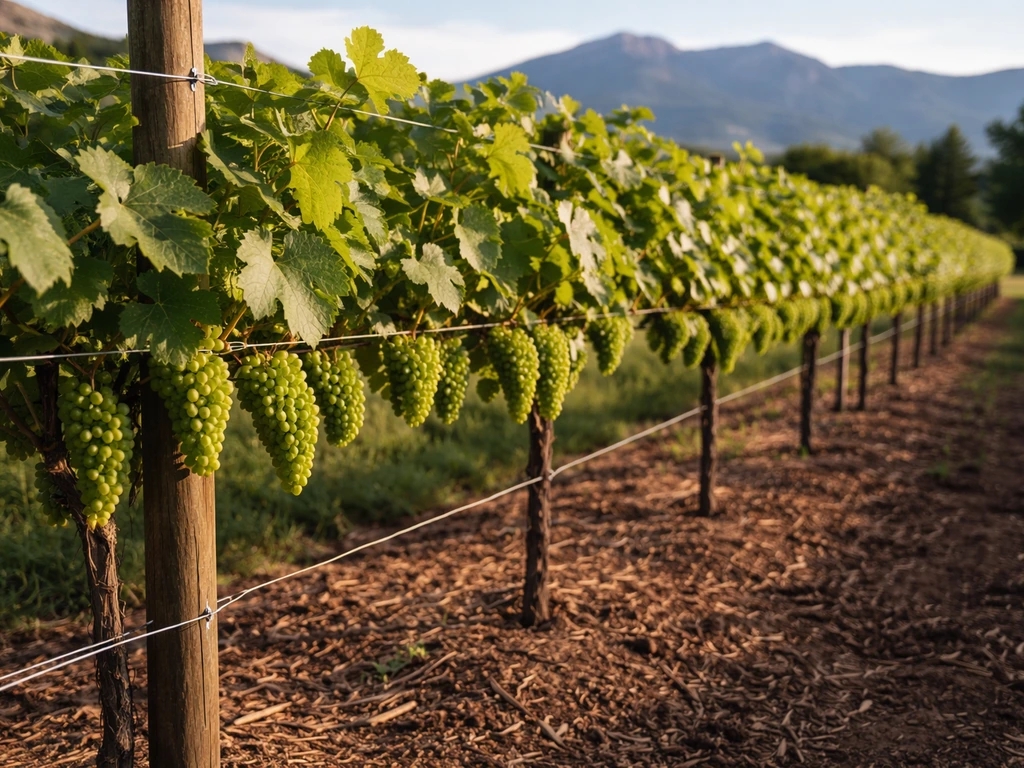
French-American hybrids are the practical choice for most Colorado home winemakers who are not on the Western Slope. Seyval Blanc and Vidal Blanc are white wine producers with good cold hardiness and real winemaking potential. For reds, Chambourcin, Chancellor, DeChaunac, Baco Noir, and Aurora all appear on CSU Extension's recommendations for cooler Colorado areas. These hybrids are not the hype varieties you see on wine lists, but they ripen reliably and produce genuinely interesting wine when managed well.
Vinifera wine grapes for the Western Slope
If you are gardening in the Grand Valley or another Western Slope location with 170 or more frost-free days, you can work with true vinifera. Riesling, Chardonnay, and Sauvignon Blanc are the whites most often recommended by CSU Extension for these areas. Merlot is the most commonly grown red vinifera in Colorado's commercial vineyards. These varieties need good site selection, careful winter management, and ideally some frost protection strategy. They are not impossible, just less forgiving than the hybrids.
What to look for: cold hardiness, ripening time, and disease resistance
These three traits should drive your variety decision more than anything else, including flavor preferences. Cold hardiness determines whether your vine survives Colorado winters at all. CSU's Western Colorado Research Center at Orchard Mesa actually tracks bud cold-hardiness using temperature measurements, monitoring critical temperatures for 10 percent bud kill (called LT10). The practical takeaway for home gardeners is that vinifera buds are significantly more vulnerable to cold injury in late fall and early winter than hybrid or American variety buds. A single severe temperature drop in November can wipe out a season's fruiting potential on vinifera vines.
Ripening time matters because Colorado's frost-free window is short and not fully predictable. Early-ripening varieties give you insurance. Himrod, Valiant, Interlaken, and Reliance are all early to mid-season ripeners, which is exactly what you want in most Colorado locations. Late-season vinifera varieties can get caught by fall frosts before the fruit reaches full sugar levels, leaving you with underripe grapes even after a warm summer.
Disease resistance is less critical in Colorado than in humid eastern states, but it still matters. Powdery mildew is a real issue, especially under dense canopies with poor airflow. Botrytis bunch rot shows up when airflow is poor. Varieties like Canadice, St. Croix, and Chambourcin have better disease resistance profiles and reward you for keeping the canopy open. Iron chlorosis is a physiological issue rather than a disease, but it is common in Colorado when soils are overwatered or poorly drained in spring.
Setting up your site: sun, soil, drainage, and microclimates
Full sun is non-negotiable in Colorado. Grapes need maximum solar exposure to accumulate the heat units required to ripen fruit in a compressed season. CSU Extension is blunt about this: grapes perform poorly with competition from lawns or shade. A south or southwest-facing slope is ideal because it maximizes sun exposure and promotes cold-air drainage away from the vines.
Avoid frost pockets at all costs. Low spots where cold air pools on still, clear nights can be several degrees colder than a slight rise just twenty feet away. That difference regularly determines whether your buds survive a late May frost. If you have options on your property, put your grapes on the elevated spot even if the soil is not quite as nice.
Soil drainage is a close second to sun in importance. Grapes want deep, well-drained, salt-free soil. Root rot is a direct consequence of poor drainage, and iron chlorosis from springtime overwatering is a common problem in Colorado home gardens. If your soil is shallow, compacted, or sits wet after rain or irrigation, amend it or raise the planting area before you put a single plant in the ground. Colorado soils with high salt content are also problematic, and CSU Extension specifically warns against using water from drain ditches due to possible salt or pesticide contamination.
Wind protection matters more in Colorado than most people expect. CSU Extension notes that wind damages canes, reduces photosynthesis, and stresses vines at the worst possible times. A windbreak or fence on the prevailing wind side can make a real difference, particularly for early-season shoot growth. Speaking of fencing, deer and elk are significant damage risks in many Colorado areas, and birds will hit your fruit hard near wildlife refuges or riparian corridors. Bird netting at ripening time is often necessary, and physical fencing is the most reliable deer deterrent.
Irrigation is essential in most Colorado locations. Grapes need consistent moisture, especially during establishment, and you need your system operational before you plant. One critical winter task that many Colorado gardeners skip: give your vines a deep irrigation after the first hard frost in fall. This recharges soil moisture and prevents midwinter desiccation, which can kill vines even when winter temperatures are not extreme. Apply the water after frost so you do not accidentally re-activate vegetative growth heading into dormancy.
What your Colorado growing season actually looks like
Here is a realistic season timeline for a Front Range home grape garden, which gives you a useful mental model even if your exact dates shift by a few weeks depending on your location.
| Time of Year | What Is Happening | What You Should Do |
|---|---|---|
| Late March – April | Buds begin to swell; frost risk still high | Watch forecasts; have frost cloth ready; do not prune too early |
| May | Shoot growth begins; late frost danger zone | Protect new growth from late frosts; manage weeds early |
| June – July | Rapid vegetative growth; flowering and fruit set | Manage canopy airflow; begin irrigation consistency; thin clusters if needed |
| August – September | Fruit development and ripening | Monitor for powdery mildew and birds; hang netting at veraison |
| September – October | Harvest window for most Colorado varieties | Taste test regularly; harvest when Brix and flavor are right |
| October – November | Vine goes dormant; first hard frosts arrive | Apply post-frost deep irrigation; do winter pruning after dormancy |
First-year and second-year vines will not produce a usable harvest, and that is by design. If fruit clusters develop in the first year or two, remove them. Allowing young vines to carry fruit slows root system development and sets you up for weaker production long-term. Most Colorado home gardeners see their first real harvest in year three, with production ramping up through years four and five.
Grapes fruit only on one-year-old wood grown the previous summer. This means your pruning approach directly determines next year's crop. CSU Extension's recommendation for home gardens is to prune back to two fruiting canes carrying 40 to 60 buds per plant total (more buds for smaller-cluster varieties, fewer for large-cluster types). Missing a year of proper pruning can cause a dramatic drop in the following season's fruit production.
Quick-start checklist for getting your Colorado grapes going
If you are ready to plant this spring or are planning for next season, here is the practical sequence to follow.
- Count your frost-free days: find your average last spring frost and first fall frost dates for your specific location, not just your city. This number is the single biggest factor in which varieties will work for you.
- Pick your variety based on your region and goal: Valiant or Concord for the toughest spots and juice; Himrod, Canadice, or Reliance for table eating across most of Colorado; Seyval Blanc, Vidal Blanc, Chambourcin, or Chancellor for home winemakers on the Front Range; Riesling, Chardonnay, or Merlot only if you are on the Western Slope with 170-plus frost-free days.
- Choose your site: full sun, slight elevation to avoid frost pockets, protection from prevailing wind, and deep well-drained soil. Avoid areas that stay wet in spring.
- Set up irrigation before you plant: your drip or soaker system needs to be functional from day one. Do not plant without a reliable water source.
- Install a strong trellis: treated posts and 12-gauge or heavier wire. Grapes get heavy, and Colorado wind makes a weak trellis a real liability.
- Plant at proper spacing: six to eight feet between plants, with rows six to ten feet apart depending on your trellis system.
- Lay a four-foot-wide weed-free mulch strip under the trellis using bark or wood chips. This controls weeds, retains moisture, and keeps lawn grass from competing with your vines.
- Remove any fruit clusters in years one and two: let the root system build before you ask the vine to carry a crop.
- Fertilize conservatively: one-quarter cup of 21-0-0 or equivalent per established plant, broadcast under the trellis and watered in. Overfertilizing is a real and common problem.
- Plan for fall: apply a deep irrigation after the first hard frost to recharge soil moisture and prevent midwinter desiccation. This one step prevents a lot of unexplained vine death in Colorado.
Colorado is genuinely one of the more rewarding states to grow grapes once you match the right variety to your location. If you are planning for Tennessee, the best grapes to grow in Tennessee depend on your site’s winter lows, frost timing, and disease pressure grow grapes once you match the right variety to your location. The combination of intense sun, low humidity, and well-drained soils in the right spots produces fruit with excellent flavor concentration. The key is being honest with yourself about your microclimate and working with varieties built for your conditions rather than against them. If you are comparing notes with gardeners in neighboring states, the variety logic here shares some overlap with approaches used in Utah and Arizona, though Colorado's elevation and cold winters create a distinct challenge that rewards the cold-hardy hybrids above almost everything else. If you are wondering can grapes grow in Arizona, the same idea applies: start with the right variety for your season length and heat, then plan for consistent watering and sun.
FAQ
Can I grow the best grapes to grow in Colorado in containers instead of in the ground?
Yes, as long as you treat it like a cold-climate grape program. Use the same variety logic (hardy hybrids for most of the Front Range), plant in the warmest south or southwest exposure you have, and choose a large container with excellent drainage. In pots, winter protection matters more because roots cool faster, so plan to insulate the container and keep it from freezing solid.
If I have a very hot summer, can I still grow late-season vinifera like Merlot or Riesling on the Front Range?
Often no, not reliably. If you are consistently seeing frosts into late May and again mid-September, you will struggle to ripen late-season European types even if the summer is hot. Your best strategy is to start with early to mid-season varieties and only attempt vinifera if you can show a frost-free window closer to the higher end of Colorado’s range.
Are the best grapes to grow in Colorado the same varieties if I want wine versus seedless table grapes?
You can, but it depends on whether you mean “seedless” or “easy wine grapes.” Colorado seedless options listed in the article are generally more about backyard eating than winemaking, and you still need the right pruning and winter protection. If your goal is wine, prioritize hybrids with a track record in cool climates, then ferment and manage acidity rather than chasing seedlessness.
Is disease resistance really less important in Colorado than in humid states, or can powdery mildew still be a problem?
Not automatically, and you should plan for canopy management from the start. Colorado’s dry air does not eliminate powdery mildew, it mainly shifts timing and makes airflow and leaf wetness control more important. If vines get too dense, you can still see mildew, so keep spacing and training that allow light penetration and ventilation.
What causes iron chlorosis in Colorado if grapes are planted in the “right” variety?
Yes, and it is a common miss. If your soil stays wet in spring, you can get iron chlorosis even when you planted a recommended variety. Test or at least monitor drainage, avoid overwatering during cool periods, and consider raising the planting area or improving soil structure before adding more nutrients.
How do I find the best microclimate spot on my property if my hardiness zone looks good on paper?
Choose a site that guarantees sun first, then manage cold air. A hillside with good air drainage can outperform a flat yard even if both are “good” hardiness zones, because cold pools in lows. Before buying vines, check where frost collects in winter and late spring and avoid low, still-air spots even if they look convenient.
Will a vinifera vine survive Colorado winters if I cover it, or is bud kill still a major risk?
In many Colorado locations, freezing temperatures in fall and winter can kill buds even when the vine itself survives. Because vinifera buds are more vulnerable, one severe temperature drop in late fall or early winter can wipe out fruit the next season. If you are on the edge, you can reduce risk by using cold-hardy varieties, training choices that improve survival, and realistic winter protection plans.
Should I really remove grape clusters in the first couple of years, even if I want to taste fruit sooner?
Yes, and timing is critical. Remove clusters in year one and two even if the vines look strong, because the goal is root establishment and cane development. Grapes fruit on one-year-old wood, so if the early years are too productive, you can end up trading short-term fruit for weaker long-term pruning and lower yields.
How should I adjust irrigation timing around establishment and winter in Colorado?
You should plan to irrigate through establishment and avoid “set it and forget it.” Colorado grapes often need consistent moisture to keep growth steady, then a deep post-frost irrigation in fall to reduce winter desiccation. Also, confirm your system will run reliably before you plant, since delays can stress young vines when they matter most.
How do I decide which grape variety ripening time to choose for my exact Colorado neighborhood?
No single calendar answer works everywhere, so use variety ripening time plus your local frost pattern. If your area regularly gets cold snaps in mid-to-late September, favor early to mid-season types and expect harvest to shift year to year. A practical approach is to pick varieties that ripen before you historically start seeing fall freezes.