
The best grapes to grow in Michigan are cold-hardy hybrids and native American varieties like Marquette, Frontenac, Concord, Niagara, and Reliance. These varieties handle Michigan's winters (which regularly drop to -10°F or colder inland) without dying back to the ground, ripen within the state's growing season, and resist the fungal diseases that wet Michigan summers encourage. Pure European (Vitis vinifera) varieties like Cabernet Sauvignon or Chardonnay are generally not worth attempting for most home gardeners without serious winter protection measures.
Best Grapes to Grow in Michigan: Top Varieties and Tips
Marcus Whitfield
27 Apr 2026
Which grape types can actually grow in Michigan
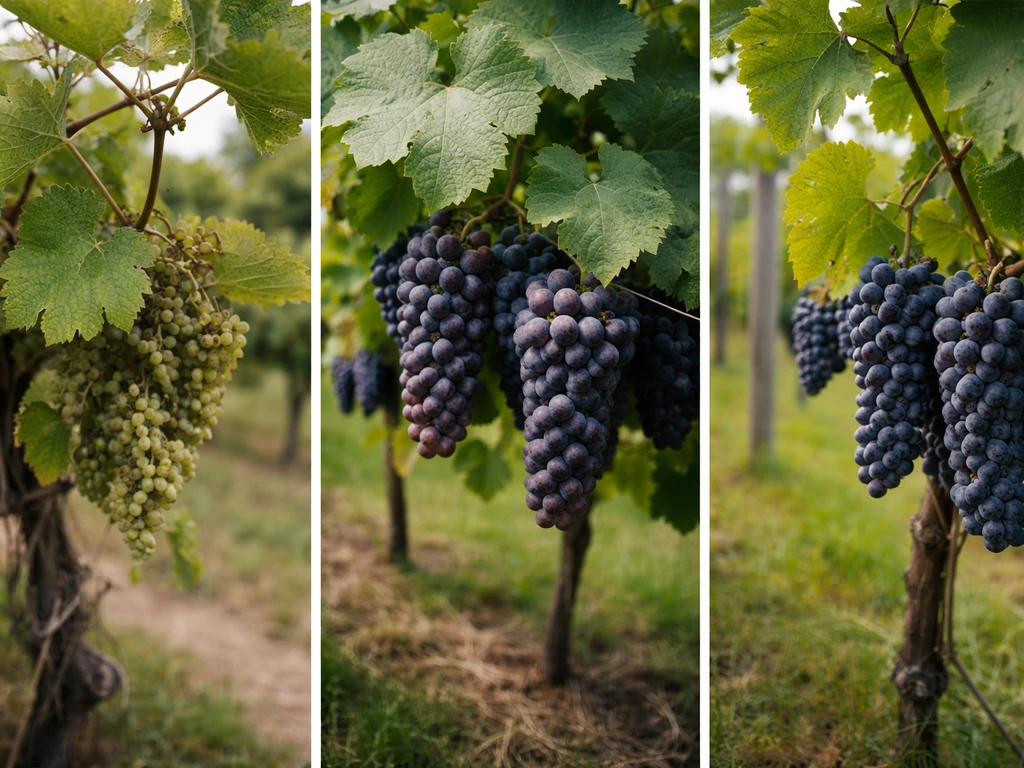
Michigan spans USDA Hardiness Zones 4b through 6b, depending on where you are. The Upper Peninsula sits in Zone 4b and 5a, meaning brutally cold winters. The Lower Peninsula ranges from Zone 5a inland to Zone 6b along the Lake Michigan shoreline, where lake effect moderates temperatures significantly. That geography matters a lot when choosing grape types.
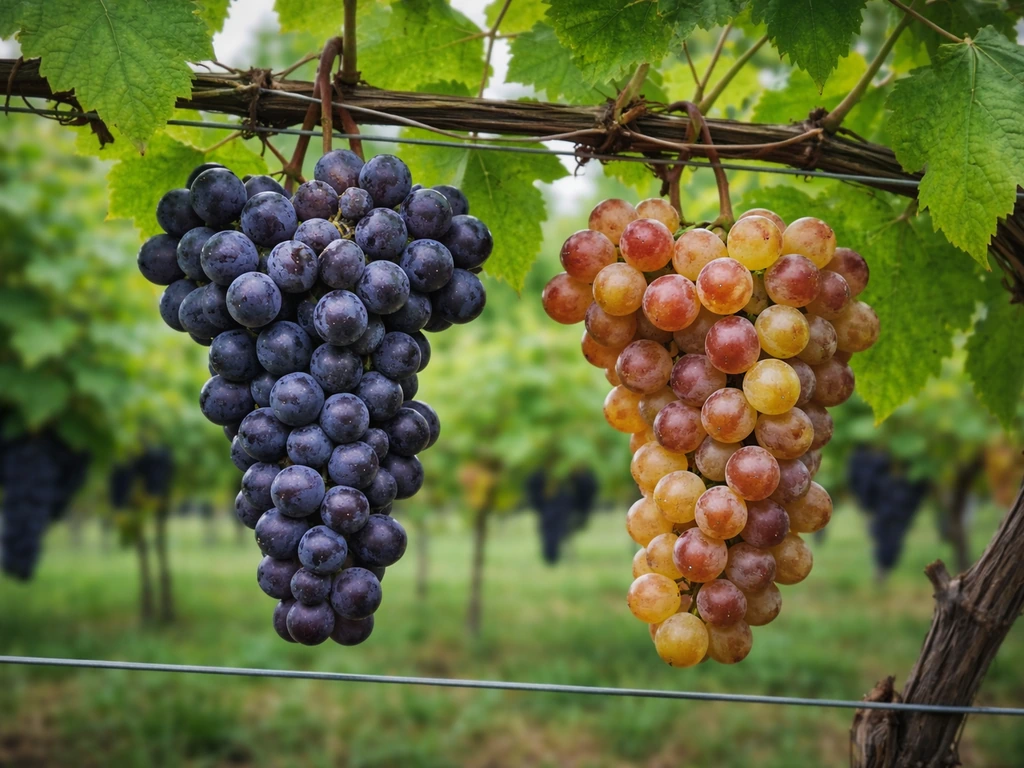
There are three main grape categories to consider for Michigan. First, American native varieties (primarily Vitis labrusca): Concord is the classic example. Tough, disease-resistant, and very cold-hardy. The flavor is what most people call 'foxy' or 'grape-juicy,' which is great for jams, juice, and fresh eating but not for European-style wine.
Second, cold-climate hybrids: These are crosses between Vitis vinifera and cold-hardy native species, bred specifically for regions like the Upper Midwest. UMN Extension defines cold-climate grapes as hybrid varieties created through crossbreeding grape species for colder regions, and it notes that extreme winter temperatures can drop below -30°F where hardy varieties are needed cold-climate grapes are hybrid varieties crossbred for colder regions.
Marquette, Frontenac, and La Crescent are standouts from the University of Minnesota breeding program and perform extremely well in Michigan. They give you wine-quality fruit without the winter-kill drama. Third, Vitis vinifera (European varieties): Think Pinot Noir, Riesling, Chardonnay. In the right microclimate, especially along the Leelanau Peninsula or Old Mission Peninsula in northwest Lower Michigan, commercial growers produce excellent vinifera.
For home gardeners away from those lake-moderated zones, vinifera is risky. They can handle temps down to about -5°F but struggle below that, and Michigan's inland zones regularly see worse.
Muscadines (Vitis rotundifolia), which are popular in the Southeast U.S., are not suited for Michigan. They need long, hot, humid summers and cannot survive Michigan winters. Skip them entirely.
Top Michigan-performing varieties by what you want to do
Below is a practical breakdown of the best varieties organized by your goal. Hardiness ratings are the approximate minimum temperature the vine can survive without significant damage.
| Variety | Type | Hardiness | Best Use | Notes |
|---|---|---|---|---|
| Concord | American (V. labrusca) | -25°F | Juice, jam, fresh eating | The most forgiving Michigan grape; reliable, disease-resistant, classic flavor |
| Niagara | American (V. labrusca) | -20°F | Fresh eating, white juice | White/green grape; sweet, mild flavor; great for fresh eating |
| Reliance | American hybrid | -15°F | Table eating | Seedless, sweet, thin-skinned; excellent fresh-eating variety |
| Marquette | Cold-climate hybrid | -30°F | Red wine | High quality red wine grape; complex flavors; top performer in cold climates |
| Frontenac | Cold-climate hybrid | -30°F | Red wine | Deep color, high acidity; great for full-bodied reds and port-style wines |
| Frontenac Gris | Cold-climate hybrid | -30°F | White/rosé wine | Pink-skinned mutation of Frontenac; tropical, apricot notes |
| La Crescent | Cold-climate hybrid | -30°F | White wine | Apricot and citrus flavors; excellent aromatic white; slightly more disease-prone |
| St. Croix | Cold-climate hybrid | -20°F | Red wine, fresh eating | Earlier ripening; good for shorter-season northern Michigan sites |
| Swenson Red | Cold-climate hybrid | -20°F | Fresh eating, light red wine | Sweet, strawberry-like flavor; good for both table and light wine |
If you just want the easiest possible experience, start with Concord. It is practically bulletproof in Michigan. If you want to make wine and you are in the Lower Peninsula, Marquette is my top recommendation: it is hardy enough for the worst Michigan winters, it produces reliably, and the wine quality is genuinely impressive. For seedless table grapes, Reliance is the most dependable option you will find in this climate.
Winter hardiness and disease resistance: what to prioritize first
In Michigan, winter hardiness is not optional. It is the first filter. If a variety cannot survive your zone's minimum temperatures, nothing else matters. But the second filter, disease resistance, is nearly as important because Michigan summers are humid and frequently rainy, which creates ideal conditions for fungal diseases like powdery mildew, downy mildew, black rot, and Botrytis. A variety that survives winter but requires weekly fungicide sprays all summer is not a good fit for most home gardeners.
Cold-climate hybrids like Marquette, Frontenac, and La Crescent were specifically bred to combine the cold hardiness of native species with improved fruit quality. They carry significantly better disease resistance than pure vinifera varieties, though they are not immune. You will likely still spray a few times per season, but nothing like the intensive spray schedule vinifera demands. American varieties like Concord and Niagara have the best disease resistance of all, which is a big part of why they dominate home gardens in Michigan.
One more thing worth knowing: trunk diseases are a real issue in Michigan, and pruning timing matters. MSU Extension research shows that pruning wounds stay susceptible to fungal trunk disease pathogens for up to a month in cool spring conditions. The practical advice is to delay pruning as late in the dormant season as you can, ideally in late March or early April just before bud swell. This reduces the window for infection and also lets you see exactly which buds survived winter before you cut.
Picking the right site in Michigan
Sun and air movement
Grapes need full sun, meaning at least 6 to 8 hours of direct sunlight daily. South- or southwest-facing slopes are ideal because they warm up earlier in spring and stay warm later into fall, which helps with ripening. Good air circulation is equally critical. Stagnant air around the vines keeps foliage wet longer after rain, which is exactly what fungal diseases love. Avoid planting in low spots or against walls with no airflow.
Soil and drainage
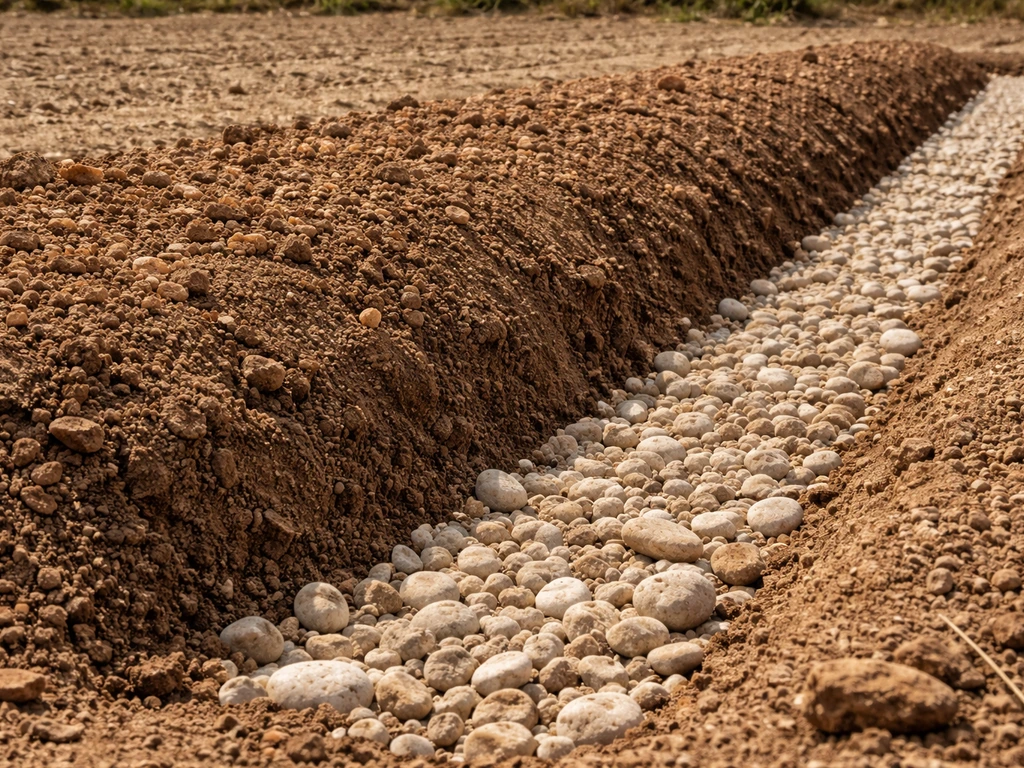
Grapes prefer well-drained, slightly acidic soil with a pH between 5.5 and 6.5. They do not like wet feet. If your soil stays soggy after rain, root rot and vine stress will follow. Sandy loam or loamy soils common in many parts of Michigan are actually quite good for grapes. If you have heavy clay, amend the planting area or consider raised rows to improve drainage. Test your soil pH before planting and adjust with lime if you are below 5.5.
Michigan microclimate advantages
The western Lower Peninsula, particularly around Traverse City, Suttons Bay, and the Leelanau and Old Mission Peninsulas, benefits enormously from Lake Michigan's moderating effect. Winter lows are several degrees warmer than inland, springs arrive slightly later (reducing frost damage to early buds), and fall stays warmer longer, extending the ripening window. If you live in this region, your options open up considerably, including some vinifera varieties with careful site selection. If you are in the Upper Peninsula or central Lower Michigan, stick with the hardiest varieties and prioritize south-facing sites near any heat-retaining structure.
How to buy and choose the right vines for Michigan
Start by sourcing vines from nurseries that specialize in cold-climate fruit crops or Midwest-adapted varieties. Mail-order nurseries that serve Minnesota, Wisconsin, and Michigan regularly carry the right varieties. Local nurseries in Michigan, particularly in fruit-growing regions, may stock Concord, Niagara, and a few hybrids. Avoid big-box garden centers unless they specifically carry cold-climate varieties, as they often carry vinifera varieties rated only for Zone 7 or warmer.
On the question of grafted versus own-root vines: MSU Extension is clear that in Michigan, rootstocks with Vitis vinifera parentage should not be used because of insufficient Phylloxera resistance. For American varieties and cold-climate hybrids, own-root vines are the standard and work perfectly well. Grafted vines matter more if you are growing vinifera varieties in the southwest Michigan lake zone, and in that case, use a rootstock like 3309C or Riparia Gloire that does not rely on vinifera genetics.
Buy one- or two-year-old bare-root vines in early spring for planting after frost risk has passed, typically late April to mid-May in southern Lower Michigan, and late May in the Upper Peninsula. Potted vines can be planted a bit later. Order early, especially for popular cold-climate hybrids, since Marquette and La Crescent sell out quickly at specialty nurseries.
Training, trellising, and a basic care timeline
Grapes need a trellis system from the start. A simple two-wire trellis works well for home gardens: set posts 8 feet apart and string heavy-gauge wire at 3 feet and 5.5 feet off the ground. The high-cordon or Vertical Shoot Positioning (VSP) system is most common in Michigan because it promotes good air circulation, which matters for disease control.
- Year 1 (planting year): Plant in late April or May after last frost. Cut the vine back to two or three buds at planting. Let it grow freely the first season to establish roots. Water deeply once per week in dry stretches. Stake loosely to a single post and train one or two main shoots upward toward the first wire. Do not worry about fruit this year.
- Year 2: Select the strongest shoot as your trunk, tie it to the trellis, and remove competing shoots. Train two lateral arms (cordons) along the lower wire. Apply a light balanced fertilizer (10-10-10) in early spring. You may see a small cluster or two, but remove them to keep energy focused on vine development.
- Year 3: Continue building the cordon structure. Allow a limited crop, no more than one or two clusters per shoot, to avoid overloading a young vine. Prune in late March or early April, leaving short spurs with two to three buds each along the cordon.
- Year 4 and beyond: Full pruning and canopy management every late winter/early spring. Thin clusters if the vine sets heavily. Monitor for disease and pests from bud break through harvest. Harvest timing varies by variety, typically late August through October in Michigan.
Fertilize lightly each spring with a balanced granular fertilizer. Grapes do not need heavy feeding and too much nitrogen produces excessive leafy growth and weak fruit. Water young vines consistently, especially the first two years. Established vines are fairly drought-tolerant but benefit from deep watering during fruit set and early ripening.
Pests, diseases, and common problems to watch for
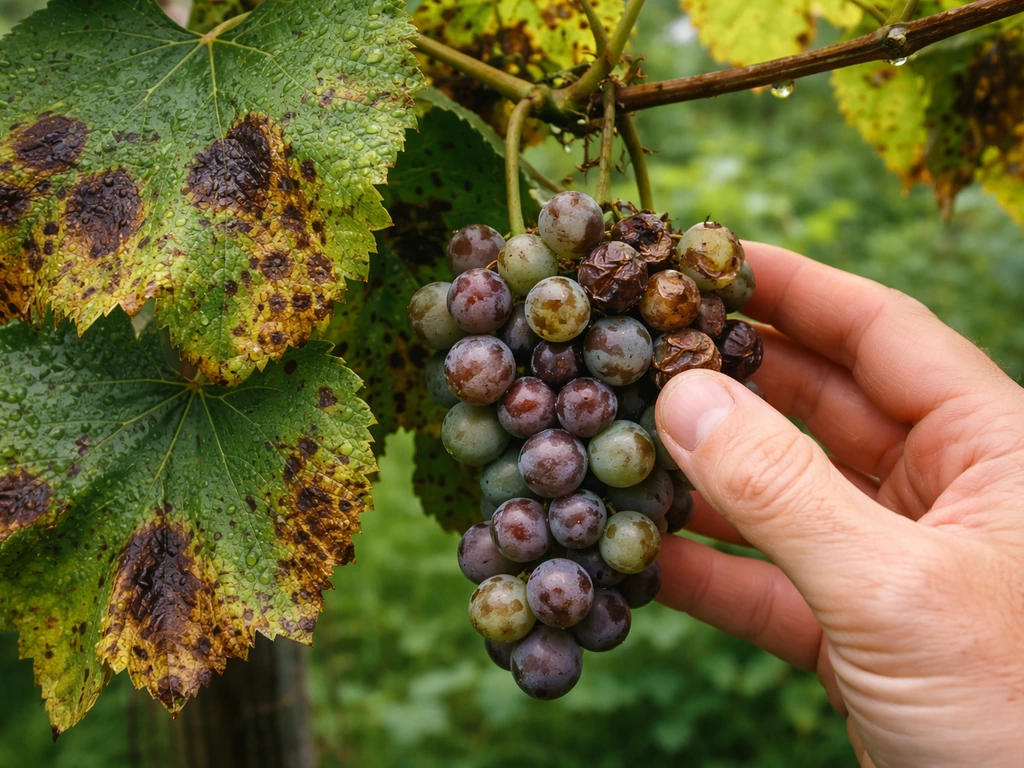
Michigan's humid summers make fungal diseases the biggest ongoing management challenge for home grape growers. Here is what you are most likely to encounter.
- Black rot: Brown spots on leaves and shriveled, mummified berries. Common in wet springs and early summers. Remove mummified berries and infected plant material. Preventive fungicide sprays from bud break through fruit set help significantly.
- Powdery mildew: White powdery coating on leaves and berries. More common in warm, dry stretches but still present in Michigan. Cold-climate hybrids have better resistance than vinifera. Improve air circulation and apply sulfur-based sprays if needed.
- Downy mildew: Yellow oily spots on leaves, white cottony growth underneath. Thrives in wet, cool weather. Common in Michigan's spring and early summer. Copper-based fungicide sprays are effective.
- Botrytis (gray mold): Gray fuzzy rot on berries near harvest. Worse in tight-clustered varieties. Leaf pulling around the fruiting zone improves airflow and reduces risk.
- Japanese beetles: Feed heavily on grape leaves in July and August. Handpick in the early morning or use row covers on young vines. They are a genuine nuisance but rarely kill an established vine.
- Grape berry moth: Larvae tunnel into berries and cause significant fruit damage. Pheromone traps help you monitor population levels and time any treatments.
- Birds: As grapes ripen, birds will find them before you do. Bird netting draped over the vines is the most effective solution and worth the effort.
The single best thing you can do for disease prevention is manage your canopy. Dense, crowded foliage traps moisture and creates a perfect disease environment. Tuck or trim shoots regularly during summer to keep the fruiting zone open and well-ventilated.
Realistic expectations: cost, time to harvest, and maintenance
Bare-root grape vines typically cost between $8 and $20 per plant from specialty nurseries. Add in trellis materials (posts, wire, hardware) and you are likely looking at $50 to $150 to get a two- to four-vine home setup going, depending on what you already have. It is a modest upfront cost compared to many perennial garden projects.
On timing: do not expect a real harvest until year three, and a full, consistent harvest from year four or five. I know that feels like a long wait, but grapes are perennial investments. Once established, a healthy vine will produce for 20 to 30 years or more. The patience pays off.
Maintenance level is moderate. You are not committing to daily attention, but you cannot ignore them either. Expect to spend time on dormant pruning each spring (an hour or two per vine for beginners), canopy management through summer (tucking and trimming shoots monthly), a few fungicide applications if you are proactive, and blank" rel="noopener noreferrer">pest monitoring. Harvest is labor-intensive but satisfying. If you are growing cold-hardy hybrids like Marquette or Concord, the spray program is much lighter than for vinifera, which genuinely does make the hobby more manageable.
If you have neighbors or friends in Ohio, Indiana, Wisconsin, or Illinois who are also thinking about growing grapes, many of the same cold-climate hybrid recommendations apply across the Upper Midwest, though the specific variety priorities shift slightly by zone and local disease pressure in each state. Indiana gardeners can follow the same cold-climate hybrid approach, with a short list of winter-hardy varieties as the best grapes to grow in Indiana Ohio, Indiana, Wisconsin, or Illinois.
If you want a quick state-specific checklist, see the best grapes to grow in illinois for the varieties that match Illinois hardiness and disease pressure. For more guidance specific to Wisconsin conditions, check the best grapes to grow in Wisconsin and match varieties to your local hardiness zone Ohio, Indiana, Wisconsin, or Illinois.
For Ohio specifically, you will usually want the same cold-climate hybrids and native varieties that handle harsh winter lows and humid summers many of the same cold-climate hybrid recommendations. For more details on which cold-climate hybrids and native varieties perform best in Ohio, see the guide to the best grapes to grow in Ohio.
Michigan is honestly a great state for growing grapes, especially with the cold-climate hybrids developed over the past few decades. You do not have to fight your climate. Pick varieties bred for it, give them a sunny well-drained spot, and you will be harvesting grapes within a few seasons. Start with Concord if you want something nearly foolproof, or jump straight to Marquette if wine is your goal. Either way, you are making a good choice. If you also want the best varieties for Wisconsin, focus on cold-hardy hybrids and native types that can handle the colder winter lows.
FAQ
What’s the single most important variety trait for Michigan besides cold hardiness?
Disease resistance and ripening speed. In Michigan’s humid summers, a vine that survives winter but ripens late can still fail because fruit stays on the plant too long, increasing mold and rot risk.
Can I grow grapes in a shaded yard if I can give them extra fertilizer or watering?
Generally no. Even well-fed grapes need consistent direct sun. Aim for at least 6 to 8 hours, and if trees cast dappled shade for much of the afternoon, switch to a sunnier location or choose a more sheltered south-facing site.
How do I pick between Concord, Niagara, and the hybrids for my first planting?
Concord is best for easiest success and extreme winter tolerance. Niagara is also very reliable but tends to be less tolerant than Concord in the coldest inland pockets. If you want something closer to wine fruit while staying Michigan-hardy, prioritize Marquette or Frontenac (or La Crescent if you want a similar hybrid route).
Do I need multiple grape varieties for good yields?
Most common Michigan choices are self-fertile enough for reasonable crops, but more pollination can help in cool, wet springs. If you want maximum reliability, plant at least two compatible vines or a second variety nearby (especially if you notice weak set).
What’s the fastest way to troubleshoot “my vine survived but didn’t produce” after planting?
Check three common issues: pruning severity (new vines often need lighter cuts the first year), inadequate training to the trellis (fruiting wood must be positioned), and insufficient sun. If the vine was planted in a low, damp spot, root stress can delay production even when winter survival looks fine.
Should I cover grapevines during winter in Michigan?
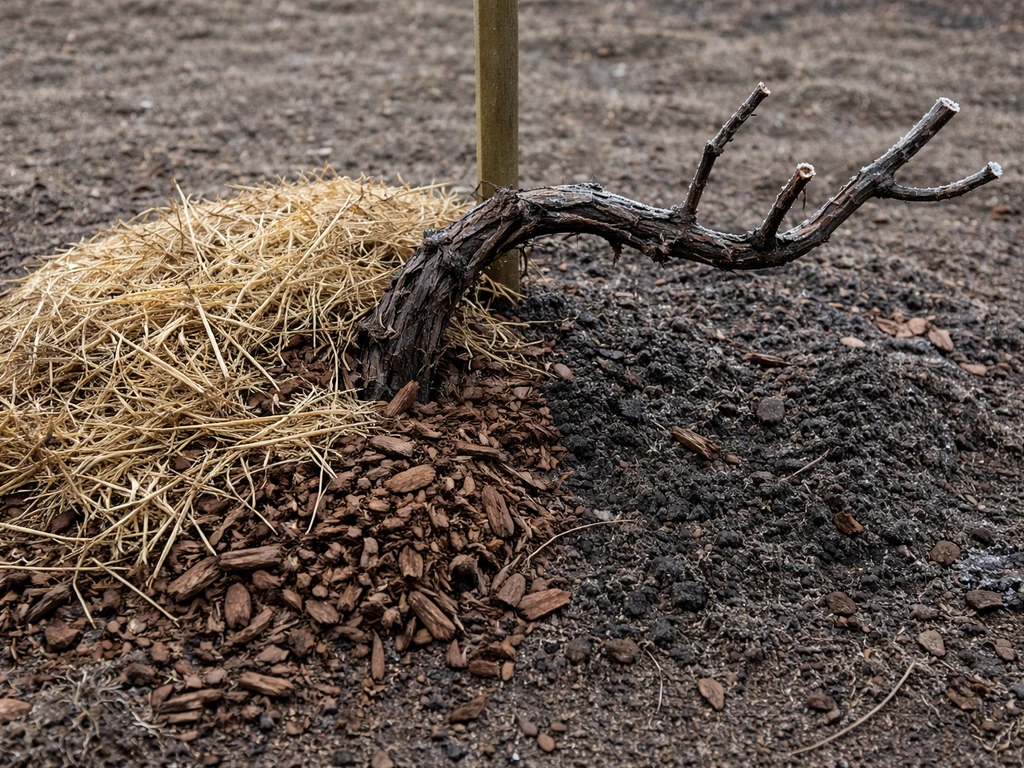
For cold-climate hybrids and American varieties, you usually do not need heavy winter covering if they are truly rated for your zone. However, add temporary wind protection or mulch for newly planted vines in their first winter, since young roots are more vulnerable than established ones.
How do I reduce fungal disease without turning it into a full-time spray schedule?
Start with canopy control, keep shoots from crowding the fruit zone, and avoid overhead irrigation. If you do spray, target the timing around active growth and wet weather spells rather than spraying on a fixed calendar for every disease event.
Is it worth planting grapes near a wall or fence for extra warmth?
It can be helpful on south-facing sides, but only if airflow is good. If the wall traps humidity and the foliage stays wet after rain, disease pressure increases. If airflow is limited, choose a more open spot even if it is slightly cooler.
What soil test results matter most before planting?
Focus on drainage and pH. A pH between 5.5 and 6.5 is ideal, but the bigger long-term problem in heavy soils is wet feet. If water ponds after rain, raised rows or amended planting holes usually help more than changing pH alone.
Can I grow grapes from cuttings instead of buying vines?
Yes for experienced gardeners, but it’s slower and riskier for getting correct variety and hardiness. For most people in Michigan, buying established one- or two-year-old bare-root vines is the reliable path, especially for limited-supply hybrids like Marquette and La Crescent.
Are own-root vines always better in Michigan?
For American varieties and cold-climate hybrids, own-root is typically the standard and avoids rootstock complications. Grafted vines matter mainly when attempting vinifera in the lake-moderated southwest Michigan zone, where phylloxera and rootstock choice become a bigger concern.
How long should I wait before judging whether my grape variety is a “failure”?
Plan on no meaningful harvest in the first year and limited crops in year two. Expect a real harvest in about year three, with consistent yields usually arriving year four or five if the vine is properly trained and pruned.
What pests should I watch for in Michigan grapes?
Watch for berry and shoot pests after vines break dormancy, and don’t ignore signs of bird pressure near ripening. You may need physical protection like netting or fine mesh late in the season, even when disease is under control.
What’s a practical trellis mistake to avoid for Michigan grapes?
Planting and wiring the trellis too late. If you delay training, shoots tangle and disease builds in the crowded canopy. Install the trellis early so the first year’s growth can be trained for good airflow and easier pruning later.
Can I grow muscadines in the warmest parts of Michigan anyway?
Not reliably. Michigan winters generally do not meet their survival needs, and even short-term cold damage can set the vine back hard or kill it over time. Skip muscadines and choose Michigan-appropriate cold-hardy varieties instead.