
Ohio is genuinely good grape-growing territory, but variety choice makes or breaks it. The varieties that thrive here are cold-hardy American and French-American hybrids that can handle winter lows down to -10°F to -20°F, bounce back from late spring frosts, and resist the aggressive disease pressure Ohio summers bring. For table grapes, Concord, Reliance, and Einset Seedless are your most reliable picks. For wine grapes, Chambourcin, Vidal Blanc, and Traminette consistently outperform others in Ohio home gardens. European vinifera varieties like Cabernet Sauvignon and Chardonnay are a tough road for most home growers here and rarely worth the heartbreak.
Best Grapes to Grow in Ohio: Table and Wine Varieties

Marcus Whitfield
25 Apr 2026
Ohio's Climate and What It Means for Your Vines
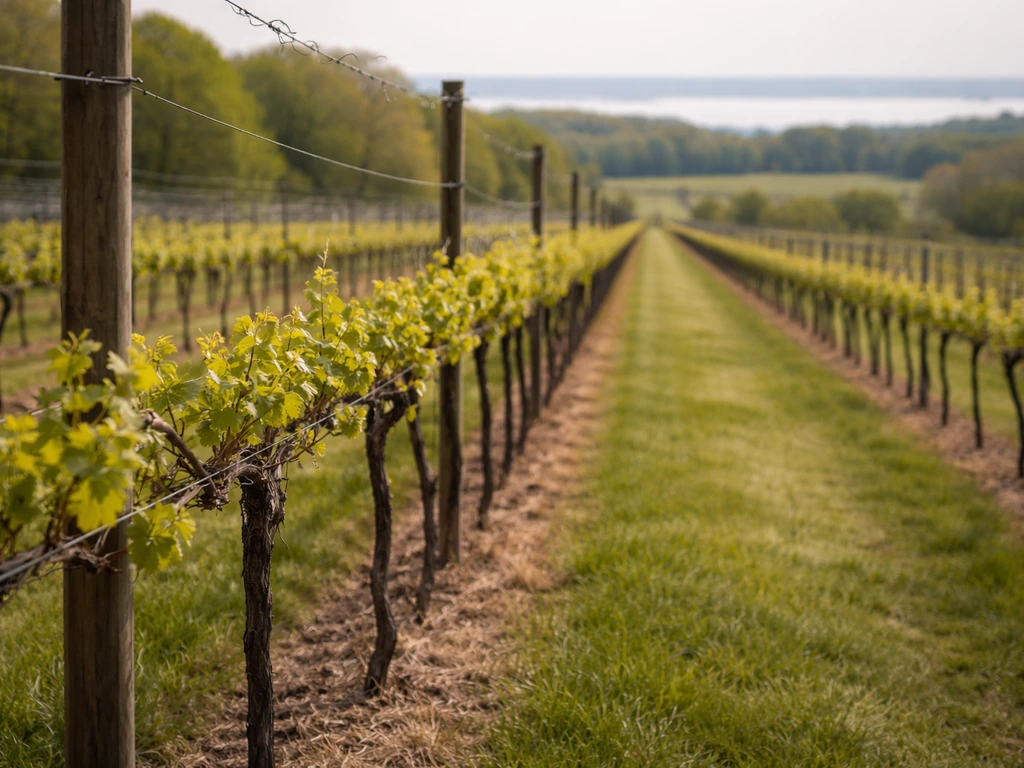
Ohio spans USDA hardiness zones 5a to 6b, with most of the state sitting in zones 5b and 6a. Winter lows in the interior can drop to -15°F or colder in rough years, while the Lake Erie shoreline stays a bit milder thanks to the lake's moderating effect. That Lake Erie corridor, running through Erie, Ottawa, and Lorain counties, is actually one of the best grape-growing microclimates in the Midwest. The lake delays spring frost, extends the fall ripening window, and keeps winter lows from getting quite as brutal. If you're anywhere in that band, you have more variety options than someone growing in Columbus or Cincinnati.
Away from the lake, heat accumulation (measured in growing degree days) is sufficient to ripen most cold-hardy hybrids and American varieties, but true European vinifera grapes need a longer, warmer season than most Ohio sites reliably deliver. Summers are warm and humid, which is great for vine growth but genuinely rough for disease management. Ohio's combination of humid summers, frequent rain events from May through July, and a compressed bloom-to-harvest window creates ideal conditions for fungal diseases. That's not a reason to avoid growing grapes, but it does mean disease-resistant varieties aren't optional if you want a low-stress garden.
Late spring frosts are a real threat in most of Ohio through mid-May. Grapes push out new growth early, and a hard frost at bloom can wipe out an entire season's crop in hours. Site selection helps enormously here. Plant on a slope if you can, since cold air drains downhill and settles in low spots. South or southeast-facing slopes warm up fastest in spring and give you the most heat accumulation through the season. Avoid planting in frost pockets or at the base of hills where cold air pools on still nights.
Eating Grapes or Wine Grapes: How to Pick Your Direction
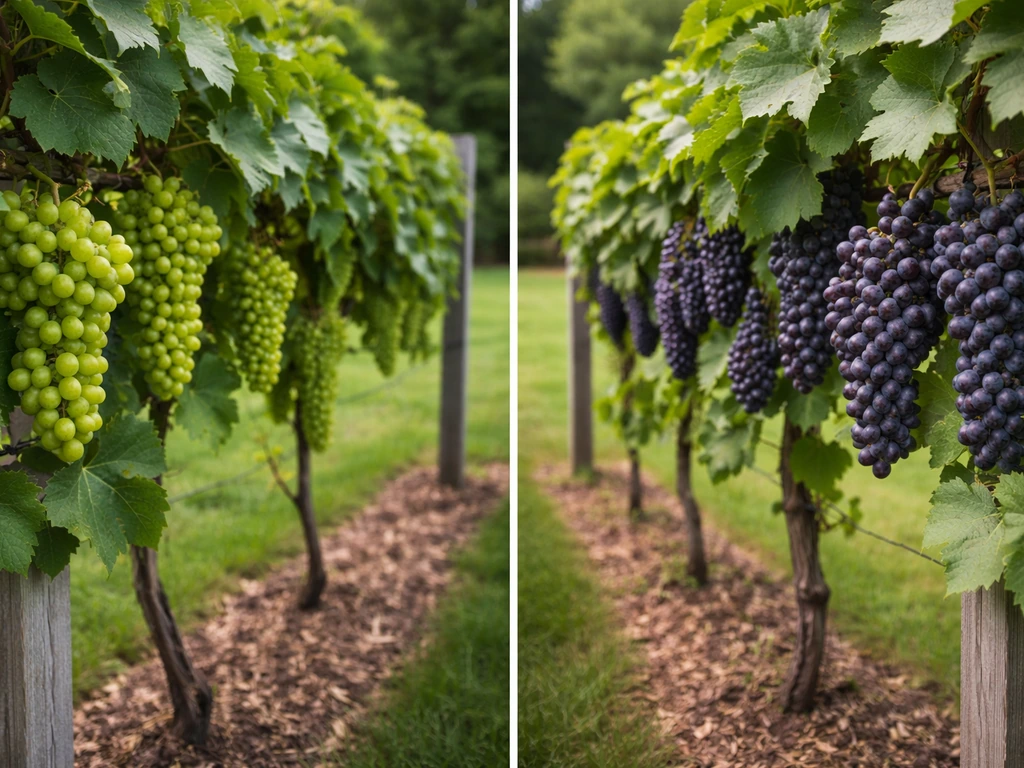
This is the first decision to nail down before you buy a single vine, because it genuinely changes which varieties you should plant. Table grapes and wine grapes are bred for completely different goals. Table grapes are selected for large, attractive clusters, sweet flavor, thin skin, and either no seeds or very small ones. Wine grapes are selected for high sugar content relative to berry size, complex flavor compounds, thick skins (important for tannins and color), and a juice-to-pulp ratio that works in a fermentation context. A great table grape often makes mediocre wine, and a great wine grape eaten fresh can taste tart, seedy, and strange.
If your goal is fresh fruit for the family, snacking, juice, or jelly, go with table varieties. If you want to make wine at home, even just a few gallons a year, focus your planting on wine varieties. You can absolutely grow both if you have the space, but resist the temptation to hedge by planting a mix of everything. New growers get better results by committing to one direction, mastering those varieties, and expanding later. Whatever you choose, prioritize cold hardiness and disease resistance above everything else in Ohio. A gorgeous-sounding variety that's rated to zone 7 is going to frustrate you here.
Best Table Grapes for Ohio Home Gardens
These varieties have proven themselves in Ohio's climate through decades of home and commercial growing. Each one brings something a little different to the table, so here's a practical breakdown.
| Variety | Flavor Profile | Hardiness | Disease Resistance | Seeds | Notes |
|---|---|---|---|---|---|
| Concord | Bold, classic 'grape' flavor, slightly foxy, sweet-tart | Zone 4, survives -25°F | Good | Yes | The Ohio standard; also excellent for juice and jelly; ripens mid-September |
| Reliance | Sweet, mild, fruity, similar to commercial red grapes | Zone 4, to -25°F | Good | No (seedless) | One of the best seedless grapes for cold climates; red-pink skin; ripens mid-August |
| Einset Seedless | Sweet, strawberry-like flavor | Zone 5, to -15°F | Moderate | No (seedless) | Attractive red clusters; earlier ripening than Concord; may need disease sprays in wet years |
| Marquis | Sweet, mild, white/green | Zone 5, to -10°F | Moderate | No (seedless) | Good fresh eating; ripens August; slightly more disease-prone than Reliance |
| Suffolk Red | Crisp, sweet, neutral flavor | Zone 5, to -10°F | Fair | No (seedless) | Large berries; good fresh eating; less disease-resistant than top picks; better in drier sites |
Concord is the default recommendation for Ohio beginners, full stop. It's been grown here for well over 150 years, it's nearly bulletproof, and it produces reliably even in bad years. If you want seedless grapes for fresh eating, Reliance is your best bet. It handles Ohio winters without complaint and ripens in mid-August, giving you fruit before most other varieties. Einset Seedless is worth planting if you want something a little different in flavor, but budget a couple spray applications for disease during wet summers.
Best Wine Grapes for Ohio Home Winemakers
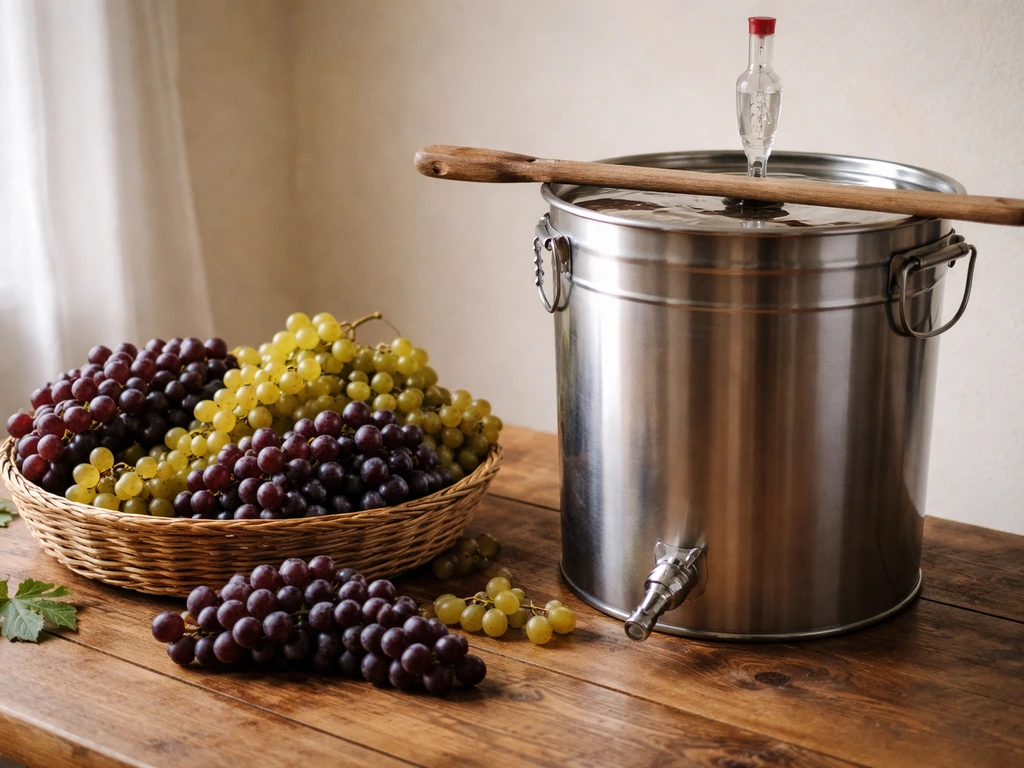
Ohio's Lake Erie wine region is legitimate, and the French-American hybrids that dominate it also work beautifully in home gardens across the state. These varieties were bred specifically to combine European wine grape flavor complexity with American cold-hardiness and disease resistance. That's exactly what you need here.
| Variety | Wine Style | Hardiness | Disease Resistance | Ripening | Notes |
|---|---|---|---|---|---|
| Chambourcin | Full-bodied red; dark color, earthy, berry notes | Zone 5, to -10°F | Excellent | Late September-October | Top red wine grape for Ohio; vigorous, productive, handles humidity well |
| Vidal Blanc | Off-dry to sweet white; tropical, citrus notes | Zone 5, to -15°F | Very good | Late September-October | Thick skins resist rot; great for late-harvest and ice wine styles; very productive |
| Traminette | Aromatic white; floral, spice, similar to Gewürztraminer | Zone 5, to -15°F | Excellent | Early-mid September | Developed at Cornell; exceptional disease resistance; produces quality wine in Ohio conditions |
| Marquette | Medium-full red; cherry, pepper, earthy | Zone 3, to -36°F | Good | Early-mid September | Outstanding cold hardiness; slightly more disease-prone than Chambourcin but earlier ripening |
| Noiret | Medium red; blackberry, chocolate, pepper | Zone 5, to -10°F | Good | Late September | Newer variety; complex flavor; performs well in Ohio; worth trying for adventurous growers |
| Seyval Blanc | Crisp, light white; citrus, mineral | Zone 5, to -10°F | Moderate | Mid September | Reliable producer; classic Ohio wine grape; may need powdery mildew management |
Chambourcin and Traminette are the two I'd recommend to any Ohio home winemaker starting out. Chambourcin gives you a serious red wine with real depth, and it's one of the most disease-resistant red wine grapes available anywhere. Traminette is remarkable for its disease package and produces an aromatic white wine that surprises people who expect French-American hybrids to be simple. If you're in a colder part of Ohio, add Marquette to your list. Its cold tolerance to -36°F is extraordinary, and it ripens early enough to work well even in shorter-season Ohio sites.
Hardiness, Disease Resistance, and When Things Ripen in Ohio
Ohio's growing season runs roughly from last frost (mid-April to mid-May depending on location) through first fall frost (mid-October to early November). Most cold-hardy hybrid and American grape varieties need between 140 and 165 frost-free days to ripen fully, which Ohio delivers comfortably in most years. Early-season varieties like Reliance and Traminette ripen in August to early September, giving you a comfortable buffer. Late-season varieties like Chambourcin and Vidal Blanc push into late September and October, which is fine along the lake but can be tight in inland or northern parts of the state.
Disease management is where Ohio grape growing gets real. OSU plant pathology research identifies five major diseases that attack Ohio vines every year: black rot, downy mildew, powdery mildew, Phomopsis rot, and anthracnose. The most critical management window is from bloom through four weeks after bloom. UW Extension describes a critical window from pre-bloom through post-bloom, when developing fruit and foliage are highly susceptible to multiple fungal pathogens including black rot, Phomopsis cane/leaf spot, powdery mildew, downy mildew, and Botrytis gray mold blank" rel="noopener noreferrer">from bloom through four weeks after bloom. The Midwest small fruit pest management handbook (including OSU materials) emphasizes that powdery mildew and black rot control priorities should be concentrated during key early-to-mid season infection periods and that management timing matters most around those windows Midwest Small Fruit Pest Management Handbook , grape disease notes. Research from OSU shows that infections by black rot, downy mildew, and powdery mildew occur primarily within that window, and that fruit becomes much more resistant to infection about four weeks after bloom. This means your spray schedule or disease management efforts should be most intensive during that roughly six-week stretch. If you choose varieties with strong disease resistance, you dramatically reduce the number of applications you need. If you plant susceptible varieties and skip management during bloom, you're likely looking at significant crop loss.
For cold hardiness, most Ohio winters are survivable for zone 5-rated varieties without any winter protection. In unusually cold winters when temperatures drop below -15°F in exposed sites, even zone 5 varieties can suffer bud damage. If you're in zone 5a (northern Ohio interior, away from the lake), it's worth choosing varieties rated to zone 4 or lower for that extra insurance. Concord, Reliance, and Marquette give you that buffer.
Planting, Training, and Basic Care for New Growers
Choosing and Preparing Your Site
Grapes need full sun, at least six to eight hours daily, and ideally more. They tolerate a wide range of soil types but need good drainage above everything else. Waterlogged roots kill vines. If your soil is heavy clay, raise the planting bed or amend generously with compost before planting. Soil pH between 5.5 and 6.5 is ideal. Test your soil before planting and adjust if needed. Most Ohio soils are in a workable range, but it's worth confirming.
Planting Time and Spacing
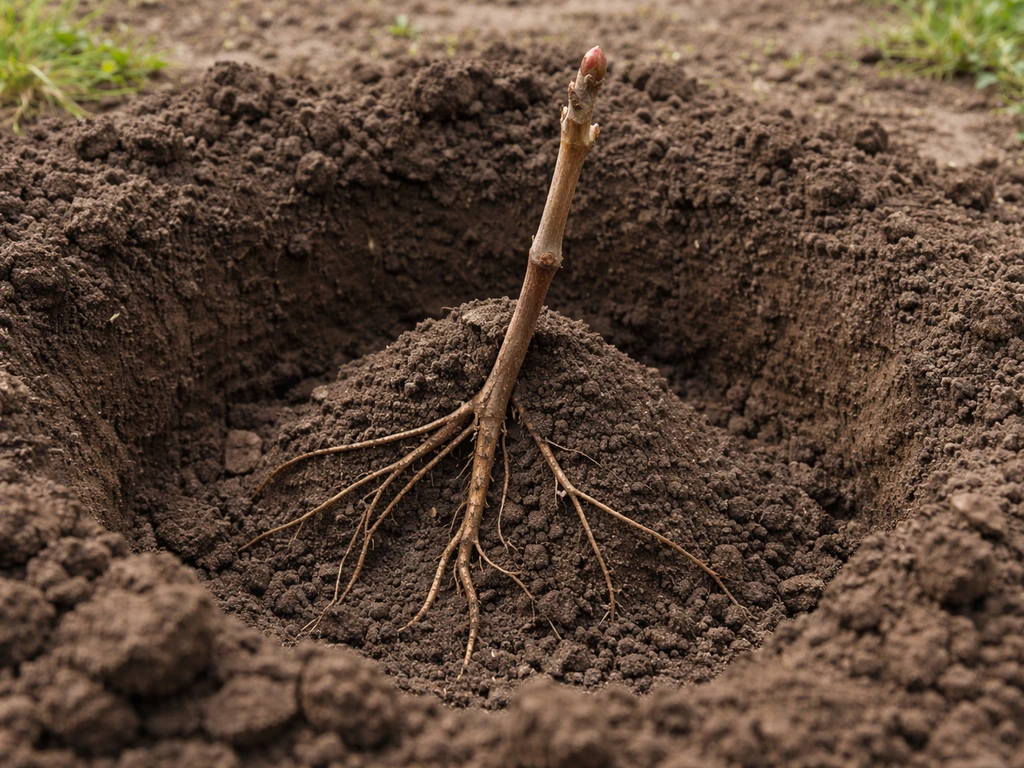
Plant bare-root vines in early spring, as soon as the soil is workable and nighttime temperatures are consistently above freezing. In most of Ohio, that's late March through mid-April. Container-grown vines can go in a little later, through May, but earlier is better for establishment. Space vines 6 to 8 feet apart in a row for most varieties, with rows 8 to 10 feet apart if you're planting multiple rows. Concord and other vigorous American varieties can push to 8 feet between plants; more compact hybrids can go at 6 feet.
Trellis and Training
You need a trellis before your vines get going. The most practical system for home growers is a two-wire trellis: a top wire at about 5.5 to 6 feet and a lower wire at 3 to 3.5 feet, supported by posts every 20 to 24 feet. The most beginner-friendly training system is the high-cordon (or high-wire) system, where you train one or two permanent arms (cordons) along the top wire and allow fruiting shoots to hang down. This works well for most hybrid and American varieties and is easier to prune than more complex systems. In year one, focus entirely on establishing a strong trunk. In year two, begin training the cordon. Expect your first real crop in year three.
Watering and Fertilizing
Established vines are surprisingly drought-tolerant, but young vines (years one and two) need consistent moisture, about an inch per week during the growing season. Drip irrigation is ideal because it keeps foliage dry, which reduces disease pressure. Avoid wetting leaves when you water. For fertilizing, less is often more with grapes. Too much nitrogen pushes excessive vegetative growth at the expense of fruit and also increases disease susceptibility. A soil test in year one will tell you exactly what you need. In general, a light application of balanced fertilizer in early spring is enough for established vines on reasonable Ohio soils.
Pruning Basics
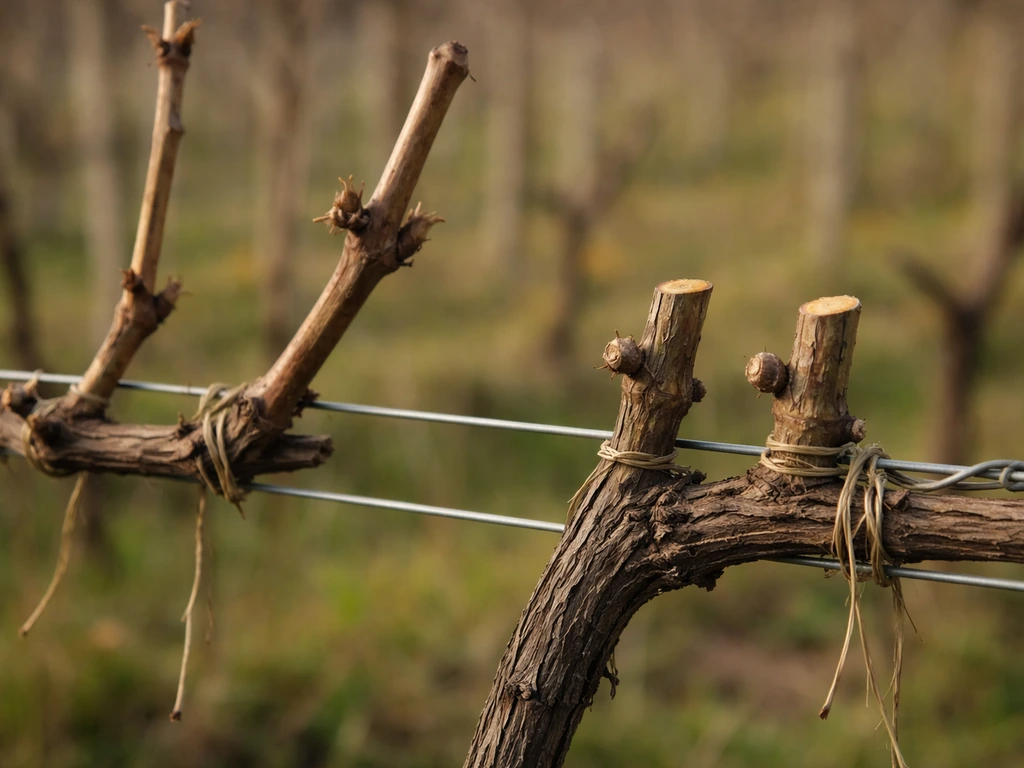
Annual pruning is non-negotiable with grapes. Unpruned vines produce enormous amounts of vegetation and tiny, poor-quality fruit. Prune in late winter or very early spring, just before bud swell, typically late February through March in Ohio. Remove 80 to 90 percent of the previous year's growth. This sounds drastic but it's correct. Grapes fruit on one-year-old wood, so you're selecting the best canes from last year and removing everything else. For beginners using the high-cordon system, keep short spurs (two to three buds each) spaced about every six inches along the cordon.
Common Ohio Grape Problems and How to Handle Them
- Black rot: The most damaging disease in Ohio. Infected berries turn black and shrivel into hard mummies. Manage with fungicide applications from bud break through four weeks post-bloom, focusing on that critical window. Remove and destroy infected mummies from the vine and the ground. Choose resistant varieties like Chambourcin or Traminette to reduce the problem significantly.
- Downy mildew: Shows as oily, yellow spots on upper leaf surfaces with white fuzzy growth on undersides. Thrives in wet, warm conditions. Copper-based fungicides and synthetic options (with rotation) during the bloom window are effective. Improving air circulation through proper pruning helps.
- Powdery mildew: Appears as white powdery coating on leaves and young berries. Unlike downy mildew, it doesn't need free water on leaves to spread. Sulfur-based fungicides applied during the bloom-to-four-weeks-post-bloom window are effective. Resistant varieties like Traminette largely sidestep this problem.
- Phomopsis cane and leaf spot: Causes bleached spots on canes and leaves early in the season, and can infect fruit stalks. Dormant and early-season fungicide applications help. Remove and destroy infected cane material during winter pruning.
- Anthracnose: Small dark spots on young shoots, leaves, and berries. Most severe in cool, wet springs. Early-season management with lime sulfur or appropriate fungicides at bud break helps.
- Late spring frost damage: If a frost hits at or after bud break, young shoots can be killed back. Most healthy vines will push secondary buds, which can still produce some fruit, though often at reduced levels. Protect young vines with row covers if a hard frost is forecast after growth has started.
- Winter injury: Cane damage from extreme cold shows up as brown, dry wood when you scratch the bark in spring. Dead canes can be removed at pruning. If buds are damaged but canes are alive, the vine will usually recover. If the trunk is killed to the soil line, vines grafted to rootstock may not recover the same variety; own-rooted vines will reshoot from the base.
- Japanese beetles: Heavy feeders on grape foliage in July and August. Hand-pick when populations are manageable. For heavier infestations, targeted insecticide applications in early morning when beetles are sluggish are effective.
- Birds: Become a serious problem as fruit ripens. Bird netting draped over the vine is the most effective solution. Fake owls and reflective tape provide only short-term deterrence.
Sourcing Vines, Realistic Yields, and What to Expect the First Few Years
Buy vines from reputable nurseries that specialize in cold-hardy fruit or grapes specifically. Mail-order nurseries like Double A Vineyards, Raintree Nursery, and Stark Bros ship bare-root vines in early spring and carry most of the Ohio-appropriate varieties listed here. Local nurseries and Ohio cooperative extension plant sales occasionally carry Concord and Reliance bare-root vines at low cost. Avoid buying unnamed grape vines from big-box stores unless you can confirm the variety, hardiness rating, and disease resistance. A $6 vine of unknown variety is rarely a bargain.
Set realistic expectations for the first three years. Year one is about root establishment. You might get a few feet of vine growth and that's it. Year two, you start training the structure and may see a handful of clusters, but resist the urge to let the vine carry fruit heavily. Let it build structure. Year three is your first real harvest. From year four onward, a well-established vine of a productive variety like Concord or Chambourcin can yield 15 to 25 pounds of fruit annually, sometimes more. A serious Vidal Blanc vine in good conditions can yield even more. The point is that grapes are a long game. The payoff is real, but it takes patience in the first couple of seasons.
Ohio harvest windows vary by variety and location. Concord typically ripens in mid-September in central Ohio and a week or two later along the lake. Reliance comes in August. Chambourcin and Vidal Blanc push to late September and October near the lake. If you're planting in inland Ohio away from the lake's warming influence, prioritize earlier-ripening varieties to ensure you get full sugar development before the first hard freeze. A variety that needs mid-October to ripen in Erie might be consistently short-changed if you're growing it inland near Columbus.
If you're in neighboring states with similar climates, the variety logic is similar. Michigan growers along Lake Michigan face comparable conditions to Ohio's Lake Erie corridor. If you are looking for the best grapes to grow in Michigan, focus on cold-hardy, disease-resistant varieties that match your local growing conditions Michigan growers along Lake Michigan. Indiana and Illinois gardeners generally work with the same hybrid and American variety playbook, though their growing seasons and disease pressure patterns shift somewhat. Indiana and Illinois gardeners generally work with the same hybrid and American variety playbook, though their growing seasons and disease pressure patterns shift somewhat. For Illinois, focus on cold-hardy, disease-resistant varieties and pick based on your frost risk and ripening window best grapes to grow in illinois. Indiana gardeners generally work with the same cold-hardy, disease-resistant variety playbook, so choose varieties based on your local conditions and season length best grapes to grow in indiana. If you want the same kind of tailored picking advice, use this guide to find the best grapes to grow in wisconsin for your season length and winter lows best grapes to grow in indiana. The core principle holds everywhere in this region: cold-hardy, disease-resistant varieties are the foundation, and site selection does a lot of the heavy lifting.
The bottom line for Ohio: start with one or two proven varieties, nail your site selection and trellis setup in year one, stay on top of disease management during and just after bloom, and prune aggressively every year. Grapes aren't fussy once they're established, but they do demand structure and attention in those early seasons. Get the basics right and Ohio's climate will reward you with consistent, high-quality harvests.
FAQ
Is it better to plant bare-root or container grapes in Ohio, and when should I do it?
For Ohio, aim for dormant planting in spring (bare-root as soon as the soil is workable and nights are consistently above freezing). This helps vines establish before the humid summer surge, and it also reduces the chance of weak, disease-prone growth that can happen when vines are transplanted late.
What soil problem would most likely ruin my chances even if I pick the right grape variety?
Yes. If you have a spot that’s prone to standing water or puddling after rain, don’t just amend the soil, fix drainage first (raised bed, better grading, or a different location). Waterlogged roots can kill vines even when the variety is cold-hardy.
Can I grow wine grapes and still have good fresh eating in Ohio?
If your goal is fruit you can eat right off the vine, prioritize table selections because wine grapes are often less enjoyable fresh, especially if you expect thin skin and mild flavor. A common mistake is planting a “wine” grape and then being disappointed by tartness, thick skins, and a more astringent bite.
I’d like a low-spray approach, what’s the one period I cannot ignore?
If you plan to reduce sprays, you still need disease-resistant varieties and strict timing. The bloom to four weeks after bloom window is when infections take hold, so “skipping sprays” during that exact stretch is the most common way home vineyards lose an entire season.
Why does my grape patch grow like crazy but still underperform on fruit in Ohio?
Don’t increase nitrogen to “boost growth.” Too much nitrogen creates soft, lush vines that are more susceptible to fungal issues and can push fruit maturity later, which is risky inland where your first hard frost arrives earlier.
How much should I harvest in years one, two, and three in Ohio?
Expect a slow ramp-up. It’s normal to see little growth in year one, a small amount of fruit in year two (if any), and a real harvest in year three. Trying to “let it go” for heavy crops early often leads to weaker structure and smaller berries later.
What’s a common planting mistake that increases disease pressure without anyone realizing it?
Spacing and trellis load matter. If you plant too tight or keep the canopy tangled, you reduce airflow and increase leaf-wetness duration after rain, which can overwhelm even disease-resistant varieties. Follow the 6 to 8 feet in-row spacing and build a trellis before growth surges.
How do I decide whether a late-ripening grape will work for my specific part of Ohio?
Yes, if you have a shorter season inland. Choose earlier-ripening varieties for Columbus and northern interior sites, and reserve late-ripening choices for the Lake Erie area. The decision aid is harvest timing: if a variety typically needs mid-October to ripen, it may not reliably reach full sugar inland.
How should I adjust pruning if my vine is either too vigorous or not producing well?
If you’re unsure, prune for vigor balance first, then adjust based on what you see. If shoots are weak or the vine barely fills the trellis, you may be removing too much. If you get dense growth with poor fruiting, you may be pruning too lightly or leaving too many buds.
Do I need winter protection for grapes in Ohio, and when does it become necessary?
For most Ohio sites, zone 5-rated varieties can survive without winter cover, but exposed buds are vulnerable during rare colder snaps. If you’re in northern interior areas or on a windy, exposed slope, planting zone 4-rated varieties provides insurance against bud damage.
What’s the best first step when my grapes look sick but I can’t tell why?
If you see chlorosis-like yellowing or weak growth, don’t assume it’s a fertilizer issue. Start with a soil test (including pH) because grapes are sensitive to nutrient balance and pH drift, and Ohio soils are often workable but not identical site to site.