
Yes, you can absolutely grow grapes in Kentucky, and plenty of home gardeners do it well. Kentucky's climate is genuinely workable for grapes, but you need to go in with realistic expectations: cold winters, spring frost risk, and summer humidity mean your variety choice and site setup matter a lot more here than they do in, say, California. Pick the right cultivar, get your site sorted, and you can be pulling your own fresh grapes or making your own wine within three to four years.
Can You Grow Grapes in Kentucky? Step-by-Step Guide
Marcus Whitfield
15 May 2026
Is Kentucky actually a good place to grow grapes?
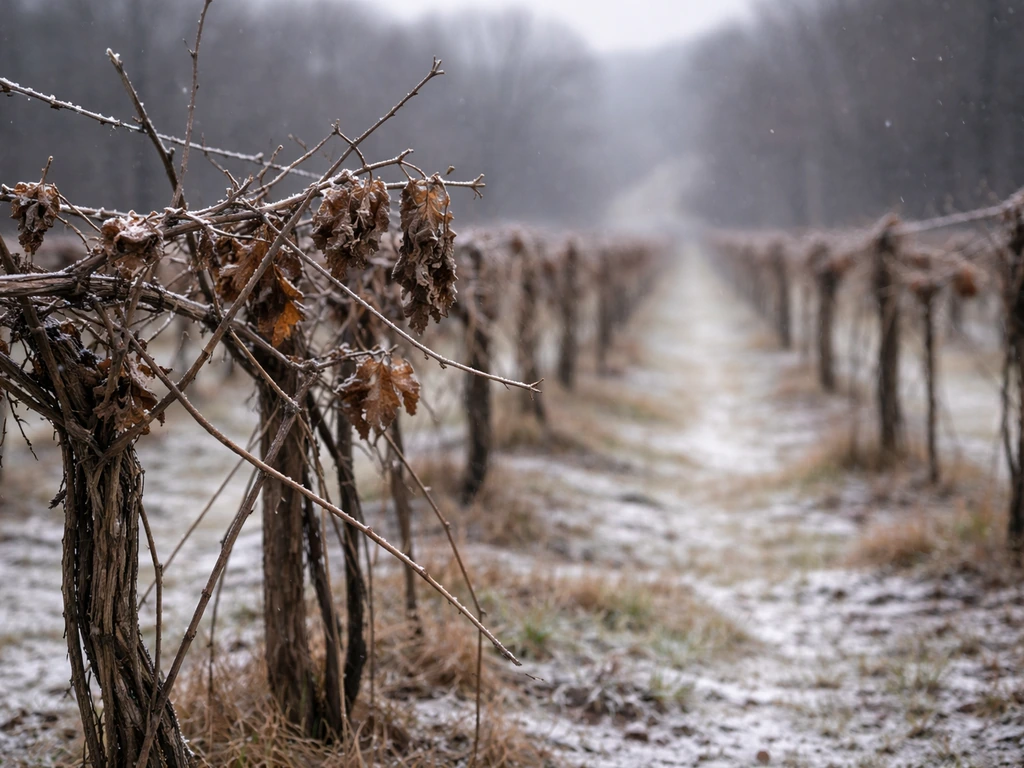
Kentucky falls squarely in what the University of Kentucky Extension calls a continental macroclimate, which means you're dealing with cold winters, unpredictable spring frosts, and summers that can get hotter than vines prefer. That said, the state has a long and real history of commercial and home viticulture. The main limiting factor is winter severity, not growing-season length. If a winter pushes below -15°F, even tough hybrid vines can sustain bud damage. Temperatures below 5°F can kill or seriously damage most French-American and native grapevines. The coldest counties, like Campbell and Pendleton in northern Kentucky, see that -15°F threshold more than 20% of years, so growers there need the most cold-hardy cultivars available. In central and western Kentucky, winters are milder and you have more variety options. The bottom line: Kentucky is a viable grape-growing state, but you need to match your cultivar to your specific county's winter reality.
Choose the right grape varieties for Kentucky's conditions
This is the single most important decision you'll make, so let's spend real time on it. Kentucky Extension divides cultivars by cold hardiness using how often -15°F occurs in your area. The warmer regions of the state can handle more tender cultivars; colder northern counties need the toughest vines available. Here's a practical breakdown.
Fresh eating and table grapes
For fresh consumption, jams, and jelly, the most recommended Kentucky varieties include Concord, Buffalo, Steuben, and Sunbelt for blue-type grapes. If you want seedless table grapes, Jupiter and Mars are solid blue-seedless options, while Marquis and Neptune are good white seedless picks. Catawba and Reliance round out the red table options. Concord is the classic choice and performs reliably across most of the state.
Wine grapes
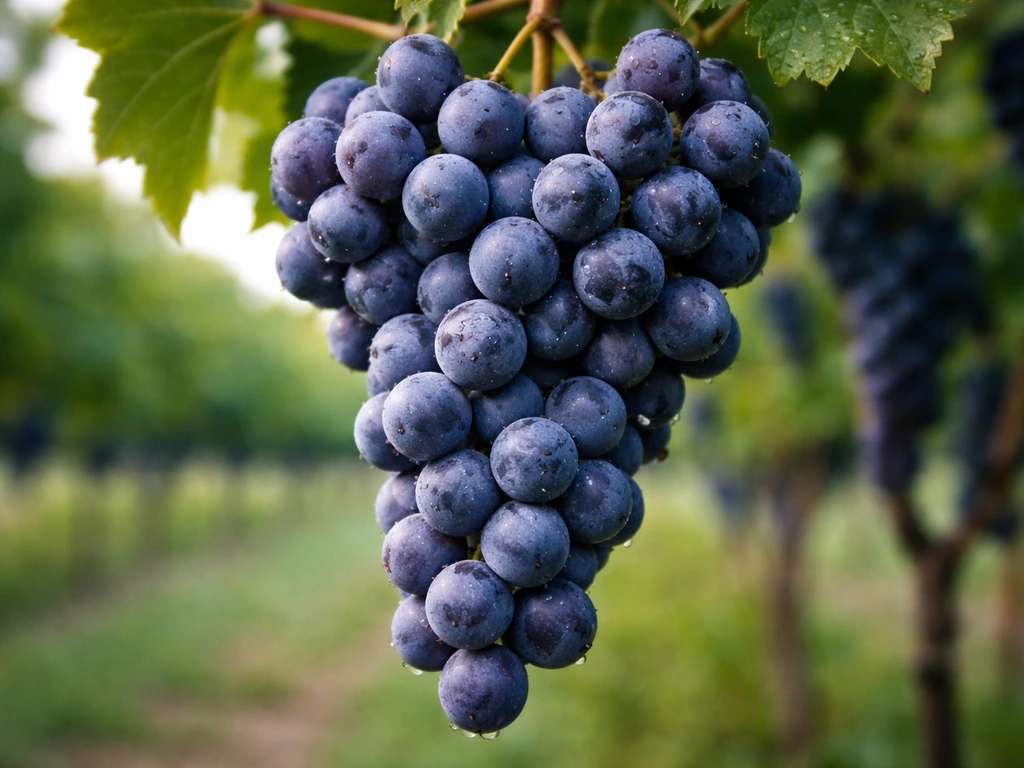
For home winemakers, Norton (also sold as Cynthiana) is arguably the most cold-hardy red wine grape you can grow in Kentucky, with primary buds surviving down to around -22°F in January conditions. Chancellor and Seyval Blanc both tolerate around -18°F. Chambourcin is a popular red but is slightly more tender at around -15°F, so place it in a sheltered spot in colder counties. On the white side, Vignoles, Chardonel, Traminette, Vidal Blanc, and Cayuga White all perform well for Kentucky home winemakers. Frontenac and Foch are also worth considering if you're in a colder part of the state and want insurance.
| Variety | Type | Cold Hardiness (Bud Kill 50%) | Best Use |
|---|---|---|---|
| Norton/Cynthiana | Red wine | -22°F | Wine |
| Chancellor | Blue wine | -18°F | Wine |
| Seyval Blanc | White wine | -18°F | Wine |
| Vignoles | White wine | -18°F | Wine |
| Chambourcin | Red wine | -15°F | Wine |
| Concord | Blue table | Very hardy | Fresh/jelly/juice |
| Jupiter | Blue seedless | Hardy hybrid | Fresh eating |
| Norton | Blue wine | -22°F | Wine |
| Catawba | Red table/wine | Hardy | Fresh/wine |
| Traminette | White wine | Hardy hybrid | Wine |
Site requirements: sun, soil, drainage, airflow, and trellises
Sun and slope
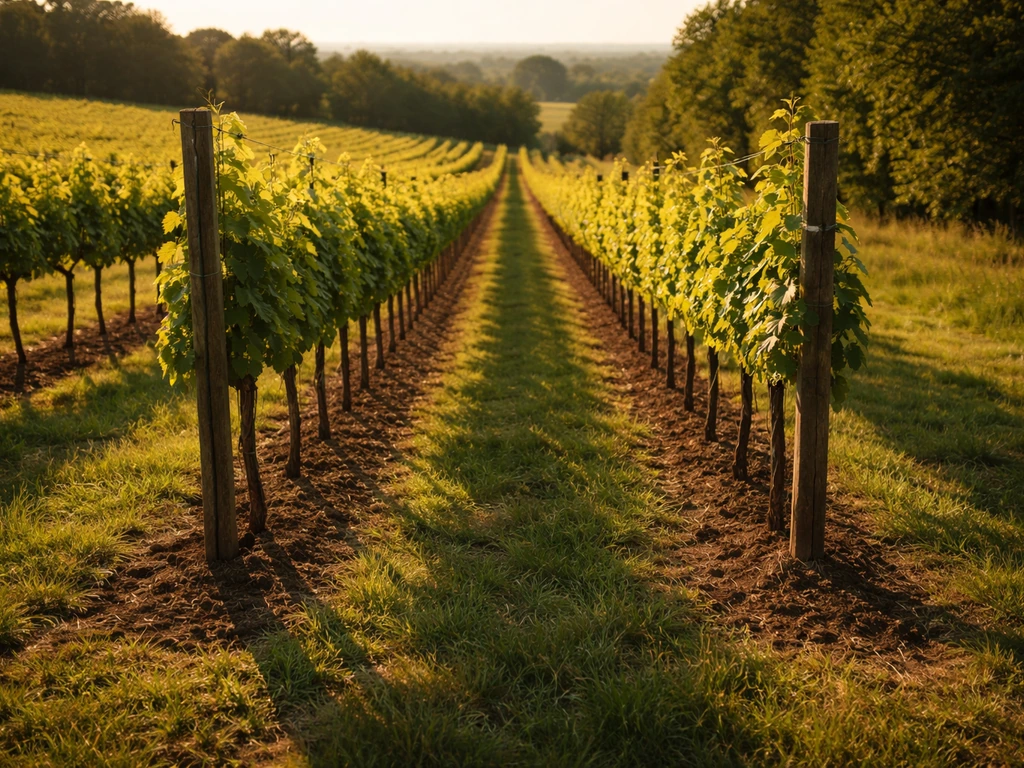
Grapes need full sun, which in practical terms means at least six to eight hours of direct sunlight per day. A south or southeast-facing slope is ideal in Kentucky because it warms up faster in spring, drains cold air downhill on frosty nights, and gives good afternoon drainage. Some growers orient their rows north to south so morning sun hits one side of the row and afternoon sun hits the other, keeping both sides productive. Avoid low spots where cold air pools in spring, since a late frost after bud break can wipe out a season's crop fast.
Soil and pH
Kentucky's soils vary a lot, but grapes want a pH between 5.0 and 6.0 once established. At planting, you can target 6.5 and let it drift down naturally over time. Get a soil test before you plant. If your pH climbs above 7.0, manganese becomes unavailable to the vines, and you'll start seeing deficiency problems. Apply lime based on what the test recommends, not as a guess. Grapes do not like wet feet, so drainage is non-negotiable. Heavy clay soils that hold water can be improved with organic matter, or you can choose a raised area of your yard naturally.
Spacing and airflow
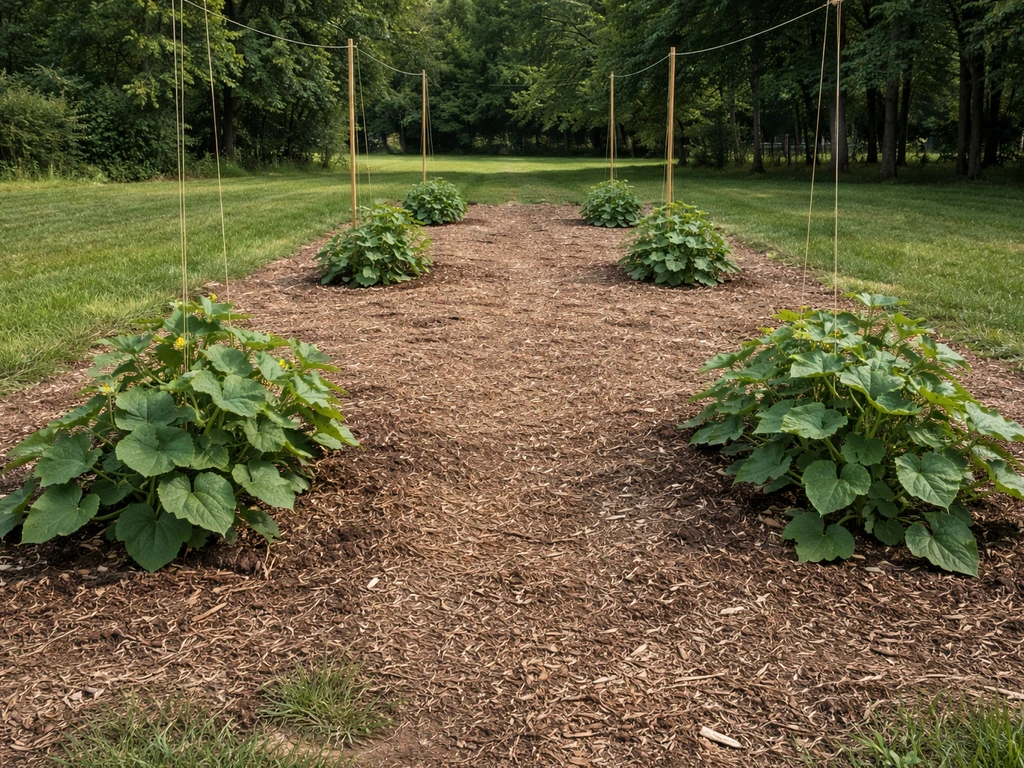
Space vines 8 to 10 feet apart within a row, with rows 10 to 12 feet apart. Tight spacing with poor airflow is a recipe for disease in Kentucky's humid summers. A useful rule to remember: your row spacing should not be closer than the planned canopy height. If your trellis system will support a 6-foot canopy, keep at least 6 feet between rows. Airflow through the canopy helps dry off leaves and clusters quickly, which is your best passive defense against the mildews and black rot that plague Kentucky vineyards.
Trellising
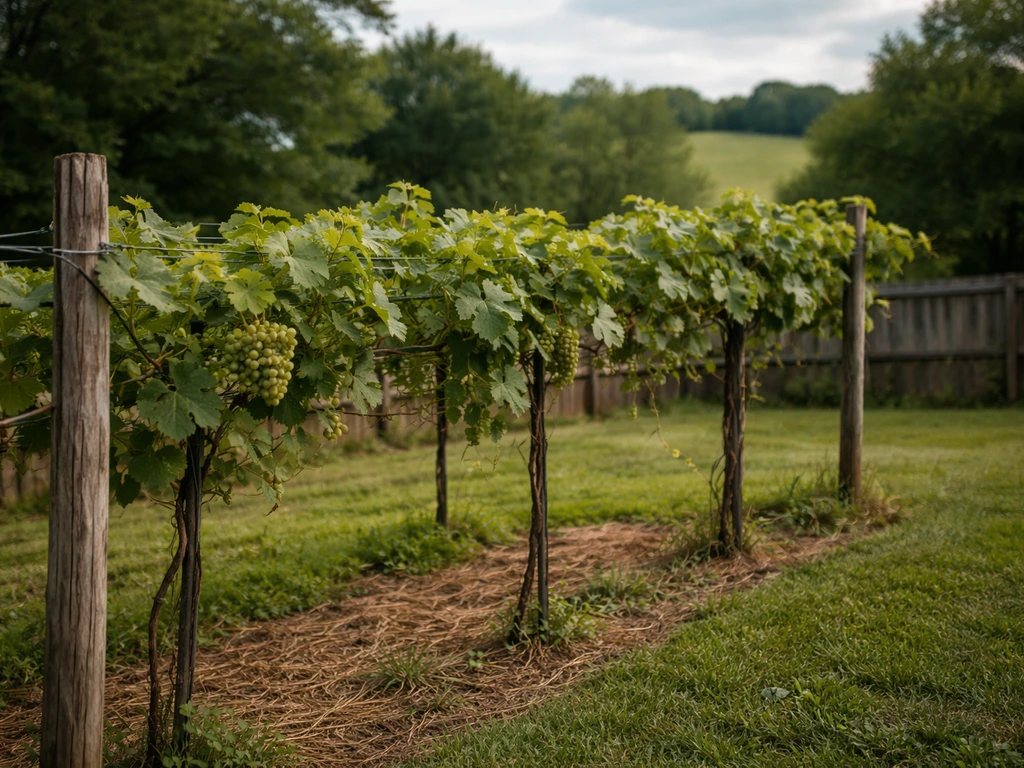
A trellis is a long-term investment, so build it right the first time. Expect a well-built trellis to last 20 or more years. UK Extension recommends having your trellis completed by the start of the second growing season. If it's not ready yet, stake each vine individually in year one and train a single shoot straight up. One practical tip: loosen the tension on cordon wires in fall, since metal contracts in Kentucky's cold winters and overtight wires can stress the whole structure. Building two trunks per vine from ground level is also a smart Kentucky strategy (more on that below in the pruning section).
Planting timeline and what to expect through the season
Grapes in Kentucky can be planted in either spring or fall. Spring planting is more common for beginners and gives vines a full season to establish before their first winter. Order dormant bare-root plants from a nursery early, because good stock sells out, and you want to get them in the ground while they're still dormant. If you go the fall route, mound soil over the root zone for winter protection, then remove the extra soil in spring. Your planting hole should be about 18 inches across and 15 inches deep. Trim any long roots to about 10 to 15 inches so they fit without circling. Plant at the same depth the vine grew in the nursery, firm the soil well around the roots to eliminate air pockets, and fill to ground level.
For hardwood cuttings or propagated vines, plant them in late March or early April before buds start to swell. If weather turns dry after planting, water weekly once new growth starts. Here's a rough seasonal calendar to set your expectations for Kentucky:
| Season/Month | What's Happening | What You Should Do |
|---|---|---|
| Late March - April | Bud break begins; plant dormant vines | Plant, water, stake year-one vines |
| May - June | Shoot growth, flowering | Train shoots upward; remove most flower clusters in year two |
| July - August | Fruit development, heat stress possible | Monitor for disease, thin clusters if needed |
| September - October | Harvest (most varieties) | Harvest, assess vine health, take notes |
| November - December | Vines go dormant | Loosen trellis wires; plan pruning |
| February - March | Dormant pruning window | Prune before buds swell; tighten trellises |
On the fruit timeline: don't expect a real crop in year one or two. If your vines bloom heavily in year two, remove most of those flower clusters so the vine can put energy into root and trunk development instead. Most Kentucky vines will give you a fair crop in year three, and they reach full production around year four. The wait is worth it, and rushing it by letting young vines overbear will cost you in the long run.
Pruning and training for home growers
Pruning is where a lot of beginners freeze up, but the basics are not complicated. At the end of your first season, look at what the vine produced and select the single strongest cane. Remove everything else. That one cane becomes the start of your trunk. Tie it to your stake or trellis wire and let it grow vertically. At the end of year two, select the biggest, most vigorous cane as the permanent trunk (or two trunks, which is actually the smarter Kentucky strategy), and remove suckers and any growth that developed below the bottom trellis wire.
Here's the Kentucky-specific twist: because winter injury to trunks is a real risk in this state, UK Extension recommends training two trunks of different ages from ground level on each vine. That way, if a brutal winter injures or kills one trunk, you have the other to fall back on and don't lose an entire crop year. Old trunks should be replaced about every five years anyway under Kentucky conditions, so building in that redundancy from the start is practical, not paranoid.
For mature vines, cordon and spur pruning systems are well suited to Kentucky home vineyards and are what most hobbyists end up using. Do your dormant pruning at the end of February or early March, before buds begin to swell. If a cane reached the top wire in the first season, top it during that dormant window in February or March and let side shoots develop from the top to form your cordon arms.
Care basics: watering, fertilizing, and fruit development
Newly planted vines need weekly watering during dry stretches, especially in their first season. Once established, Kentucky's rainfall usually keeps mature vines going without irrigation except during drought. That said, pay attention during July and August when heat can stress vines and fruit quality can drop if soils get too dry.
Nitrogen is the nutrient most likely to limit grape growth in Kentucky, with potassium and phosphorus also important. Base your fertilizer program on a soil test rather than guessing. Over-fertilizing with nitrogen produces a lot of lush leafy growth that's more prone to disease and delays the vine putting energy into fruit. For young vines in their first three years, weed control around the base matters as much as fertilizing. Many herbicides are not safe for young vines, so go with mechanical cultivation or lay black plastic mulch under the vines for the first three years to keep weeds down without chemical risk.
Fruit cluster thinning is a practice worth learning early. Removing flower clusters before bloom and pulling off excess immature clusters after fruit set improves the leaf-to-fruit ratio, which means better quality grapes and a stronger vine. For young vines especially, keeping the crop load light in years two and three pays dividends in overall vine health and longevity.
Common pests and diseases in Kentucky and how to stay ahead of them
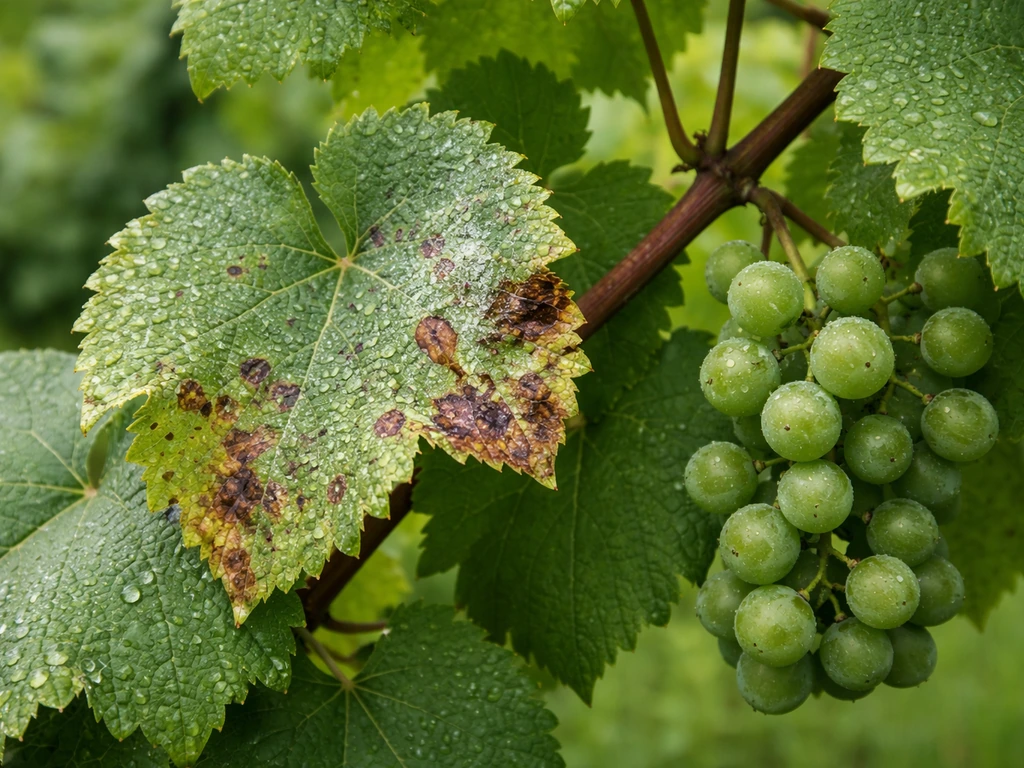
Black rot is the disease you'll hear about most in Kentucky, and for good reason: it's the most important fungal disease of grapes in the state, and UK Extension fungicide programs are specifically built around controlling it. The University of Kentucky's MGCafe Fruit IPM program lists key grape diseases to scout and manage in Kentucky, including Black Rot of Grape and Downy Mildew of Grape Black rot is the disease you'll hear about most in Kentucky. Black rot thrives in warm, wet conditions, which Kentucky delivers reliably in spring and early summer. Infected berries turn hard and shriveled (called mummies), and the disease spreads fast if left unchecked. Removing mummified fruit and dead canes is your first line of defense. A regular fungicide program starting at bud break is standard practice for most Kentucky growers.
Downy mildew and powdery mildew are also common in Kentucky's humid summers. Both are manageable with good canopy airflow (which is why spacing and pruning matter so much) and timely fungicide applications. Keeping leaves and clusters from being too crowded goes a long way.
On the insect side, the grape root borer is described by UK Extension as potentially the most destructive insect attacking grapes in Kentucky. The damage happens below ground, so you often don't notice it until a vine starts declining without obvious cause. Other insects to watch for include grape berry moth, grape phylloxera, grape flea beetle, and grape leaf folder. UK Extension recommends paying special attention to the ends of rows and rows that border wooded areas, since insect pressure tends to start and be worst there. Keeping a simple log each time you walk your vineyard rows makes it much easier to catch problems early.
Your quick-start checklist and next steps
If you're standing in your yard right now trying to figure out where to start, here's the practical sequence to follow. Gardeners in neighboring states like Alabama, Arkansas, and Kansas face some similar challenges around variety selection and site setup, but Kentucky's winter severity and humidity put black rot and cold hardiness at the top of your priority list in a way that's specific to this region. If you’re wondering about can you grow grapes in kansas, the main themes are still choosing cold-hardy varieties and giving vines a well-drained, sunny site. If you are wondering about Arkansas specifically, you’ll want to focus on local winter hardiness, site warmth, and disease control the same way discussed for Kentucky grow grapes in Arkansas.
- Get a soil test from your county UK Extension office before you do anything else. It costs very little and tells you your pH, nutrient levels, and what amendments you actually need.
- Look up your county's winter severity classification using UK Extension publication HO-88 or contact your local Extension agent. This tells you which cultivar cold-hardiness tier to shop from.
- Choose your variety based on your county's cold risk. In central and western Kentucky, you have the most options. In northern Kentucky counties like Campbell or Pendleton, stick to the hardiest cultivars like Norton, Seyval Blanc, or Concord.
- Pick a south or southeast-facing, well-drained spot with full sun and good air movement. Avoid low spots that collect cold air.
- Order certified virus-free, grade 1 nursery stock early (ideally late winter) from a reputable nursery. Top-grade one-year-old plants are usually your best starting point.
- Build or plan your trellis before the second growing season begins. Use a stake in year one if the trellis isn't ready yet.
- Plant dormant vines in spring (or fall with soil mounding for winter protection) at the correct spacing: 8 to 10 feet between vines, 10 to 12 feet between rows.
- Adjust soil pH to 6.5 at planting and apply lime only as your soil test recommends.
- Train one or two strong canes as your permanent trunk(s) and remove all other growth at the end of year one.
- Remove most flower clusters in year two to keep the young vine from overbearing. Expect your first real crop in year three and full production by year four.
- Start a black rot fungicide program at bud break each spring. Walk your rows regularly, especially along row ends and edges near woods, and keep notes on what you see.
- Loosen your cordon wires in fall before hard freezes to prevent trellis strain through the winter.
Growing grapes in Kentucky is genuinely achievable for a motivated home gardener. If you are wondering can you grow grapes in Houston, the key issues will be heat management and disease pressure, so you will want to pick varieties and a site that handle humid summers growing grapes in Kentucky. The learning curve is real but not steep, and the variety of options available here, from classic Concord for jelly to wine grapes like Norton and Chambourcin, means you can tailor your little vineyard to exactly what you want to do with the fruit. Start with good plants, match the cultivar to your county's winter reality, get your site drainage sorted, and you'll be harvesting your own Kentucky grapes sooner than you think. If you’re wondering can you grow grapes in Alabama, start by picking cultivars that can handle Alabama’s winters and heat, then set your site up for strong drainage and good airflow.
FAQ
What is the best grape type to start with in Kentucky if I’m a beginner?
If you want the easiest path, start with a cold-hardy American or hybrid variety meant for eastern conditions, like Concord for fresh eating or Norton for wine. These are generally more forgiving of Kentucky’s winter lows and early spring setbacks than many French-American types.
How do I figure out whether my Kentucky county is “cold enough” for my chosen grape variety?
Use your area’s history of winter lows, especially how often temperatures reach about -15°F and the lowest extremes your site can experience. If you are in a colder northern or more exposed location, choose cultivars that tolerate that level, not just what they can handle in milder years.
Can I grow grapes successfully if my yard doesn’t have a natural south or southeast slope?
Yes, but you need a substitute plan for frost and warmth. Avoid low pockets and cold-air traps, use the warmest wall or corner you have if possible, and consider adding drainage improvements (raised planting, amended soil, and clear runoff paths) to reduce winter and spring stress.
What should I do about spring frost after buds break?
The most practical defense is site selection (avoid low spots) and redundancy (training two trunks). If frost threatens after bud break, be prepared to cover vines quickly and remove coverings once temperatures rise, since prolonged covering can reduce airflow and increase disease risk.
Is it better to plant in spring or fall in Kentucky?
For most beginners, spring planting is simpler because the vine establishes during the growing season before the first winter. Fall planting can work well, but you must mound soil for winter protection and be ready to remove the extra soil in spring promptly so the crown does not stay too wet.
Do I need to irrigate beyond the first year in Kentucky?
Usually mature vines rely on rainfall, but plan extra attention during July and August heat. If the soil dries too much, fruit quality and shoot growth can suffer, so use deep watering during dry spells rather than frequent light watering.
How can I prevent diseases like black rot without relying only on fungicides?
The biggest non-chemical advantage is airflow, achieved through proper spacing, correct pruning, and avoiding overly dense canopies. Also remove mummified berries and dead canes early, since those are major starting points for next season’s outbreaks.
What’s the most common mistake Kentucky grape growers make with spacing and trellising?
The common error is planting too close or training too much foliage for the space, which traps humidity and speeds up mildew and black rot. Follow the spacing logic tied to canopy height, and make sure the trellis is set up early enough that vines can be trained properly.
Do I need to fertilize with nitrogen even if my vines look green and vigorous?
Be cautious. Heavy nitrogen can create lush leafy growth that invites disease and delays fruiting. Use soil test results to guide rates, and if vines are already very vigorous, reduce nitrogen and focus on balanced nutrients.
Can I control weeds around new vines without herbicides?
Yes. Mechanical cultivation works, and black plastic mulch under the vines is a practical option for the first three years when many herbicides are not safe for young plants. Keep mulch away from the crown so you do not create constant damp conditions.
Should I thin clusters in year two or wait until later?
Thin early if you want a stronger long-term vineyard. Removing many flower clusters in year two helps the vine put energy into trunk and root development. After fruit set, thin excess immature clusters so the vine can balance leaf growth with fruit load.
How do two-trunk pruning and replacing old trunks work in real life?
Train two trunks from ground level so one can survive if winter injury occurs. Old trunks typically need replacement after a few years of Kentucky conditions, so plan to select new replacement shoots around the time you start seeing reduced vigor on the older trunk.
What insect problems are most likely at the edges of my vineyard?
Expect higher pressure near row ends and where vines border woods, because insects often start there. Keep a simple monitoring log and check those boundary areas frequently so you catch declines like root borer damage before the whole vine weakens.