
Yes, you can absolutely grow grapes in Tennessee, and thousands of home gardeners and small vineyard owners do it successfully every year. The same question comes up for Georgia gardeners too, and the answer depends on choosing varieties that can handle the local humidity grow grapes in Georgia. Tennessee sits in USDA hardiness zones 5b through 8a depending on where you are in the state, and the growing season runs roughly 180 to 220 frost-free days, which is more than enough time for most grape varieties to ripen. The real challenge is not the cold or the heat, but the humidity.
Can You Grow Grapes in Tennessee? How to Succeed

Marcus Whitfield
1 May 2026
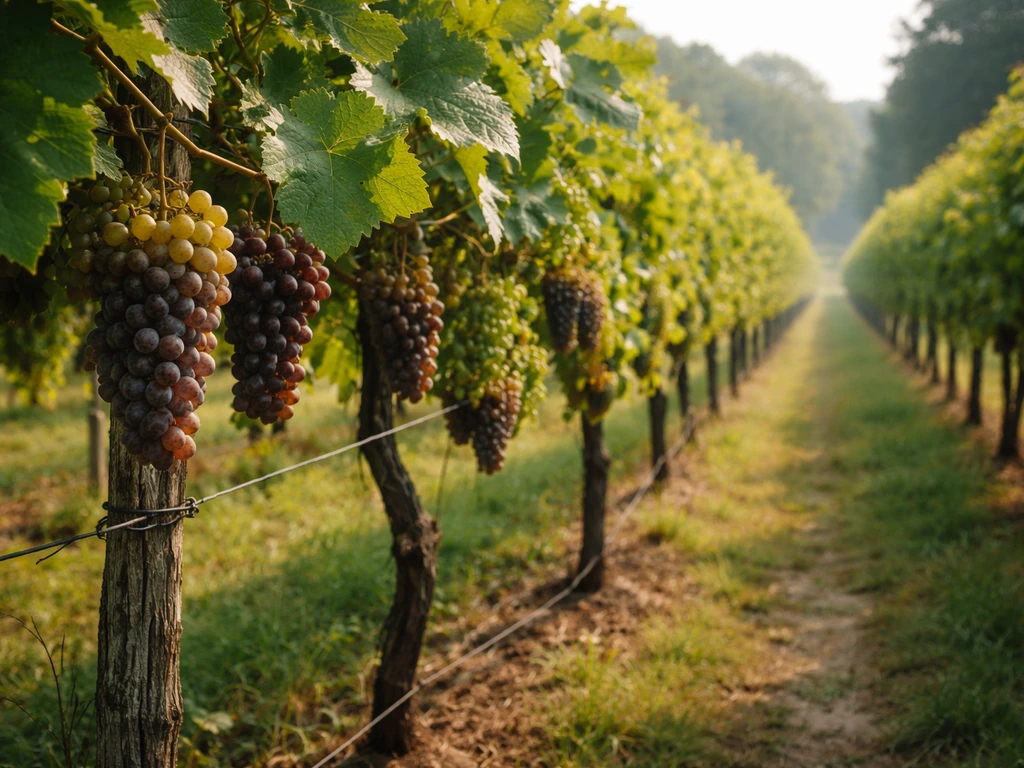
Tennessee summers are warm and wet, and that combination drives fungal disease pressure hard. Pick the right varieties, manage disease proactively, and you will have a productive vine. Get those two things wrong and you will spend years fighting a losing battle. Let's make sure you get them right.
Is it possible to grow grapes in Tennessee?
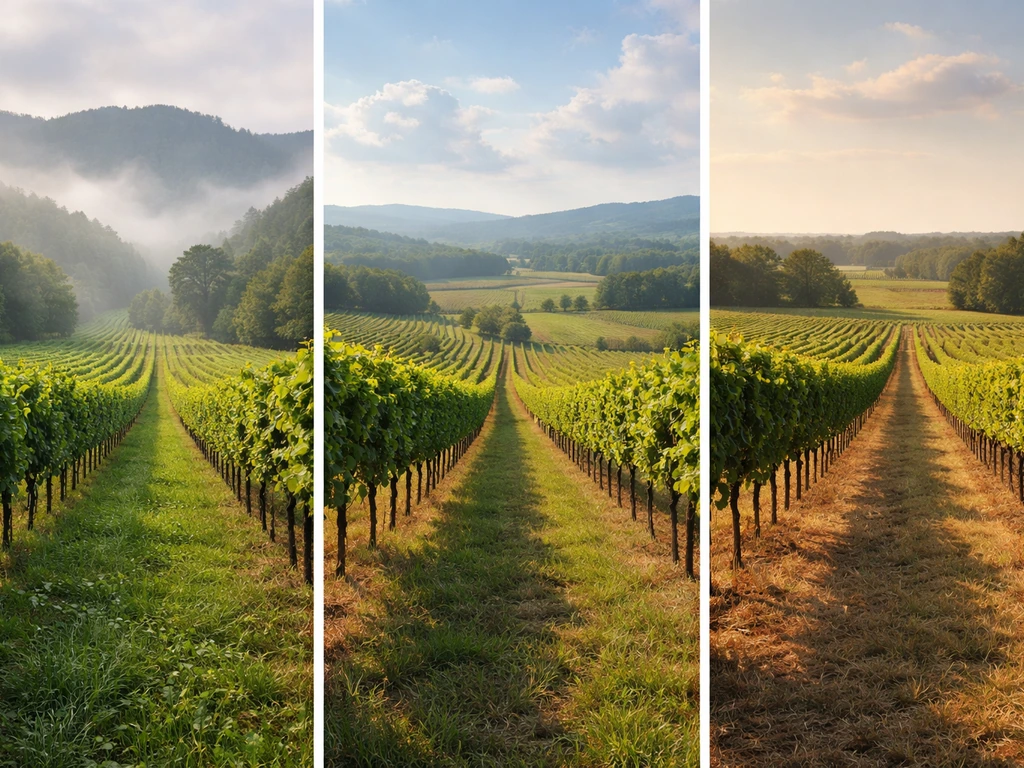
Tennessee is genuinely good grape-growing territory when you work with the climate rather than against it. The state has a long growing season, adequate summer heat to ripen fruit, and enough winter chill hours to satisfy most varieties' dormancy requirements. East Tennessee in the mountains runs cooler and can see zone 5b winters, so cold hardiness matters more there. West Tennessee around Memphis is zone 7b to 8a, hot and humid with milder winters. Middle Tennessee sits in the middle, typically zone 6b to 7a, and is arguably the most versatile region for grape growing in the state.
The big asterisk is humidity. From late spring through late summer, Tennessee gets warm, moist air that creates ideal conditions for powdery mildew, black rot, downy mildew, and bunch rots. Vinifera varieties like Cabernet Sauvignon or Chardonnay, which are bred for the dry summers of Europe or California, struggle here without an intensive spray program most home gardeners cannot realistically maintain. That is not a reason to give up, it is a reason to choose smarter. Muscadine and American-French hybrid varieties are specifically adapted to this environment and can thrive with far less intervention.
Best grape varieties for Tennessee climates
Choosing the right variety is the single most important decision you will make. In Tennessee, that means prioritizing disease resistance and regional adaptability over the prestige of European wine grapes. Here is what actually works well in most parts of the state.
Muscadine grapes
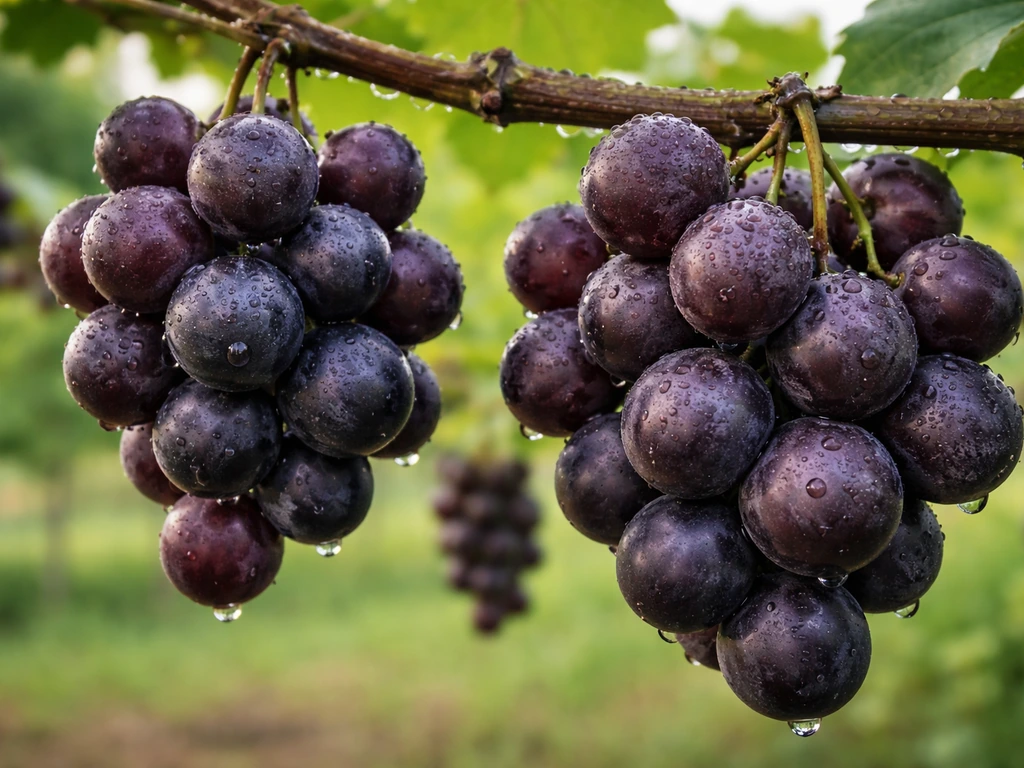
Muscadine grapes (Vitis rotundifolia) are native to the southeastern United States and are the most naturally suited grape for Tennessee's humid conditions. They are highly resistant to the fungal diseases that plague other types, they thrive in summer heat, and they produce reliably. Good muscadine varieties for Tennessee include Carlos (bronze, self-fertile), Magnolia (bronze, self-fertile), Noble (black, self-fertile), and Ison (black, self-fertile). If you are in Middle or West Tennessee and want the lowest-maintenance option, muscadines are the answer. Just note that they need warmer winters than East Tennessee's mountains can reliably provide.
American-French hybrid varieties
For home winemakers or gardeners who want a more traditional table grape or wine grape experience, American-French hybrids are the sweet spot for Tennessee. These varieties were bred to combine the disease resistance of American native grapes with the flavor profile of European vinifera. Chambourcin is one of the most reliable red hybrids in Tennessee, with good black rot resistance and a solid wine grape. Vidal Blanc is a dependable white hybrid. Norton (also called Cynthiana) is a native American variety that handles Tennessee summers exceptionally well and produces a bold red wine. Reliance is a popular seedless table grape with decent disease tolerance, and Concord, while not disease-immune, is cold hardy and familiar to most gardeners.
What about European vinifera?
You can grow vinifera in Tennessee, but go in with realistic expectations. If you are asking can you grow grapes in South Carolina, the same big idea applies: choose the right varieties for a humid climate and plan on proactive disease control.
Varieties like Chardonnay or Merlot will require a strict fungicide spray schedule every 7 to 14 days during the growing season, and even then, you may lose crops to black rot or downy mildew in particularly wet years. If you are committed to vinifera, site selection becomes even more critical, and East Tennessee's cooler mountain valleys can offer slightly lower disease pressure.
For most beginners, I recommend starting with hybrids or muscadines and adding vinifera later once you understand how your site behaves.
| Variety | Type | Best Region in TN | Disease Resistance | Use |
|---|---|---|---|---|
| Carlos | Muscadine | Middle & West TN | Excellent | Fresh eating, wine |
| Noble | Muscadine | Middle & West TN | Excellent | Wine, juice |
| Chambourcin | French Hybrid | Statewide | Good | Wine |
| Norton/Cynthiana | American | Statewide | Very Good | Wine |
| Vidal Blanc | French Hybrid | Statewide | Good | Wine |
| Reliance | American Hybrid | Statewide | Moderate | Table grape |
| Concord | American | East & Middle TN | Moderate | Juice, jelly, eating |
| Chardonnay | Vinifera | East TN (with care) | Poor | Wine |
Site + soil requirements for strong grape growth
Grapes are not particularly fussy plants, but site selection in Tennessee can make or break your results, especially when humidity and disease pressure are part of the equation. Get these fundamentals right before you dig a single hole.
- Full sun is non-negotiable. Grapes need at least 6 to 8 hours of direct sunlight daily, and more is better. Good sun exposure promotes faster fruit ripening and helps foliage dry out after rain, which reduces fungal disease pressure dramatically.
- Air circulation matters as much as sun. Avoid low spots, hollows, or sites surrounded by dense trees or structures. Cold air and moisture pool in low areas, and stagnant humid air around the vines is an invitation for mildew and rot.
- Slope sites are ideal. A gentle slope facing south or southeast gives you excellent drainage, good air movement, and maximum sun. This is why you see so many Tennessee vineyards on hillsides.
- Well-drained soil is essential. Grapes do not tolerate wet feet. Standing water even briefly after heavy rain can damage roots and promote root rot. If your site has drainage issues, raised beds or tiles can help, but it is easier to start with a better-drained spot.
- Soil pH should be between 6.0 and 6.5 for most grape varieties. Muscadines prefer a slightly lower range, around 5.5 to 6.5. Get a soil test through the University of Tennessee Extension before planting and amend accordingly.
- Deep, loamy soil is preferred, but grapes are surprisingly adaptable. They grow in clay-heavy Tennessee soils if drainage is adequate. Sandy soils drain well but may require more frequent fertilizing.
- Spacing depends on variety and trellis system. For most table and wine grapes on a single trellis wire system, space vines 6 to 8 feet apart in the row, with rows 8 to 10 feet apart. Muscadines need more room, typically 16 to 20 feet apart.
Planting time and seasonal growing timeline
In Tennessee, the ideal time to plant bare-root grapevines is late winter to early spring, typically late February through March, just before the last frost date in your area. Planting during dormancy lets roots establish before the vine pushes growth in spring. Container-grown plants from a nursery can go in a bit later, but earlier is still better since it gives roots the whole growing season to get established.
East Tennessee gardeners should wait until mid-March to avoid late frosts in higher elevations. Middle Tennessee's last frost typically falls between late March and mid-April, and West Tennessee averages a last frost around late March. Pay attention to your local micro-climate, especially if you are in a frost pocket or a valley bottom.
- Late February to March: Plant bare-root vines while still dormant. Dig holes large enough to spread roots without curling, plant at the same depth they were growing in the nursery, and water in well.
- April to May: Buds break and first growth begins. Focus on establishing your trellis if not already done, and begin watching for early disease pressure as leaves unfurl.
- June to August: Peak growing season. Vines grow aggressively. Manage disease with a preventive spray program, control weeds, and train new shoots to your trellis.
- September to October: Fruit ripens on established vines (typically from year 3 onward). Monitor sugar levels and harvest when grapes reach desired sweetness.
- November to December: Vines go dormant after first hard frost. This is when you do your major structural pruning.
- January to February: Dormant period. Complete any remaining pruning before buds swell again in late February.
Trellising, pruning, and training basics for beginners
Grapes need a strong support structure and annual pruning to be productive. There is no way around it. Vines left unpruned get wild, produce poorly, and become disease nightmares. But the basics are genuinely learnable, even for complete beginners.
Set up your trellis before you plant
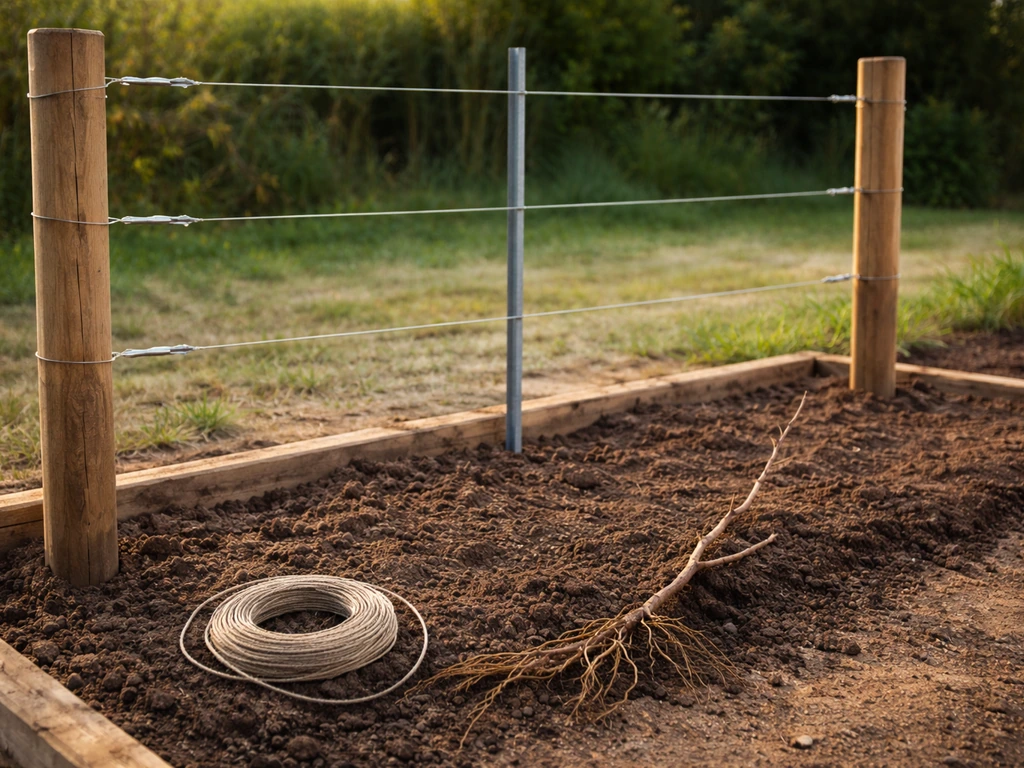
Build your trellis before or at the time of planting, not after. Installing posts and wires around an established vine is awkward and can damage roots. The University of Tennessee recommends two common trellis systems for Tennessee vineyards: the vertical shoot positioning (VSP) trellis and the high cordon system.
University of Nebraska, Lincoln Extension’s home-garden grape guide also provides research-based background on trellis training choices like cordons and VSP-style training for non-commercial gardeners two common trellis systems for Tennessee vineyards: the vertical shoot positioning (VSP) trellis and the high cordon system. VSP is excellent for hybrid varieties and keeps foliage open and well-ventilated, which helps with disease management.
University of Maryland Extension also links canopy management on VSP trellises to maintaining a target shoot density of about 3 to 5 shoots per linear foot, depending on cluster size VSP keeps foliage open and well-ventilated. A basic VSP trellis uses sturdy end posts set 3 to 4 feet deep, with two or more horizontal wires strung at roughly 36 inches and 60 inches from the ground.
For muscadines, an overhead arbor or a T-trellis with wires at 5 to 6 feet is more typical since they grow with more vigor.
Training in years one and two
Year one is all about establishing a strong trunk. After planting, select the most vigorous shoot and train it straight up toward the top wire. Remove all other shoots so the vine puts all its energy into that single trunk. Tie the shoot loosely to a stake as it grows. Do not let the vine flower or set fruit in year one. Remove any flower clusters you see. In year two, you begin developing the permanent arms (cordons) along the trellis wire. Allow two lateral shoots to grow in opposite directions along the main wire and tie them in place. Again, remove most or all flower clusters so the vine focuses on structure rather than fruit.
Pruning: when and how
Dormant season pruning, done in winter while the vine is fully dormant, is the cornerstone of grape management. In Tennessee, that window is typically December through late February. You want to prune before buds begin to swell in late February or March. During dormant pruning, you remove most of the previous year's growth, leaving only the canes or spurs that will produce fruit in the coming season.
Grapes fruit on one-year-old wood, so this annual reset is what keeps production going year after year. As a general rule, avoid heavy pruning in summer during the establishment years. Summer shoot management is fine, which means removing suckers or tucking new growth into the trellis wires, but wait for dormancy before making major cuts.
Care needs: watering, fertilizing, and weed control
Once established, grapevines are more drought-tolerant than most people expect, but they need consistent moisture during the first two years while roots develop. In year one and two, water deeply once or twice a week during dry spells, targeting about 1 inch of water per week total including rainfall. Drip irrigation is ideal because it keeps moisture off the foliage, which reduces disease pressure. Overhead sprinklers work, but water in the morning so leaves dry quickly.
For fertilizing, get that soil test done before you plant. Tennessee soils vary widely, and adding nitrogen to soil that already has plenty leads to excessive vegetative growth, which is a disease and pest magnet. In the first year, a modest application of balanced fertilizer (10-10-10) in early spring, around 4 to 6 ounces per vine, is usually sufficient. In subsequent years, adjust based on vine performance and soil tests. Established vines that are growing vigorously often need less fertilizer than gardeners think.
Weed control in the first few years is critical because young vines cannot compete well with aggressive weeds for water and nutrients. A 4-inch layer of wood chip mulch applied in a 3-foot circle around each vine keeps moisture in, weeds down, and soil temperature stable. Pull or hoe any weeds that push through. Avoid herbicides near young vines since grape roots are shallow and sensitive. Once the vine is well established by year three or four, it can handle a bit more competition, though keeping the area under the trellis relatively clear still makes disease management easier.
Common Tennessee pests and diseases + practical prevention
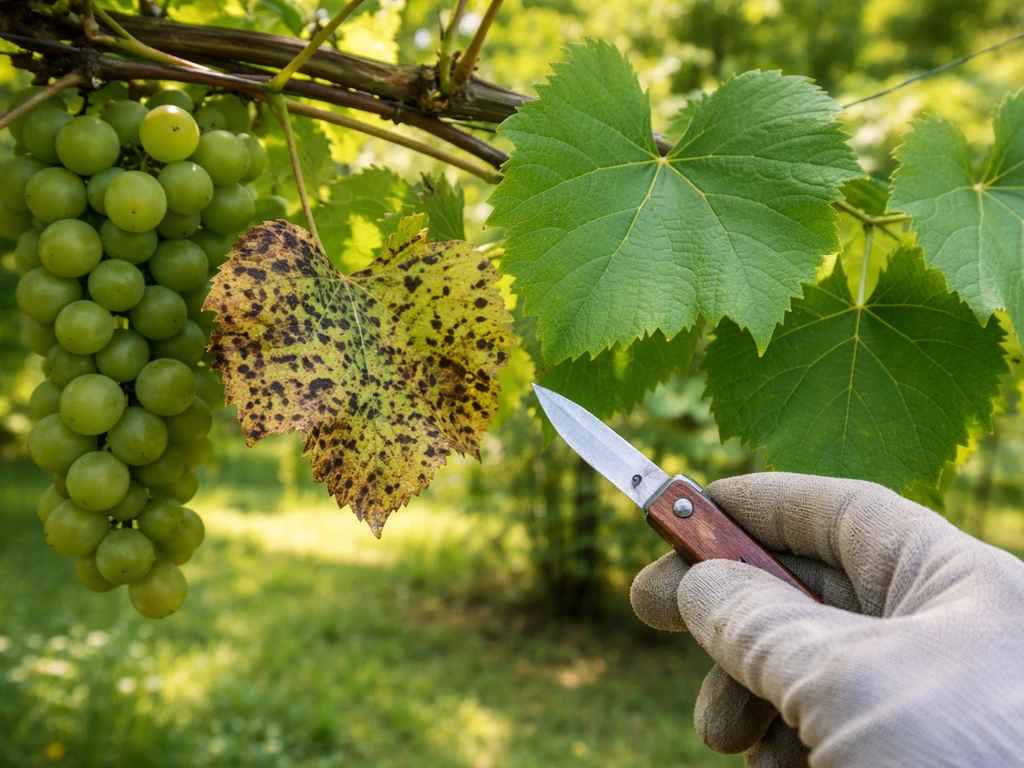
This is where Tennessee grape growing gets real. Humid summers mean fungal diseases are not a possibility, they are a near certainty if you grow susceptible varieties without a management plan. Here is what you will most likely encounter and what to do about it.
Fungal diseases
- Black rot: The most destructive fungal disease in Tennessee vineyards. It starts as tan leaf spots with dark borders and progresses to shriveled, mummified berries. It spreads rapidly in warm, wet spring weather. Prevention is key: remove and dispose of all mummified berries and infected plant material, and apply a preventive fungicide (copper-based or synthetic like myclobutanil) starting at bud break, before infection occurs.
- Powdery mildew: Shows up as white powdery coating on leaves and fruit. It thrives in warm, humid conditions with poor air circulation. Open trellis systems like VSP help by keeping foliage exposed. Sulfur-based fungicides are effective; apply preventively starting at early shoot growth.
- Downy mildew: Yellow spots on leaf tops with a grayish fuzzy growth on the undersides. Hits hard in cool, wet spring weather. Copper fungicides work well preventively. Avoid overhead watering and improve air flow.
- Bunch rots (Botrytis): Affects ripening fruit in wet late-summer conditions. Thin clusters to improve air circulation within the bunch, and avoid over-fertilizing with nitrogen, which promotes dense, susceptible growth.
Insect pests
- Japanese beetles: Skeletonize grape leaves in mid-summer. Hand-picking works on small plantings. Neem oil or kaolin clay can deter them. Avoid pheromone traps near the vineyard as they attract more beetles than they catch.
- Grape berry moth: Larvae tunnel into developing berries, creating entry points for rot. Monitor with pheromone traps and apply insecticide at appropriate growth stages if populations are high.
- Leafhoppers: Cause stippled yellowing on leaves. Usually not fatal but weaken the vine. Insecticidal soap or pyrethrin sprays control populations if numbers are high.
- Birds: Not an insect, but often the most frustrating pest at harvest time. Bird netting draped over the vines a few weeks before ripening is the most effective solution.
The most practical disease prevention strategy for a Tennessee home gardener is a combination of resistant variety selection plus a simple fungicide spray calendar. Starting at bud break in spring and continuing every 10 to 14 days through summer (or after heavy rains), apply copper or sulfur-based fungicides for organic management, or an approved synthetic fungicide for conventional management. This is not glamorous, but it is what separates gardeners who get grapes from those who get mummies and mold.
How long it takes to harvest and what success looks like
Here is the honest timeline: do not expect fruit in year one. Most grapevines planted in Tennessee will not be ready to carry a full crop until year three, and some do not hit their stride until year four or five. That is not a failure, that is just how grapes work. The vine needs those first years to build a strong root system and permanent structure. Rushing it by letting a young vine carry heavy fruit too early will actually set you back.
In year three, most established vines will produce a partial crop, maybe enough for a taste of fresh grapes or a small batch of juice. By years four and five, a healthy vine in a good Tennessee site can produce anywhere from 8 to 15 pounds of fruit per vine depending on variety, management, and the season. Muscadines tend to be among the more prolific producers once established. Hybrid wine grapes are a bit more variable, but a well-managed vine should reliably hit its potential by year five.
Success in Tennessee looks like healthy dark green foliage through summer, minimal disease spotting on leaves and fruit, clusters that fill out and color up cleanly by harvest time, and a vine that comes back strong each spring. You will not get every one of those things every single year, because some years Tennessee throws you a very wet July and black rot pressure goes through the roof.
But with disease-resistant varieties, a consistent spray schedule, and a well-positioned site, you will get good harvests far more often than not. Neighbors in Georgia, South Carolina, Virginia, and North Carolina are all working through similar challenges with their own regional climates, so you are in good company across the Southeast. If you are wondering can you grow grapes in North Carolina, the short answer is yes, but you still need to plan around humidity and disease pressure.
If you are wondering, can you grow grapes in Virginia, the same principles about variety choice, sun, and disease management apply. If you are wondering can you grow grapes in South Carolina, the same big factors apply, like sun, drainage, and choosing varieties that can handle humidity. If you are wondering, "can you grow grapes in Georgia," the key is choosing varieties that handle humidity and planning disease prevention from the start Neighbors in Georgia.
Start with one or two vines of a proven variety like Chambourcin, Norton, or a self-fertile muscadine. Get your trellis up first, pick a sunny well-drained slope if you can find one, and commit to that preventive spray calendar from the very first spring. Do those things and you have every reason to expect a real harvest by your third growing season.
FAQ
Can you grow grapes in Tennessee if you have very high humidity in your yard?
Yes, but it changes what you should grow. Muscadines are usually the easiest choice because they are more forgiving in hot, humid summers. If you want hybrids, pick the most region-suited varieties and be ready for a consistent disease program, especially for foliage and bunch rot after rainy stretches. Pure vinifera is possible but often becomes a high-effort, higher-risk project in Tennessee humidity.
What site features matter most for growing grapes in Tennessee beyond choosing the right variety?
Look for a site that dries fast after rain, meaning good air movement and no standing water. Avoid low spots, shaded north-facing slopes, and areas surrounded by walls or dense trees. Even a great variety can struggle if leaves stay wet longer than necessary, so prioritize sun plus quick drainage over general “good soil.”
Do I need more than one grapevine to get fruit in Tennessee?
Many Tennessee gardeners start with self-fertile varieties to simplify, but “self-fertile” does not always mean “best results alone.” Some cultivars set more reliably with a second compatible vine nearby. If you want the most consistent yields, check each variety’s pollination notes and consider planting a second vine of a compatible type rather than assuming one vine will perform like a research plot.
What irrigation method should I use in Tennessee, and how often should I water once my vines are established?
For most Tennessee home growers, drip irrigation is strongly preferred during establishment because it keeps water off leaves and reduces disease risk. If you must use overhead watering, do it early in the day so foliage dries quickly, and avoid watering right before long wet periods. Also, don’t “lightly water” all week, aim for deep soakings during dry spells so roots grow downward.
Can I prune and train grapes in Tennessee even if I use a non-standard trellis or arbor?
Yes, but you should expect to prune differently. Grapes still need dormant-season cuts for next year’s fruiting wood, but the exact cane or spur placement depends on whether you use VSP, high cordon, or an arbor system. If you follow a pruning plan without matching the cuts to your trained shape, you can end up removing the very wood that would fruit.
What is the most common fertilizer mistake when growing grapes in Tennessee?
Generally, avoid feeding grapes heavily. The biggest nitrogen mistake is applying more because the vine looks green but produces lots of leaf growth with fewer or smaller fruit clusters. In Tennessee, rely on a soil test, and if you don’t have one, choose a conservative approach in year one and then adjust based on vigor and performance rather than on a calendar alone.
Can I reduce fungicide sprays in Tennessee if my vines look healthy?
If your grapes are doing well, you can reduce spray intensity, but don’t eliminate it if you are growing susceptible varieties. A common mistake is skipping treatments during a rainy spell, which is exactly when black rot and downy mildew outbreaks take hold. If you want a lower-maintenance plan, commit to resistant varieties and still apply protectant sprays on schedule during bud break and early fruit development.
Why won’t my grapevine produce fruit in the first couple of years in Tennessee?
That’s usually normal in Tennessee, especially with hybrids and vinifera. Year one and year two fruit should be removed intentionally to build trunk and root structure. By year three you can expect partial crops, and year four to five is where many vines reach consistent production, assuming site, training, and disease pressure are well managed.
How far apart should I plant grapevines in Tennessee for better disease control?
Yes, but it can be a dealbreaker. Tennessee’s rainy summers make spacing and canopy management important, because dense foliage traps moisture. Training choices like VSP help keep leaves more ventilated, and simple practices like removing suckers and tucking shoots to open the canopy can reduce disease risk. If you plant too close to trees, fences, or other vines, airflow drops and disease pressure rises.
Which parts of Tennessee are more challenging, East or West, for grape survival and why?
Winter hardiness depends on both the variety and your exact location. East Tennessee mountain areas may experience colder and more variable winters, so you should prioritize cold-hardy options there. West Tennessee has milder winters, which can help vines survive, but it also tends to increase summer disease pressure, so your variety and spray choices still matter most overall.