
Grapevines need a minimum of 6 to 8 hours of direct sunlight per day to grow well and produce fruit. Most extension programs define "full sun" as 6 or more hours, but if you're aiming for a real harvest rather than just vigorous vines, 7 to 8 hours is the practical target. Less than that and you'll get lush leaves, maybe a few clusters, but not the sugar development and ripening you're after.
How Much Sun Do Grapes Need to Grow? Daily Guide
Marcus Whitfield
3 May 2026
How many hours of sun grapevines actually need
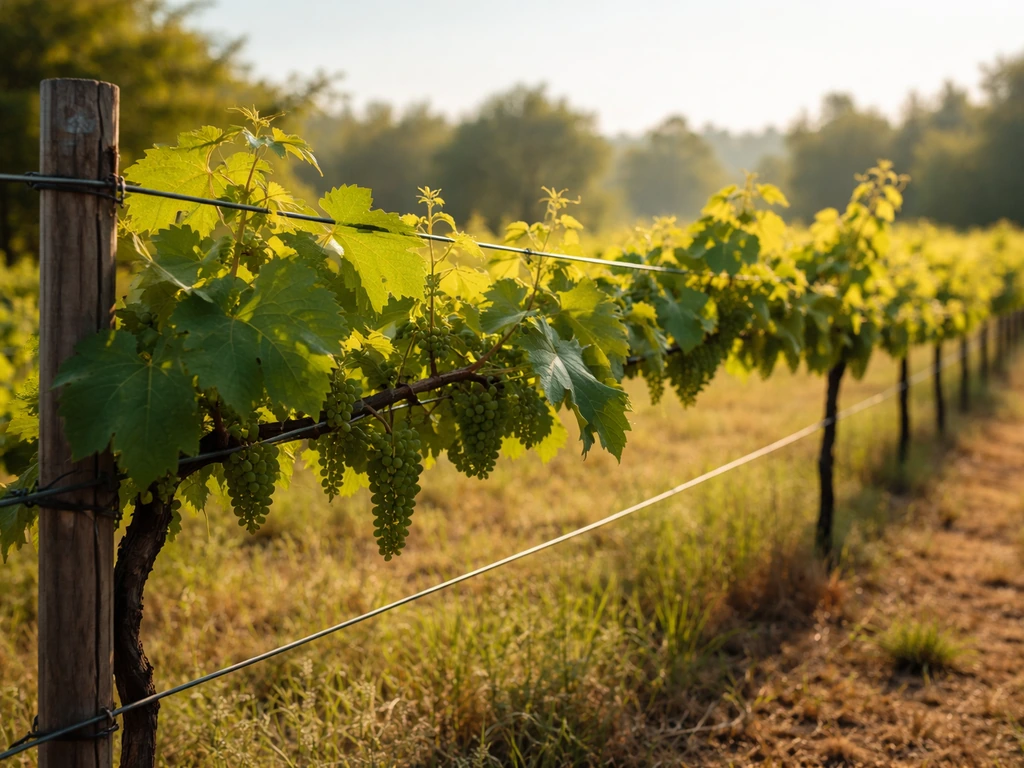
The 6-hour floor is real but it's also the bare minimum. NC State puts Vitis vinifera at "6 or more hours of direct sunlight a day," and Penn State defines full sun the same way. The University of Maryland Extension bumps the fruit-growing standard up to "at least eight hours of direct summer sun," which is more honest for anyone who wants consistent yields. Think of 6 hours as the survival threshold and 8 hours as the fruiting sweet spot.
What that sunlight is actually doing is worth understanding. It's not just about keeping the plant alive. Photosynthesis fuels shoot and leaf growth all season, but the sun's heat is what drives sugar accumulation in the berries. University of Minnesota Extension specifically ties sun exposure to "the heat required to ripen the fruit.
The temperature range during the growing season affects berry ripening, so it matters as much as the hours of sun heat required to ripen the fruit. " A vine sitting in 6 hours of weak morning light in a cool northern garden is in a very different position than a vine getting 8 hours of strong afternoon sun in a warm-summer state. Total hours matter, but so does the intensity and timing of those hours.
One thing that often surprises new growers: sunlight inside the canopy matters almost as much as sunlight reaching the leaves. Penn State Extension's canopy management research shows that a well-managed, open canopy maximizes sunlight interception by the clusters themselves, not just the outermost leaves. This is why you can plant a vine in a full-sun spot and still get poor fruit if you let it grow into a dense wall of foliage. The goal is to get light all the way to the fruit zone.
When sun matters most during the season
Sun is important all season, but there are two windows where it's especially critical. The first is bloom and fruit set, roughly late spring depending on your region. Disease, insect stress, or anything that compromises vine health before and during bloom directly affects how many berries actually set. A shaded, stressed vine is more vulnerable here.
The second critical window is from veraison (when berries change color and start to ripen) through harvest. This is when sugar is accumulating and berry quality is being determined. [OSU Extension notes that grapes need a warm growing season of 150 to 180 frost-free days to develop and mature a crop](https://extension. oregonstate.
edu/catalog/pub/ec-1639-growing-table-grapes), and the heat and sun within that window is what actually gets berries to the sugar content you want. If you are wondering, do grapes grow year round, the answer depends on the growing season in your area and when vines enter dormancy.
One nuance: late-season leaf removal around and after veraison can boost sunlight to clusters but also risks sunburn on berries that haven't built up protective compounds yet. Timing fruit-zone leaf removal is a real management decision, not just "pull off leaves to get more sun." This matters more in hot climates where afternoon sun is intense.
Sun requirements in different climates
The 6 to 8 hour rule applies everywhere, but what that looks like in practice changes depending on where you live. Here's how to think about it by climate type.
Cool climates (Pacific Northwest, Upper Midwest, New England)
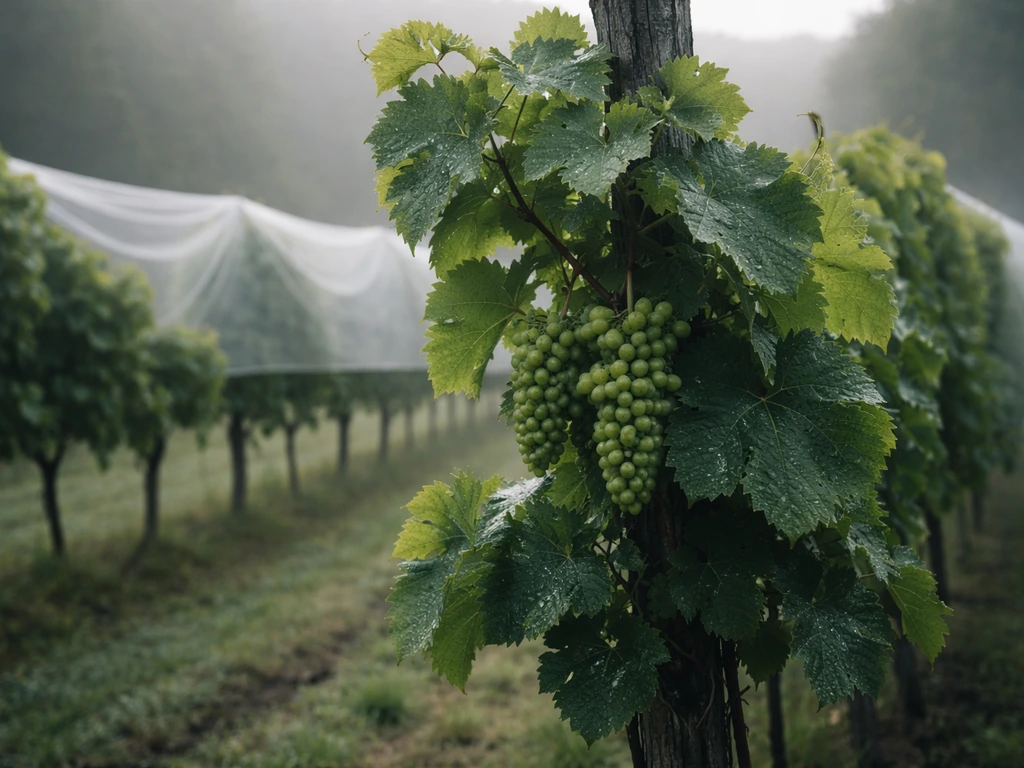
In cooler regions, you need every hour of sun you can get, and you should push toward 8 hours rather than settle for 6. The growing season is shorter, summer temperatures are lower, and you're relying on accumulated heat units to ripen fruit before fall weather shuts things down. Site selection here is especially important: a south-facing slope that catches more direct sun and drains cold air is genuinely better than a flat garden plot.
Choosing cold-hardy, early-ripening varieties is also essential since no amount of sunlight fixes a vine that can't survive your winters. Because grapevines survive winters by variety, you may be wondering if can grapes grow in winter indoors or in a mild climate, but the outdoor growing season still depends on winter hardiness.
Hot, dry climates (California, Texas, Southwest)
In hot, arid regions, grapes typically get plenty of sun, sometimes too much. Texas A&M AgriLife frames grape growing in Texas around managing heat and site risk rather than chasing sun hours. Here the issue shifts: you may want to avoid the most brutal west-facing afternoon exposure in peak summer, and you'll want to think carefully about canopy density to prevent sunscald on berries.
Vitis vinifera and many table grape varieties thrive here if water and heat management are right, but heat stress and drought are bigger limiting factors than sun availability. In hot weather, grapes can still do well, but you may need extra attention to heat management, watering, and canopy airflow grapes can still do well in hot weather.
Humid climates (Southeast, Mid-Atlantic, Gulf Coast)
In humid regions, hitting your sun hours matters but so does what that sun does for air circulation and drying. Penn State Extension is explicit that fruit-zone leaf removal is a higher priority in humid climates than in dry ones because keeping clusters open and drying quickly after rain or dew is critical for disease control. Mississippi State Extension notes that lush canopies in the Southeast can increase disease pressure by trapping moisture. More sun exposure to the cluster zone means faster drying and lower fungal disease risk. Muscadine grapes, which are well-adapted to the warm, humid Southeast, are the smart choice for many of these gardeners precisely because they handle those conditions better than European varieties.
Where to plant in your yard: orientation, slopes, and microclimates
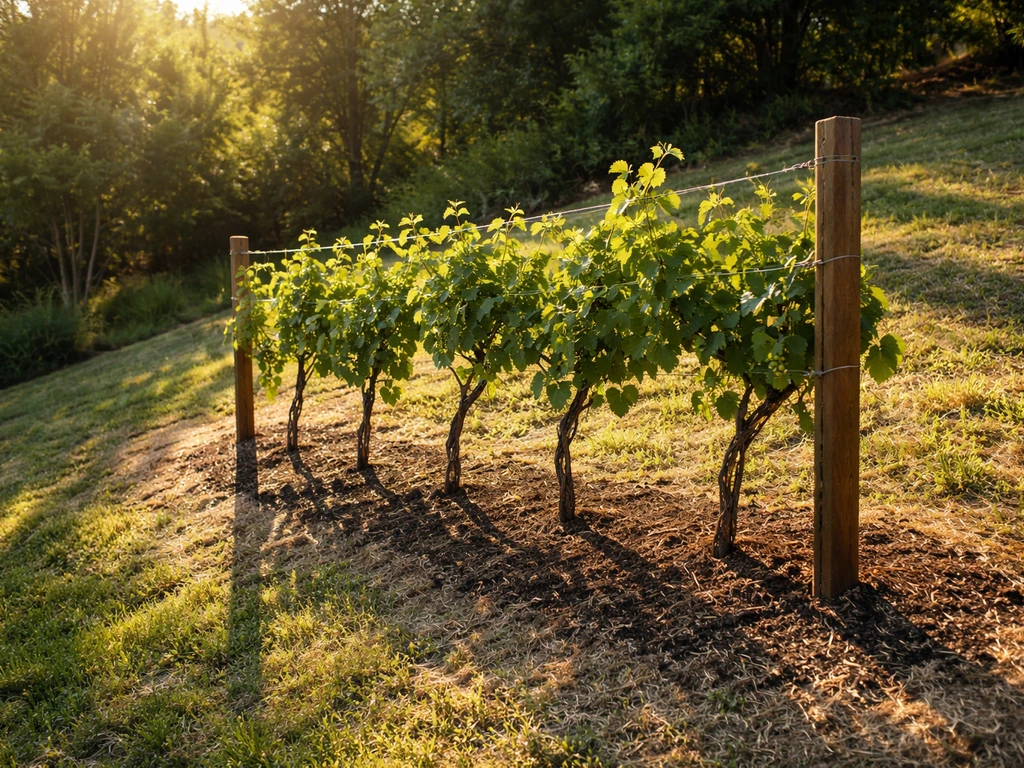
Site selection within your yard can make or break a grapevine even if your general region is suitable. The University of Maryland Extension's vineyard site guidance specifically calls out slope, aspect (north, south, east, or west facing), and the microclimate around individual clusters as key variables. These aren't minor details. A south-facing bed along a brick wall in a northern garden can be meaningfully warmer and sunnier than a flat open plot nearby.
- South and southwest-facing slopes or walls capture the most sun and heat, especially important in cooler climates.
- East-facing spots give morning sun and afternoon shade, which can work in hot climates to limit sunscald risk.
- North-facing sites shaded by trees or buildings are typically a hard no for grapes. UMD Extension states these areas "usually don't receive enough direct sunlight for growing fruit."
- Avoid low spots and frost pockets. Cold air drains downhill and can settle in low areas, extending frost risk into spring when vines are vulnerable.
- Row orientation for air circulation matters too: aligning rows with prevailing winds helps clusters dry after rain and reduces powdery mildew pressure.
- Reflected light from light-colored walls, fences, or pavement can add meaningful warmth and effective light hours in marginal sites.
If you're weighing a spot near a fence or under the canopy edge of a large tree, be honest with yourself. Partial shade for part of the day is different from dappled shade all day, but a tree that blocks your prime afternoon sun can easily put you below the 6-hour threshold. Grapevines are long-lived plants. Planting in the wrong spot and moving them in three years is a frustrating waste of time.
Matching grape varieties to your sun and region
Sun hours and climate zone together should drive your variety choice, not just aesthetics or what sounds appealing. This is where a lot of beginners go wrong, picking a variety because they like the grape and then wondering why it underperforms.
| Climate/Region | Recommended Variety Types | Sun Priority |
|---|---|---|
| Cool north (MN, WI, ND, New England) | Cold-hardy hybrids (Marquette, Frontenac, La Crescent, Reliance) | Maximize all available hours; push for 8+ |
| Mid-Atlantic/Southeast humid (PA, VA, NC, GA) | Hybrid wine grapes, Muscadine (Carlos, Noble), some Concord-type | 6-8 hrs; focus on open canopy for drying |
| Hot, dry West (CA, AZ, NM) | Vitis vinifera table and wine varieties, Thompson Seedless | Usually not a limiting factor; manage heat/water |
| Hot, humid South (TX, MS, AL, LA) | Muscadine, Black Spanish (Lenoir), some hybrids | 6-8 hrs; disease-resistant varieties are critical |
| Transition zones (KS, MO, OK) | Norton, Cynthiana, Chambourcin, Concord | 7-8 hrs recommended; variety hardiness varies |
Oklahoma State Extension's grape fact sheet and University of Minnesota Extension both structure their variety recommendations around regional performance for exactly this reason. The variety list isn't arbitrary. It reflects what actually ripens, survives winters, and resists local disease pressure given the available sun and climate. If your site is borderline on sun hours, choosing an early-ripening variety is a smart hedge because it needs fewer total heat units to reach harvest.
This question connects closely to the broader one of what climate grapes grow in and whether your specific state can support them. Sun hours are one piece of that picture alongside winter hardiness, humidity, and soil drainage. If you also want to dial in yields, pair the sun target with the right grape-growing soil type and drainage what type of soil is needed to grow grapes.
How to actually measure sun in your yard before you plant
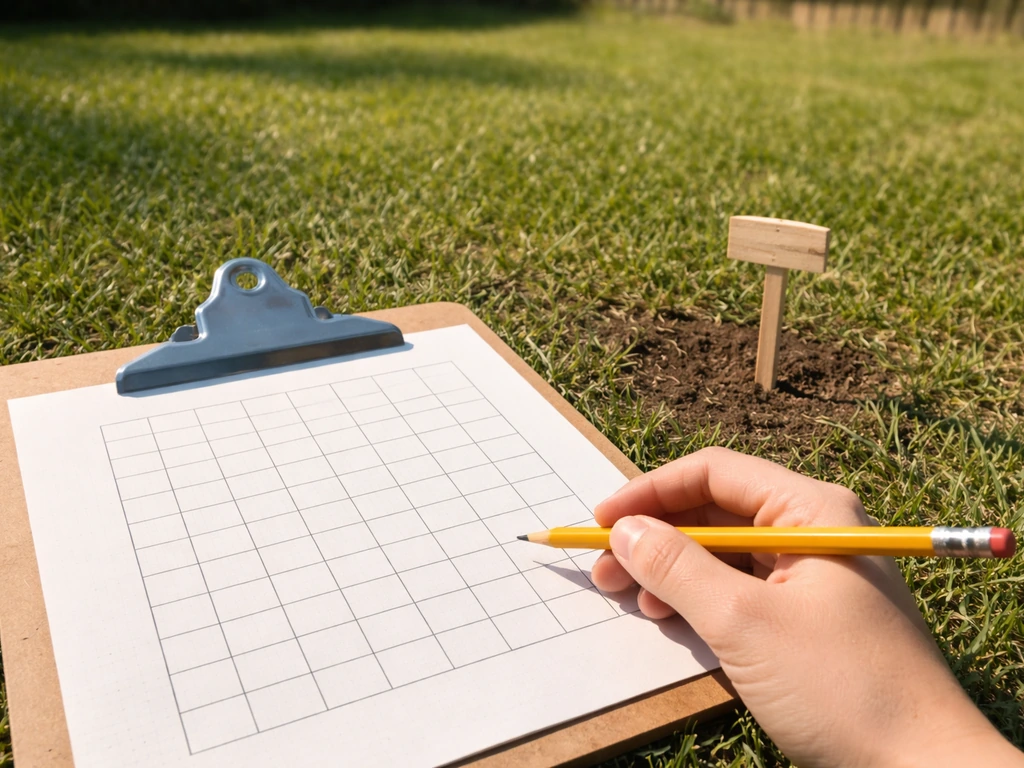
Don't guess. Sunlight patterns shift with the seasons and are affected by buildings, trees, and fences in ways that aren't obvious until you look carefully. Penn State Extension recommends a simple but effective method: draw a diagram of your yard, then go outside every hour starting at 7 a.m. and mark which areas are in sun versus shade. Do this on a clear day in late spring or summer when the sun angle matches what your vines will experience during the growing season. Add up your sun hours for each candidate spot.
A few practical additions to that method that make it more useful for grapes specifically:
- Do the hourly check in late May or June, not in winter when the sun arc is much lower and misleading.
- Note whether your sun hours fall mainly in the morning or afternoon. Morning sun is gentler; afternoon sun carries more heat, which matters for ripening in cool climates.
- Check the spot again after any major tree leafout, since a tree that looks open in April can block significant light by July.
- If a candidate spot gets 5 to 6 hours, walk 10 to 15 feet in each direction to see if there's a meaningfully better option nearby.
- Consider a simple sun calculator app (pointed at your site coordinates) to cross-check your observations with solar angle data for your latitude.
What to do if your best spot falls short
If your yard genuinely tops out at 5 to 6 hours, you have a few honest options. First, see if limbing up trees or trimming nearby shrubs can recover an hour of light. One good pruning cut on a neighboring shrub sometimes reclaims more sun than you'd expect.
Second, look for reflected light opportunities: a white or light-colored fence or wall on the south or west side of your planting area acts as a reflector and can add effective light and heat. Third, choose the most shade-tolerant, early-ripening varieties available for your region. You're not going to produce premium wine grapes on 5 hours of shade-edged sun, but a Concord or a muscadine can tolerate somewhat lower light better than a thin-skinned vinifera variety.
Be realistic: below 5 hours of direct sun, grapes are not a good fit, and pushing ahead anyway usually leads to years of poor harvests, high disease pressure, and eventual disappointment.
Managing canopy to make the most of your sun
Once your vines are established, training and pruning directly affect how much of your available sunlight actually reaches the fruit. UC Master Gardeners note that pruning enhances sunlight and airflow within the fruiting zone. Purdue Extension research shows that removing leaves in the fruit zone before veraison increases sunlight exposure to clusters and improves anthocyanin development in red varieties. In humid climates, this also speeds drying after rain and cuts fungal disease risk significantly. An open, well-trained canopy on a 7-hour sun site will outperform a dense, unpruned mess on an 8-hour site.
Your practical next steps
Here's what to do right now if you're deciding whether and where to plant grapes.
- Pick your top two or three candidate planting spots in your yard.
- On a clear day in late May, do the hourly sun check from 7 a.m. onward and log your results for each spot.
- Identify which spot clears 7 to 8 hours. If one spot clears 8 and another gets 6.5, go with the 8-hour spot unless there's a compelling reason not to.
- Look up your USDA hardiness zone and note your average summer temperatures and humidity level. These determine which variety category makes sense for you.
- Choose two or three varieties appropriate for your zone and sun level, prioritizing disease resistance and cold hardiness appropriate to your region.
- Plan your trellis or support system with row orientation in mind: aligning with prevailing winds helps with the air circulation that keeps disease manageable.
- Once planted, commit to annual pruning that keeps the canopy open. Grapes are not set-it-and-forget-it plants. The sunlight that reaches your clusters each year is partly a function of what you do with pruning shears.
Grapes are genuinely rewarding to grow when the site is right, and the sun question is the first and most important one to answer honestly. Get your 7 to 8 hours, pick varieties matched to your climate, and keep that canopy open. That's the framework that gives you a real harvest instead of just a very attractive vine.
FAQ
Do grapes need direct sunlight only, or is bright light with some shade okay?
For reliable fruiting, focus on direct sun hours. Bright reflected light helps, but long periods of dappled or blocked light usually reduce berry sugar accumulation and drying speed. If part of the day is shaded by a tree canopy edge, measure actual direct hours at fruit level, not just where the leaves look bright.
How can I tell if my sun is strong enough, not just long enough?
Track both timing and exposure strength. Afternoon sun tends to be more valuable for ripening, and a short period of intense sun can outperform longer but weak, cool morning shade. A practical check is to note whether your site stays warmer than nearby areas, such as against a south-facing wall, or whether it cools quickly after midday.
What is the best time of day to prioritize sun for grapes?
Prioritize afternoon sun when possible, especially from veraison to harvest. Morning-only light often supports leaf growth but can lag for sugar development and cluster drying. If you have to choose between east morning sun and west afternoon sun, the west side is usually better for ripening, but it can increase sunscald risk in very hot climates.
Will removing leaves to get more sun always improve grape quality?
Not always. Light to clusters can improve ripening and color, but late-season leaf removal can expose berries that have not built enough protective compounds, raising sunburn risk. A safer approach is gradual, fruit-zone focused openness, and in hot areas avoid heavy removal during the hottest part of the day.
If my yard averages 6 hours of sun, why are my grapes still not producing much fruit?
Common causes are canopy crowding, shade reaching the cluster zone, or poor conditions during bloom and set. Even with 6 hours overall, dense foliage can block light from the fruit, and cool or stressed conditions at bloom can reduce berry count. Check spacing, training, and whether clusters receive light after pruning.
Do potted or container grapes need the same sun hours as in-ground vines?
Container vines often need at least the same direct sun, and sometimes more, because roots heat and cool faster in pots. Also, containers can create more shade from the pot and trellis structure. Ensure clusters receive direct light for the target hours and monitor for faster drying and heat stress.
How do I measure sun hours correctly so I do not misjudge a spot?
Use a yard diagram and verify on a clear day during peak growing season. Mark sun or shade at the height where clusters will be (not ground level), and start early enough to capture morning shade patterns. Then total the direct hours for each candidate location, including how the path of the sun interacts with buildings and trees.
What if I can only get 4 to 5 hours of sun, can I still grow grapes?
Most table and wine grapes will underperform below 6 direct hours, and below 5 hours it usually leads to weak fruiting, high disease risk, and disappointment. Your best options are selecting early-ripening and more shade-tolerant types for your region, trimming nearby sources of shade, or choosing a different location. If you cannot reach at least about 5 to 6 hours, skip grapes in that spot.
Can I compensate for low sun with more fertilizer or extra watering?
Usually no. Extra nitrogen can increase lush growth, which can make the canopy denser and further reduce light reaching clusters. Water helps maintain vine health, but ripening still depends on heat and light during the growing season. If sun is the limiting factor, address site and canopy first.
Does the sun requirement change depending on whether I want wine grapes or table grapes?
Yes, practical goals differ. Table grapes often need solid ripening and flavor development, while wine grapes are especially sensitive to consistent ripening balance across varieties. In borderline sun sites, choosing early-ripening varieties is the most effective hedge, regardless of wine versus table use.
How does humidity change what I should do with sun and canopy openness?
In humid regions, open canopy and quick drying matter as much as light. Fruit-zone openness helps clusters dry after dew or rain, lowering fungal pressure. This means you may benefit more from targeted sunlight to the cluster area, and timing leaf management becomes more important to prevent disease.