
Concord grapes grow best across the northeastern and north-central United States, where cold winters, moderate summers, and decent rainfall match almost exactly what this variety was bred for. If you live anywhere from New England through the Great Lakes region, the upper Midwest, or even parts of the mid-Atlantic and Pacific Northwest, you are likely sitting in prime Concord territory. If you are in the Deep South, the desert Southwest, or the humid Gulf Coast, the honest answer is: Concord will struggle there, and there are better varieties for your location.
Where Do Concord Grapes Grow Best and How to Thrive

Marcus Whitfield
16 Apr 2026
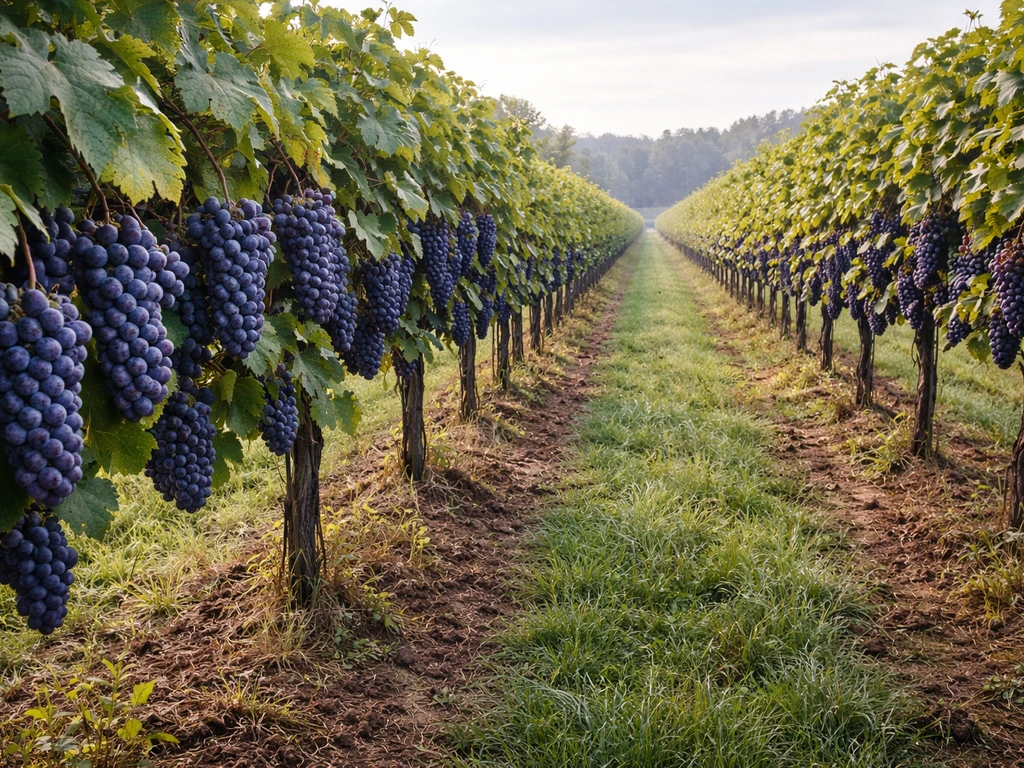
What Concord grapes actually are (and why cold hardiness is the whole game)
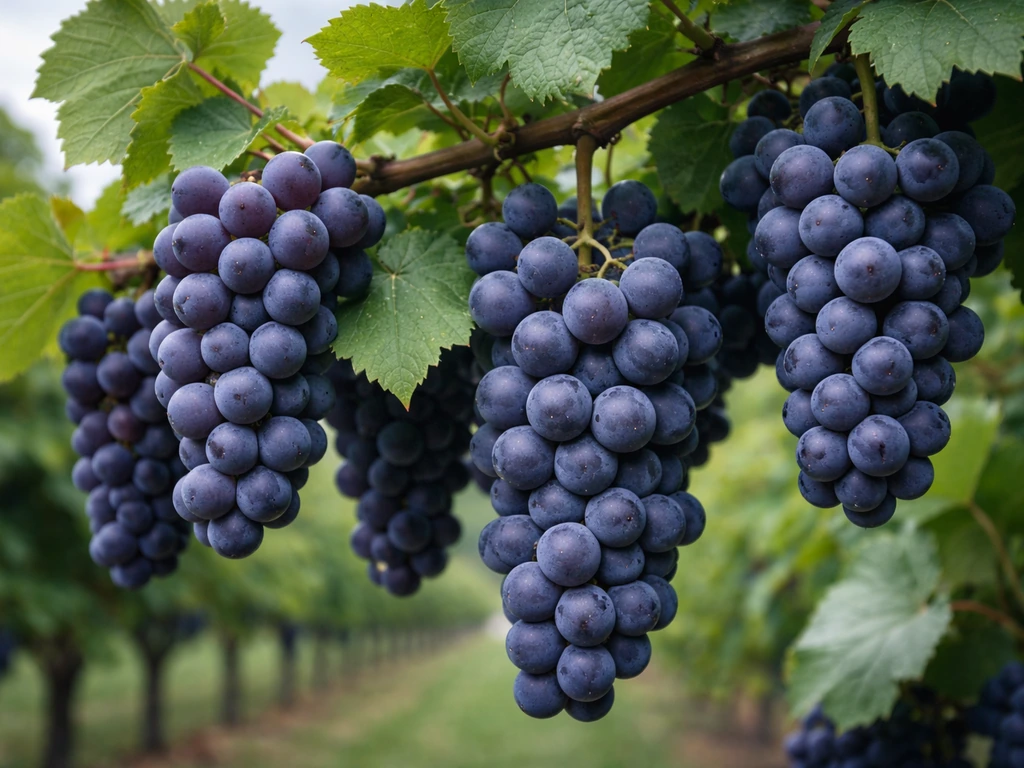
Concord is a native American grape, Vitis labrusca, developed in Concord, Massachusetts in 1849. It is the grape behind purple grape juice, most grape jellies, and that bold, distinctly "foxy" flavor that you either love or find overwhelming. What sets Concord apart from European wine grapes is cold toughness. American varieties including Concord have significantly more cold hardiness and better disease resistance than French-American hybrids or European Vitis vinifera types, which is exactly why Concord spread so successfully across cold-winter U.S. regions where European grapes would simply die.
Concord buds can tolerate temperatures down to around −15 to −20 °F, with lab measurements of labrusca bud freezing tolerance (LT50) landing in the mid −20 °F range under ideal conditions. That said, cold hardiness is not fixed. It depends on how healthy the vine is heading into winter, whether dormancy was established gradually, and how quickly temperatures dropped. A vine that was stressed by disease, drought, or a warm fall followed by a sudden hard freeze will not hit those survival numbers reliably. Site microclimate and how you manage the vine through the season both affect whether it survives a brutal January.
Best regions and climate zones for Concord grapes
Concord thrives in USDA Hardiness Zones 4 through 7, with the sweet spot being Zones 5 and 6. Understanding what zone Concord grapes grow in is the single most useful filter before you commit to planting. Zone 4 is workable with good site selection; Zone 8 and above is where things get complicated because winters are not cold enough to establish full dormancy reliably and summers get too hot and humid for the vine to ripen properly without disease overrunning it first.
The Lake Erie Grape Belt stretching across western New York, northwestern Pennsylvania, and northeastern Ohio is probably the most famous Concord-growing region in the world, producing the bulk of the commercial Concord juice crop in North America. Michigan, Wisconsin, Minnesota, and upstate New York are also strong home-garden regions. Parts of the Pacific Northwest, particularly western Oregon and Washington, can grow Concord successfully.
Washington State University Magazine notes Washington, along with nearby regions, as a major Concord juice-grape production area, providing a useful “where” context for Concord juice-grape growing [Washington, can grow Concord successfully](https://www. washingtonstateuniversity. com/magazine. wsu.
edu/2013/04/25/juice-grapes/). The mid-Atlantic states from Pennsylvania down through Virginia are viable with attention to disease management. The Midwest from Ohio through Iowa and into Missouri works well in most years.
| Region | USDA Zone | Concord Viability | Main Challenge |
|---|---|---|---|
| Lake Erie Belt (NY, PA, OH) | 5–6 | Excellent | Disease pressure in wet years |
| Great Lakes (MI, WI) | 4b–6 | Excellent | Late spring frosts in Zone 4b |
| New England | 5–6 | Very good | Short seasons at northern edges |
| Upper Midwest (MN, IA) | 4–5 | Good with site care | Deep cold snaps in Zone 4 |
| Mid-Atlantic (PA to VA) | 6–7 | Good | High summer humidity, black rot |
| Pacific Northwest (OR, WA) | 6–8 | Good in cooler sites | Mildew in wet coastal areas |
| Southeast / Gulf Coast | 8–9 | Poor | Insufficient dormancy, disease |
| Desert Southwest | 7–10 | Poor to none | Extreme heat, low humidity mismatch |
How Concord grapes grow through the seasons
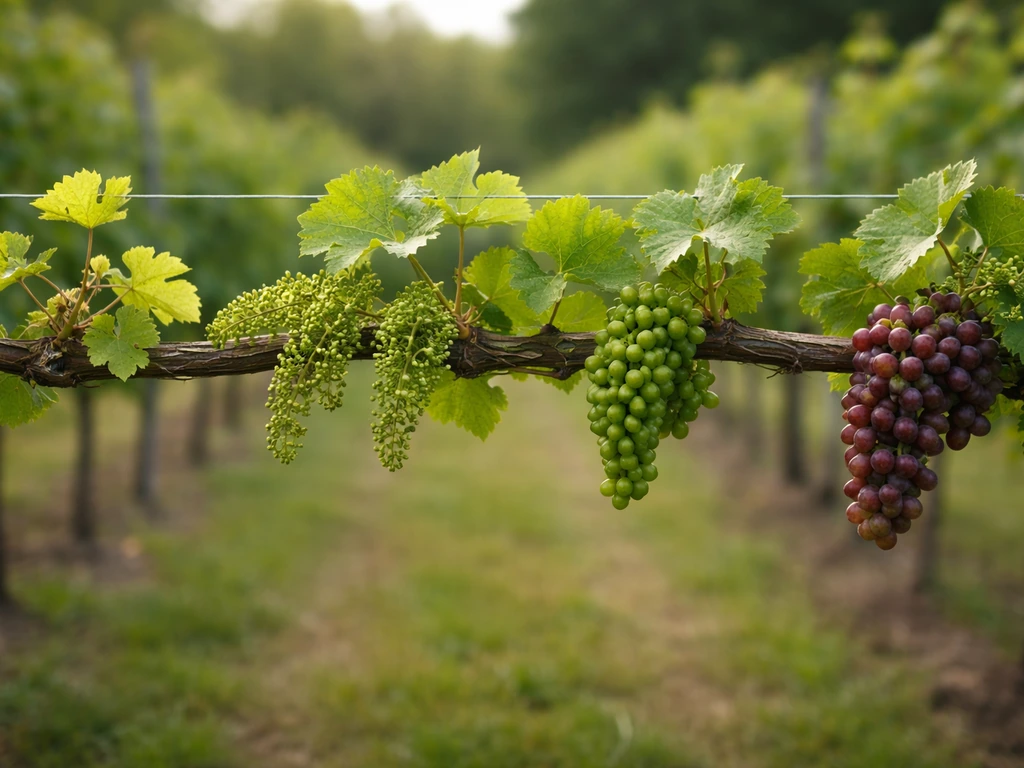
Concord follows the same annual growth cycle as all grapevines, but understanding its specific timing helps you judge whether your location gives it enough season to ripen. The vine breaks dormancy in spring once temperatures consistently rise above about 50 °F, which is the base temperature used to calculate growing degree days (GDD). Flowering typically occurs in late spring, and from bloom onward, heat accumulation drives berry development. Concord needs roughly 2,000 growing degree days (base 50 °F) to fully ripen fruit, which is a useful number to check against your region's historical GDD totals.
Berry development follows a predictable pattern after bloom. Concord reaches approximately 50 percent of its final berry weight at around 1,100 GDD past bloom (closer to 1,210 in Michigan growing conditions), which typically works out to about 30 days after bloom.
MSU Enviroweather’s grape-berry-weight model (base 50°F GDD) estimates Concord reaches about 1,200 GDD when clusters reach roughly half of final berry weight, typically around 25 days after bloom, based on March 1 starting conditions reaches approximately 50 percent of its final berry weight at around 1,100 GDD past bloom (closer to 1,210 in Michigan growing conditions), which typically works out to about 30 days after bloom. .
Harvest in the Lake Erie Belt usually falls in September. In warmer Zone 6 and 7 areas it can be late August. In cooler Zone 4 and 5 areas, you are often pushing into early October, which is why frost-free season length matters so much. How many months grapes take to grow from dormancy break to harvest gives you a clearer picture of what your local season needs to accommodate.
Here is a rough seasonal overview of what Concord does year by year: dormancy through winter, bud swell in early spring, shoot growth through May, bloom in late May to early June, berry set and development through summer, veraison (color change) in mid-to-late summer, harvest in September to early October, and then leaf drop and re-entry into dormancy by late fall. Day length and temperature together trigger each transition. A warm, long fall is actually useful because it allows the vine to harden off and build cold tolerance gradually before the first hard freeze. If you have ever wondered how grape timing works in a simulated growing environment like Stardew Valley, the real-world cycle is surprisingly similar in structure, just stretched over months instead of days.
How fast does a new Concord vine establish?
A new Concord vine planted from a bare-root cutting or one-year-old transplant will not produce a meaningful crop in its first or even second year. Year one is about root establishment. Year two you start training the main canes. Year three is when you might get your first small harvest. Full production typically does not arrive until year four or five. How fast Concord grapes grow in terms of vine size is a different question from when they actually fruit, and it helps to understand both before you get impatient. The full picture of how long grapes take to grow from planting through first real harvest is worth reading before you set expectations.
Site requirements that determine where Concord will actually thrive
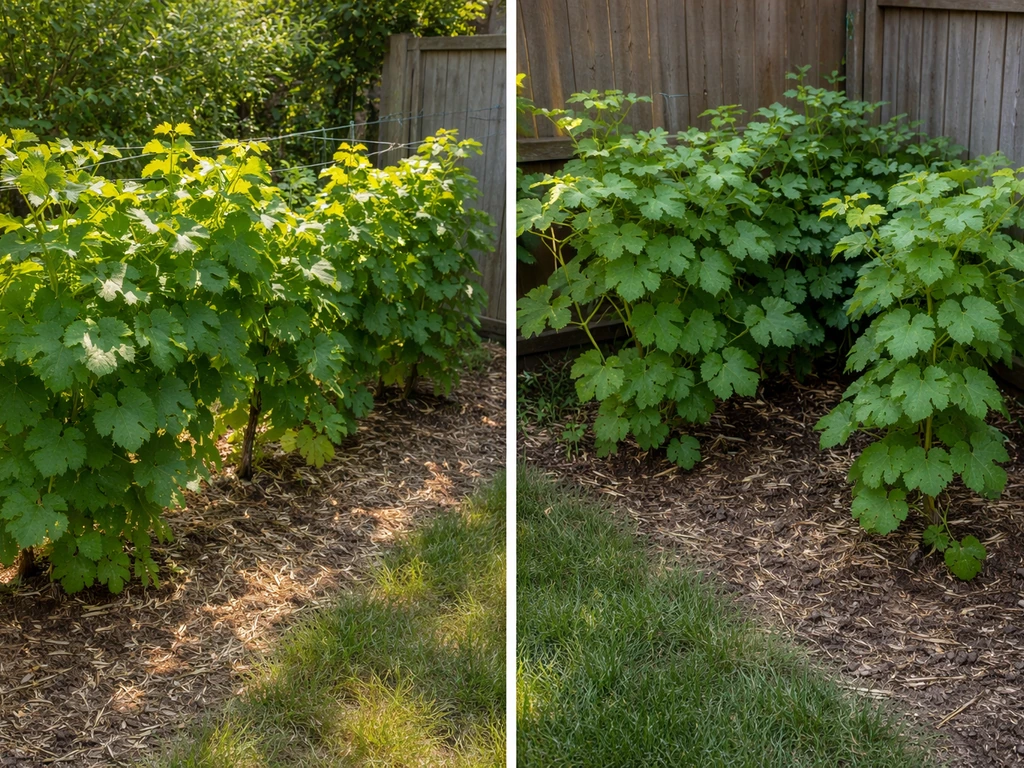
Climate zone tells you whether Concord can survive in your general area. Site selection determines whether it actually thrives in your specific yard. These are two different problems, and a bad site in a good zone can kill a vine just as surely as the wrong zone.
Sun is non-negotiable. Concord needs full sun, meaning at least 6 to 8 hours of direct sunlight per day. A shaded site not only reduces yield but slows fruit ripening and keeps the canopy wet longer, which dramatically increases disease pressure. South-facing or west-facing slopes are ideal.
Soil drainage is equally critical. Concord does not want to sit in wet feet. Well-drained, loamy soils are ideal. Heavy clay that holds water after rain will lead to root rot and stressed vines. If your soil is heavy, raised beds or mounded rows help. Sandy soils work if you manage irrigation and fertility carefully.
Soil pH is a detail many home gardeners overlook. The optimum pH range for Concord is approximately 5.0 to 6.5, with 5.6 and above being preferable. Do not over-lime: pushing pH above 6.5 can cause nutrient deficiencies in American varieties. For gardeners who want to understand soil nutrient dynamics further, running a proper soil test before you plant is the best $15 to $20 you will spend. University extension services in your state typically offer soil testing with specific grape amendment recommendations. Aim to get pH in range before planting rather than correcting it after.
Cold air drainage is a site factor that often gets ignored until you lose a vine. Cold air is denser than warm air and flows downhill to settle in low spots. Planting in a frost pocket (a low-lying area surrounded by higher ground) means your vine sits in the coldest air every night and is the last spot to warm in spring. A gentle slope that lets cold air drain away downhill is significantly better than a flat or low site, even if both are technically in the same hardiness zone. Wisconsin Extension specifically calls out cold air drainage as a survival factor for cold-climate grapes, and from experience, this advice is not an exaggeration.
Airflow through the canopy matters too, mainly for disease control. A site that gets a breeze helps leaves dry faster after rain. Dense plantings, windbreaks that block air movement entirely, or sites surrounded by tall structures create stagnant, humid microclimates that favor downy mildew, powdery mildew, and black rot.
Temperature, rainfall, and disease: what to expect by region
Concord is tougher than most grapes, but it is not immune to disease, and where you live determines how hard you will need to fight. Concord is highly susceptible to black rot, which is a fungal disease that can wipe out an entire crop in a wet year if you do not manage it. It is also vulnerable to powdery mildew and downy mildew. The critical spray windows are: immediate pre-bloom, at bloom, one to two weeks post-bloom, and at pea-sized fruit stage. If you miss the bloom and immediate post-bloom windows in a rainy year, you are playing catch-up all season.
Black rot is particularly aggressive on Concord. Penn State Extension notes that native varieties including Concord remain susceptible to black rot for about five to six weeks after bloom, which is your highest-risk window. In wet regions like the mid-Atlantic, Great Lakes, and New England, plan to spray on a regular schedule during that stretch regardless of how the vine looks. If you want to understand how disease timing plays into the broader growing calendar, it connects directly to why bloom timing and post-bloom management define your season.
In terms of rainfall, Concord adapts to a range of conditions, but vines in very hot, dry climates need supplemental irrigation to maintain fruit quality. The vine can survive on low water but fruitfulness drops significantly under drought stress. In hot inland regions, more frequent irrigation is needed compared to cooler, naturally wetter areas. For most of Concord's native range in the Northeast and Midwest, natural rainfall is usually sufficient in normal years.
Phylloxera is worth mentioning for certain regions. Concord roots have shown susceptibility to both biotype A and biotype B phylloxera in lab testing. In areas of California and parts of the West where phylloxera is established in soils, this is a real concern. In most of the eastern U.S. where Concord is most commonly grown at home, phylloxera pressure is lower, but if you are in a region with known phylloxera history, discuss rootstock options before planting.
How to pick a spot and get started today
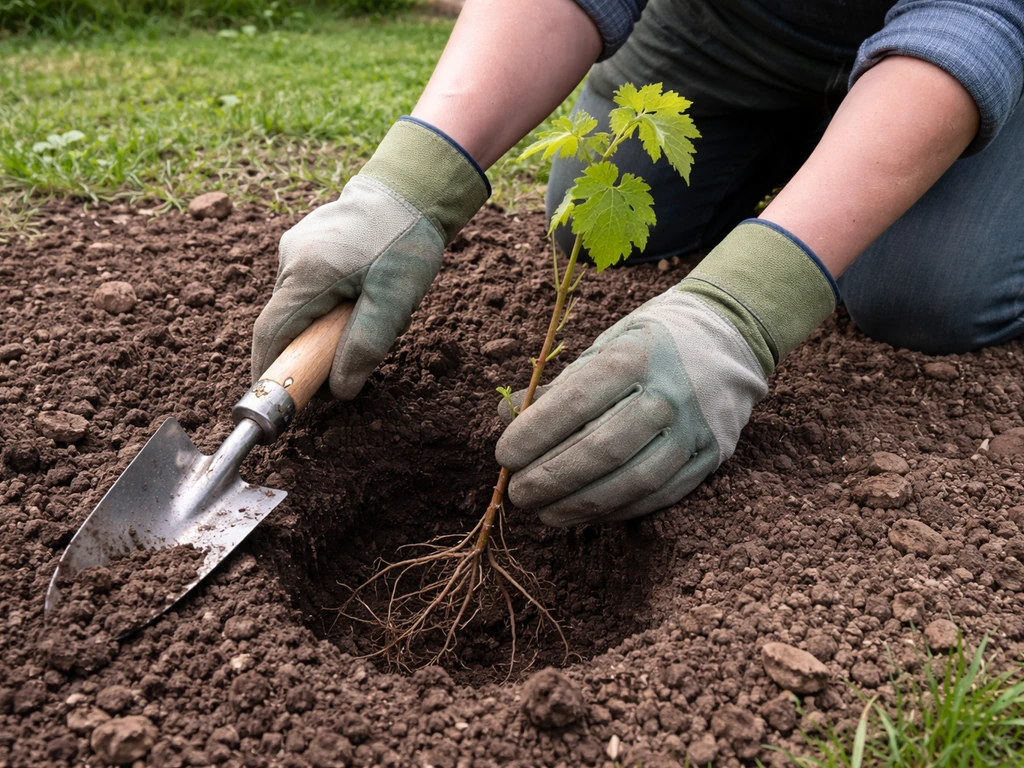
If you have confirmed you are in Zone 4 through 7 and want to move forward, here is a practical sequence to follow right now:
- Pull your county's average last frost date and first fall frost date. Calculate your frost-free days. Concord needs roughly 150 to 160 frost-free days to ripen reliably. If you are below 140, you are in risky territory.
- Check your historical GDD totals for base 50 °F. Your local extension office, weather service, or state climatologist website usually has this by county. You want to see 2,000+ GDD in most years.
- Walk your yard at midday and identify which areas get 6 to 8 hours of unobstructed sun. Eliminate shaded spots immediately.
- Stand in your yard on a still, cold morning before sunrise and notice where frost sits heaviest. Those low spots are your frost pockets. Avoid them.
- Run a soil test through your state university extension service. Ask specifically for grape production recommendations. Target a pH between 5.6 and 6.5. Amend before you plant, not after.
- Order bare-root Concord cuttings from a reputable nursery for early spring planting. Bare-root plants establish faster than potted ones planted in summer.
- Plan your trellis before the vines arrive. A standard two-wire trellis (bottom wire at 3 feet, top wire at 5.5 feet) with sturdy end posts is the most practical setup for home-scale Concord production.
- Have a fungicide plan ready for the first full growing season. You do not need to spray heavily in year one when fruit load is zero, but scouting for disease from the start builds good habits before it matters.
Quick checklist: will Concord grapes thrive where you live?
Run through these before you buy a single vine. If you can check most of these boxes, Concord is a realistic and rewarding choice for your garden.
- You are in USDA Hardiness Zone 4 through 7 (Zone 5 and 6 are ideal)
- Your area accumulates at least 2,000 growing degree days (base 50 °F) in most years
- You have 150 or more frost-free days between last spring frost and first fall frost
- You can offer a site with 6 to 8 hours of full sun daily
- Your soil drains well and does not pool water after rain
- Your soil pH is between 5.0 and 6.5 (confirmed by a soil test, not guessed)
- Your chosen spot is on a gentle slope or elevated enough to avoid cold air settling
- You have reasonable air movement through the site (not a completely enclosed, still corner)
- You are prepared to manage fungal disease with a spray schedule during the critical 6 weeks after bloom
- You understand the vine will take 3 to 4 years to produce a real crop and you are planting with that timeline in mind
If you checked eight or more of those, plant with confidence. If you are missing two or three, figure out which ones are fixable (soil pH is fixable, zone is not) and address those before you invest in plants and trellis infrastructure. Concord is genuinely one of the more forgiving grapes for cold-climate home gardeners, but giving it the right starting conditions is what separates a productive vine from a disappointing one.
FAQ
If Concord can survive my winter, will it still ripen fruit where I live?
Look at two numbers together: your hardiness zone (survival) and your local GDD base 50°F (ripening). Concord needs about 2,000 GDD past the base 50°F threshold to fully ripen, so a mild winter area with cool summers can still underperform even if the vine survives.
What’s the biggest site mistake people make when they grow Concord in cold climates?
Avoid planting in a low spot that collects cold air, because Concord bud hardiness does not compensate for repeated exposure to colder nighttime pockets. Even within the same zone, a frost pocket can be the difference between normal bud break and chronic winter kill.
Can I grow Concord in the Pacific Northwest, and what should I watch for?
Concord is often planted successfully in parts of the Pacific Northwest, but western Oregon and Washington are more reliable than the interior with big temperature swings and drier conditions. If you are in a wetter, disease-prone area, plan on consistent black rot and mildew management rather than assuming “cool” automatically means easy growing.
Will Concord grapes grow in partial shade?
Yes, but only if you can supply full sun (at least 6 to 8 hours) and reduce shade-driven disease pressure. If your yard can only offer part-day sun, expect slower ripening, lower sugar development, and a canopy that stays damp longer after rain.
How much should I irrigate Concord in hot, dry areas?
In very hot, dry summers, the vine may live with minimal water but fruitfulness often drops without irrigation. A practical approach is to ensure consistent moisture through berry development, then avoid late-season overwatering that can delay hardening off before winter.
What if my soil pH is outside the best range for Concord?
If your pH is below about 5.0, Concord can struggle with nutrient uptake, but you should correct it before planting based on a soil test. Over-liming after planting can push pH too high (above roughly 6.5), which can create deficiencies even though the soil “looks better.”
How can I improve my chances of overwintering Concord successfully?
Concord can tolerate cold, but it still depends on plant condition going into winter. A stressed vine from drought, severe disease, or a warm fall followed by a sudden hard freeze may not hit the survival numbers you expect from ideal lab tolerance.
Do I need to worry about phylloxera when planting Concord?
Yes, especially if phylloxera is known in your area, because lab testing shows Concord roots can be susceptible. In regions with established phylloxera history, it is worth discussing grafted or alternative rootstock options before planting, since treatment in soil is not a simple home fix.
Why does my Concord vine take so long to produce a real harvest?
Expect limited production early because the first years are for roots and training. A bare-root or one-year transplant often does not give meaningful crop in year one, small harvest may start around year three, and full production typically takes four to five years.
How do I know if my growing season is long enough for Concord?
Yes, and it is easy to get wrong if you only check the calendar. Instead, estimate your ripening timeline using your local GDD totals, then compare that to your frost-free season length, since harvest can shift from late August in warmer Zone 6-7 to early October in cooler Zone 4-5 conditions.
When is black rot most likely to wipe out my Concord harvest?
Yes. In humid, disease-prone regions, the highest-risk period for black rot on Concord is roughly the five to six weeks after bloom. If you miss the immediate pre-bloom and bloom-related windows during a rainy year, catching up later usually does not fully protect the crop.