
Yes, grapes can grow in Jamaica, but not every variety and not without some deliberate planning. Jamaica's heat and sunlight are actually great assets for grape growing. The challenge is the humidity, the heavy rainfall in wet seasons, and the fungal disease pressure that comes with both. If you choose the right variety, pick a smart site, and stay on top of disease management, you can absolutely get fruit from a grapevine in Jamaica within three years of planting. The same kind of climate and site checks apply to Trinidad too, so you can judge feasibility based on sun, drainage, and humidity can grapes grow in Trinidad.
Can Grapes Grow in Jamaica? A Practical Guide for Growing
Marcus Whitfield
15 Jun 2026
Can grapes grow in Jamaica: a quick viability check
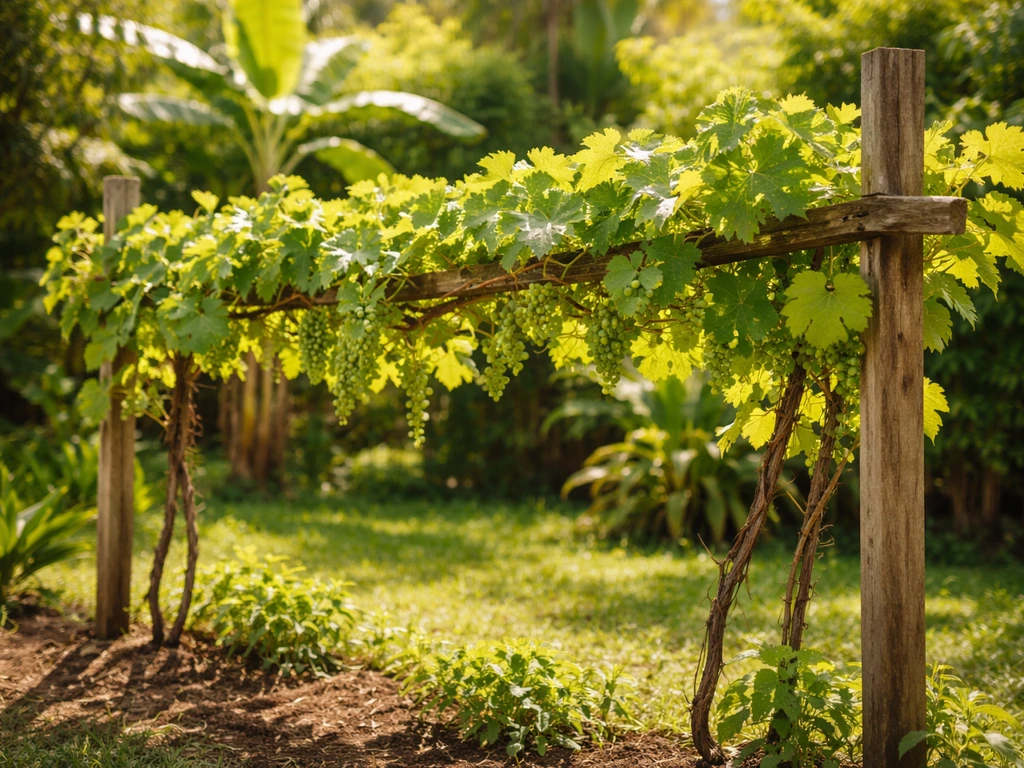
The honest answer is: Jamaica gives you some of what grapes love and a lot of what they struggle with. Grapevines need heat, plenty of sun, and well-drained soil. Jamaica delivers on all three, at least in the right locations. Coastal areas average around 8 hours of sunshine per day, and a place like Montego Bay sees roughly 7.6 hours daily across the year, with average highs near 30°C. That warmth and light push vine growth and fruit development.
The harder side of the ledger is water. Jamaica averages around 82 inches of rainfall per year, which is well above the optimal range that Vitis vinifera (the classic European wine grape) prefers, typically somewhere around 700 to 850 mm annually. That excess moisture creates the conditions where fungal diseases like downy mildew and powdery mildew thrive. Add Jamaica's two wet seasons, a spring one peaking around May and an autumn one around October, plus summer thunderstorms from June through September, and you have a near-constant disease pressure window.
The good news is that modern disease-resistant hybrid varieties have changed the calculus significantly. Growing grapes in Jamaica is not the hopeless project it would have been decades ago when you were limited to standard Vitis vinifera cultivars. This same challenge applies across other parts of the Caribbean, and anyone exploring grape growing in tropical countries or other Caribbean islands will recognize the pattern immediately: heat is your ally, humidity is your main obstacle.
Coastal and southern Jamaica, where rainfall is lower and drainage is better, give you the most favorable starting conditions. Inland mountain areas receive far more rain and humidity, which stacks the disease pressure even higher. If you're in those wetter zones, container growing or a covered pergola setup becomes more important.
Climate and site requirements in Jamaica
Before you dig a hole or buy a plant, spend some time reading your specific microclimate. Jamaica is not a single climate. The south coast around Kingston or the west around Montego Bay is drier, sunnier, and more forgiving for grapes. The Blue Mountains and north-facing slopes are beautiful but get drenched. Where you are matters enormously.
Sun and heat
Grapes want full sun, ideally six to eight hours minimum, and Jamaica has that in abundance. Coastal areas get around 8 hours of daily sunshine on average, and across the year sunshine hours range from roughly 7 to 9 hours per day. This is genuinely good for ripening fruit and building sugars. Don't waste this advantage by planting in partial shade or somewhere that gets afternoon shadow from a building or tree.
Rainfall and humidity
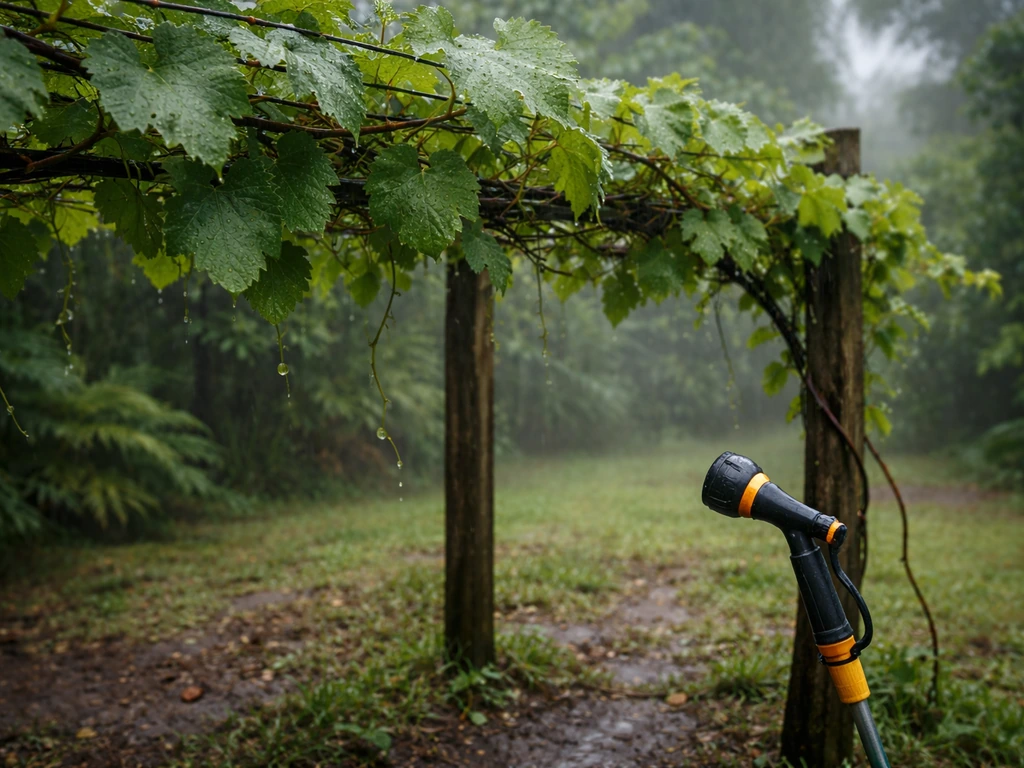
This is where you have to be strategic. During the May and October wet seasons, and through the summer thunderstorm months of June to September, fungal disease pressure peaks. Your site should have excellent air circulation to help foliage dry quickly after rain. Avoid low spots, depressions, or areas surrounded by dense vegetation where humidity pools overnight. Warm, humid nights above about 65 to 77°F (18 to 25°C) combined with relative humidity above 95% are exactly the conditions that send downy mildew into overdrive.
Wind
A gentle, consistent breeze is your friend because it dries leaves and reduces fungal infection windows. Strong, sustained wind is a different story, it can shred foliage and damage developing clusters. If you're in a coastal area that gets strong trade winds, a partial windbreak on the windward side (a fence, hedge, or wall at a distance) can protect vines without cutting off air movement entirely.
Best grape varieties for Jamaican conditions
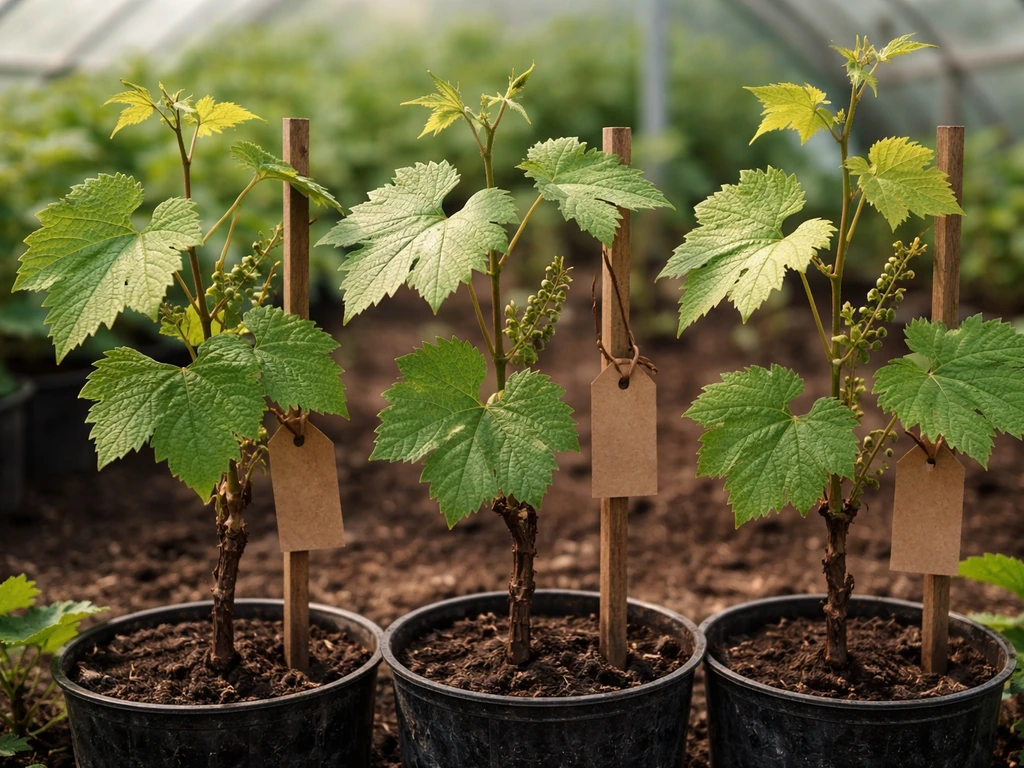
This is probably the most important decision you'll make. Standard European wine grape varieties like Chardonnay or Cabernet Sauvignon are not the right choice for Jamaica. They lack the disease resistance needed for humid tropical conditions and will spend most of their life fighting fungal infections. You want disease-resistant hybrids, particularly those with proven resistance to downy mildew, which is the most pressing threat in Jamaica's climate.
| Variety | Type | Downy Mildew Resistance | Other Disease Notes | Jamaica Suitability |
|---|---|---|---|---|
| Aurore | Table/White wine hybrid | Good | Susceptible to bunch rot in very wet conditions | Moderate — better in drier southern sites |
| Muscat Bleu | Table/Blue hybrid | Good | Some susceptibility to coulure; generally good fungal resistance | Good — flavorful, heat-tolerant, manageable |
| Cabernet Cortis | Red wine hybrid | Highly resistant | Sensitive to powdery mildew; resistant to botrytis | Good — strong disease package overall |
| Chambourcin | Red wine hybrid | Good resistance | Relatively resistant across multiple mildew types | Good — one of the more humid-climate friendly reds |
| Edelweiss | White table hybrid | Moderate | Early ripening, good for shorter effective growing windows | Moderate — worth trialing on drier sites |
| Foch (Marechal Foch) | Red wine hybrid | Good | Early ripening, performs in a range of humid climates | Good — reliable for home growers |
For a first-time Jamaican grower, Muscat Bleu or Chambourcin are probably the most practical starting points. Muscat Bleu gives you genuinely good fruit for eating and makes interesting wine, and its fungal resistance package is strong. Chambourcin has a good track record in humid climates and is forgiving for beginners. If you want to focus purely on table grapes for fresh eating, look for any locally available seeded or seedless tropical-adapted cultivars, sometimes sold through agricultural suppliers in the region, as they may carry adaptations to Caribbean humidity that imported hybrid varieties don't.
Wine grapes are a realistic goal in Jamaica but require more intensive disease management than table grapes. Wikipedia's profile for the Aurore grape notes that it is early ripening and has good resistance to downy mildew, while also reporting susceptibility to certain other disease hazards such as bunch rot-related problems blank" rel="noopener noreferrer">disease-resistant hybrids. If you're just starting out, table grapes are the lower-frustration entry point. You can always expand into wine varieties once you have a feel for how vines behave in your specific site.
Planting setup and choosing your layout
Containers vs ground planting
Container growing is a genuinely smart entry point for Jamaican conditions, especially if you're in a wetter zone or have heavy clay soil with drainage problems. A large container (at least 20 to 30 gallons) filled with a fast-draining mix gives you control over moisture levels that you simply don't have in the ground. You can move containers under cover during the worst of the wet season downpours, dramatically cutting disease pressure. The trade-off is that container vines need more frequent watering and fertilizing, and they won't reach the same long-term size and yield as a well-established in-ground vine.
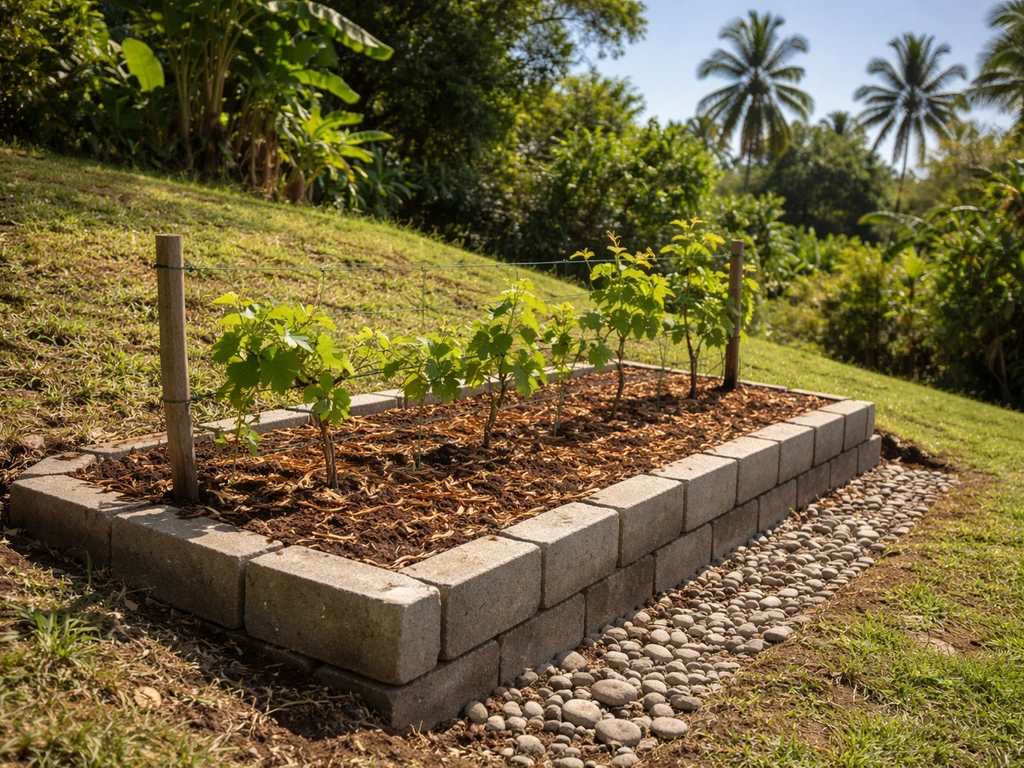
For in-ground planting, the best sites in Jamaica are sloped or raised areas where water drains away naturally. Avoid flat areas with compacted soil or clay layers close to the surface. If your soil is naturally well-draining and you're in a relatively drier part of the island, in-ground planting is absolutely the right long-term approach.
Spacing
For home gardens, space vines about 6 to 8 feet apart along a row, with rows at least 8 to 10 feet apart if you're planting multiple rows. In Jamaica's warm climate, vines will grow vigorously, so don't crowd them. Good spacing is also your first line of defense against fungal disease because it keeps air moving through the canopy.
Trellising
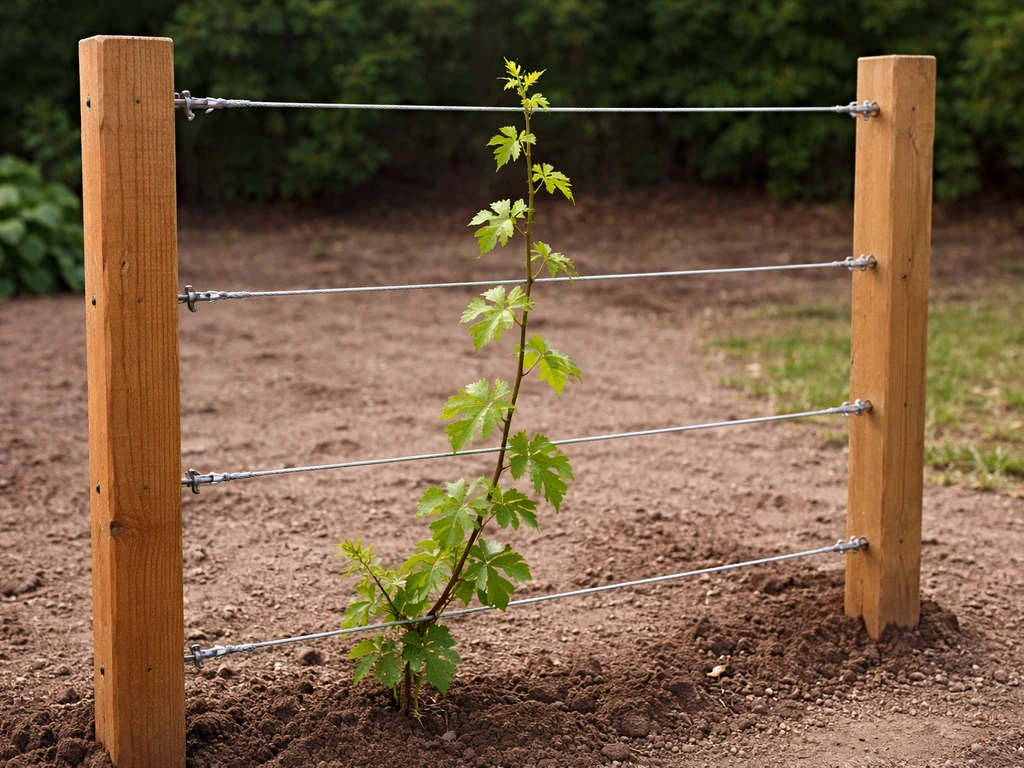
A Vertical Shoot Position (VSP) trellis is the most practical system for home Jamaican growers. You set two to three horizontal wires at increasing heights (roughly 3, 4.5, and 6 feet), train the main trunk up to the lowest fruiting wire, and then manage shoots upward into the wire system above. VSP works with the vine's natural upward growth, keeps the canopy organized and open, and makes disease scouting and spraying much more manageable. The WARC trellising guide explains that positioning the trellis for sunlight exposure also supports bud survival by using “renewal zone” placement on higher wire systems renewal zone placement on higher wire systems. It also maximizes sun exposure on the fruit zone, which matters for ripening.
Use treated wooden posts or galvanized metal posts, as untreated wood will rot quickly in Jamaica's humidity. Set posts at least 2 feet into the ground for stability. For a small home garden setup, even a simple two-wire system strung between sturdy posts will get you started.
Soil prep and fertilizing schedule
Getting the soil right before planting
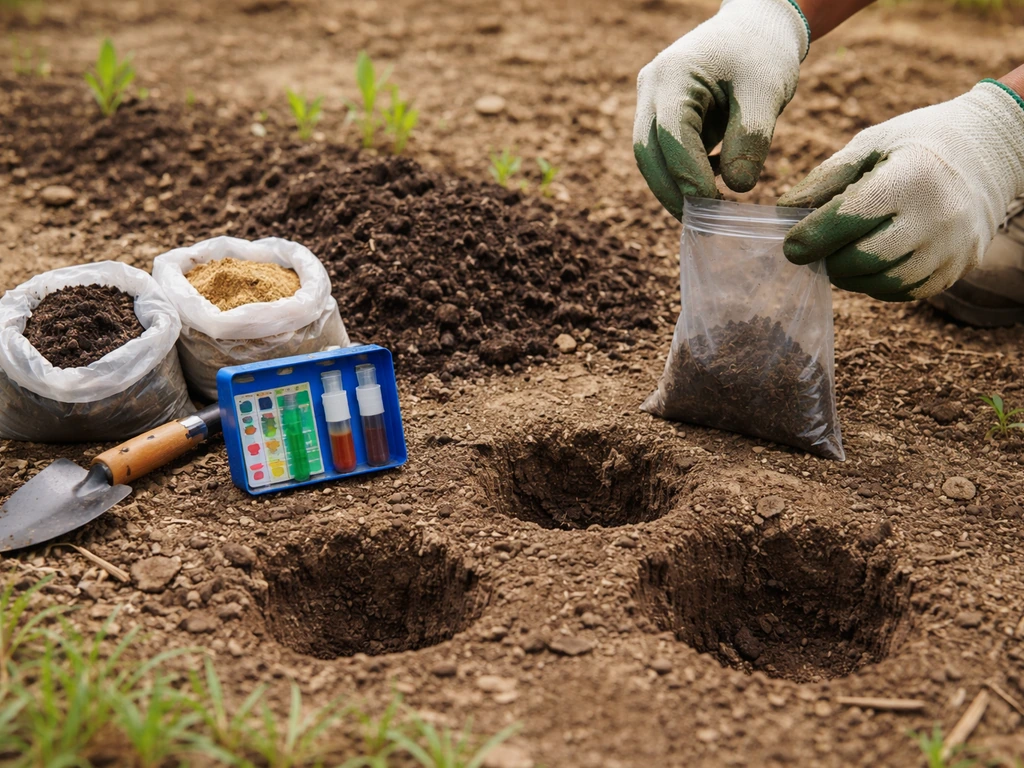
Test your soil before you plant anything. Jamaica's Ministry of Agriculture has actively pushed farmers to test soil pH for good reason: getting pH wrong wastes money on fertilizer and stunts plant performance. Grapes prefer a soil pH between 5.5 and 6.5. Coastal plains in Jamaica often have alluvial loam and clay soils, which can work well for grapes if drainage is adequate. Valley floor residual clays are trickier because they hold water, which is the opposite of what you want.
If your pH is off, lime raises it and sulfur lowers it. Work whatever amendments you need into the top 12 to 18 inches before planting. Add a generous amount of compost at this stage, a few inches worked into the planting area, to improve both drainage in heavy soils and moisture retention in sandy soils. If drainage is a real problem, consider raised beds or mounded rows.
Fertilizing through the season
Nitrogen is the most active nutrient for grape growth, but more is not better. Excessive nitrogen pushes vine vigor at the expense of fruit set and quality, which is a common beginner mistake. Split your nitrogen applications: apply a modest amount at bud break (when new shoots first emerge) and again around bloom or fruit set. For young vines in their first two years, go light and focus on building root structure rather than pushing top growth.
For phosphorus and potassium, let soil test results guide you. Not every Jamaica garden soil is deficient in these, and adding them unnecessarily wastes money and can create imbalances. If you do need potassium, avoid potassium chloride (muriate of potash) because the chloride component can injure grapevines. Use potassium sulfate instead. A balanced slow-release organic fertilizer applied once at the start of the growing season, combined with a mid-season nitrogen boost, is a practical approach for most home growers who don't have access to detailed soil testing.
Care through the year in Jamaica's climate
Watering
During Jamaica's wet seasons, you may not need to water at all. The challenge is actually managing excess moisture rather than providing it. Ensure your drainage is working so roots don't sit in waterlogged soil. During dry spells, especially in the drier south and west of the island, water deeply but infrequently to encourage deep root growth. A deep soak every 7 to 10 days during dry stretches is better than light daily watering. Drip irrigation at the root zone keeps foliage dry, which reduces fungal disease significantly.
Pruning and training
Prune annually when the vine is in its dormant period or lowest growth phase (in Jamaica's near-tropical climate, true dormancy is less pronounced than in temperate zones, but vines do have slower growth periods, typically in the cooler months around January to February). Remove all but the most productive canes, keeping the vine structure clean and open. Remove any flower clusters in the first year entirely, letting the vine put energy into root and cane development. In the second year, allow minimal fruiting. By the third year, you can start managing a real crop.
Train shoots upward into the VSP wire system as they grow. This keeps the canopy from tangling, improves airflow, and makes it much easier to spray for disease. Prune out crowded, crossing, or downward-growing shoots throughout the season. Annual dormant pruning is non-negotiable: vines that aren't pruned will put energy into vegetative growth, crowd themselves, and fruit poorly.
Mulching
A 3 to 4 inch layer of organic mulch around the base of the vine (kept a few inches away from the trunk itself) helps regulate soil moisture, reduce weed competition, and moderate soil temperature. In Jamaica's heat, mulch is particularly valuable for preventing soil from drying out too quickly between rains. Sugarcane bagasse, dried grass clippings, or wood chip mulch all work well. Refresh mulch as it breaks down.
Common problems and fixes for Jamaican growers
Downy mildew
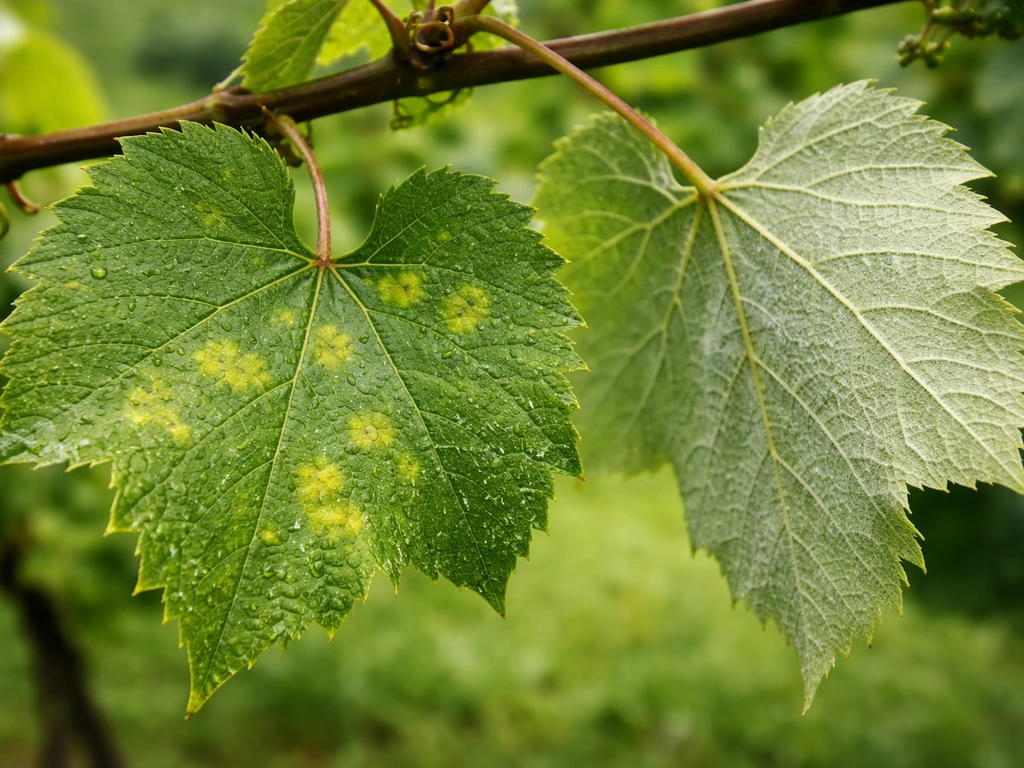
This is your biggest threat. Downy mildew spreads rapidly under warm, humid conditions, exactly what Jamaica delivers for much of the year. Look for yellowish oil-spot lesions on the upper leaf surface and a white cottony growth on the underside. Prevention is far easier than cure. Start copper-based sprays (Bordeaux mix or copper hydroxide formulations) before conditions are favorable, meaning at the start of wet seasons or when shoots are small and new growth is rapid. Keep spraying on a 7 to 14 day interval through wet periods. Choosing resistant varieties like Muscat Bleu or Chambourcin dramatically cuts how often you need to spray.
Powdery mildew
Powdery mildew shows up as a white powdery coating on leaves, shoots, and berries. Unlike downy mildew, it doesn't need wet conditions to spread, it just needs moderate warmth. Sulfur-based fungicides are effective preventatively. Spray timing matters: protect young shoots and developing fruit clusters before infection takes hold. Open canopy management through good pruning and shoot positioning is your cultural defense.
Black rot and botrytis
Both are wet-weather diseases that attack fruit and foliage. Black rot causes dark, shriveled berries. Botrytis (bunch rot) turns fruit to gray mold, especially in dense clusters. Copper-based sprays help with black rot. For both diseases, removing damaged or mummified berries and keeping the canopy open are the most effective management steps you can take.
Pests
Common pests in Jamaica include aphids, mealybugs, and fruit-feeding insects. Birds and bats can become serious problems as fruit ripens. For insects, insecticidal soap or neem oil handles most soft-bodied pests without heavy chemical inputs. For birds, netting clusters as they approach ripeness is the most reliable protection. Inspect vines weekly during the growing season to catch pest issues early.
Heat and sun stress
During exceptionally hot, dry spells, leaves may scorch and berries can sunburn on the sun-exposed side of clusters. If you see this happening, a light shade cloth over the vine canopy during the hottest afternoon hours can help without blocking overall sun exposure. Consistent watering during dry stretches also prevents the most severe stress responses.
Weak growth or delayed fruiting
If your vine is growing slowly or not setting fruit, the most common culprits are poor drainage, wrong pH, over-fertilizing with nitrogen, or insufficient sun. Revisit all four before assuming the vine is a lost cause. Young vines also sometimes just need more time: push through year two with good care and most healthy vines will reward you in year three.
How long it takes and what success looks like
Set your expectations clearly from the start: you're planting a perennial crop, not an annual vegetable. Year one is about establishment. The vine will grow, but you want it putting energy into roots and a strong trunk, not fruiting. Remove any flower clusters that appear in year one. Year two, your vine will grow more vigorously and you might allow a small amount of fruit to develop, but don't push it. Year three is when most home growers see their first meaningful harvest, and this is the realistic baseline.
Full production takes longer. A mature grapevine typically doesn't reach its peak yield potential until around year five or six. But a year-three harvest, even a modest one, is a real achievement and gives you firsthand experience with how your variety performs in your specific Jamaican site. That information is invaluable for fine-tuning your care approach going forward.
What does success look like at harvest time? Ripe grapes in Jamaica will typically develop their full color, soften slightly, and taste sweet rather than sharp. Taste-test regularly in the weeks before expected ripeness. Sugar levels rise and acidity drops as grapes ripen, and your palate is an excellent instrument for tracking that. Don't rush the harvest: letting grapes fully ripen on the vine always produces better flavor than picking early.
Your next steps to get started
If you're ready to move forward, here's how to use what you've read above to actually start:
- Identify your site: Walk your property and find the spot with the most sun, best air movement, and best natural drainage. If you're in a wetter or inland area of Jamaica, consider starting with a large container.
- Get a soil test: Contact Jamaica's Ministry of Agriculture or a local agricultural extension office to get your soil pH and nutrient profile. This single step will save you money and frustration.
- Choose your variety: Start with Muscat Bleu, Chambourcin, or another disease-resistant hybrid suited to humid conditions. Avoid standard Vitis vinifera cultivars until you have experience with how your site handles disease pressure.
- Build your trellis before you plant: Set posts, string wires, and have the structure ready so your vine has something to grow into from day one.
- Source your vine: Look for certified or disease-free planting material. A bare-root or potted vine from a reputable nursery or agricultural supplier is a much better starting point than a cutting from an unknown source.
- Plan your disease spray calendar: Know when Jamaica's wet seasons arrive and have copper-based spray materials ready before conditions get favorable for fungal disease. Being proactive beats being reactive every time.
- Keep records: Note planting date, variety, what you spray and when, and how the vine responds. This becomes your most valuable resource in year two and beyond.
Growing grapes in Jamaica is a real, achievable project for a committed home gardener. Some people wonder is grape a tropical fruit, but grapes are grown more for sun, drainage, and disease management than for a specific climate label. It is not effortless, but it is not impossible either. The growers who succeed are the ones who pick the right variety, give the vine a well-drained sunny site, stay consistent with disease prevention, and have the patience to let the vine establish properly. You can apply the same grape-growing logic to Trinidad as well can grapes grow in trinidad. Do those things and you will be harvesting your own grapes within three years.
FAQ
Can grapes grow in Jamaica if I live inland, in a wetter or mountainous area?
Yes, but plan for heavier disease pressure than drier regions, and choose a variety with downy mildew resistance. Many success failures come from trying classic wine grape cultivars (for example Cabernet-type) in low, humid spots where leaves stay wet overnight. If you must grow in a wetter inland area, prioritize container or raised beds plus strict canopy airflow (wider spacing, VSP training, and aggressive removal of crowded shoots).
Are European wine grape varieties like Cabernet or Chardonnay realistic for Jamaica home gardens?
They can, but you will usually struggle with fruit set and flavor if you use standard Vitis vinifera varieties without resistant genetics. In practice, most growers in Jamaica who get reliable fruit start with hybrid or locally adapted cultivars, then only expand into wine-focused grapes after they learn their microclimate’s disease rhythm. Expect more monitoring and more pruning, even with resistant plants.
How long will it actually take to get grapes in Jamaica, from planting to harvest?
Expect a realistic “first crop” in about 3 years, but the vine may look healthy earlier. Year one is mainly establishment, you remove flower clusters, year two may allow only a small amount of fruit, and year three is when harvest becomes meaningful. Full, repeatable production is commonly closer to year five or six, especially if you start with a slower-growing site.
Is container growing a good option in Jamaica, and what are the main tradeoffs?
Yes, if you manage three things carefully: drainage, airflow, and moisture control. In containers you can move under cover during the worst downpours, which can greatly reduce leaf wetness. Use a large container (20 to 30 gallons or more), a fast-draining mix, and drip irrigation so the foliage stays dry. The tradeoff is you will fertilize and water more often than in-ground vines.
How should I water grapes in Jamaica during rainy season versus dry spells?
For Jamaica, the most important “watering mistake” is keeping roots wet for too long. During wet seasons you may not need extra watering, but you still must confirm drainage is working so the root zone does not stay waterlogged. During dry spells, water deeply and infrequently (a thorough soak every 7 to 10 days) rather than small daily amounts that keep the surface damp and increase disease risk.
How do I know when to pick grapes in Jamaica for the best sweetness and flavor?
Both are possible, but failure often comes from harvesting too early. Ripe grapes typically develop full color, soften a bit, and taste sweet instead of sharp, and sweetness and acidity change quickly in the last weeks. Taste-test regularly on clusters you plan to keep, and avoid picking on a strict calendar if rain or heat shifts your ripening timeline.
My grapevine is growing slowly or not producing. What should I troubleshoot first in Jamaica?
Common first-year culprits are wrong pH, poor drainage, insufficient sun, and too much nitrogen. If vines are slow or don’t set fruit, re-check those four before blaming the variety. Also remember that young vines sometimes just need more time, so removing flowers in year one and not pushing fruiting in year two can prevent long-term setbacks.
When should I begin disease sprays in Jamaica, and how do I avoid missing the critical window?
Start copper-based protection before wet conditions really ramp up, and focus on protecting new growth because it develops fast. Many growers miss the window after pruning, when fresh shoots are tender and the disease pressure in Jamaica’s wet seasons is high. Pair spray timing with cultural controls, like open canopy training and scouting at least weekly.
How do I handle birds and common pests without overusing chemicals in Jamaica?
Bird and small insect pressure can spike right as fruit starts coloring. The most reliable bird method is netting clusters as they approach ripeness, not after fruit is already mostly ripe. For soft-bodied insects, use insecticidal soap or neem oil early and repeat as directed, since infestations often start on tender new shoots.
Can I use shade cloth if my grapes get sunburn during hot dry spells in Jamaica?
Yes, but keep it targeted. If leaves scorch or you see sunburn on the side of clusters facing intense afternoon sun, use light shade cloth during the hottest hours while still allowing morning light and enough airflow. Do not use heavy shade all day, because too little light reduces sugar buildup and makes canopy conditions more disease-friendly.