
Yes, grapes can grow in tropical countries, but you need to be honest about what that actually means. You are not going to plant a classic European wine grape, ignore it for a season, and pull in a harvest. Tropical heat, relentless humidity, and heavy rainfall create real obstacles, especially around fruit set and fungal disease. But with the right varieties, a smart site, and a few non-negotiable care habits, home gardeners across the tropics, including places like Jamaica, Trinidad, and other Caribbean islands, are absolutely growing grapes and getting fruit. The key is knowing which rules to follow and which assumptions to throw out.
Can Grapes Grow in Tropical Countries? A Practical Plan
Marcus Whitfield
5 Jul 2026
How tropical conditions actually affect grapevines
Grapevines evolved in Mediterranean climates: hot dry summers, cool wet winters, and a cold dormant period in between. The tropics flip almost every one of those conditions. Understanding exactly where the friction points are will save you a lot of frustration before you plant a single vine.
Heat at bloom time is the sneaky problem
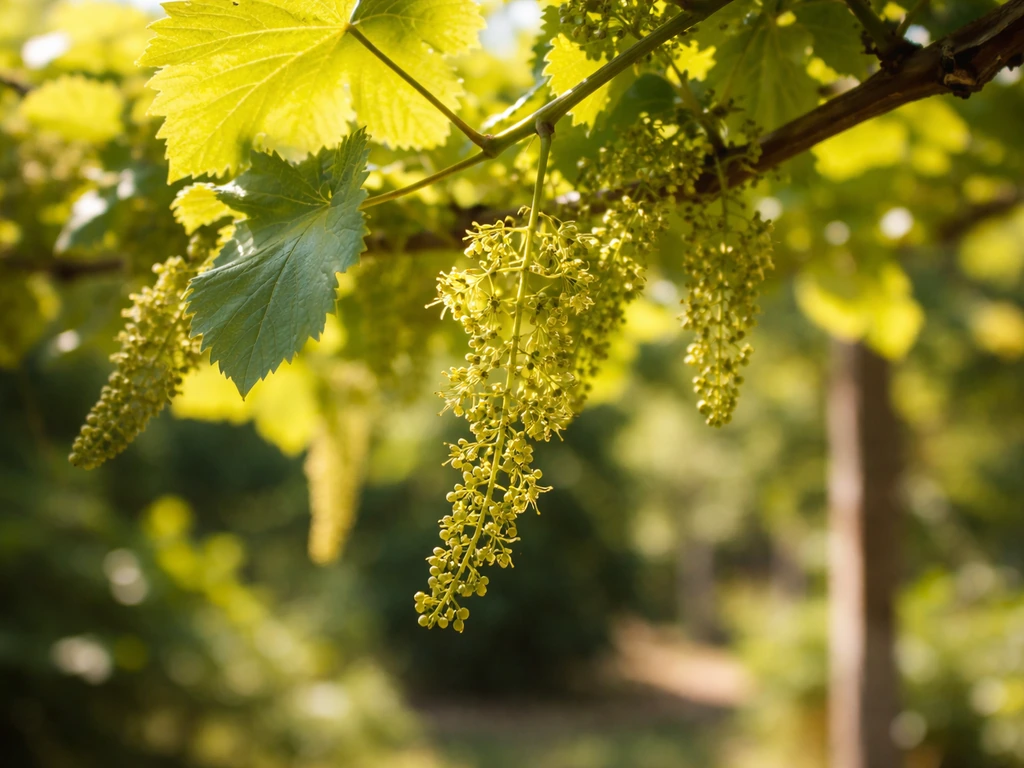
The biggest surprise for new tropical growers is not overall heat, it is heat during flowering. When temperatures push above 32°C (90°F) while the vine is blooming, pollen development and fertilization are compromised. Flowers can literally drop off the cluster before setting fruit, a problem called shatter or coulure. Water stress during this window makes it worse, because a vine that is thirsty right at bloom will sacrifice its flowers. You can end up with a bunch of tiny, shot-like seedless berries instead of a proper grape cluster, and that is a heartbreaking result after months of work.
The chilling hours gap
Standard Vitis vinifera varieties (the classic European wine grapes) need somewhere between 150 and 1,200 chilling hours, meaning hours spent between 32 and 45°F, to break dormancy properly and push new growth on schedule. Most tropical locations provide essentially zero of those hours. Without that cold signal, vinifera vines often grow erratically, produce weak shoots, and fail to set fruit reliably. This is not a deal-breaker for every grape type, but it does mean you should not start with a Cabernet Sauvignon cutting and expect good results.
Humidity and disease pressure
In the tropics, you are essentially giving fungal diseases a perfect home. Downy mildew thrives in temperatures between 55 and 86°F combined with humidity near 95 to 100 percent and leaf wetness, conditions that describe a typical tropical morning. Powdery mildew is most efficient around 85 percent relative humidity. In a dense canopy with poor airflow, both diseases can spread from first spore to full defoliation in under two weeks. This is not exaggeration; it is why disease prevention has to be built into your system from day one, not treated as a crisis response.
The evergreen advantage
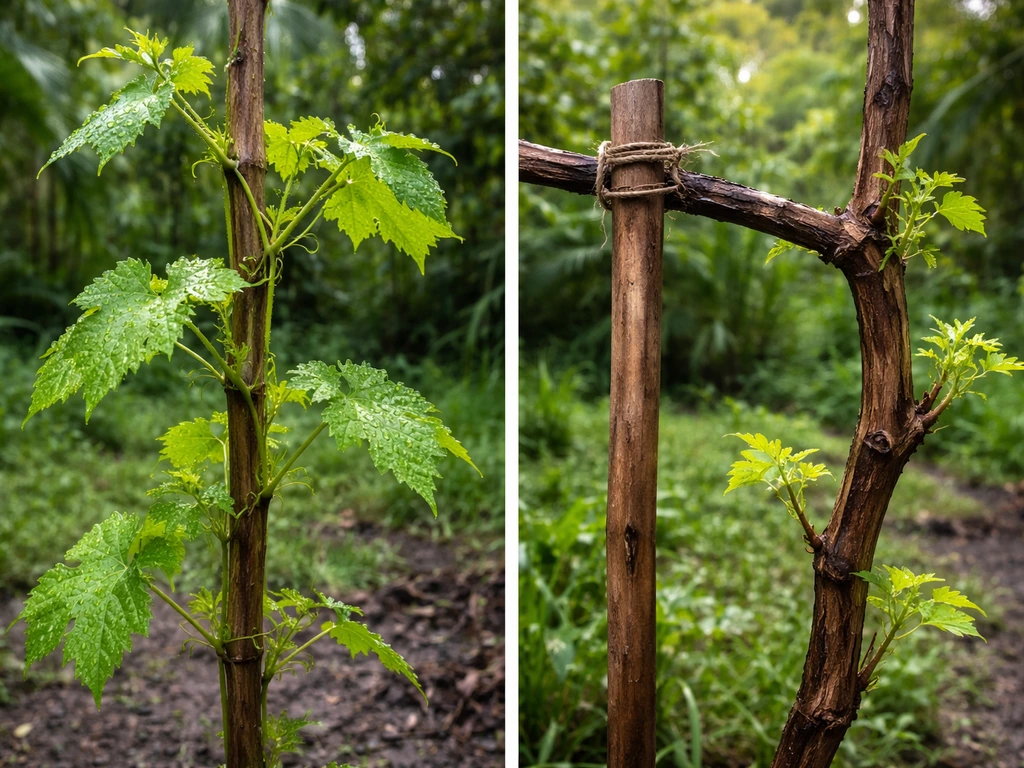
Here is the good news. In a wet lowland tropical climate, grapevines do not go fully dormant the way they do in temperate zones. They grow continuously, which actually gives you a tool to work with. By controlling when you prune, you can trigger a new growth cycle and time your harvest to land during the coolest, driest part of your local year. That is the core management strategy for tropical grape growing, and it works.
Choosing the right grape varieties for the tropics
Variety selection is honestly the single most important decision you will make. Pick the wrong one and no amount of good care will save your harvest. Pick the right one and the vine practically meets you halfway.
Muscadine grapes: the tropical-friendly workhorse
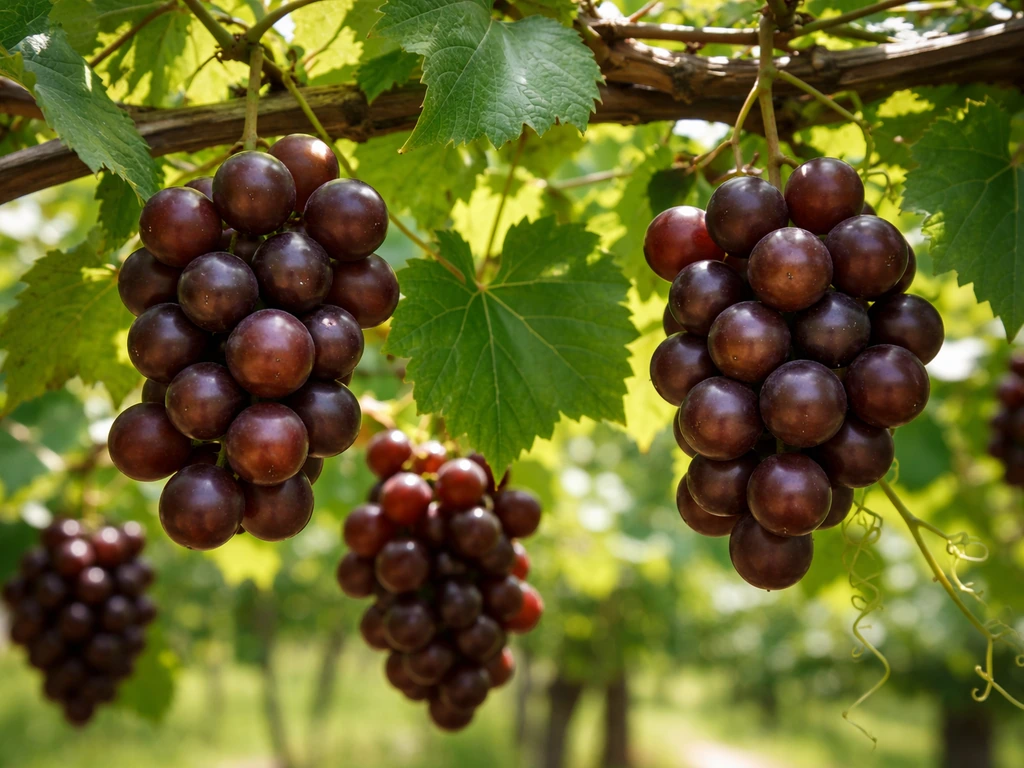
Muscadine grapes (Vitis rotundifolia) are native to the humid southeastern United States and are genuinely adapted to heat and humidity in a way that no European grape ever will be. They have thicker skins, a stronger natural resistance to the fungal diseases that devastate bunch grapes, and they need minimal winter chilling. If you are in a tropical or subtropical location and you want the most forgiving, most reliable path to homegrown grapes, muscadines are your starting point. Good varieties to look for include Carlos, Noble, Ison, and Supreme. They will not give you wine-grape flavors, but the fruit is real, the yield is achievable, and the management is far less demanding.
Heat-tolerant bunch grapes
If you specifically want bunch grapes, look for varieties developed for warm, humid conditions. Brazil has done serious work in this space, and the research on varieties grafted onto IAC 766 rootstock under tropical conditions shows it is possible to get decent yields when the right cultivar meets the right rootstock. Varieties like Niagara Rosada, Isabel, and BRS Cora have performed reasonably well in tropical trials. They are not vinifera prima donnas; they are workhorses bred for tough climates.
In the Caribbean specifically, locally adapted selections and hybrid varieties tend to outperform anything imported from a European or Californian catalog. In Trinidad, you can grow grapes more reliably by choosing tropical-friendly varieties and giving them strong sun, airflow, and disease prevention the Caribbean specifically.
Varieties to avoid (or approach carefully)
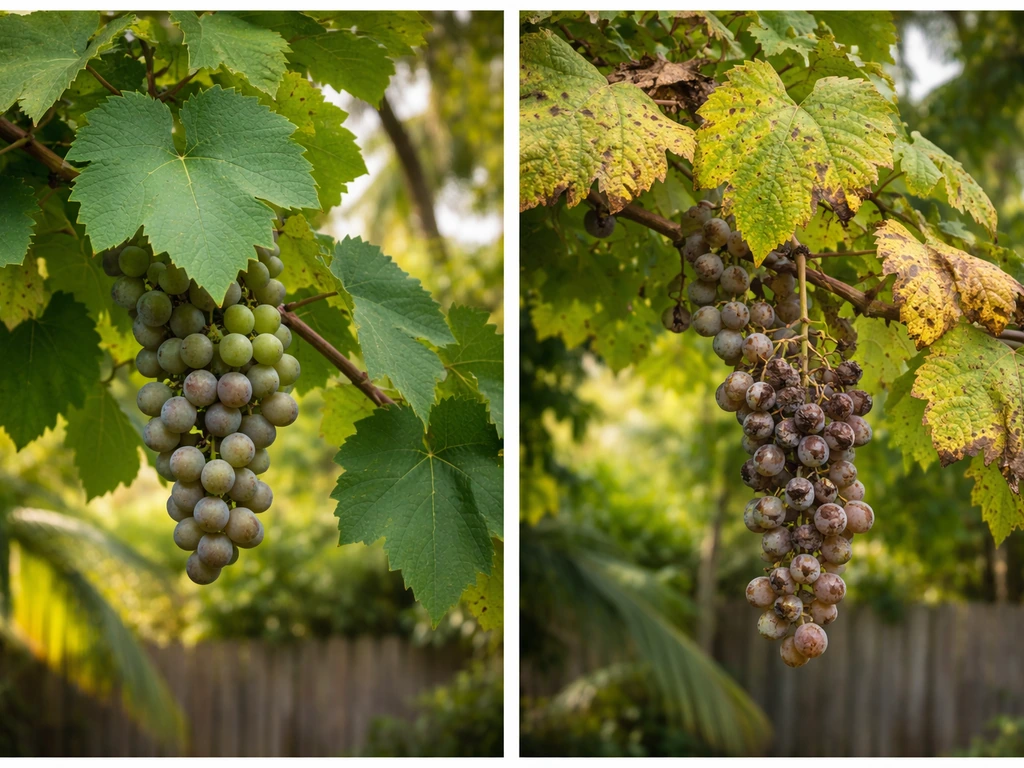
Classic vinifera varieties like Chardonnay, Merlot, Pinot Noir, and Riesling are going to struggle hard in most tropical settings. They have high chilling requirements, thin skins, and almost no natural resistance to downy or powdery mildew. You can try them as an experiment, but go in with low expectations. If you are determined to grow vinifera in a tropical environment, research whether your specific elevation creates cooler nights that could partially substitute for chilling hours, and choose the most disease-resistant vinifera options available.
| Variety Type | Chilling Need | Disease Resistance | Best For Tropics? |
|---|---|---|---|
| Muscadine (V. rotundifolia) | Very low | High | Yes, strong choice |
| Isabel / Niagara / BRS hybrids | Low to moderate | Moderate | Yes, with management |
| American hybrids (Concord, etc.) | Moderate | Moderate | Marginal, elevation helps |
| Classic vinifera (Cabernet, Chard) | High (150–1,200 hrs) | Low | Generally not recommended |
Picking the right spot and creating a useful microclimate
In the tropics, site selection is almost as important as variety. The wrong spot amplifies every problem you already face. The right spot quietly solves several of them for you.
Sun and airflow are non-negotiable
Grapevines need at least six to eight hours of direct sun daily, and in a humid climate that sunlight also does critical work drying off the leaf surface after rain. A vine sitting in partial shade with wet leaves is a disease magnet. Just as important is airflow. A site with consistent gentle breeze, ideally positioned so prevailing winds move through the canopy rather than being blocked by walls or dense hedges, will reduce leaf wetness dramatically. Research from Cornell consistently points to canopy airflow and light penetration as the primary cultural tools for preventing both powdery and downy mildew. In the tropics, that advice is worth its weight in gold.
Avoid low spots and compacted soils
Waterlogging will kill a grapevine faster than almost anything else. Muscadines, which are otherwise tough, will fail in a site where water stands even briefly after a rain event. Choose a slope or raised bed where water moves away from the root zone quickly. If your ground is naturally flat and poorly draining, you either need to build up a raised planting mound or seriously reconsider the location.
Shade and wind protection: a careful balance
Some partial afternoon shade can actually help in the hottest tropical locations, reducing heat stress on clusters during the critical bloom period. A large tree to the west of your vine that blocks the harshest late-afternoon sun without cutting morning light can be genuinely useful. Strong wind, however, is different from gentle airflow. Sustained strong winds physically damage shoots, tear leaves, and stress the vine at the worst possible times. If your site gets hammered by trade winds or storm exposure, a windbreak on the windward side (set back far enough not to cast shade) is worth considering.
Training, trellising, and whether to go in-ground or in containers
How you physically grow the vine shapes almost every outcome downstream, from disease pressure to fruit set to ease of harvest.
Trellis systems for tropical airflow
A well-designed trellis is not decoration; it is your airflow engineering. The goal is to keep the canopy open, get sunlight into the interior of the vine, and let leaves dry quickly after rain. A simple two-wire T-trellis or a high-wire cordon system works well for tropical home gardens. Train the main cordons along the top wire and keep fruiting shoots hanging down or spread laterally so they are not piled on top of each other. Dense, crowded canopies trap moisture and create the dark, humid microclimate that downy mildew loves. Prune aggressively enough that you can see daylight through the canopy from multiple angles.
In-ground vs. container growing
For most tropical home gardeners, in-ground planting in well-drained soil is the better long-term setup. Grapevines develop deep root systems that help them handle both wet and dry spells, and that depth simply is not available in a container. That said, containers are a legitimate option if your in-ground drainage is genuinely terrible or if you want to experiment with a variety before committing.
Use a large container (at least 15 to 20 gallons), a premium well-draining mix amended with perlite, and be prepared to water and feed more frequently than an in-ground vine. Container vines in the tropics can also be moved to a shadier spot during the absolute peak heat of dry season if needed, which is one real advantage.
Planting timing and what growing season looks like in the tropics
Tropical viticulture does not follow a four-season calendar, and that is actually an opportunity rather than a limitation. Because the vine stays evergreen and grows continuously, you largely get to choose your productive window by deciding when to prune.
The smartest approach is to work backward from the driest, coolest period of your local year. That is when you want your clusters developing and ripening, because lower humidity dramatically reduces disease pressure and the slightly cooler temperatures improve fruit quality. Count roughly 90 to 120 days back from your desired harvest window, and that is when you should prune to trigger the new fruiting cycle.
For most Caribbean and tropical locations, this means pruning at the start of or just before the dry season so that fruit ripens at its end. For initial planting, the start of the rainy season is often practical because the vine gets consistent moisture for establishment, but schedule your first hard pruning for when you want active fruit development to begin.
Do not expect fruit in year one. A newly planted vine needs its first full growing season just to establish roots and build a strong framework. Pushing for fruit in that first year stresses the plant and sets back long-term productivity. By year two, with a well-established vine and properly timed pruning, you should have a genuine shot at your first harvest.
Irrigation, fertilization, and keeping tropical soil on your side
Water and nutrients work differently in a tropical garden than in a temperate one, and the mistakes most beginners make come down to either too much water on the leaves or too much nitrogen in the soil.
Drip irrigation is worth every cent
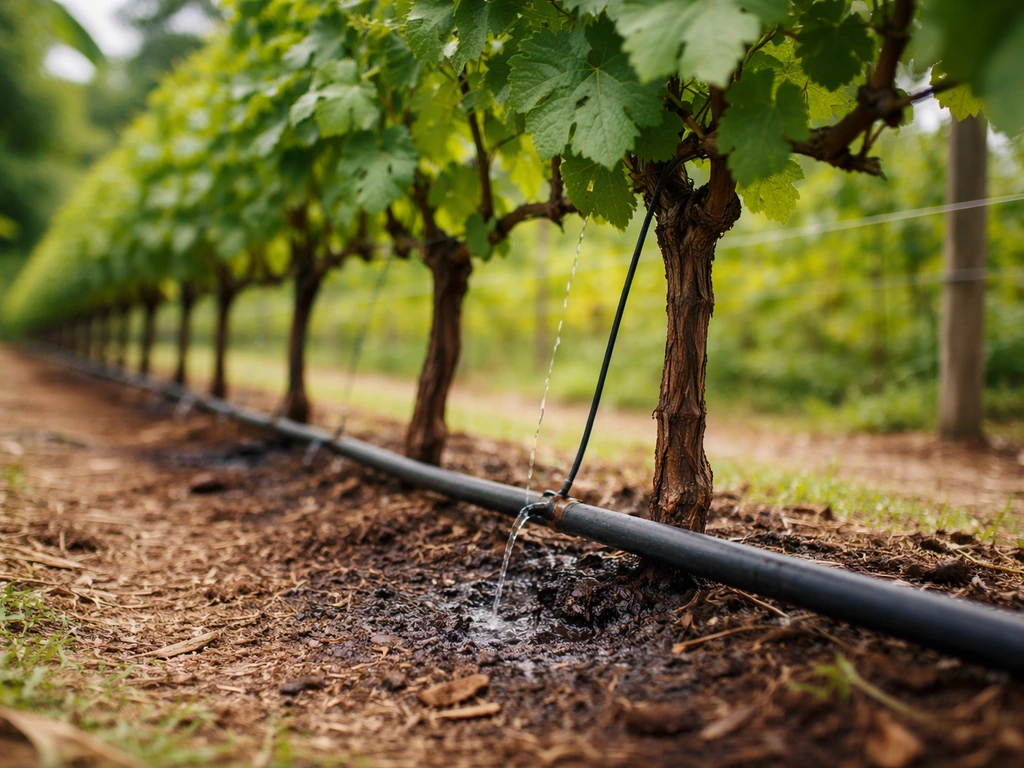
If you use overhead or sprinkler irrigation in a tropical climate, you are essentially watering your fungal diseases as enthusiastically as you water your vine. Drip irrigation delivers moisture directly to the root zone and keeps foliage dry. Research from NC State Extension confirms that drip irrigation significantly reduces foliar disease incidence compared to overhead systems. If drip is not an option and you must water overhead, do it early in the morning so leaves have the maximum time to dry before nightfall. Wet foliage after dark is when downy mildew really goes to work.
Fertilization: less nitrogen, more balance
Tropical soils are often naturally fertile or receive high organic inputs from decomposition, which means you can easily over-fertilize with nitrogen. Too much nitrogen pushes the vine to produce lush, dense vegetative growth at the expense of flowering and fruit set. That dense canopy then traps humidity, inviting every fungal disease on the list. Feed lightly with a balanced fertilizer during early growth, shift toward lower-nitrogen, higher-potassium formulas as the vine approaches bloom, and hold off on heavy feeding during the fruiting period. Compost worked into the soil before planting is a better base than frequent liquid nitrogen feeds.
Soil drainage is not optional
In high-rainfall tropical zones, even naturally good soil can become compacted and waterlogged over time. Incorporate organic matter like compost or aged bark to improve structure, and consider a light mulch layer around the base of the vine (not touching the trunk) to moderate soil temperature and reduce splash-up of soil-borne pathogens onto lower leaves. Check drainage at your site with a simple test: dig a hole about 12 inches deep, fill it with water, and see how long it takes to drain. If water is still sitting after an hour, you need to either amend aggressively or raise your planting bed.
Pests, diseases, and keeping fungal problems from taking over
This is where tropical grape growing genuinely demands more attention than growing grapes in a temperate climate. The disease pressure is higher, the conditions are more consistently favorable for pathogens, and a week of inattention can turn a healthy vine into a mess. Prevention-first thinking is the only approach that works.
Downy mildew: your biggest ongoing threat
Downy mildew (Plasmopara viticola) is the disease most likely to devastate an unmanaged tropical vineyard. It needs high humidity around 95 to 100 percent, moderate temperatures in the 55 to 86°F range, and leaf wetness to complete its infection cycle. In the tropics, those conditions occur almost every night during the rainy season. Symptoms show up as yellowish oily patches on the upper leaf surface and white cottony growth underneath.
The cultural prevention toolkit is straightforward: maximize airflow through the canopy with aggressive pruning, avoid overhead watering, orient your trellis to take advantage of prevailing breeze, and never let leaves stay wet longer than necessary. Cornell extension advises applying protectant treatments when nighttime temperatures are above 60°F during rainy periods, which in the tropics is basically always, so regular protective applications timed before rain events are standard practice.
Powdery mildew: the dry-weather companion disease
Powdery mildew (Erysiphe necator) is most efficient at around 85 percent relative humidity and does not actually need free water on the leaf the way downy mildew does. It shows up as a grayish-white powdery coating on leaves, shoots, and clusters, and it hits hardest near bloom when the tissue is most susceptible. The same canopy management that helps with downy mildew works here too: open up the vine, let light in, and improve air circulation. Cluster-zone leaf removal, where you pull leaves immediately around the fruiting zone, is one of the most effective and underused practices for reducing both diseases simultaneously.
Other common pests and problems
- Grape leafhoppers and mealybugs: both are more common in warm climates; a dense canopy encourages populations, so open training is your first defense. Insecticidal soap handles early infestations well.
- Pierce's disease: transmitted by sharpshooter insects and incurable once established; it is especially a concern in lowland tropical environments. Choosing disease-resistant rootstocks and varieties, including those with known resistance genetics, is the only reliable protection.
- Anthracnose and Botrytis bunch rot: both thrive in wet conditions around ripening fruit; improving cluster airflow and timing your harvest to the dry season are the best cultural responses.
- Ants and birds: both will target ripe fruit aggressively; simple physical barriers and harvest timing adjustments are usually enough for home-scale gardens.
A simple prevention-first spray approach
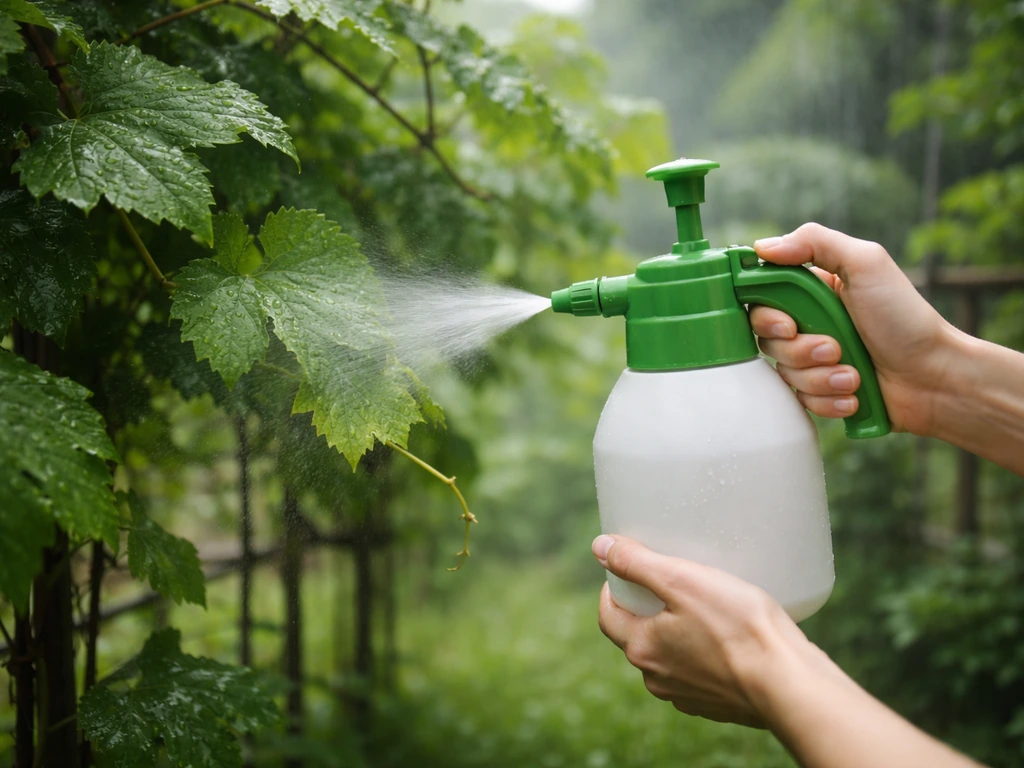
For a home garden in the tropics, think in terms of protective applications before rain events rather than curative sprays after infection. Copper-based fungicides (copper hydroxide or copper sulfate) applied before rainy periods provide broad-spectrum coverage against downy mildew and several bacterial issues. Sulfur-based products address powdery mildew. Rotate between active ingredients to avoid resistance buildup, and make sure your spray actually penetrates the canopy, both top and undersides of leaves. A vine with a dense canopy that blocks your spray from reaching the interior is a vine that will lose the disease battle no matter what product you use. Timing applications around the rain forecast rather than the calendar is the shift that makes the biggest practical difference.
Realistic expectations and your next steps to get started
Grapes in the tropics are not a set-it-and-forget-it crop, but they are genuinely achievable for an engaged home gardener. If you are wondering whether is grape a tropical fruit, the key point is that many grape types can be grown in warm regions with the right variety and management homegrown grapes. Here is an honest picture of what to expect and a concrete sequence to get started.
What success realistically looks like
In year one, your job is establishment, not harvest. A healthy vine with good root development and a clean, well-structured framework is a year-one win. In year two, after your first timed pruning, expect modest clusters and use the season as a learning experience for your local disease calendar. By year three, a well-managed vine in a good site with the right variety should be producing meaningful harvests.
Muscadines and heat-tolerant hybrids will get you there more reliably than vinifera. Also understand that in the Caribbean and similar tropical settings, your grapes will taste different from what you find in a supermarket from a temperate country: the flavor profile reflects your climate, your soil, and your variety, and that is not a failure. It is just tropical viticulture.
Your action list for getting started today
- Identify your local dry season and work backward 90 to 120 days to determine your pruning date. That is your target management window.
- Choose a muscadine variety or a locally adapted heat-tolerant hybrid as your first planting. Avoid classic vinifera until you have one successful season under your belt.
- Evaluate your planting site for drainage using the hole-and-water test, and confirm you get at least six hours of direct sun with reasonable airflow.
- Set up a drip irrigation line before you plant, not as an afterthought. This single step reduces your disease workload significantly.
- Build or install a simple two-wire trellis before the vine needs it. Having the structure ready lets you train from the start rather than correcting bad habits later.
- Source copper and sulfur fungicide products locally and decide now to apply them preventively before rainy periods rather than reactively after disease appears.
- Plan to spend about 30 minutes per week in the first season just observing: check the undersides of leaves, look for yellowing or powdery patches, and note what conditions preceded any problems.
- Connect with other tropical grape growers in your specific country or island. Growing grapes in Jamaica, Trinidad, or elsewhere in the Caribbean each comes with its own microclimate quirks, and local knowledge about timing and variety performance is genuinely irreplaceable.
The honest truth is that growing grapes in the tropics asks more of you than growing them in a temperate climate, but the core requirements are no different: right variety, good drainage, open canopy, and consistent disease prevention. Nail those four things and you have a real shot at homegrown grapes in a climate where most gardeners assume it cannot be done.
FAQ
If my tropical country is hot, does elevation or cooler nights make vinifera grapes possible?
Yes, but “tropical” is not one category. If your location has warm days but noticeably cooler nights (often at higher elevations), chilling needs for some vine types can be partially met. Still, don’t assume night cooling will fix everything, because heat stress during bloom can still prevent fruit set.
Can I grow grapes in the tropics from cuttings, or should I buy grafted plants?
Start with a rootstock and variety known for warm, humid climates, and avoid relying on a cold dormancy signal. In practice, many tropical growers get better consistency by using muscadines or warm-climate bunch grape selections first, then experimenting with vinifera only after you learn your local disease and bloom-window behavior.
Which grape types will give me the best chance of fruit the first few years in a tropical climate?
Muscadines are generally the fastest path to fruit because they tolerate heat and humidity better and require minimal winter chilling. If you want bunch grapes, pick warm-humid adapted cultivars and plan your pruning to target the driest, coolest stretch, otherwise flowering may still fail from heat and humidity.
What should I focus on in year one if I want fruit as soon as possible?
After planting, focus on vine structure and root growth, not cluster production. Many beginners push hard pruning too early or too often, then wonder why growth gets lush but bloom never arrives. A better approach is a conservative framework year, then timed pruning aligned to the start of dry-season development (or the end of rainy-season disease pressure).
How do I water grapes in the tropics without causing mildew?
Overhead watering is the common trap, especially if sprinklers run late in the day. If you must use overhead irrigation, water early morning and manage so leaves dry quickly. Also, avoid watering the canopy during bloom, because wet flowers plus high humidity increases shatter and disease risk.
How much fertilizer should I use for grapes in tropical soil?
Fertilize lightly and time nutrition to growth stages. Excess nitrogen is especially problematic in humid tropics because it drives a dense canopy that traps moisture, increases mildew pressure, and can delay or reduce flowering. Use compost as a base, then shift toward lower-nitrogen, higher-potassium feeding as bloom approaches, while avoiding heavy feeding during fruiting.
My backyard floods after rain sometimes, can I still grow grapes there?
A soil drainage “slow test” is useful even if the yard looks fine. If water from a 12-inch deep hole is still present after about an hour, you likely need raised beds or amended structure. Container growing can help you experiment when you cannot fix drainage quickly.
Is it good to give grapevines afternoon shade in tropical climates?
Not automatically. In the tropics, partial afternoon shade can reduce heat stress on clusters during the most intense part of the day, but shade plus humidity can worsen mildew if airflow is poor. The practical check is whether leaves and clusters dry quickly after rain, if not, adjust location, trellis openness, or prune harder.
Do I need wind protection or is airflow enough in the tropics?
Yes, but do it carefully because “strong wind” is not the same as “airflow.” Use gentle, consistent ventilation as the goal, and protect from storm exposure with a windbreak placed so it does not cast constant shade. For example, you can set a windbreak on the windward side with enough setback to keep morning light and canopy drying.
What’s the best schedule for mildew prevention in a tropical region with constant rain?
You will usually need both seasonal timing and year-round discipline. Practical disease control starts before rainy periods, with protectant sprays timed to forecasts, and it depends on canopy access so products reach leaves and cluster zones. If you miss key pre-rain applications during peak humidity weeks, curative results are often limited.
How much pruning or leaf removal is safe for grapes in humid tropical weather?
Leaf removal around the fruiting zone can help, but don’t strip so aggressively that you scorch clusters or remove too much leaf area needed for ripening. The target is opening airflow and light penetration near the bunches while maintaining enough foliage elsewhere for photosynthesis and stable flavor development.
Can container growing work for grapes in tropical climates if my soil drainage is poor?
Yes, and it helps you learn faster. Container vines can be moved to manage the most stressful periods, such as shifting to a slightly shadier spot during extreme heat waves, while still keeping enough sun for drying and growth. Choose a large container and a genuinely draining mix, and expect more frequent watering and feeding than in-ground plants.