
Yes, you can grow grapes in Hawaii, but your success depends heavily on which island you're on, what elevation you're at, and which varieties you choose. If you are wondering about the same question in a different state, you can also grow grapes in Mississippi with the right variety choice and site setup grapes in Hawaii. Hawaii is not a traditional grape-growing region, but it is absolutely not a dead end either.
Can You Grow Grapes in Hawaii? How to Do It
Marcus Whitfield
13 May 2026
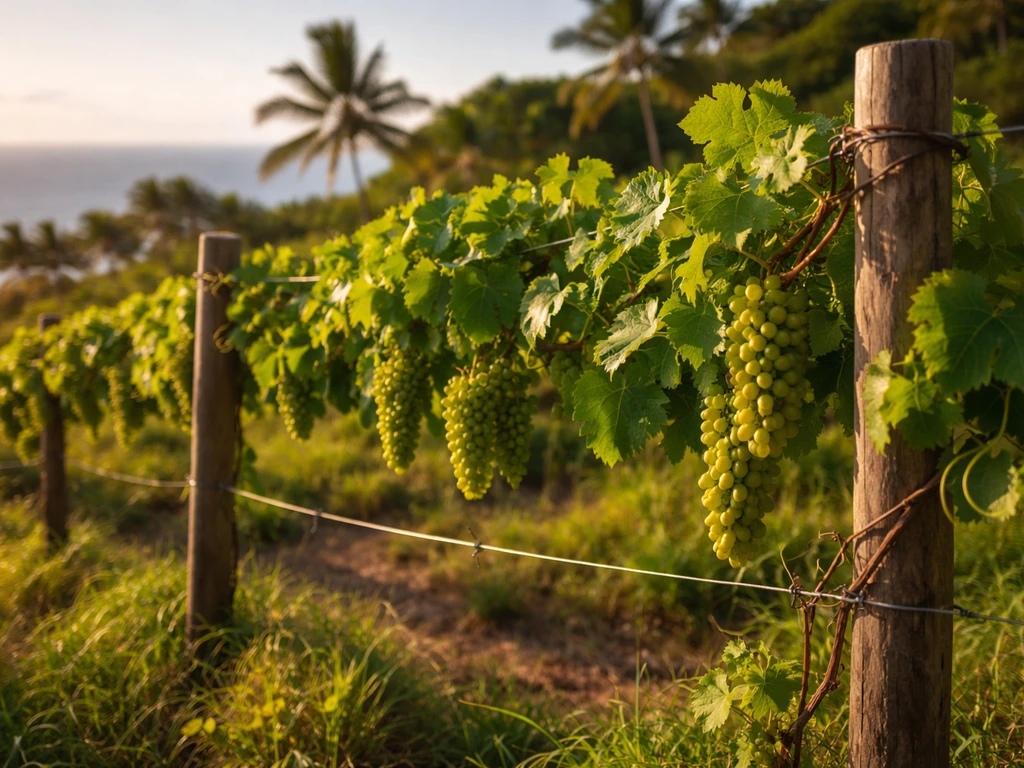
Trials run through the University of Hawaii's CTAHR program have evaluated grapes on Hawaii Island and in Honolulu, and home gardeners across multiple islands have fruited grapes successfully. The key is treating Hawaii's climate as a set of puzzle pieces: heat-tolerant and humidity-tolerant varieties, good drainage, serious airflow, and a willingness to manage fungal pressure. Get those right and you have a real shot at fruit within two to three years.
You can apply the same basic thinking to Iowa too, but your cold winters and frost timing will be the deciding factors for whether grapes establish and fruit can you grow grapes in iowa.
So, Can Grapes Actually Grow in Hawaii (and Where)?
The short version: grapes grow best in Hawaii's drier, sunnier, lower-humidity microclimates. The Kona side of Hawaii Island is probably the most talked-about location, and CTAHR has conducted variety trials there specifically. Parts of Maui's upcountry, the leeward sides of Oahu, and drier valley pockets on Kauai can also work. What you want to avoid is planting on the windward (wet, rainy) side of any island where humidity stays high year-round and airflow is limited. That's a recipe for fungal disease that will overwhelm even a healthy vine.
Hawaii doesn't have a winter dormancy period the way mainland states do, which creates a real wrinkle. Grapes are deciduous and evolved to go dormant in response to cold. In Hawaii's frost-free environment, you have to work with that biology rather than against it. Some growers use mild stress techniques like reducing water in a dry season to push semi-dormancy, then pruning to trigger new growth and a fruiting flush.
It's not as automatic as growing grapes in Indiana or Washington State, where cold winters do that work for you, but it's very manageable once you understand the rhythm. If you are instead trying to figure out can you grow grapes in Indiana, start by matching the right cold-hardy varieties to your winters and growing season length growing grapes in Indiana.
Island and Microclimate Considerations
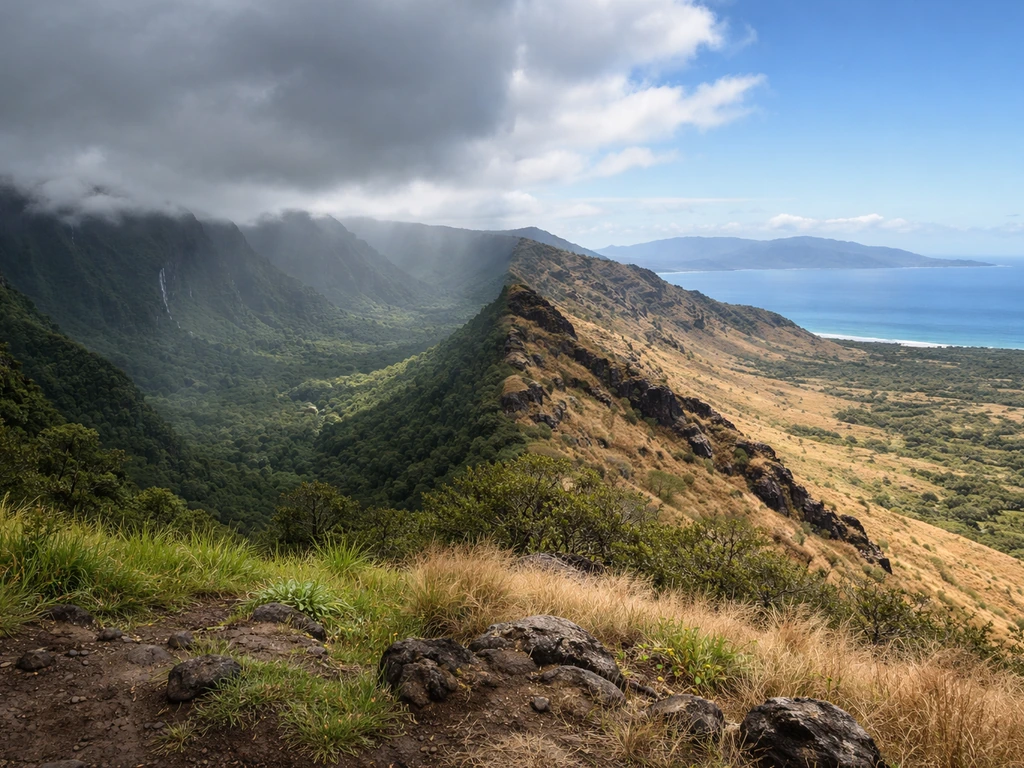
Hawaii's islands are not uniform environments. The windward sides receive heavy rainfall, sometimes 100 or more inches per year, while the leeward sides can be semi-arid. Elevation changes everything too: above about 2,000 feet on Hawaii Island you get cooler nights, lower humidity, and better conditions for inducing dormancy. Upcountry Maui around Kula, which sits between 1,500 and 3,000 feet, offers similar advantages. If you're in a coastal, sea-level location on the windward side of any island, you're fighting constant humidity, salt wind, and episodic heavy rain, all of which stress grapevines and invite disease.
Sun is generally not your limiting factor in Hawaii. Grapes want full sun, at least six to eight hours a day, and most of Hawaii's leeward and mid-elevation sites deliver that easily. Wind is a bigger concern. Strong trade winds desiccate young shoots, tear leaves, and damage fruit clusters.
If your site gets hammered by trade winds, you'll need a windbreak on the upwind side, whether that's a fence, a hedge, or a row of taller plants set back from the vineyard. Rainfall management and irrigation access matter enormously too. If your dry season is genuinely dry, you need drip irrigation in place before you plant. If you're in a location that gets rain year-round, you need excellent drainage above everything else.
Choosing the Right Grape Varieties for Hawaii
This is where a lot of Hawaii gardeners go wrong. They order classic Vitis vinifera wine grapes like Cabernet Sauvignon or Chardonnay, the ones you see on every wine label, and then watch them struggle and die from downy mildew within a season or two. Vinifera types are genuinely more susceptible to downy mildew than American-type and hybrid varieties, and Hawaii's humidity creates exactly the warm, wet conditions that pathogen loves. Start with that baseline understanding before you even look at a catalog.
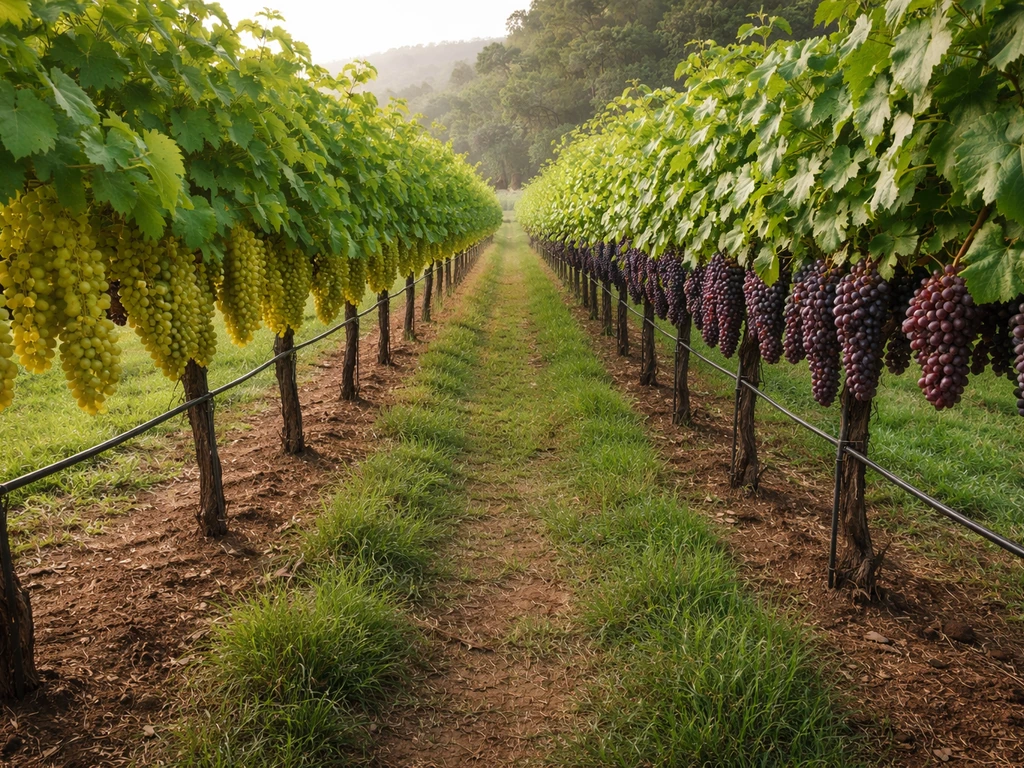
For table grapes, Concord and Niagara (both Vitis labrusca types) have been evaluated in Hawaii's conditions and show better disease tolerance than pure vinifera. Muscadine grapes (Vitis rotundifolia), which are native to warm, humid climates in the American South, are worth serious consideration if you're in a lower-elevation, high-humidity location. Muscadines thrive where standard grapes struggle, and they're used for both fresh eating and winemaking in humid subtropical regions. EMBRAPA-bred hybrids developed specifically for tropical conditions are another avenue worth investigating, and CTAHR has been evaluating some of these types in Hawaii trials.
Table Grapes vs. Wine Grapes in Hawaii
| Category | Best Fit for Hawaii | Disease Tolerance | Notes |
|---|---|---|---|
| Table grapes (V. labrusca) | Mid-elevation, drier leeward sites | Moderate to good | Concord, Niagara evaluated in Hawaii; easier to manage than vinifera |
| Wine grapes (V. vinifera) | Only drier, well-ventilated higher-elevation sites | Poor to moderate | Higher disease pressure; requires strict fungal spray program |
| Muscadine (V. rotundifolia) | Lower-elevation, humid sites; leeward or windward with drainage | Very good | Heat and humidity adapted; fruit in clusters of 6-12 berries on current-year growth |
| Tropical hybrids (EMBRAPA-bred) | Broad Hawaii conditions; trials ongoing | Good | Purpose-bred for tropics; worth sourcing if available through CTAHR or local nurseries |
If you're set on making wine, look into EMBRAPA hybrids or muscadine-based wine options before committing to a full vinifera planting. If you just want to eat fresh grapes off the vine, V. labrusca types or muscadines give you the best odds of actually getting fruit without a PhD-level spray program.
Site Prep and Planting Setup
Drainage is non-negotiable. Grapevines hate wet feet, and Hawaii's soils range from fast-draining volcanic to dense clay-like profiles that hold water. Before you plant anything, observe how your site drains after a heavy rain. If water pools for more than an hour or two, you need to either raise your planting beds, amend deeply, or choose a different spot. Raised beds work well in Hawaii and give you control over soil mix and drainage. A well-draining, slightly acidic soil in the pH range of 6.0 to 6.5 is ideal.
For in-ground planting, dig your planting hole wide rather than deep, about two feet across and 18 inches deep. Amend with compost to improve structure, but don't over-fertilize at planting. Spacing depends on your trellis system: generally 6 to 8 feet between plants for muscadines and American types, with rows set about 10 feet apart if you're doing multiple rows. Plant your vine about one foot from the base post of your trellis to make training easier from day one.
Container growing is a legitimate option in Hawaii, especially for renters, people in rocky or poorly draining spots, or anyone who wants to move plants to capture better seasonal sun. Use a large container, at least 15 to 20 gallons, with excellent drainage holes. Container vines dry out faster, so you'll water more frequently, and they'll need more regular fertilizing. They also make it easier to restrict water in a dry season to push semi-dormancy, which is actually an advantage in Hawaii's year-round warm climate.
Trellising, Training, Pruning, and Spacing Basics
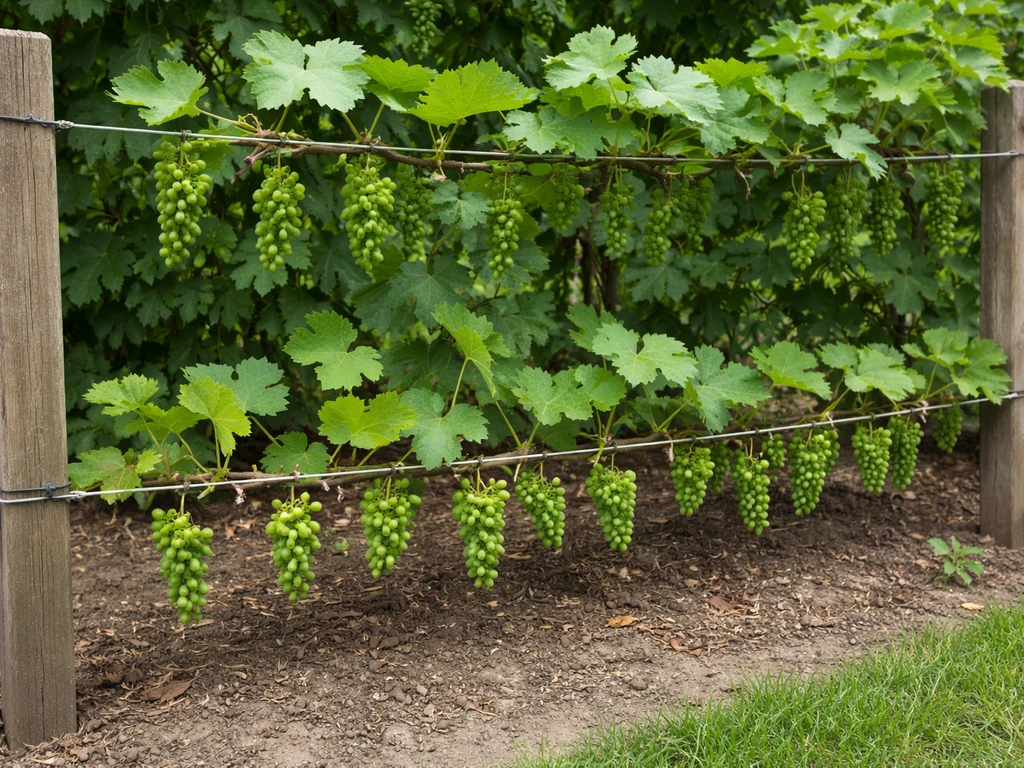
Grapes do not grow well draped over a fence or left to sprawl. They need a deliberate structure that holds fruiting wood off the ground, maximizes airflow through the canopy, and makes pruning and harvesting manageable. In Hawaii, airflow through the canopy is even more critical than in drier climates because a dense, shaded canopy traps humidity and invites mildew. Build your trellis before you plant, not after.
A simple two-wire horizontal trellis works well for home gardens. Set your end posts firmly (at least 2.5 feet deep), run a lower wire at about 3 feet and an upper wire at 5 to 6 feet. For muscadines, which are vigorous growers, a single-wire Geneva Double Curtain or a simple T-trellis helps spread the canopy and improves airflow. For V. labrusca and hybrid types, cane pruning or spur pruning both work depending on the variety. Check your specific variety's preferred pruning method before you establish training, because re-training a mature vine is a frustrating project.
Pruning in Hawaii's frost-free climate is done based on the vine's growth cycle rather than a hard calendar date. The goal is to prune after a semi-dormant or rest period and before the flush of new growth you want to fruit. For muscadines and American types, late winter through early spring pruning (think January through March in Hawaii) works as a starting framework, then adjust based on how your specific vine responds. In year one, cut the vine back to two or three buds after planting. In year two, begin establishing your main trunk and lateral arms. Fruit production typically begins in earnest in year two or three.
Watering and Fertilizing Schedule for Hawaii Conditions
Grapevines adapt to low water but produce significantly less fruit when they're water-stressed during the growing season. Consistent, deep irrigation during active growth is the goal. Drip irrigation is the best approach for Hawaii: it delivers water directly to the root zone, keeps foliage dry (which matters a lot for disease prevention), and can be used for fertigation, which means delivering diluted fertilizer through the drip lines directly to the roots. Fertigation is particularly useful in Hawaii's variable soils, where nutrients can leach quickly in wet conditions or be locked up in highly alkaline volcanic soils.
For a young vine in its first year, water deeply two to three times per week depending on rainfall, then taper off as the vine establishes. Mature vines in Hawaii's drier areas may need irrigation every few days during dry stretches. If you're deliberately trying to push a semi-dormancy period, reduce irrigation during that rest window, then resume when you prune to trigger new growth.
Fertilize conservatively. In year one, a light balanced fertilizer (something like a 10-10-10 or similar) applied monthly during active growth is plenty. Over-fertilizing pushes excessive vegetative growth at the expense of fruit and also creates a dense canopy that worsens fungal pressure. In year two and beyond, shift to a fertilizer higher in potassium during fruit development. If you're fertigating, small frequent applications are far more effective than heavy monthly doses.
Common Hawaii Challenges: Pests, Diseases, and How to Prevent Them
Disease is the single biggest challenge for grape growing in Hawaii, and it is very manageable if you stay ahead of it rather than trying to catch up. The four main fungal diseases to watch for are downy mildew, powdery mildew, black rot, and phomopsis (which causes cane and leaf spot and fruit rot). All four appear on Hawaii pesticide labels specifically for grapes, which tells you these are real, documented problems in the islands, not theoretical concerns.
- Downy mildew (Plasmopara viticola): Thrives in warm, wet conditions with high humidity. More severe on V. vinifera than on American types or muscadines. Shows as oily yellow spots on upper leaf surfaces with white fuzzy growth underneath. Copper-based fungicides applied preventively are your first line of defense.
- Powdery mildew (Erysiphe necator): Favored by warm, dry conditions with moderate humidity, and does not require wet surfaces to spread. Appears as a white powdery coating on leaves, shoots, and fruit. Sulfur-based sprays and improving canopy airflow help manage it. Remove heavily infected material promptly.
- Black rot (Guignardia bidwellii): Infects leaves and fruit in warm, wet periods. Infected berries turn brown, shrivel, and become mummified. Remove and dispose of mummified fruit; never leave it on the vine or on the ground.
- Phomopsis: Causes cane and leaf spotting and fruit rot. Prune out infected wood during dormancy and remove it from the site entirely.
Prevention is the core strategy. blank" rel="noopener noreferrer">Prune for an open canopy with good airflow, orient your rows to catch prevailing breezes, keep foliage dry with drip (not overhead) irrigation, and begin a preventive fungicide rotation at bud break. Hawai‘i Department of Agriculture blank" rel="noopener noreferrer">chemigation/drip label materials for grapes also emphasize using the labeled product and following its application restrictions when injecting chemicals or nutrients through drip irrigation. Sulfur and copper are your workhorses and are approved for use in Hawaii. Rotate products to avoid resistance buildup. Check Hawaii's current pesticide label requirements before applying anything, since state rules can differ from mainland guidance.
On the pest side, watch for mealybugs, leafhoppers, and thrips. In Hawaii, birds can also be a real issue once fruit starts developing. Lightweight bird netting over the clusters as they ripen is worth the hassle. Ants farming mealybugs on the trunk are a warning sign: put a sticky barrier around the base of the trunk to cut off ant access and then address the mealybugs directly.
First-Season Timeline and What to Do Next
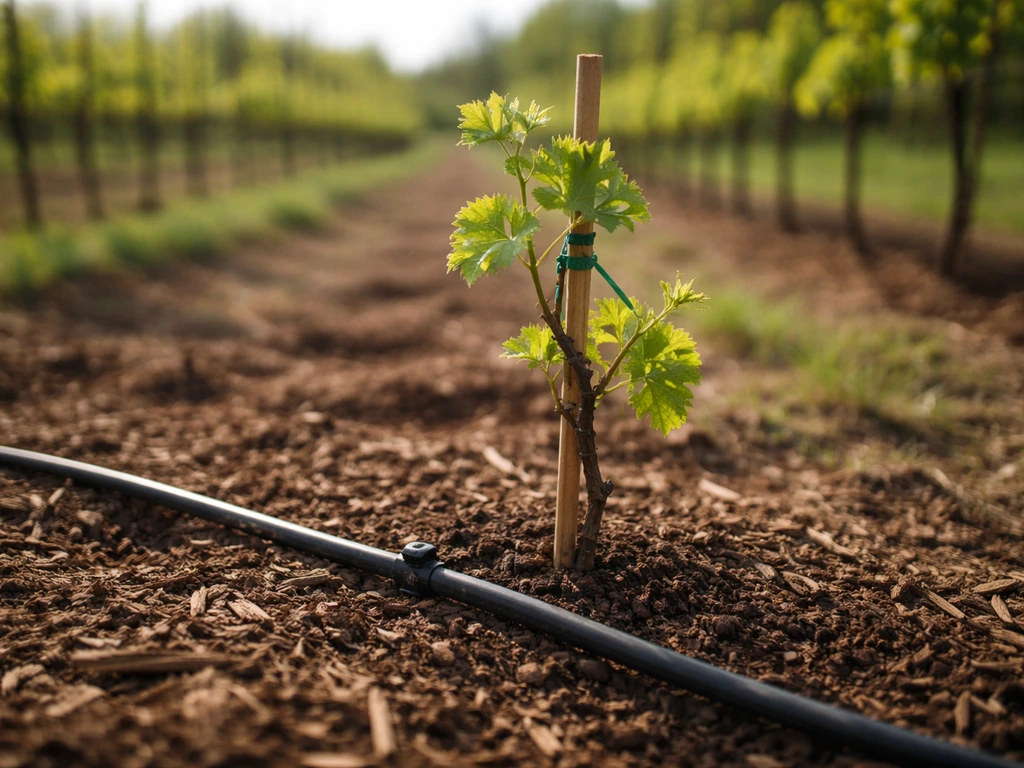
Here is a realistic first-season roadmap for a Hawaii grape planting. Muscadine fruiting wood grows on current-year shoots, so all fruit you'll ever harvest comes from new growth produced after pruning, not from old wood. Keep that in mind as you set expectations.
- Months 1-2 (Site and sourcing): Choose your site based on drainage, sun exposure, and wind. Source your plants or cuttings from CTAHR-connected nurseries, local agricultural supply, or a reputable mainland supplier that carries muscadine or V. labrusca types. Install your trellis before the plant arrives.
- Month 2-3 (Planting): Plant in a period of moderate, stable weather. Water in well and mulch around the base to retain moisture and reduce weed competition. Cut the new transplant back to two or three healthy buds to encourage strong root establishment.
- Months 3-6 (First flush of growth): Train the strongest shoot straight up toward the first trellis wire. Remove all other shoots. Do not let the vine fruit in year one; remove any flower clusters that form so the plant puts energy into root and trunk development.
- Months 6-12 (Trunk establishment): Continue training the main shoot upward. Pinch side laterals to two or three leaves to encourage trunk thickening. Begin your preventive fungicide program at bud break and maintain it through the growing season. Watch for pest activity and address it early.
- End of year one (Rest and prune): Reduce irrigation to push a rest period. Prune back to your established trunk and begin forming your lateral arms (cordons) along the trellis wire. This is the scaffolding for future fruiting wood.
- Year two and beyond (First fruit): In year two, your vine will produce its first real fruiting shoots. Expect a modest first harvest, not a bumper crop. Evaluate which side of the canopy has better airflow and sun, and adjust your training accordingly. A well-established vine in a good Hawaii microclimate can produce a meaningful harvest by year three.
For your next practical steps: contact CTAHR's extension offices on your island to ask about current variety trials and any locally sourced plant material. Start small with two or three vines before committing to a large planting. Keep a simple log of what you spray, when you water, and what the vine looks like each month. That record will be invaluable when you're troubleshooting in year two.
Hawaii is genuinely one of the more challenging places to grow grapes in the United States, but it is nowhere near impossible if you pick the right site, the right variety, and stay consistent with disease prevention. The gardeners who succeed here are the ones who treat grape growing as an ongoing experiment rather than a set-and-forget project, and honestly that makes it more interesting, not less.
FAQ
How do I know if my specific spot in Hawaii is too humid for grapes?
If you are on the windward side or a foggy/rainy valley spot, the odds drop sharply, even with the right variety. Before you commit, monitor the area for a few weeks after a heavy rain, check how quickly leaves and soil dry, and look for any shade plus trapped airflow. If water stays on the canopy or the ground pools, pick a different microclimate or plan for major drainage and airflow changes (raised beds, trellis height, and wind protection).
Can you grow grapes in Hawaii in a container, and is it easier than in-ground?
Yes, but treat container grapes like a climate-controlled project. You will need a larger fertilizer and watering schedule than in-ground vines because pots dry faster and nutrients leach. Choose a container at least 15 to 20 gallons, ensure true drainage, and consider moving the vine to a drier or sunnier position during the wettest months to reduce mildew pressure.
What grape types should I avoid as a first attempt in Hawaii?
For Hawaii, start by prioritizing mildew resistance and disease tolerance over “mainstream wine quality.” Classic Vitis vinifera wine grapes often struggle with downy mildew in humid conditions, so many growers begin with labrusca types, muscadines, or EMBRAPA-style hybrids and only move to vinifera if their site stays relatively dry and airy. If your goal is wine, start with a small trial block first to validate performance.
When will grapes actually produce fruit in Hawaii (and why is my vine not cropping yet)?
Expect your timeline to vary by variety and training system, but do not rely on old wood. In year one you are mainly building structure, year two is when you typically start seeing real production, and full consistency often arrives in year three. If your goal is early harvest, choose vigorous varieties suited to your elevation and ensure you prune and trellis correctly so new growth is coming at the right time.
Is overhead watering ever okay for grapes in Hawaii?
The simplest rule is drip only, with water aimed at the root zone and not the leaves or fruit. If you use a hose at all, do it carefully and avoid wetting foliage, especially near evenings when humidity lingers. Overhead watering or sprinkler systems can undo the best variety choice by repeatedly keeping the canopy wet.
How do I create semi-dormancy in Hawaii without harming the vine?
Yes. If you irrigate consistently without any “dry window,” you can reduce semi-dormancy and end up with growth that never fully cycles into a good fruiting flush. Use your dry season as the window: reduce irrigation temporarily, then resume after pruning to trigger new growth. Still, avoid letting young vines completely desiccate, especially right after transplanting.
When should I add bird netting, and does it need to be done early?
Bird damage is most predictable once berries start coloring and swelling, not when fruit is tiny. Lightweight netting over clusters during ripening can prevent losses, but it must be installed so it does not constantly rub against fruit in windy conditions. If you have lots of birds, check netting regularly for gaps and secure it firmly to avoid birds getting underneath.
What’s the fastest way to handle mealybugs in Hawaii grapes?
If you see mealybugs, start with the ant problem first. Ants protect mealybugs on the trunk, so sticky barriers around the base can quickly reduce the farmed population. After that, treat the mealybugs directly using products labeled for grapes in Hawaii, and keep scouting, because surviving insects can restart the cycle later.
How do I know when to prune if Hawaii has no true winter dormancy?
Don’t follow a mainland calendar blindly. In Hawaii you prune based on when the vine has rested and before the fruiting flush you want, because there is no natural cold dormancy. Use the vine’s growth response as your guide, then adjust timing in following seasons based on how much new wood and fruiting you get.
My grapes die or get mildew fast. What should I troubleshoot first?
Most “first-season failures” in Hawaii come from the combination of poor site drainage, inadequate airflow, and planting vinifera into a humid exposure. Before adding anything else, check drainage after rain, confirm your trellis keeps fruiting wood off the ground, and review your watering method. If mildew keeps appearing despite correct irrigation, you may need to open the canopy more aggressively through training and pruning.
How can I tell which disease I likely have in Hawaii?
Leaf discoloration and spotty disease can look similar, so the decision aid is to separate patterns by timing and location. If the issue shows up as new spring growth in humid weather, focus on downy mildew, if it’s dusty-looking patches, powdery mildew becomes more likely, and if you see cane and leaf lesions that worsen over time, phomopsis is a candidate. Also confirm you are preventing first (fungicide rotation at bud break), not reacting late.
What should I do if my site gets strong trade winds?
If you cannot build a windbreak, you may need to choose a calmer microclimate or raise the trellis and train more open to reduce leaf tearing and cluster damage. Trade winds can dry young shoots and disrupt fruit set, so a partially sheltered area that still stays airy enough for drying is the goal. Avoid placing vines where they are blocked from breezes but still stay wet.