
Grapes grow successfully across most of the United States, but where you are determines everything: which varieties will thrive, whether you're fighting disease or drought, and how long before you see your first real harvest. The best fields where winemakers grow grapes tend to offer the right mix of climate, soil drainage, and disease control for the specific variety where you are.
Where Do Grapes Grow in the US? Best Regions by State
Marcus Whitfield
26 Apr 2026
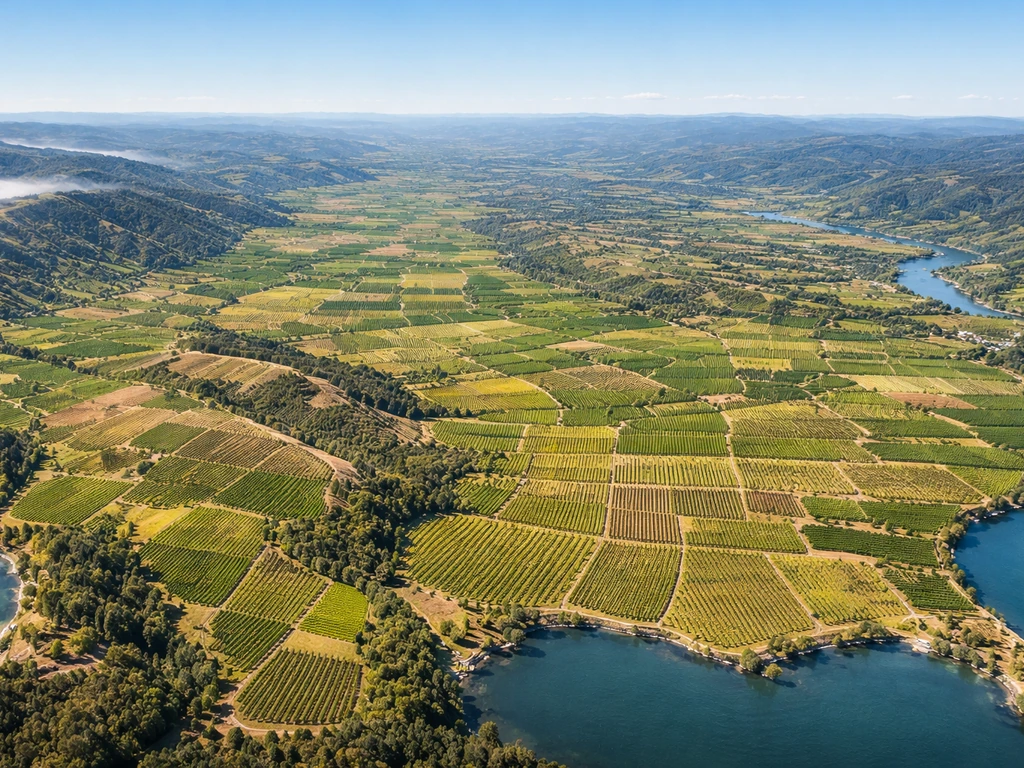
If you want the quick answer to what states grow grapes, the list is broad, and the best results come from choosing varieties matched to local conditions Grapes grow successfully. California dominates commercial production with around 590,000 acres of wine grapes alone, and Washington follows with 70,000 producing acres yielding 303,000 tons in 2024. The USDA NASS California specialty release “[2024 Crop Grape Acreage Report (California)](https://www. nass.
usda. gov/StatisticsbyState/California/Publications/SpecialtyandOther_Releases/Grapes/Acreage/2025/2024%20Crop%20Grape%20Acreage%20Report. pdf)” is available as a PDF and provides grape acreage data by district and type that can be used as an underlying dataset for many published totals. But home gardeners in the Midwest, Southeast, Northeast, and even parts of the Mountain West can grow excellent grapes too, as long as they pick varieties matched to their actual conditions.
To see what countries grow grapes, it helps to look at where temperate climates and suitable growing seasons line up with grape variety needs. Common grape-growing countries include Italy, France, Spain, the United States, China, and South Africa, where suitable climates support commercial vineyards To see what countries grow grapes.
US regions where grapes grow best
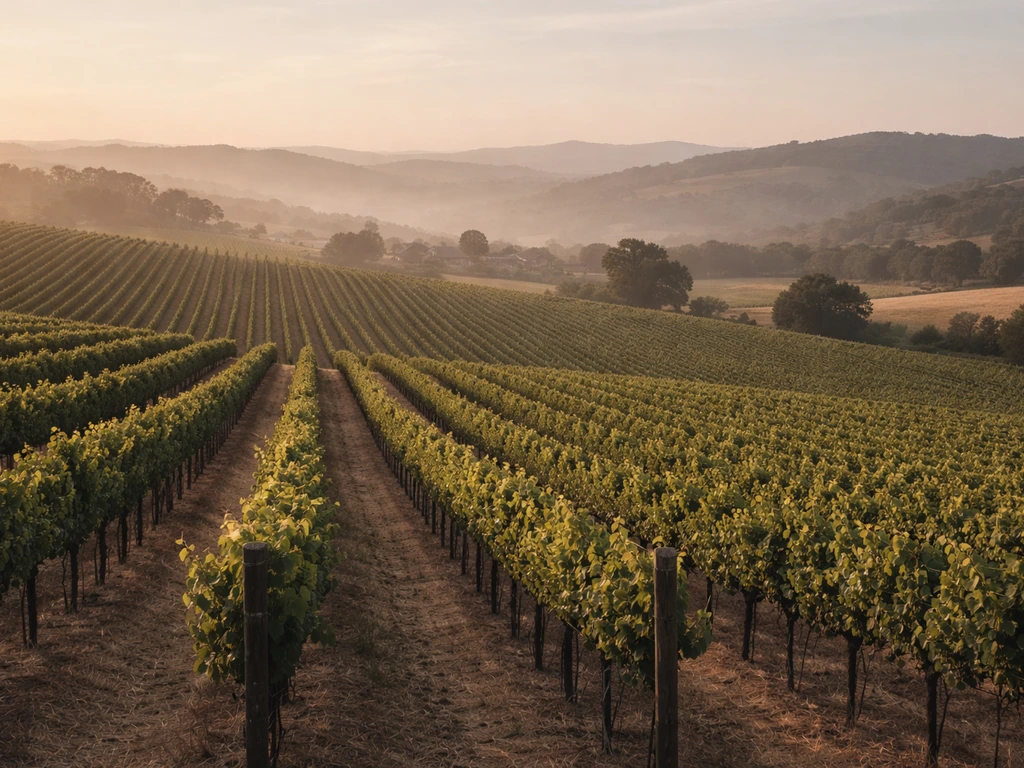
The United States has several distinct grape-growing regions, each shaped by a different combination of climate, soil, and geography. Understanding which region you fall into is the first step toward knowing what's actually possible in your backyard.
The West Coast (California, Oregon, Washington)
This is the powerhouse zone for vinifera wine grapes: Cabernet Sauvignon, Chardonnay, Pinot Noir, Riesling. California's Central Valley, Napa, and Sonoma benefit from warm, dry summers and mild winters with almost no late-frost risk. Oregon's Willamette Valley runs cooler and wetter, which suits Pinot Noir beautifully but demands good site selection. Washington's Columbia Valley sits in a rain shadow east of the Cascades, giving it hot summers, cold winters (a real limiting factor), and intense sunshine that concentrates flavors.
The Mid-Atlantic and Northeast
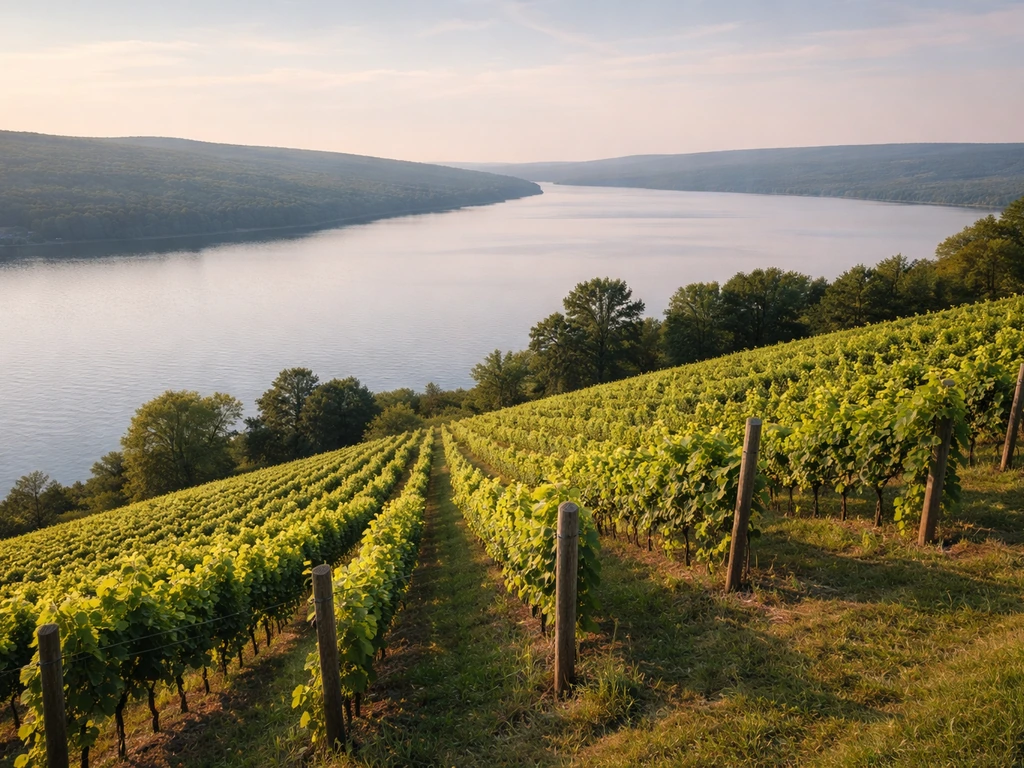
Virginia, Pennsylvania, New York's Finger Lakes and Long Island regions all have thriving wine industries built on a mix of vinifera and hybrid varieties. The Finger Lakes sit alongside deep glacial lakes that moderate temperatures enough to grow Riesling and Gewurztraminer. Humidity is the main villain here, making disease management non-negotiable. French-American hybrids like Marquette, Frontenac, and Noiret handle the cold and bounce back from fungal pressure better than straight vinifera.
The Midwest and Great Plains
Minnesota, Wisconsin, Iowa, Missouri, and Michigan all support grape growing, though the variety list narrows fast once you're looking at zones 4 and 5. Cold-hardy University of Minnesota releases (Marquette, La Crescent, Frontenac Gris) changed the game for northern growers. Missouri has a long grape history with Norton (Cynthiana) doing especially well. Michigan's Lake Michigan shoreline creates a microclimate mild enough for Riesling and Pinot Gris on the right slopes.
The Southeast
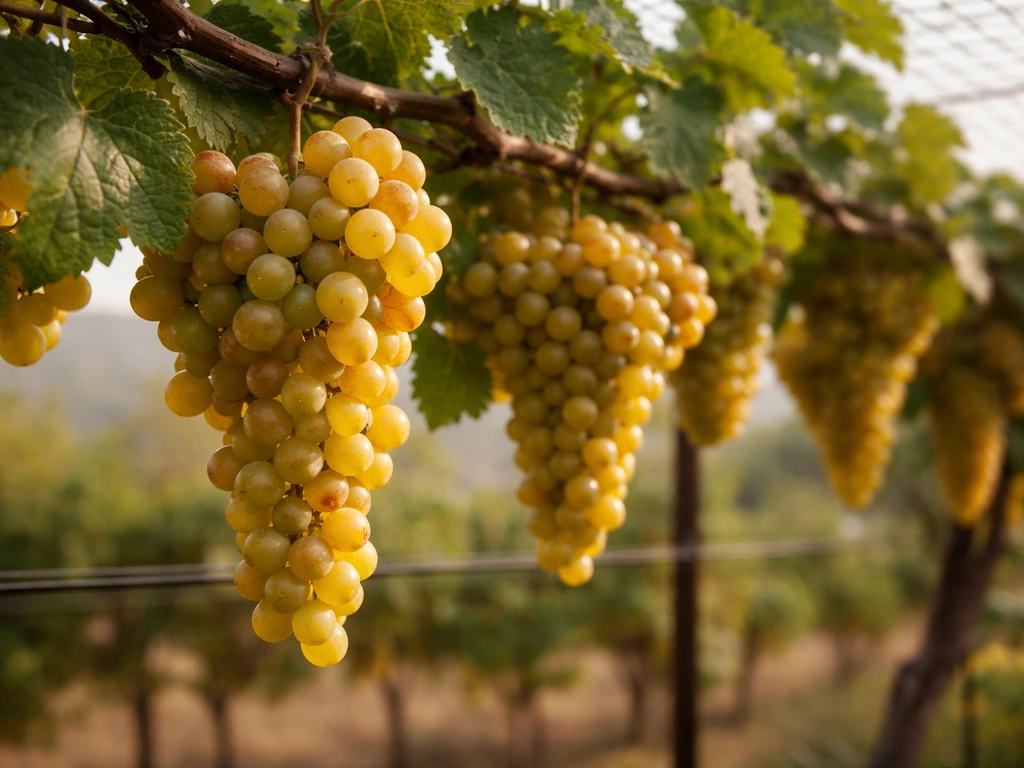
Vinifera grapes mostly struggle in the hot, humid Southeast due to Pierce's Disease, a bacterial infection spread by leafhoppers that kills European grapes within a few years. The exception is native muscadine grapes (Vitis rotundifolia), which are genuinely at home in Georgia, Alabama, Mississippi, North Carolina, and Florida. If you're in the Deep South, muscadines are not a compromise, they're the right choice. Virginia and Tennessee sit in a middle zone where disease-resistant hybrids and some vinifera on well-drained upland sites can work.
The Southwest and Mountain West
New Mexico, Arizona, and Colorado have growing wine industries in high-elevation zones where cooler nights preserve acidity. The challenge here is late spring frosts at altitude and intense UV radiation. Texas is a significant producer in the Texas High Plains AVA around Lubbock, where elevation keeps summer nights cool enough for quality. Drip irrigation is standard across this region since annual rainfall rarely covers what vines need.
State-by-state viability: will grapes grow where you live?
Rather than going through all 50 states one by one, here's a practical grouping by what you can realistically expect. Think of it as a quick reality check before you commit to planting.
| State/Region | Viability Level | Best Approach | Key Challenge |
|---|---|---|---|
| California | Excellent | Vinifera wine grapes, table grapes | Water scarcity, irrigation costs |
| Washington, Oregon | Excellent | Vinifera wine grapes, some table grapes | Cold winters in WA; wet springs in OR |
| New York, Virginia, Pennsylvania | Good | Vinifera + hybrids | Humidity, fungal disease |
| Michigan, Missouri, Ohio | Good | Hybrids, some vinifera on good sites | Late frosts, humidity |
| Minnesota, Wisconsin, Iowa | Moderate | Cold-hardy hybrids only (zones 4–5) | Extreme winter cold |
| Texas, New Mexico, Colorado | Moderate | Vinifera at elevation, drought-tolerant varieties | Drought, late frosts, alkaline soil |
| Georgia, Alabama, Mississippi, Florida | Moderate (muscadines) | Muscadine varieties only | Pierce's Disease kills vinifera |
| North Carolina, Tennessee | Moderate | Muscadines + disease-resistant hybrids | Humidity, Pierce's Disease in low areas |
| Great Plains (ND, SD, NE, KS) | Limited | Only coldest-hardy hybrids in sheltered sites | Extreme cold, wind, short season |
| Alaska, Hawaii | Challenging/Niche | Container growing or very specific microclimates | Too cold (AK) or tropical disease pressure (HI) |
One thing worth repeating: even states with "limited" viability often have microclimates, south-facing slopes, or urban heat islands where someone motivated and variety-smart can grow grapes. The table reflects general conditions, not your specific backyard.
Best regions for wine grapes vs. table grapes
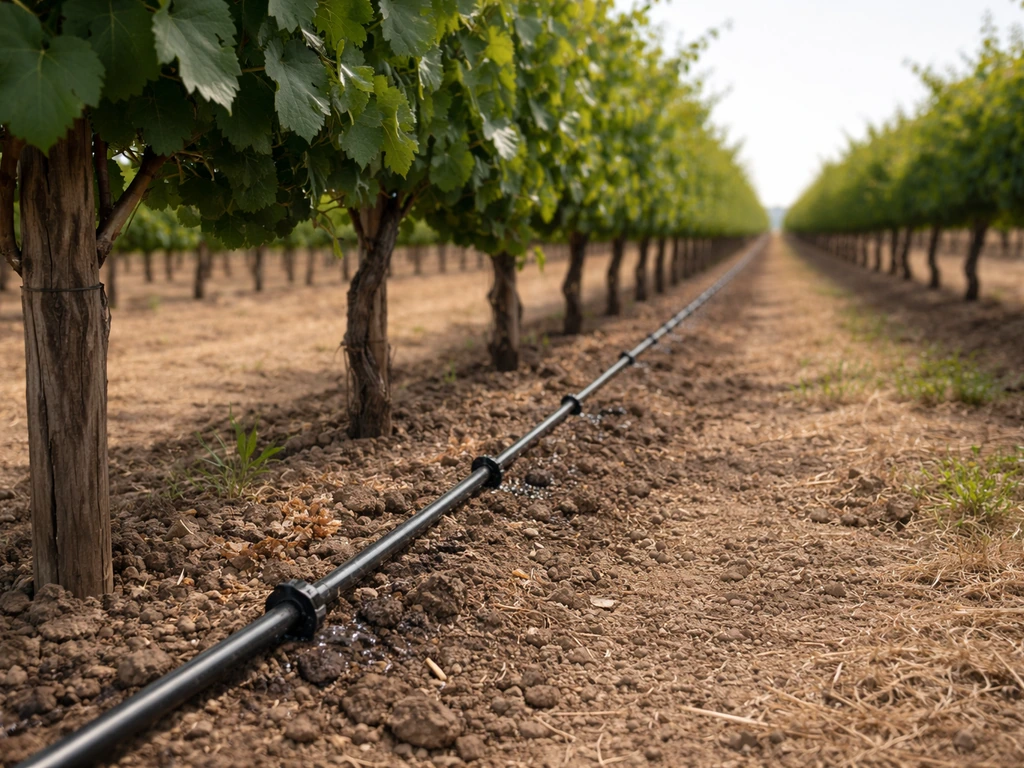
Wine grapes and table grapes have different priorities, and the best regions for each don't always overlap. Wine grapes need moderate stress, good drainage, and a long enough season to develop complex flavors without sugar getting so far ahead of acidity that the wine tastes flat. Table grapes prioritize size, sweetness, thin skins, and ideally seedlessness, which means they need reliable warmth and low disease pressure.
Best wine grape regions
- California's coastal valleys (Napa, Sonoma, Paso Robles, Santa Barbara): the gold standard for vinifera
- Washington's Columbia Valley: big reds and aromatic whites in a dry, continental climate
- Oregon's Willamette Valley: cool-climate Pinot Noir and Chardonnay
- New York's Finger Lakes: Riesling and hybrids benefiting from lake moderation
- Virginia's Piedmont and Blue Ridge foothills: Cabernet Franc, Viognier, and Petit Verdot
- Texas High Plains: elevation-cooled growing with bold reds
- Michigan's Old Mission and Leelanau Peninsulas: Riesling, Pinot Gris
Best table grape regions
- California's San Joaquin Valley: by far the largest table grape production zone in the US
- Arizona's low desert valleys: warm and dry, suits seedless Thompson and Flame varieties
- Southeastern states: muscadines are technically table grapes and thrive here
- Pacific Northwest: some table varieties do well in warmer inland valleys
For home gardeners who just want to eat grapes off the vine, table varieties like Concord, Reliance (seedless), and Himrod are surprisingly adaptable across a wide range of states, including much of the Midwest and Northeast. You don't need California's climate to grow grapes you can snack on.
Picking varieties that actually match your zone
This is where most beginner growers go wrong: they fall in love with a variety (usually Cabernet Sauvignon or Pinot Noir) and plant it somewhere it cannot survive long-term. Match the variety to your hardiness zone and humidity level first, then work backward from there. If you want the best places to grow grapes in your area, start by matching your climate and growing season to the right variety.
Cold-hardy varieties for zones 4–6
If you're in Minnesota, Wisconsin, northern Michigan, or upstate New York and dealing with winters that regularly drop below -20°F (-29°C), your variety list is shorter but still genuinely excellent. The University of Minnesota breeding program has produced some outstanding cold-hardy varieties over the past two decades.
- Marquette (zone 4): a red wine grape with great color, moderate tannin, and impressive cold tolerance down to -32°F
- Frontenac (zone 4): high-acid red, used for wine and juice; very disease-resistant
- La Crescent (zone 4): aromatic white with apricot and citrus notes
- Frontenac Gris (zone 4): rosé-style grape, similar cold hardiness to Frontenac
- Concord (zone 5): the classic American table and juice grape, reliable across a huge range
- Niagara (zone 5): white version of Concord, makes a sweet, aromatic wine
- St. Croix (zone 4): early-ripening red, good for short-season northern gardens
Warm-climate and heat-tolerant varieties for zones 7–10
- Muscadine varieties (Scuppernong, Carlos, Noble, Ison): zones 7–9, built for humidity and heat
- Black Spanish (Lenoir): Pierce's Disease resistant, good in Texas and the lower South
- Cynthiana/Norton: deep red, excellent disease resistance, thrives in Missouri and mid-South
- Thompson Seedless: California's workhorse table grape, needs long hot summers
- Flame Seedless: red seedless table grape, excellent in the Southwest
- Tempranillo, Grenache, Mourvèdre: heat-lovers that work well in California, Texas, and New Mexico
Middle-ground varieties for zones 6–7
In the sweet spot of zones 6 and 7 (think Virginia, Missouri, Kentucky, southern Ohio, coastal Oregon), you have real flexibility. Cabernet Franc, Chambourcin, Vidal Blanc, Seyval Blanc, and Traminette all perform reliably here with proper site selection. Even some vinifera like Riesling and Chardonnay are possible on well-drained, south-facing hillsides with good airflow.
The local conditions that actually decide whether your grapes succeed
Climate zone tells you what's possible. Your specific site tells you what will actually happen. These are the five factors that matter most, and being honest about each one will save you a lot of frustration.
Sunlight
Grapes need a minimum of 6 to 8 hours of direct sun daily, and more is almost always better. South-facing or southwest-facing slopes get the longest, most intense sun exposure, which is why you see vineyards on hillsides rather than flat valley bottoms. In cooler regions, that sun exposure also helps ripen fruit that might otherwise stay tart. If your planting site gets shaded by trees or buildings for more than a couple of hours during peak afternoon sun, expect slower ripening and higher disease pressure. A Reddit r/gardening thread on poor grape performance similarly notes that shade from trees can contribute to problems, alongside other site issues like full sun and well-drained soil.
Soil drainage and type
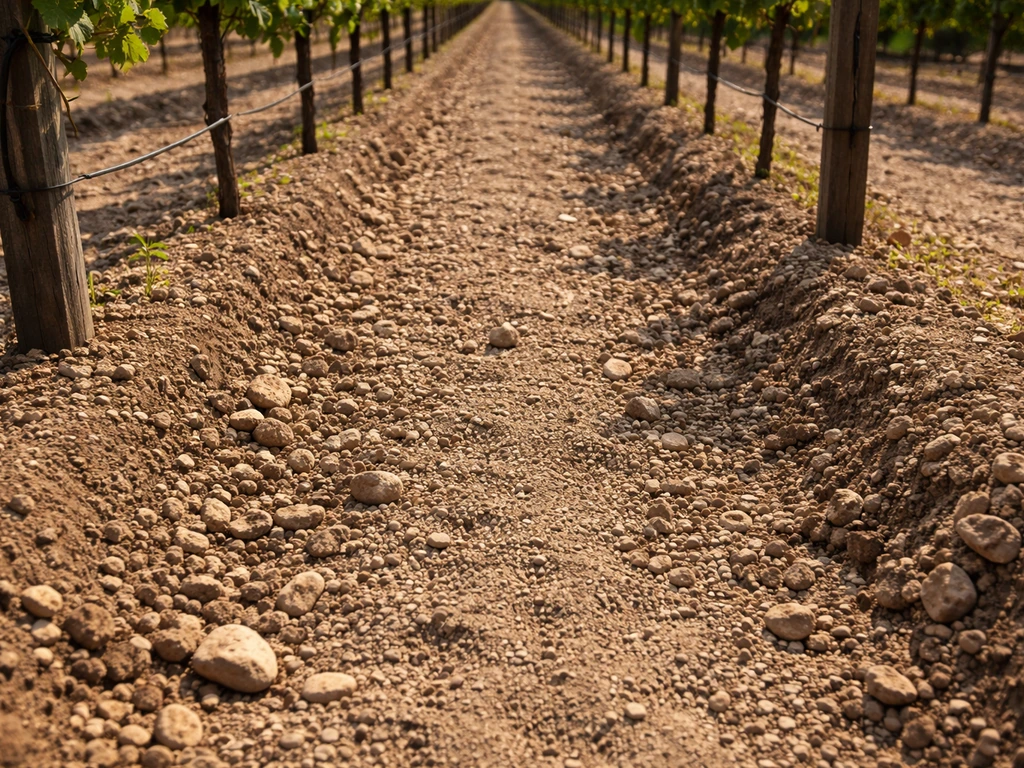
Grapes are famously adaptable to poor, rocky, or sandy soils, but they will not tolerate waterlogged roots. The ideal is well-drained loam or sandy loam with a pH between 5.5 and 6.5. If you have heavy clay, you either need to raise your rows, add organic matter aggressively, or choose a site with a slope that naturally sheds water. One simple test: dig a hole about 12 inches deep, fill it with water, and see how fast it drains. If water is still sitting there after an hour, you have a drainage problem to solve before planting.
Rainfall and irrigation
Established grapevines are drought-tolerant once their root systems go deep, which typically takes two to three years. Young vines need consistent moisture, around 1 inch per week during the growing season. In dry western states, drip irrigation is standard and almost essential. In humid eastern regions, the opposite problem applies: too much rain promotes fungal disease, so good airflow and canopy management become your main tools.
Humidity and disease risk
High humidity is the number-one enemy of vinifera grapes in most of the eastern US. Powdery mildew, downy mildew, and black rot can devastate an unprotected vinifera planting within a single wet season. If you're in a naturally humid area, you have three practical options: choose disease-resistant hybrids or native varieties, commit to a regular spray program (even organic sulfur and copper-based products require consistent timing), or create a site with maximum airflow by avoiding low spots and keeping your trellis open. Don't underestimate this. It's the reason so many first-time growers in the East fail with vinifera varieties that would grow effortlessly in California.
Frost timing and growing degree days
Grapes need a frost-free window long enough to complete their cycle from bud break to harvest. Most varieties need somewhere between 150 and 180 frost-free days, though some cold-hardy hybrids can ripen in as few as 130 days. The danger windows are spring (late frosts killing new buds) and fall (early frosts cutting the season short before fruit ripens). Planting on elevated ground rather than valley floors helps you avoid frost pockets where cold air pools on calm, clear nights. If your area has frequent late spring frosts, look at later-budding varieties, since early budding vines are most exposed to frost damage.
How the growing season actually works: timing and what to expect year by year
Setting realistic timing expectations upfront will keep you from getting discouraged. Grapes are not a quick crop, and the first few years look nothing like a mature, productive vineyard.
The annual cycle
- Late winter/early spring: dormant pruning, usually February to March depending on your region
- Spring (April to May): bud break and shoot growth begin; frost risk is highest here
- Late spring to early summer: flowering and fruit set; canopy management and first disease sprays happen now
- Summer: berry development, veraison (color change) signals the final ripening push
- Late summer to fall: harvest, which ranges from August in hot regions to October or November in cool climates
- Late fall: vines go dormant after the first hard frost; some cold-climate growers lay canes down and cover them for winter protection
Year by year: what to realistically expect
Year one is all about root establishment. Don't let the vine carry fruit, cut off any flower clusters that form so the plant puts its energy underground. Year two, you can let a small crop develop on strong vines. Year three is when most gardeners see their first meaningful harvest. Full production typically arrives in years four to six, by which point a healthy vine can produce 15 to 20 pounds of fruit or more annually depending on variety. It feels slow at first, but the vines you're building now can produce for 30 to 50 years with proper care.
Growing season length by region
| Region | Approximate Frost-Free Days | Typical Harvest Window |
|---|---|---|
| California Central Valley | 250–300 days | August to October |
| Pacific Northwest (WA/OR valleys) | 170–210 days | September to October |
| Mid-Atlantic (VA, PA, NY) | 160–190 days | September to October |
| Great Lakes (MI, OH) | 150–175 days | September to October |
| Upper Midwest (MN, WI) | 120–150 days | August to September (early varieties only) |
| Southeast (GA, AL, MS, FL) | 200–270 days | July to August (muscadines) |
| Texas/Southwest (high elevation) | 160–200 days | August to September |
| Northern Plains | 100–130 days | Marginal; very early varieties only |
Your practical next steps
If you've read this far, you're ready to move from "where do grapes grow" to "will grapes grow here and which ones?" Here's how to turn that into action.
- Find your USDA hardiness zone (the USDA Plant Hardiness Zone Map is free and searchable by ZIP code) and note your average last spring frost date and first fall frost date
- Assess your site honestly: map out where sunlight hits for 6-plus hours, identify any low frost-pocket areas to avoid, and do a quick drainage test in your preferred planting spot
- Match your zone and site to a short list of varieties using the groupings above; if you're in zones 4–5, start with cold-hardy hybrids before attempting vinifera
- Order bare-root vines from a reputable nursery in late winter for spring planting (bare-root stock is cheaper and establishes well); look for nurseries that specialize in your region
- Set up a simple trellis before or at planting time, a basic two-wire system at 3 feet and 5.5 feet works for most home setups
- Connect with your local cooperative extension service, they offer state-specific spray guides, variety trials, and planting calendars that will be far more precise than any general guide
The short version: grapes can grow somewhere in almost every state, but success depends entirely on matching the variety to your specific zone, site, and climate challenges. Koshu is a Japanese variety, and the key to growing it in the US is choosing a region and microclimate that can support late-season ripening and manage local humidity and disease pressure. California and Washington make it look easy because their conditions are nearly ideal. Everywhere else, you're managing tradeoffs, and the growers who do it well are the ones who stop fighting their climate and start working with it.
FAQ
Can I grow the same grape varieties for wine and for eating fresh?
Start with the goal: wine grapes and table grapes usually want different compromises. If you want reliable fruit for eating, choose adaptable table varieties first, then only move toward vinifera if your humidity and winters are a good match and you are willing to manage disease.
If a grape variety is hardy enough for my state, does that guarantee it will produce fruit?
Yes, but cold risk and disease pressure both matter. A variety that survives winter may still fail if it buds too early and gets hit by late spring freezes, or if summers are humid enough to outpace your mildew and rot control.
How much do my exact conditions matter compared with what the article says by state?
For first-time plantings, prioritize site-specific factors over statewide averages. Two yards in the same town can differ because of slope, frost pockets, and afternoon sun, so choose the warmest, best-drained spot (often a south or southwest slope) before buying vines.
What’s the biggest soil mistake that causes grape failures even when the variety is correct?
Too wet is a faster way to lose vines than not-perfect soil. If water sits after a one-hour drainage test, fix drainage (raised rows, slope, or relocating) before planting, because waterlogged roots lead to persistent decline even when the soil “looks fertile.”
How should trellis or canopy choices change for humid regions?
Choose based on humidity and airflow, not just temperature. In humid areas, your trellis and training style should keep fruit and leaves from staying wet, and you should avoid low spots where cold air and moisture settle overnight.
What frost timing matters most for grapes, winter or spring?
Many growers focus on winter lows, but late spring frosts are often the bigger production killer. Look for whether your area is prone to cold snaps after bud break, and prefer later-budding varieties if you regularly see freezes in May or early June.
Do I need irrigation in western or arid states if grapes can be drought-tolerant later?
Yes, especially in dry regions where rainfall is unreliable. Young vines typically need consistent moisture during the growing season, while established vines rely more on deep roots, so a drip system usually helps both yield and vine survival in year one and two.
What happens if my yard only gets partial sun?
Avoid planting directly where trees, buildings, or fences cast long afternoon shade. Less than about six to eight hours of direct sun tends to slow ripening and increases the time fruit stays in a disease-friendly environment.
If grapes are described as limited in my area, can I still succeed with microclimates?
A “partially viable” region can still work if you create the right microclimate, like elevated ground to prevent frost pockets or a well-ventilated trellis location. The difference is you may need to restrict variety choice and be more disciplined about canopy management.
Should I let my young grapevine produce fruit in the first year?
To manage first-year investment, remove flower clusters so the vine spends energy on roots and structure. Then in year two, keep fruit minimal on the strongest canes, because pushing a heavy crop early can stunt future production.
Are seedless table grapes easier or harder to grow than seeded kinds?
Table grapes are often more forgiving, but you still need the basics: sun, drainage, and some frost-aware variety selection. Seedless options can be more sensitive than hardier seed varieties, so match seedlessness to your climate rather than assuming it will be easier.
What should I check before buying vines if I want a realistic harvest timeline?
Look at practical readiness: when to expect harvest, whether your growing season reliably reaches the frost-free day requirement, and whether you can handle disease in wet years. If you cannot commit to consistent care, pick hybrids or native-adapted varieties instead of vinifera.
What’s a smart first purchase strategy if I want to minimize risk?
Yes, especially for learning. Start with one to two varieties matched to your conditions, then use a trellis that supports good airflow and plan for winter hardening steps like protecting young vines in extreme cold.