
Yes, you can grow grapes in Illinois, and you can grow really good ones. The key is picking varieties bred to handle cold winters, humid summers, and the disease pressure that comes with Midwest weather. Michigan gardeners also get the best results by choosing grape varieties bred for cold winters, humid summers, and local disease pressure best grapes to grow in michigan. For table grapes, Concord, Niagara, and Edelweiss are your most reliable bets.
Best Grapes to Grow in Illinois: Table and Wine Picks
Marcus Whitfield
19 May 2026
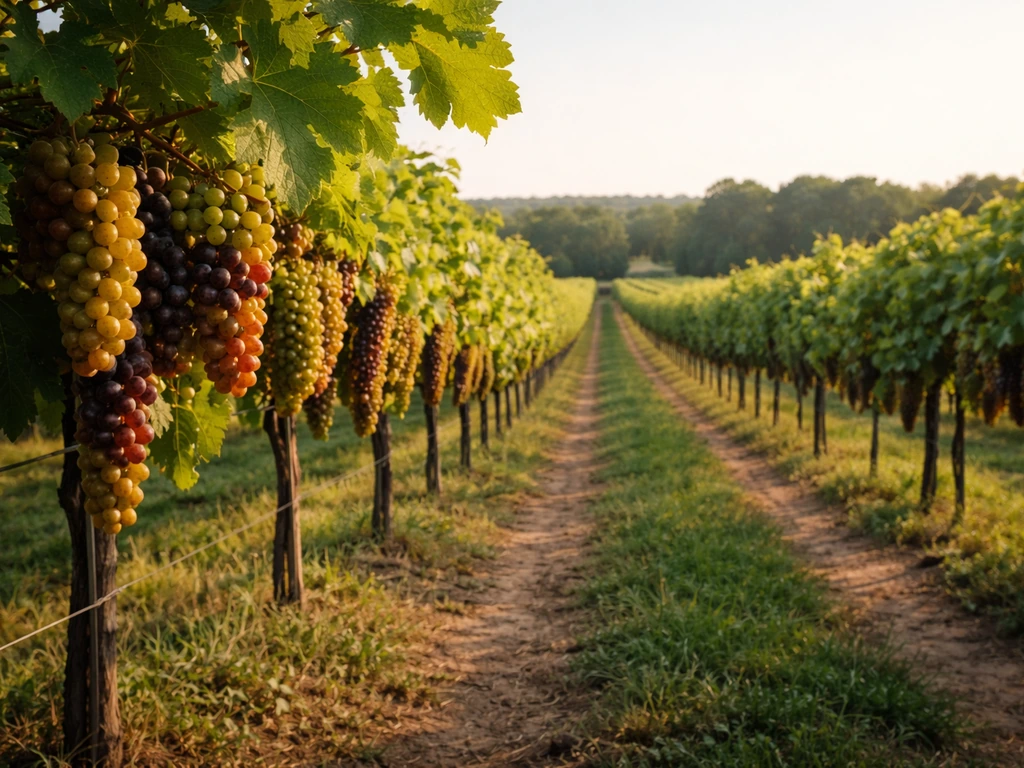
For wine grapes, Marquette, Chambourcin, Marechal Foch, and Seyval Blanc stand out as proven performers. Plant on the right site, choose the right variety for your part of the state, and you will have fruit in two to three years with serious production by year four or five.
What Illinois grape growers are actually working with
Illinois spans USDA Hardiness Zones 5a in the far north to 6b in the southern tip near Cairo. That might not sound like a huge range, but it matters a lot for grape growing. Northern Illinois winters can push down to -20°F in bad years, which will kill or severely injure vines that are not cold-hardy enough. Southern Illinois, on the other hand, gets a longer growing season and milder winters, which opens the door to a wider range of varieties, including some that would struggle near Rockford or Chicago.
Growing degree days (GDD) are a useful way to think about whether a variety will ripen before your season ends. Illinois Extension tracks GDD from a base of 50°F, and grapes need heat accumulation to push through bloom and fully ripen fruit. In northern Illinois you have less of that heat budget, which means late-ripening varieties are a gamble. In central and southern Illinois the longer warm season gives you more flexibility. If you are in Zone 5 territory, stick to varieties with an early to mid-season ripening window. If you are in Zone 6, you have options with mid to late ripening as well.
Disease pressure is real and relentless in Illinois. MSU IPM has a dedicated blank" rel="noopener noreferrer">grape phylloxera page, reflecting the importance of managing this pest in grape production. Black rot (Guignardia bidwellii) is probably the single most serious disease threat to cultivated grapes in the state, according to Illinois IPM. Downy mildew runs a close second, especially later in the season when humidity climbs. The critical window for both is from just before bloom through about four or five weeks after bloom. If you skip disease management during that window, you can lose most of your crop. This is why choosing disease-resistant varieties is not just a nice bonus for Illinois growers, it is genuinely important.
What actually makes a grape variety good for Illinois
Three factors matter most: cold hardiness, disease resistance, and ripening timing. A variety can taste incredible in a test plot but be useless to you if it dies back to the ground every February or if black rot strips your fruit every summer before you can harvest it.
- Cold hardiness: For Zone 5 growers, you want varieties rated to at least -20°F. For Zone 6 growers you have more room, but anything below -10°F hardiness is still risky without extra protection.
- Disease resistance: Look for varieties with documented resistance or tolerance to black rot, downy mildew, and powdery mildew. French-American hybrids and University of Minnesota releases tend to score well here.
- Ripening window: Early and mid-season varieties (ripening August through mid-September) are safest for northern Illinois. Central and southern Illinois growers can stretch to late-season varieties that ripen into October.
- Purpose match: Table grapes prioritize thin skins, sweet flavor, and seedlessness or small seeds. Wine grapes prioritize sugar-acid balance, skin tannins, and fermentation character.
American varieties like Concord (Vitis labrusca) and their hybrids were developed with exactly this climate in mind. French-American hybrids were bred to combine European wine grape flavor with American cold hardiness and disease tolerance. Traditional European wine grapes (Vitis vinifera, think Cabernet Sauvignon or Chardonnay) are generally not cold-hardy enough for Illinois winters without extraordinary effort like burying vines, which is not practical for most home growers.
Best table grapes for Illinois home gardens
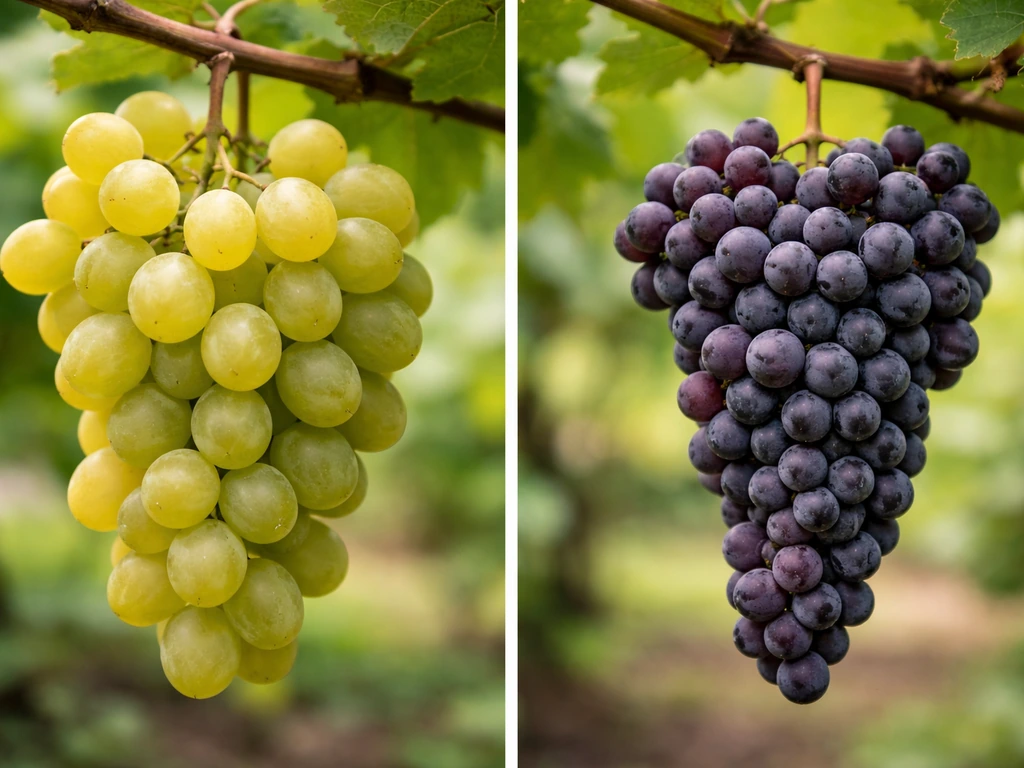
If you want grapes to eat fresh off the vine, these varieties deliver reliable harvests without demanding an advanced management program.
| Variety | Type | Hardiness | Ripening | Notes |
|---|---|---|---|---|
| Concord | American (blue-black) | To -20°F or below | Early to mid (late Aug–Sept) | The classic Illinois table grape. Slip-skin, foxy flavor, great for juice and jam too. Extremely reliable. |
| Niagara | American (white/green) | To -20°F | Mid (Sept) | White counterpart to Concord. Sweet, mild, excellent fresh eating. Very cold hardy and disease tolerant. |
| Edelweiss | American hybrid (white) | To -30°F | Early (Aug) | Exceptionally cold hardy, great for northern Illinois. Large clusters, sweet flavor, very productive. |
| Reliance | Seedless (red) | To -15°F | Early to mid | One of the best seedless options for home growers. Sweet, thin-skinned. Watch for powdery mildew. |
| Mars | Seedless (blue) | To -15°F | Early | Seedless blue grape with good flavor and moderate disease resistance. Works well in central Illinois. |
| Swenson Red | Hybrid (red) | To -30°F | Early to mid | Excellent cold hardiness, good sweet flavor. Strong performer in northern zones. Slight muscat character. |
Concord is the workhorse. If this is your first planting and you just want fruit that will come back every year without drama, start with Concord. It is not the most exciting grape at a tasting, but it handles Illinois winters, shrugs off moderate disease pressure, and produces abundantly. Edelweiss and Swenson Red are the right calls if you are in northern Illinois and want extra cold-hardiness insurance.
Best wine grapes for Illinois (and honest expectations)
This is where things get interesting. Illinois has a real wine grape tradition built around French-American hybrids, and more recently around University of Minnesota cold-climate releases. These are not consolation prizes, they are genuinely good wine grapes that produce complex, serious wine in the right hands. What you should not expect is that they taste like a Burgundy or a Napa Cab. They have their own character, which is actually a strength if you lean into it.
| Variety | Color | Hardiness | Ripening | Wine Character | Disease Resistance |
|---|---|---|---|---|---|
| Marquette | Red | To -28°F (bud/cordon dieback possible at extremes) | Mid-season | Cherry, pepper, earthy notes. High sugar potential, moderate tannin. Excellent for dry reds. | High |
| Chambourcin | Red | To -5°F (Zone 6 preferred) | Late mid-season | Deep color, dark fruit, moderate tannin. One of the best reds for central/southern IL. Can also make rosé. | Moderate-High |
| Marechal Foch | Red | To -20°F | Early | Inky, bold, earthy. Makes rich, dark wine. Early ripening makes it safe across most of Illinois. | Moderate |
| Leon Millot | Red | To -20°F | Early | Similar to Foch but slightly fruitier. Good for blending. Ripens very early, great for northern zones. | Moderate |
| Seyval Blanc | White | To -10°F | Mid-season | Crisp, neutral, versatile. Good for still and sparkling wine. Wide planting across Midwest wineries. | Moderate |
| Itasca | White | Extremely cold hardy (Zone 4) | Late mid-season | Bright acidity, citrus and stone fruit notes. Clean, modern white wine style. Excellent disease resistance. | High |
| La Crescent | White | To -30°F | Early to mid | Aromatic, apricot and peach notes. Makes off-dry and dessert styles well. Very cold hardy. | High |
| De Chaunac | Red | To -15°F | Mid-season | Medium body, soft tannins, neutral fruit. Good blending grape. Very productive. | Moderate |
| Chancellor | Red | To -10°F | Mid-season | Deep color, dark berry, smooth finish. Works best in central and southern Illinois. | Moderate |
The top picks and why
Marquette is the variety I would recommend first to anyone serious about making red wine in Illinois. It was developed by the University of Minnesota's cold-climate grape program specifically for Zone 4 and warmer conditions, and it hits -28°F with reasonable survival (though you may see some bud or cordon dieback after truly brutal events). The wine it makes has real structure: cherry, black pepper, earthy complexity, and enough sugar accumulation to produce a dry red without chapitalization. For northern Illinois especially, Marquette is the benchmark.
Chambourcin is the go-to for central and southern Illinois wine growers. It is not as cold-hardy as Marquette (it tops out around -5°F, so Zone 6 is its comfort zone), but in the right site it produces deeply colored, flavorful red wine with good tannin structure. Many Illinois wineries built their reputation on Chambourcin, and there is good reason for that. If you are south of Springfield and want a serious red wine grape, Chambourcin should be on your short list.
For white wine, Seyval Blanc is the proven workhorse, while Itasca and La Crescent bring more aromatic excitement and better disease scores. Itasca is a newer University of Minnesota release with extremely cold hardiness and good resistance, and it makes a clean, modern white that can surprise people at the table. La Crescent brings a perfumed, apricot character that lends itself to off-dry styles.
Matching the right variety to your specific location
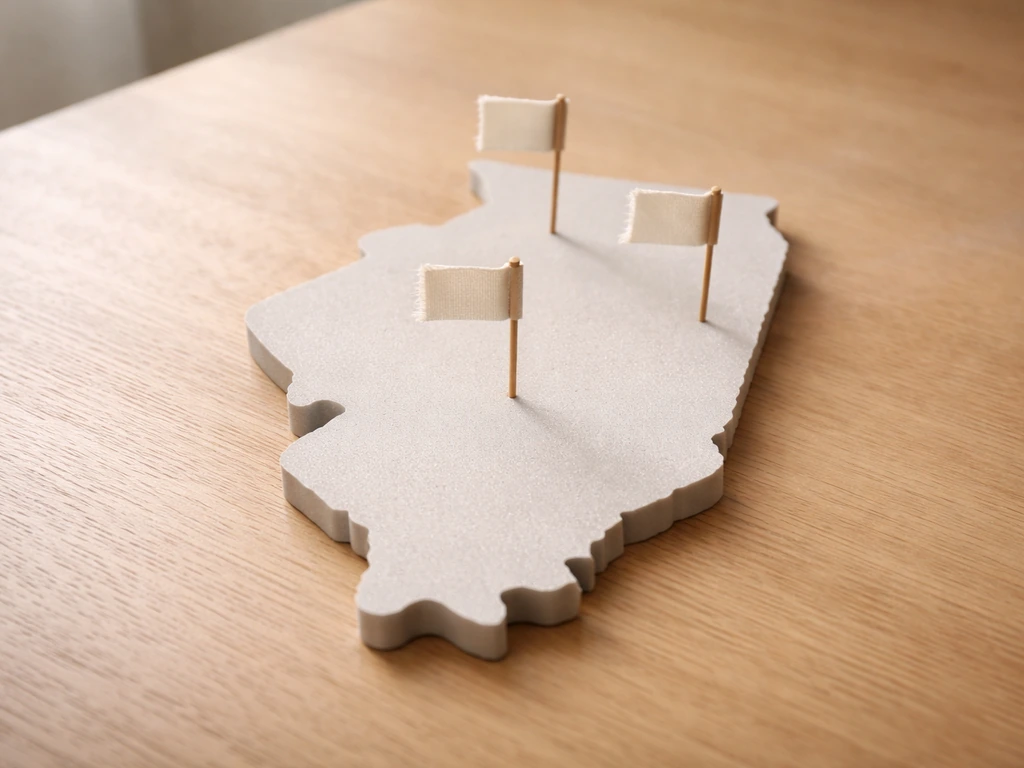
Illinois is not one place when it comes to grape growing. A grower in Galena near the Wisconsin border is dealing with a fundamentally different situation than someone in Carbondale near the Missouri and Kentucky state lines. Getting this match right matters more than almost any other decision you will make.
Northern Illinois (Zone 5a–5b, roughly Chicago and north)
Stick to varieties rated to -20°F or colder. Your ripening window is shorter, so early-season varieties are much safer than mid or late ones. For wine grapes, Marquette, Marechal Foch, Leon Millot, La Crescent, and Itasca all work well here. For table grapes, Edelweiss, Swenson Red, and Concord are your most reliable choices. Avoid Chambourcin and Chancellor in northern Illinois without serious winter protection planning.
Central Illinois (Zone 5b–6a, roughly Peoria to Champaign-Urbana)
This is the sweet spot for Illinois grape growing. You have enough cold hardiness buffer to grow most of the proven hybrids, and enough growing season heat to ripen mid-season varieties reliably. All the varieties in both the table and wine sections above are candidates here. Seyval Blanc, Marquette, and De Chaunac are especially dependable in central Illinois conditions.
Southern Illinois (Zone 6a–6b, roughly below I-64)
You have the most options. Chambourcin, Chancellor, and even some of the less cold-hardy hybrids thrive here. Your bigger challenge is disease pressure, since the warmer, more humid conditions in southern Illinois push black rot and downy mildew harder than in the north. Disease resistance and a good spray schedule during the bloom-to-four-weeks-post-bloom window become even more important here.
Microclimate matters as much as zone
Within any zone, your specific microclimate can shift the math by a full zone in either direction. South-facing slopes warm up faster in spring and drain cold air downhill, reducing frost risk. Low spots and valley floors collect cold air and can be several degrees colder than surrounding ground on a still night. If you have a south-facing slope with good air drainage, you can often push a zone warmer in practice. If you are planting near a drainage ditch or at the bottom of a hill, treat yourself as a zone colder. Growers in Michigan and Wisconsin face similar microclimate considerations if you want to compare notes with neighboring states.
Planting, establishment, and what to expect in years one through four
Grapes are a long-term investment. Illinois Extension frames the first five years as critical for building a productive vine, and that framing is exactly right. The decisions you make in year one set up everything that follows. This is also why Illinois Extension recommends building a trellis expected to last twenty or more years before you even put a vine in the ground. Do not skip or cheap out on your trellis.
Site selection and trellis first
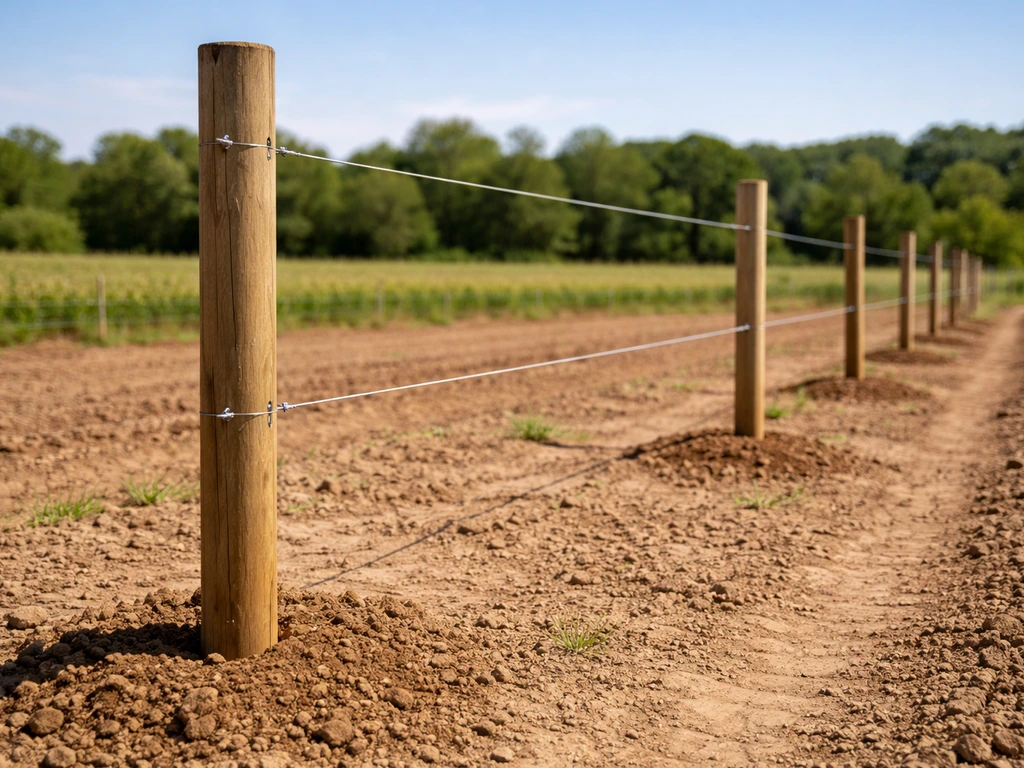
Full sun is non-negotiable. UMN Extension is blunt about this: grapes need full sun to accumulate the heat required to ripen fruit. Six hours is the minimum; eight or more is better. Orient your rows north-south if possible to maximize light exposure on both sides of the canopy. Make sure your soil drains well, as grapes sitting in wet soil are prone to root disease. A slight slope helps with both drainage and air circulation.
Build the trellis before you plant. A standard two-wire trellis with posts set 15 to 20 feet apart works well for most home plantings. Set your posts deep enough to resist the tension of mature vines and years of vine weight. Once the trellis is in, you are ready to plant.
Planting depth and timing
Plant in early spring as soon as the soil is workable, typically late March through April in most of Illinois. Set your vines slightly deeper than the nursery depth, as Illinois Extension recommends. This encourages a strong root system. Space vines 6 to 8 feet apart for most varieties, or up to 10 feet for very vigorous ones.
Year-by-year realistic expectations
- Year 1: Focus entirely on root establishment. Remove any fruit clusters that form. Train one or two shoots upward toward your trellis wire. Water consistently during dry spells.
- Year 2: Continue training the trunk and begin developing lateral arms (cordons) along the trellis wire. You may allow a very small crop, but keeping the vine focused on structure is more important. Pruning should be heavy.
- Year 3: Your first real (if modest) harvest. The vine is developing its productive structure. Expect a small cluster count, maybe a few pounds per vine.
- Year 4 and beyond: Production ramps up meaningfully. A well-established mature vine can produce 10 to 20 pounds of fruit or more depending on variety and management. This is when your investment starts paying off.
Ongoing care: sun, trellis, pruning, and disease
Pruning: the skill that determines your harvest
Pruning is the most important annual task for grape growers, and it is the one beginners most often get wrong by being too timid. Grapes fruit on one-year-old wood, so you need to remove the majority of last year's growth each winter to control where fruiting occurs and to keep the vine from overbearing. The two main systems are cane pruning and spur pruning. The right choice depends on where a variety's most fruitful buds are located.
Most French-American hybrids do well with either system, though cane pruning is common for varieties where basal buds (the lowest buds on a cane) are less fruitful. Prune in late winter or very early spring, ideally when temperatures are consistently above 20°F but before bud swell.
Winter injury assessment is a skill worth learning quickly. After a harsh winter, you will want to scratch buds and canes to check for green versus brown tissue. Dead buds and brown cambium mean freeze damage, and you may need to adjust your pruning to work with whatever live wood survived. UMN Extension emphasizes this as a core skill for northern grape production, and it applies equally to northern Illinois.
Disease prevention: the make-or-break factor in Illinois
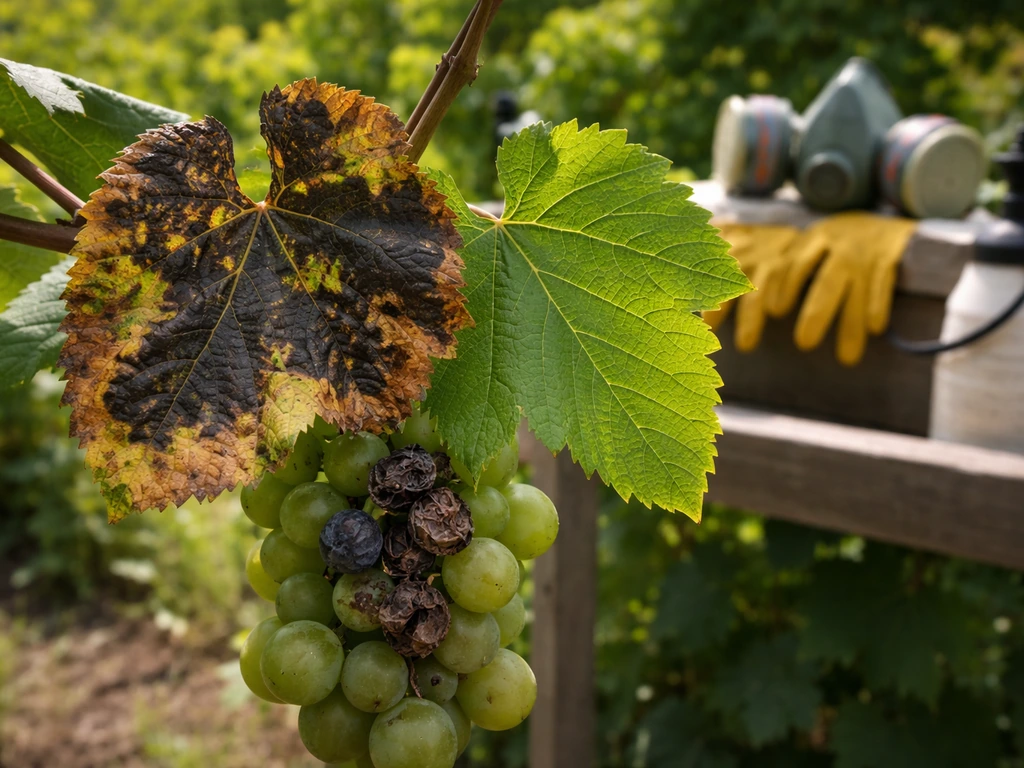
Black rot is probably your biggest enemy. Illinois IPM calls it the most serious disease of cultivated and wild grapes in Illinois, and it can wipe out a crop quickly if conditions favor it. The critical disease management window runs from just before bloom through four to five weeks after bloom. During that period, if you are growing susceptible varieties, you need to apply fungicide on a seven to ten day schedule, or after rain events. Choosing disease-resistant varieties like Marquette, Itasca, or La Crescent reduces (but does not eliminate) that pressure.
Downy mildew becomes a bigger issue as the season progresses, especially in wet summers. Good canopy management, meaning keeping the interior of the vine open to air and light through shoot positioning and leaf removal, does more to reduce disease pressure than any spray alone. If your vines are a dense wall of leaves by July, disease will find a way in regardless of what you spray.
A few other things to watch for
- Grape phylloxera: A root-feeding insect pest present in many grape-growing regions. Buying vines on phylloxera-resistant rootstock is the standard prevention approach for commercial growers, and worth considering for home plantings too.
- Fertilization: Grapes do not need heavy feeding. Excess nitrogen pushes vegetative growth at the expense of fruit and disease resistance. A soil test before planting and modest annual applications based on vine performance is the right approach.
- Water: Consistent moisture during establishment is important, but mature vines are fairly drought tolerant. Avoid overhead irrigation once the canopy is full, as wet foliage invites disease.
So which variety should you actually plant?
If you want fresh eating grapes and you are anywhere in Illinois: start with Concord if you want reliability, or Edelweiss if you are in the north and want a white option. Add Reliance or Mars for seedless variety once you have a season or two under your belt.
If you want to make wine and you are in northern or central Illinois: Marquette for red, Itasca or La Crescent for white. These varieties were engineered for exactly the conditions you are dealing with and they deliver.
If you are in central or southern Illinois and want the richest red wine grape experience available: add Chambourcin to your planting. Pair it with Seyval Blanc for white and you have a classic Midwestern home vineyard lineup.
One vine of each of two or three varieties is a smarter start than a dozen vines of one variety. It gives you a chance to see what performs best in your specific spot, and it spreads your risk if one variety has a bad year. Growers in neighboring Indiana, Ohio, and Wisconsin are working with many of the same variety lists and facing similar hybrid-vs-native decisions, so regional resources and communities from those states can be genuinely useful to Illinois growers as well. If you are choosing varieties for Ohio conditions, the best grapes to grow in Ohio are the cold-hardy, disease-resistant types matched to your site.
Pick your site, build your trellis, order your vines from a reputable nursery in late winter for spring delivery, and plant as soon as the soil cooperates. Two to three years from now you will have fruit. Five years from now you will have a productive planting that will keep giving for decades if you take care of it. Grapes are patient plants, and Illinois can absolutely grow great ones.
FAQ
Can I plant a grape variety that is cold-hardy but still expect good harvests in northern Illinois?
Yes, but avoid thinking in terms of “which is hardier.” In Illinois the real risk is ripening before fall cool-down, so if you plant a late-ripening variety in the north, it can survive winter yet still come in unripe most years. Use an early to mid-season choice (especially Zone 5 areas) unless you have a clearly warmer microclimate like a well-drained south-facing slope.
Why does the article suggest avoiding Chambourcin and Chancellor in northern Illinois?
You can try, but the odds drop fast without a plan. Chambourcin and Chancellor are specifically called out as ones to avoid in the north unless you are willing to engineer protection and adjust pruning after winter injury. If you want a red wine in northern Illinois, start with Marquette or plan on protecting and monitoring carefully.
Are seedless grapes a good idea for beginners in Illinois?
If your goal is reliable table grapes with minimal management, Concord and Edelweiss are the safer bets. Reliance and Mars can work for “seedless” tasting, but they still need the same core Illinois challenges handled (winter injury assessment, and disease control in the bloom-to-4-to-5-weeks window) and often perform better once your vineyard basics are dialed in.
How much can microclimates change what grape varieties I should choose?
A south-facing slope can be a big advantage because it warms earlier in spring and drains cold air, but do not assume it automatically makes Zone 6 varieties safe. Still follow the cold-hardiness guideline of choosing varieties rated to -20°F or colder, then use the slope only to fine-tune ripening timing.
What’s the biggest mistake people make when choosing the best grapes to grow in Illinois?
Don’t decide based only on flavor. In Illinois, winter survival and disease pressure usually determine whether you get to harvest at all. Even a great-tasting variety can fail if it is vulnerable to black rot during the critical bloom-to-4-to-5-weeks window or if winter kills the buds you rely on for next year’s crop.
If I only want to spray “when I notice disease,” will that work in Illinois?
Yes, but the key is adjusting expectations and management timing. The critical disease window starts just before bloom and runs about four to five weeks after, and fungicide scheduling on susceptible varieties typically follows a weekly cadence, or after rain events. If you skip spray days during that window, black rot can erase much of the crop quickly.
How do I adjust pruning after a harsh winter?
You should plan for winter injury assessment to influence pruning the following spring. Instead of blindly pruning “to the plan,” you scratch buds and canes, then prune based on live tissue. If you find widespread brown cambium or dead buds, the amount of fruiting wood you leave should be reduced and redistributed.
Is soil drainage really that important compared with choosing the right grape variety?
Generally no. If you keep the vines in wet soil, you increase risk for root problems and stress that can worsen disease susceptibility. The article emphasizes full sun and good drainage, so focus on a site that dries out, even if you have to improve drainage with grading or choose a different planting location.
Does canopy thinning or leaf removal matter if I have a good fungicide schedule?
Not really. If the canopy becomes a dense wall of leaves, downy mildew and other problems find protected interior areas. Canopy management, including keeping the interior open through training and appropriate leaf removal, reduces disease pressure more reliably than spray alone.
How many vines should I plant to test varieties in my Illinois yard?
If you are short on space, planting one vine of each of two or three varieties is usually smarter than committing to many vines of one. That approach helps you learn which variety actually ripens and survives in your exact spot, and it spreads the risk if one variety has an unlucky season.