
The best seedless grapes to grow in Georgia are hybrid bunch grape varieties like Reliance, Mars, and Marquis, along with the American-type Concord for those who want something bulletproof. If you want table grapes specifically for Australia, look for varieties selected for your local climate and with strong disease resistance. These varieties handle Georgia's humid summers, tolerate the fungal pressure that comes with it, and ripen within the state's growing season. European vinifera varieties like Thompson Seedless are not a good fit for Georgia home gardens, the disease pressure is too high and the winters in mountain zones can catch them off guard. Stick with American hybrids and you'll have a realistic shot at fruit.
Best Seedless Grapes to Grow in Georgia: Top Varieties and Care

Marcus Whitfield
30 Jun 2026
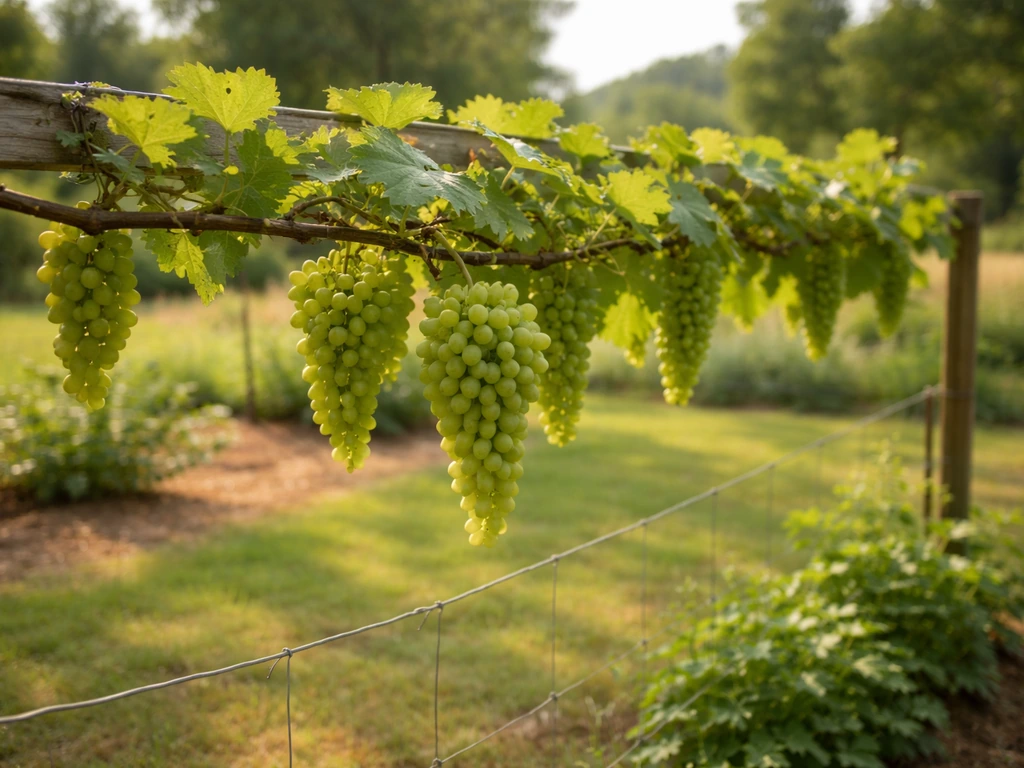
Georgia's climate and whether grapes will actually work in your yard
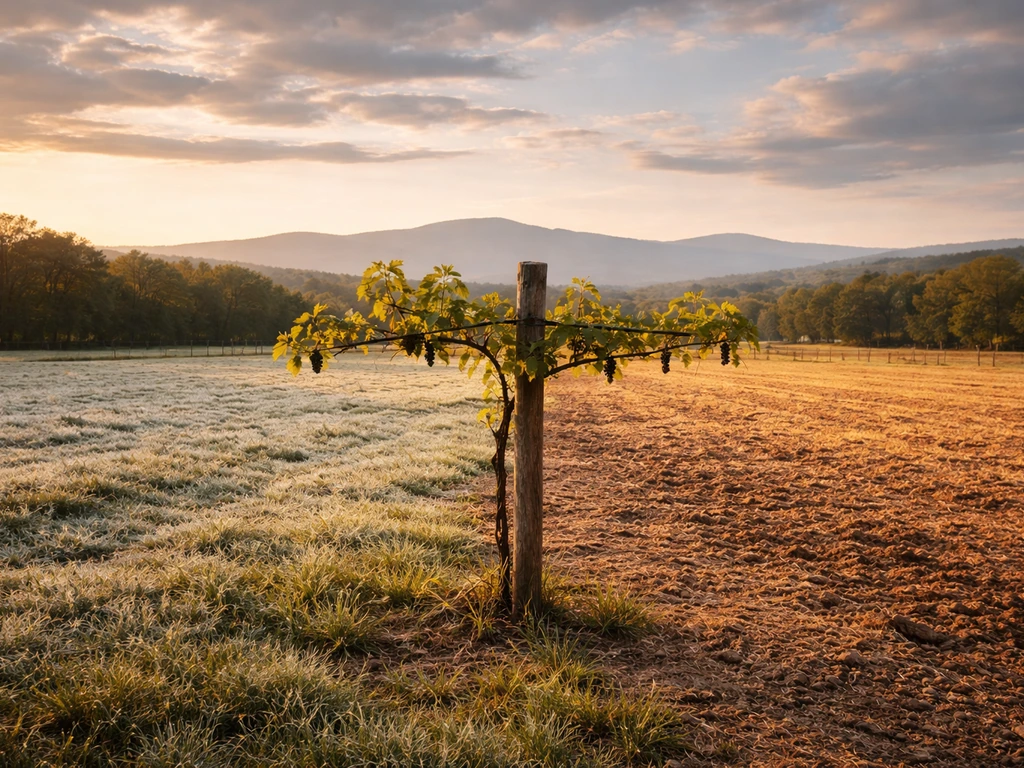
Georgia is a big, varied state when it comes to grape growing. The USDA hardiness zones run from about 7A in the Blue Ridge mountains (where winter lows can reach 0°F to 5°F) all the way up to 9B along parts of the coast (with lows around 25°F to 30°F). That range matters a lot for choosing a variety. A grape that survives a north Georgia winter might be total overkill in Savannah, and a heat-loving variety that thrives on the coast might get winter-killed in Blairsville.
Beyond winter cold, the bigger challenge across most of Georgia is summer humidity. Georgia gets plenty of summer rain, and that moisture is a breeding ground for fungal diseases like black rot, downy mildew, and powdery mildew. UGA Extension is honest about this: pure European bunch grapes are not well-suited to Georgia home gardens because they can't handle that disease load without intensive spraying. American bunch grapes and French-American hybrids are a much better fit because they carry natural disease resistance that keeps management realistic for a home gardener.
The good news is that most of Georgia has enough winter chill hours to satisfy bunch grapes, and the long, warm growing season means most hybrid varieties ripen comfortably before fall. If you're in the Piedmont or coastal plain, you have a wide window. If you're in the north Georgia mountains, you need to prioritize cold hardiness. Either way, grapes are absolutely doable, you just need the right variety for your slice of the state.
How to pick a seedless variety: flavor vs. hardiness vs. disease resistance
When you're sorting through seedless options for Georgia, there are four things that actually matter: cold hardiness for your zone, disease resistance for humid summers, ripening time within your local growing season, and the flavor profile you're after. Everything else is secondary.
Cold hardiness is the one that trips people up the most. Many American bunch grape varieties can handle temperatures down close to 0°F when fully dormant, which covers even north Georgia winters in most years. Muscadines are slightly more tender, with dormant vines showing damage closer to 10°F, so they're better suited to central and south Georgia. If you're in zones 7A or 7B, stick to the hardier American hybrids. In zones 8 and above, you have more flexibility.
Disease resistance should be non-negotiable for a Georgia home gardener. You don't want to be on a weekly spray schedule just to keep your vines alive. Look for varieties that are specifically noted as resistant to black rot and downy mildew, the two biggest threats in humid southeastern summers. Some varieties like Mars and Reliance were specifically bred with the Southeast in mind, which shows in their performance here.
Ripening time matters more than most beginners realize. If a variety ripens late and your summer ends with a wet September, you're asking for rot right before harvest. Early- to mid-season ripening varieties generally do better in Georgia because they finish before the heaviest fall rain events. As for flavor, most American-type seedless hybrids have a classic fruity, slightly foxy flavor that's excellent for fresh eating. If you want something closer to a supermarket grape flavor, Marquis gets closest among the reliable performers.
The best seedless grape varieties for Georgia home gardens
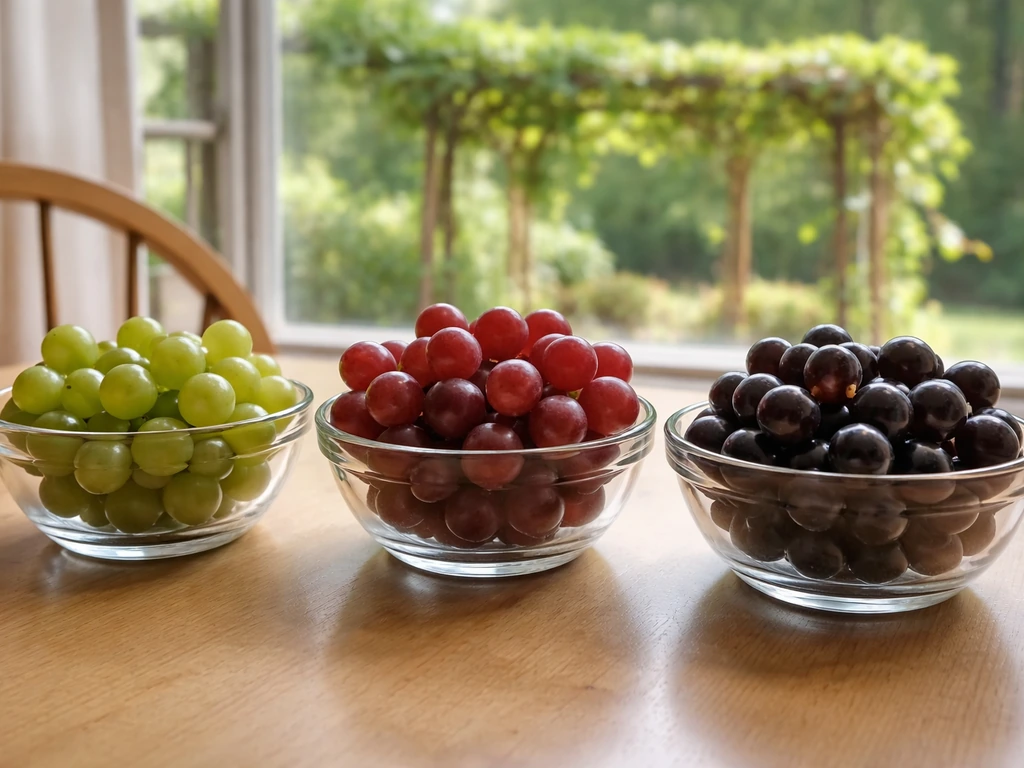
Here are the varieties I'd actually recommend planting. These aren't just theoretical picks, they consistently show up in southeastern university extension recommendations and perform for real home gardeners in the region.
| Variety | Best Zone Fit | Ripening Season | Disease Resistance | Flavor Notes |
|---|---|---|---|---|
| Reliance | Zones 7-9 (statewide) | Early-mid season | Good (black rot, mildew) | Sweet, mild, excellent fresh eating |
| Mars | Zones 7-9 (statewide) | Early season | Very good | Spicy-sweet, blue-black, great flavor |
| Marquis | Zones 7-8 (north/central) | Mid season | Good | Mild, closest to European flavor |
| Sunbelt | Zones 7-9 (statewide) | Early-mid season | Very good | Sweet, Concord-style flavor |
| Jupiter | Zones 7-9 (statewide) | Early-mid season | Good | Large berries, reddish-blue, very sweet |
Reliance
Reliance is probably the most forgiving seedless grape you can plant in Georgia. If you're still deciding, these recommendations for the best seedless table grapes to grow can help you match variety to Georgia conditions. It's cold-hardy well below 0°F, so even north Georgia mountain gardeners are covered. It ripens early to mid-season, which is ideal for beating late-season humidity. The berries are medium-sized, red, and genuinely sweet, good enough that people will snack on them right off the vine. Disease resistance is solid, not perfect, but manageable with basic preventive care.
Mars
Mars is an early-ripening blue-black grape with strong disease resistance that was specifically developed with humid-climate growing in mind. The flavor has a nice spicy-sweet quality that's more interesting than a lot of seedless grapes. It ripens in late July to early August in most of Georgia, which is well ahead of the fall rain window. Vines are vigorous and productive once established. This is probably my top recommendation for central and south Georgia.
Marquis
If you want seedless grapes that taste more like what you'd buy at a grocery store, Marquis is the closest you'll get in a disease-resistant variety. The flavor is mild and sweet without the foxy character of most American-type grapes. It performs best in north and central Georgia where it gets a little more winter chill. It's not quite as tough as Reliance or Mars, but it holds up fine in zones 7 and 8 with good site selection.
Sunbelt and Jupiter
Sunbelt is essentially a Concord-type seedless grape, if you love that classic grape juice flavor, this is your variety. It's adapted to the Southeast and very disease-resistant. Jupiter is worth mentioning because of its unusually large, attractive berries and excellent sweetness. Both ripen early enough to avoid the worst fall weather and work well across most of Georgia.
Setting up your planting site the right way
Getting the site right is honestly half the battle with grapes in Georgia. The number one priority is airflow. A site with good air circulation dries leaves and clusters faster after rain, which dramatically reduces fungal disease pressure. Avoid planting in low spots, against solid fences, or anywhere that traps humid air. A gentle south or southeast-facing slope is ideal.
Full sun is non-negotiable, aim for at least 8 hours of direct sun daily. Grapes in shade produce weak growth and get hit harder by disease. If you're on a tight property, prioritize the sunniest spot you have over any other consideration.
Soil prep and pH
Grapes prefer well-drained soil with a pH between 5.5 and 6.5. Georgia's native soils are often on the acidic side, which can actually work in your favor. Get a soil test before planting, your county extension office can run one cheaply, and amend with lime if you're below 5.5. Don't plant in heavy clay that holds water; if that's what you have, build up the row or add organic matter to improve drainage. Avoid overly rich, high-nitrogen soil because it pushes excessive leafy growth at the expense of fruit.
Spacing and trellising
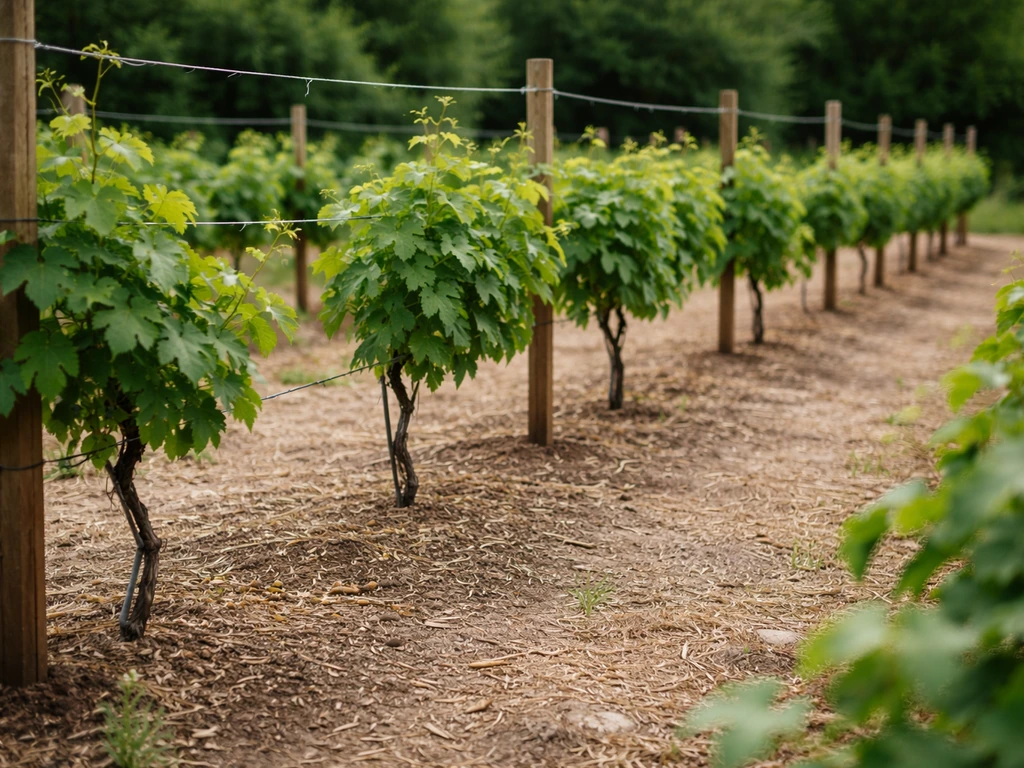
Space vines 8 to 10 feet apart in the row, with at least 10 feet between rows if you're planting more than one row. Crowded vines mean poor airflow and more disease. For trellising, a simple two-wire trellis works well for home gardens: set posts 20 feet apart (8-foot posts, 5 to 6 feet above ground), with one wire at about 3 feet and one at 5 to 6 feet. A high-cordon or four-arm Kniffin training system both work well for Georgia's bunch grapes. Get your trellis in before or at planting, you'll want it ready when the vine starts reaching.
Season-by-season care for Georgia grapes
Winter and early spring: pruning
Pruning is the single most important thing you'll do for your vines, and most beginners prune too lightly. Grapes need aggressive annual pruning to stay productive and manageable. Prune in late winter while the vine is still dormant, late February to early March in most of Georgia. Remove about 80 to 90 percent of the previous year's growth. That sounds extreme, but it's what keeps fruit production vigorous and the canopy open enough for airflow. Under-pruned vines become a dense, shaded tangle that rots from the inside out during Georgia summers.
Spring: disease prevention starts early
Spring is when disease pressure starts building. Black rot and downy mildew hit hardest during the period from bud break through fruit set, young tissue is the most vulnerable, and berries become more resistant as they mature closer to harvest. UGA/AP 131-1 (the Southeast Regional Bunch Grape Integrated Management Guide) notes that blank" rel="noopener noreferrer">as berries mature they become more resistant to black rot, downy mildew, and powdery mildew, which means earlier in the season the vines are more vulnerable. Start preventive fungicide applications at bud swell and continue through the pre-bloom period. Products containing mancozeb (such as Mancozeb 75 DF) are commonly used in pre-bloom spray programs across the Southeast as a preventive measure against both black rot and downy mildew. Timing and consistency matter more than product choice alone, so don't skip applications during wet spring stretches.
Summer: watering, feeding, and ongoing pest watch
Georgia summers usually provide enough rain, but during dry spells you'll want to water consistently, especially during fruit development. Drip irrigation is ideal because it keeps foliage dry. Avoid overhead watering if you can. For fertilizing, a light application of balanced granular fertilizer (something like a 10-10-10) in early spring is usually enough for established vines. In the first growing season especially, UGA Extension recommends watering liberally and keeping weeds suppressed, competition from weeds and grass dramatically slows vine establishment. Keep a 3- to 4-foot weed-free zone around each vine.
Pest monitoring during summer is mostly about Japanese beetles and grape berry moths. Hand-pick beetles if populations are small. Watch clusters for signs of berry moth damage (small entry holes, webbing) and treat with Bt or spinosad if needed. Keep up with fungicide applications through veraison (when berries start to change color) and then scale back as the berries approach ripeness and their natural disease resistance increases.
Fall: harvest and post-harvest care
Taste test to confirm ripeness rather than relying on color alone, fully ripe seedless grapes should be sweet with no sharp tartness at the stem end of the cluster. After harvest, clean up any mummified berries or fallen leaves in the row to reduce overwintering disease sources. Do a light application of compost if your soil needs organic matter improvement, and let the vine harden off naturally before the first frost.
How long before you actually get grapes
Set realistic expectations from the start: you will not get a meaningful harvest in year one. Here's how the timeline typically plays out in Georgia:
- Year 1: Focus entirely on establishment. The vine puts energy into root development. You might see a few small clusters form, but remove them — letting the vine fruit too early stunts long-term development. Water consistently, keep weeds suppressed, and let it grow.
- Year 2: The vine starts developing its permanent framework (the cordon arms along the trellis wires). You may let a small number of clusters develop to get a taste, but don't push for a full harvest yet. Keep pruning and training the structure.
- Year 3: Most home gardeners see their first real harvest in year three. Reliance and Mars are among the faster producers. Expect a modest but genuinely satisfying pick.
- Year 4 and beyond: Full production. A well-managed mature vine can produce 15 to 20 pounds of grapes or more depending on variety and care.
Common Georgia grape problems and how to handle them
Black rot
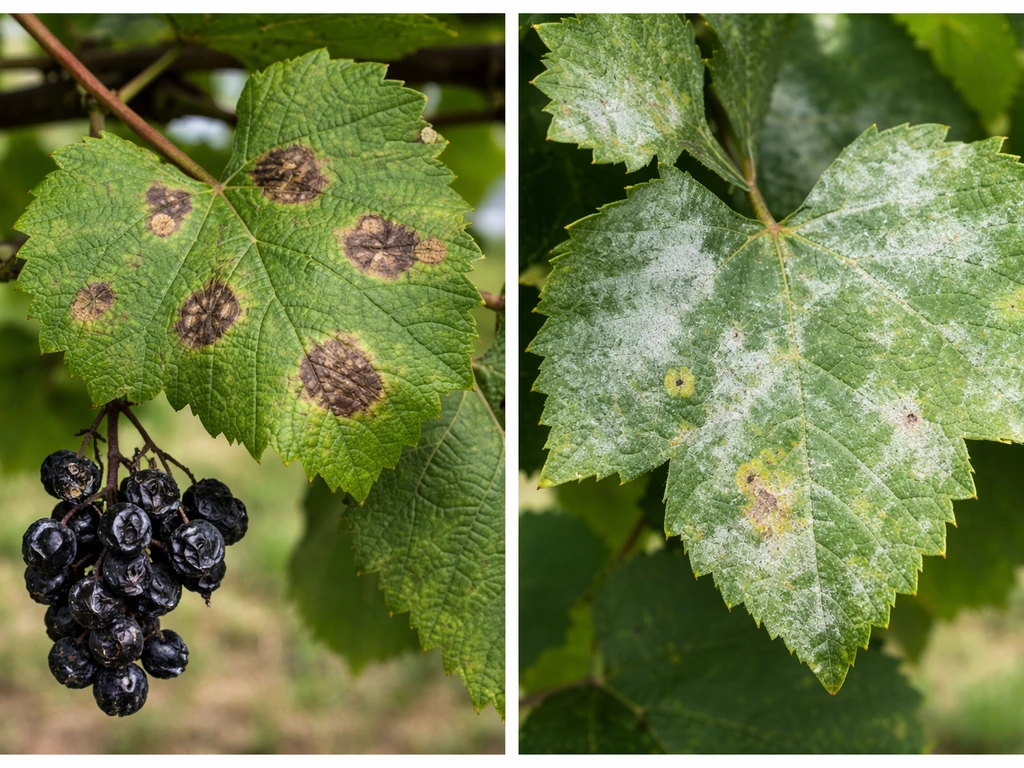
Black rot is the most widespread and damaging disease in Georgia vineyards. It shows up as circular tan leaf spots with dark borders, and infected berries shrivel into hard black mummies. Prevention is the only real strategy, once rot hits the clusters, you can't reverse it. Start preventive fungicide sprays at bud swell, keep the canopy open through pruning, and remove any mummified fruit from the previous season before growth begins.
Downy and powdery mildew
Downy mildew thrives in warm, wet conditions, exactly what Georgia summers deliver. It appears as yellow patches on upper leaf surfaces with white fuzzy growth underneath. Powdery mildew looks like a white dusty coating on young shoots and leaves. Both are best managed preventively with good airflow from correct pruning and spacing, combined with fungicide applications starting pre-bloom. Varieties like Mars and Reliance handle these better than more susceptible types, which is another reason to choose them.
Winter damage in north Georgia
If you're in zone 7A or the higher elevations of north Georgia, late-winter cold snaps after early bud swell can kill developing buds. Plant varieties rated for colder temperatures than you expect (Reliance handles this well), and don't rush to prune. Pruning late in the dormancy window (closer to March) reduces the risk of pruned vines being caught by a late hard freeze.
Fruit not ripening
If your grapes aren't sweetening up before fall, the most common causes are over-cropping (too many clusters left on the vine), excessive shade from under-pruning, or choosing a late-ripening variety that doesn't match your microclimate's growing season length. Thin clusters in early summer if the vine is carrying too many, and revisit your pruning to make sure you're keeping the canopy open enough for sun penetration into the fruit zone.
Weak vine growth in years one and two
Vines that don't take off in the first season are almost always struggling with one of three things: weed competition robbing moisture and nutrients, a drainage problem at the planting hole, or inconsistent watering during establishment. Fix the cultural conditions before assuming the variety is wrong. Most healthy vines in good soil with adequate water will push 4 to 6 feet of new growth in their first Georgia summer.
Your next steps this season
If you're reading this in late June and haven't planted yet, you can still plant this season in most of Georgia if you can source container-grown vines and commit to consistent watering through the summer heat. Bare-root planting season is ideally late winter, so if you're starting from scratch in planning mode, order bare-root vines from a reputable nursery for delivery next February or March.
Here's how to narrow down your variety choice right now. If you're in north Georgia (zone 7), go with Reliance as your primary pick, it's the safest, most cold-hardy option. If you're in central Georgia (zone 8), Mars or Jupiter are excellent choices and will reward you with early, disease-resistant fruit. If you're in south Georgia near the coast (zone 8-9), Mars, Sunbelt, or Jupiter all work well. If you are also comparing options for Arkansas, check which table-grape varieties typically perform best there before you buy best table grapes to grow in Arkansas. For anyone who wants that classic sweet grape-juice flavor in a seedless form, Sunbelt is the one.
Get your soil tested now if you haven't, set up your trellis before or at planting time, and plan your spring fungicide schedule before bud swell arrives. The gardeners who struggle with grapes in Georgia are almost always those who skip the disease prevention in spring or prune too lightly. Get those two things right and you're ahead of most beginners. The vine does the rest.
If you're also considering what works in neighboring states or thinking about table grapes more broadly, the same hybrid-first approach applies across the Southeast, humidity is the common thread, and disease-resistant American hybrids are the practical answer almost everywhere in the region. For table grapes in North Carolina, use the same hybrid-first mindset and choose varieties rated for the cold and humidity risks in your specific area.
FAQ
Can I start growing seedless grapes in Georgia if I plant in summer instead of late winter?
Yes, but you usually need to buy a vine that is rated for cold and humid conditions in Georgia, and you should expect a weaker first season. Plan for consistent watering during heat waves, keep the canopy open from the start, and prioritize airflow and site drainage over “extra fertilizing” so the vine can root and build fruiting wood next year.
How do I know when my seedless grapes are truly ripe in Georgia?
Focus on ripeness, not color. In Georgia humidity, some grapes darken before they fully sweeten. Taste a few berries near the stem, and harvest when the cluster tastes sweet with no sharp tartness. If berries are still firm and tart, delaying harvest a week can matter more than the exact calendar date.
My grapes get mildew every year. Is it always a variety problem?
Some common disease problems come from shade and wet microclimates, not the variety alone. If your trellis is too low, the canopy stays dense, or the row sits in a depression, fungi keep spores in the leaf layer longer. Rework pruning to open the fruiting zone, improve airflow, and avoid overhead irrigation, since wet foliage during mornings and evenings is the usual trigger for repeat outbreaks.
What’s the best way to handle Japanese beetles and grape berry moths in Georgia?
Japanese beetles and berry moths are different, and you will get better results by targeting what you actually see. For beetles, small populations often respond to hand-picking and removal of damaged leaves. For berry moth signs (entry holes and webbing on clusters), use Bt or spinosad and time it to protect young berries, not after damage is widespread.
How should I time fungicide sprays for Georgia seedless grapes?
Build the schedule around timing and weather, not a rigid calendar. Sprays should begin at bud swell and continue through pre-bloom, then carry on through veraison depending on disease pressure and rainfall. After berries start to ripen, many gardeners reduce intensity because berries become less vulnerable, but you still need coverage during extended wet periods.
What soil pH range is best, and how do I correct acidic Georgia soil for grapes?
Test your soil first, then adjust slowly. If pH is below 5.5, apply lime to move it toward 6.0 to 6.5, because repeatedly adding high amounts of fertilizer without correcting acidity can worsen vigor and disease by encouraging overly lush growth. Also avoid heavy nitrogen, since it drives leaves at the expense of fruit.
Should I thin seedless grape clusters to improve sweetness and reduce disease?
Cluster thinning is a major lever for sweetness and disease risk, especially in humid years. If you leave too many clusters, berries can stay small and tart and the canopy holds moisture longer. Thin early in summer, keep spacing from pruning goals, and remove the weakest clusters so the remaining fruit gets sun and airflow.
Why don’t my seedless grapes produce much in the first year, even though the vine looks healthy?
Expect almost no meaningful crop in year one, even with good care. The vine is building roots, trunk, and productive buds for next season. To avoid setting yourself up for failure, focus on weed control, consistent establishment watering, proper pruning to shape the canopy, and trellis training, then let fruiting ramp up in the second year.
How much should I water seedless grapes in Georgia, and is drip irrigation required?
Yes, and it is a common mistake when people assume “grapes like rain.” Drip irrigation helps keep foliage dry, but you still need enough water for fruit development. Use deep, consistent watering during dry spells, especially after fruit set and while berries are changing color, and pause or reduce watering only when natural rainfall is reliably covering the need.
My vines are growing leaves but not producing well. What should I check first?
In most cases, changing the trellis or pruning approach will help more than changing fertilizer. Under-pruning creates a dense canopy that traps humid air, which increases mildew and black rot pressure even if you chose Reliance or Mars. If your vines are vegetative but not fruiting, review pruning severity first, then check sunlight exposure and weed competition.
What if I get a late cold snap after bud break, how does that change variety choice or pruning timing?
Yes, but start with your zone and microclimate. North Georgia can have late-winter freezes that damage buds if you prune or train in a way that exposes new growth too early. In colder sites, delay pruning closer to the normal end of dormancy and choose the more cold-hardy options like Reliance, since less-hardy varieties are more likely to fail after a cold snap.