
Yes, grapes can absolutely grow in Massachusetts, and some varieties do it really well. The key is choosing cold-hardy, disease-resistant table grape varieties that can ripen within the state's frost-free window and survive winters that can dip below 0°F inland. If you want the best results with wine, you still start by matching the right grapes to Maryland conditions like winter cold and ripening time choose cold-hardy, disease-resistant table grape varieties.
Best Grapes to Grow in Massachusetts: Table Varieties That Thrive
Marcus Whitfield
29 May 2026
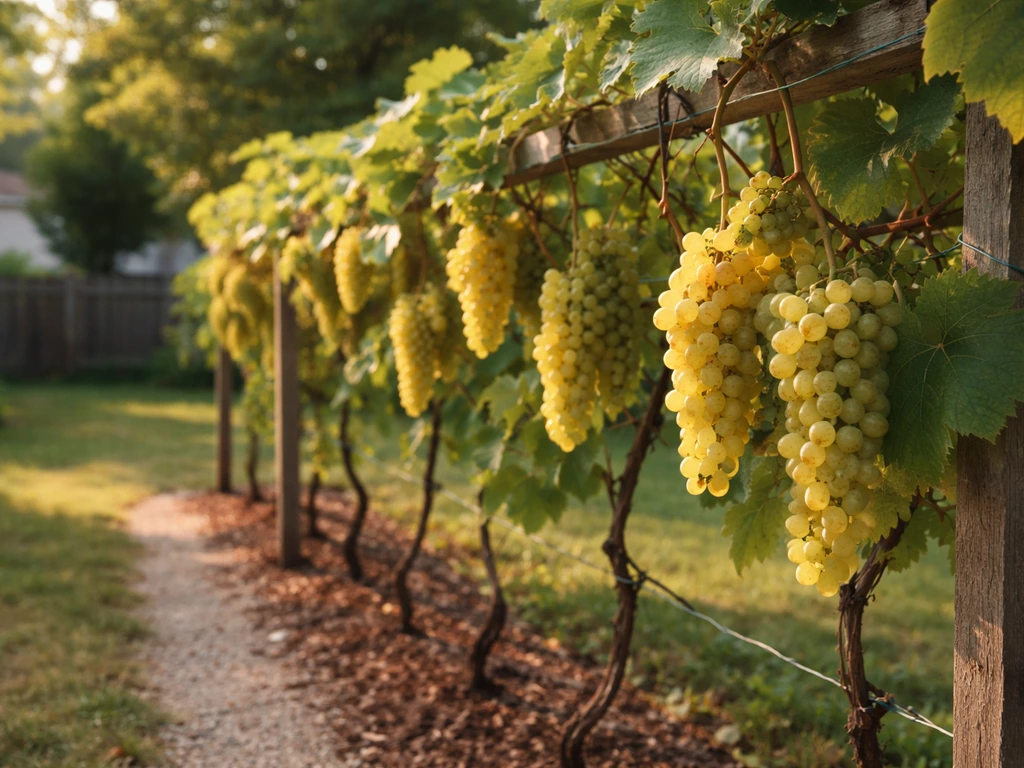
The best picks for most MA home growers are Reliance, Concord, Vanessa, Somerset Seedless, and Marquette, with Concord being the most bulletproof for beginners and Somerset Seedless being a fantastic seedless option for shorter-season areas. If you want the most reliable options, focus on the best grapes to grow in PA and match them to your cold-hardiness and ripening window best picks. Upstate New York gardeners can use the same approach: pick grapes bred for cold and match them to your local cold-hardiness and ripening window best grapes to grow in upstate ny.
Stick with French-American hybrids or cold-climate bred varieties and skip the classic European wine grapes (Vitis vinifera), and you'll have a much easier time.
Can grapes grow well in Massachusetts?
Massachusetts sits mostly in USDA hardiness zones 5b to 7a, which puts it in a tricky middle zone for grapes. The state is not too cold to grow grapes, but it is cold enough to kill off European varieties if you plant them without protection. The good news is that UMass Extension has been trialing grape varieties for New England conditions for years, and their guidance is clear: with the right cultivar on the right site, grapes are a realistic crop for home gardeners across most of the state.
The UMass New England small fruit management guide sets a useful benchmark: ideal grape-growing sites rarely see winter temperatures below -5°F, have a low risk of late spring frosts, and offer a frost-free growing season of at least 165 to 180 days. Coastal Massachusetts (Cape Cod, South Shore, North Shore) tends to meet all three of those conditions comfortably. Central and western MA (think Worcester County, the Pioneer Valley, and the Berkshires) is tighter on all fronts, but many home growers there still succeed by choosing the hardiest varieties and picking protected sites. If you want the best grapes to grow in PA, prioritize cold-hardy, disease-resistant hybrids and match the ripening window to your site.
The biggest mistake new growers make is treating 'grapes' as a single plant. French-American hybrids vary enormously in cold hardiness depending on their parentage, so the cultivar choice is the single most important decision you'll make. Picking a variety rated to zone 4 or 5 in the western Berkshires instead of a zone 6 variety can mean the difference between losing vines every few years and harvesting for decades.
What to look for when choosing a table grape for Massachusetts
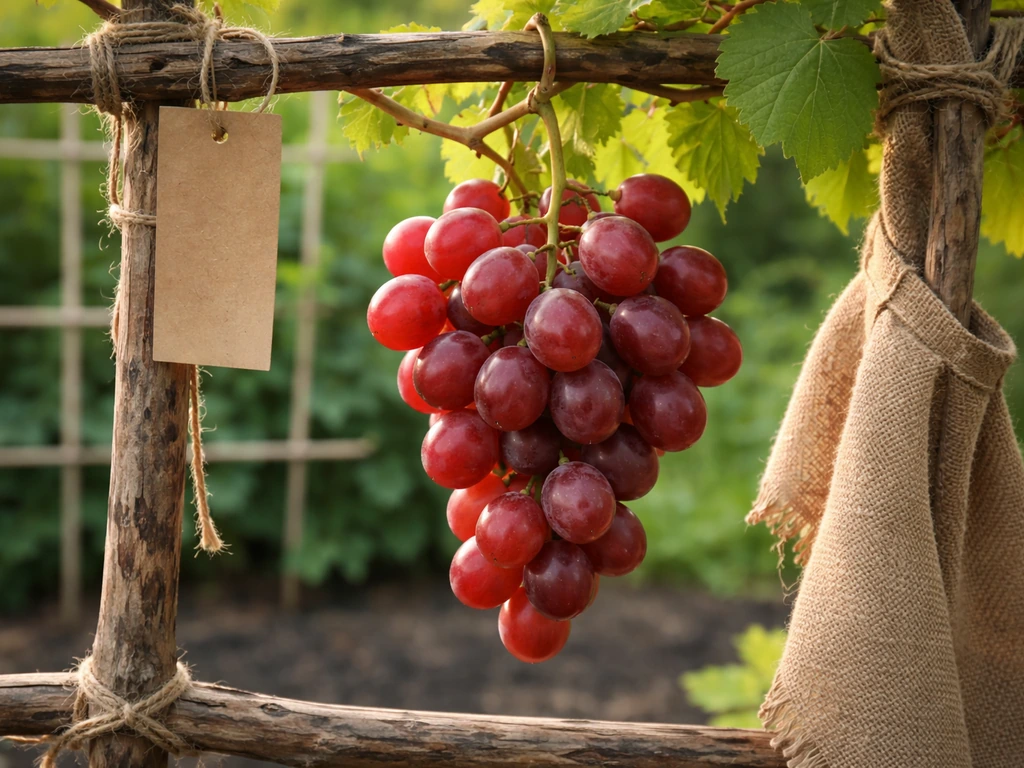
Table grapes, meaning varieties you're eating fresh off the vine rather than pressing into wine, need to check a few specific boxes for Massachusetts conditions. Here's what actually matters when you're narrowing your list.
Cold hardiness
Look for varieties rated to at least zone 5, and zone 4 if you're gardening in the Berkshires or at elevation. Vitis vinifera varieties like Thompson Seedless or Flame are simply not cold-hardy enough to survive Massachusetts winters without burying the vines, which is a lot of work and not practical for most home setups. University of Minnesota Extension research confirms that vinifera types cannot reliably thrive or survive in cold climates without major interventions. Stick with cold-climate bred hybrids. Cane hardiness matters as much as root hardiness: you want a variety where both the root system and the fruiting canes survive to -10°F or below without consistent dieback.
Disease resistance
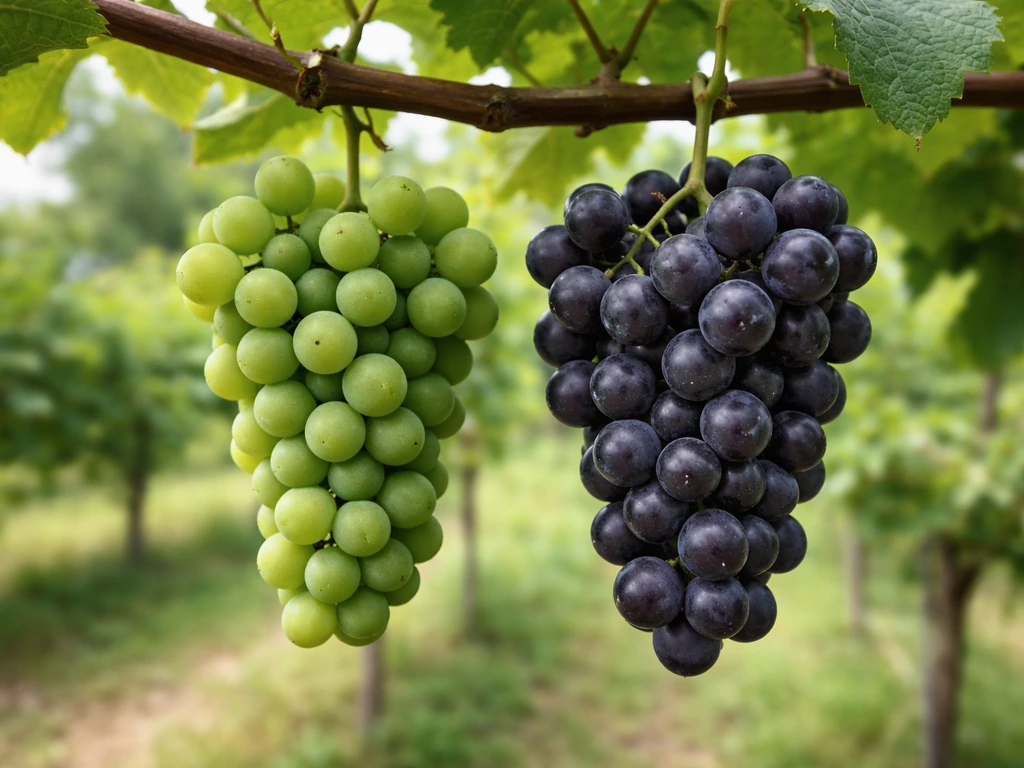
Massachusetts is humid, especially in summer. That humidity drives downy mildew, powdery mildew, black rot, and botrytis, all of which can devastate a grape crop if the variety has no built-in resistance. For a home grower who doesn't want to spray fungicides every 10 to 14 days like a commercial operation, disease resistance is non-negotiable. Fortunately, most cold-hardy hybrids bred in North America have significantly better disease tolerance than European varieties, so by choosing for hardiness you're already winning on this front too.
Ripening time
This is where Massachusetts home growers get tripped up most often. The Boston area has a frost-free season of roughly 170 to 180 days, but western MA may see just 140 to 150 frost-free days. Late-ripening varieties that need 175+ days simply won't finish before fall frosts arrive in those inland spots. Focus on early to mid-season varieties (late August through mid-September) for most of the state, and if you're in the western hills or a frost pocket, lean hard toward early-season types that ripen by early September.
Seeds vs. seedless
Most people shopping for fresh table grapes want seedless. The honest reality for Massachusetts is that seeded varieties like Concord are genuinely more cold-hardy and more vigorous than seedless options, which is a real trade-off. The good news is that breeders have made serious progress: varieties like Somerset Seedless and Reliance are seedless, cold-hardy to around -20°F (zone 4), and produce fruit that's genuinely enjoyable to eat fresh. If seedless is a priority for you, those two are the starting point.
The best table grape varieties for Massachusetts home gardens
These are the varieties I'd recommend to someone starting out in Massachusetts today. They're not exotic or hard to find, and they have a track record in New England conditions.
| Variety | Type | Hardiness | Ripening | Best For |
|---|---|---|---|---|
| Concord | Seeded, slip-skin | Zone 4 (-30°F) | Early-mid (late Aug-Sept) | Beginners, all regions, jams/eating |
| Reliance | Seedless | Zone 4 (-20°F) | Early (mid-late Aug) | Seedless fresh eating, colder sites |
| Somerset Seedless | Seedless | Zone 4 (-20°F) | Very early (early-mid Aug) | Short-season areas, western MA |
| Vanessa | Seedless | Zone 5 (-10°F to -20°F) | Mid-season (early Sept) | Coastal/central MA, excellent flavor |
| Canadice | Seedless | Zone 5 | Early-mid (late Aug) | Small clusters, sweet flavor, humid sites |
| Marquette | Seeded, wine/table | Zone 4 (-36°F) | Mid-season | Adventurous growers, colder zones |
| Price | Seeded | Zone 4 | Very early (early Aug) | Short seasons, coldest MA microclimates |
Concord: the benchmark for Massachusetts
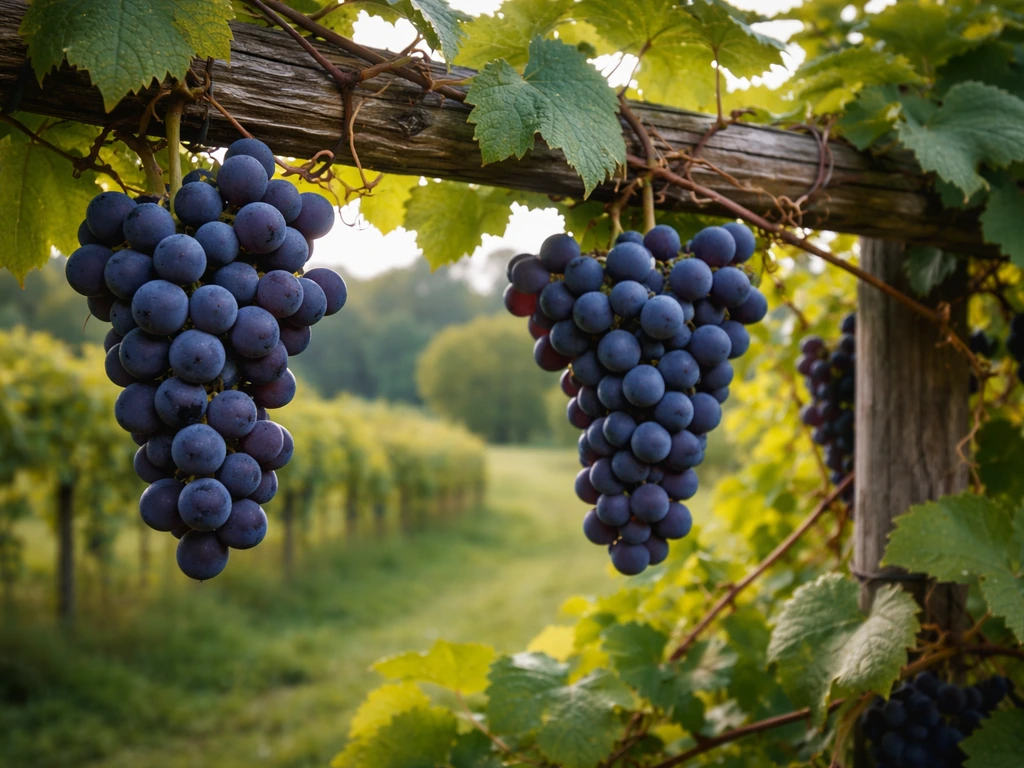
Concord was literally developed in Concord, Massachusetts in the 1840s, so it has a built-in affinity for New England conditions. It's hardy to around -30°F, vigorous, and tolerant of the disease pressure that comes with humid summers. The berries are seeded and slip-skin, which is different from the table grapes most people buy at the grocery store, but plenty of people eat them fresh and they're fantastic for juice and jelly. If you want a vine that will establish fast, need minimal intervention, and produce reliably every year, Concord is the one. It ripens in late August to September depending on your location.
Reliance: the best all-around seedless for MA
Reliance is the seedless table grape I'd recommend most broadly across Massachusetts. It's rated hardy to -20°F, ripens in mid to late August (which comfortably fits even central MA's season), and produces sweet, medium-sized pink berries with good flavor. It has decent disease resistance, especially compared to vinifera types. Reliance is widely available from mail-order nurseries and can handle the kinds of cold snaps that hit Worcester or Springfield without losing the fruiting canes.
Somerset Seedless: the pick for short-season sites
Somerset Seedless was bred specifically for cold, short-season growing. It's hardy to -20°F, and it ripens in early to mid-August, which makes it the best seedless option for western Massachusetts or anyone gardening in a frost pocket. The berries are small, sweet, and strawberry-like in flavor. Clusters aren't huge, but the earliness is the whole point here. If your last frost runs past mid-May and your first fall frost arrives in late September, Somerset is your insurance policy.
Vanessa: best flavor in coastal and central MA
Vanessa produces elongated, red seedless berries with excellent flavor and a crisp texture closer to what you'd find in a grocery store table grape. It ripens in early September and is hardy to around -10°F to -20°F depending on the source, putting it solidly in zone 5. It does have moderate disease susceptibility, so it rewards growers who are willing to do some canopy management to keep air circulation good. For coastal Massachusetts or the warmer parts of central MA where you have the season and slightly milder winters, Vanessa is a real standout.
Canadice: compact and sweet for humid spots
Canadice is a seedless red grape with small, very sweet clusters that ripen in late August. It's compact in growth habit, which makes it workable in smaller yards, and it has decent tolerance for the humidity-driven disease pressure common in eastern MA. Hardy to zone 5, it won't survive the coldest Berkshires winters without some protection, but it's a reliable performer in the coastal and central parts of the state.
Matching your variety to your specific Massachusetts microclimate
Massachusetts is not one climate. The Berkshires can see winters 10 to 15 degrees colder than Cape Cod, and the Pioneer Valley has its own thermal quirks from the Connecticut River. Your variety choice should reflect where you actually are, not just 'Massachusetts.'
- Coastal Massachusetts (Cape Cod, South Shore, North Shore, Greater Boston): Zone 6a to 7a. You have the most flexibility here. Vanessa, Reliance, Concord, and Canadice all work well. You can even push toward some slightly less hardy seedless varieties if your site has good winter protection from ocean influence.
- Central Massachusetts (Worcester County, Metrowest): Zone 5b to 6a. Reliance and Concord are the core picks. Vanessa can work on a south-facing slope. Avoid late-season varieties that need past mid-September to ripen.
- Pioneer Valley (Northampton, Amherst, Springfield): Zone 5b to 6a with frost pockets. Reliance, Somerset Seedless, and Concord are the safest bets. The Connecticut River Valley's warmer pockets allow some flexibility, but pay close attention to your specific site's last and first frost dates.
- Western Massachusetts and Berkshires: Zone 5a to 5b at lower elevations, zone 4b at higher elevations. Somerset Seedless, Price, Marquette, and Concord are your best options. Stick to early-ripening, zone 4-rated varieties and plant on the warmest, most sheltered slope you have.
- Frost pockets and low spots: Regardless of region, low areas where cold air settles are much harder on grapes than elevated or sloped sites. If you're in a frost pocket, move up in cold hardiness rating by one full zone.
South-facing slopes with good air drainage are genuinely the best sites for grapes anywhere in New England, and Massachusetts is no exception. If you want the short answer for Connecticut conditions, the best grapes to grow in CT are also the cold-hardy, disease-resistant hybrids that ripen early enough for the growing season South-facing slopes with good air drainage. A south-facing hillside in Worcester County can outperform a flat coastal garden that looks better on paper.
If you're gardening in Connecticut or upstate New York, the variety logic runs similarly, since those states share much of the same climatic challenge. If you’re wondering why grapes thrive in the Finger Lakes region, the same basics apply: a cool climate plus the right site and cultivar can line up with the growing season Massachusetts. If you're growing in upstate New York, aim for the same cold-hardy, early- to mid-season varieties discussed for inland Massachusetts.
Planting, trellis setup, spacing, and timing
When to plant
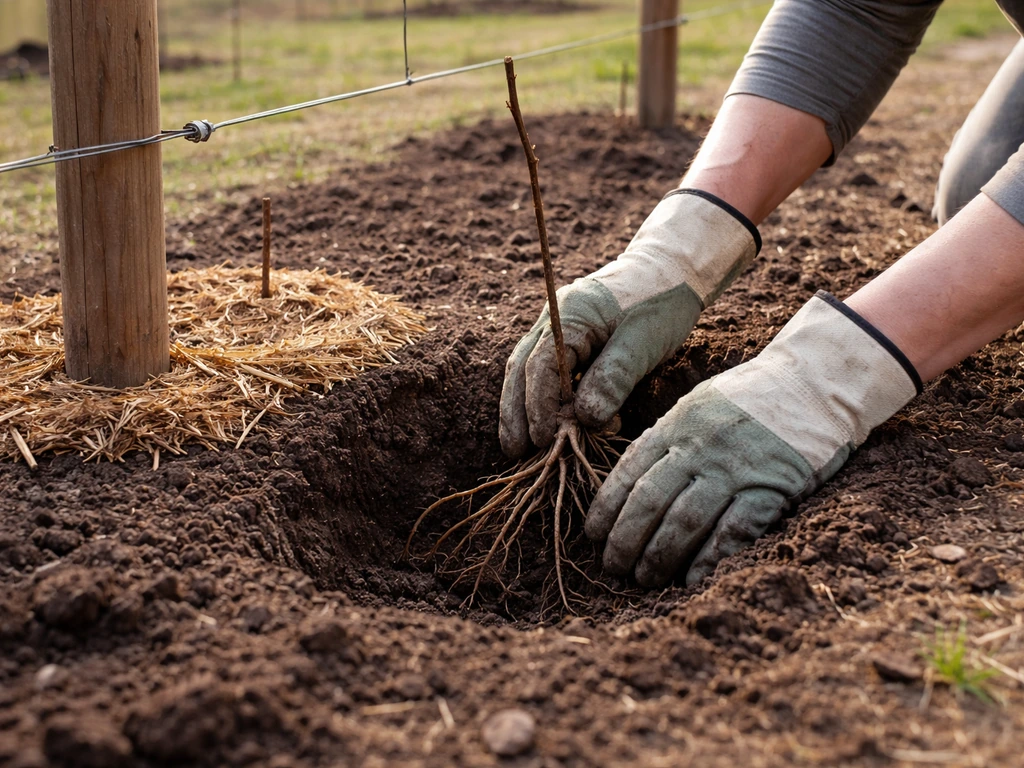
Plant bare-root vines in early spring as soon as the soil can be worked and frost risk is past, typically late April to mid-May across most of Massachusetts. Container-grown vines can go in a bit later, through early June. Avoid fall planting in MA because young vines haven't had time to harden off before winter arrives, and root establishment through a Massachusetts winter is unreliable.
Spacing and site preparation
Space vines 6 to 8 feet apart for most table varieties, or up to 8 to 10 feet if you're growing on a long pergola or fence. Grapes need full sun: a minimum of 6 to 8 hours of direct sun per day is the practical floor, and more is better. Prepare the soil by working in compost to improve drainage if your soil is heavy clay, which is common in many parts of Massachusetts. Grapes hate wet feet. A slightly sandy, well-drained loam at a soil pH of 6.0 to 6.5 is ideal.
Trellis setup
The most practical trellis for a home grower in Massachusetts is a two-wire system using the Kniffen training method. Set posts (at least 4 inches in diameter, treated or rot-resistant wood) 8 feet apart and drive them 2 feet into the ground. String 12-gauge galvanized wire at 3 feet and 5 to 6 feet off the ground. This setup handles most table varieties well, allows good air circulation (which fights disease), and makes pruning straightforward once you get the hang of it. A single wire at 5 feet works for a pergola style if you want a decorative overhead canopy, but fruiting can be uneven.
Set up the trellis before you plant, not after. Trying to install posts around established vines is frustrating and risks root damage.
What to expect in year one and two
Year one is about root establishment, not fruit. Your vine will push several shoots; choose the strongest one and train it up to your lower wire. Remove any flower clusters that appear in year one so the plant puts its energy into roots and structure. Year two, you'll start developing your permanent framework (the trunk and main arms). Don't expect a real crop until year three, and a full productive crop typically arrives in years four and five. That timeline is the same whether you're in Boston or the Berkshires.
Care plan: pruning, feeding, watering, and winter protection
Pruning
Pruning is the single most important thing you can do for grape production, and it's where most home growers go wrong by not pruning aggressively enough. Prune in late February to early March in Massachusetts, before bud swell but after the coldest weather has passed. For the Kniffen system, each arm should have four to six canes (the previous year's growth), each with 8 to 10 buds. Everything else gets cut back. It feels brutal the first time you do it, but unpruned vines get shaded out, produce poor fruit, and become disease hotbeds within a few years.
Feeding
Grapes don't need heavy fertilizing. In fact, over-fertilizing with nitrogen produces lush leafy growth at the expense of fruit and makes the vine more susceptible to disease. Apply a balanced slow-release fertilizer (10-10-10) at half the recommended rate in early spring once the vine is established (year two and beyond). If your soil test shows adequate phosphorus and potassium, you can back off to just a light nitrogen application. Get a soil test through the UMass Extension soil testing lab at least once before you plant and every few years after.
Watering
Established grape vines are reasonably drought-tolerant, but they need consistent moisture during fruit development, roughly from fruit set through veraison (when berries start to change color). Aim for about 1 inch of water per week during that window. Irregular watering during berry development causes splitting and encourages botrytis. Drip irrigation at the base of the vine is far better than overhead watering, which keeps foliage wet and invites disease.
Winter protection
For cold-hardy varieties like Concord, Reliance, and Somerset Seedless on a proper site, no special winter protection is needed in most of Massachusetts. These varieties are bred to handle the cold. Where you do need to pay attention is in zone 4b areas of western MA, especially for slightly less hardy varieties like Vanessa or Canadice. In those spots, mounding soil around the base of the trunk in late November and wrapping young trunks with burlap for the first two or three winters adds meaningful protection until the plant is fully established. Remove winter mulch and wrapping in early April before bud break.
What to realistically expect at harvest, and how to handle common Massachusetts problems
Harvest timing
Bud break in Massachusetts typically happens in late April to early May. Bloom follows about 6 to 8 weeks later, usually in June. From bloom to harvest is roughly 60 to 90 days depending on variety, which puts most early and mid-season table grapes at harvest between mid-August and mid-September. Don't rely on color alone to judge ripeness. Taste the berries. Fully ripe table grapes should be sweet with no harsh, astringent finish. Sugar levels plateau about 1 to 2 weeks after the berries look ripe, so tasting is the best tool you have.
Black rot
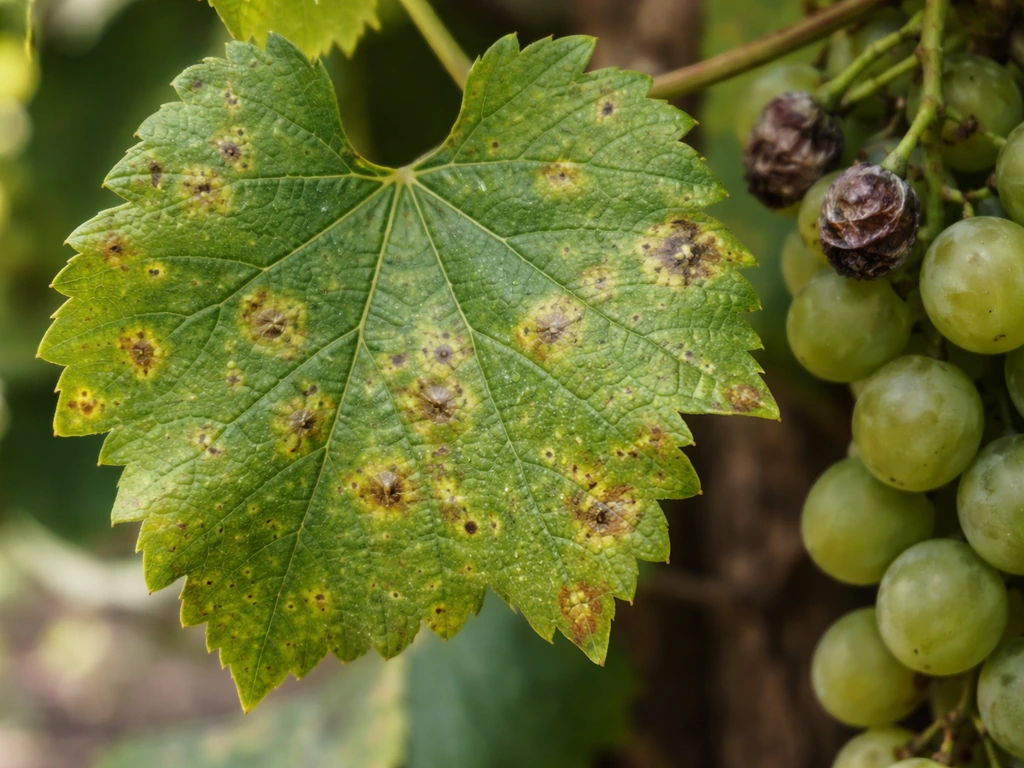
Black rot is the most common grape disease problem in Massachusetts. It starts as small yellow-brown spots on leaves, but the real damage is to berries, which shrivel into hard black mummies. The disease cycle depends on infected mummies left on the vine or ground from the previous year. The most effective control is sanitation: remove and dispose of mummified berries and infected shoot tips every year at pruning time. Good air circulation from aggressive pruning and a well-spaced trellis also helps significantly. If you've had severe black rot, copper-based fungicide sprays starting at bud break can provide additional protection.
Powdery and downy mildew
Both types of mildew are common in MA's humid summers. Powdery mildew shows as a white powdery coating on leaves and young berries. Downy mildew causes yellowing on leaf surfaces with white fuzzy growth on the undersides. Again, choosing disease-resistant varieties is the best prevention. If problems appear, sulfur-based sprays work for powdery mildew and copper-based products help with downy mildew. Most importantly, keep the canopy open with summer leaf removal around the fruit zone.
Winter dieback and vine loss
If you chose a variety rated for your zone and planted it on a good site, significant winter dieback shouldn't be a recurring problem. When it does happen, it's usually one of three things: a variety that's borderline for your zone, a young vine that wasn't fully hardened off going into winter, or an unusually severe cold event. The fix for the first two is to choose a hardier variety next time and protect young vines their first couple of winters. For the third, sometimes you just lose a year's fruiting canes but the permanent structure survives, and the vine bounces back the following season.
Birds and Japanese beetles
Birds can strip a cluster in a day once the fruit starts ripening. Draping bird netting over the entire vine about two weeks before expected harvest is the only reliable solution. Japanese beetles show up in July in much of Massachusetts and will eat grape foliage aggressively. Hand-picking in the early morning and dropping them in soapy water is effective at small scale. Neem oil or pyrethrin sprays work if populations are high, but avoid spraying during bloom to protect any pollinators working the flowers.
Where to find the right plants
For bare-root vines, mail-order nurseries that specialize in fruit are more reliable than big-box garden centers for finding variety-specific, true-to-name stock. Raintree Nursery, One Green World, and St. Lawrence Nurseries all carry cold-hardy table grape varieties appropriate for New England. Local nurseries in Massachusetts sometimes carry Concord and a few hybrids in early spring. Order bare-root stock in late winter for spring planting delivery. Avoid buying generic 'seedless grape' plants without a named cultivar, since you won't know what you're getting in terms of hardiness or ripening time.
FAQ
Can I grow grapes in Massachusetts without using a full trellis system?
Yes, but only with the right training plan. Grapes can fruit on a short “spur” type system if you keep canes managed, but the season is tight in inland MA, so you still need an early to mid-season cultivar. If you want an easy trellis-less look, consider a hedge with strong support, but plan for more canopy density, which can worsen mildew unless you do regular leaf and shoot thinning.
How do I decide between two grape cultivars when one is seedless and one is seeded?
If your goal is reliably edible table fruit, aim for varieties that list at least zone 5 hardiness (zone 4 in the Berkshires or at higher elevations). Even if a seedless variety sounds similar, the fruiting canes can be the limiting factor, so choose based on both cane hardiness and root hardiness, not just how cold the vine survives when dormant.
Do I need more than one grape variety in Massachusetts to get good fruit set?
Yes, but don’t assume a purchased seedless berry is self-fertile. Many table types will set fruit without a second variety, but some are more reliable with another compatible cultivar nearby. If you see poor flowering or very small berries despite good growth, add a second cold-hardy variety rather than changing irrigation or fertilizer first.
What should I check before buying a “seedless grape” plant so I get the best grapes to grow in Massachusetts?
You can, but prioritize “variety true-to-name” stock. Generic plants sold as “seedless grape” can be unreliable for hardiness and ripening time, which matters a lot in Worcester County and the Berkshires. The safest approach is to buy bare-root vines with the cultivar name on the label, then confirm the zone rating and expected harvest window before planting.
What if I miss the late-February pruning window and prune later?
Grapes in MA are often pruned late winter, but if you accidentally prune after bud swell, it can reduce yield and increase disease entry points. The practical fix is to still follow the Kniffen structure, avoid additional heavy cuts to live tissue, and focus on summer canopy management (leaf removal for airflow) to compensate.
Should I keep watering during ripening, or stop early in Massachusetts?
Yes, and the timing is the key. To avoid disease and berry splitting, water steadily after fruit set through veraison, then taper once berries are coloring and approaching harvest. Continue drip irrigation, but reduce frequency so you are not keeping the soil overly wet right before harvest.
My grape vine is leafy and healthy but not producing fruit, what should I check first?
If a vine grows vigorously but doesn’t fruit, the most common causes are insufficient pruning severity, too much nitrogen, and young age. Year one you should remove clusters, year two builds the framework, and real production often starts in year three or later. Also check that your vine is getting full sun (at least 6 to 8 hours of direct light).
What’s more important in Massachusetts, wind protection or cold hardiness?
You should treat wind exposure differently than cold. A site can be south-facing and still fail if winter winds dry and break canes. Add wind protection such as a fence or hedge on the windward side, and use winter wrapping or mounding only for the varieties that are borderline for your zone.
Why are my grape clusters disappearing right before I plan to harvest?
Often, birds are the real cause of “mysterious loss” near harvest. The best prevention is bird netting placed over the whole vine about two weeks before expected harvest, secured so birds cannot reach under edges. If you already lost clusters, netting the next ripening window is usually more effective than trying to scare birds.
Is overhead sprinkling ever okay for grapes in Massachusetts?
Yes, and it can make a big difference for mildew pressure. Overhead watering keeps foliage wet, which favors downy mildew and other issues in humid MA summers. For best results, use drip irrigation at the base and keep the canopy open through pruning and summer leaf thinning.