
The most reliable grapes to grow in Pennsylvania are cold-hardy hybrids like Marquette, Frontenac, and La Crescent for wine, and Reliance, Concord, and Mars for table eating. These varieties survive PA winters, ripen within the roughly 150-day growing season, and tolerate the heavy disease pressure that makes classic European wine grapes a struggle for most home gardeners. If you want a successful harvest without a commercial spray program, start with these and you will not regret it. If you are specifically planning for New England, look for varieties that handle the region's cold winters and shorter growing season best grapes to grow in new england.
Best Grapes to Grow in PA: Wine and Table Varieties

Marcus Whitfield
4 Jul 2026
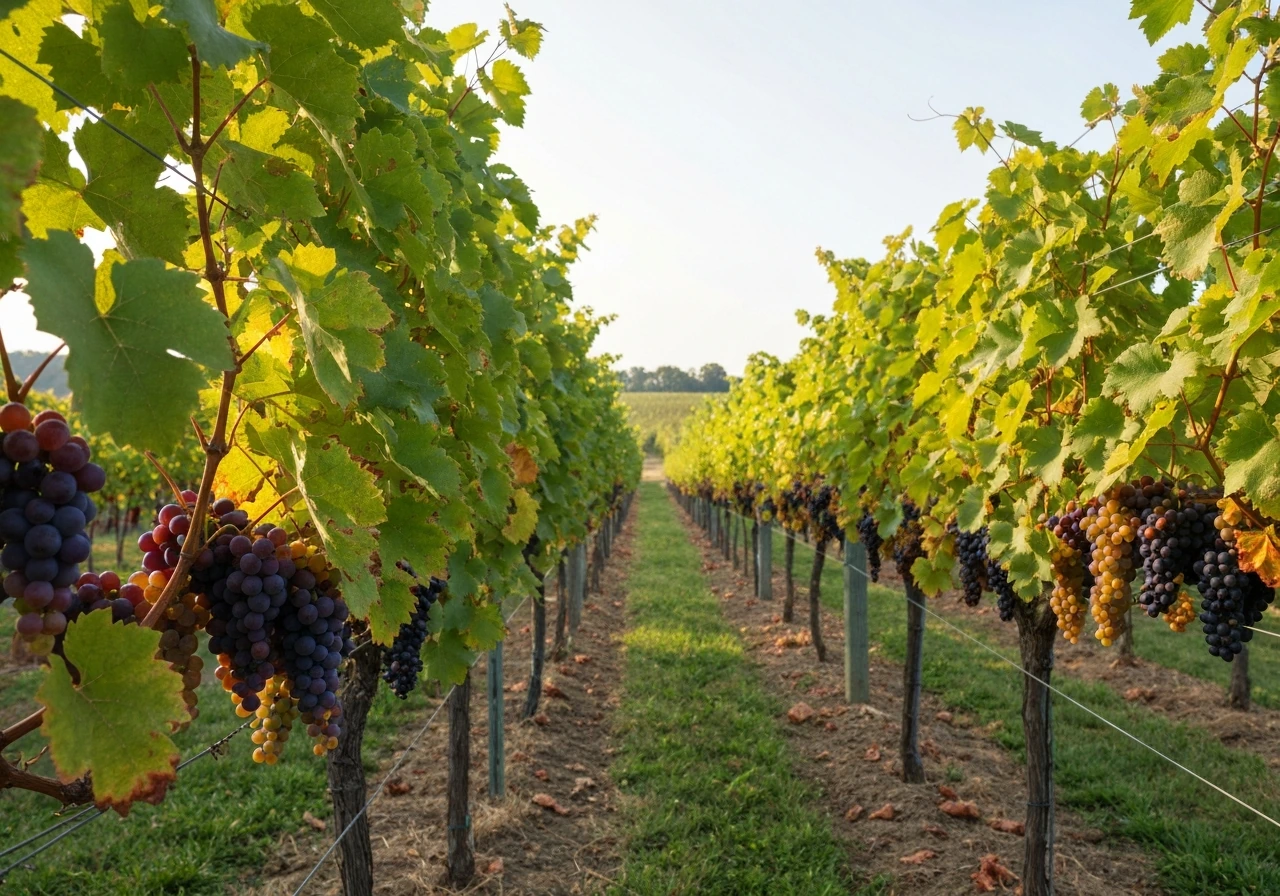
Pennsylvania grape growing: what you're actually dealing with
Pennsylvania gives you a workable but demanding environment for grapes. The state spans USDA Hardiness Zones 5b through 7a, so winters can push vine buds and canes into serious kill territory, especially in the northern counties and higher elevations. You have roughly 150 days between last spring frost and first fall frost, which is enough window to ripen many varieties, but barely enough for late-ripening reds if the fall turns cold early. Penn State puts commercial wine harvest between mid-September and mid-October, with whites going first and reds finishing last. That timeline shapes everything from which cultivars make sense to how you set up your trellis.
Disease pressure is the other reality check. Pennsylvania summers are humid, rainy, and warm enough to make black rot, downy mildew, powdery mildew, and Botrytis bunch rot a seasonal fixture. Penn State is direct about this: black rot is one of the most serious grape diseases in the entire eastern U.S., and once downy or powdery mildew gets established, you cannot eradicate it with home-scale spraying. Your best defense is choosing resistant varieties from the start, combined with smart canopy management. On top of the fungal load, you also have to manage spotted lanternfly, which was first found in Berks County in 2014 and has since spread across most of the state. It feeds aggressively on grapevines and can weaken or kill young vines if populations go unchecked. And if you are planting in ground that has had grapes before, phylloxera is a real underground threat; buying vines grafted onto resistant rootstock is the practical way to avoid it.
None of this means grapes are out of reach. It does mean variety selection matters more in PA than in almost any other mid-Atlantic or northeastern state. Pick the right cultivars and you can grow genuinely excellent grapes at home. Plant classic European vinifera without disease resistance or a serious spray program and you will spend several seasons fighting a losing battle.
Best wine grape varieties for PA home growers
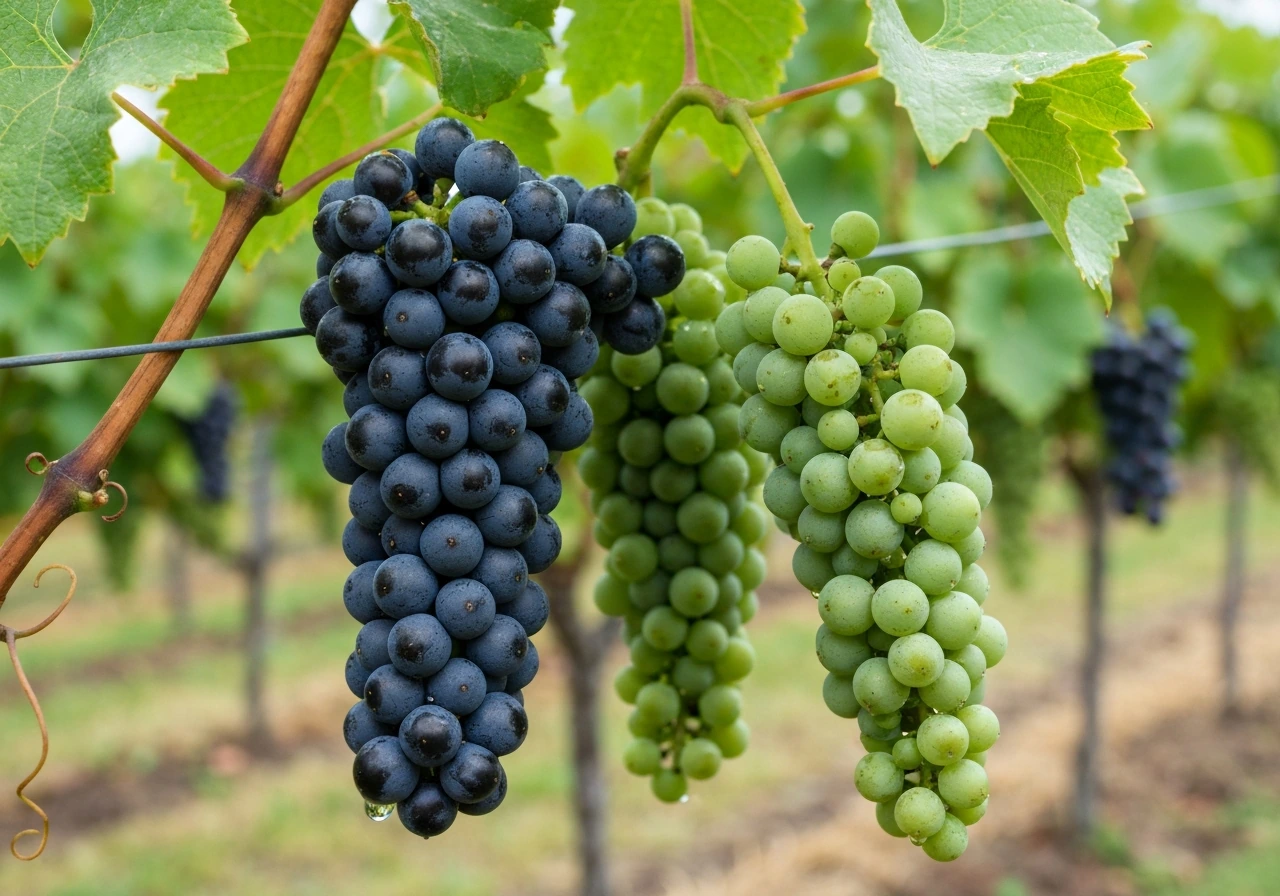
Cold-hardy hybrid wine grapes bred at the University of Minnesota are the standout choices for Pennsylvania, and they have become the backbone of the state's emerging cool-climate wine scene for good reason. Here are the ones worth planting.
Marquette
Marquette is arguably the best red wine grape you can grow in PA right now. It handles winter cold down to around -37°C when fully dormant, ripens in early to mid-October, and carries solid resistance to downy mildew, powdery mildew, and black rot. The wine it produces is genuinely good: deep color, moderate tannins, dark cherry and pepper notes. Penn State has published specific research on Marquette's performance under spring freeze conditions in PA, which tells you researchers take it seriously as a state-specific variety. Spring freeze after budbreak is its one real vulnerability, so planting on a slope or site with good air drainage helps. Training the vine high on the trellis also reduces frost exposure to buds, which is advice Penn State gives directly.
Frontenac
Frontenac is another Minnesota release that thrives in PA conditions. Cold hardiness extends to about -35°C, it ripens mid-season, and its disease resistance profile is strong across the board including downy mildew and black rot. The flavor profile tends toward high acidity and dark fruit, making it well-suited for dry reds or port-style wines. It's vigorous and productive, which is a plus for home growers but means you need to manage the canopy actively to keep disease pressure down. Ohio State Extension lists it alongside Marquette in cold-climate variety trials, and both consistently perform in environments similar to western and central PA.
Frontenac Gris
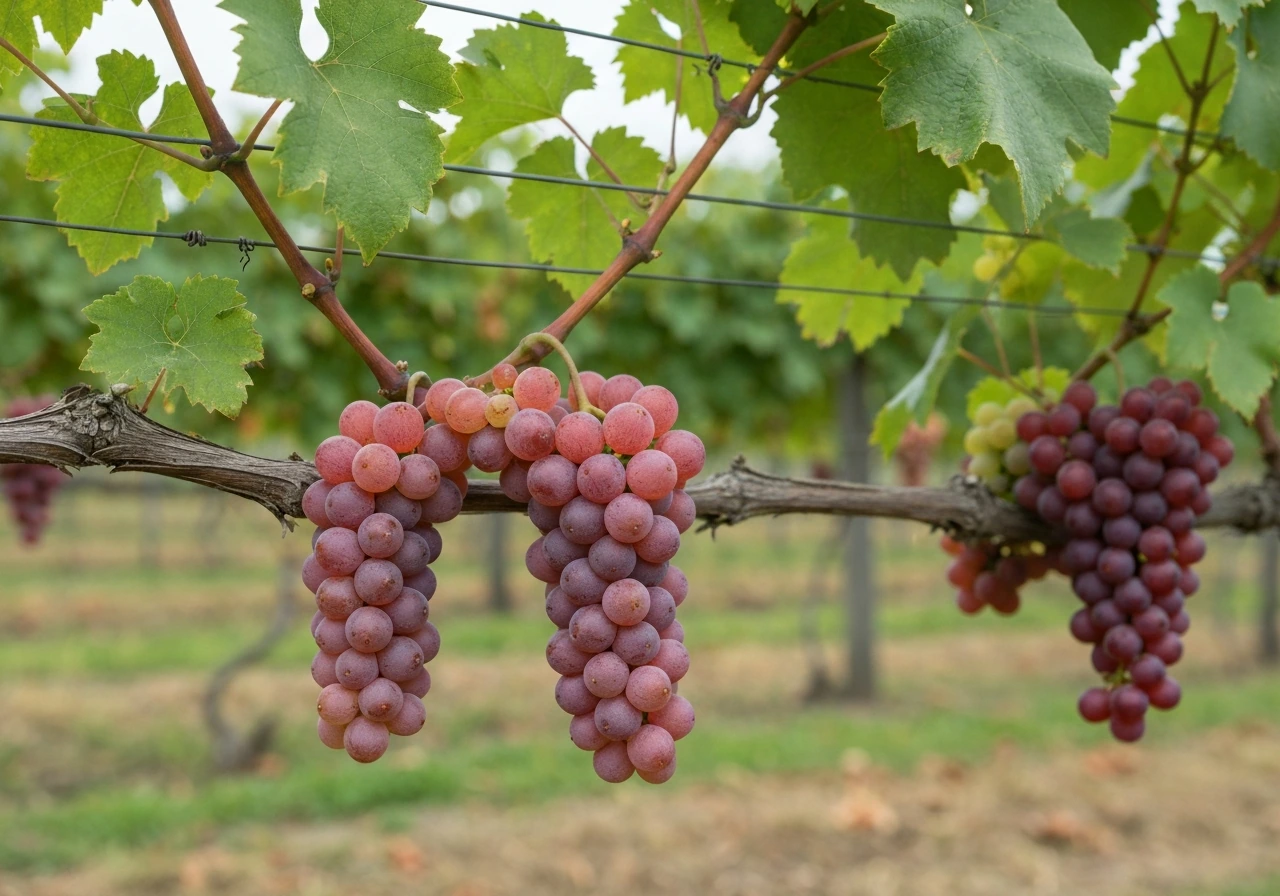
Frontenac Gris is a pink-skinned sport of Frontenac that makes white or rosé wine. It shares all of the parent vine's cold hardiness and disease resistance, which makes it a smart choice if you want a white wine option without giving up on reliability. The resulting wine is aromatic and tropical-leaning, and it ripens at roughly the same time as red Frontenac, which simplifies harvest planning if you are growing both.
La Crescent
La Crescent is the white wine grape that most PA growers should have in their lineup. The University of Minnesota developed it specifically for cold-climate wine production, and it shows. It's reliably winter-hardy into Zone 4, which puts even northern PA within range, and it ripens early enough to beat fall frosts with time to spare. Flavor-wise, expect citrus and stone fruit, sometimes with a nice floral note. The University of Minnesota's variety factsheet positions it as one of the best white options available for northern climates, and it performs consistently in trials across neighboring states.
A note on Vitis vinifera in PA
Classic European vinifera like Cabernet Sauvignon, Chardonnay, and Riesling are not recommended for most PA home gardens. Penn State specifically notes that vinifera cultivars are the most susceptible to mildew diseases, and that they require grafting onto phylloxera-resistant rootstock to survive in eastern soils. Without a consistent commercial-grade spray program, vinifera will lose to black rot or mildew more seasons than not. There are PA microclimates, particularly in parts of Chester and Lancaster counties, where experienced growers make vinifera work, but it is a harder path and not where a home grower should start.
Best table grape varieties for PA home growers
Table grapes for Pennsylvania home gardens are a different calculation. You want good eating quality, reasonable disease resistance, and cold hardiness that matches your zone. Here are the most dependable options. If you are specifically looking at table options, use the advice here and then compare it with the best grapes to grow in nj based on your local winter severity and ripening window.
Concord
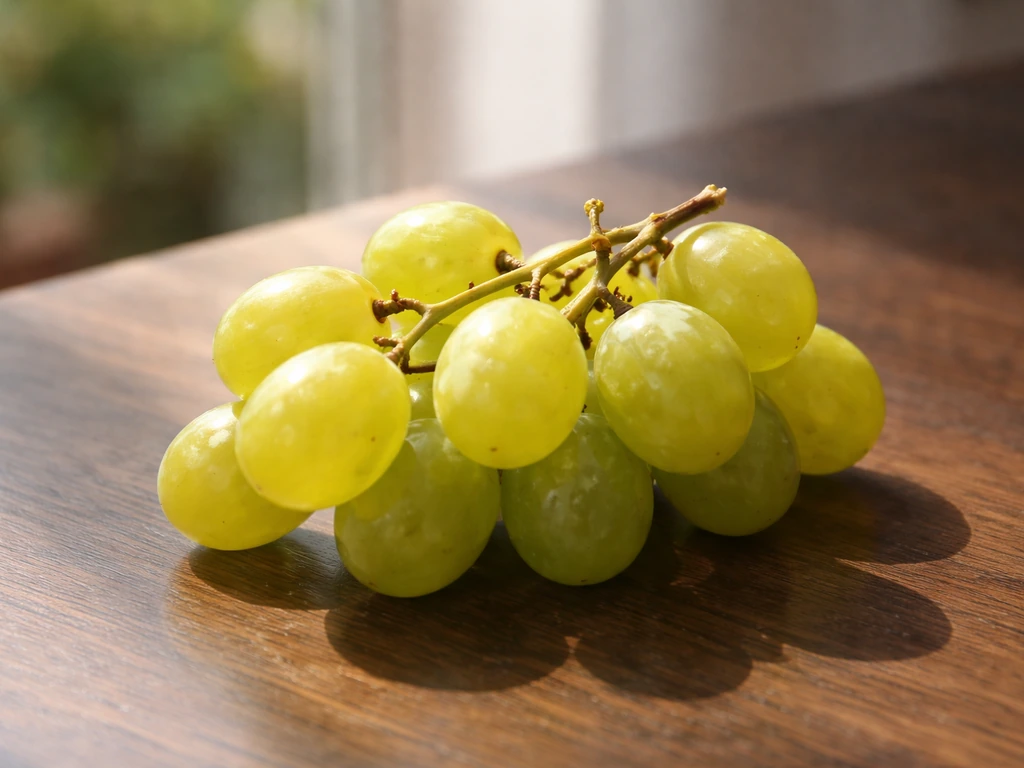
Concord is the classic northeastern table grape for a reason. It is native to the region, cold-hardy well into Zone 5, ripens reliably in September, and is nearly impossible to kill once established. The flavor is the distinctive foxy, musky Concord taste that most people associate with grape juice and jelly. It is not a refined eating grape by any standard, but for jam, juice, and fresh eating by those who love it, nothing beats the reliability. Disease resistance is moderate, better than vinifera but not as strong as the Minnesota hybrids.
Reliance
Reliance is the cold-hardy seedless table grape that most PA home growers should try first. UMass Extension and NC State both highlight it as one of the better cold-adapted seedless options, and it is notably more winter-hardy than most seedless varieties. NC State Extension also explains that many seedless varieties are not winter-hardy in cold New York winters, and highlights blank" rel="noopener noreferrer">improved cold-hardy named cultivars like Canadice, Einset Seedless, Reliance, and Vanessa as better adapted than seedless parents. If you are comparing options for Massachusetts as well, the best grapes to grow there are also the cold-hardy types that can handle shorter seasons and winter stress best grapes to grow in Massachusetts. The berries are medium-sized, pink-red, sweet, and genuinely pleasant to eat fresh. It ripens in late August to early September, which gives you good clearance from fall frosts. Its one limitation is susceptibility to downy mildew, so some preventive spraying in wet summers makes sense.
Mars
Mars is a blue-black seedless variety that performs well in PA and gets consistently mentioned by UMass Extension in cold-climate seedless grape evaluations. It ripens in mid-August, earlier than most, making it a strong choice if your site tends to get fall frosts on the early side. The flavor is mild and pleasant, and the clusters are medium-large with good appearance. Disease resistance is decent, though not exceptional.
Canadice
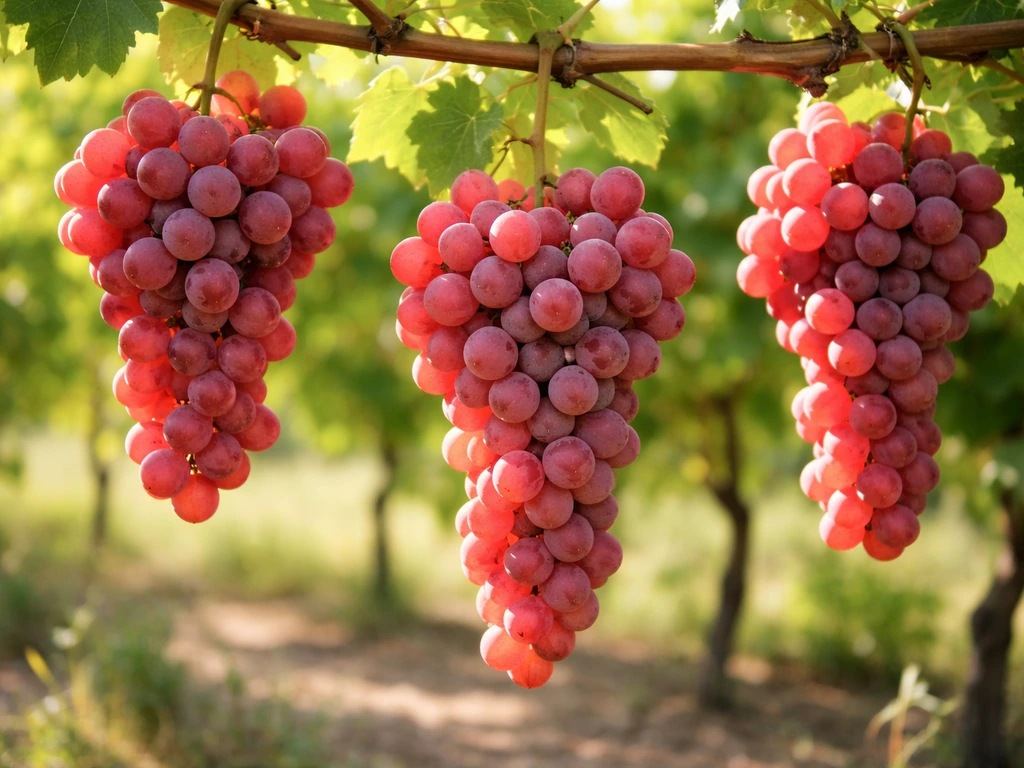
Canadice is a red seedless variety with good cold hardiness and excellent flavor. NC State's seedless cultivar trials note it as one of the better-adapted cold-hardy seedless options compared to varieties bred in warmer climates. The clusters are compact and the berries are sweet with low acidity. It ripens in early to mid-September, which fits neatly into PA's window. It can be prone to overcropping, so thinning clusters early keeps berry quality high.
Wine grapes vs table grapes: how to choose
The decision between wine and table grapes comes down to three things: what you want to do with the harvest, how much spraying you are willing to do, and what your site looks like.
| Factor | Wine Grapes (cold-hardy hybrids) | Table Grapes |
|---|---|---|
| Primary use | Fermentation, winemaking | Fresh eating, juice, jelly |
| Disease resistance | Very high (Marquette, Frontenac, La Crescent) | Moderate (Reliance, Mars, Canadice) |
| Spray program needed | Minimal with right varieties | Light to moderate in wet summers |
| Vine spacing needed | 6–9 ft between vines, 8–10 ft between rows | 6–8 ft between vines, 8–10 ft between rows |
| Ripening window in PA | Mid-September through mid-October | Mid-August through mid-September |
| Cold hardiness | Excellent (-35 to -37°C for top picks) | Good to very good (Zones 5–6) |
| Yield expectation | Moderate; quality focus | Higher; quantity-friendly |
If you want to make wine, go with the Minnesota cold-hardy hybrids without hesitation. If you want to eat fresh grapes, share them with family, or make juice and jam, table varieties are the better fit. There is no reason you cannot grow both on the same property, and many PA home growers do exactly that. The site requirements overlap considerably, so mixing varieties in the same trellis row is practical as long as you leave enough spacing. Growers in neighboring New Jersey and upstate New York face very similar conditions, and the same cold-hardy hybrid recommendations come up consistently across those regions as well. If you are specifically in upstate NY, focus on cold-hardy hybrids that can ripen in about 150 days and hold up to common eastern grape diseases upstate New York.
Planting and setup essentials for Pennsylvania
Site selection: sun, slope, and airflow
Grapes need a minimum of 6 to 8 hours of direct sun daily, but in PA you want the maximum you can get. A south or southwest-facing slope is ideal because it warms up faster in spring and drains cold air away from the vines on frost nights. Cold air pools at the bottom of hills and in low spots, which is exactly where you do not want your vines. Good airflow through the canopy is also critical for disease management. Dense, shaded canopies in humid PA summers are a recipe for mildew and rot, so do not plant vines against walls or in corners where air cannot move.
Soil
Penn State recommends a soil pH of 5.5 to 7.0 for wine grape production, and that range applies equally to table grapes. Most Pennsylvania soils fall within or close to this range, but test before you plant anyway. WVU Extension recommends soil testing as the foundation of any fertilization plan, and that advice applies directly to PA growers. Grapevines do best with soil depth of around 30 to 70 inches where roots can penetrate freely and drain well. Heavy clay soils that stay waterlogged after rain are problematic. If that describes your site, amend heavily or consider raised bed planting to improve drainage.
Spacing and trellis setup
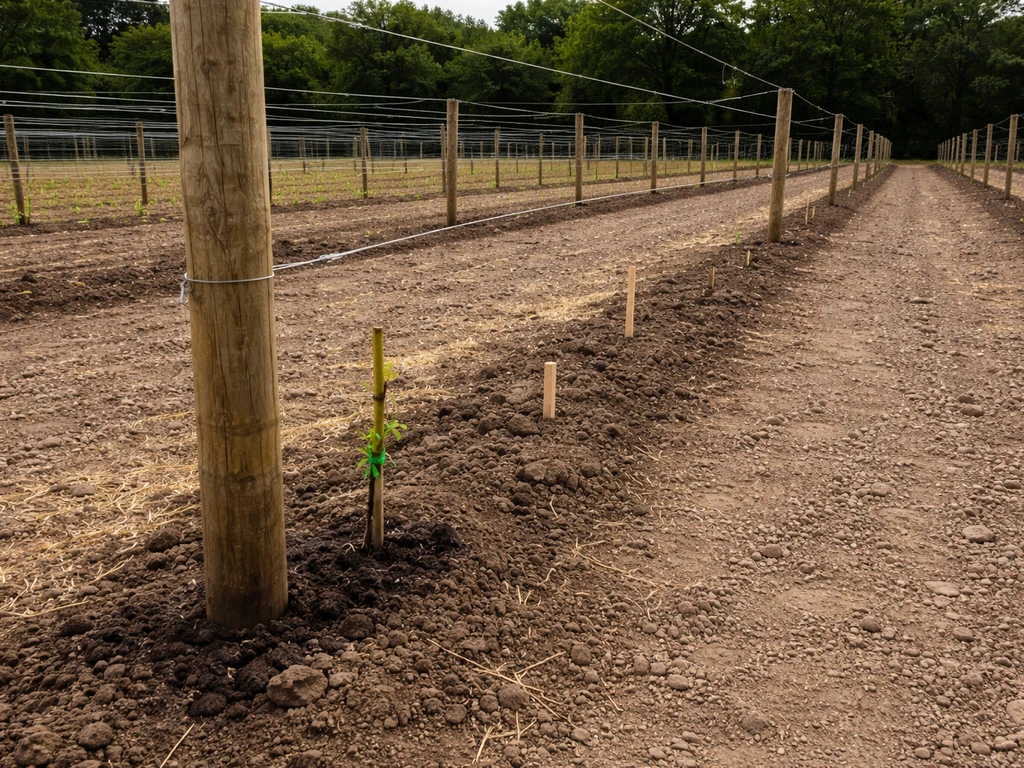
For home plantings, 8 feet between vines within the row and 9 to 10 feet between rows is a practical starting point. Penn State uses 8x9 and 8x6 foot spacings in commercial examples, and the wider spacing translates well to the home scale where you also need to walk and work comfortably around the vines. A simple two-wire vertical trellis works fine for most table grapes and many wine varieties. For wine hybrids and higher disease-pressure sites, the Watson training system, which Penn State specifically discusses, uses a high-wire with crossarms and catch wires that improve spray penetration into the fruit zone and make harvest easier. Training buds high on the trellis also reduces their exposure to late spring frost events, which Penn State notes directly as a frost-hazard management tool. Having an insurance cane on each vine during establishment years is good practice; if the main cane gets killed by a hard frost, the backup cane lets you continue training without losing a season.
Rootstock and phylloxera
If you are planting vinifera varieties or in soil that has a history of grape growing, buy vines on phylloxera-resistant rootstock. Penn State states clearly that vinifera requires grafting to survive in the presence of phylloxera. For cold-hardy hybrids like Marquette and Frontenac, own-rooted vines are commonly sold and generally acceptable, but rootstocked vines are still the safer long-term investment if phylloxera is a known issue in your area.
PA grape care calendar
Late winter and early spring (February to April)
Prune while vines are fully dormant, before budbreak. This is the most important task of the year. Remove 80 to 90 percent of last year's growth, leaving only the canes or spurs you intend to fruit. Clean up any mummified berries or infected leaves left from the previous season, since these harbor black rot and other fungal spores that will re-inoculate your vines in spring. After budbreak, watch the forecast carefully. A late frost after buds have opened can destroy a season's crop in one night. If a hard frost is coming, you can protect young buds with row cover on small plantings.
Spring through early summer (May to June)
This is when disease pressure begins building fast. Black rot spores are released in spring and infect both leaves and young clusters. Penn State's guidance on black rot is that it is the most serious disease in eastern grape growing, and prevention is far easier than treatment. Start a preventive spray program as soon as shoots reach a few inches long, using fungicides labeled for grapes. For mildews, the same logic applies: Penn State is explicit that once infection is established, eradication is difficult. Keep the canopy open by shoot positioning and early leaf removal around the fruit zone. Apply fertilizer early in this window, but carefully. Penn State advises applying approximately 2 ounces of 33-0-0 per vine after planting in establishment years, keeping it away from vine tissue. In subsequent years, follow a soil test rather than a fixed schedule.
Summer (July to August)
Continue canopy management and fungicide applications on schedule, especially after heavy rains. Downy mildew can develop into an epidemic very quickly under warm, wet conditions, as the University of Maryland Extension documents specifically for eastern growers. Grape berry moth is another summer concern; larvae damage berries and open wounds that let Botrytis and sour rot get established. Monitor for spotted lanternfly egg masses and adults on vines and nearby tree-of-heaven. Penn State recommends insecticides labeled specifically for use on grapes to manage SLF, so check labels carefully before treating. Water young vines during dry stretches, aiming for consistent soil moisture without waterlogging. Established vines are more drought-tolerant but still benefit from supplemental irrigation in dry July and August periods.
Late summer and fall (September to October)
Continue monitoring for late-season bunch rots including Botrytis and sour rot, both of which Penn State identifies as significant in the final push to harvest. Reduce nitrogen inputs so vines harden off properly before winter. After harvest, clean up fallen fruit and infected material from around the base of vines before the ground freezes. This removes the overwintering source for several diseases.
Harvest timing and what to expect from your vines
For table grapes, rely on taste and color. Reliance and Canadice should taste sweet and fully flavored, with berries pulling easily from the cluster. Mars, which ripens earliest (mid-August for PA), should have deep blue-black color all the way through. Do not trust color alone; taste a berry from several clusters and several positions on the vine before cutting.
For wine grapes, sugar content measured in degrees Brix is your primary guide. The University of Wisconsin Extension recommends using a refractometer for cold-hardy varieties, and the University of Maryland Extension notes that harvest decisions should factor in Brix alongside acidity and overall flavor development. If you are growing in Maryland specifically, the best wine grapes to grow there are also cold-hardy hybrids that ripen within the state’s season and resist common eastern diseases University of Maryland Extension. Most cold-hardy wine grape hybrids are ready in the range of 20 to 24 Brix for PA conditions, though exact targets vary by variety and intended wine style. Marquette and Frontenac typically reach harvest-ready Brix in PA between late September and mid-October, which lines up exactly with Penn State's documented wine grape harvest window.
On timing expectations: newly planted vines will not produce a real crop in year one, and year two will be light. A full harvest generally comes in years three and four. This is not a fast crop, but it is a long-lived one. Vines planted today can still be producing in 20 to 30 years. The patience required upfront is offset by the longevity of the investment, and by year three you will have a genuine sense of what your site can do. If you are in a part of Pennsylvania with conditions similar to the New Jersey border counties or the lower Susquehanna Valley, conditions tend to be slightly warmer and more forgiving than the northern tier or plateau regions, which can open up slightly more cultivar flexibility. Finger Lakes vineyards often succeed because the region offers a cool-climate balance of seasonal timing, good drainage, and conditions that support grape ripening why do grapes grow well in the finger lakes region.
Start with two or three vines of a cold-hardy hybrid wine grape like Marquette and one table variety like Reliance. Get them established, get comfortable with the pruning and spray timing, and then expand from there. Grapes in Pennsylvania are absolutely doable at the home scale. You just need to go in with the right varieties and realistic expectations about the maintenance involved. If you are specifically looking for the best grapes to grow in CT, focus on cold-hardy varieties and plan around your shorter season and higher winter risk.
FAQ
What’s the best single grape to start with if I only want one vine in Pennsylvania?
For the most reliable “set it and learn” option, choose Marquette (wine) or Reliance (table). Marquette tends to be more forgiving overall disease-wise, while Reliance gives you seedless eating. If you want one vine and one harvest use, table grapes are easier year-to-year because you can judge ripeness by taste rather than measuring Brix.
Can I grow one of these grapes without doing any spraying at all?
You can reduce spraying, but in PA humidity you usually cannot eliminate it if you want consistent crops. Minnesota wine hybrids are your best chance for low-spray success, and even then you should still do targeted early prevention for black rot and mildews. If you absolutely want minimal input, focus on spacing, pruning, canopy openness, and removing infected material quickly, then accept that some years will be lower yields.
Are Marquette, Frontenac, and La Crescent safe choices for colder parts of PA or higher elevations?
They are generally the right direction because they are cold-hardy hybrids, but your site still matters. In the coldest pockets, prioritize a south or southwest slope, avoid low spots where cold air pools, and consider training higher on the trellis to reduce bud exposure to late spring freezes.
When should I pick for table grapes, Reliance, Mars, or Canadice?
Don’t rely on color only. Sample berries from multiple clusters at different heights and positions on the vine. Reliance and Canadice should taste fully sweet and flavorful, and berries should pull with less resistance when ready. Mars should have deep blue-black color throughout, then confirm sweetness by taste before harvesting the whole cluster.
How do I know if my wine grapes are ready, if I don’t want to make wine and just want a sweet enough crop?
You can still use degrees Brix as a practical ripeness check. If you have a refractometer, aim for the variety’s typical “harvest-ready” range for cold-climate hybrids in PA, but also taste berries to confirm flavor development. For most home growers, combining Brix with acidity reduction and seed color will get you closer than using calendar dates alone.
What’s the biggest mistake new PA grape growers make?
Planting in a frost-prone location and then crowding the vines. Low spots and dense, shaded canopies push you toward mildew and bunch rot problems. Start with good air drainage, maximum sun, and a spacing plan you can manage, then build from there.
Do I need phylloxera-resistant rootstock if I’m only planting cold-hardy hybrids like Marquette and Frontenac?
Own-rooted cold-hardy hybrids are often sold and can work, but grafted vines on resistant rootstock remain the safer long-term investment if phylloxera is an established concern in your area. If you have previously grown grapes on that site, choose rootstocked vines unless the nursery can clearly document your situation.
How do I protect vines from spring freeze if my buds get hit easily?
Train higher on the trellis to move fruiting buds higher off the coldest air layer, and plant where cold air can drain away from the canopy. If you have only a few vines, row cover can protect exposed young buds during a short forecasted cold event, but it is a last-minute tool, not a season-long strategy.
Is Concord worth growing in PA even if I want something more “modern” tasting?
Concord is valued for reliability and cold tolerance, but it has the distinctive foxy, musky taste that not everyone likes. If you want a more neutral or wine-like flavor, you’ll probably be happier starting with a cold-hardy Minnesota wine hybrid or a more neutral table variety rather than relying on Concord alone.
Why do some table grapes overcrop and taste worse, especially seedless types?
Seedless varieties like Canadice can set too many clusters, which dilutes sugar and flavor. Thinning early helps keep berry quality high. A simple rule is to remove excess clusters while they are small so the remaining berries get full resources and enough airflow.
Should I fertilize in PA the same way every year?
No. Fertilize based on soil testing after the establishment phase. In establishment years, a modest starter nitrogen approach is typical, but too much nitrogen later encourages soft growth, higher disease risk, and poor winter hardening. If your vines are vigorous and leafy, skip extra feeding and focus on pruning and canopy management.
How long until I should expect real harvests from newly planted vines?
Expect no meaningful crop in year one, light yields in year two, and a fuller harvest usually in years three and four. The vines also keep improving after that, so treat the first couple seasons as establishing root strength, pruning accuracy, and site fit rather than expecting top production.
What should I do after harvest to reduce next year’s disease problems?
Clean up all fallen fruit and remove infected leaves and mummified material from around the base before the ground freezes. This reduces overwintering sources for black rot and other fungal issues. Also avoid late-season nitrogen so the vines harden off properly for winter.
What spacing and trellis setup works best if I want manageable maintenance on a home property?
A workable starting point is roughly 8 feet between vines in the row and 9 to 10 feet between rows, then use a two-wire vertical trellis for many table grapes and many wine hybrids. If your disease pressure is high or you plan to do more careful fruit zone work for hybrids, consider a higher-wire system that improves airflow and easier harvest access.