
The best time to plant grapes depends almost entirely on where you live and what type of plant you're starting with. For most of the country, early spring is the sweet spot: bare-root vines go in as soon as the soil can be worked (typically April or May in the northern US), while container-grown vines wait until after your last frost date (May or June).
When to Grow Grapes: Best Planting Time by Zone
Marcus Whitfield
3 Apr 2026
NOAA Climate. gov also provides an interactive map of the average date of last spring freeze across the United States, based on NOAA NCEI data, and explains that “last freeze” refers to the probabilistic day when temperatures stay above 32°F in most years [last frost date](https://dev-01-alb-www-climate. woc. noaa.
gov/news-features/understanding-climate/interactive-map-average-date-last-spring-freeze-across-united). In the Deep South and Gulf Coast states, the window flips entirely, with bare-root muscadines going in during the dormant winter months of December through February. Get this timing right and your vines hit the ground running. Get it wrong and you're fighting poor establishment all season long.
Deciding your best time by location and climate zone
Your USDA hardiness zone is the first thing to look up before you think about planting dates. It tells you your average minimum winter temperature and, combined with your local frost dates, gives you the two bookends that define your planting window. University of Wisconsin Extension, for example, explicitly pairs hardiness zone data with last spring frost and first fall frost dates when advising northern growers, because those two numbers together tell you far more than either one alone.
Here's a rough regional breakdown to get you oriented:
| Region | Climate Zones (approx.) | Recommended Bare-Root Planting Window | Container Planting Window |
|---|---|---|---|
| Northern US (MN, WI, MI, NY) | Zones 4–5 | April to early May | Late May to June |
| Midwest/Mid-Atlantic (MO, PA, OH) | Zones 5–6 | Mid-March to mid-April | May |
| Pacific Northwest (OR, WA) | Zones 6–8 | Late March to April | April to May |
| Southeast / Deep South (GA, FL, NC coast) | Zones 7–9 | December to February (bare-root dormant) | March to April |
| California (most regions) | Zones 8–10 | January to March | March to May |
University of Missouri Extension puts this regional variability in plain terms: preferred planting shifts from March in southern Missouri all the way to mid-April in the northern part of the state. That's a six-week swing across a single state. If you're curious about when grapes grow and what the season actually looks like from dormancy through harvest, that broader seasonal picture is worth understanding before you lock in a planting date.
One thing that trips up gardeners: relying on air temperature alone. Soil temperature at your target rooting depth matters just as much. Mississippi State University Extension emphasizes measuring actual soil temp rather than guessing based on air readings. You want soil that's consistently warming, not frozen solid six inches down with a few warm days on top.
Choosing the right grape varieties for your planting window
Timing isn't just about when to plant. It's about matching the right variety to your climate so the vine can actually finish its season before your first fall frost. Oregon State University Extension makes this point directly: grape cultivars differ in winter hardiness, season length, and heat requirements, and they recommend matching cultivar to region using local growing degree days. A variety that needs 160 frost-free days won't make it through a Vermont September.
Cold hardiness is also dynamic, not fixed. UMN Extension's research shows that grape buds are vulnerable through winter and into early spring, and that vulnerability increases sharply once buds begin swelling. Washington State University Viticulture & Enology reinforces this: bud cold hardiness is variety-specific, which is why WSU offers risk assessment tools rather than a single universal freeze threshold. Bottom line: the variety you choose affects how much frost risk you're actually carrying at any point in the season.
NC State Extension adds another practical warning: areas prone to early fall frosts should avoid late-ripening varieties like Cabernet Sauvignon, because fruit and wood simply won't mature in time. If your first fall frost typically arrives before mid-October, you want early-ripening cultivars like Marquette, Frontenac, Concord, or muscadines (for the South), not Bordeaux-style varieties bred for long Mediterranean summers.
Speaking of muscadines, they're a completely different planting category. If you're in the Southeast, sea grapes and other warm-climate grape relatives aside, muscadines are almost certainly your best bet, and UF/IFAS Extension recommends planting them bare-root during their dormant window of December through February.
Timing based on planting type: bare-root vs container vs cuttings
These three planting methods have meaningfully different timing rules, and mixing them up is one of the most common mistakes new grape growers make.
Bare-root vines
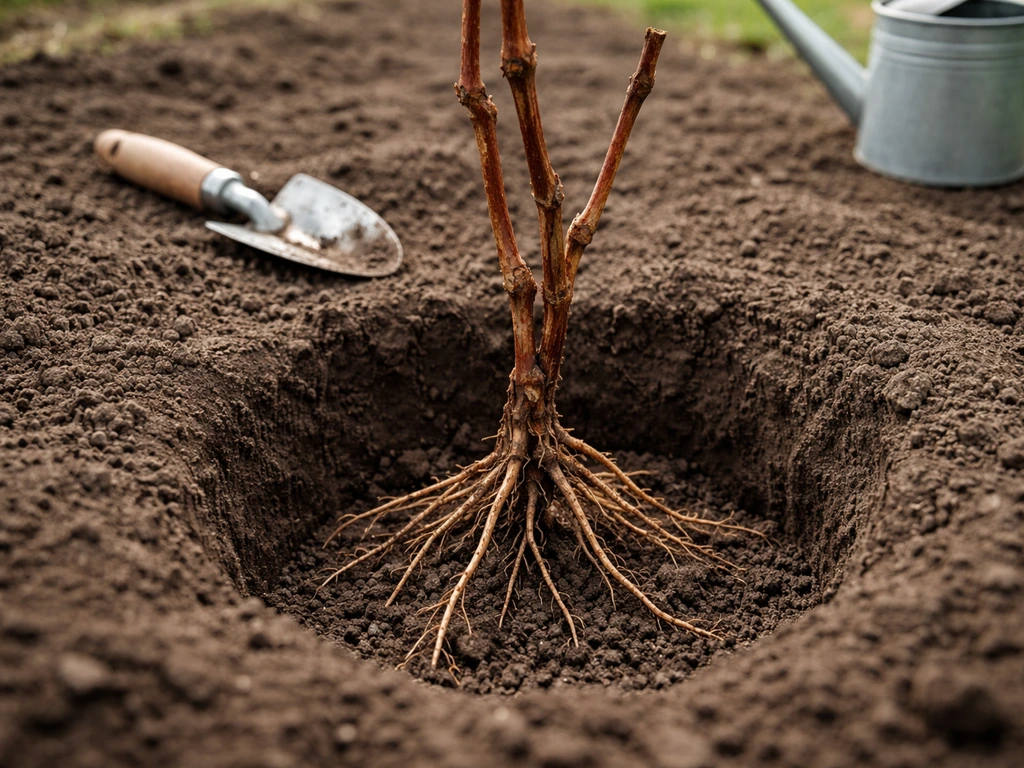
Bare-root plants are dormant and relatively forgiving about being moved, but they need to go in the ground as soon as the soil can be worked in spring. UMN Extension recommends April or May for northern growers. Rural Sprout advises waiting until after the last deep frost. If your bare-root plants arrive before the ground is ready, don't leave them sitting in a box. UGA Extension recommends either storing them at 38 to 45°F or heeling them in temporarily, which means burying the roots in a shallow trench or container of moist soil until planting conditions allow. When you do plant, UMN Extension specifies depth: the lowest bud should sit just above the soil surface.
Container-grown vines
Container plants are more established but also more vulnerable to a hard frost if they've already leafed out. UMN Extension is clear: potted grapevines go in after frost risk has passed, typically May or June in northern zones. The Minnesota Grape Growers Association echoes this, specifically noting that potted vines that have already sprouted should not be set out until all danger of frost is past, usually after mid-May. Container plants give you a few extra weeks of flexibility compared to bare-root, but don't push your luck by planting into a cold snap.
Cuttings
Propagating from cuttings is the most time-intensive method but costs almost nothing if you have access to existing vines. K-State Extension advises rooting cuttings indoors at 70 to 75°F, then transplanting outside after spring frost danger has passed. If you want to understand what grapes look like when they first start to grow from a cutting, the early stages are subtle: a small callus forms at the cut end before roots develop, and the first leaf growth is a good sign that rooting is underway. Using rooting hormone significantly speeds up this process, according to grapes.extension.org's propagation guidance.
Spring vs fall planting, and your first-year schedule
For most home gardeners, spring planting is the right call. It gives vines a full growing season to establish roots before their first winter. Fall planting is occasionally done in mild climates (Zones 7 and warmer) where winters don't freeze the ground solid, but it's a riskier approach for beginners because a newly planted vine has almost no root establishment before facing cold stress.
Here's what a realistic first-year timeline looks like for a spring-planted bare-root vine in a northern or mid-Atlantic climate:
- Late winter (February to March): Research varieties and order bare-root plants. Plan your trellis layout now, because NC State Extension notes that trellis planning and construction must be done correctly before or at planting, not as an afterthought.
- Early spring (April to early May): Prepare the site, test and amend soil, and install trellis posts. Plant bare-root vines as soon as soil can be worked, with the lowest bud just above the soil surface.
- Late spring (May to June): Vine breaks dormancy and begins shooting. Keep soil moist, aiming for about half to one inch of water per week as recommended by UMN Extension. Weed consistently.
- Early summer (June to July): Select the strongest shoot to become the main trunk. Secure it to the trellis as it grows. Remove all flower clusters this year, because Penn State Extension is direct: first-season fruiting robs the vine of energy it needs for root development.
- Late summer to fall (August to October): Continue training the trunk upward. Let the vine harden off naturally as temperatures drop. Do not prune in fall.
- Dormancy (November to March): Vine goes dormant. Prune in late winter just before bud swell begins, and plan year two training.
One thing worth knowing about chilling: grapes need a cool-temperature dormancy period to resume growth properly in spring. In warm climates (think parts of California and the Deep South), insufficient chill hours can cause delayed or erratic bud break, which throws off your whole growing calendar. If you're in a warm-winter area, this is another reason variety selection matters, since some cultivars have lower chill requirements. For California-specific timing, the grape growing season in California operates on a very different schedule than the rest of the country.
Soil temperature, frost dates, and site readiness checks
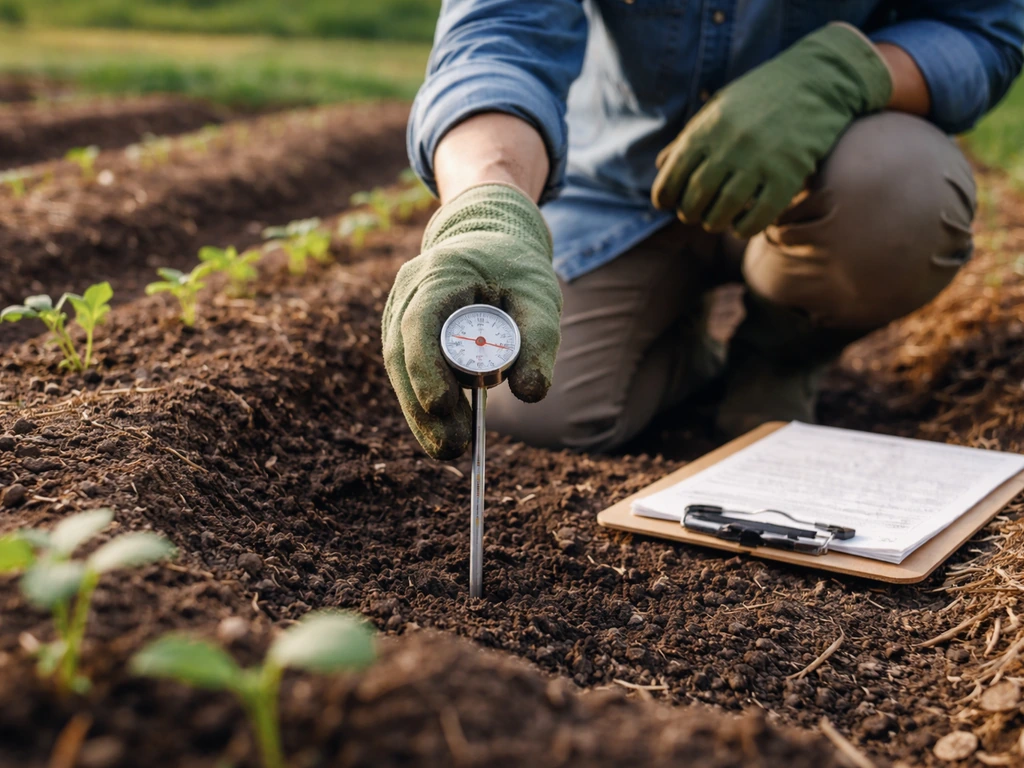
Before you plant anything, run through these four checks. Skipping them is how people end up replanting in year two.
- Soil temperature: Use a soil thermometer at 4 to 6 inches depth. You want consistent readings above freezing with no ice layer below. There's no magic number for grapes specifically, but if the soil is still cold enough to numb your hand at planting depth, it's too early for bare-root vines.
- Frost dates: Look up your area's average last spring frost date from a reliable local source (NOAA, your cooperative extension service, or the Farmers' Almanac). Bare-root goes in before or right at that date; containers wait until after. Note that ATTRA flags 31°F as a damage threshold for actively growing shoots, so even a light frost after bud break is a real risk.
- Drainage: Grapes hate wet feet. Do a simple drainage test by digging a hole about 12 inches deep, filling it with water, and watching. If it drains within an hour, you're fine. If water is still sitting two hours later, you need to address drainage or choose a raised bed.
- Sun and air circulation: Your site needs at least 6 to 8 hours of direct sun and enough airflow to reduce disease pressure. South-facing slopes are ideal in northern climates.
Also think about frost pockets. Cold air drains downhill and settles in low spots. A site at the bottom of a slope might be 5 to 7°F colder on a still spring night than a spot 20 feet uphill, which is exactly the kind of temperature difference that damages newly emerging shoots at 31°F.
What to do this week to get started right
It's April 2026. Depending on your location, you are either right in the planting window or just a few weeks away. Here's exactly what to do this week:
- Find your last frost date. Search '[your county/city] average last frost date' through your state's cooperative extension website. This single number anchors everything else.
- Check your USDA hardiness zone at the USDA Plant Hardiness Zone Map. Cross-reference it with variety recommendations from your state extension service to identify two or three cultivars suited to your zone.
- Order bare-root plants now if you haven't already. April is late for bare-root ordering in many regions; if you can't get bare-root stock, shift to a container plant and plan to plant after your last frost date.
- If your bare-root order has already arrived and the ground isn't ready, heel in the roots immediately in moist soil or store them at 38 to 45°F. Do not leave them in a warm room or let the roots dry out.
- Measure your soil temperature at 4 to 6 inches. If it reads consistently above freezing with no frost in the 10-day forecast, bare-root vines can go in now in most northern zones.
- Mark out your trellis line and order or cut your posts this week. If you're planting in the next two to three weeks, posts need to be in the ground before or at planting, not after.
- Remove flower clusters if your vine sets any this first year. It feels wrong to pull off fruit, but it's one of the best investments you can make in long-term vine health.
Grapes are more forgiving than their reputation suggests, but only when you give them the right start. Nail the timing, match the variety to your climate, and don't try to rush fruit in year one. Follow those three rules and you'll have a vine that's ready to produce for twenty years.
FAQ
Can I plant grapes as soon as the weather feels warm, even if the soil is still cold?
It’s better to base timing on soil temperature at the planting depth, not air feel. Cold soil slows root establishment and can leave vines vulnerable once warm days fade. If you cannot measure soil temp, use a delay until the soil is consistently workable and not mucky at depth.
What should I do if my bare-root grape arrives before I’m ready to plant?
Don’t leave it in a dry box waiting for the perfect date. Keep it chilled (around 38 to 45°F) or heel it in using moist soil in a trench or container until the ground can be planted. The goal is to keep roots from drying out and buds from starting uncontrolled growth.
How strict is the “last frost date” rule for container grapes?
It matters, especially if the vine has already leafed out. After-sprout potted vines are more frost sensitive than dormant bare-root plants, so use a conservative buffer, ideally waiting until forecast risk is past and nighttime lows are reliably above freezing.
Is there a risk to planting bare-root grapes too late in spring?
Yes. If you plant after the soil has warmed and the vine is already breaking dormancy, you can lose early-season root growth time, which affects establishment during the first year. If you miss the early window, focus on preventing stress from heat and dryness while still planting as soon as feasible.
What is a “frost pocket,” and how do I know if my yard has one?
A frost pocket is a low area where cold air pools. You can notice it by looking for spots that stay cooler longer in spring, or where frost appears earlier or more often than nearby higher ground. For new shoots, even a few degrees difference can matter, so choose the most elevated, well-drained site you have.
How do I choose the right grape variety when my climate has an early fall frost?
Start with your first fall frost timing and work backward from the cultivar’s ripening schedule. Late-ripening European-style varieties often need more season length, so in locations where frost commonly hits before mid-October, pick early-ripening types rather than relying on “late-season miracles.”
Do grapes really need a chilling period, and what happens if my area is warm-winter?
Many grapes require a cool dormancy period to synchronize bud break. In warmer-winter areas with insufficient chill, bud break can be delayed or uneven, which then shifts flowering and harvest dates later into the season. That’s one reason to select cultivars known for lower chill needs in warm-winter climates.
Can I plant grapes in fall if I’m in Zone 7 or warmer?
You can, but it’s higher risk for beginners. Fall planting may not give the vine enough time to establish functional roots before cold stress returns, even if the ground does not freeze solid. If you attempt it, prioritize excellent site drainage and plan for extra protection if cold snaps occur.
How deep should I plant bare-root grapes?
Use the vine’s bud depth as your reference. The lowest bud should sit just above the soil surface, not buried deeper. Planting too deep can slow growth or increase disease risk, because buds may not develop at the correct exposure.
Does the best planting time differ for muscadines compared to table or wine grapes?
Yes. In warm regions, muscadines are typically planted bare-root during dormancy in the winter months, rather than waiting for spring workability or last frost. Their calendar aligns with warm-climate dormancy behavior, so treating them like typical spring grapes can delay establishment.
What’s the biggest mistake people make when timing grape planting?
The most common error is mixing planting categories and timing rules, such as treating container vines like bare-root dormant plants or choosing dates based on air temperature only. Soil temperature, bud stage, and frost risk at the time the vine begins active growth are the key drivers.