
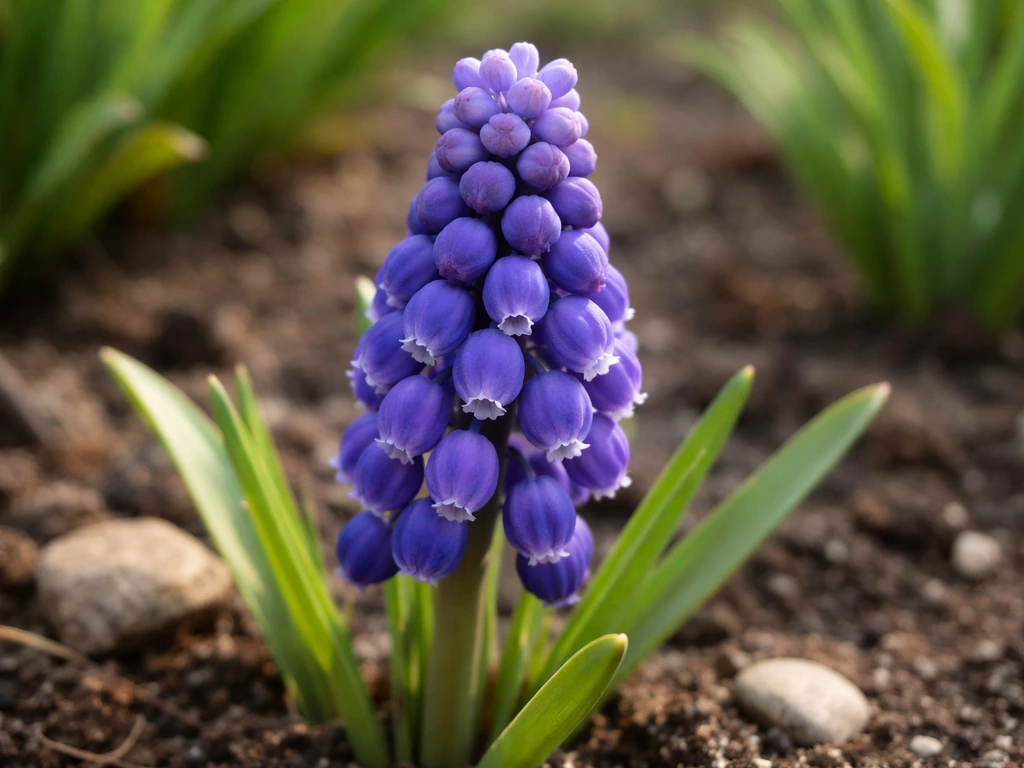
Grape hyacinths (Muscari armeniacum) grow naturally across southeastern Europe and western Asia, from Greece and Bulgaria through Turkey and into the Caucasus region including Armenia. In U.S. gardens, they thrive in USDA hardiness zones 3 through 9, making them one of the most adaptable spring bulbs you can plant. They need well-drained soil, a period of winter cold, and either full sun or partial shade to flower reliably every year.
Where Do Grape Hyacinths Grow Best in the US?
Marcus Whitfield
27 Jun 2026
Where grape hyacinths come from naturally
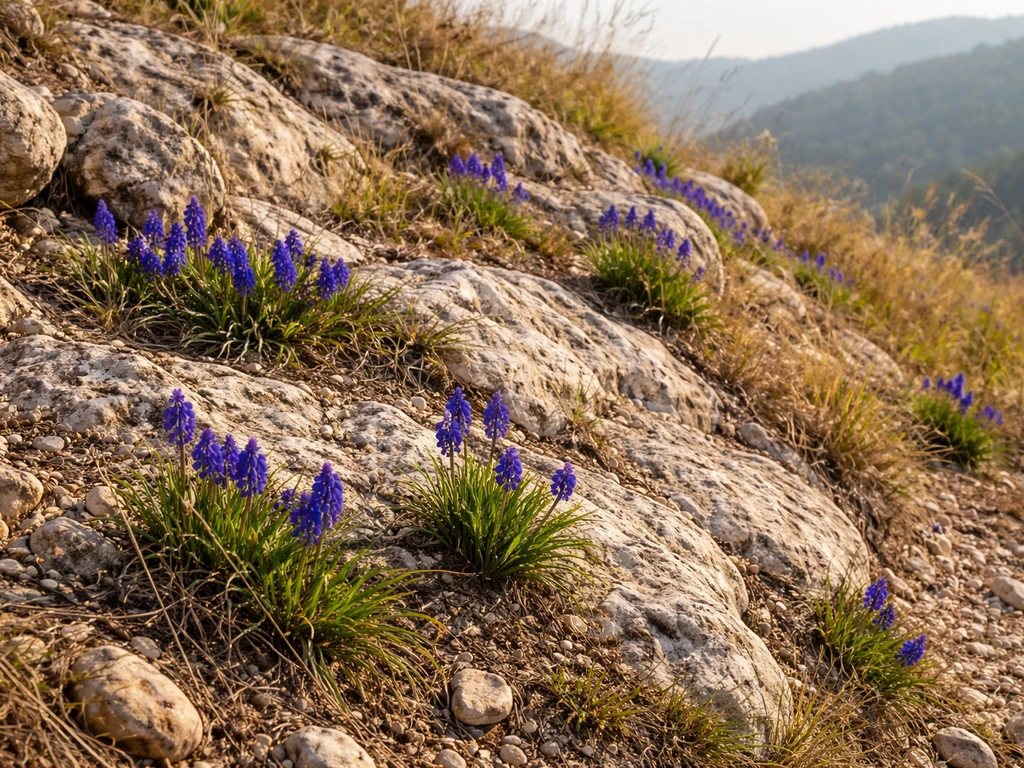
In the wild, Muscari armeniacum grows across a wide swath of the Eastern Mediterranean and into West Asia. You'll find it documented in Greece, Bulgaria, Turkey, and throughout the Caucasus including Armenia. Its native haunts include open woodlands, meadows, limestone slopes, rocky outcrops, and juniper scrub, with an altitude range that runs all the way from sea level up to about 2,750 meters in mountainous areas. VebSürümü Türkiye Florası (Türkiye Flora) notes that Muscari armeniacum habitat is categorized as alpine and subalpine “meadows and stony places,” with an altitude band of 1200, 1800 m alpine and subalpine “meadows and stony places” with an altitude band of 1200–1800 m. That's a huge elevation range, and it tells you a lot about how tough this plant actually is.
What all those native habitats share is good drainage and seasonal contrast: warm dry summers and cool winters. The plant evolved to push up foliage in fall, go dormant underground during the worst cold, and then bloom in early spring before taller vegetation shades it out. That cycle is important to understand because it's exactly what you're trying to replicate when you plant bulbs in your garden.
Grape hyacinths have also spread well beyond their native range. In parts of the U.S., they've been documented naturalizing outside of cultivation, including in Arkansas and Tennessee, where the Tennessee Invasive Plant Council actually lists them as a species capable of persistent spread. That's a testament to how well-adapted they are to temperate conditions, but it's also a fair warning that in the right climate they can take over a patch if you let them.
Climate and hardiness: what they actually need
Grape hyacinths need winter cold to perform well. The bulbs require a chilling period to break dormancy and trigger flowering, which is why Cornell's flower bulb research has studied cold treatment and forcing protocols specifically for Muscari. Skip the cold, and you get foliage without flowers, or nothing at all. This is the single biggest factor in determining whether they'll work in your location.
The hardiness range quoted across extension sources lands between zones 3 and 9, with some sources narrowing it to zones 4 through 9. For practical purposes, if you're in zones 3 through 8, you're solidly in the sweet spot. Zone 9 is the edge of the range: bulbs can survive there, but flowering becomes less reliable as winters get too mild to provide adequate chilling. Zones 10 and above are generally a no-go without refrigerating bulbs before planting, which is more work than most home gardeners want.
Flowering happens in early spring, and cool temperatures at bloom time actually help. Around 50 to 60 degrees Fahrenheit is ideal for prolonging the display. In warmer climates where spring heats up fast, the flowers tend to come and go quickly. That's not a dealbreaker, but it's worth knowing so you're not disappointed by a short show.
Soil, sun, and moisture: the conditions that make or break them
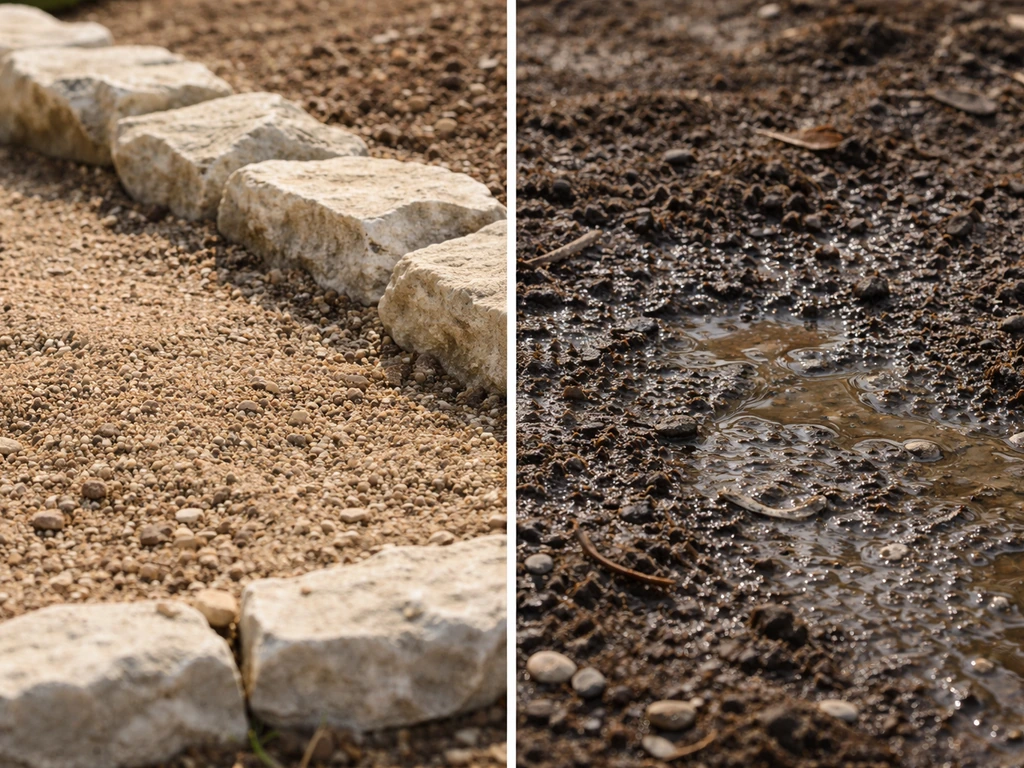
Drainage is non-negotiable. Grape hyacinths evolved on rocky slopes and limestone outcrops, so they're not built for wet feet. Plant them in heavy clay that stays soggy over winter and you'll lose bulbs to rot. Any well-drained soil works, whether it's sandy, loamy, or rocky. If your soil is heavy, mix in some coarse grit or plant in a raised bed or sloped area.
Sun exposure is flexible. Full sun is great for maximizing blooms, but partial shade works fine too. In hotter climates within their range, a bit of afternoon shade can actually extend the bloom period. They do poorly in deep, full shade year-round, but under deciduous trees they often do beautifully because the canopy is bare when the bulbs are flowering in spring.
Moisture during the growing season (fall through spring) is welcome, but the bulbs want to be relatively dry during summer dormancy. This aligns with their native Mediterranean summers. Overwatering in summer is one of the most common ways people accidentally kill them.
Where in the U.S. they grow best
The Pacific Northwest, the Upper Midwest, New England, the Mid-Atlantic, and most of the Mountain West are prime grape hyacinth territory. For a quick answer to where moon drop grapes grow, focus on how your climate matches the plant’s warm-season needs and local growing conditions. These regions deliver the consistent winter cold the bulbs need, and they tend to have reasonably well-drained soils and cool springs. In the Midwest, states like Wisconsin, Michigan, and Minnesota see grape hyacinths naturalize enthusiastically once established, exactly what the University of Wisconsin-Madison extension describes.
The Southeast (zones 7 and 8 in the Piedmont and upper South) also works well. North Carolina, Virginia, Tennessee, and similar states provide enough winter cold for reliable flowering. Farther south into coastal zone 9 (coastal Georgia, Florida, much of Texas along the Gulf), results get spotty. You might get blooms in a cool year and nothing in a mild one.
The Southwest is tricky in a different way. High-elevation areas in Colorado, New Mexico, and Utah (zone 5 to 7) work perfectly. But low-elevation desert zones in Arizona, Nevada, and inland Southern California combine hot winters, alkaline soils, and summer irrigation that keeps bulbs too wet during dormancy. That's a rough combination.
| U.S. Region | USDA Zones | Suitability | Notes |
|---|---|---|---|
| Upper Midwest (WI, MN, MI) | 3–5 | Excellent | Naturalizes readily; cold winters are ideal |
| Northeast / New England | 4–6 | Excellent | Reliable bloomer; suits both gardens and naturalized areas |
| Mid-Atlantic (VA, MD, PA) | 6–7 | Excellent | Long-proven performer; great for massing |
| Pacific Northwest (OR, WA) | 6–8 | Very good | Well-drained soil critical; rainfall timing usually works |
| Upper South / SE Piedmont (NC, TN) | 7–8 | Good | Works well; some naturalization documented |
| Mountain West (CO, UT high elevation) | 5–7 | Good | Drainage essential; altitude provides cold |
| Gulf Coast / Deep South | 8–9 | Marginal | Mild winters reduce flowering reliability |
| Desert Southwest / S. Florida | 9–11 | Poor | Insufficient winter chill; summer moisture problems |
How to figure out if they'll grow where you live
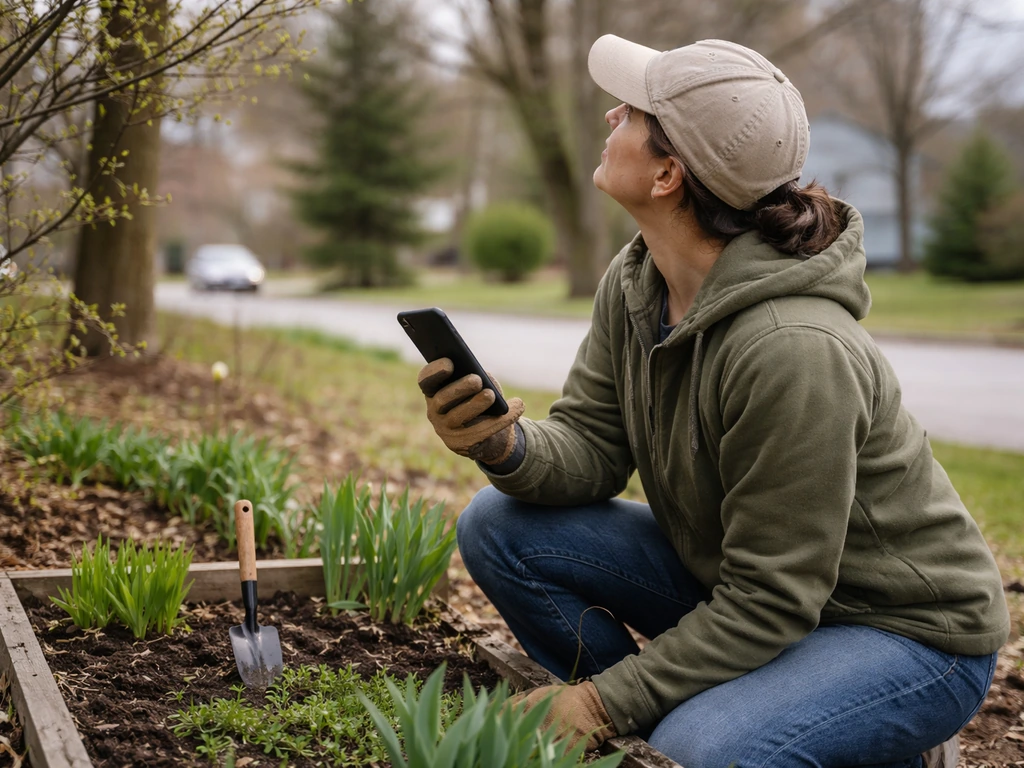
Start with your USDA hardiness zone. If you're also curious about grapevines, check where do muscat grapes grow as a comparison point for which regions suit grape types. If you don't already know it, you can find it using the USDA's online zone map by entering your zip code. Zones 4 through 8 are where I'd plant without hesitation. Zone 3 is viable but cold; zone 9 is the gamble zone worth trying once to see how your specific microclimate performs.
The best real-world check is to look around your neighborhood in early spring. If you see grape hyacinths blooming in local gardens, at the edge of lawns, or popping up along walkways, that's better evidence than any zone map. These bulbs have a way of quietly spreading into neighboring lawns and road edges when they're happy, so naturalized escapes are a good sign.
Nursery labels are also useful verification. Look for the printed hardiness zone range on the packaging. If the label says zones 3–9 or 4–8 and your zone falls in that window, you're good. Specialty bulb suppliers like Longfield Gardens and ADR Bulbs include zone-specific planting guidance that can help you decide whether to plant in fall (standard) or try container forcing in a borderline climate.
If you want to see documented occurrences in your area, GBIF (the Global Biodiversity Information Facility) has an online map tool where you can search Muscari armeniacum and filter by region or state. It shows both native and naturalized occurrence records contributed by botanists and community scientists. It's a surprisingly practical tool for gardeners who want data rather than guesswork. If you're curious about where wild grapes grow, you can use habitat and climate clues similar to those listed for grape hyacinths to narrow down the likely regions where do wild grapes grow.
How to plant and grow them successfully
Plant grape hyacinth bulbs in fall, before the ground freezes, usually September through November depending on your zone. The earlier end of that range suits colder climates where the ground freezes hard; zones 7 and 8 can wait until October or even November. Fall planting gives the bulbs time to root before winter, which sets them up for a strong spring bloom. ADR Bulbs also advises planting Muscari 'Armeniacum' in fall about 3, 4 inches deep and 2, 3 inches apart, with the pointed end up, and letting the foliage die back naturally Fall planting gives the bulbs time to root before winter.
- Dig a hole or trench 3 to 4 inches deep (measured to the base of the bulb).
- Place bulbs pointed end up, spaced 2 to 3 inches apart.
- Backfill with well-drained soil; in heavy clay, mix in coarse grit first.
- Water once after planting to settle the soil, then leave them alone.
- Allow foliage to die back naturally in late spring before cutting or mowing over it—this feeds next year's bloom.
- Divide clumps every 3 to 4 years if flowering declines, which keeps bulbs from getting too crowded.
For naturalizing, plant in masses rather than scattered singles. Groups of 25 or more bulbs create the dense, drift-like effect that looks best and also allows bulbs to self-seed and spread over time. Rock gardens, the edges of walkways, the base of deciduous trees, and grassy slopes are all excellent spots. NCSU extension specifically recommends these locations because they offer the drainage and sun exposure grape hyacinths prefer.
If you're in a marginal zone 9 climate, try container forcing as an alternative to in-ground planting. Plant bulbs in pots in fall and refrigerate them (not freeze) for 12 to 14 weeks before moving them to a cool, bright spot in late winter. It mimics the chilling they'd normally get outdoors and gives you reliable flowers even where winters run too warm.
One honest note: once grape hyacinths are happy, they do spread. The University of Wisconsin extension flags them as potentially invasive in some situations, and Tennessee's invasive plant council echoes that concern for the South. That's not a reason to avoid them, but it's a reason to plant them where you don't mind them filling in over time, and to pull any unwanted seedlings before they establish. In most temperate gardens, that spread is actually the whole point.
If you enjoy exploring where different grape varieties grow and thrive, the same zone-by-zone thinking applies to other Muscari types worth knowing about. You may also be wondering where possum grapes grow, since that species has its own regional habitat requirements exploring where different grape varieties grow. Wild grape species, muscat grapes, and other ornamental varieties all have their own regional ranges and soil preferences, and understanding how each one fits a specific climate is what separates a frustrating experiment from a garden that keeps coming back year after year.
FAQ
Do grape hyacinths grow in shade, or do they need full sun?
They tolerate partial shade well, but deep, full shade all year usually reduces or stops flowering. Under deciduous trees is often ideal, because the canopy is open during spring bloom and the bulbs still get enough light to repeat each year.
If my USDA zone is 9, can I still grow grape hyacinths outdoors?
Yes, but treat zone 9 as a borderline case. Winters can be too mild to provide enough chilling, so use a microclimate strategy (plant in the coolest, shadiest spot of your yard) and expect fewer flowers unless the area reliably gets cold.
What’s the biggest sign my bulbs won’t flower even if they survive?
You see healthy green foliage but no bloom. That pattern usually means inadequate winter chilling rather than a planting depth problem, because the bulb has enough energy to grow leaves but did not break dormancy fully.
How dry should the soil be in summer dormancy?
Relatively dry, not bone-dry, and definitely not soggy. In wet climates, stop summer overhead watering and improve drainage with grit, compost that does not hold water, or a raised bed so moisture does not linger around the bulb.
What planting depth works best, especially if I have heavy clay?
A common rule is planting about 3 times the bulb’s height, but in heavy clay you may need to go slightly shallower and focus on drainage. The goal is to reduce how long water sits around the bulb, so raised beds or gritty amendments often matter more than depth tweaks.
Can grape hyacinths grow in containers, and where should they be placed?
They can, and containers are a good fix for borderline climates, especially zone 9 and summer-wet areas. Use a well-draining potting mix (add coarse grit), keep the pot dry during dormancy, and place it where it gets cold winter exposure without staying waterlogged.
Do grape hyacinths grow from seeds, and do seedlings appear reliably?
They can naturalize and self-seed, but seedling establishment is less predictable than bulb spread. If you want faster, denser blooms, plant bulbs in masses (for example, dozens together) rather than relying on seedlings.
How can I tell if my area’s winter cold is sufficient before planting?
Look for consistent frosty, cold winters in your immediate neighborhood, not just the state average. Also check whether neighboring gardens have recurring grape hyacinth blooms in early spring, since that is a real-world indicator that bulbs are getting enough chill.
Are grape hyacinths likely to become a problem where I live?
They can spread in favorable temperate conditions, particularly where winters reliably chill them and the soil drains well. If you do not want expansion, plant in defined areas (like bed edges or gravel islands), and remove seedlings early before they establish.
Can I force grape hyacinths indoors to get flowers, and what’s the risk?
Indoor forcing is possible if you provide the required chilling first (typically by refrigerating bulbs). The main risk is poor drainage during forcing or overly warm conditions after chilling, which can lead to weak stems and short-lasting blooms.