
Moon Drop grapes grow best in warm, dry climates with long growing seasons, low humidity, and well-drained soil. In the U.S., that means California's Central Valley and similar Mediterranean-style regions are the sweet spot. They can also succeed in parts of the Southwest, the Pacific Northwest, and warmer zones of the South and Mid-Atlantic, but only if your site has the right conditions. Outside the U.S., Australia is already producing them commercially. The variety needs roughly 600 to 1,200 chill hours in winter, a frost-free growing season long enough to ripen by late August or September, and enough airflow to keep fungal disease in check.
Where Do Moon Drop Grapes Grow and Will They Work Near You
Marcus Whitfield
25 Jun 2026
What "Moon Drop" actually means
Moon Drop is a brand name, not a botanical species name. The grape behind it is a proprietary variety called IFG Six, bred by International Fruit Genetics (IFG) in California through selective breeding of Vitis vinifera. You'll also see it sold under the name blank" rel="noopener noreferrer">Sweet Sapphire or Sweet Sapphire®, which is the same fruit. The variety is patented and trademarked, meaning commercial growers need a licensed agreement to propagate it. As a home gardener, you'll want to know this upfront because it affects where and how you can legally source plants.
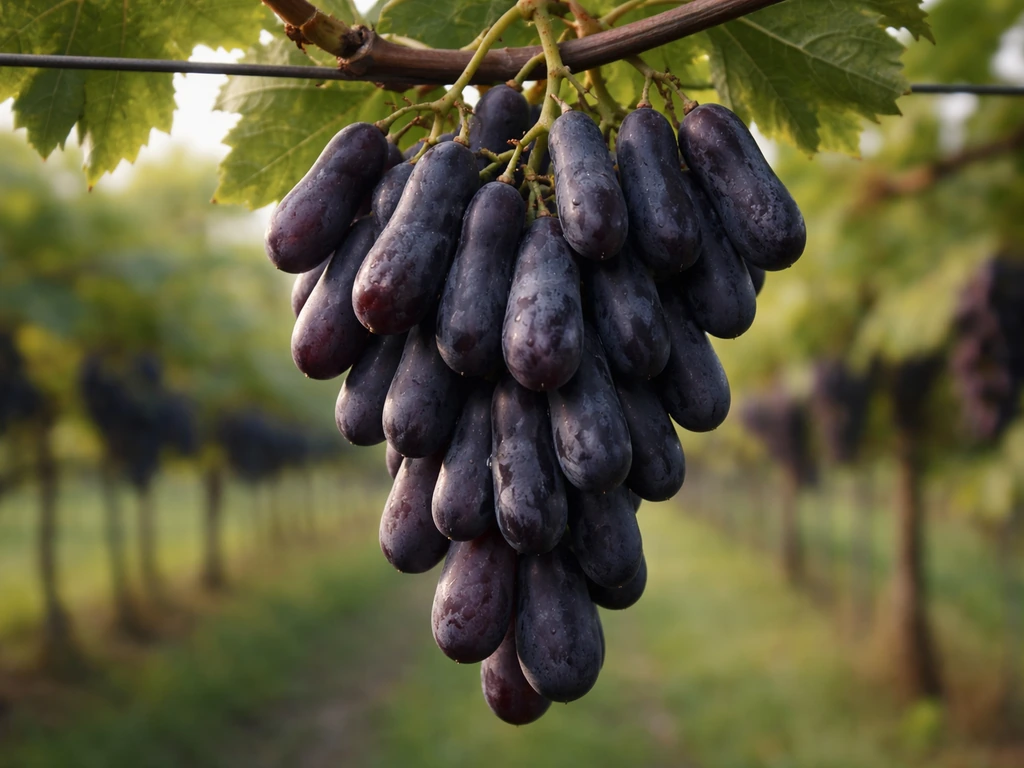
The fruit itself is distinctive: long, tubular, nearly cylindrical dark purple-black berries with a characteristic dimple at the tip. They're seedless, crisp with a satisfying snap, and ripen as a mid-season black table grape. If you've seen them at Trader Joe's or Costco, that's the commercial crop, nearly all of it grown in California. What you're trying to figure out is whether your backyard can replicate even a fraction of those conditions.
One thing worth clarifying: there are other products that use the words "moon drop" in their name (herbal teas, candies, and other food items). If you're here for the grape, IFG Six / Sweet Sapphire is the variety you want, and that's what this whole article is about.
Climate requirements: what Moon Drop grapes actually need
Getting the climate right is the single biggest factor in whether this variety will thrive or just limp along in your yard. Moon Drop (IFG Six) is a Vitis vinifera variety, which tells you a lot right away. Vinifera grapes are less cold-hardy than American hybrids, more sensitive to humidity, and generally demand a longer, warmer growing season.
Chill hours
IFG Six has a documented chill-hour requirement of roughly 600 to 1,200 hours. Chill hours are the accumulated hours below 45°F (7°C) during winter dormancy. Too few chill hours and the vine breaks dormancy unevenly, producing weak, spotty growth. Too many isn't typically the issue for this variety, but it matters in cold-climate contexts where late frosts follow a long chill period. Most temperate U.S. growing regions hit at least 600 chill hours without much trouble, but if you're in South Texas, coastal South Florida, or similar warm-winter areas, you may not accumulate enough. You can check your location's chill-hour accumulation using Purdue's Midwest Regional Climate Center mapping tools, which pull historical data by zip code.
Heat and season length
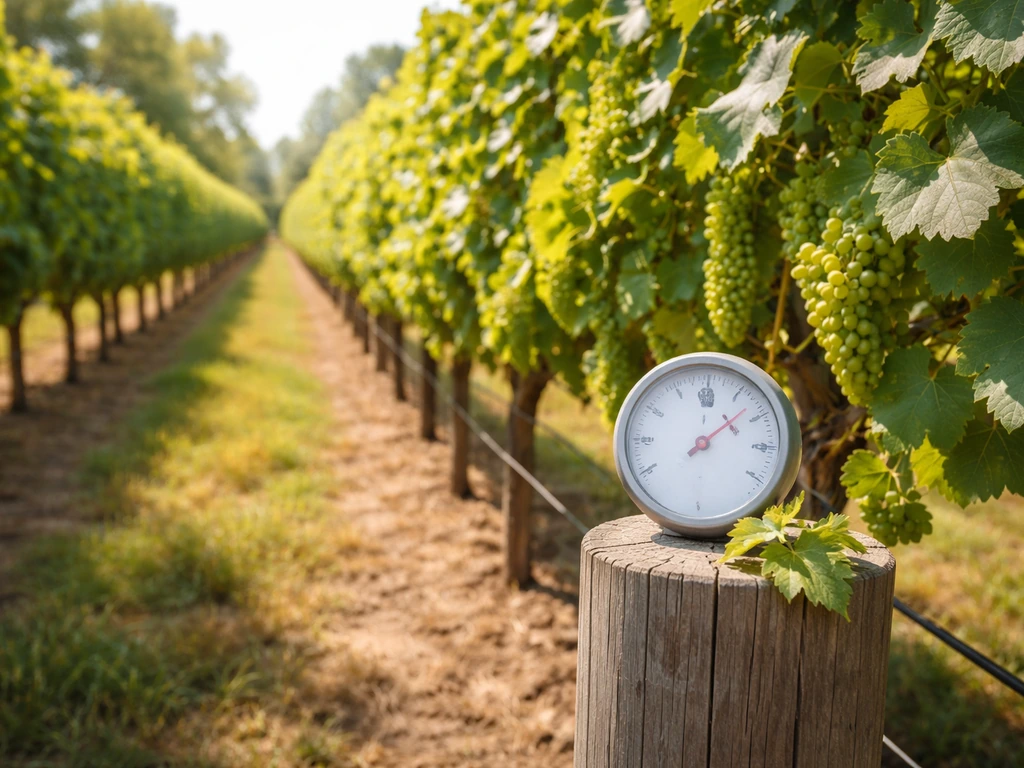
The patent documentation for IFG Six shows commercially harvestable fruit ripening from late August through mid-September under typical growing conditions. That means you need a growing season long enough to get there from budbreak in spring, usually 150 to 180 frost-free days depending on your spring and fall temperatures. USDA Hardiness Zones 7 through 10 generally provide this window. Zone 6 can work, but you're cutting it close on both ends, especially if late spring frosts push budbreak back or early fall frosts arrive before the fruit fully ripens.
Humidity and disease pressure
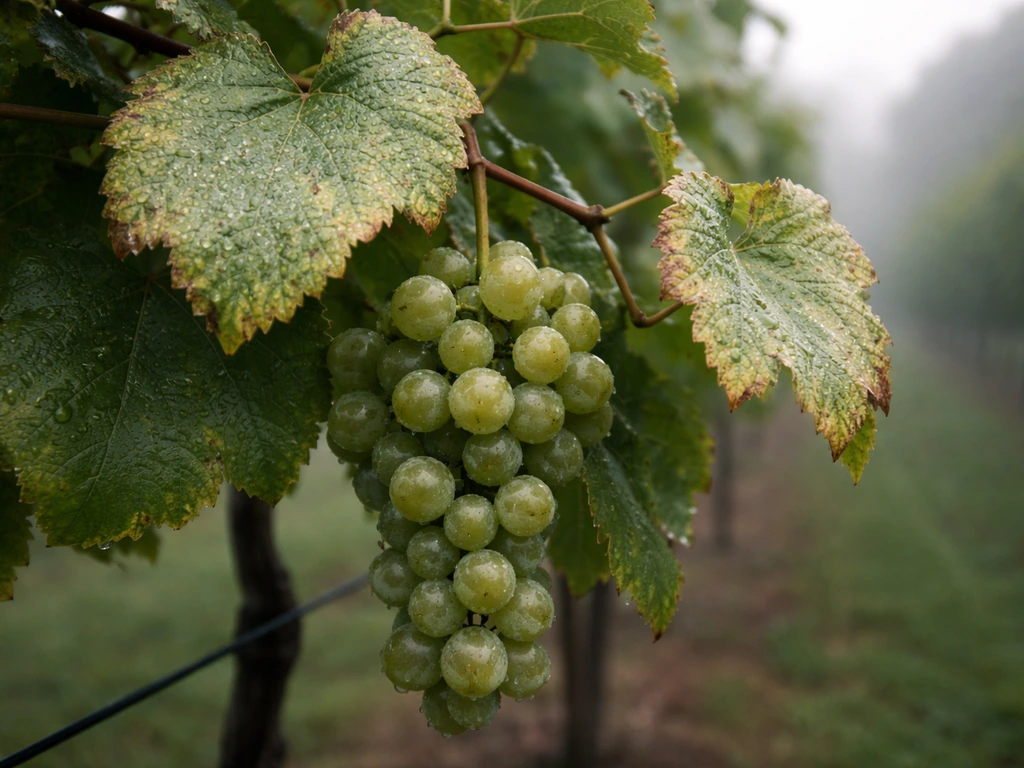
This is where Moon Drop runs into trouble in the Eastern U.S. IFG's own growing practices documentation rates Sweet Sapphire (IFG Six) as having moderate susceptibility to mildew and rot. In humid climates, especially the Southeast and Mid-Atlantic, you're fighting powdery mildew, downy mildew, and Botrytis bunch rot constantly. Botrytis in particular thrives when moisture lingers on tight clusters, which is exactly what Moon Drop's dense, elongated bunches can experience. It's manageable with good airflow, proper vine training, and a consistent spray program, but it's real work. Dry western climates are simply easier.
Winter cold hardiness
As a vinifera variety, Moon Drop is not deeply cold-hardy. Expect vine damage or death if temperatures drop below about -5°F to 0°F (-21°C to -18°C) without protection. Zones 5 and colder are risky without serious winter protection like burying canes or wrapping. Zone 6b growers have grown it successfully, but they're watching the forecast every January and February. If you're in Zone 7 or warmer, winter cold isn't usually your limiting factor.
Best U.S. states and regions for growing Moon Drop grapes
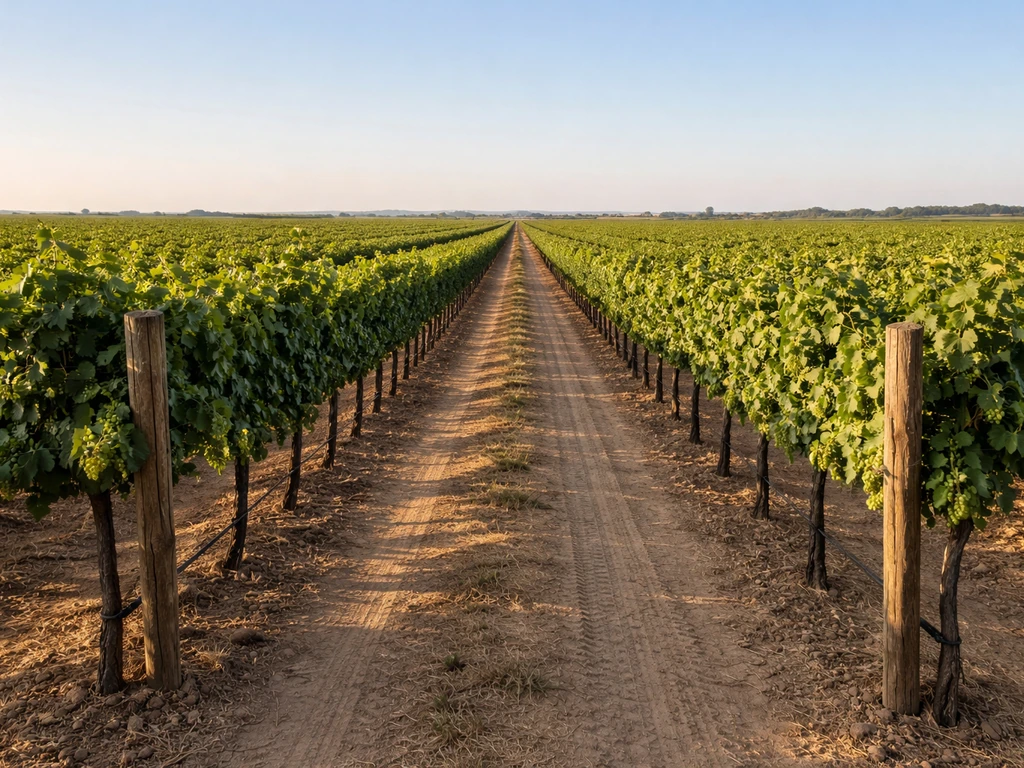
Here's a practical breakdown of where this variety is most likely to succeed for a home gardener in the U.S. This isn't a guarantee, it's a starting framework. Your specific microclimate, soil, and site management matter just as much as your state.
| Region / State | Suitability | Key Factors |
|---|---|---|
| California (Central Valley, inland coastal) | Excellent | Long warm season, low humidity, naturally fits Mediterranean vinifera needs |
| Arizona, New Mexico (lower elevations) | Very Good | Hot, dry, low disease pressure; watch for extreme summer heat over 110°F |
| Pacific Northwest (southern OR, WA wine country) | Good | Warm inland valleys with dry summers; check chill hours and frost dates |
| Texas (Hill Country, North TX) | Moderate to Good | Warm season, variable humidity; disease management needed in east |
| Virginia, Maryland, Tennessee | Moderate | Doable with effort; humidity raises disease pressure significantly |
| Georgia, Carolinas, Alabama | Marginal | High humidity and summer rain make fungal control a constant challenge |
| Midwest (IL, IN, OH, Zone 6b) | Marginal to Risky | Season length is borderline; cold snaps can damage vinifera vines |
| Florida, Gulf Coast | Not Recommended | Insufficient chill hours, extreme humidity, poor disease conditions |
| Northeast (NY, PA, NJ, Zone 6+) | Risky | Short season, cold winters; hybrid varieties are far better options here |
California is the reason you see Moon Drop grapes in every grocery store. The Central Valley's combination of warm days, cool nights, low summer rainfall, and reliable sun is almost perfectly matched to what IFG Six was bred for. If you're in that corridor, from Fresno down through Bakersfield and the Coachella Valley, this variety is as close to a sure thing as grapes get. For everyone else, it's about stacking the right conditions at your site.
Where Moon Drop grapes grow internationally
Australia is the other major commercial growing region for Sweet Sapphire (IFG Six). Where do Muscat grapes grow? They do best in warm, sunny regions such as the Mediterranean and parts of California and Australia. The Australian Table Grape Association documents it as a mid-season black seedless variety, and the Grape House Group lists its availability there from late January through early March, which reflects the southern hemisphere's growing season. The Sunraysia region (New South Wales and Victoria) and the Swan Hill area produce a significant portion of Australia's table grape supply, and Sweet Sapphire fits naturally into that dry, irrigated, Mediterranean-adjacent climate.
Beyond Australia, any region with a climate resembling California's Central Valley or the Mediterranean basin is a reasonable candidate. Think parts of South Africa's Western Cape, Chile's central valleys, and the Mediterranean coast of Spain, Italy, and Greece. These are all areas where vinifera table grapes have been grown commercially for decades, and where the warm-dry-sunny-well-drained formula plays out. If you are also asking where possum grapes grow, you will want to look at the plants natural habitat and the local climate conditions where they can establish where do possum grapes grow. If your region shares those broad traits, even at a backyard scale, Moon Drop grapes are worth trying.
Vine and site setup: the practical details
Even in a good climate, the wrong site setup will cost you. Here's what to prioritize when deciding where and how to plant.
Sun exposure
Full sun is non-negotiable. Moon Drop grapes need at least 8 hours of direct sun daily to ripen fully and develop their characteristic sweetness. A south or southwest-facing slope or wall is ideal. Avoid sites shaded by buildings or large trees, especially in the afternoon when heat accumulation matters most for ripening.
Soil and drainage
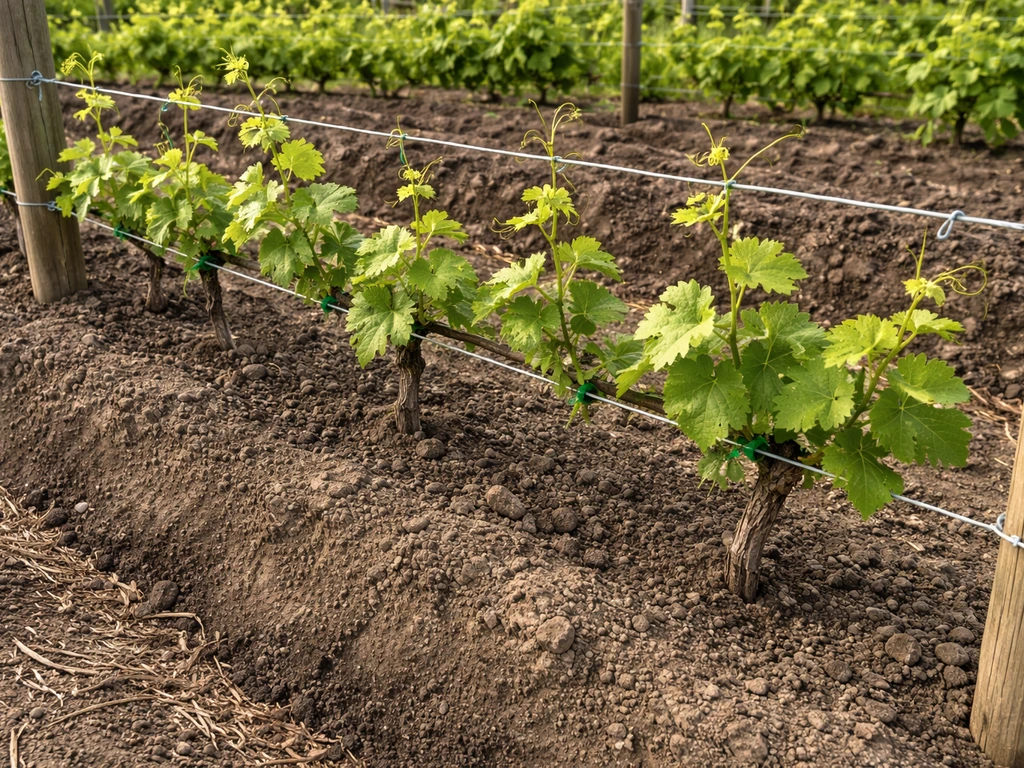
Well-drained soil is critical. Grapes are surprisingly tolerant of poor soil, but they hate wet feet. Standing water at the root zone invites root rot and stresses vines in ways that make disease management harder. Aim for deep, slightly acidic soil with a pH of roughly 5.5 to 6.5. Raised rows or mounded planting beds help enormously in heavier clay soils. If your yard has heavy clay or stays soggy after rain, either amend aggressively or choose a raised site before planting.
Trellis and spacing
Moon Drop vines are vigorous and need a solid trellis. A standard two-wire trellis (wires at roughly 3 feet and 5.5 to 6 feet) works well for home gardens. Space vines 6 to 8 feet apart in rows, with rows at least 8 to 10 feet apart if you're planting more than one row. IFG's growing practices recommend spur pruning to 2 or more buds, which keeps the vine structure manageable and promotes fruit quality.
Airflow and canopy management
Given this variety's moderate susceptibility to mildew and rot, airflow through the canopy is one of your best management tools. IFG's guidance suggests removing some lateral shoots and a few leaves to open up the canopy, but not stripping leaves that shade the fruit clusters directly. In humid regions especially, you want air moving through the vine, not a dense wall of leaves trapping moisture. Thinning is also worth doing: fewer, better-exposed clusters will outperform a heavy, crowded crop every time.
How to confirm you're getting the real Moon Drop variety
Because Moon Drop and Sweet Sapphire are trademarked and proprietary, sourcing the actual IFG Six cultivar as a home gardener can be tricky. Commercial growers work under licensed agreements with IFG, and the variety isn't freely propagated and sold the way older open-pollinated grapes are. Here's how to navigate this.
- Look for nurseries that explicitly list the variety as "Sweet Sapphire" or "IFG Six." These are the legitimate names tied to the patented cultivar.
- Be skeptical of any seller offering cheap cuttings or unnamed "Moon Drop" vines without a variety lineage. The name Moon Drop is a consumer brand label, not a propagation name, and unlicensed propagation of IFG Six is an intellectual property issue.
- If you're buying from a small nursery or online seller, ask directly: "Is this IFG Six or Sweet Sapphire?" A legitimate source will know the cultivar name.
- Check the physical fruit description: extremely elongated cylindrical black berries, seedless, with a dimpled tip. Any grape sold as Moon Drop should match this description. If someone's selling round or lightly elongated dark grapes as Moon Drop, something's off.
- Compare with other "long grape" or "finger grape" varieties you might encounter. There are other elongated cultivars on the market, including Witch Fingers and Adora seedless, and while they're interesting in their own right, they're not the same as IFG Six.
This is actually a good moment to think about variety selection more broadly. If your climate isn't quite right for Moon Drop / IFG Six, there may be other seedless table grape varieties better suited to your region. Muscat grapes, for example, thrive in similar Mediterranean conditions but are sometimes more forgiving. And if you're curious about wild or native grapes that grow in your area naturally, those can tell you a lot about what the local climate supports at baseline. If you want to know where wild grapes grow, start by looking at what native vines thrive locally, since they reflect the natural climate conditions in your area wild or native grapes.
How to decide right now if Moon Drop grapes will work in your yard
Here's the step-by-step process I'd walk through if I were standing in my backyard today trying to make this call.
- Find your USDA Hardiness Zone. If you're in Zone 7 or warmer, you're in the viable range. Zone 6b is marginal but possible. Zone 6a and colder carry real winter damage risk.
- Check your chill-hour accumulation. Use the Purdue MRCC chill-hour mapping tool and enter your zip code. You're looking for 600 to 1,200 hours below 45°F accumulated over a typical winter. If you're well above 1,200, that's fine. If you're consistently under 600, you'll have problems.
- Count your frost-free days. You need at least 150 to 180 frost-free days to ripen Moon Drop by late August or September. Check your average last spring frost and first fall frost dates, and do the math.
- Assess your humidity and rainfall pattern. If your summers are dry (less than 2 inches of rain per month from June through August), disease management is manageable. If you get regular summer rain and high humidity, build a serious spray program into your plan before you commit.
- Evaluate your site for sun, drainage, and airflow. Does the spot get 8-plus hours of sun? Does water drain away within 24 to 48 hours after rain? Is there natural airflow, or is it hemmed in by fences and buildings?
- If everything checks out, plan for a licensed Sweet Sapphire / IFG Six plant from a reputable nursery, set up a two-wire trellis before the vine arrives, and plant in spring after your last frost date.
What to do if your climate is marginal
If you're on the edge, you have a few realistic options. In Zone 6b with cold winters, plant against a south-facing wall or fence to gain reflected heat and some frost protection. Mulch heavily around the base going into winter, and consider wrapping canes if temperatures below 0°F are possible. In humid climates, commit to a preventive fungicide schedule starting at budbreak, keep the canopy open, and don't skip it when the weather is wet. Some Zone 6b and even Zone 7 gardeners in the Mid-Atlantic have grown Sweet Sapphire successfully with this kind of attention.
If your climate genuinely doesn't fit, that's not a failure, it's just information. American hybrid varieties like Concord, Marquette, or Chambourcin are bred for exactly the climates where vinifera struggles: cold winters, humid summers, shorter seasons. If you are wondering can i grow moon drop grapes in a tougher climate, these American hybrids are a related option that is bred for conditions where vinifera struggles American hybrid varieties like Concord, Marquette, or Chambourcin. They won't give you the same elongated, crisp Moon Drop experience, but they'll actually produce fruit reliably where Moon Drop won't. Setting realistic expectations before you plant saves you years of frustration.
The bottom line: Moon Drop grapes are a California-bred, Mediterranean-climate variety at heart. Give them heat, sun, dry summers, good drainage, and enough chill hours, and they'll reward you with one of the most striking and delicious table grapes you can grow at home. If you’re wondering where do grape hyacinths grow, they’re best suited to well-drained soil and sunny-to-part-shade spots similar to many Mediterranean-style gardens Mediterranean-climate. Push them into a climate they weren't built for without the right site and management, and you'll spend more time fighting disease than eating grapes. Know your numbers, check your site, and make the call from there.
FAQ
If I live outside Zone 7, can Moon Drop still be grown by using a greenhouse or high tunnel, and what changes in success expectations?
Yes, but it shifts the limiting factors. A structure can protect vines from winter lows and reduce wetness on clusters, which helps with mildew and Botrytis pressure. However, chill hours still matter because vinifera needs accumulated winter cold for even budbreak, and greenhouse grapes can also run into heat or humidity swings during summer that affect disease risk and cluster tightness. You will usually need to ventilate aggressively and monitor humidity, not just keep the plants warm.
How do I tell whether my site will provide enough heat for ripening by late August to mid-September?
Chill hours alone are not enough, you need a warm season long enough after budbreak. A practical approach is to estimate your frost-free window and also watch your local budbreak timing, then plan based on expected harvest timing (late August through mid-September). If your area regularly gets early fall frosts, you may be better off choosing a different seedless variety with an earlier ripening schedule, since table grapes lose quality quickly if nights cool too early.
What’s the biggest mistake people make when planting Moon Drop grapes in a “mostly Mediterranean” climate?
Overlooking drainage and airflow. Many gardens look dry and sunny, but the root zone can still stay wet in winter or after storms, which increases stress and makes rot issues worse. The other common error is letting the canopy get dense, which traps moisture inside tight clusters. Even in a good climate, skipping canopy thinning or not training vines to stay open can lead to repeated mildew and bunch rot.
Can I grow Moon Drop grapes successfully in humid regions if I spray, or is it still usually too hard?
It can be feasible, but it takes consistency. In humid areas, preventive disease management has to start at budbreak and continue through the period when clusters are most vulnerable, especially around wet spells. You also need to actively manage canopy structure (open canopy, remove some laterals, thin clusters) because sprays work better when airflow reduces how long moisture lingers. If you want a lower-maintenance option, you will generally have a better time with varieties bred for humid summers.
Do I need multiple Moon Drop vines to get fruit, or is one vine enough?
Most table grapes are self-fertile enough for fruiting, but the bigger practical issue is sourcing the cultivar and getting compatible growth conditions. If you are unsure about your specific plant's fertility or how it was grafted, check with the nursery for bloom and fruiting expectations in your region. For consistent yields, growers also pay attention to training and pruning that promote fruitful shoots, not just having one vine.
What winter protection actually makes the difference in Zone 6b, and when should I do it?
The goal is to prevent repeated freeze-thaw damage and direct exposure of canes. If temperatures below 0°F are possible, protect canes with wrapping or consider a method like burying canes depending on your setup. Timing matters, you typically protect after vines have fully gone dormant (after leaf fall and natural hardening), and remove or adjust protection during safe warm spells so you do not trap excessive moisture.
How much pruning should I do on Moon Drop, and is spur pruning the only option?
Spur pruning is recommended to keep the vine structure manageable and to concentrate energy into fruiting wood. In practice, the exact number of buds and the resulting shoot count will depend on vine vigor and your trellis spacing. If you leave too much wood, you often get more shade and higher disease pressure, while too little can reduce crop size. Start with the nursery or IFG guidance as a base, then adjust after seeing how your vine sets fruit.
I see Moon Drop sold under different names. Are they guaranteed to be the same grape in the home market?
They are marketed under the same proprietary variety naming in many cases, but the key is confirming the cultivar identity with the seller. “Moon Drop” itself is a brand name, while the underlying IFG Six identity (also sold as Sweet Sapphire in many channels) is what you want. Because availability and labeling can be inconsistent, buy from reputable sources that specify the cultivar and provide documentation of what you are receiving.
Will birds, cracking rain, or cluster tightness be a problem, and what can I do without changing climate?
Cluster tightness can increase the risk of bunch rot, and birds often find table grapes quickly. A few effective steps are using a reliable trellis system that keeps clusters well exposed, thinning to reduce crowding, and adding bird netting as the fruit colors. For rain events, improving drainage and maintaining canopy airflow help reduce lingering moisture on clusters, which is where rot risk rises.
If Moon Drop doesn’t work in my yard, how quickly will I know, and what signs mean I should stop trying with this variety?
You usually learn within the first one to three seasons. Red flags include uneven budbreak (suggesting insufficient chill), repeated winter vine dieback (suggesting inadequate cold tolerance), and persistent mildew or Botrytis despite good airflow and reasonable preventive care. If you also cannot reach full ripeness by your typical harvest window, that is a strong signal the growing season heat is not there. At that point, switching to a variety bred for your conditions typically saves time and frustration.