
Yes, grapes genuinely thrive in Kansas. The state's long, hot summers and mostly reliable winters actually create solid conditions for a range of American and French-American hybrid varieties. The best picks for most Kansas gardeners are Concord, Catawba, Mars, and Chambourcin. If you are in the cooler northeast corner, Beta is nearly bulletproof. If you are in the warmer south-central or southeast, Cynthiana (Norton) and Chambourcin open up nicely. The short version: choose a cold-hardy American or hybrid variety, plant it in full sun with good drainage, and you will be harvesting real fruit by year three.
Best Grapes to Grow in Kansas: Top Varieties and Care
Marcus Whitfield
3 Jul 2026
Can grapes actually thrive in Kansas?
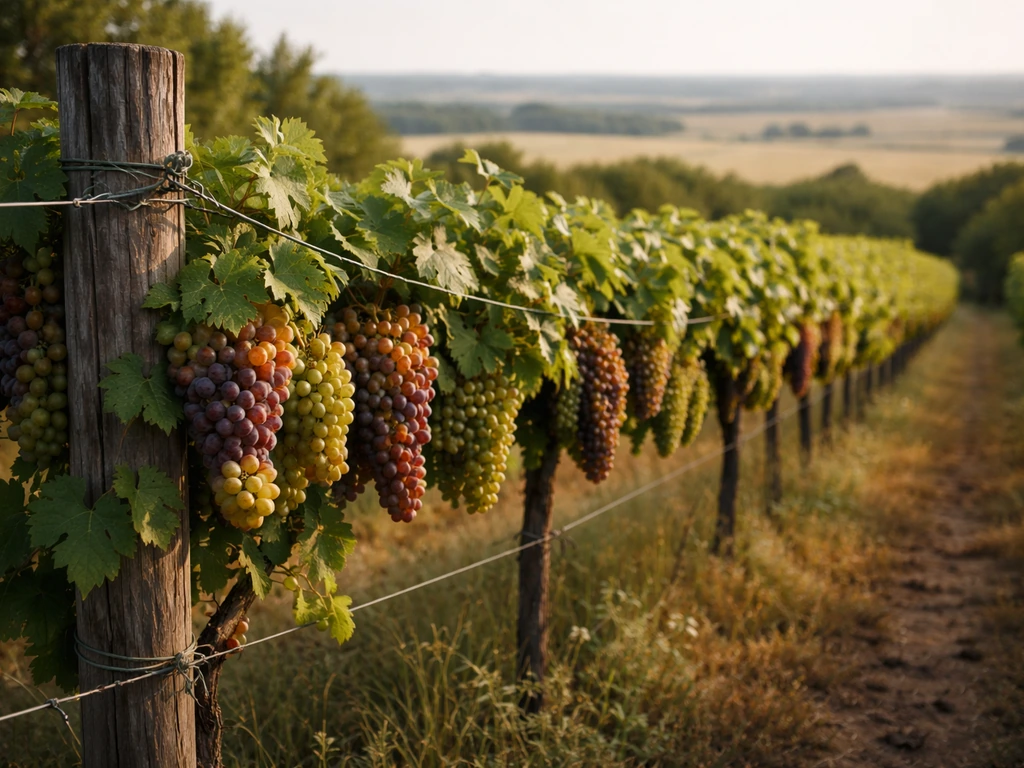
They can, and they do. Kansas sits in USDA Plant Hardiness Zones 5b through 7a, running from the cold northwest corner all the way down to the warm southeast. That range matters a lot because the wrong grape in the wrong zone will either freeze to the ground every winter or simply not accumulate enough cold to break dormancy properly. But the good news is that the American native and French-American hybrid varieties bred specifically for this climate handle Kansas winters without much drama.
The main challenge is not cold per se but rather the combination of hot, humid summers (which drive disease pressure from powdery mildew, downy mildew, and black rot) and unpredictable late freezes that can catch early-budding vines off guard. European wine varieties like Cabernet Sauvignon or Chardonnay are not realistic picks for a Kansas home garden. They are too susceptible to both the disease environment and the cold extremes. Stick with cold-hardy American or interspecific hybrid varieties and grapes become one of the more rewarding fruits you can grow here.
Best grape varieties by goal: table, wine, and jelly
Before picking a variety, it helps to know what you want out of your vines. A grape that makes excellent fresh eating often has thin skin, low tannins, and lots of sweetness. A grape that makes good wine or juice needs higher acidity and a more complex flavor profile. Jelly grapes need high pectin and strong flavor. Here is how the best Kansas-adapted varieties line up by use.
| Variety | Primary Use | Flavor Profile | Cold Hardiness | Disease Notes |
|---|---|---|---|---|
| Concord | Juice / Jelly / Eating | Classic grape-juice flavor, sweet-tart | Zone 4 (very hardy) | Good resistance; some mildew susceptibility |
| Catawba | Wine / Juice | Rich, slightly musky, good acidity | Zone 5 | Moderate disease resistance |
| Mars | Table / Fresh Eating | Sweet, mild, seedless | Zone 5 | Good resistance to most diseases |
| Chambourcin | Red Wine | Medium-bodied, earthy, fruit-forward | Zone 5b–6 | Better disease resistance than most reds |
| Cynthiana (Norton) | Red Wine | Dry, full-bodied, spicy | Zone 5 | Excellent disease resistance |
| Niagara | White Juice / Table | Sweet, fresh, labrusca character | Zone 5 | Moderate resistance |
| Beta | Jelly / Cold-Climate Backup | Tart, intense, small berries | Zone 3–4 (extremely hardy) | Very good resistance |
| Reliance | Table / Fresh Eating | Sweet, seedless, mild | Zone 4–5 | Decent resistance, watch powdery mildew |
For most first-time Kansas growers who just want fruit to eat and maybe make jam, Concord and Mars are the no-brainer starting point. Concord is the workhorse variety and basically the reason grape jelly exists. Mars gives you seedless fresh-eating grapes in a hardy package. If you have wine ambitions, Chambourcin is the most forgiving red wine grape for Kansas conditions and produces something genuinely drinkable.
Best varieties matched to Kansas conditions and your location
Kansas spans three full hardiness zones, so a one-size-fits-all variety recommendation is not honest advice. The northwest corner of the state (around Colby or Goodland) sits in Zone 5b with cold winters and lower humidity, while southeast Kansas near Pittsburg runs Zone 6b to 7a with more heat and more moisture. Here is how to match variety to your area.
Northeast Kansas (Zones 5b–6a, including the Kansas City metro area)
This region has the most reliable moisture and the highest disease pressure. The K-State Johnson County Extension demonstration garden in this exact zone grows Beta, Catawba, and Mars successfully, which tells you a lot. A Nebraskan climate may be similar in parts, so focusing on cold-hardy, Kansas-tested varieties can help you pick the best grapes to grow in Nebraska. Concord is also a proven performer here. If you want to push toward wine, Chambourcin and Cynthiana both do well with regular disease management. Avoid anything with significant Vitis vinifera genetics.
Central Kansas (Zones 5b–6a, Wichita and surrounding areas)
Central Kansas is drier than the east, which actually reduces some disease pressure. Concord, Mars, and Catawba still perform reliably here. Cynthiana is worth trying if you want a wine grape. Summers are intense and irrigation matters more here than in the east, but the drier air is a genuine advantage for keeping mildew under control.
Northwest Kansas (Zones 5a–5b, high plains)
This is the toughest zone for grapes in Kansas. Winters can be brutal and the wind is relentless. Beta is your most reliable option here because it survives down to Zone 3 temperatures. Concord is also worth planting as it handles Zone 4 cold. Site selection becomes even more critical in this part of the state: a protected south-facing slope can make the difference between a vine that survives and one that dies back to the crown every winter.
Southeast Kansas (Zones 6a–7a)
Warmer winters and higher humidity define this region. You have a wider variety palette here, including Chambourcin, Cynthiana, Catawba, and even some muscadine-type varieties if you are near the Oklahoma border. If you are looking at the neighboring Sooner State, the best grapes to grow in Oklahoma will largely come from the same cold-hardy American and hybrid options. Disease management becomes more important with higher humidity, but the longer growing season lets wine-style grapes fully ripen.
Planting and site setup for success in Kansas
Getting the site right matters more than almost any other decision you will make. Grapes need full sun, which means at least six to eight hours of direct sunlight per day, and more is better. Full sun is not just about fruit production. It dries out the foliage faster after rain or dew, which directly reduces disease pressure. A shaded vine in Kansas is a sick vine.
Drainage is just as important. Grapes tolerate a range of soil types, but they will not survive in waterlogged soil. A slight slope or raised bed helps enormously. The ideal soil pH for grapes is 5.5 to 6.5. If your soil is more alkaline (common in parts of western Kansas), you may need to amend with sulfur over time. A soil test before planting is genuinely worth doing, not just a suggestion.
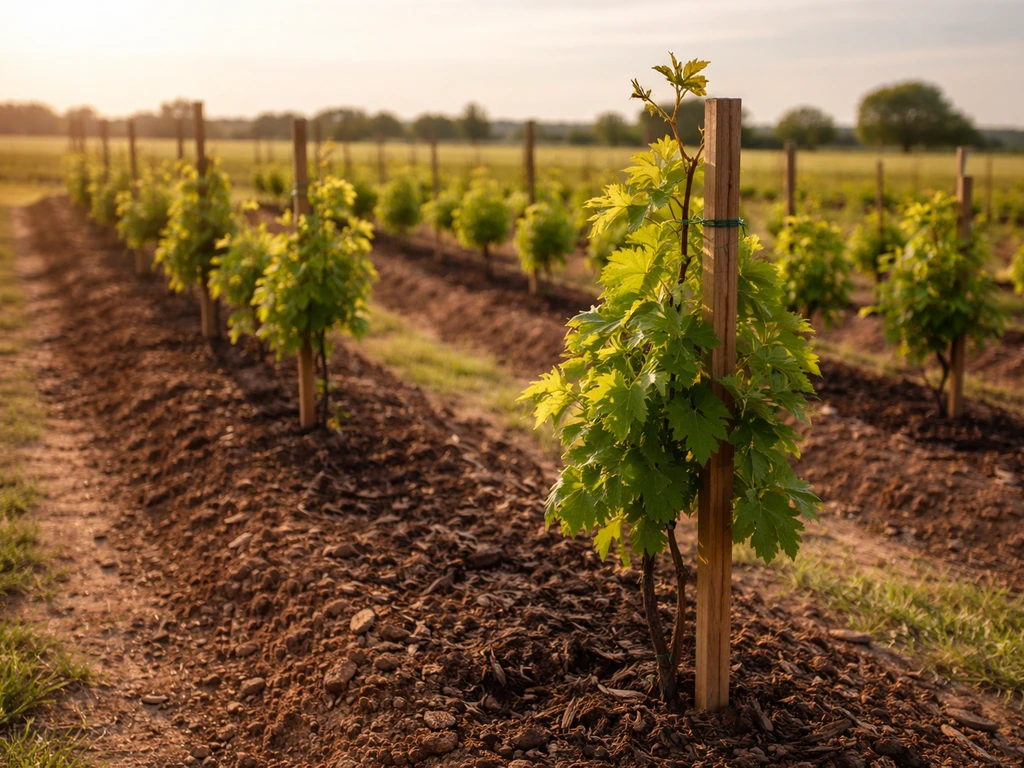
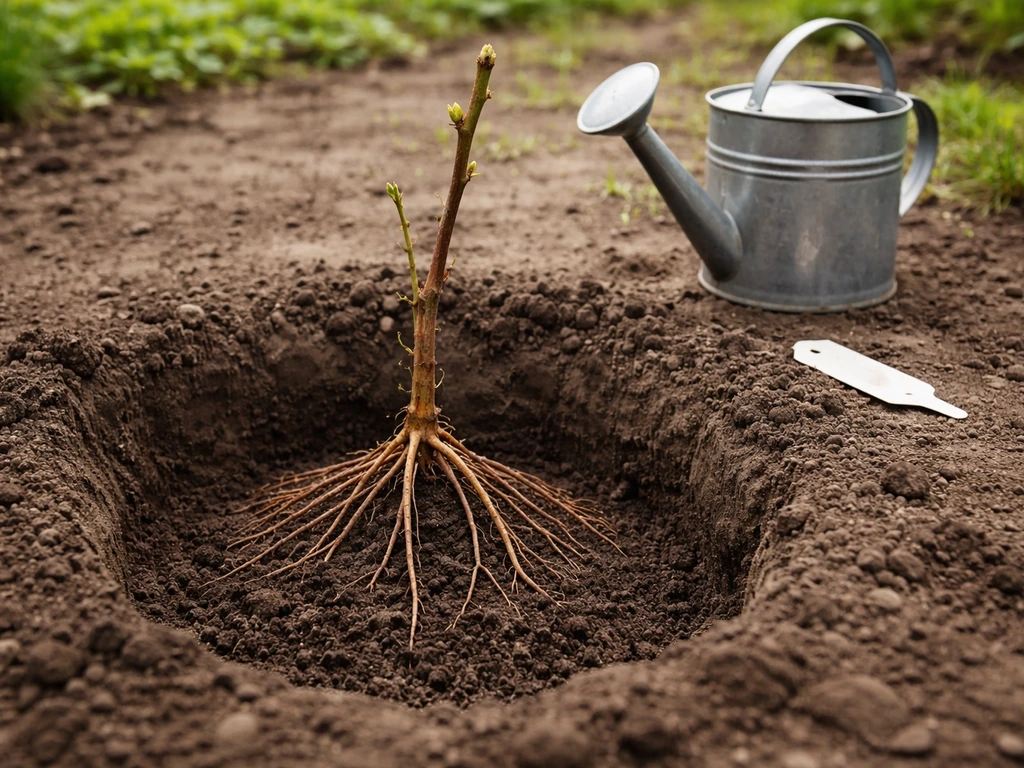
K-State recommends planting in late March to early April, before the vine breaks dormancy. Bare-root vines planted at this time establish quickly because the roots get a head start before the canopy needs to support them. Space vines about 8 feet apart in a row if you are using a standard two-wire trellis. Row spacing depends on your trellis system, but 10 to 12 feet between rows gives you room to work. Dig a hole big enough to spread the roots without bending them, set the crown just at or slightly below soil level, and water in well.
Trellising, pruning, and training basics for beginners
Grapes will not support themselves and they will not produce well without a trellis. The simplest system for a home gardener is a two-wire trellis with a lower wire at about 3 feet and an upper wire at about 5.5 to 6 feet. Set sturdy posts every 15 to 20 feet and make sure the end posts are braced because the weight and wind load over time are significant.
In the first year, your only job is to get one strong vertical shoot growing straight up toward the top wire. Stake the vine right away and tie loosely to direct that main shoot upward. In the first growing season, USU Extension recommends staking newly planted vines vertically and training them to the trellis top wire [stake the vine right away and tie loosely to direct that main shoot upward](https://extension. usu.
edu/yardandgarden/research/grape-trellising-training-basics). If the shoot does not reach the top wire by the end of the first growing season, that is fine. In year two, continue training that main trunk upward and begin developing the horizontal arms (called cordons) along the top wire. Remove everything else.
It feels brutal to cut off all that growth, but this is how you build a vine that produces for 20 or 30 years instead of a tangled mess that barely fruits.
Pruning timing in Kansas is specific and important. K-State advises against pruning too early in winter because it can leave cut wood vulnerable to cold injury. Late January to early February is generally the sweet spot for dormant pruning in most of Kansas. You want to prune after the worst cold has passed but before the buds start to swell. In most years, that window falls in late winter. The goal of annual dormant pruning is to select the best canes from the previous season's growth and remove everything else, keeping just the right number of buds to balance crop load with vine vigor.
K-State's MF-635 publication identifies three training systems suited for Kansas. For beginners, the cane pruning or cordon system on a two-wire trellis is the most forgiving to learn. New growers are almost always surprised by how aggressively you need to prune. Removing 70 to 90 percent of the previous year's growth each winter is completely normal and necessary.
Timeline: when to plant and when to expect harvest
Here is the honest timeline so you are not disappointed or surprised.
- Year 1 (planting spring): Plant in late March to early April. The vine establishes roots and grows vegetative shoots. Do not let it fruit. If flower clusters appear, remove them so the vine puts energy into roots and trunk development.
- Year 2: Train the trunk to the top wire and begin forming cordons. A few clusters may appear. You can let a very light crop set to get a taste, but do not push for a full harvest yet.
- Year 3: This is typically the first meaningful harvest. Vine structure is established, and with good management you can expect a real pick of fruit. Flavor quality improves noticeably over year two.
- Year 4 and beyond: Full production. A healthy mature vine in Kansas can produce 10 to 20 pounds of fruit per vine depending on variety, management, and the season.
Harvest timing varies by variety but most Kansas grapes ripen from late August through October. Concord typically ripens in September. Mars comes in a bit earlier, often mid to late August. Catawba and Cynthiana tend to ripen later, in September to October, which suits the longer growing season in central and southern Kansas.
Common Kansas challenges and how to prevent them
Disease pressure: mildews and black rot
The three diseases you will deal with most in Kansas are powdery mildew, downy mildew, and black rot. Black rot is the most economically damaging of the three in humid areas. It spreads during wet periods and can destroy an entire crop if you are not watching. The key preventive window for powdery mildew is from just before bloom through about four weeks after bloom. Spray during that window even if you see no symptoms. Start fungicide applications when new shoots are about 2 to 3 inches long and repeat every 10 to 14 days through the critical period. If you see symptoms, tighten the interval to every 7 to 10 days.
Choosing resistant varieties cuts your workload significantly. American and hybrid varieties like Concord, Mars, Cynthiana, and Chambourcin have considerably better disease resistance than European Vitis vinifera types. This is one of the biggest practical reasons to stick with the varieties recommended for Kansas.
Cold injury and late freezes
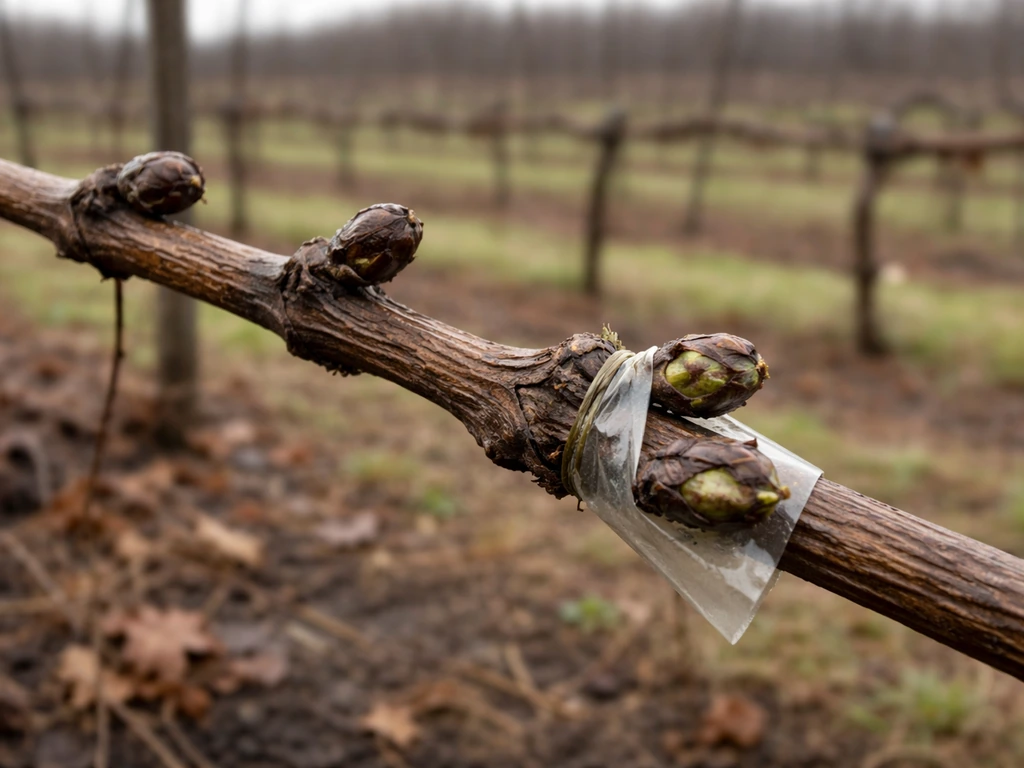
Winter injury is real in Kansas, especially in the northwest. The biggest risk is not the coldest night of winter but rather warm spells in February or March that cause buds to swell, followed by a hard freeze that kills them. You cannot prevent the weather, but you can reduce risk by choosing the most cold-hardy varieties for your zone, avoiding sites in low frost pockets, and not pruning too early in winter.
If you are aiming for the best grapes to grow in Minnesota, start by choosing varieties proven for colder winters in your USDA zone cold-hardy varieties. When buds swell early after a warm spell, watch the forecast. There is not much you can do for a full vineyard, but a small home planting can sometimes be protected with frost cloth.
Insects: Japanese beetles, grape berry moth, and leafhoppers
Japanese beetles are a serious pest in Kansas and tend to be especially heavy at vineyard edges near wooded areas. Hand-picking in the morning (when they are sluggish) works for small plantings. Grape berry moth larvae damage berries and create entry points for mold and secondary rots. Leafhoppers feed on leaf tissue and in heavy infestations can weaken vines noticeably. None of these are insurmountable, but they are worth monitoring starting in early summer.
Phylloxera
Phylloxera, the soil-dwelling aphid-like insect that devastated European wine regions, is present in Kansas. American and hybrid varieties have natural resistance, which is another reason to avoid planting straight Vitis vinifera varieties without resistant rootstock. For most home gardeners planting American or hybrid varieties, phylloxera is not a major concern, but it is worth knowing about.
Where to buy and how to start your first Kansas grape patch
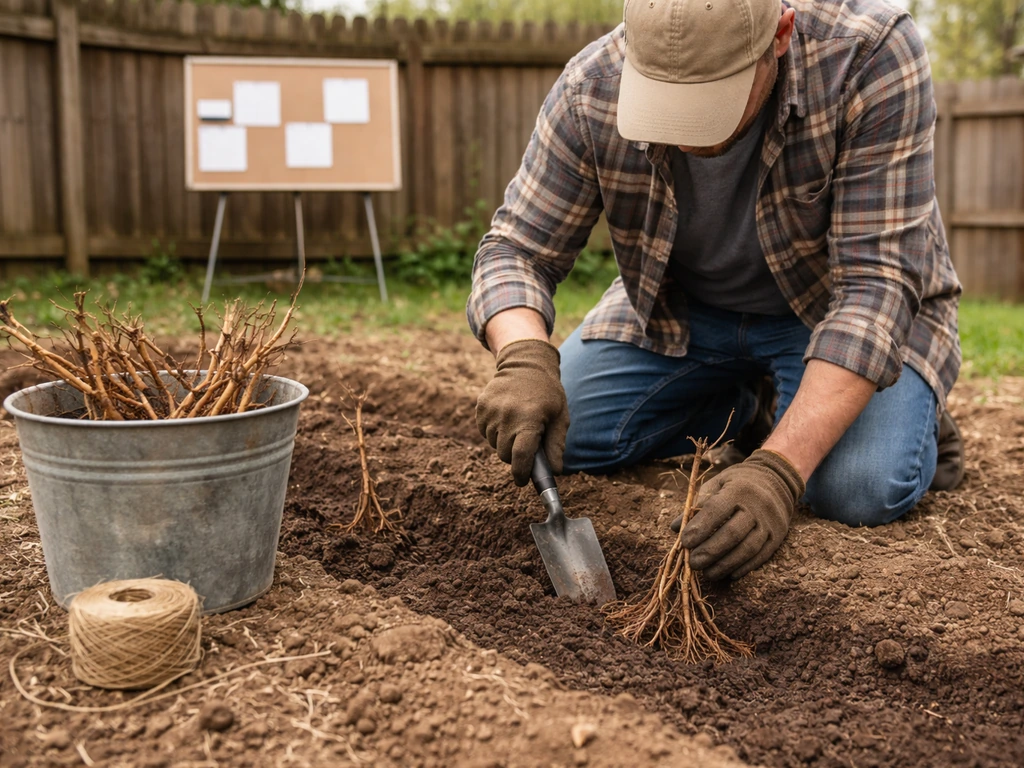
Bare-root vines are the easiest and most affordable way to get started. They are available in late winter and early spring, which lines up perfectly with the late March to early April planting window K-State recommends. Look for one-year-old certified vines from reputable nurseries. Local sources are worth seeking out because regionally adapted stock tends to establish faster.
- K-State Extension offices (especially in Johnson County) are a great starting point for local variety recommendations and sometimes host demonstration gardens you can visit.
- Midwest-focused mail-order nurseries that specialize in hardy fruits often carry Concord, Mars, Catawba, Chambourcin, and Cynthiana. Look for bare-root stock available in February and March.
- Local farm supply stores and some garden centers in Kansas carry Concord and a few other basics in spring. Selection is limited but the price is usually good.
- University Extension publications, especially K-State's MF-635, are free and give you variety-specific guidance written for Kansas conditions. Download it before you buy anything.
Here is a simple decision path for picking your first variety. If you are in northwest Kansas (Zone 5a or colder), start with Beta or Concord. If you are in northeast Kansas, choose from Concord, Mars, or Catawba depending on whether you want jelly, fresh eating, or wine. If you are in central Kansas and want fresh fruit, go with Mars or Reliance.
If you are in southern or southeast Kansas and have wine ambitions, Chambourcin or Cynthiana are your best bets. Whatever region you are in, start with two or three vines of one variety before committing to a larger planting. Grapes are a long-term investment and getting the hang of pruning and disease management on a small scale first is just smart.
Grapes are a long-term investment, and if you want the best grapes to grow in iowa as well as in Kansas, start with a couple of hardy, cold-tolerant vines and then expand once you see how they handle your winters.
If you are comparing notes with gardeners in neighboring states, Kansas shares a lot of overlap with Missouri and Oklahoma in terms of variety performance, though Missouri tends to have slightly higher humidity and Oklahoma runs a bit warmer in the south. The cold-hardy hybrid approach that works in Kansas translates well across the region, and gardeners in Nebraska and Iowa deal with harder winters that require even more cold-tolerant picks. The core principles, full sun, good drainage, dormant pruning, and disease management, carry across all of them.
FAQ
What’s the best way to choose between Concord, Mars, Catawba, and Chambourcin for beginners in Kansas?
Match the variety to your main goal, then pick the easiest win for your area. Concord is the safest all-purpose option for jelly and reliable eating. Mars is a strong choice if you want fresh fruit sooner and prefer seedless convenience. Catawba suits jelly, and it also tolerates Kansas well, but plan for later ripening. Chambourcin is the most forgiving “red wine” style pick, but it still needs consistent disease management during bloom to ripening.
How many grapevines do I need for a good first harvest?
For a small home planting, start with two to three vines of one variety, as the article recommends, then add more only after you confirm pruning and disease timing. Also plan around trellis space and fruit load, not just number of plants, because overcrowding on a two-wire trellis can reduce airflow and increase mildew.
Do grapes in Kansas need more than one vine of the same variety for better fruit set?
Most of the recommended American and hybrid varieties are self-fertile or reliably set fruit without cross-planting, so you often do not need multiple cultivars. However, if you notice weak flowering or small clusters, the issue is usually pruning severity, frost damage to buds, or inadequate sunlight, not lack of a second variety. If your variety is unusually finicky, then adding a second vine of the same type can still help with overall canopy vigor.
Can I grow grapes without spraying in Kansas?
You can reduce spraying, but skipping it completely is risky in Kansas because powdery mildew, downy mildew, and black rot can build quickly during wet periods. The most practical approach is “protective timing,” starting fungicide around when shoots reach about 2 to 3 inches and repeating at the interval suited to conditions. If you want the lowest-input plan, prioritize disease-resistant varieties first, then focus sprays mainly from pre-bloom through the post-bloom window.
What’s the most common mistake first-time Kansas grape growers make?
Overlooking site and airflow, usually by planting in partial shade or in spots that stay damp after rain. Grapes need full sun so foliage dries quickly, and good drainage so roots do not sit wet. Many “variety problems” are actually sun and moisture problems, and pruning cannot fix mildew fueled by poor airflow.
How do I handle late freezes when my buds start swelling early?
After a warm spell, watch the forecast closely. For a small home planting, frost cloth over the vine supports can help, but only if applied before the temperature drops and removed when conditions stabilize. For larger plantings, the most effective mitigation is prevention through cold-hardy varieties, avoiding low frost pockets, and not pushing growth by pruning too early.
What trellis or training setup should I use if I’m not sure I’ll keep up with pruning?
A two-wire trellis with cane or cordon training is the most beginner-friendly structure because it creates clear pruning targets each winter. Even then, expect to remove a large portion of last year’s growth. If you want a lower-maintenance learning curve, prioritize training a single strong trunk first, then build cordons in year two, and remove competing shoots early.
How far apart should vines be if I’m using a two-wire trellis?
Space vines about 8 feet apart in the row for a standard two-wire trellis, and keep rows far enough apart to work and maintain airflow, typically 10 to 12 feet. If you tighten spacing to “save space,” you can end up with excessive canopy density, which increases disease pressure even with disease-resistant varieties.
My soil is alkaline in western Kansas. Is sulfur always the right answer?
Sulfur can help lower pH over time, but do it based on a soil test rather than guesswork. If the pH is only slightly high, adjusting with sulfur may be a gradual process, and you will still need good nutrition and consistent irrigation. Also avoid overcorrecting, because too-low pH can hurt vine performance and complicate nutrient uptake.
Should I plant bare-root vines in pots first, or is direct planting better in Kansas?
Direct planting during the recommended late March to early April window is usually the simplest and most reliable path for bare-root vines. Potting can delay root establishment and may encourage early growth that is more vulnerable to cold snaps. If you must pot temporarily, keep the vine dormant or very cool until conditions stabilize, and transplant quickly once established.
When should I thin clusters or can I leave them all for a first harvest?
In many backyard situations, leaving every cluster can overburden young vines and reduce long-term productivity. A practical approach is to lightly thin if you see very heavy clusters on a young vine, especially in the first few years, so the plant can build wood for future seasons. The article emphasizes crop load balance during dormant pruning, and cluster thinning is an extra tool to manage that balance during the growing season.
Do Japanese beetles and grape berry moth always mean I will lose the crop?
Not necessarily. Japanese beetles can be controlled by hand-picking on small plantings, and monitoring starting in early summer helps you catch feeding damage before it spreads. For grape berry moth, the key is preventing larvae from creating entry points that later rot in wet spells, so you should pay extra attention during ripening when cluster wounds matter most.
Is phylloxera a reason to use resistant rootstock for all Kansas grape plantings?
If you are planting American or French-American hybrids, phylloxera is usually not a major threat because those types are naturally resistant. Rootstock decisions matter most if you were considering Vitis vinifera genetics, which the article advises against for Kansas home gardens. For your recommended hybrid varieties, the safer and simpler route is to stick with resistant types and good site drainage.
What should I do if my vines grow a lot in year one but do not reach the top wire?
Do not panic. The article notes it is fine if the shoot does not reach the top wire by the end of the first season. Focus on getting one strong vertical shoot upward early, tie it loosely to direct growth, and concentrate on training the main trunk in year two while removing unwanted shoots.