
Yes, you can absolutely grow grapes in Iowa, and plenty of home gardeners do it successfully every year. The key is choosing cold-hardy varieties bred specifically for the Upper Midwest, picking a well-drained sunny spot, and accepting that Iowa winters require a bit more planning than growing grapes further south. Get those three things right and you can have productive vines fruiting within two to three years.
Can You Grow Grapes in Iowa? How to Start and Succeed

Marcus Whitfield
24 May 2026
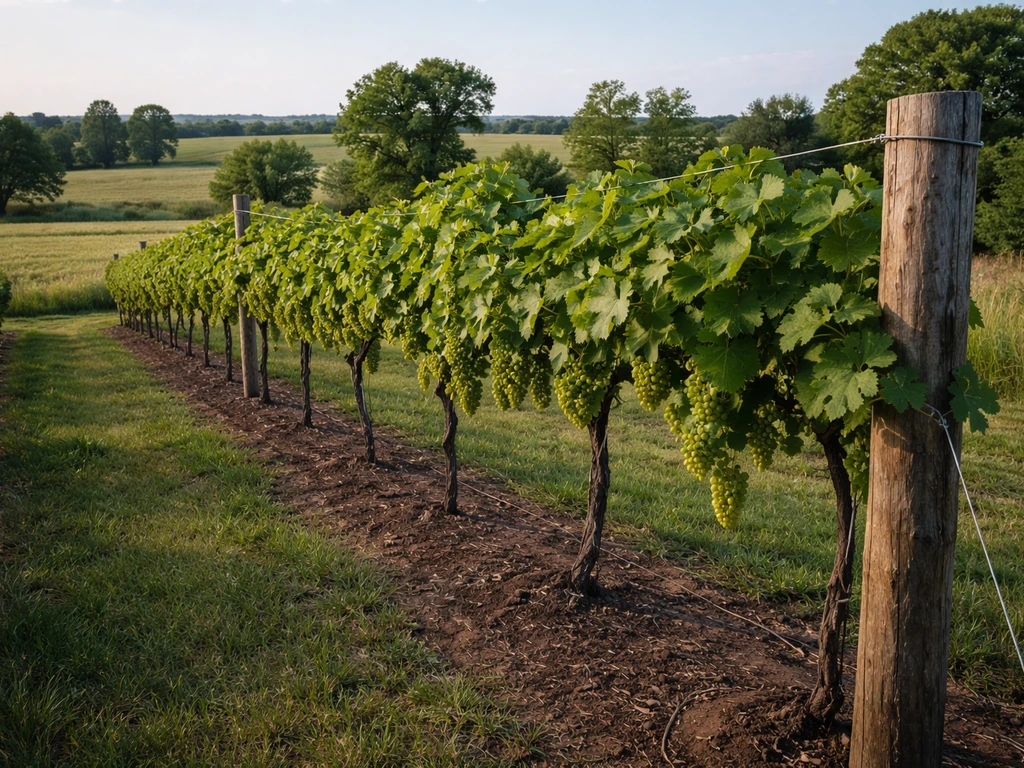
Iowa is a solid grape-growing state, here's why
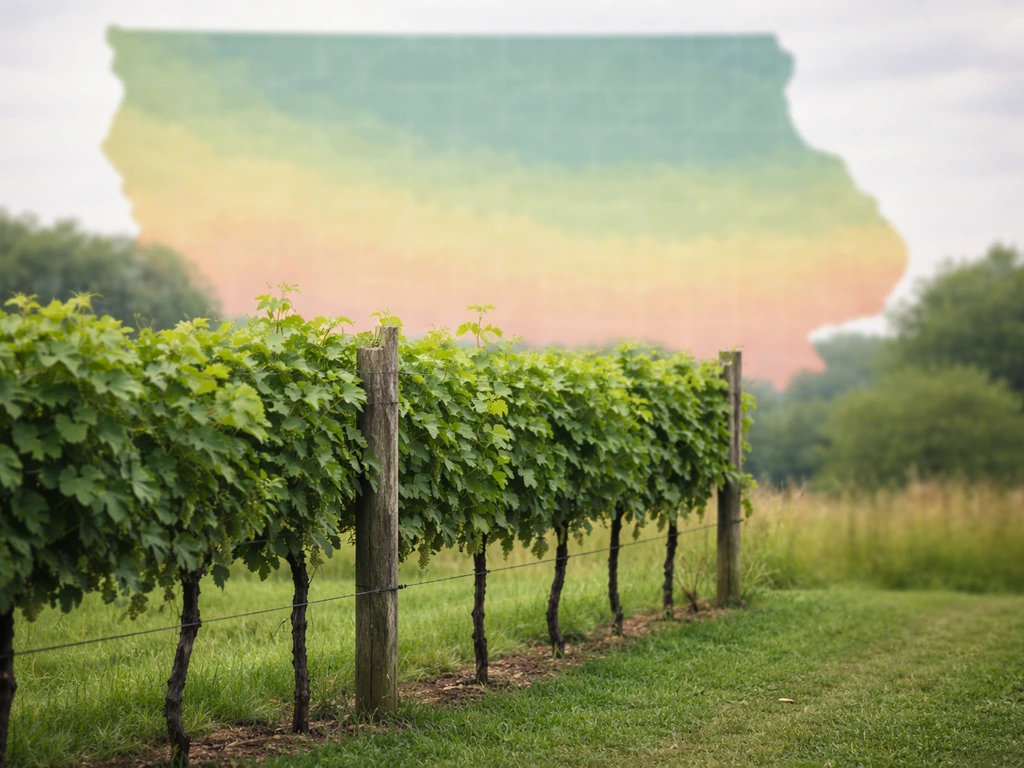
Iowa sits mostly in USDA hardiness zones 4b through 6a, with northern Iowa dipping into zone 4b (lows around -25°F) and southern Iowa reaching zone 6a (lows around -10°F). That range eliminates most classic wine grape varieties like Cabernet Sauvignon or Chardonnay, but it's perfectly suited to cold-hardy hybrid cultivars developed specifically for this kind of climate. The University of Minnesota and similar cold-climate breeding programs spent decades creating grapes that survive Iowa winters without coddling, and those varieties are widely available today.
The real advantage Iowa has is a genuine growing season. Most of the state gets 150 to 170 frost-free days, with warm, humid summers that push plenty of sugar into the fruit. Heat accumulation (measured in growing degree days) is sufficient for early and mid-season varieties to ripen fully. The challenge isn't whether grapes will grow here, it's navigating the cold winters and the occasional brutal late-spring frost once buds start pushing. If late-spring frosts are what worry you, the same kind of cold protection and variety timing that works in Iowa can also guide how to plan for grapes in Mississippi. Pick the right variety and manage those two risks and Iowa grape growing is very doable.
Iowa's climate and what your vines are up against
The biggest threat to Iowa grapevines is not the average winter low, it's the unpredictable temperature swings. A warm stretch in February can push buds forward early, and then a hard freeze in March or April kills those tender new shoots. Iowa State University Extension flags this specifically: grapes become vulnerable to late spring frosts as soon as buds or shoots start developing. One good hard frost after bud break can wipe out an entire season's crop even on a vine that survived the winter just fine.
This is exactly why variety selection matters so much. Cold-hardy hybrids with later bud-break timing give you a natural buffer against spring frost damage. In northern Iowa (zones 4b and 5a), you want varieties rated to at least -30°F to -35°F. In central and southern Iowa (zones 5b and 6a), you have more options and can try a slightly wider range of cultivars. The growing season in Iowa runs roughly from late April through mid-October, which is enough time for early and mid-season varieties to ripen without issue.
Best grape varieties for Iowa gardens
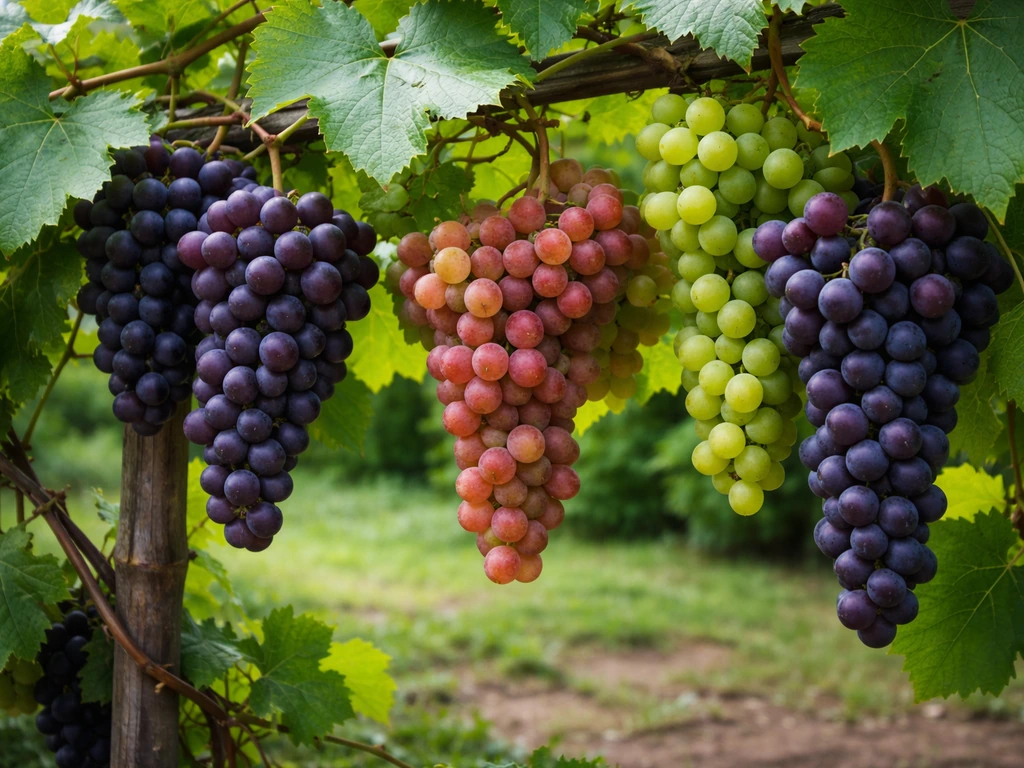
Stick with cold-hardy hybrid varieties developed for zones 4 and 5. These aren't compromises, they produce genuinely good fruit and some make excellent wine. Here's a practical breakdown of what works and what purpose each variety serves.
| Variety | Type | Hardiness Zone | Best Use | Notes |
|---|---|---|---|---|
| Marquette | Red wine | Zone 4 | Wine | High sugar, complex flavor, widely recommended for Iowa |
| Frontenac | Red wine | Zone 3 | Wine / juice | Very hardy, tart, excellent disease resistance |
| Frontenac Gris | White/rosé wine | Zone 3 | Wine / fresh eating | Pink-skinned, tropical flavor notes |
| La Crescent | White wine | Zone 4 | Wine | Apricot and citrus notes, highly aromatic |
| Itasca | White wine | Zone 4 | Wine / table | Mild flavor, low acid, good fresh eating option |
| Concord | Table / juice | Zone 4-5 | Juice / jam / fresh | Classic Midwestern grape, very reliable |
| Niagara | White table | Zone 5 | Fresh eating / juice | Sweet, foxy flavor, works in southern Iowa |
| Reliance | Red table | Zone 4-5 | Fresh eating | Seedless, good for snacking and home use |
For most Iowa home gardeners, I'd start with Marquette or Frontenac for wine grapes and Concord for table/juice grapes. Concord is practically bulletproof across Iowa and gives you fruit faster with less fuss. If you're in northern Iowa, lean hard into Frontenac and Marquette, both rated to zone 3 or 4. If you're in southern Iowa near the Missouri border, you have more flexibility and can experiment with Niagara or Reliance for fresh-eating varieties.
Setting up your site and soil the right way
Grapes are forgiving in many ways but unforgiving about two things: sunlight and drainage. You need a minimum of 6 to 8 hours of direct sun daily, and 8 or more is better. A south or southwest-facing slope is ideal because it maximizes heat accumulation and improves air circulation, which cuts down on fungal disease pressure. Avoid low spots and frost pockets where cold air settles, especially given Iowa's spring frost risk.
Soil drainage is non-negotiable. Grapes do not tolerate standing water or compacted, waterlogged soils. Iowa's heavier clay soils in particular can be a problem. If your soil stays wet for more than a day after rain, either choose a different location, build raised rows, or work in significant organic matter and coarse material to improve drainage before planting. Grapes thrive in well-drained loam or sandy loam with a soil pH between 5.5 and 6.5. Get a simple soil test through Iowa State Extension before planting so you know where you stand with pH and nutrient levels.
- Choose a site with 6 to 8+ hours of direct sun daily
- South or southwest-facing slopes offer extra heat accumulation
- Avoid low areas where frost and cold air pool in spring
- Soil pH should be 5.5 to 6.5 (test before planting)
- Well-drained loam or sandy loam is ideal; fix clay soils before planting
- Space vines 6 to 8 feet apart in rows 8 to 10 feet apart for home gardens
When and how to plant, and what to expect in year one
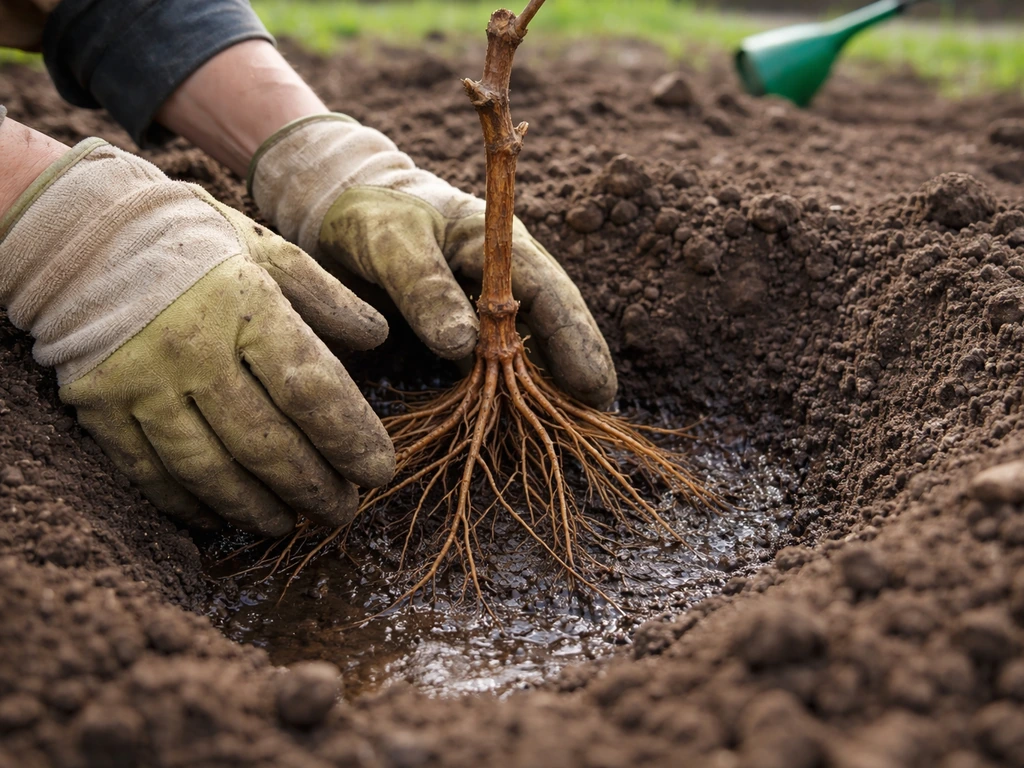
Plant bare-root grapevines in early spring, typically late April to early May in Iowa, once the ground has thawed and soil temperatures are consistently above 50°F. This is usually after the average last frost date for your area, which ranges from late April in southern Iowa to mid-May in northern areas. Bare-root plants are the most common and affordable way to start. Container-grown plants can go in a bit later but require more attention to watering in the first few weeks.
At planting, dig a hole large enough to spread the roots out without bending them, set the vine so the graft union (the knobby part near the base) sits about 2 inches above the soil surface, and backfill with native soil. No need for fancy amendments in the planting hole since that can actually discourage roots from spreading outward. Water thoroughly and then consistently through the first season.
In year one, your only goal is root establishment. Don't push the vine to grow tall fast. Most recommendations suggest pinching off flowers the first year so the plant puts energy into its root system rather than fruit. Let the shoots grow freely through the first summer to build the leaf canopy, which Iowa State University Extension notes helps buds develop cold hardiness for their first Iowa winter. By late fall of year one you'll have a strong root system ready for the real growth push in year two.
Trellising, training, and pruning basics
Get your trellis in before or at planting time, not as an afterthought. A simple two-wire trellis works well for most home gardens. Set posts (4x4 treated wood or steel T-posts) every 8 feet, with the first wire at about 3.5 feet and the second at 5.5 feet. This gives you the structure for a bilateral cordon training system, which is the most beginner-friendly approach and the most common for cold-hardy hybrids in the Midwest.
In the bilateral cordon system, you train two permanent arms along the lower wire in opposite directions from the trunk. Each year, short fruiting spurs grow off these arms and that's where your fruit comes from. In year two, select the strongest shoot and tie it to the stake vertically. In year three, begin training the two lateral arms along the wire. It takes patience but by year three or four you'll have a clean, manageable structure.
Pruning happens in late winter, typically late February to mid-March in Iowa, before bud swell but after the worst cold has passed. This timing matters because Iowa State University Extension notes that pruning in late winter is standard practice for Iowa grapes. Heavy pruning is normal and necessary, grapes fruit on new wood each year so you're cutting back aggressively to a small number of buds per spur. If you're nervous about how much to cut, the rule of thumb is to remove 70 to 90 percent of the previous year's growth. That sounds extreme but it's exactly what keeps vines productive and manageable.
Watering, feeding, and keeping pests in check
In the first season, water consistently, about 1 inch per week if rain doesn't provide it. After year two, established grapevines are surprisingly drought-tolerant, but they still need consistent moisture during fruit development in midsummer. Drip irrigation is ideal because it keeps the foliage dry, which reduces fungal disease pressure. Overhead watering works but increases the risk of powdery mildew and downy mildew, both of which are common Iowa issues in humid summers.
For fertilizing, less is more with grapes. A light application of a balanced fertilizer (10-10-10) or compost in early spring is usually sufficient. Too much nitrogen pushes excessive leafy growth at the expense of fruit quality and makes vines more susceptible to disease. If your soil test came back showing specific deficiencies, address those, but don't over-feed. Skip the fertilizer entirely in year one if your soil is reasonably good.
The main pests and diseases Iowa growers deal with include powdery mildew, downy mildew, black rot, grape berry moth, and Japanese beetles. Cold-hardy hybrids like Frontenac and Marquette have been bred with disease resistance as a priority, so you'll spend far less time spraying than you would with traditional wine varieties. Still, keeping good airflow through the canopy by training and pruning correctly is your best defense. If you do spray, a simple copper or sulfur-based fungicide applied at key intervals (bud break, post-bloom, and a few weeks later) handles most fungal issues.
Getting through Iowa winters and keeping vines productive for the long haul
If you've chosen cold-hardy varieties rated for zone 4 or lower, your vines should survive Iowa winters without needing to be buried or heavily wrapped. The summer leaf canopy plays a real role here: Iowa State University Extension points out that the vine's summer growth helps buds develop the cold hardiness they'll need for winter, so don't be too aggressive about defoliating or removing leaves during the growing season.
For extra insurance in northern Iowa or in particularly exposed sites, you can mound 4 to 6 inches of soil over the base of young vines in late fall before the ground freezes. This protects the crown and graft union from the most damaging cold. Remove the mound in spring before bud swell. Mature vines in good condition rarely need even this much intervention if you've matched the variety to your zone.
Here's what a realistic annual calendar looks like once your vines are established:
- Late February to mid-March: Prune vines while dormant, before bud swell begins
- April to May: Watch for late frost after bud break; cover young shoots if hard frost is forecast
- May to June: Train new shoots onto the trellis; apply first fungicide spray at bud break if needed
- June to August: Monitor for pests and disease; keep canopy open with shoot positioning; maintain consistent watering during fruit development
- September to October: Harvest fruit when fully ripe (taste-test daily once color develops fully)
- Late October to November: Clean up fallen leaves; optionally mound soil at base of young or less-hardy vines before hard freeze
Realistically, expect some fruit in year two to three, but your first real harvest happens in years three to four. After that, well-maintained vines can produce for 20 to 30 years. The front-loaded work of the first few seasons pays off with decades of reliable production. Iowa gardeners growing grapes in Indiana face similar cold-hardiness challenges, but Iowa's more continental climate means slightly wider temperature swings, which makes variety selection even more critical here.
Your next steps for this season
If you're reading this in spring, now is the time to act. Order bare-root vines from a reputable cold-climate nursery this week since stock sells out early in the season. If you're wondering can you grow grapes in Hawaii, the same basics apply, but you'll need to choose heat-tolerant varieties and plan around Hawaii's unique climate Order bare-root vines. Get a soil test through Iowa State Extension if you haven't already.
Pick your site, check that drainage is adequate, and get your trellis posts set before the vines arrive. If you're reading this in summer or fall, use this season to prepare your site, improve soil drainage if needed, and place your order for bare-root vines to arrive next spring.
Start with two to four vines of one or two varieties rather than trying to plant a full vineyard right away. Marquette and Concord together give you both a wine grape and a table/juice grape, cover the full hardiness range of Iowa, and let you learn on a manageable scale. Once you have one successful harvest under your belt, expanding is easy because you'll know exactly what your site can do.
FAQ
Can you grow grapes in containers in Iowa?
Yes, but only if you choose a cold-hardy hybrid and accept that you likely will not get the same “table grape” taste as warmer-climate cultivars. In Iowa, container growth often struggles because roots need consistent winter protection, so most growers use a small number of vines outdoors on trellises rather than pots. If you try containers, use a large, well-draining pot (at least 15 to 20 gallons), keep the graft union at the correct height, and plan to protect the roots from freeze-thaw cycles (not just cover the stems).
Is it possible to start grapes in Iowa from cuttings instead of bare-root vines?
Yes, you can grow grapes from cuttings, but it is slower and less predictable than buying certified bare-root vines, especially for beginners. Cold-hardy hybrids root better than traditional varieties, but success depends heavily on timing and rooting conditions. If you are aiming for fruit in the 3 to 4 year window, bare-root planting is the more reliable path.
What should you check if your Iowa grapes produce poorly or taste “green”?
If your vines are fruiting but berries are small or flavor is poor, it is usually one of three things: the variety is not early enough for your site, the vines are too shaded, or pruning left too many buds/spurs. In Iowa’s frost-risk environment, correct winter pruning is crucial, removing most of last year’s growth. Also confirm you have at least 6 to 8 hours of direct sun, and that the canopy is trained so air can move through.
How can you protect grapevines from late-spring frost in Iowa?
Late-spring frosts can wipe out new growth even when vines survived the winter, but you can sometimes reduce losses. The simplest decision aid is timing your bud-break naturally by variety choice, then being ready at the first sign of frost risk with protective measures like row cover or frost cloth during the coldest hours. Avoid opening covers too early, and remember that wind and low spots worsen damage, so site selection often matters more than last-minute protection.
How do you avoid common pruning mistakes in an Iowa backyard vineyard?
Start with the grape’s pruning system, not the vine’s “appearance.” If you are using a bilateral cordon, keep the structure on the lower wires and renew fruiting spurs each winter. A common mistake is leaving too much older wood, which reduces fruiting quality and makes the canopy crowded, increasing mildew pressure. If you are unsure, follow the aggressive pruning approach (removing roughly 70 to 90 percent of the previous year’s growth) and adjust one step at a time the following winter.
Should you always remove grape flowers in the first year in Iowa?
Yes, but the “first-year rule” changes depending on vine vigor. If the vine is putting out strong shoots, removing flowers is still a good idea to prioritize roots, but you can let limited growth build structure. If growth is weak, do not force pruning to a strict target, focus on establishing the trellis training and maintaining consistent moisture early in the season. The goal in year one is root and canopy establishment, not yield.
Do I need to cover or mound grapes for Iowa winters every year?
You can, but it must be done carefully. Overwinter protection like mounding soil can help the crown and graft union in exposed northern sites, remove it before bud swell in spring, and avoid leaving it on too long because it can delay growth and create excess moisture near the base. Mature vines often do not need wrapping if they are properly matched to your zone, so use extra protection mainly when you have a specific risk (young vines, very exposed yard, or repeated freeze-thaw).
What is the best way to reduce mildew and black rot without over-spraying?
Most Iowa growers will see fewer problems by treating prevention as part of pruning and training, not only as a spraying schedule. For example, dense canopies trap humidity, so good airflow and correct wire training reduce fungal disease pressure. If you do spray, stick to the growth-stage timing you choose each year (bud break, post-bloom, and follow-ups), and avoid spraying out of calendar order because weather delays or speeds up bud development in Iowa.
How do you know whether to fertilize grapes in Iowa, and how much is too much?
In Iowa, the main “wrong” fertilizer issue is too much nitrogen, which can lead to excessive leafy growth and poorer fruit. Use a soil test result to decide whether you need anything beyond a light early-spring feed. If you do compost or a small balanced fertilizer application, stop short of heavy feeding, especially in the first year, because strong vegetative growth can reduce winter hardiness.
Is it better to plant a few grapevines first instead of starting a larger vineyard?
Yes, and it is a smart way to learn your site. Planting two to four vines lets you compare how different varieties handle your drainage and frost exposure and gives you a benchmark for pruning style. Once you get consistent fruiting in years three to four, you can add vines with confidence based on what performed rather than guesswork.