
Yes, you can grow grapes in Mississippi, and with the right variety selection you can do it quite successfully. The climate and diseases differ by location, so you will want a Hawaii-specific plan if you want grapes to thrive there can you grow grapes in hawaii. Muscadine grapes are the clear winner for most of the state, thriving in Mississippi's heat and humidity with far less disease drama than standard bunch grapes. Bunch grapes are viable too, especially in North Mississippi, but they demand more careful variety selection and a consistent disease management routine. Pick the right cultivar, set up a proper trellis, and manage for fungal disease from day one, and you can realistically be harvesting your own grapes within two to three years.
Can You Grow Grapes in Mississippi? Yes, Here’s How

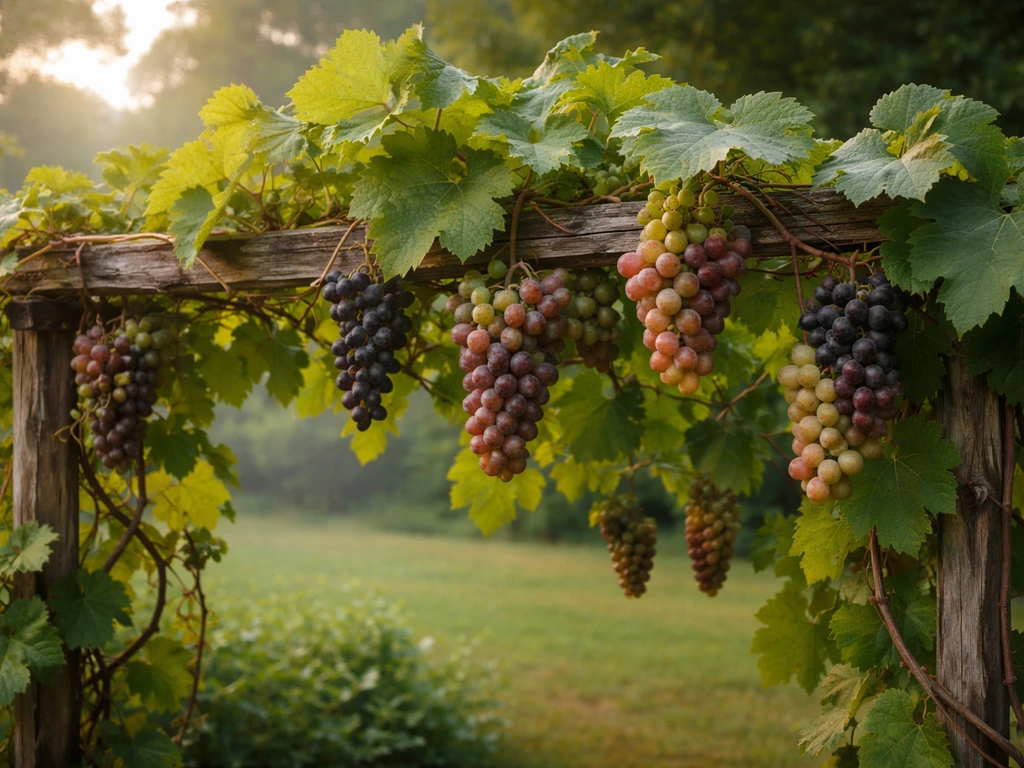
Mississippi climate conditions that affect grape success
Mississippi sits in USDA Hardiness Zones 7a through 8b, which gives you long, hot summers, mild winters, and a growing season that runs well over 200 frost-free days across most of the state. That extended season is a genuine asset for ripening fruit. The problem is that the same heat and humidity that lets grapes ripen easily also creates ideal conditions for fungal disease. Downy mildew, powdery mildew, black rot, Phomopsis, and anthracnose are all common and aggressive in Mississippi's wet, humid growing season.
North Mississippi runs slightly cooler and has modestly lower humidity compared to the Gulf Coast region. MSU Extension specifically notes that bunch grapes grow best in North Mississippi but can be grown throughout the state. On the Gulf Coast and in the Delta, humidity stays high for extended periods, and Pierce's disease, a bacterial disease spread by sharpshooter insects, becomes a real constraint for bunch grapes. Muscadines, by contrast, are naturally resistant to Pierce's disease and most major fungal diseases, which is why they dominate Mississippi home gardens and small orchards.
Winter cold is rarely the limiting factor in Mississippi. Grapes need some winter chill to break dormancy properly, and Mississippi's winters generally provide it without exposing vines to the kind of damaging cold that kills buds. Serious winter bud injury in American and French hybrid vines tends to occur below around negative 5°F, and Mississippi almost never sees temperatures anywhere near that range. If you're coming from a state where winter survival is the first concern, as it would be in Indiana or Iowa, you'll find Mississippi's winters relatively forgiving for grapes.
Best grape types and varieties to try in Mississippi
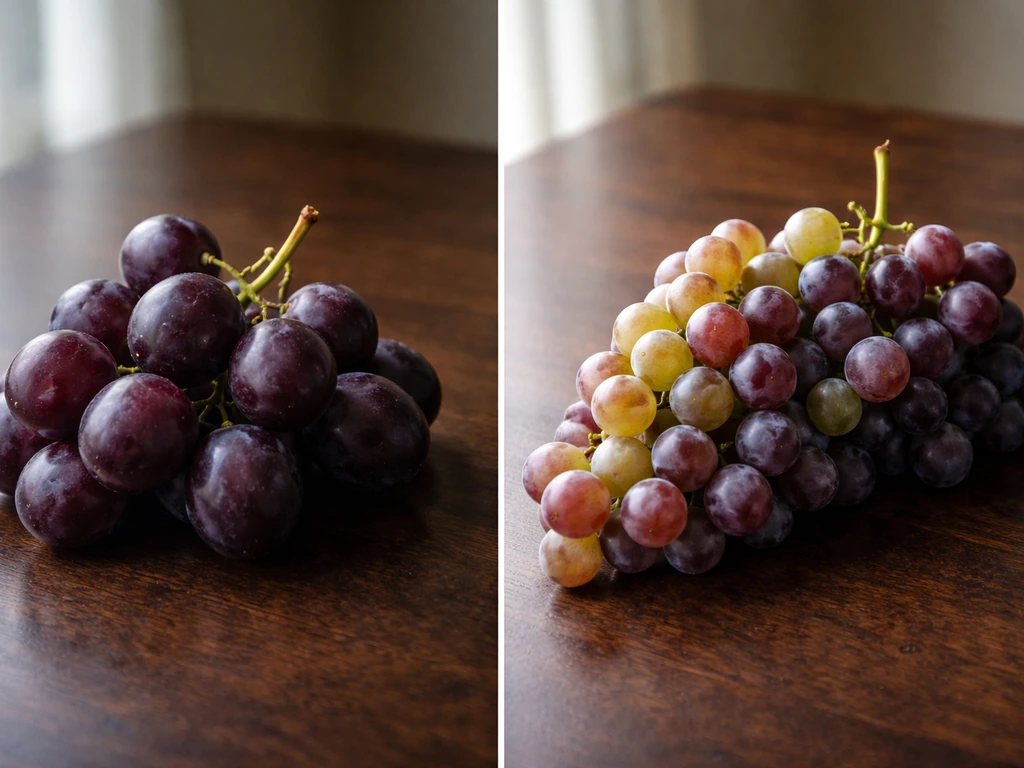
You have two practical categories to choose from: muscadine grapes and bunch grapes. Here's how they compare for Mississippi conditions.
| Feature | Muscadine Grapes | Bunch Grapes |
|---|---|---|
| Disease resistance | Very high, naturally resistant to most fungal diseases and Pierce's disease | Moderate to low, highly susceptible without spray programs |
| Best region in Mississippi | Statewide, including Gulf Coast | Best in North Mississippi |
| Flavor and use | Rich, musky flavor, great for fresh eating, jelly, and wine | Familiar table/wine grape flavor, some seedless options |
| Harvest window | Mid-August to late September depending on cultivar | Late July through mid-September |
| Management intensity | Low to moderate | Moderate to high |
Muscadine varieties worth planting
Muscadines are the smart default for most Mississippi gardeners, especially south of Jackson. When selecting cultivars, pay attention to whether a variety is self-fertile (perfect-flowered) or requires a pollinator. If you're planting only one vine, you need a self-fertile type. If you have space for two or more, mixing a self-fertile variety with a bronze or black-fruited cultivar gives you better yields from all plants. Early-maturing cultivars generally ripen mid to late August on the Gulf Coast, while full-season varieties come in mid to late September, so you can stagger your harvest by planting both types.
Bunch grape varieties with Mississippi track records
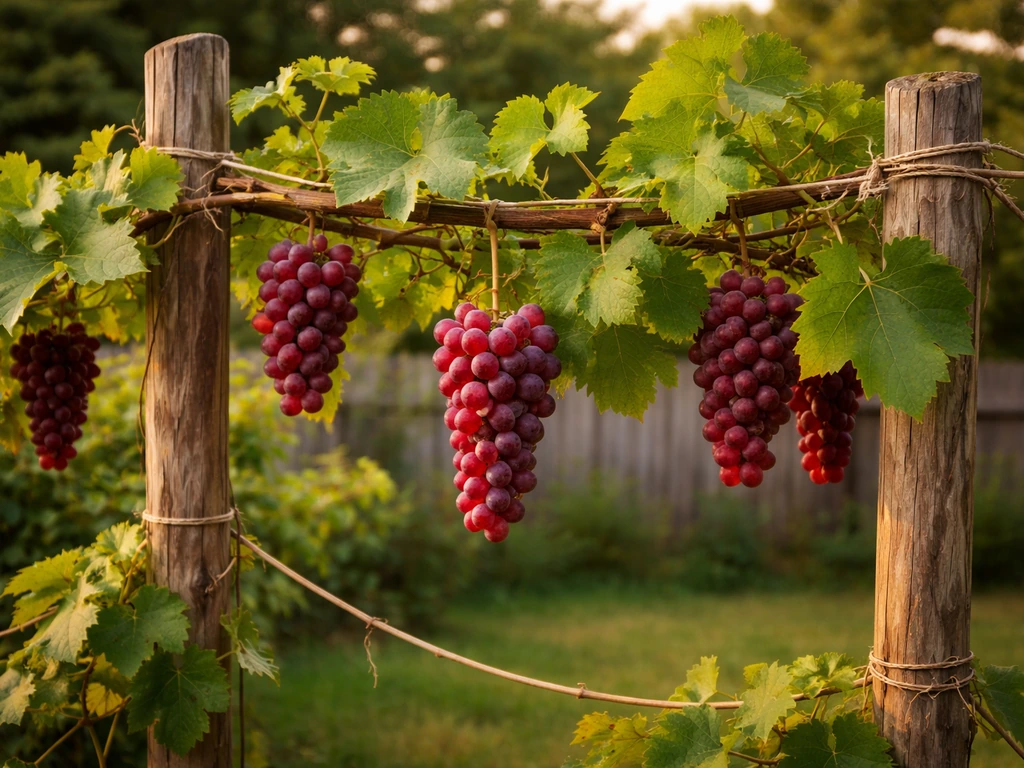
For bunch grapes, stick to cultivars with documented disease resistance and Mississippi-specific performance data. MSU released 'MidSouth,' a red bunch grape, specifically with Mississippi conditions in mind, prioritizing survival and disease resistance first, then crop load and fruit quality. 'Daytona,' a pink bunch grape, is recommended for fresh fruit consumption. 'Orlando Seedless,' a newer seedless bunch grape also released by MSU, is worth considering if you want a seedless option. Harvest dates for bunch grapes across the state run from late July to mid-September, so there's flexibility in season length. Avoid Vitis vinifera European wine grapes like Cabernet Sauvignon or Chardonnay without very serious disease management plans; they are not well suited to Mississippi humidity.
Site prep, soil, and planting timeline
Choosing the right spot
Grapes need full sun, at minimum six to eight hours of direct sunlight daily, and good air movement. In humid Mississippi, airflow is not just a nice-to-have, it's disease prevention. A south-facing or open slope where morning dew dries quickly is ideal. Orient your trellis rows north to south so both sides of the vine canopy receive direct sunlight during the day. Avoid low spots that collect cold air or stay wet after rain.
Soil preparation and pH
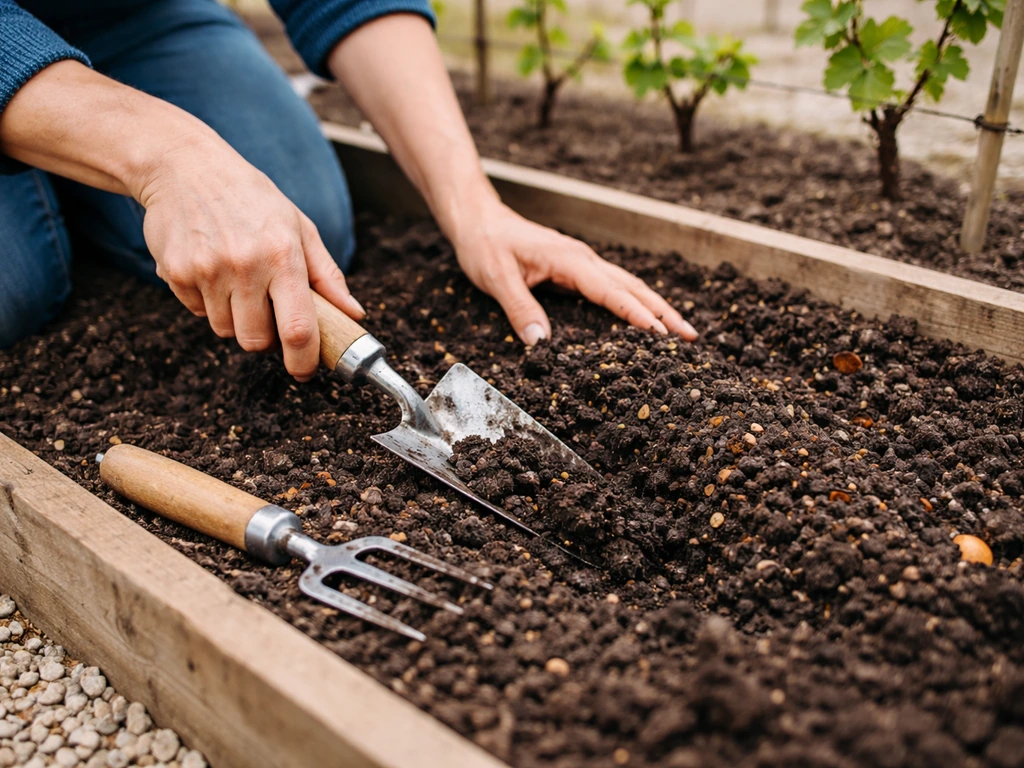
Grapes prefer well-drained soil. Heavy clay soils that hold standing water will cause root problems; if drainage is poor, raised rows or beds help significantly. Get a soil test before planting and adjust pH to 6.5 by incorporating dolomitic limestone into the planting area. MSU Extension specifically recommends dolomitic limestone for muscadines because it adds magnesium alongside calcium, both of which grapes need. Do this amendment work six months to a year before planting if you can, to let the pH stabilize.
When to plant
For Mississippi, fall planting of containerized or bare-root vines gives roots time to establish before summer heat arrives, and some extension guidance supports fall as the preferred timing in warm Southern climates. WVU Extension also says fall planting is preferred because roots establish faster when shoot-root competition is slower. If you're planting bare-root vines and miss the fall window, get them in the ground as early in spring as the soil can be worked, ideally late February through March in most of Mississippi. Avoid planting in the middle of summer heat.
Training, trellising, watering, and fertilizing basics
Trellis setup
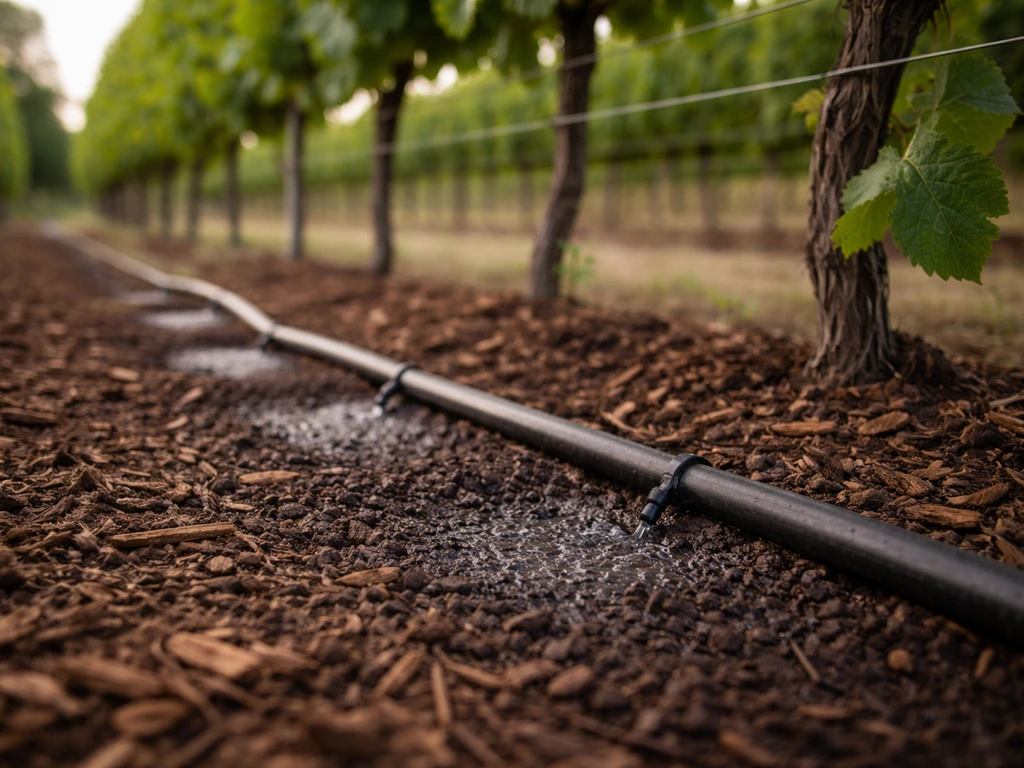
Every grape vine needs a trellis from day one. A two-wire trellis is the standard for home growers. MSU Extension's bunch-grape guidance describes wires placed at 12 inches and 72 inches above the ground. Set corner posts firmly in concrete, run 12- or 14-gauge galvanized wire between them, and space your posts no more than 20 to 24 feet apart to prevent wire sag. For muscadines, a single high-wire system at around five to six feet is also common and works well for the sprawling muscadine growth habit. Space vines 10 to 20 feet apart depending on variety, as muscadines especially are vigorous growers.
Watering
Drip irrigation is the best choice for Mississippi grape growers, and MSU Extension specifically calls it excellent for grape culture. Drip keeps water off the foliage, which directly reduces fungal disease pressure, and it delivers consistent moisture to the root zone. During establishment, supplemental irrigation is critical. A practical guideline from Pearl River County MSU Extension suggests up to about 16 gallons of water per plant, two to three times per week during dry stretches in the first year or two. Once established, muscadines are relatively drought-tolerant, but don't skip irrigation during fruit development or you'll see quality drop.
Fertilizing
Keep fertilizing simple the first year. Apply a small amount of balanced fertilizer like 10-10-10 in the spring after planting, but don't overdo nitrogen. Excessive nitrogen pushes lush, dense foliage that holds humidity and invites disease. In subsequent years, base fertilizer applications on soil tests. A general approach for established vines is a spring application of balanced fertilizer, with additional nitrogen if growth is weak. Avoid fertilizing after mid-summer, as it can push late-season growth that won't harden off before winter.
Common grape diseases and pests in humid Mississippi conditions
This is the section that separates Mississippi grape growers who succeed from those who give up. Fungal disease is the number one management challenge for bunch grapes in the state. MSU Extension's disease list for Mississippi grapes includes black rot, downy mildew, powdery mildew, Botrytis bunch rot, Phomopsis, and anthracnose. Young clusters are especially vulnerable, and high humidity creates near-perfect infection conditions for multiple diseases at once.
The big four diseases to know
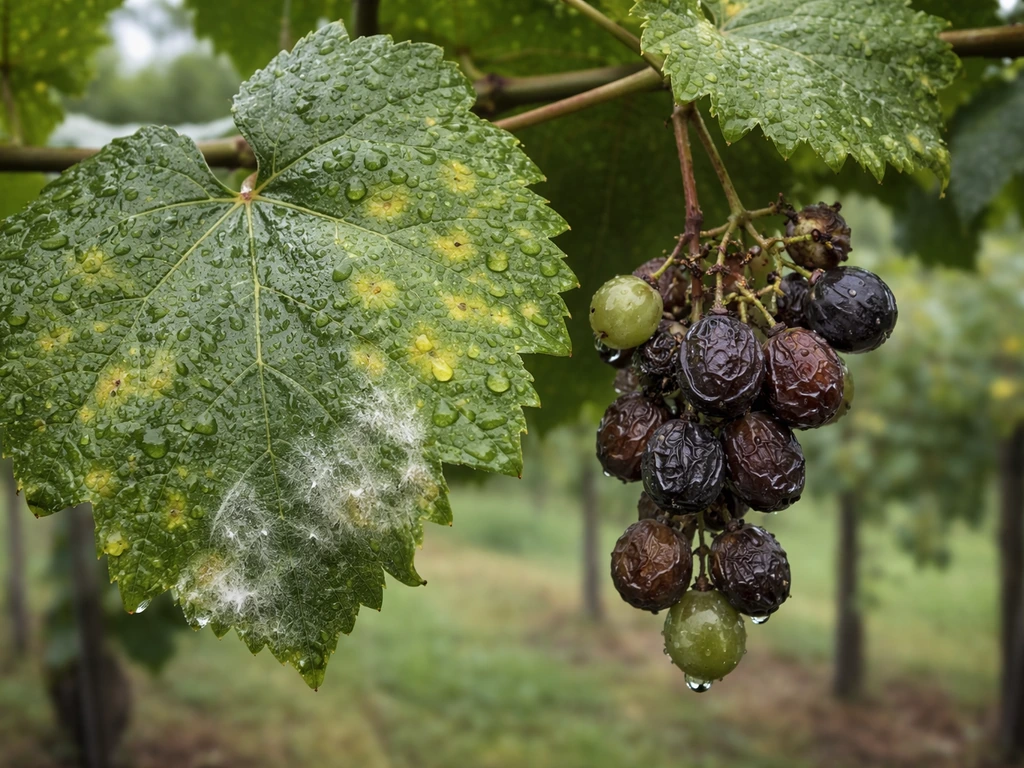
- Black rot: Causes shriveled, mummified berries; spreads rapidly in warm, wet weather; infections start at budbreak.
- Downy mildew: Yellow oily spots on leaves, white fuzzy growth underneath; thrives when humidity is high and temperatures are moderate to warm.
- Powdery mildew: Powdery white coating on leaves, shoots, and berries; high humidity promotes spread even without rain.
- Botrytis bunch rot: Gray fuzzy mold on clusters, especially in dense canopies where air doesn't move well.
A practical spray and prevention framework
If you're growing muscadines, your disease workload drops dramatically. Their natural resistance handles most of what would devastate a bunch grape planting. For bunch grapes, think of disease management in two layers: cultural practices first, then sprays as a backup.
- Choose disease-resistant varieties from the start. This is not optional in Mississippi.
- Orient your trellis for maximum sunlight and airflow, and prune consistently to keep the canopy open. A crowded canopy is a disease nursery.
- Remove and dispose of all mummified berries, diseased leaves, and pruned canes from the site each season. Don't compost them.
- Apply a protective fungicide program starting at budbreak if you're growing bunch grapes. Common home-garden options include copper-based fungicides for early season, and contact or systemic products labeled for black rot and mildew later. Follow the label.
- Skip spraying if you've had a week of dry weather and your canopy is open and well-managed. Spray after any rain event during cluster development if disease pressure is building.
Pierce's disease is the other major threat for bunch grapes, and it's bacterial rather than fungal, so fungicides won't help. The only tools are choosing resistant cultivars like MidSouth, and controlling the sharpshooter insects that spread it by managing weeds and brush around the vineyard perimeter.
Harvest expectations, winter survival, and first-year troubleshooting
How long before you get a real harvest
Set realistic expectations up front. Most grape vines take two to three years to produce their first meaningful crop, and years four and five are when yields really fill in. The first year is about root establishment, not fruit. The second year you might see a small cluster or two, but it's better to remove early clusters and let the vine build structure. By year three, if you've trained the vine properly to the trellis and managed disease, you should be getting a genuine harvest.
Ripening and harvest timing in Mississippi
Mississippi's long, hot summers are a real advantage for ripening. Bunch grapes typically come in from late July through mid-September across the state. If you're wondering can you grow grapes in Washington state, it helps to compare your local heat and humidity profile to what Mississippi relies on for ripening. Muscadines on the Gulf Coast run from mid to late August for early cultivars and mid to late September for full-season types. You're unlikely to face the ripening failures that gardeners in shorter-season states encounter. The more common Mississippi problem is disease pressure during fruit development, not failure to ripen.
Winter survival
Winter kill is not a realistic concern for well-established grape vines in Mississippi under normal conditions. Mississippi winters rarely produce temperatures that would damage vines. If you're wondering can you grow grapes in Iowa, the biggest challenge tends to be winter cold rather than summer ripening. If you're in the northern part of the state and experience an unusually cold winter, you can scout for bud damage in late winter by slicing a few buds crosswise and checking the color; healthy buds are green inside, while dead buds are brown. Even if surface buds are lost, secondary and tertiary buds often survive and push growth, so don't write a vine off too quickly after a cold event.
Common first-year problems and quick fixes
- Vine looks dead after planting: Give it time, especially with bare-root plants. Roots establish before shoots emerge, and it can take six to eight weeks to see strong growth.
- Leaves with brown spots or mummified small berries: Classic disease symptoms; tighten your spray program and improve canopy airflow immediately.
- Poor growth or yellowing leaves: Often a pH or nutrient issue; pull a soil test before adding more fertilizer.
- Vine growing vigorously but no fruit after year two: Normal for some varieties; check that you're not over-applying nitrogen, and make sure you have a pollinator variety nearby if your muscadine cultivar requires one.
- Vine dying back with no obvious disease: Check drainage; waterlogged roots are a common killer of first-year vines in Mississippi clay soils.
Next steps: choosing plants and planning your first season
Start by narrowing your choice to one to three varieties so you can learn the plants before scaling up. If you're in Central or South Mississippi, lead with a muscadine. Pick one self-fertile cultivar and one pollinator variety to maximize yields. If you're in North Mississippi and want bunch grapes, MidSouth or Orlando Seedless are reasonable starting points with documented performance in the state.
When buying plants, look for vines from reputable nurseries that sell certified, virus-indexed stock. Avoid buying cuttings from neighbors or informal sources unless you know the plants are disease-free. One-year-old containerized vines establish reliably and are easy to find from Southern nurseries. Bare-root vines are less expensive and also perform well if planted promptly and kept moist until they're in the ground.
Before your vines arrive, have your trellis posts set, your soil pH adjusted, and your drip irrigation planned. The first growing season is mostly about getting roots established and training the main stem upward toward the top wire. Prune off side shoots below the top wire, tie the main cane to the support, and water consistently. Mark your calendar for spring budbreak, because that's when disease management for bunch grapes begins. For muscadines, scout regularly but enjoy the lower-maintenance rhythm.
Mississippi is genuinely a good state for home grape growing when you work with the climate rather than against it. In Indiana, you can still try growing grapes, but the colder winters usually make variety choice and winter protection even more important grow grapes elsewhere. The heat means you'll ripen fruit reliably, the winters won't kill your vines, and the challenge of humidity is very manageable with the right varieties and a bit of seasonal attention. If you've been curious about growing grapes elsewhere in the South or comparing notes with gardeners in other states, the core lessons about variety selection, airflow, and disease resistance apply broadly, but Mississippi's specific combination of long season and high humidity really does make muscadines the standout choice here.
FAQ
If I only want to plant one grape vine, will I still get fruit in Mississippi?
Yes. When you grow muscadines in Mississippi, you can plant one self-fertile vine and still get fruit, but yields and consistency usually improve when you add a second variety for cross-pollination. If you are planting bunch grapes, assume you will need more careful pairing, some cultivars are not self-fertile, and one-vine setups can produce very light or no crop.
When should I begin disease prevention for bunch grapes in Mississippi?
For bunch grapes, the most useful “timing” decision is when to start your preventive disease program. Start at budbreak, not after you see spots, because young clusters are where multiple diseases take hold quickly in Mississippi humidity.
How should I prune in the first year to avoid slowing down fruiting?
For the first year, avoid pruning that removes too much wood, focus on training the main stem to the top wire, then remove side shoots below that wire. This approach builds the vine structure needed for later yields, and it usually reduces wasted growth that could otherwise stay overly humid and disease-prone.
Can I control Pierce’s disease with fungicides in Mississippi?
No. Pierce’s disease spread by sharpshooter insects is not something you can “spray away” with fungicides. If you choose bunch grapes, the practical edge is cultivar resistance plus perimeter weed and brush management to reduce insect pressure.
What happens if I forget to irrigate during berry development?
Often, yes, especially with muscadines. If you skip irrigation during fruit development, berries can ripen but quality drops (smaller size, poorer texture, and inconsistent sweetness). Drip irrigation that wets the root zone and stays off the leaves helps you maintain both disease control and fruit quality.
Can I grow grapes in Mississippi in containers or pots?
It depends on variety and drainage. If your yard holds water after rain, containers can work as a temporary learning setup, but long-term success usually requires raised beds or improved drainage. Root oxygen problems can quietly stunt vines regardless of variety.
What soil pH target should I aim for, and can I just add lime without testing?
Test soil first, then adjust pH with dolomitic limestone, aiming near 6.5. For muscadines, the magnesium in dolomitic limestone is specifically beneficial, but for any grapes, over-liming can swing pH high, which can trigger nutrient lockout and weak growth.
What’s the most common mistake that ruins grape success even when you pick a good variety?
In Mississippi, airflow and leaf wetness matter as much as chemicals. A common mistake is planting in a low, shaded spot where morning dew lingers, then relying on sprays that never catch up. Prioritize full sun, orient trellis north-south for even canopy light, and keep rows away from dense vegetation.
If my vines look damaged after winter, should I assume they’re dead and replant immediately?
Yes, cold events can still matter, but you should diagnose it correctly before replacing vines. Slice a handful of buds crosswise in late winter, green inside usually means buds survived, brown means dead, then consider that secondary buds may still recover even if primary buds fail.
Is it okay to buy grape cuttings from neighbors in Mississippi?
You can, but understand the risk. Buying from informal sources increases the chance of bringing in virus or other disease problems, which can then spread in your vineyard and undo your variety and management choices. Certified, virus-indexed stock is a safer starting point.