
The best grapes to grow in Indiana are cold-hardy hybrid varieties like Concord, Niagara, Marquette, Chambourcin, Catawba, and Traminette. These handle Indiana's winter lows, summer humidity, and disease pressure far better than European vinifera types, which struggle badly in most of the state. Pick one of those and you have a realistic shot at a productive vine within three to four years.
Best Grapes to Grow in Indiana: Top Varieties and How-To
Marcus Whitfield
17 Jun 2026
Are grapes a good fit for Indiana, and where in the state?
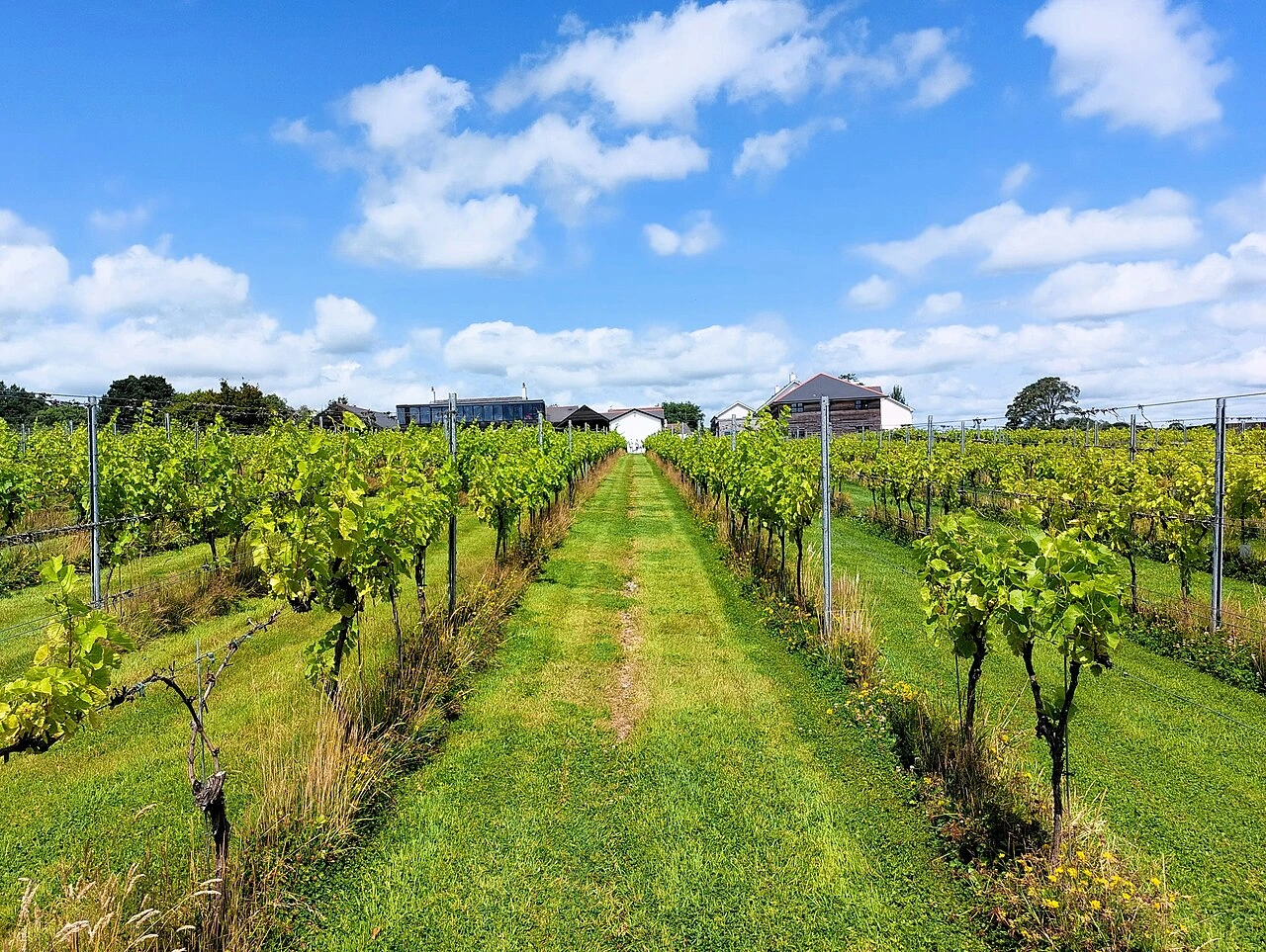
Yes, grapes are absolutely viable in Indiana, but you need to go in with clear eyes about what the climate throws at you. Indiana spans USDA hardiness zones 5b in the north to 6b in the south, meaning average winter lows range from roughly -15°F in the upper third of the state to around 0°F near the Ohio River. That spread matters enormously for variety selection. Northern Indiana gardeners need varieties rated to at least zone 5, while southern Indiana growers have a bit more flexibility.
Beyond cold, Indiana's growing season typically runs about 170 to 190 days in the south and closer to 150 to 165 days in the north, based on 1991-2020 climate normals from the Purdue Indiana State Climate Office. Late spring frosts are a real risk, with central Indiana averaging a last frost around mid-April, and some northern counties pushing into early May. Early fall frosts can arrive in October in the north. Late-ripening varieties that need a long season can get caught before they fully ripen up north.
The bigger ongoing challenge is humidity. Indiana summers are warm and humid, which is prime territory for fungal diseases like black rot, downy mildew, powdery mildew, and Phomopsis. Every grape gardener in Indiana is managing disease pressure as part of the job. That's not a reason to skip grapes, but it is why variety choice and site selection matter more here than in drier western climates. Southern Indiana, with its longer season and slightly milder winters, supports a wider range of varieties including some French-American hybrids that ripen later. Northern Indiana growers should stick to the hardiest, earliest-ripening options.
Indiana's best grape varieties, broken down by type
Purdue Extension's HO-221-W publication is the gold standard Indiana reference for variety selection, and the recommendations below are grounded in that guidance alongside broader Midwest hybrid performance data. Here's how varieties break down by your primary goal.
Table grapes and fresh eating
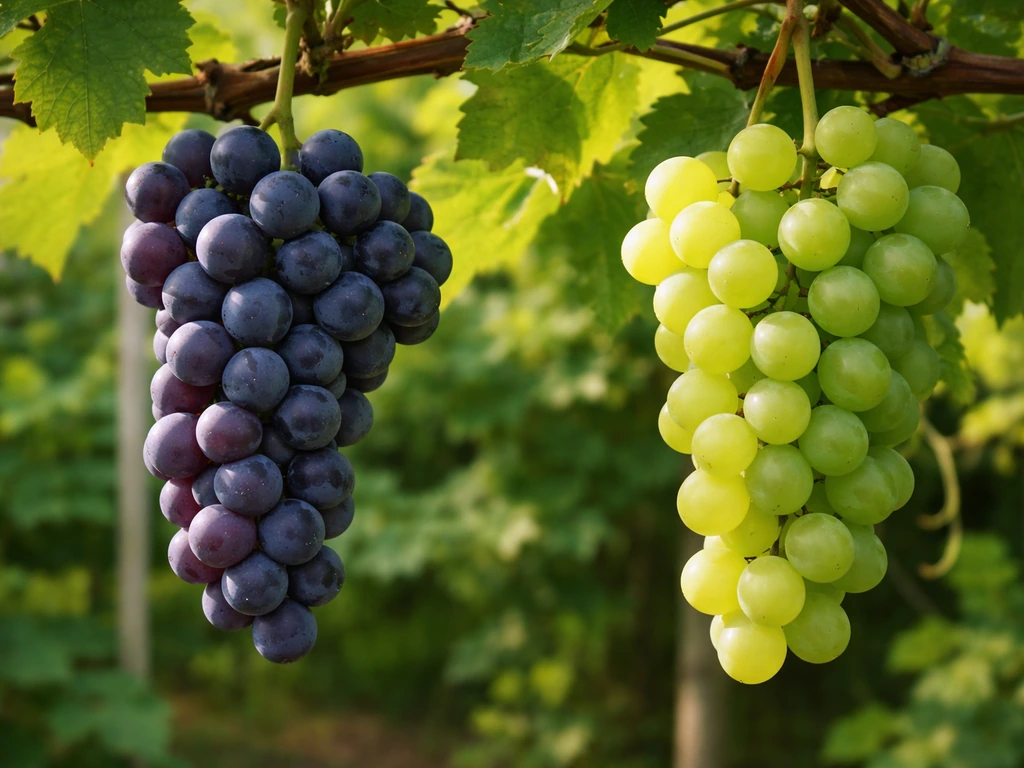
Concord is the workhorse of Indiana home gardens and for good reason. It's cold-hardy to zone 4, ripens mid-season (late August to September), and produces heavily. The flavor is classic slip-skin, deep blue-purple, and great for eating fresh, juice, and jelly. Niagara is the white-fruited counterpart, equally hardy, ripening at a similar time with a sweet, slightly foxy flavor. Both are American (Vitis labrusca) types that evolved to handle Midwest conditions. If you want something with a less pronounced slip-skin flavor and more of a European table grape character, Reliance is a seedless pink variety that performs well in Indiana, hardy to zone 4, and ripens early enough even for northern growers.
Wine and juice grapes
If you're growing for wine or serious juice production, the French-American hybrids are your best bet in Indiana. Chambourcin is probably the most popular red wine grape among Indiana gardeners and small wineries, producing a full-bodied red with good color and reasonable cold hardiness (zone 5). It does need a longer season, so it's better suited to central and southern Indiana than to the north.
Traminette is an exceptional white wine variety developed partly at Cornell and recommended consistently for Indiana; it's aromatic, disease-resistant compared to many other wine grapes, and hardy to about zone 5. Vidal Blanc is another dependable white, winter-hardy and late-ripening, good for off-dry and sweet wine styles. For reds with more cold tolerance, Marquette (developed at the University of Minnesota) pushes into zone 4 territory and still makes a quality wine with good complexity.
It's an excellent pick for northern Indiana growers who want wine grapes without gambling on a mild winter.
Hardiness-first picks for northern Indiana
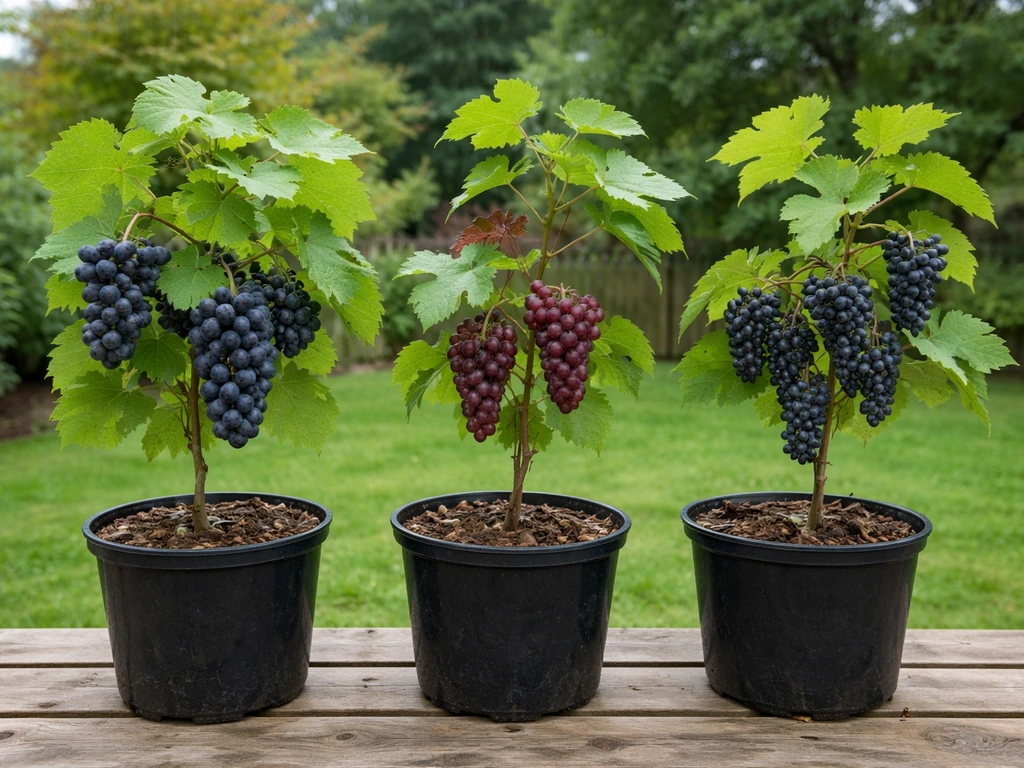
In the northern tier of Indiana, zone 5b and colder pockets, you want to prioritize hardiness above everything else. Concord, Marquette, and Frontenac (a Minnesota hybrid hardy to zone 4) are your safest bets. Frontenac Gris, a lighter-berried mutation of Frontenac, is also hardy and makes an interesting rosé or white wine. LaCrescent is a white wine hybrid from the University of Minnesota, rated to zone 4, and it ripens early enough to avoid fall frost in northern Indiana. These are the same varieties that perform well in neighboring Wisconsin and Michigan for similar reasons, where cold hardiness is the primary filter. For Michigan gardeners, the same cold-hardiness-first approach helps you choose varieties that can reliably handle winter lows.
| Variety | Type | Hardiness Zone | Best Indiana Region | Primary Use |
|---|---|---|---|---|
| Concord | American (Labrusca) | Zone 4 | Statewide | Fresh eating, juice, jelly |
| Niagara | American (Labrusca) | Zone 4 | Statewide | Fresh eating, white juice |
| Reliance | American Hybrid | Zone 4 | Statewide | Fresh eating (seedless) |
| Marquette | French-American Hybrid | Zone 4 | Statewide, esp. north | Red wine |
| Frontenac | French-American Hybrid | Zone 4 | Statewide, esp. north | Red wine |
| Chambourcin | French-American Hybrid | Zone 5 | Central/Southern IN | Red wine |
| Traminette | French-American Hybrid | Zone 5 | Central/Southern IN | White wine |
| Vidal Blanc | French-American Hybrid | Zone 5 | Central/Southern IN | White/dessert wine |
| LaCrescent | French-American Hybrid | Zone 4 | Statewide | White wine |
| Catawba | American (Labrusca) | Zone 5 | Central/Southern IN | Wine, juice, fresh |
How to pick the right variety for your spot and your goals
Start by being honest about two things: where you are in Indiana and what you actually want from your grapes. If you're in the northern third of the state (counties like LaPorte, Elkhart, or Allen), cold hardiness is your first filter. Zone 4-rated varieties only. Then ask whether you want fresh eating grapes or wine/juice grapes, and narrow from there. Marquette for wine, Concord for fresh eating or juice, Frontenac for a versatile dual-purpose option.
If you're in central Indiana around Indianapolis or south of there, you have more room to maneuver. Zone 5 hybrids open up, and the longer season means Chambourcin and Traminette can fully ripen. If you want to test two or three varieties, pair a proven workhorse like Concord with one hybrid like Traminette or Marquette. That way you have a reliable producer while the more interesting variety finds its footing.
One thing to skip: classic European vinifera varieties like Cabernet Sauvignon, Chardonnay, or Pinot Noir. These are rated for zone 6b at best and they have zero disease resistance built in for Midwest conditions. They'll demand heavy fungicide programs and still suffer winter dieback in most Indiana locations. The hybrids and American types will give you 80 to 90 percent of the wine quality with a fraction of the heartbreak.
If you're interested in what neighboring states grow, Ohio and Michigan growers face similar tradeoffs and tend to land on many of the same hybrid varieties for their home gardens. If you are wondering about the best grapes to grow in Ohio, focus on cold-hardy hybrid options that match your local zone and disease pressure Ohio and Michigan growers face similar tradeoffs.
Planting basics: timing, site, soil, and trellising
When to plant
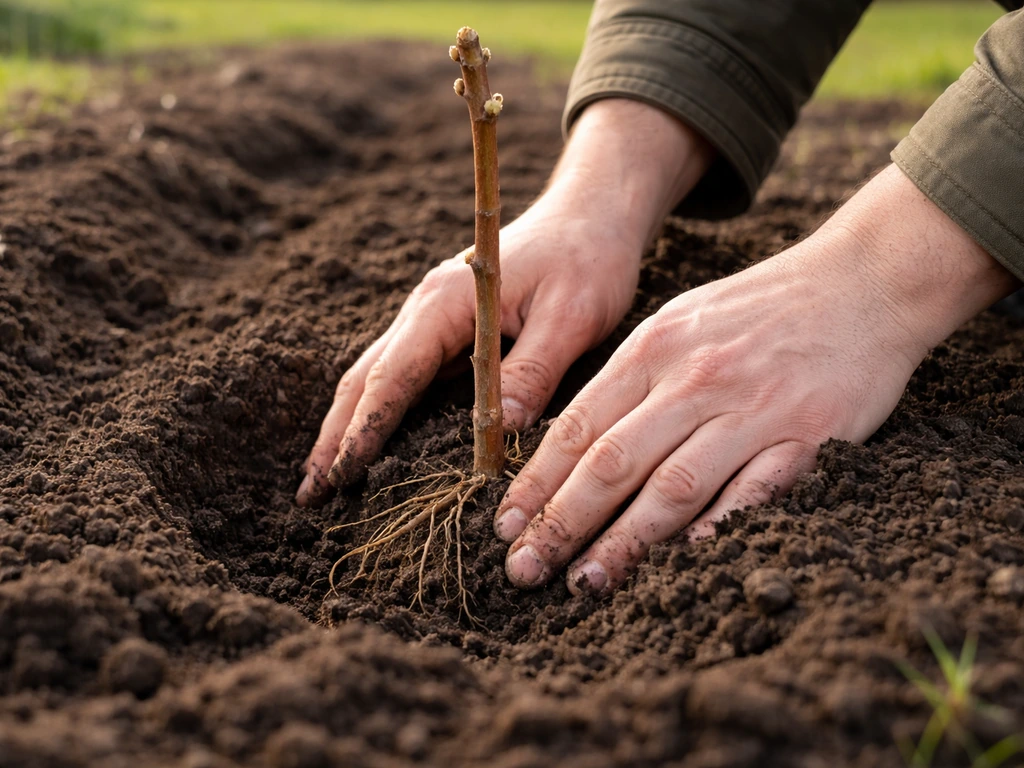
Plant bare-root vines in early spring as soon as the soil is workable and frost risk is winding down, typically late March to mid-April in southern Indiana and mid-April to early May in the north. Before you put bare-root plants in the ground, soak the roots in water for a few hours to rehydrate them. Container-grown vines can go in a bit later, into May, but earlier is better so they have the full season to establish. Fall planting is possible but adds winter survival risk for young vines, so spring is the safer call.
Site selection
Grapes need full sun, at least 8 hours a day, and good air circulation. In Indiana's humid summers, air movement through the canopy is not optional; it's a disease management tool. Avoid low spots or areas surrounded by windbreaks that trap moist air. A south or southwest-facing slope is ideal because it maximizes solar exposure and helps with frost drainage in spring. Cold air sinks, so a slight slope allows frost to roll away from your vines on those April nights when a late freeze threatens new growth.
Soil and drainage
Grapes want well-drained soil more than anything. They do not tolerate wet feet. A loamy or sandy loam soil with a pH of 6.0 to 6.5 is ideal. Heavy clay soils common in parts of Indiana will need amendment or raised bed preparation to improve drainage. If your site tends to stay wet after rain, consider planting on a berm or raised row. Get a soil test before planting; your local Purdue Extension office can process one, and it will tell you exactly what amendments to add.
Trellis setup
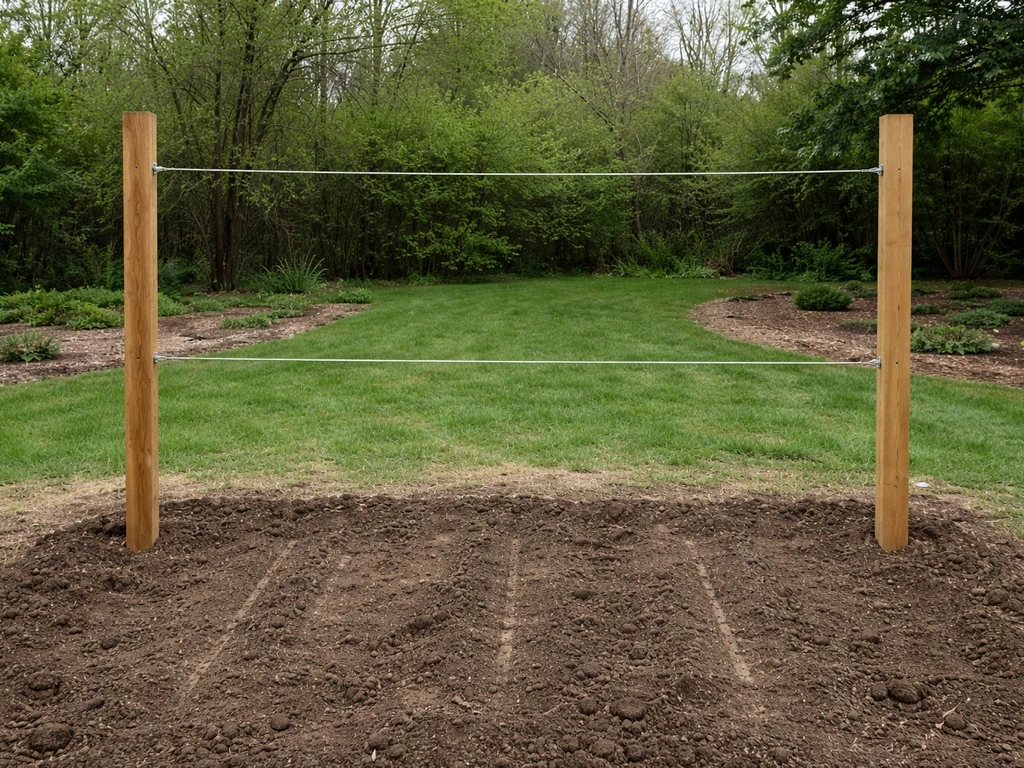
Plan your trellis before you plant, not after. The most common home garden system is a two-wire trellis: set 8-foot posts (cedar or treated wood) at 20 to 24 feet apart, sunk 2 feet into the ground, with a top wire at about 5.5 feet and a lower wire at about 3 feet. Vines are typically spaced 8 feet apart within the row. A bilateral cordon system, where you train two permanent arms along the wires in opposite directions from the trunk, works well for most of Indiana's recommended varieties and makes pruning and spraying more manageable. Some growers also use a high-wire cordon (Kniffin system) for American varieties like Concord, which has been used in the Midwest for generations.
Planting depth and spacing
For own-rooted vines, plant so the lowest bud is just at or slightly above the soil surface. Space vines 8 feet apart in the row, with rows 10 to 12 feet apart if you have multiple rows. At planting, cut the vine back to a single cane with two or three strong buds. Yes, it feels brutal. Do it anyway. You're building the root system in year one, not a canopy.
Growing care through the Indiana season
Watering
Young vines in their first two years need consistent moisture to establish, about 1 inch of water per week if rain isn't delivering. Drip irrigation or soaker hoses at the base work well and keep foliage dry, which helps with disease. Once vines are established in years three and beyond, they're reasonably drought-tolerant, but don't let them stress during fruit set and berry development.
In late summer and fall, back off on watering to help the vine harden off its wood before winter. UMN Extension also recommends back off on watering in fall to help young vines harden off for winter back off on watering in fall to help the vine harden off for winter.
This is especially important in year one and two when you're building cold hardiness.
Fertilizing
Don't over-fertilize grapes. Too much nitrogen pushes aggressive leafy growth that shades fruit, reduces air circulation, and invites disease. In the first year, apply a modest amount of balanced fertilizer (10-10-10) in spring after the vine leafs out, about 4 ounces worked into the soil around the base. In subsequent years, let a soil test guide you. If growth is vigorous (10 to 15 feet of new cane per year), back off on nitrogen. If growth is weak, add a light application in early spring.
Pruning and training
Pruning is the single most important cultural practice for grape growing in Indiana. Grapes fruit on one-year-old wood, so you need to refresh the fruiting wood every year. For most Indiana varieties on a bilateral cordon system, spur pruning (cutting back laterals to two-bud spurs along the cordon) is the approach. Cane pruning, where you select two to four new canes each year and remove almost everything else, is preferred for some varieties like Traminette and Marquette. Prune in late winter while the vine is still dormant, typically February to early March in Indiana, before bud swell begins. Leaving too much wood is the most common beginner mistake; over-cropping leads to poor ripening and weak vines.
Managing Indiana's common grape problems
Winter injury
Winter injury is the most dramatic problem Indiana grape growers face. When temperatures drop below -10°F or -15°F, even cold-hardy varieties can suffer bud damage or trunk injury. The best prevention is choosing varieties rated for your zone, but also making sure your vines go into winter well-hardened. That means avoiding late-season nitrogen applications, cutting back on irrigation in fall, and not pruning in fall (wait until late winter). If you get a severe winter, scratch a few buds in March before growth starts to check whether they're green inside (alive) or brown (dead). Many hybrids have secondary and tertiary buds that will still push even if primary buds are killed, so don't write off a vine immediately.
Fungal diseases: black rot, downy mildew, powdery mildew, and Phomopsis
This is the main ongoing battle for Indiana grape growers. Black rot is probably the most destructive; infected berries shrivel into hard black mummies. Downy mildew causes oily-looking spots on leaves and can destroy a crop fast in wet years. Powdery mildew coats leaves and berries with white powder and overwinters in the vine tissues. Phomopsis causes cane cankers and fruit rot and is most active early in the season.
[The critical window for disease control, according to Purdue Extension, is from just before bloom through about 4 to 5 weeks after bloom. ](https://fff. hort. purdue.
edu/article/early-season-pest-disease-control-in-grapevines/) That window gets you through the period when fruit is most vulnerable. A preventative fungicide program using a broad-spectrum product like mancozeb (which controls black rot and downy mildew) on a 7 to 14 day schedule through that window is the standard Purdue-recommended approach. Powdery mildew may need additional attention, particularly on more susceptible varieties.
Your best long-term defense is choosing varieties with built-in disease resistance: Traminette, Marquette, Frontenac, and LaCrescent all have better resistance profiles than older hybrids or American types. If you are also growing in Illinois, the best grape choices are the same kind of cold-hardy hybrids and disease-resistant varieties that handle Midwestern winters well.
Insects: grape berry moth and Japanese beetle
Grape berry moth is the most damaging insect pest for Indiana home growers. The larvae bore into berries, making them susceptible to rot and rendering them unusable. Timing sprays using degree-day models is the most precise approach, but for home growers, applying a labeled insecticide at pre-bloom, post-bloom, and again in midsummer covers the main generations. Japanese beetle arrives in midsummer (typically late June through August in Indiana) and can skeletonize foliage rapidly. Hand-picking into soapy water works for light infestations; a labeled insecticide like carbaryl or pyrethrin handles heavier pressure. Be aware that Japanese beetles are widespread throughout Indiana, so plan for them rather than being surprised.
How long until you get grapes, and what years 1 through 3 actually look like
Year one is about establishment, full stop. Your goal is to get one or two strong shoots growing up to the trellis wire and to build a healthy root system. You will likely see some tendrils and maybe a cluster or two, but remove any fruit clusters that form in year one. The vine needs all its energy for roots and structure. By the end of year one, a healthy vine should have one to two canes reaching 3 to 5 feet.
Year two is when you start forming the permanent structure of your vine. Train the cordons along the wires, develop your spur positions, and again remove most or all of the fruit clusters. It's frustrating to pull off grapes you've been waiting for, but undercropping a young vine pays off massively in years three and beyond. A vine that carries too much fruit too early never quite catches up.
Year three is when most gardeners get their first real harvest. You can let the vine carry a moderate crop, maybe 5 to 10 clusters depending on vigor, and you'll get a real taste of what your variety produces. Full production typically comes in years four and five, when an established vine can yield 15 to 25 pounds of fruit depending on variety and management. The wait is real, but so is the payoff.
Your quick-start checklist for planting Indiana grapes
Use this checklist to move from reading to actually getting vines in the ground. It covers the decisions and actions that trip up most first-time Indiana grape growers.
- Confirm your USDA hardiness zone using the official USDA Plant Hardiness Zone Map for Indiana, then note your average last spring frost date using Purdue Indiana State Climate Office data for your county.
- Choose one to three varieties matched to your zone and goals: zone 4 picks for northern Indiana (Concord, Marquette, Frontenac, LaCrescent), zone 5 picks for central and southern Indiana (add Chambourcin, Traminette, Vidal Blanc, Catawba).
- Order or source bare-root vines from a reputable nursery in late winter for spring delivery. Look for certified, disease-free stock. Purdue Extension and local Indiana nurseries that specialize in fruit trees are good starting points.
- Run a soil test through your county's Purdue Extension office before planting. Target pH of 6.0 to 6.5 and address any drainage issues before you put a vine in the ground.
- Install your trellis posts and wires before planting day. Two-wire system, posts at 20 to 24 feet apart, top wire at 5.5 feet, lower wire at 3 feet.
- Plant bare-root vines in early spring (late March to early May depending on your location), soaking roots for a few hours beforehand. Cut back to two to three buds at planting.
- Plan your disease management calendar: identify the pre-bloom through 5-weeks-post-bloom window for your location and schedule your first mancozeb or approved fungicide applications.
- In year one, remove all fruit clusters and focus on training one or two strong shoots upward. Water consistently (1 inch per week), fertilize lightly in spring, and back off irrigation in late summer to harden the vine.
- Prune in late winter (February to early March) each year while the vine is fully dormant. Never skip annual pruning.
Grapes are not the easiest fruit crop you can grow in Indiana, but they're far from the hardest either. Pick the right variety for your zone, give them a good site, stay on top of the disease window, and prune every single year. Do those four things and you'll have productive vines. The first year you walk out in September and pick a full bowl of Marquette or Concord from your own backyard trellis, you'll understand why Indiana gardeners keep growing them. If you are also wondering about the best grapes to grow in Wisconsin, focus on cold-hardiness first and then match the variety to your growing season.
FAQ
Can I grow European vinifera grapes in Indiana if I protect them in winter?
It is usually not worth it for most homeowners. Even with winter covering, European varieties typically lack disease resistance for Indiana’s humidity, and the risk of winter dieback remains high unless you can reliably keep vines consistently protected during extreme cold spells. If you want to experiment, start with small container trials and expect to maintain a heavier disease control routine than with cold-hardy hybrids.
What is the best grape choice for someone who wants low-maintenance grapes with minimal spraying?
Prioritize varieties with stronger disease resistance and start with an open, airy site. In Indiana gardens, Traminette, Marquette, Frontenac, and LaCrescent tend to be the best fit when you want fewer failures. Also, don’t over-prune canopy size reduction without understanding fruiting wood, because shade and poor airflow can still increase mildew and rot even with resistant varieties.
How do I tell if my pruning is wrong before the season starts going downhill?
In late winter, check whether you left appropriate fruiting wood (spurs or canes, depending on your training method) rather than cutting back too hard or leaving excessive wood. A key warning sign is vigorous, tangled growth with weak ripening later, which often comes from over-cropping (too many clusters) or leaving too much fruiting wood. If growth is extreme in spring and you see heavy shading by midsummer, correct the training and spur counts the next dormant season.
Should I expect grapes to survive if my vine is killed back to the ground in winter?
Often, yes, but it depends on where the injury occurs. Many hybrids have secondary buds that can still push even if primary buds die, so you may see new shoots from the trunk or near the soil line in spring. If the trunk and crown are dead, replacement is likely. The scratch test (green inside vs brown) helps, but also inspect for damage around the graft union only if you planted grafted vines.
Is raised beds always necessary in Indiana, or can I just amend heavy clay?
Raised beds are a great fix if water sits after rain, but the goal is drainage, not the bed itself. If you can improve infiltration with soil amendments and grading so water moves within a reasonable time, you may not need full raised beds. The practical check is after a soaking rain, if the site stays wet for days, use raised rows or a berm and consider adding organic matter plus coarse material for better structure.
How much water do established vines actually need during Indiana summers?
After years one to two, grapes usually tolerate some dryness, but they still need steady moisture during fruit set and berry development. The mistake is only watering early, then letting vines swing between bone-dry and saturated, which can worsen berry quality and disease pressure. A good approach is drip irrigation targeted at dry spells, then reduce watering in late summer so the vine hardens off for winter.
What if my vines leaf out but don’t flower or fruit in year three?
First, verify you removed clusters in years one and two, because over-cropping too early can weaken vines. Next, look for pruning/training errors, especially leaving too much unproductive wood or cutting back to the wrong positions for spur-cordon versus cane systems. Also check nitrogen, vigorous leafy growth with few clusters often means too much nitrogen or shade from poor canopy structure.
Do I really need a trellis right away, or can I train later?
You should trellis before planting or immediately after planting so shoots grow up into an airflow-friendly canopy. Waiting too long can lead to tangled growth, poor training of cordons, and increased disease risk from dense, shaded foliage on the ground. A simple near-term workaround is using temporary stakes to establish the main shoots, but you’ll still need the permanent two-wire system for long-term pruning and spraying.
What’s the best way to choose a planting location to reduce frost damage?
Avoid low spots where cold air settles, and aim for a slight slope or an area that allows frost to drain away. Full sun is essential, and a south or southwest-facing exposure often helps, but do not block airflow with tall windbreaks that trap humid air. Even with good cold management, late spring frosts can hit new growth, so consider selecting slightly earlier-ripening varieties for northern Indiana.
How do I manage Japanese beetles without harming my grape beneficial insects?
Use the most targeted approach you can. For light pressure, hand-picking into soapy water is effective and avoids broad disruption. For heavier infestations, use a labeled insecticide and apply according to the product label timing, especially when beetles are actively feeding. Also, treat other yard plants near the vines if they are acting as beetle reservoirs, otherwise the beetles keep migrating back.
Is it worth growing multiple grape varieties, or should I stick to one?
Multiple varieties are worth it if they share your management routine and you want to compare performance, but keep it simple at first. A strong strategy is one reliable workhorse (like Concord or Marquette, depending on your goal) plus one additional variety that matches your season and disease tolerance. Mixing too many varieties can complicate pruning choices and make it harder to learn what worked in your specific Indiana microclimate.
What should I do if I see black rot or mildew starting before the labeled disease window?
Act immediately rather than waiting for the next scheduled spray. At the point you see symptoms, the disease pressure is already high, and stopping spread often requires tighter follow-up at the correct interval. Also correct the site and canopy factors you control (sun exposure, airflow, leaf removal only if appropriate, avoiding wet foliage where possible) because preventing future outbreaks is not only about chemicals.