
The best grapes to grow in Wisconsin are cold-hardy hybrids and American-type varieties like Frontenac, St. Croix, Foch, Worden, and Buffalo. These are the ones that actually survive Wisconsin winters, ripen before the first frost, and deliver consistent harvests without heroic effort. True European wine grapes (Vitis vinifera) are essentially off the table for most Wisconsin gardeners unless you have an exceptionally warm microclimate and are prepared for regular winter kill. Stick with the cold-hardy selections below and you'll be rewarded. Push into V. vinifera territory and you'll spend most of your time digging out dead vines.
Best Grapes to Grow in Wisconsin: Varieties and Tips
Marcus Whitfield
10 Jun 2026
Why Wisconsin is actually a fine place to grow grapes (with the right varieties)
Wisconsin stretches from USDA Hardiness Zone 3a in the far north to Zone 5b in the southwest corner near the Illinois border. That's a big swing, and it matters enormously for what you can grow. The northern tier regularly sees temperatures below −20°F in winter, which flat-out kills the shoots of less-hardy varieties like Concord. Southern Wisconsin gives you more flexibility, but you still can't ignore cold hardiness as a factor.
The other constraint is season length. Concord, the classic American juice grape, needs 155 to 160 days to fully ripen. In much of Wisconsin, especially the north, you simply don't have those days between the last spring frost and first fall freeze. That's not a dealbreaker, it just means you need early-ripening varieties. Most of the best cold-hardy hybrids ripen in mid to late September, which is workable across most of the state.
The encouraging news: UW–Madison Extension confirms that grapes can absolutely be productive in Wisconsin if you choose the right cultivars. It's a compromise among hardiness, early ripening, and fruit quality, but the modern cold-hardy hybrids have gotten remarkably good at all three. Neighboring states like Michigan, Minnesota, and even Ohio have similar cold-climate challenges, and gardeners there are producing real crops. For more Michigan-specific picks, see the best grapes to grow in Michigan. If you want a quick Ohio-focused starting point, look for cold-hardy, early-ripening cultivars suited to your specific USDA zone best grapes to grow in ohio. Wisconsin is no different.
The best grape varieties for Wisconsin: table, juice, and wine
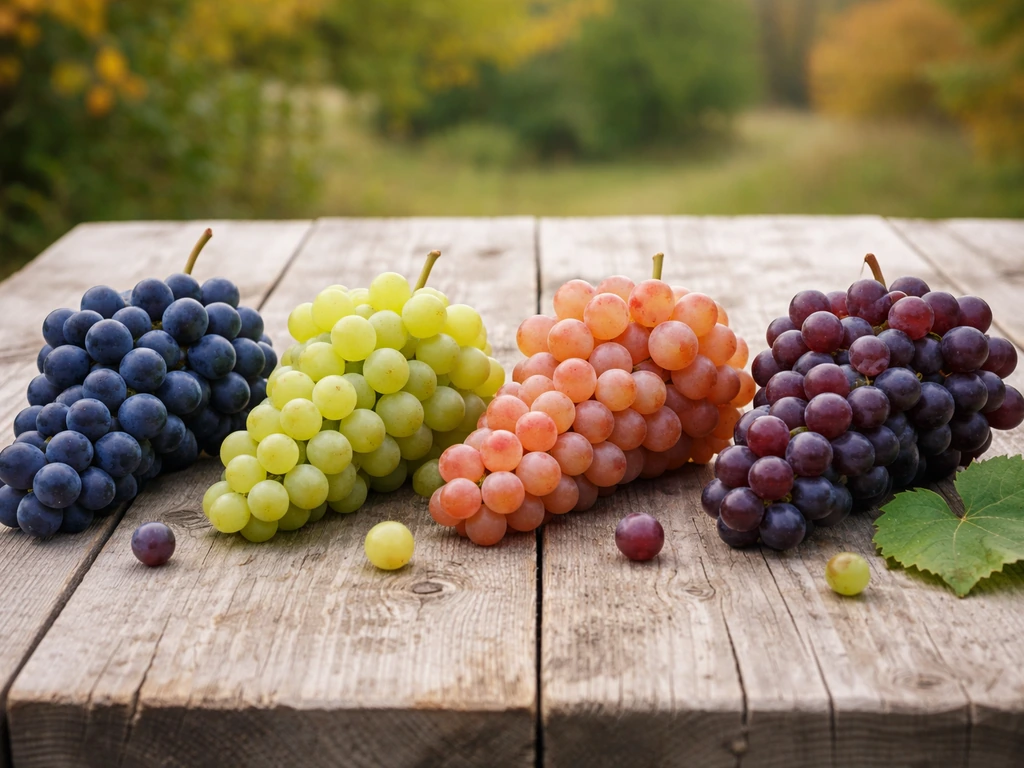
Here's the truth UW Extension backs up: only a handful of cultivars are consistently productive in Wisconsin's climate. The table below covers the most reliable options, organized by their primary use and minimum hardiness zone. Use this as your starting shortlist, then narrow it based on your location and what you want to do with the fruit.
| Variety | Type / Use | Hardiness Zone | Ripening | Notes |
|---|---|---|---|---|
| Frontenac | Red wine | Zone 4a | Mid to late September | Productive, disease-tolerant, cherry/berry-forward wine; good for northern WI |
| St. Croix | Red wine / juice | Zone 4b | Mid to late September | Low-acid, pale rose juice; reliable in colder sites |
| Foch (Marechal Foch) | Red wine | Zone 4b | Mid-September | Leading red wine grape for WI commercial growers; moderately hardy; black-fruited |
| Worden | Juice / jelly | Zone 5a | Mid to late September | Juicy, tart; tolerant of common grape pests; great for juice and jelly |
| Buffalo | Table / juice | Zone 5b | Early September | Spicy-sweet, non-foxy flavor; excellent fresh eating or juice; earliest of this group |
| Kay Gray | White wine / table | Zone 4b | Late August | Pungent, distinctive flavor; ripens early; trial plantings recommended first |
| Seyval Blanc | White wine | Zone 5b | Late September | Excellent dry white wine; some disease resistance; spur prune and cluster thin |
| Reliance | Table (seedless) | Zone 5b | Mid-September | Good fresh eating; very susceptible to black rot and downy mildew—needs spray program |
Northern Wisconsin (Zones 3–4): go cold-hardy first
If you're in the northern half of the state, Frontenac is your most reliable bet. It's rated to Zone 4a, handles bitter cold well, produces consistently, and resists disease better than most. St. Croix and Kay Gray are also worth trying at Zone 4b. Kay Gray ripens in late August, which is a real advantage when your growing season is short, though UW Extension recommends it for trial plantings rather than going all-in right away. That's good advice. Try a vine or two before you commit a whole row.
Southern Wisconsin (Zones 5a–5b): more options, still pick wisely
Southern Wisconsin gardeners can expand the list considerably. Worden, Buffalo, Seyval Blanc, and Reliance all become viable here. Buffalo is particularly appealing for anyone who wants grapes for fresh eating, it has a spicy-sweet, non-foxy flavor that sets it apart from the typical American grape taste, and it ripens early September, giving you a comfortable buffer before fall frosts. Seyval Blanc is worth growing if white wine is your goal; it makes an excellent dry wine and has better disease resistance than most white varieties. Just be aware that Reliance, despite being a great seedless table grape, is very susceptible to black rot and downy mildew, if you grow it, you need a spray program from the start.
Concord deserves a mention because so many people ask about it. It can grow in Zone 5a Wisconsin, but it often struggles to ripen fully, especially in cooler years, and its shoots are damaged below −20°F. In a warm, sheltered southern Wisconsin yard it can work. But if you want reliable Concord-style juice flavor, Worden is a better-adapted alternative that ripens similarly and tolerates pests more easily.
Matching variety to your actual goal
Before you buy anything, be honest about what you want from your vines. The answer changes which variety makes sense.
- Fresh eating at the table: Buffalo is your best pick for flavor and earliness. Reliance is the seedless option if you're in Zone 5b and willing to spray for disease.
- Juice and jelly: Worden is the standout. It produces juicy, tart fruit in tight clusters and is notably tolerant of common grape pests. St. Croix also makes a mild, low-acid juice.
- Red wine: Frontenac for northern sites and where disease pressure is a concern. Foch if you're in Zone 4b or warmer and want a more classic wine-grape character—it's the leading red wine grape for Wisconsin commercial growers for a reason.
- White wine: Seyval Blanc in Zone 5b and south. Kay Gray for Zone 4b trial plantings where earliness matters more than polish.
- Maximum cold hardiness (Zones 3–4, northern WI): Frontenac and St. Croix are your best bets, with Kay Gray as an early-ripening experiment.
If you're in a similar situation to gardeners in Michigan or Indiana, the same cold-hardy hybrid logic applies across the upper Midwest, these varieties were bred specifically for this climate band. If you're pushing toward southern Illinois conditions, prioritize early-ripening, cold-hardy hybrids to get grapes that actually mature before fall cold sets in. Indiana gardeners typically have similar cold-climate needs, so choosing cold-hardy, early-ripening grape varieties can make the difference Michigan or Indiana. The calculus shifts slightly for warmer areas like southern Illinois, but in Wisconsin, cold hardiness is always the first filter.
Site selection, planting, and trellis setup
Finding the right spot
Site selection is honestly half the battle in Wisconsin. The ideal location is a gently sloping site with southern exposure, which does two things: it catches maximum sun through the growing season and it lets cold air drain away from the vines on cold nights rather than pooling around them. Avoid hilltops, which expose vines to damaging winter winds. Equally avoid low-lying frost pockets and valley bottoms where cold air collects. A mid-slope, south-facing spot is exactly what you're looking for. Full sun is non-negotiable, grapes need at least 6 to 8 hours of direct sun daily to ripen properly.
Soil preparation
Get a soil test before you plant, it's worth the $20 and takes the guesswork out of amendments. You're aiming for a pH of 6 to 7, with about 25 ppm available phosphorus and 100 ppm available potassium. Grapes tolerate a range of soil types but don't do well in waterlogged or compacted ground. Good drainage is critical. If your soil is heavy clay, raise the planting area or work in organic matter to improve drainage before planting.
Planting
Plant bare-root vines as early as the soil can be worked in spring without it clumping in your hands, typically April in southern Wisconsin and early to mid-May in the north. Before planting, trim the vine back to a single vigorous cane and remove any broken or excessively long roots. Set the vine at the same depth it was growing in the nursery.
Space vines 10 to 14 feet apart on the trellis, giving each vine room to fill 2 to 3 feet on either side of its position. Crowding vines is one of the most common beginner mistakes and leads to shading, poor airflow, and disease problems. Crowding vines is one of the most common beginner mistakes and leads to shading, poor airflow, and disease problems [crowded 2D canopy increases shoot crowding and leaf shading on trellis wires](https://extension. umn.
edu/commercial-fruit-production/training-systems-cold-climate-grapes).
After planting, mulch around the base in a doughnut shape, straw, wood chips, or shavings all work. Keep mulch away from direct contact with the trunk; piling it against the trunk invites rot and rodent damage.
Trellis basics
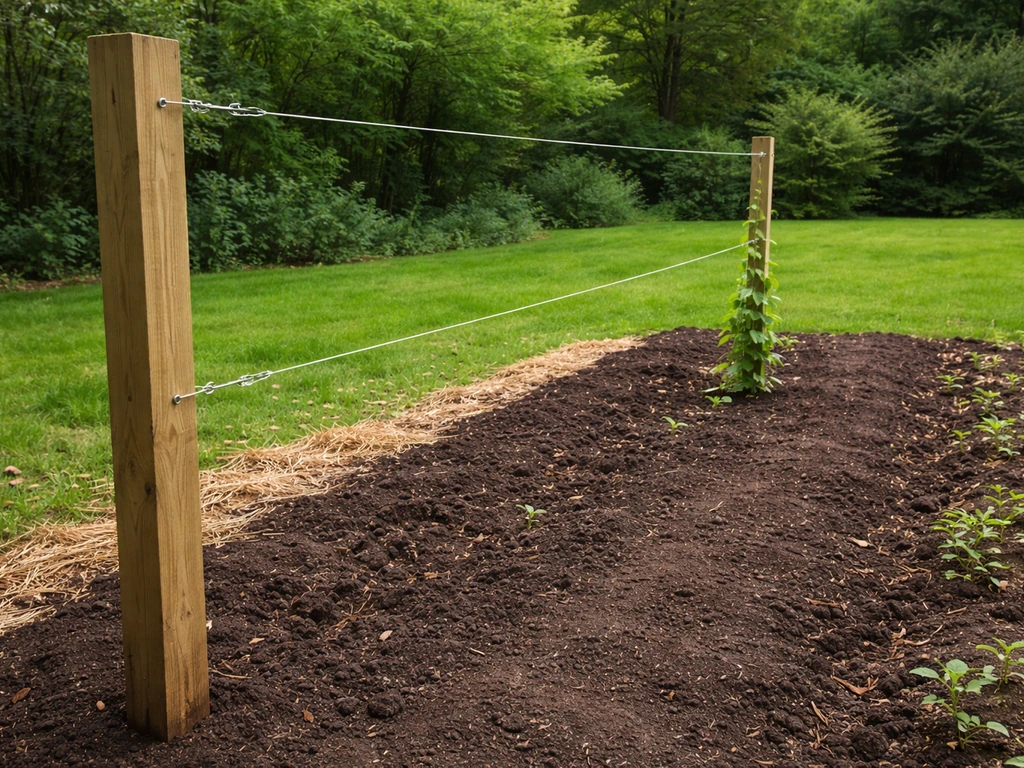
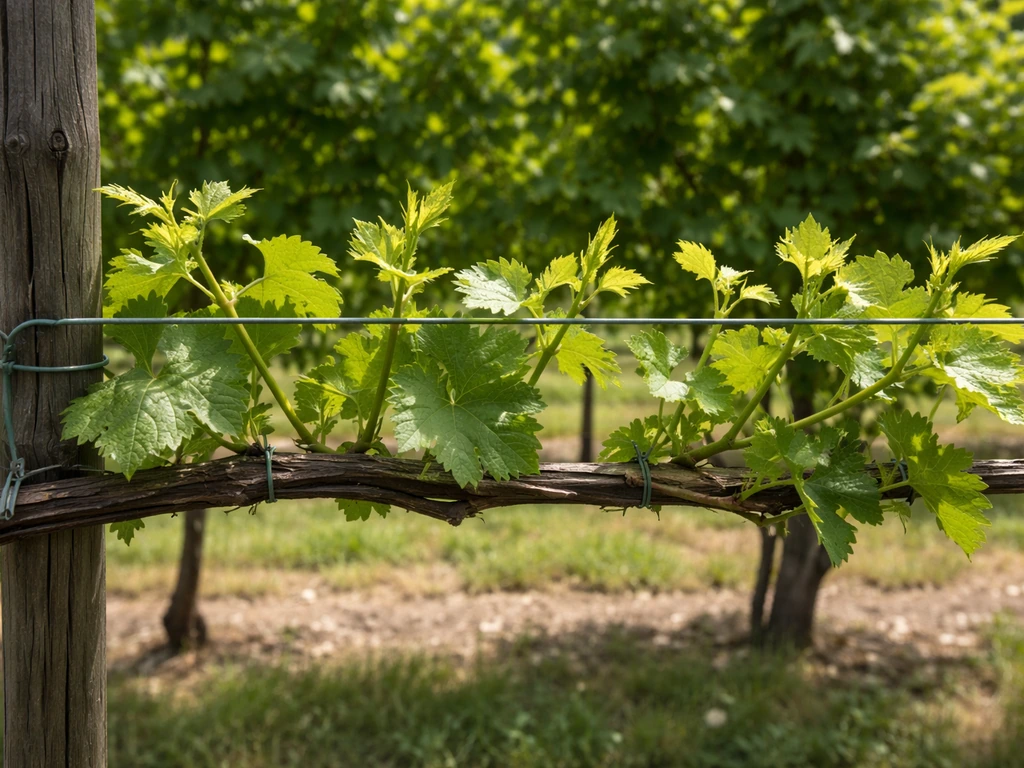
A basic two-wire trellis works well for most Wisconsin home gardeners. Set sturdy posts (4x4 treated wood or metal T-posts) every 20 to 24 feet, with a top wire at about 5 to 6 feet and a second wire 18 inches below that. For cold-hardy varieties trained on a high cordon system, you'll spur prune back to 3 to 4 buds per cane once the permanent structure is established. Some Wisconsin growers use the J-system specifically because it makes winter burial easier, vines can be unpinned, laid down, and covered with soil or straw each fall. More on that below.
Pruning and training through the seasons
Grapes fruit on new growth from one-year-old wood, so pruning is not optional, it's the single most important annual task you'll do. Skip pruning and you'll get a jungle of unproductive shoots and tiny, poor-quality fruit within a few years.
Year one and two: building the trunk
In the first year, resist the urge to let the vine sprawl. Pick the most vigorous shoot and train it straight up toward the top wire. Pinch off competing shoots. You're building a strong trunk, not harvesting fruit yet. In year two, begin training the lateral arms (cordons) along the trellis wires. You may get a small crop in year two or three, but keep it light, let the vine establish roots first.
Established vines: winter and early spring pruning
Do your main pruning in late winter or early spring before growth begins, typically March through early April in Wisconsin. For cane-pruned varieties (like Frontenac and Reliance), select two to four vigorous one-year-old canes per vine and remove everything else. For spur-pruned varieties (like Seyval Blanc), cut each lateral back to 3 to 4 buds. UW Extension's pruning system for French hybrids uses a '20 plus 10' bud count guideline, with a maximum of 40 to 50 buds per vine total, leave more buds and you dilute fruit quality; leave fewer and you may underuse the vine's productive capacity.
Summer tasks
Once shoots are growing in spring, remove any suckers from the base of the vine. Shoot-position and tuck shoots between trellis wires as they grow to keep the canopy open. Cluster thinning in early summer (removing excess fruit clusters) improves berry size and ripening, especially for Seyval Blanc. Good canopy airflow is your best passive disease prevention tool.
Fall: harvest and prepare for winter
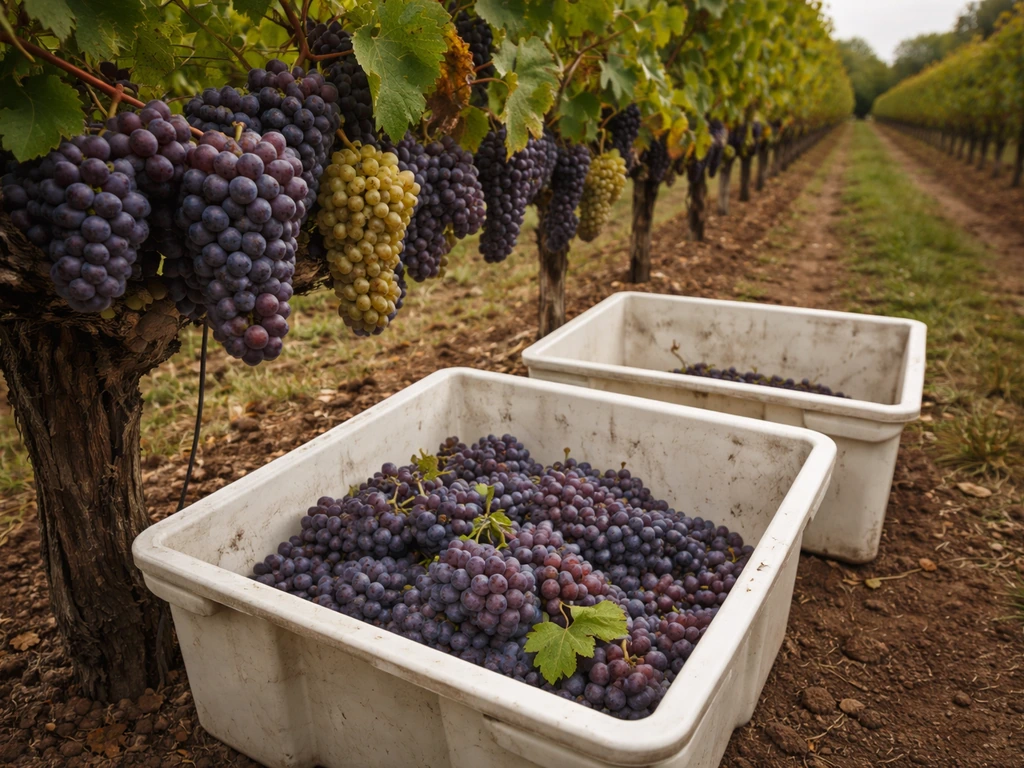
Harvest timing varies by variety, but most Wisconsin grapes ripen mid to late September. Don't rush harvest, let flavor develop fully. After harvest, let the vine harden off naturally as temperatures drop. Don't fertilize with nitrogen late in the season; it pushes soft growth that won't survive winter. If you're using the J-system, prune the vine in late October before covering.
Winter hardiness, disease, and protection strategies
Winter protection
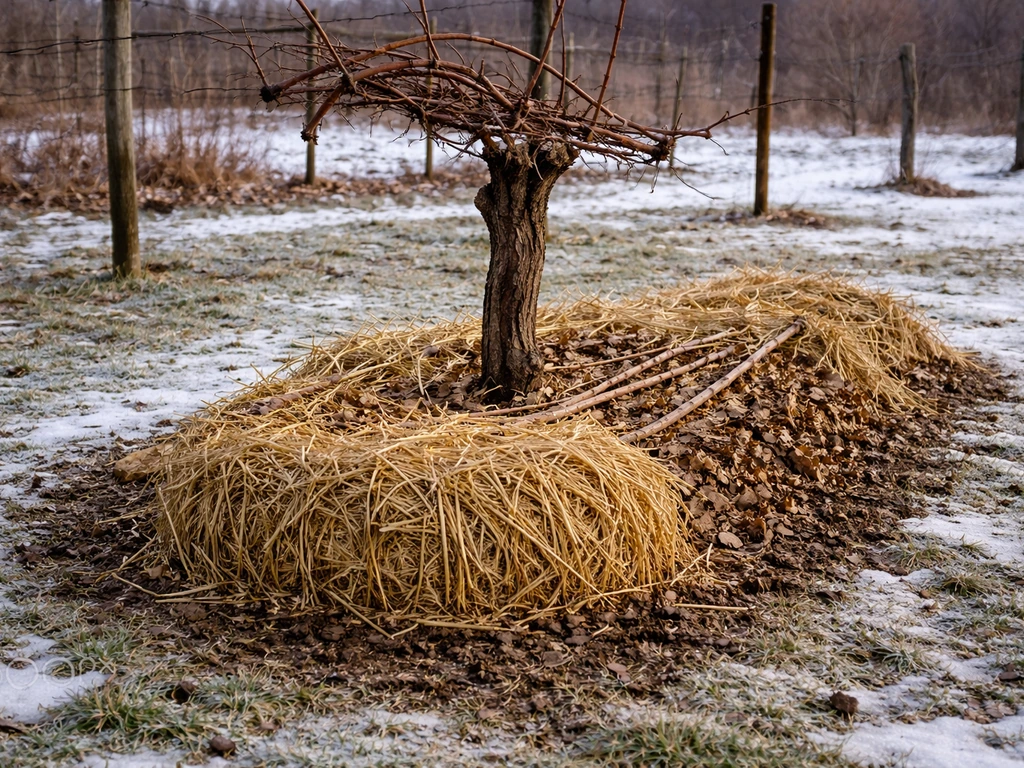
If you're growing less-hardy varieties in Zone 4b or colder, or you're in any of the colder Wisconsin zones with a variety rated right at the edge of its hardiness, winter protection is worth the effort. The two main options are soil burial (mounding at least 3 inches of soil over the cane after pinning it to the ground) and straw covering (3 to 4 inches, roughly 30 to 45 pounds of straw between trellis posts). Time your soil cover for late October or early November, before the soil freezes hard. If using straw, cover before temperatures fall below 20°F.
One thing people overlook with straw: it creates excellent habitat for mice and voles. UW Extension specifically warns about this and recommends baiting for rodents when using straw mulch for winter protection, zinc phosphide wax bricks are one option listed. Don't skip this step or you may find your vine's bark girdled come spring.
Disease pressure in Wisconsin
Wisconsin's warm, humid summers create real disease pressure on grapes. The main culprits are black rot, downy mildew, powdery mildew, Phomopsis cane and leaf spot, and Botrytis gray mold. Downy mildew has historically been one of the most persistent problems in Wisconsin vineyards. After significant rain events, be on high alert for early black rot and downy mildew symptoms. Powdery mildew behaves differently, it doesn't need free water to infect, so it can flare up in drier stretches that suppress the other diseases.
The critical spray window is pre-bloom through post-bloom, roughly when shoots are 3 to 6 inches long through about two to three weeks after bloom. Missing this window leaves your fruit clusters unprotected during their most vulnerable period. For home gardeners, choosing disease-tolerant varieties like Frontenac and Worden reduces but doesn't eliminate the need to spray. Reliance is on the opposite end, expect to apply fungicide regularly if you grow it.
Other pest concerns
Widespread insect problems are relatively rare in Wisconsin grape plantings according to UW Extension, localized issues do occur and need prompt attention when they show up, but don't assume pests will be a constant battle the way disease can be. Phylloxera is worth knowing about: European varieties grown on their own roots are highly susceptible to this soil-dwelling pest. This is another reason to stick with cold-hardy American hybrids, which have natural resistance built in.
How to buy plants, get started, and troubleshoot early problems
Where and how to buy
Buy from reputable nurseries that specialize in cold-hardy fruit stock, mail-order sources like Stark Bro's, Fedco Trees, or nurseries that explicitly breed and sell Minnesota/Wisconsin-adapted varieties are good starting points. When ordering, look for bare-root stock (typically available March through May) or potted transplants from local garden centers later in spring. Always confirm the variety's cold hardiness zone matches your location. Ask specifically about whether the variety is sold on its own roots or grafted onto rootstock, for cold-hardy American hybrids, own-rooted vines are the norm and work fine.
Shopping checklist
- Confirm hardiness zone rating matches your Wisconsin location (Zone 3–4 for north; Zone 4b–5b for south)
- Choose variety based on your primary use: fresh eating, juice/jelly, or wine
- Start with 2 to 4 vines for a first planting—enough to learn without overwhelming yourself
- Check that the nursery certifies plants are disease-free
- Order bare-root stock in winter for spring delivery, or buy potted plants from local nurseries in May
- Pick up a soil test kit before planting so you can amend properly
- Have trellis materials ready before planting—posts, wire, and staples
Planting timeline
- Late winter (January–February): Order bare-root stock; plan trellis layout and soil amendments
- Early spring (March–April, south; April–May, north): Install trellis posts and wire; get soil test results back and apply amendments
- As soon as soil works without clumping: Plant bare-root vines at nursery depth; mulch in doughnut fashion around base
- First summer: Train single strongest shoot upward; remove competing shoots; water during dry spells
- Late October/early November: Apply winter protection if needed for your variety and zone
- Late winter/early spring, year two: Begin formal pruning; select and train cordons or renewal canes
Troubleshooting: what to do when things go wrong
- Vine doesn't leaf out in spring: Scratch the bark gently with a fingernail—green tissue underneath means the vine is alive and just slow. Brown or dry tissue means winter kill. If only the canes are dead but the crown and roots are alive, cut back to live wood just above the graft or crown and let it regrow.
- Poor ripening in September: Likely too much crop load or too much shade. Remove excess clusters in early summer next year and make sure your canopy isn't too dense. Also consider whether your variety is right for your zone—this is exactly the issue Concord runs into in northern Wisconsin.
- Heavy disease pressure (spots on leaves or fruit): Start a fungicide spray program next year beginning at shoot emergence. Prioritize the pre-bloom and post-bloom windows. Switch to a more disease-tolerant variety if problems persist despite spraying.
- Vine growing weakly after two years: Check soil pH and drainage. Compacted or waterlogged soil stunts root development. Vines on poor sites often look healthy enough but never thrive.
- Straw cover caused rodent damage: Bait with rodenticide under straw next fall. Consider switching to a soil-mounding approach if rodent pressure is severe in your area.
Growing grapes in Wisconsin isn't as hard as people make it out to be, it just requires picking the right varieties and setting them up with good site conditions from the start. Focus on cold-hardy hybrids like Frontenac in the north and Worden or Foch in the south, give them a well-drained, south-facing slope, and prune them every year without fail. Do those things and you'll have productive vines within three to four years. The gardeners who struggle are almost always the ones who planted a V. vinifera variety their neighbor grew in California or skipped pruning because it seemed complicated. Don't be that gardener, start with the right plant for your zone and the rest follows naturally.
FAQ
Can I grow Concord grapes in Wisconsin for juice if I really want that classic flavor?
Yes, but only if you accept higher risk. In many years Concord will not fully ripen, and shoots are injured when winter temperatures drop below about −20°F. If you try it, plant in the warmest, most sheltered southern Wisconsin location you can find, and consider starting with a small trial vine rather than committing to a full row.
What’s the best variety for fresh eating in Wisconsin, not wine or juice?
Buffalo is often the easiest match for fresh eating. It ripens earlier than many other cold-hardy options and has a noticeably non-foxy, spicy-sweet character. If you want a second option, consider Worden in southern Wisconsin, since it also performs well and tastes fruit-forward when picked at full ripeness.
How do I choose between a high-cordon trellis system and the J-system for winter protection?
Use the high-cordon approach if you are confident the cultivar’s hardiness will cover your coldest winters, it requires less complicated fall handling. Use the J-system if your variety is at the edge of its zone rating or you expect to need consistent burial. The J-system lets you unpin and cover canes each fall, which can save vines when winter temperatures overrun the hardiness rating.
Is there a rule for when to harvest in Wisconsin besides looking at calendar date?
Use both timing and taste. Because frost can force a rushed pick, rely on flavor development first, then sugar and seed maturity as a quick check. If berries are turning sweet but still tasting sharp or grassy, give the cluster a bit more time if weather allows, most Wisconsin grapes will be in their best window in mid to late September.
How much pruning should I do, and what happens if I “lightly” prune?
Don’t lightly prune, grapes produce on one-year wood, and skipped pruning quickly creates overcrowding. Within a few seasons you end up with a jungle of shoots, poor airflow, and smaller fruit that ripens late. Even if you think the vine looks healthy, a real annual cane or spur pruning keeps fruit quality and helps prevent disease.
Do I need to spray fungicides if I buy disease-tolerant varieties like Frontenac or Worden?
Usually you can reduce spraying, but you should not assume you can skip entirely in wet Wisconsin summers. Disease pressure can spike after heavy rain, and the most important protection window is pre-bloom through post-bloom. If you want a no-spray approach, start by choosing the most tolerant cultivar you can and monitor closely, especially after rainy spells.
What’s the most common mistake that causes grapes to fail in Wisconsin?
Most failures come from one of two issues: planting the wrong cultivar for your winter temperatures, or crowding and not maintaining airflow because vines are planted too close and not trained properly. Both lead to shade and disease. Spacing vines 10 to 14 feet apart and keeping the canopy open with shoot positioning can prevent a lot of problems early.
How do I winter-protect a variety that’s rated right on the edge for my USDA zone?
If the vine is borderline, treat winter protection as part of the plan, not an optional extra. For soil burial, pin and mound at least 3 inches of soil over the cane after you prune for winter, schedule it for late October or early November before the soil freezes hard. For straw covering, use 3 to 4 inches and ensure the cover goes on before sustained cold below about 20°F.
If I use straw for winter covering, will I definitely get rodent damage?
Straw increases the chance of mice and voles, it creates an ideal habitat. UW-style guidance recommends rodent management when using straw protection, not just hoping for the best. A simple mitigation plan helps, otherwise you may find vines girdled in spring.
Should I plant grapes in the lowest spot I can find if the yard has a “good” view?
No. Avoid low-lying frost pockets and valley bottoms where cold air pools. Choose a gently sloping, south-facing, mid-slope position so the vines get maximum sun and cold air drains away during freezes, which reduces winter injury and improves ripening reliability.
What soil pH and nutrients should I aim for in Wisconsin?
Target pH around 6 to 7, and expect grapes to perform best when phosphorus and potassium are in the right range for productive growth. The practical step is to base amendments on a soil test rather than guessing, since Wisconsin soils vary a lot. Also prioritize drainage, waterlogged or compacted ground is worse than “poor” soil.
When should I buy and plant bare-root vines, and does timing differ north versus south?
Bare-root planting is typically earliest spring, when the soil can be worked without clumping, often April in southern Wisconsin and early to mid-May in the north. Buying early and planting on time helps vines establish before summer heat and reduces the chance of delayed growth that may not harden off before winter.
Can I grow European Vitis vinifera grapes in Wisconsin with extra care?
You can try, but it’s a high-effort, high-failure option for most gardeners. Even with winter protection and a very warm microclimate, winter kill is common and you may end up replanting repeatedly. For most Wisconsin conditions, cold-hardy American hybrids are the more reliable foundation.