
Tennessee is genuinely one of the better Southern states for growing grapes, especially if you lean into varieties bred for heat and humidity rather than fighting those conditions with finicky European cultivars. For home growers, the most reliable performers are Chambourcin, Norton, Cynthiana, Vidal Blanc, and Seyval Blanc for wine, and Concord or Muscadine types if you want table grapes or a low-fuss eating grape. These are not compromise picks, they are the varieties that experienced Tennessee growers and UT Extension both point to because they ripen consistently, handle the state's disease pressure, and actually produce fruit you can be proud of.
Best Grapes to Grow in Tennessee: Wine and Table Varieties

Marcus Whitfield
7 Jun 2026
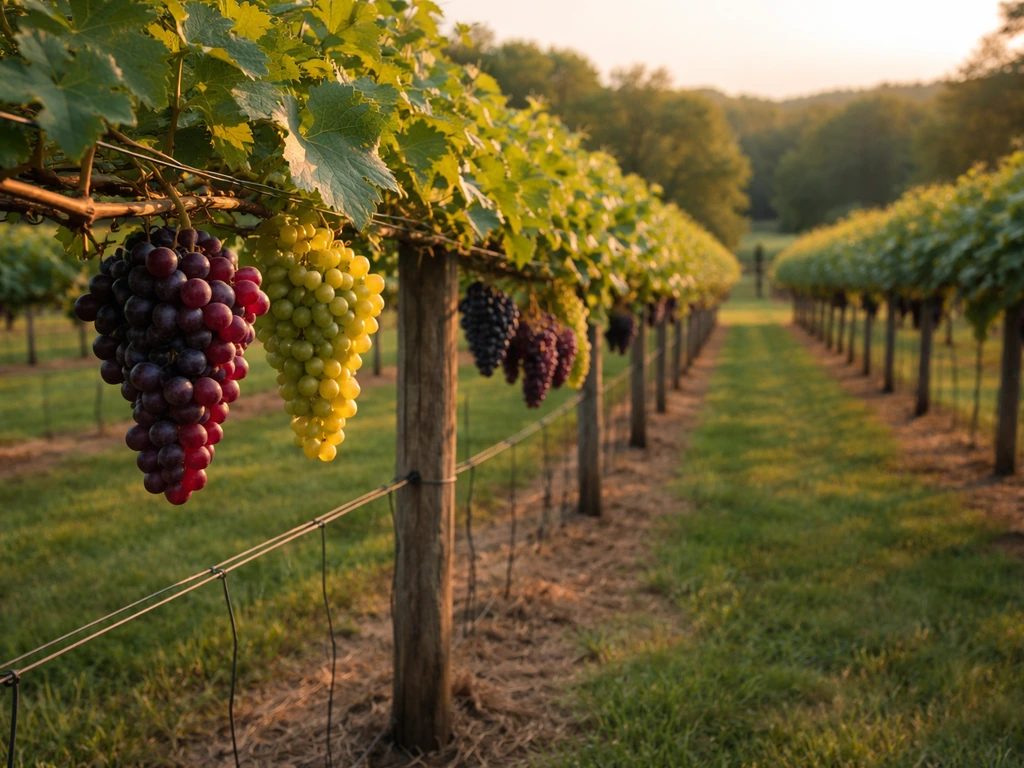
Can you actually grow grapes in Tennessee?
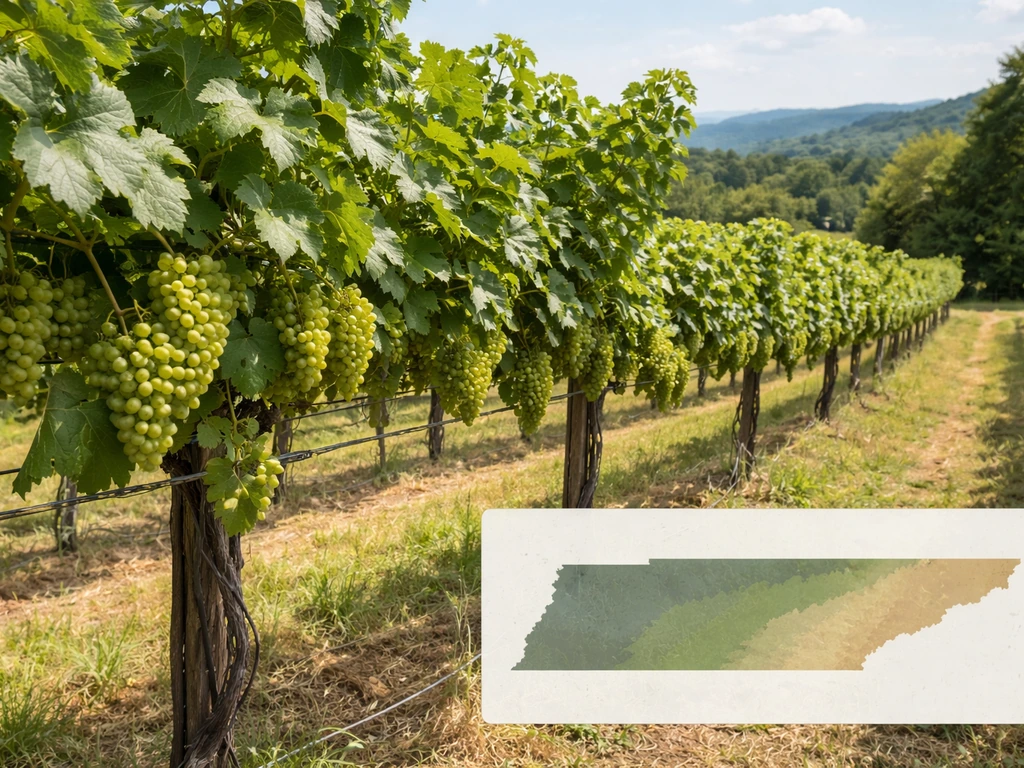
Yes, and more successfully than most people expect. Tennessee spans USDA hardiness zones 5b through 7b, which covers a wide range of winter cold. The western part of the state around Memphis sits in zone 7b with mild winters, while the mountainous eastern counties can dip into zone 5b. That spread matters a lot when choosing varieties. If you are comparing options for other climates, this same idea applies in Colorado too, where choosing the right grape types matters just as much best grapes to grow in colorado. Most of the state gets 800 to 1,200 chill hours (hours below 45°F) per winter, which is plenty to satisfy the dormancy requirements of both American and French-American hybrid grapes.
The bigger challenge in Tennessee is not cold, it is heat and humidity in summer. The state gets 45 to 55 inches of rainfall annually, spread fairly evenly through the growing season. That moisture, combined with warm temperatures, creates ideal conditions for fungal diseases. Black rot (caused by Guignardia bidwellii) is the most serious disease of grape in Tennessee according to UT Extension, and downy mildew is a close second for season-long headaches. If you pick varieties with poor disease resistance and skip your spray program, you will lose fruit. Pick the right varieties and manage the canopy well, and Tennessee is a genuinely rewarding place to grow grapes.
The growing season runs from roughly late March or April (budbreak) through September or October (harvest), depending on your elevation and the variety. West Tennessee gets a head start on the season and a longer warm window. East Tennessee growers at higher elevations need to be more careful about late frosts after budbreak, which can wipe out an entire year's crop in a single cold night.
Top grape varieties for Tennessee home growers
The table below gives you a quick-reference overview of the best varieties for Tennessee conditions, split by primary use, so you can match your goal to the right grape before reading deeper into each one.
| Variety | Type | Primary Use | Disease Resistance | Notes |
|---|---|---|---|---|
| Chambourcin | French-American hybrid | Wine (red) | Good | Reliable ripener, deep color, adapts well statewide |
| Norton / Cynthiana | American hybrid | Wine (red) | Excellent | Heat-tolerant, native to the region, bold flavor |
| Vidal Blanc | French-American hybrid | Wine (white) | Good | Cold-hardy, late-ripening, clean acidity |
| Seyval Blanc | French-American hybrid | Wine (white) | Moderate-Good | Earlier ripening than Vidal, widely planted |
| Traminette | French-American hybrid | Wine (white/aromatic) | Good | Gewürztraminer character, excellent cold hardiness |
| Concord | American (Vitis labrusca) | Table / juice / wine | Very Good | Classic Eastern grape, foxy flavor, very tough |
| Muscadine (Carlos, Noble) | Vitis rotundifolia | Table / wine | Excellent | Best for West/Middle TN heat, native adaptability |
Best wine grapes for Tennessee: variety-by-variety picks
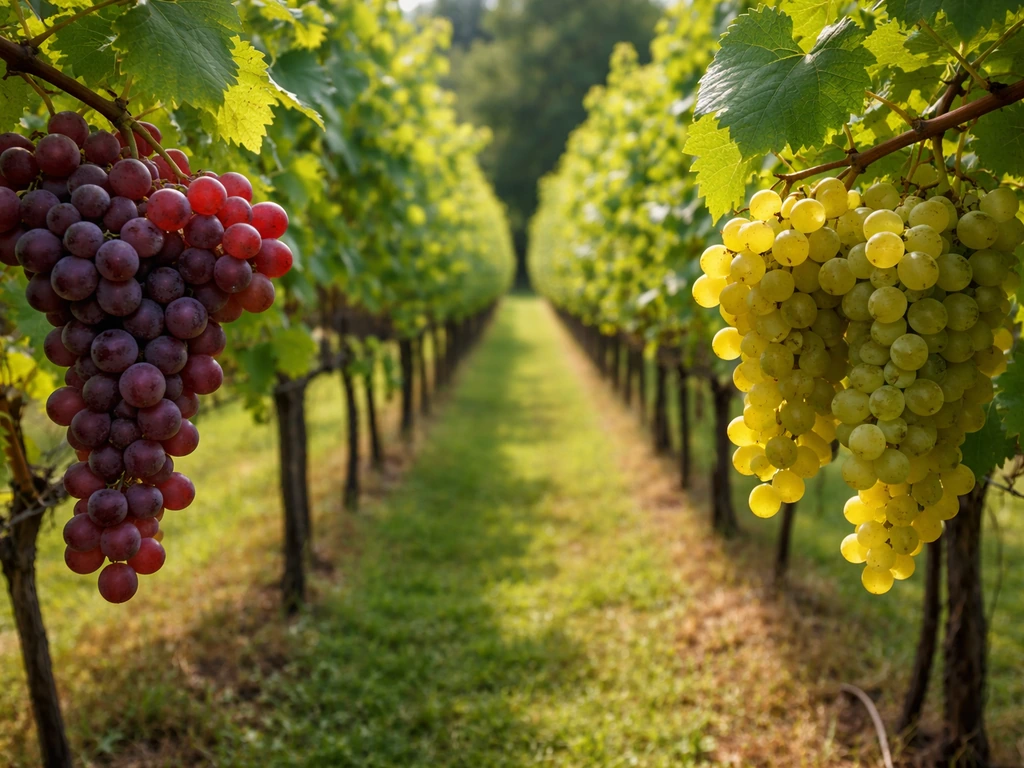
If making wine is your goal, these are the varieties worth your time and space in Tennessee. Each one has a practical reason it works here, not just a general reputation.
Chambourcin
Chambourcin is probably the most planted red wine grape among serious Tennessee home winemakers, and for good reason. It ripens mid-season (usually September), holds up well in wet years, and produces deeply colored, full-bodied juice with good tannin structure. It is not perfectly disease-resistant, but it handles Tennessee's humidity better than most European reds. If you want a red wine grape that will actually ripen every year in Middle or West Tennessee, Chambourcin is your first call.
Norton / Cynthiana
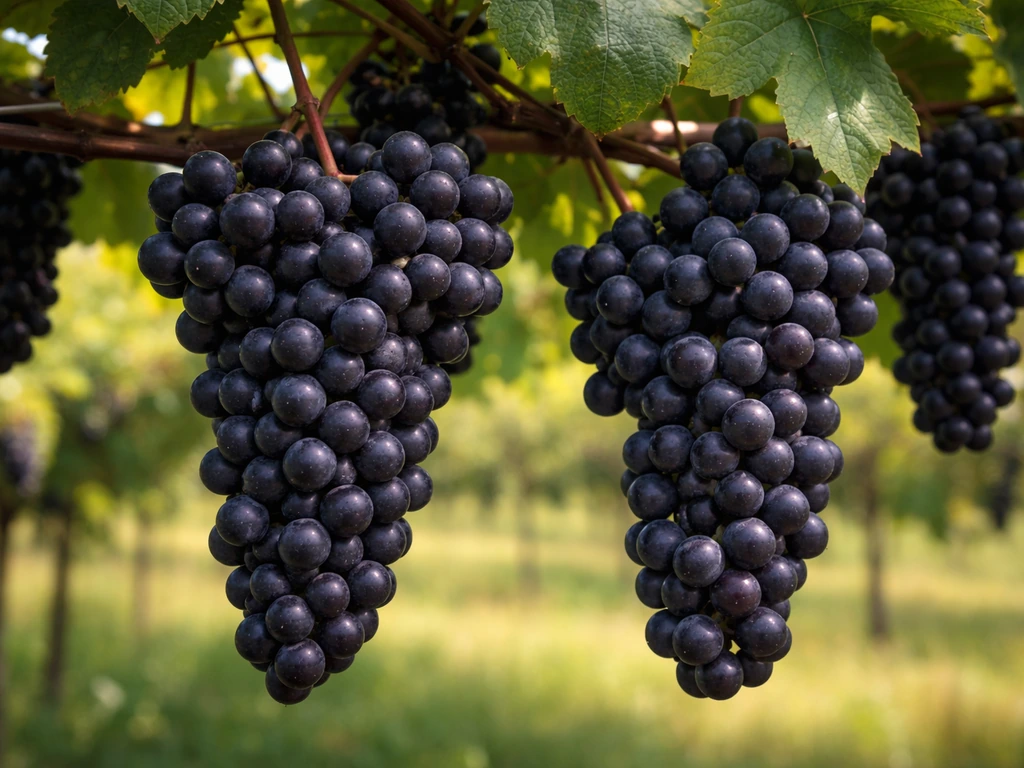
Norton and Cynthiana are essentially the same variety (there is some botanical debate, but they perform identically in the vineyard). This is arguably the most historically significant wine grape in the American South and Midwest, and it absolutely thrives in Tennessee. It is highly resistant to most fungal diseases, handles summer heat without skipping a beat, and ripens in late September to early October with very high sugar levels and pronounced acidity. The wine is bold and earthy, not for everyone, but it is genuinely good and it grows here like it was born to. That is because, for all practical purposes, it was.
Vidal Blanc
Vidal Blanc is the workhorse white wine grape of the Eastern U.S. and it performs consistently well across most of Tennessee. It ripens late (October), which means East Tennessee growers at higher elevations should watch for early fall cold snaps. The juice has clean, crisp acidity and good sugar accumulation, and it makes a versatile wine from dry to semi-sweet. It is also cold-hardy enough to handle zone 6 winters without much drama, which makes it a sensible choice for growers in the Cumberland Plateau area.
Seyval Blanc
Seyval Blanc ripens earlier than Vidal, usually mid-September, which is a real advantage in East Tennessee or in years when fall arrives fast. The disease resistance is moderate, better than European varieties but not as bulletproof as Norton, so you will still want a consistent spray program. The wine tends toward neutral and clean with moderate acidity, making it a good base for blending or for home winemakers who want a crisp dry white.
Traminette
Traminette is a sleeper pick that deserves more attention in Tennessee. It was developed at the University of Illinois and carries Gewürztraminer parentage, so the wine has that lovely floral, spicy aromatic character. What makes it practical for Tennessee is that it combines those aromatic qualities with solid cold hardiness (into zone 5) and good disease resistance. It ripens in late September and produces well even in cooler, wetter years. If you want a wine grape that makes something genuinely interesting and fragrant, Traminette is worth a row.
Muscadine (Carlos, Noble, and others)
Muscadines are native to the American Southeast and they are essentially the easiest wine and table grape you can grow in Middle and West Tennessee. They thrive in heat, are almost immune to the fungal diseases that plague other varieties, and require very little intervention once established. Carlos is the most common white Muscadine used for wine; Noble is the standard red. The wine is distinctively Southern in flavor, sweet, musky, and rich, which is either exactly what you want or not your thing at all. For East Tennessee growers above 2,000 feet elevation, Muscadines can be marginal in cold winters, so check your specific zone before planting.
Site, soil, and sunlight: setting up for success in Tennessee
Site selection is one of the most important decisions you will make, and UT Extension is direct about it: poor light, poor air circulation, and poor spray coverage leads to worse fruit quality and more disease problems. You want a south- or southeast-facing slope if at all possible, with full sun for at least 8 hours a day. Slopes also improve cold air drainage, which protects against late spring frost damage after budbreak.
Soil drainage is non-negotiable. Grapes hate wet feet. Avoid low spots, clay bottoms, or areas where water puddles after rain. If your soil is heavy clay, consider building raised rows or planting on a gentle slope to move water away from the root zone. Well-drained loam or sandy loam is ideal, but many Tennessee soils work fine once drainage is addressed.
For soil pH, target the 5.5 to 6.5 range. UT Extension's PB1475 recommends applying dolomitic lime before planting if your soil pH is below 5.5, which is common in East Tennessee's acidic mountain soils. Get a soil test done through your county extension office before you plant, it will tell you exactly what to add and in what amounts. Do your soil prep work at least several months before planting, ideally the previous fall, so lime and amendments have time to work into the soil.
- Full sun minimum 8 hours daily — no shade from trees or structures
- South or southeast-facing slope for maximum heat accumulation and frost drainage
- Well-drained soil; avoid low areas or heavy clay without drainage improvement
- Target soil pH of 5.5 to 6.5; apply dolomitic lime if below 5.5
- Run a soil test before planting and amend based on results
- Rows oriented north to south for even sun exposure across the canopy
When to plant and what to expect through the season
Plant bare-root vines in late winter to early spring, typically February through March in West and Middle Tennessee, and March through early April in East Tennessee. You want to get them in the ground while they are still dormant but after the hardest freezes have passed. Container-grown vines can be planted a bit later, into May, but getting them established before summer heat hits is always better.
Here is what the season looks like once your vines are established:
- Late March to April: Budbreak — new growth emerges; watch for late frost events, especially in East Tennessee
- May: Shoot growth accelerates; begin disease spray program as shoots reach 2 to 4 inches
- May to June: Bloom — vines flower and fruit sets; critical period for black rot infection
- July to August: Berry development; continue spray program, watch for Japanese beetle pressure
- August to September: Veraison — grapes change color and begin sugar accumulation
- September to October: Harvest window, depending on variety and your elevation
First-year vines will not produce fruit, and that is fine. The goal in year one is root establishment and getting the main trunk started. Year two you will see the vine take off. Most home growers can expect their first real harvest in year three. Patience upfront pays off in a vine that can produce fruit for 20 to 30 years.
Training, trellising, and pruning your Tennessee vines
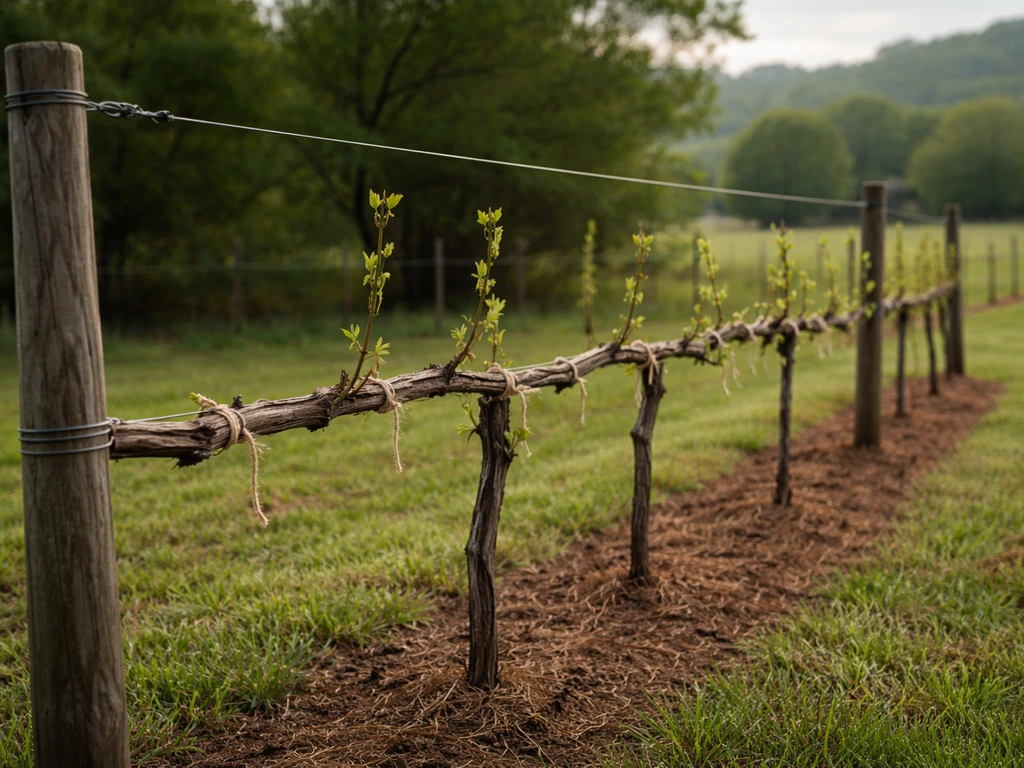
Most home growers in Tennessee do well with a simple two-wire vertical trellis. Posts set 8 feet apart with a catch wire at 3 feet and a top wire at 5.5 to 6 feet gives you a solid structure for most hybrid varieties. Space vines 8 feet apart within the row and rows at least 10 feet apart. The Geneva Double Curtain (GDC) system is an option for vigorous varieties like Chambourcin, but it is more complex to set up and maintain, for a beginner, stick with the simpler vertical system until you know your vines.
Training in the first two years is simple: select the strongest shoot and tie it to a stake to develop your trunk. Once it reaches the wire height, encourage two lateral cordons (arms) to grow in opposite directions along the top wire. From those cordons, spurs and canes will develop for fruit production.
Pruning is done in late winter while the vine is fully dormant, typically January through February in Tennessee. UT Extension's PB1475 notes that pruning after growth has already started carries real risks of injury, so aim to finish pruning before budbreak. The goal each year is to remove most of the previous season's wood, leaving only the canes or spurs that will carry this year's crop. For spur-pruned vines, leave 2 to 3 buds per spur. For cane-pruned varieties, retain 2 to 4 renewal canes with 8 to 12 buds each. When in doubt, remove more rather than less, over-cropping is a common beginner mistake that leads to poor-quality fruit and weak vines.
Care through the season: watering, feeding, and fighting pests
Watering
Established vines in Tennessee generally get enough water from rainfall for most of the season. Supplemental irrigation matters most during the first two growing seasons while roots are developing, and during dry stretches in July and August. Drip irrigation is the preferred method, it keeps foliage dry, which directly reduces disease pressure. Avoid overhead watering if at all possible.
Fertilizing
Grapes are not heavy feeders and over-fertilizing, especially with nitrogen, causes excessive vegetative growth, a dense canopy, and much worse disease problems. Base your fertilizer decisions on your soil test results. In general, a light application of balanced fertilizer in early spring (before budbreak) is sufficient for established vines. Avoid fertilizing after July, which can push late-season growth that will not harden off before winter.
Disease management
This is where Tennessee grape growing lives or dies. Black rot is your primary enemy, it can devastate an entire crop quickly if you miss a key spray window during bloom and fruit set. [Downy mildew and powdery mildew are perennial season-long challenges](https://www. extension.
umd. edu/resource/downy-mildew-management/), and both thrive in Tennessee's humid summers. The approach that works is an integrated one: combine disease-resistant variety selection, good canopy management (open, well-exposed canopy for airflow and spray penetration), sanitation (remove and destroy infected material rather than leaving it on the ground), and a timely fungicide program starting when shoots are 2 to 4 inches long. The most critical spray windows are just before bloom, at bloom, and immediately after fruit set for black rot.
Missing those windows in a wet year can mean losing most of your crop.
Penn State Extension makes a good point that is very applicable in Tennessee: canopy management, controlling shoot density and keeping the fruit zone open, is one of the most powerful disease management tools you have. Thinning shoots and tucking or trimming canopy growth is not just about looks; it is how you get fungicide sprays and sunlight into the cluster zone where disease starts.
Common pests
- Japanese beetles: major summer pest; hand-pick or use labeled insecticides during peak activity in July
- Grape berry moth: larvae tunnel into berries; pheromone traps help monitor pressure
- Grape leafhoppers: cause stippling on leaves; rarely crop-threatening but can weaken vines
- Deer: a serious problem in rural Tennessee; physical barriers or fencing around young vines is the only reliable solution
Turning your Tennessee grapes into wine at home
Growing wine grapes and actually making wine from them are two different skills, but they connect in one critical place: knowing when to harvest. Picking too early gives you thin, tart, green-tasting juice. Picking too late in a wet fall risks rot. For wine grapes, harvest timing should be based on sugar levels (degrees Brix), acidity, and flavor, not just the calendar.
A simple refractometer (under $30) measures Brix in the field. Chambourcin and Norton typically hit their sweet spot for red wine around 22 to 24 Brix. Vidal Blanc and Seyval Blanc for dry white wine are usually best at 19 to 22 Brix. Taste the grapes, measure the sugar, and track both together, as Rutgers enology notes, varieties differ in their sugar levels at optimum flavor, so there is no single right number.
For home winemaking, Norton and Chambourcin both produce enough natural tannin and color to make red wine without a lot of additions. Norton in particular makes a full, age-worthy red that many Tennessee home winemakers are proud of. On the white side, Vidal Blanc produces clean, versatile juice that can go dry or off-dry depending on how you ferment it. Traminette gives you something more aromatic and food-friendly. Muscadine wine requires a different approach, the thick skins and high pH juice need careful acid and sugar adjustments, but the result is distinctively Southern and genuinely enjoyable.
Start with a basic home winemaking kit: a hydrometer or refractometer, food-grade fermenting buckets, airlocks, wine yeast (EC-1118 for whites, RC-212 for red hybrids), and potassium metabisulfite for sanitation. Your first batch will teach you more than any book, and with the right variety from a Tennessee-adapted vine, you are starting with genuinely good raw material.
Your next steps as a Tennessee grape grower
If you are ready to move from reading to planting, here is the short version of what to do next. Get a soil test through your county UT Extension office, it is usually free or very cheap and tells you everything you need to know about pH and fertility before you spend money on vines.
Choose your variety based on your goal (Norton or Chambourcin for red wine, Vidal Blanc or Traminette for white, Muscadine for the lowest-effort path in Middle or West Tennessee). Order vines from a reputable nursery in fall for spring delivery. Prep your site over winter, lime if needed, till the planting row, set your trellis posts before the vines arrive.
Plant in late winter to early spring, stake your strongest shoot, and let the vine establish in year one without pressure to perform. You will be harvesting your own Tennessee-grown wine grapes by year three, and that is a genuinely satisfying thing.
Tennessee's conditions are more favorable for grape growing than many people realize, especially once you stop trying to grow Cabernet Sauvignon and lean into the varieties that actually want to be here. If you are wondering can grapes grow in Arizona, the main considerations shift toward heat tolerance and irrigation planning compared with more humid regions. Growers in neighboring Georgia face similar humidity challenges with similar hybrid solutions, and the variety overlap is significant.
The disease pressure and approach are quite different from drier western states, where growers have a very different set of problems to solve. If you are planning a vineyard in Utah instead of Tennessee, you will want to focus on the best grapes to grow in Utah for your local conditions and climate. Tennessee is firmly in the humid-East camp, and the varieties and management practices in this guide reflect that reality directly.
FAQ
Which grape is the best overall for a first-time grower in Tennessee?
In Tennessee, “best” usually means choosing a variety that ripens reliably before fall wet weather and that can handle black rot pressure. As a rule of thumb, prioritize Norton, Chambourcin, Vidal Blanc, or Seyval Blanc for wine, because they have proven season consistency. If you are specifically trying to minimize disease and spraying, Muscadine is the lowest-fuss option in Middle and West Tennessee.
What’s the best choice if I’m in high-elevation East Tennessee and want to avoid early fall cold snaps?
East Tennessee can be harder on late-season white grapes because harvest happens later there. If you are in higher elevations or zone 5b, choose earlier ripeners like Seyval Blanc (mid-September) and Traminette (late September) rather than relying on late October harvest varieties.
My vines survive winter, but I keep losing crops to late frost. What should I change?
You should treat winter hardiness as only half the story. Some vines survive the winter but still lose yield if budbreak happens right before a late frost. To reduce risk, pick a south or southeast slope for earlier warming, but also consider frost pockets by avoiding low, flat areas where cold air settles.
How do I know if my canopy management is actually helping disease control?
For most home growers using vertical trellising, the goal is an open fruit zone and airflow, not just vine height. Keep the canopy from becoming a dense “wall” by removing excess shoots during the growing season and tying laterals properly so clusters get light and spray coverage.
Do I really need a fungicide spray program for Tennessee grapes if I pick resistant varieties?
If you skip spraying in Tennessee, you are gambling, because black rot and downy mildew can run quickly during humid weeks. The practical approach is to start fungicide timing early when shoots are small, then stay consistent through bloom and fruit set, since those windows are where infections translate into crop loss.
What’s the most common reason Tennessee grapes taste “off” even though they ripen?
Overcropping is a common reason vines look healthy but fruit quality is poor. If clusters are heavy, the vine spends energy on fruit instead of ripening and building wood for next season, so thin when vines are young and avoid letting every spur carry maximum crop.
Can I rely on fertilizer alone, or do I need to correct pH in Tennessee?
Yes, but only with your soil in mind. If your soil test pH is below 5.5, dolomitic lime is usually the right fix, and it should be applied months before planting so it can react in the soil. Also, avoid adding large nitrogen amounts, because it encourages dense growth that increases disease.
What’s the best irrigation method for disease prevention in Tennessee?
Moisture affects disease, and it also affects disease spread between vines. If you can, use drip irrigation or soaker lines to keep foliage dry. Overhead watering, especially at night or during humid stretches, can make black rot and mildew problems worse even if rainfall looks “normal.”
Are there good seedless options for Tennessee, or should I stick with Concord/Muscadines?
Seedless grapes are generally not a good fit for beginners in Tennessee compared with the varieties mentioned in the guide. If you want table grapes, Concord or Muscadine are usually more reliable and easier than attempting to manage more finicky, seedless-focused choices that may not ripen consistently in humid East Tennessee.
When should I harvest table grapes so they taste good but don’t rot?
For table eating, you still want to harvest at flavor maturity, not just color. Use a taste test, and consider checking sugar if you are aiming for consistent sweetness. In wet falls, prioritize timely picking over waiting for “perfect” flavor, since rot risk rises quickly after optimum ripeness.
What are the biggest site mistakes that cause disappointment, even with the right grape type?
A vineyard can still perform poorly even with the right variety if the site is wrong. Avoid low spots, keep rows where air moves, and ensure you can physically reach the fruit zone for spray coverage. Poor light and stagnant air reduce drying time after rain, which is when Tennessee diseases gain an advantage.
How cold-tolerant are Muscadines for East Tennessee, really?
Muscadine can be marginal in colder high-elevation areas, even if the vine survives. Before planting, confirm your exact hardiness zone and consider microclimate factors like cold-air drainage, since a slope and a frost-free pocket can mean the difference between reliable harvest and repeated crop failures.
Should I use a more complex trellis system like GDC in Tennessee, or is the two-wire vertical trellis enough?
The simplest trellis setup works best early, but plan for long-term management. If you choose a more complex system, make sure you can maintain it and do the pruning and canopy training consistently, otherwise the labor burden can outweigh the benefits for a first planting.
I want to grow grapes but I’m not sure yet if I want wine or table fruit. What’s the best decision path?
If you are unsure what to plant, choose based on your end product first, because that determines harvest timing and expected flavor profile. For red wine, Norton or Chambourcin are the most dependable directions. For dry whites, Vidal Blanc or Seyval Blanc. If you want the easiest table or wine path in Middle or West Tennessee, Muscadine is usually the fastest way to get results.