
Yes, you can grow grapes in Florida, but the variety you choose will make or break your results. Florida's heat, humidity, and disease pressure rule out most of the classic European wine grapes, but muscadine grapes thrive here, and a handful of bunch grape cultivars bred specifically for the Southeast can also perform well. If you go in with the right expectations and pick the right varieties, growing grapes in Florida is genuinely achievable for a home gardener.
Can You Grow Grapes in Florida? Best Varieties and Tips
Marcus Whitfield
5 Apr 2026
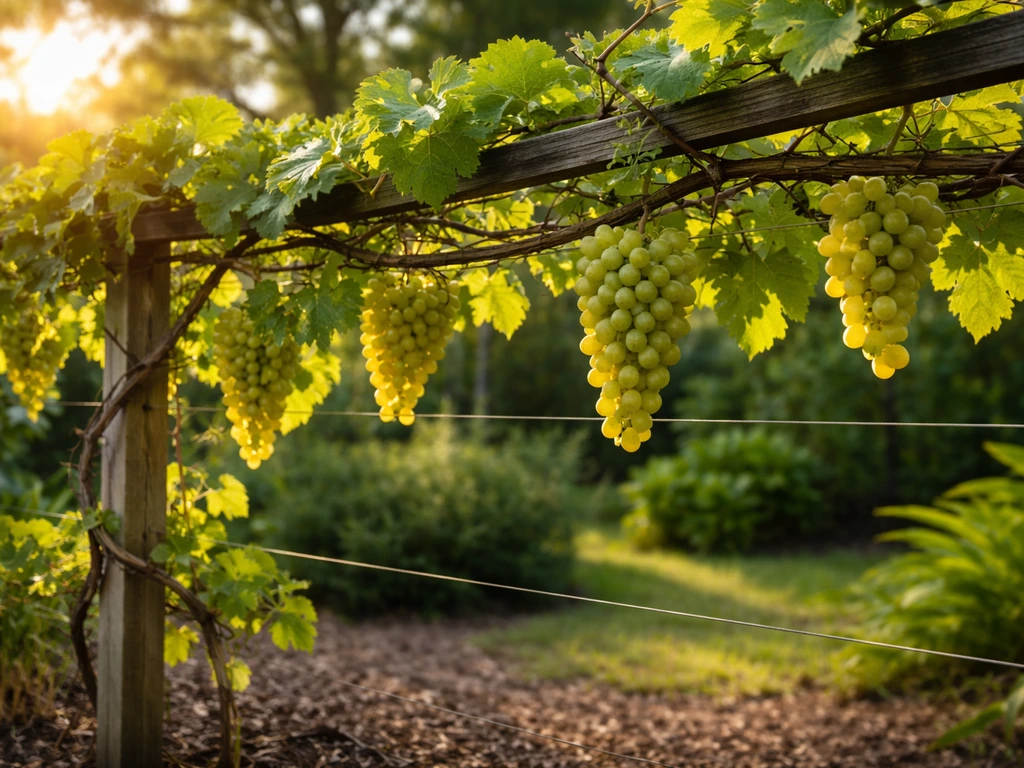
Do grapes grow in Florida (and where they actually succeed)
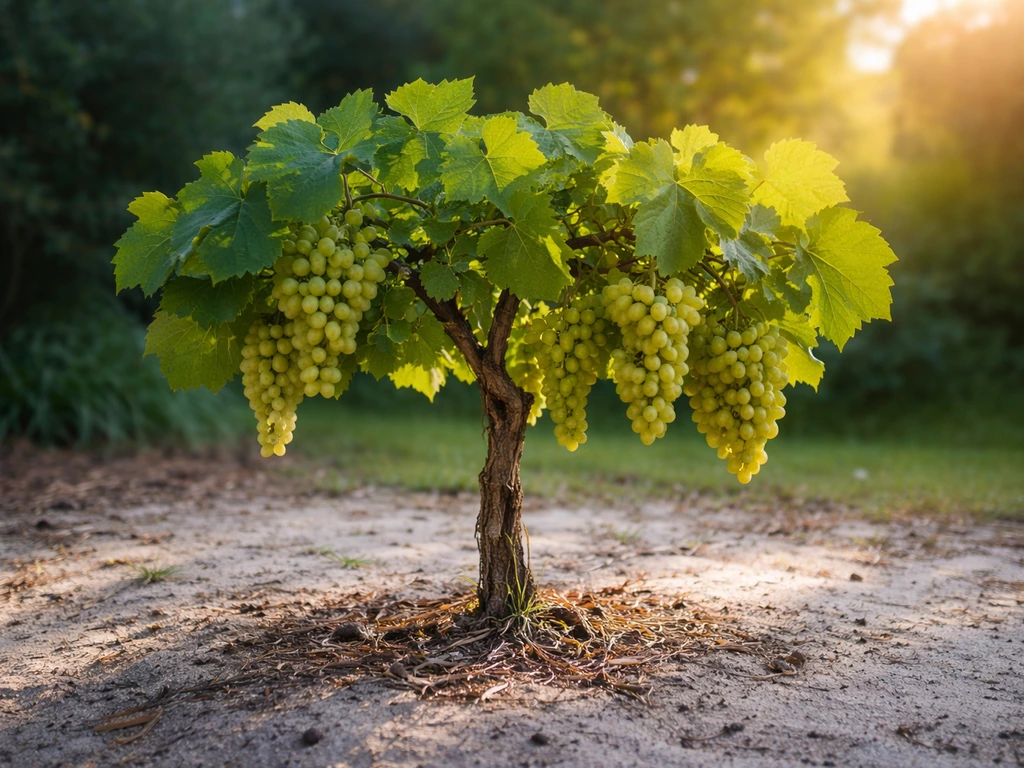
Grapes do grow in Florida, but success is heavily tied to location within the state. Muscadine grapes (Vitis rotundifolia) are the most reliable option and can be grown in most areas of Florida, with the best performance in central and northern parts of the state. Bunch grapes, which include the classic cluster-type grapes used for fresh eating, raisins, and wine production, are much trickier. Pierce's disease and aggressive fungal diseases are the two biggest obstacles for bunch grapes in Florida, and UF/IFAS grape breeding efforts have centered around developing cultivars with resistance to both threats.
North Florida is your friendliest zone. You get a real winter, enough chilling hours to satisfy most muscadine cultivars, and slightly reduced disease pressure compared to the southern half of the state. Central Florida is workable, especially for muscadines, but you are already in territory where chilling accumulation becomes a planning factor. South Florida is the hardest environment for grapes, and I will get into that in the next section.
Florida vs South Florida: climate, season length, and expectations
The difference between growing grapes in Tallahassee and Miami is not just a matter of being a bit warmer. South Florida is essentially a subtropical environment year-round, and that changes everything about how grapes behave. Most grape cultivars require a period of winter dormancy triggered by chilling hours (accumulated hours below a threshold temperature, usually around 45°F). Temperatures below 32°F contribute almost nothing to chilling accumulation, which matters in South Florida where winters rarely get cold enough for long enough to satisfy even low-chill varieties reliably.
In north Florida, planting is timed for March, during late dormancy when soil moisture is adequate. Central Florida growers aim for February. In south Florida, the recommended window shifts to January, reflecting the earlier soil-warming pattern and the absence of a true winter rest period. This is not just a scheduling detail. It tells you that vines in south Florida are being asked to root and establish without the same winter reset that grapes rely on to recharge. You can use a tool like the AgroClimate Chill Hours Calculator to estimate what your specific zip code actually accumulates, which is a much more useful number than state-level averages. AgroClimate’s Chill Hours Calculator lets you set a chilling threshold (for example, 45°F) and calculates chill accumulation over a selected date range.
In practical terms, growers in south Florida should expect lower yields, more disease management work, and a narrower choice of cultivars. That is honest. It is not impossible, but you should not expect the same results as someone gardening in Gainesville or Jacksonville. If you are in south Florida, muscadine varieties specifically noted for low-chill tolerance and disease resistance are your best starting point, and your expectations around consistent annual production should be realistic.
What conditions grapes need (sun, soil, drainage, heat and chilling)
Grapes are sun-hungry plants. They want full sun, ideally eight or more hours per day. In Florida, this is usually easy to provide, but do not plant vines where afternoon shade from a fence or tree will cut into that total. Reduced sun means reduced fruit set, weaker growth, and more disease because the canopy stays damp longer.
Drainage is the other non-negotiable. Grapes absolutely hate waterlogged soil, and Florida's flat terrain and heavy summer rainfall make this a real concern. UF/IFAS Extension also notes that muscadine grapes do best across Florida but perform poorly in calcareous soils or in soils with very poor drainage Grapes absolutely hate waterlogged soil. Sandy, well-drained soils like Florida's classic sandy loam are actually a plus here. If you are on heavier soil or in a low spot that holds water after rain, you need to address that before you plant, either by building up raised rows or choosing a different site entirely.
Chilling hours are where Florida gardeners sometimes get tripped up. The chilling requirement is the number of hours below roughly 45°F that a vine needs during dormancy to break properly and produce a good crop. Most traditional grape cultivars need 900 to 1,200 chilling hours. North Florida accumulates enough to support moderate-chill muscadines. Central and south Florida growers need to stick to low-chill cultivars and should check local chill-hour data before committing to a variety. Drought and mineral stress can also mimic or worsen Pierce's disease symptoms in Florida's heat, so consistent irrigation during dry periods is not optional.
For soil pH, grapes generally prefer a range of 5.5 to 6.5, which is common in Florida's naturally acidic soils. Get a soil test before planting and amend as needed, but Florida gardeners rarely need to acidify further.
Best grapes to grow in Florida: variety types and recommendations
Muscadines are the clear first recommendation for almost every Florida home gardener. They are native to the southeastern U.S., bred for exactly this climate, and far more tolerant of Pierce's disease and many fungal diseases than bunch grapes. The caveat is that muscadines are not disease-free: they can be susceptible to powdery mildew, black rot, bitter rot, and ripe rot, so cultivar selection still matters. Some cultivars are significantly more disease-resistant than others, and if you want a lower-spray garden, that difference is worth paying attention to.
One thing to know about muscadines: most cultivars are either self-fertile (they can pollinate themselves) or require a pollinator plant nearby. If you only have room for one vine, choose a self-fertile cultivar.
For fresh eating, good Florida performers include 'Black Beauty', 'Fry', 'Summit', and 'Triumph'. These are selected for high sugar content, good berry size, and flavor. 'Southern Home' is a hybrid between bunch grape and muscadine, giving it an unusual flavor profile and ornamental appeal, though it is a bit different to eat than a standard muscadine. 'Florida Fry' is a self-fertile option with good fresh-eating quality. 'Polyanna' is another self-fertile variety that performs reliably and is widely recommended for Florida home gardens.
If you are serious about growing bunch grapes (the cluster-type grapes most people picture when they think of a vineyard), you need to go in knowing that a consistent spray program is part of the deal. UF/IFAS is direct about this: a spray program is advisable to minimize fruit losses with bunch grapes in Florida. That is not a knock against trying them, but you should not expect to plant a bunch grape vine and walk away. Anthracnose is a dominant disease problem for bunch grapes in Florida specifically, while it is not a major problem on muscadines, which is a significant practical distinction.
| Variety | Type | Use | Self-Fertile | Disease Notes |
|---|---|---|---|---|
| Carlos | Muscadine (bronze) | Wine/juice, fresh | Yes | Widely adapted, good disease tolerance |
| Florida Fry | Muscadine | Fresh eating, wine | Yes | Reliable performer in central/north FL |
| Southern Jewel | Muscadine | Fresh eating, wine | Yes | Moderately high soluble solids |
| Black Beauty | Muscadine | Fresh eating | No (needs pollinator) | Good berry size and flavor |
| Summit | Muscadine | Fresh eating | No (needs pollinator) | High sugar, large berries |
| Triumph | Muscadine | Fresh eating | No (needs pollinator) | Sweet, reliable producer |
| Southern Home | Muscadine-bunch hybrid | Fresh eating, ornamental | Yes | Novel flavor, good vigor |
| Polyanna | Muscadine | Fresh eating | Yes | Consistently recommended for FL home gardens |
Wine grapes in Florida: choosing cultivars and what changes
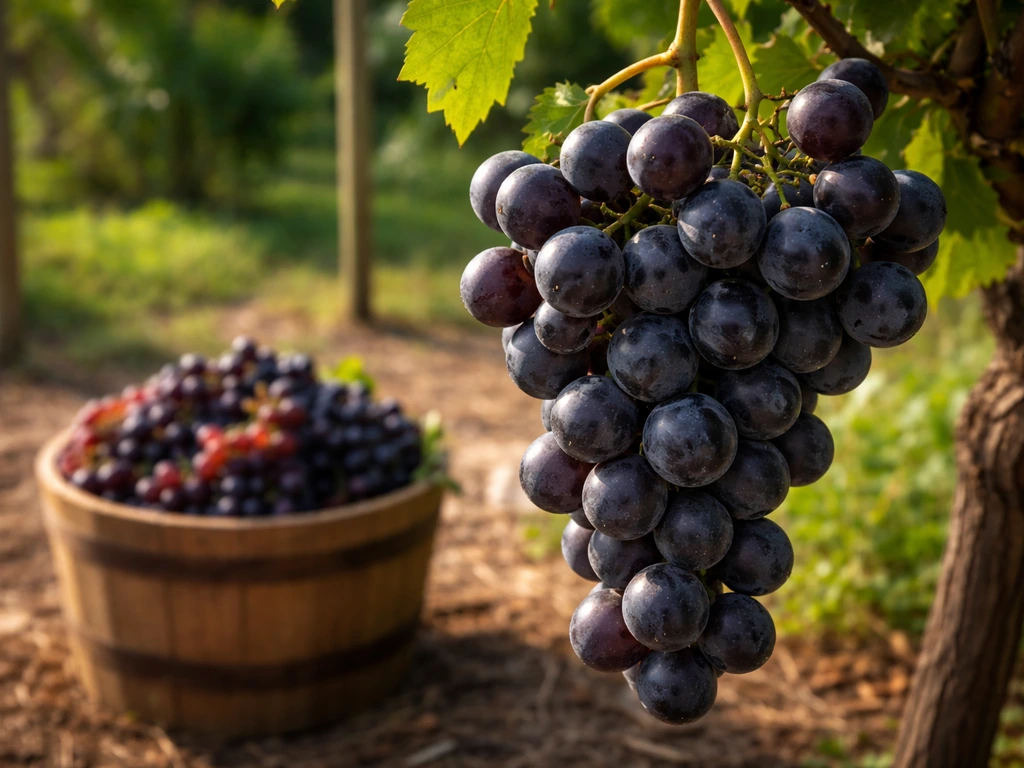
If your goal is to make wine from homegrown grapes, Florida is trickier than, say, growing wine grapes in Texas or the cooler climates of growing grapes in Colorado, but it is far from impossible. The key is accepting that muscadine-based wine is the most realistic path for most Florida home winemakers, and that muscadine wine tastes different from vinifera wine. Some people love it. Others take time to warm up to the distinctive musky, aromatic flavor. Either way, it is genuinely good wine when made well.
'Carlos' is the number-one bronze muscadine cultivar for juice and wine in the southeastern U.S., and it is well-suited to Florida conditions. It is self-fertile, reliable, and has the fruit chemistry (Brix levels, acidity) that winemakers appreciate. 'Southern Jewel' is another self-fertile option with moderately high soluble solids, which translates to good sugar for fermentation. If you want a darker wine, black-skinned muscadine cultivars will get you closer to a red wine experience.
For those committed to growing classic vinifera wine grapes in Florida, Pierce's disease resistance is the single most important selection criterion. UF/IFAS has conducted extensive breeding work focused specifically on this problem. Florida-bred bunch grape cultivars with Pierce's disease resistance do exist, but they are not the same as planting a Cabernet Sauvignon vine you would find at a California nursery. Those European varieties simply do not survive Florida conditions long-term. Stick to cultivars that come with documented disease resistance results, and accept that a spray program for fungal disease management will be a routine part of your season.
It is also worth noting that states with similar humidity and heat challenges offer useful comparison points. If you have ever looked into growing grapes in Louisiana, you will recognize most of the same disease and climate considerations that Florida growers face, and the cultivar recommendations overlap significantly.
How to start today: site prep, planting basics, and early care checklist
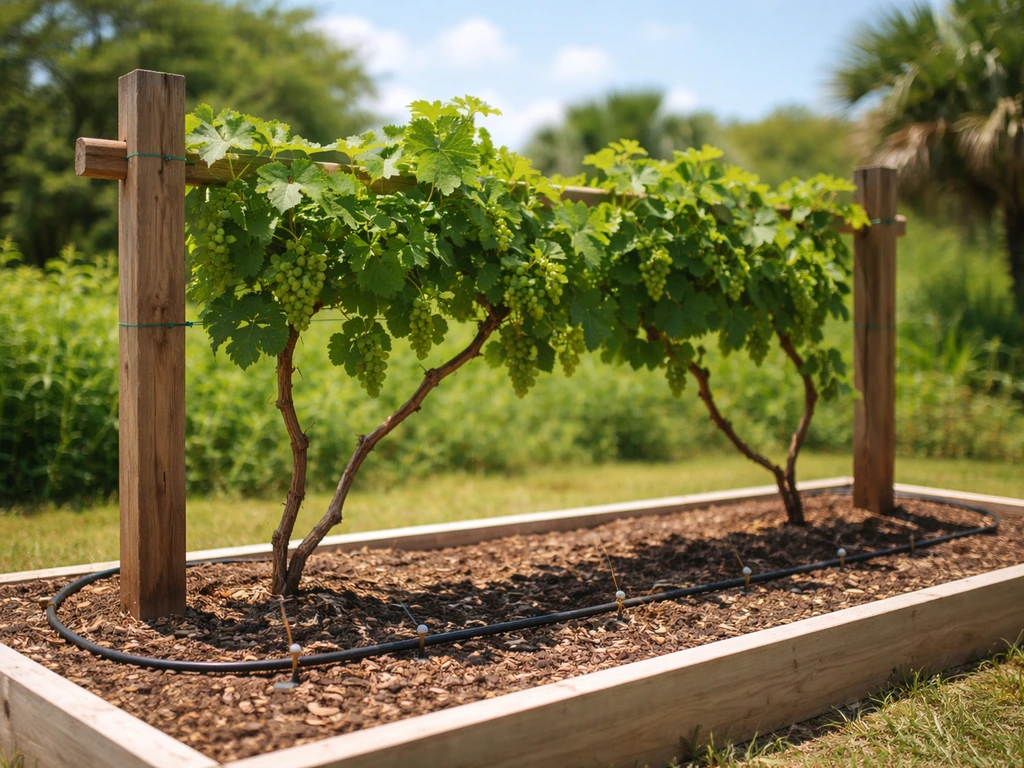
The most important thing you can do before you plant is set up your trellis and irrigation system first. Grapes need support from year one, and running irrigation lines around an established vine is a hassle. UF/IFAS production schedules are consistent on this: get the infrastructure in place before the vines go in the ground. A simple two-wire trellis system works well for muscadines at home, with wires at roughly 3 feet and 6 feet, spaced about 20 feet apart for mature vines.
For planting timing, use this as your guide: January in south Florida, February in central Florida, and March in north Florida. These windows align with late dormancy and adequate soil moisture, giving bare-rooted vines the best chance to establish before summer heat kicks in.
When you are choosing your first cultivar, UF/IFAS Extension is clear: find a muscadine cultivar recommended specifically for your part of Florida. The cultivar attribute tables in UF/IFAS's HS100 fact sheet are the most detailed resource available, covering yield, soluble solids, disease resistance ratings, vigor, and harvest season across multiple cultivars. Use that information to narrow down your choice before you buy a plant.
- Test your soil pH and drainage before planting (target 5.5 to 6.5, well-drained site required)
- Install trellis and drip irrigation before vines go in the ground
- Choose a self-fertile muscadine cultivar if planting only one vine
- Plant bare-rooted vines during the regionally appropriate window (January to March depending on your location)
- Water consistently during the first growing season, especially during dry stretches
- Train the main trunk vertically to the trellis wire and select two lateral cordons in year one
- Prune annually in late winter to encourage fruiting wood and improve air circulation
- Scout regularly for signs of powdery mildew, black rot, and bitter rot starting in spring
Common Florida problems and how to manage disease and heat issues
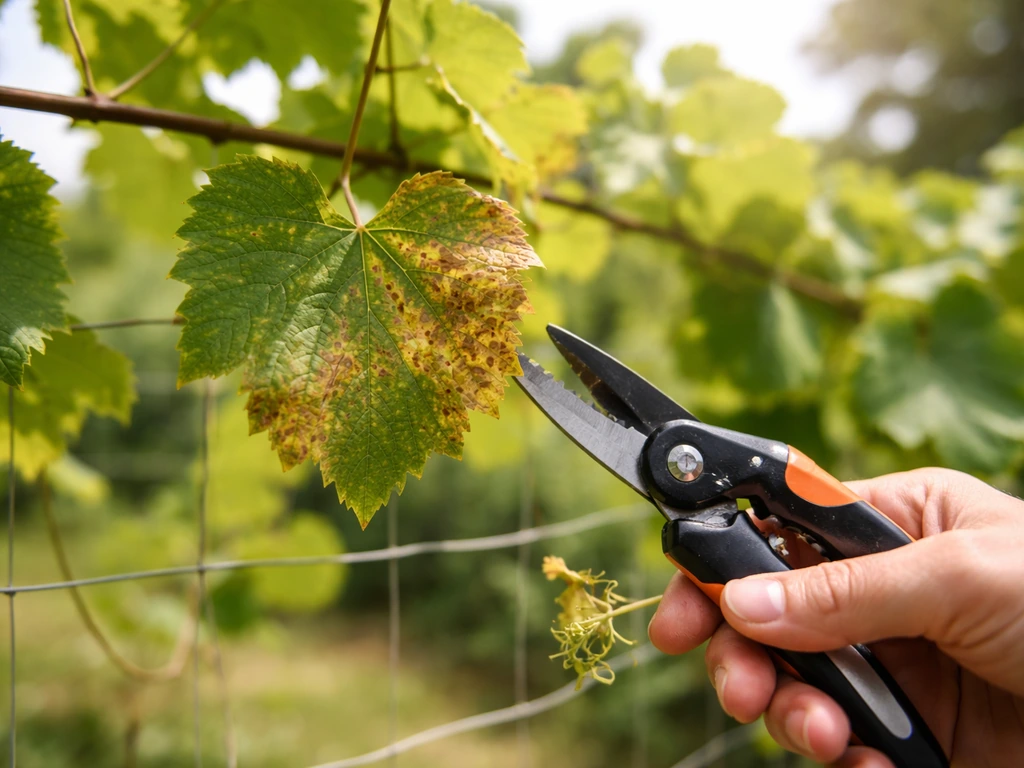
Disease management is the part of Florida grape growing that surprises people who have successfully grown grapes in drier climates. The high humidity and warm temperatures create ideal conditions for fungal pathogens, and you cannot just ignore this and hope for the best. The major bunch grape diseases in Florida include black rot, powdery mildew, and several additional rots. Black rot is primarily a disease of immature berries, so your spray timing needs to be focused on the fruit development window. Powdery mildew (caused by Uncinula necator) can affect both muscadines and bunch grapes, though muscadines are less vulnerable overall.
For muscadines, the disease picture is better but not perfect. Muscadines are naturally resistant to some threats that devastate vinifera grapes, including downy mildew and Botrytis bunch rot, but they are still susceptible to powdery mildew, black rot, bitter rot, and ripe rot. The difference between a high-resistance cultivar and a low-resistance one in a humid Florida summer can be significant. If you want to minimize spray inputs, this is where cultivar selection pays off the most.
Two cultural practices that reduce disease pressure significantly: wide vine spacing (which improves air circulation and speeds canopy drying after rain or irrigation) and avoiding overhead watering. Wet leaves stay wet, and wet leaves grow fungus. Drip irrigation directed at the root zone is the right approach for Florida grape growing.
Pierce's disease deserves its own mention. It is caused by a bacterium (Xylella fastidiosa) transmitted by sharpshooter leafhoppers, and it is essentially fatal for susceptible vines. There is no cure once a vine is infected. Your protection strategy is choosing resistant cultivars from the start, and that is why UF/IFAS breeding programs have focused so heavily on Pierce's disease resistance as a selection criterion. Drought and mineral stress can trigger symptoms that look like Pierce's disease, so keeping vines well-irrigated and nutritionally supported matters too.
Heat stress in Florida summers is real but manageable for the right varieties. Muscadines evolved in the southeastern U.S. and are genuinely adapted to hot, humid summers. Bunch grapes are more sensitive, and you may see heat-related vine stress during the most intense July and August periods. Consistent soil moisture through drip irrigation is the most effective tool you have. If you have ever compared notes with someone growing grapes in Texas, you will find the heat management advice translates well, though Florida's humidity adds a disease dimension that Texas growers in drier parts of the state do not face as intensely.
The bottom line for managing Florida's challenges: choose disease-resistant cultivars first, space your vines generously, use drip irrigation, prune to keep the canopy open, and be ready to apply a fungicide program if you are growing bunch grapes. Muscadine growers get a bit more margin for error, but staying proactive about scouting and addressing problems early will make a real difference in your harvest. If you ever consider expanding into other southern states with similar climate profiles, the disease management experience you build in Florida translates directly to what you would encounter when growing grapes in Oklahoma, where heat and humidity combine to create comparable pressures in the eastern part of the state.
FAQ
Can you grow grapes in Florida without meeting chilling hours in the winter?
Yes, if you choose low-chill muscadines. Most bunch grapes need reliable winter chilling to break dormancy, which is inconsistent in south Florida. For Florida backyards, start by checking the chill-hour estimate for your exact zip code, then pick a cultivar explicitly labeled for low-chill and for your region.
If I’m in drought, will irrigation timing help prevent problems that look like Pierce’s disease?
You can, and it also helps with Pierce disease risk because stressed vines look similar to Pierce symptoms. The best approach is deep, regular drip irrigation during dry spells, and then pause irrigation if the weather is already humid and rainy to avoid waterlogged conditions.
How long does it take before grapes start producing in Florida?
Expect muscadines to fruit earlier and more consistently than many bunch grape cultivars in Florida, but the exact timing depends on vine age and training. Many home gardeners see meaningful harvests after the first year, with more reliable yields once the vine is established and trellised.
Can you grow muscadine or bunch grapes in containers in Florida?
Yes, but only if you plan the container size and root drainage carefully. Choose the largest possible pot, use a well-draining mix, and avoid letting water sit in the saucer. Container vines also dry out faster, so you will need a tighter drip schedule and more frequent scouting for mildew.
What should I do if there’s a surprise freeze in Florida after I plant grapes?
New growth can be damaged by late cold snaps even in north Florida, especially for bunch grapes. Cover young vines during unexpected freezes, and delay pruning and heavy fertilization until after the coldest nights so you do not push tender growth too early.
Is overhead watering ever okay for grapes in Florida?
For Florida, drip irrigation is the default because it keeps foliage dry and reduces fungal spread. Overhead sprinklers and frequent misting often increase leaf wetness, which can quickly elevate mildew and rot pressure.
What’s the biggest fertilizer mistake Florida grape growers make?
Over-fertilizing is a common mistake. Grapes generally do fine with modest nutrition if you match fertilizer to your soil test, but too much nitrogen can create dense, damp canopies that invite disease. Follow your test results and avoid high-nitrogen feeding during humid, disease-prone months.
If I plant only one grapevine, will I get fruit?
Choose the vines that match your pollination needs. Many muscadines are self-fertile, but some require a second plant for fruit set. If you have space for only one vine, pick a self-fertile cultivar labeled for your area.
Can I grow grapes in Florida specifically for making a classic red wine?
You can, but it will usually be a different outcome than you expect from a California-style vineyard. Florida humidity and disease pressure make vinifera-style bunch grapes harder long term, so most home winemakers prioritize Pierce-resistant Florida-bred cultivars or shift to muscadine-based wine.
How much spacing between vines should I plan for in Florida?
Yes, and spacing is not optional. Aim for wide spacing to improve airflow and speed canopy drying, which lowers mildew and rots. Dense, tightly trained growth stays wet longer, even with drip irrigation, and that often turns minor issues into crop loss.
Do I really need to build a trellis in advance, or can I add it after planting?
Pick a trellis before planting, because changing support later can injure roots and break training systems. For muscadines, a simple two-wire approach is typically practical for home setups, and you will still want a plan for how you will manage pruning and canopy openness each season.
If I start bunch grapes, when should I think about spraying most carefully?
At home, the most cost-effective strategy is scouting early and adjusting spray timing to growth stages, especially for fruit diseases. If you are growing bunch grapes, you should expect a routine fungicide schedule focused on berry development windows, not just a seasonal calendar guess.
What disease should I scout for first if it suddenly gets humid and warm?
Powdery mildew is one of the most persistent surprises in humid Florida, even for muscadines. Watch leaves and young shoots during warm, humid stretches, and remove severely affected plant material early to slow spread while you intervene.
What cultivar strategy gives the lowest effort, highest success in Florida?
If you need the simplest path, choose disease-resistant muscadines recommended for your part of Florida. If you insist on bunch grapes, treat the growing season as a disease-management project (resistant cultivar plus a consistent spray plan) rather than a low-input hobby.