
Yes, you can absolutely grow grapes in Kansas, and plenty of home gardeners do it successfully. The key is picking cold-hardy varieties built for the Plains and understanding that Kansas winters can swing hard enough to kill less-adapted vines. Choose the right cultivar, site them well, and protect them through their first couple of winters, and you'll be harvesting fruit within two to three years.
Can You Grow Grapes in Kansas? How to Succeed Step by Step
Marcus Whitfield
30 May 2026
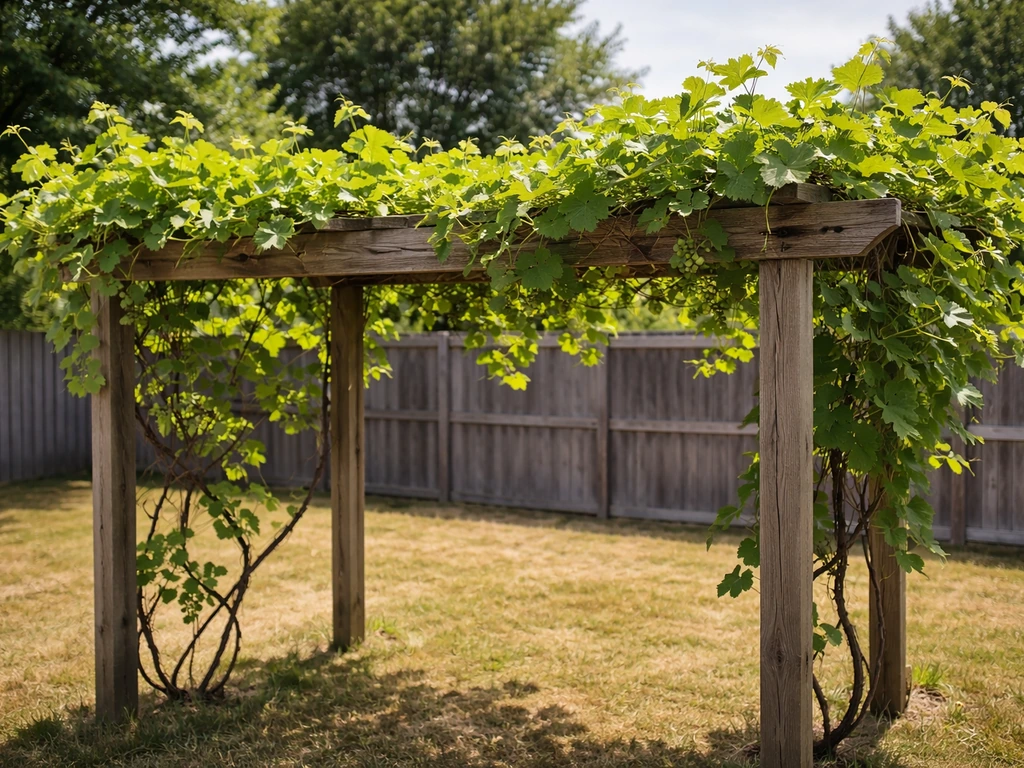
Can grapes realistically grow in Kansas?
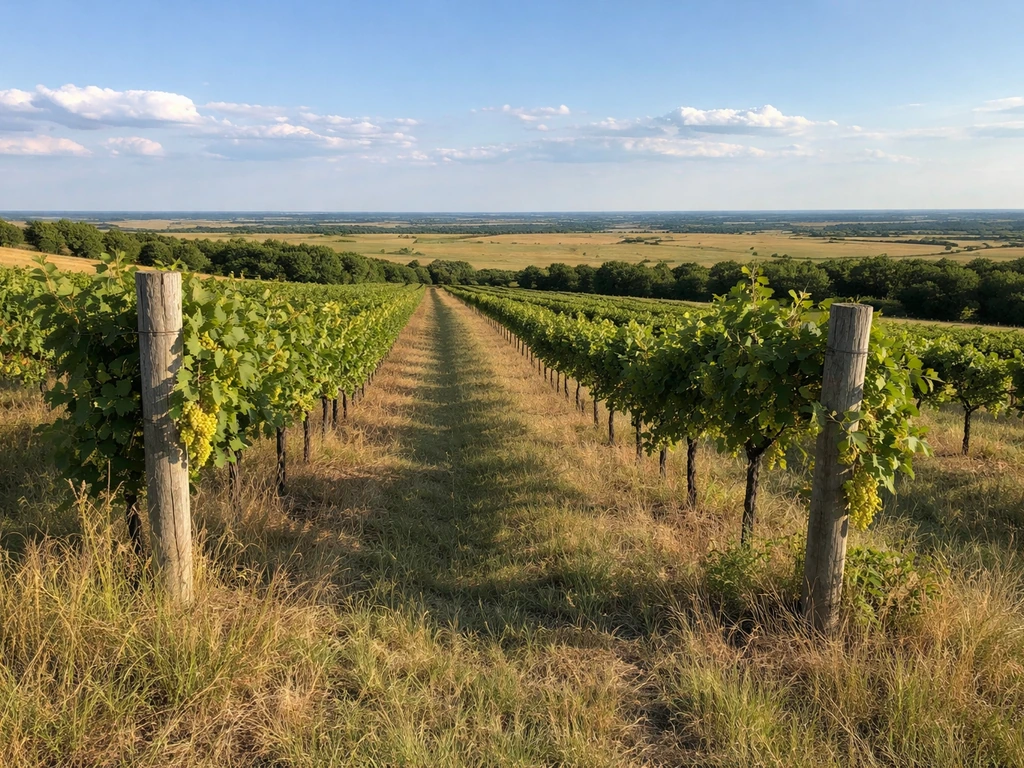
Kansas spans roughly USDA hardiness zones 5b through 7a, running colder in the northwest and milder in the southeast. Wichita sits around zone 6b (minimum temps of −5°F to 0°F), Lawrence and Topeka fall in similar 6a to 6b territory, and the far southeast corner of the state pushes into zone 7a. That range matters a lot when picking grapes, because a variety rated hardy to zone 5 will sail through a Kansas winter that kills a zone 7 wine grape.
The bigger challenge in Kansas isn't just the cold minimum, it's the timing. Average first freeze in Wichita comes around October 27, but northwest Kansas can see hard freezes as early as mid-September. Late spring freezes after budbreak are also a real threat. A vine can survive −10°F in January and then get wiped out by a 28°F snap in April after it has already pushed tender new growth. Plan your variety selection and site choice around both ends of that frost window, not just the winter lows.
Summer is actually the easy part. Kansas offers long, hot growing seasons with plenty of sunshine, grapes love that. The challenge is the cold, the late frosts, and the humidity-driven fungal diseases that come with summer rains. None of those are dealbreakers; they just mean variety choice and basic disease management matter more here than in drier western climates.
Best grape varieties for Kansas
Your best bets are cold-hardy American and hybrid cultivars developed specifically for tough-winter climates. Vitis vinifera wine grapes (Cabernet, Chardonnay, etc.) are generally a bad idea for most of Kansas unless you're in the warmest southeast corner and are prepared to do serious winter protection. Stick with the varieties below for reliable performance.
| Variety | Type | Hardiness Zone | Notes for Kansas |
|---|---|---|---|
| Concord | American (table/juice) | Zone 4–7 | The classic Kansas performer. Reliable, disease-tolerant, productive. Blue-black fruit, foxy flavor great for juice and jelly. |
| Niagara | American (table/juice) | Zone 5–8 | White-fruited counterpart to Concord. Similar toughness, sweet flavor, very productive. |
| Catawba | American (wine/table) | Zone 5–8 | Pink-red fruit, good for wine and fresh eating. Handles Kansas winters well in zone 6+ areas. |
| Marquette | Hybrid (wine) | Zone 4–7 | Excellent cold-hardiness and disease resistance. Makes quality red wine. Strong choice for central and eastern Kansas. |
| Frontenac | Hybrid (wine) | Zone 4–7 | Deep red, high-acid wine grape. Hardy to around −30°F, so even northwest Kansas growers can try it with confidence. |
| Frontenac Gris | Hybrid (wine) | Zone 4–7 | Pink-skinned sport of Frontenac. Similar hardiness, makes a nice rosé-style wine. |
| La Crescent | Hybrid (wine) | Zone 4–7 | White wine grape. Very cold-hardy, fruity aromatics. Works well in northern and central Kansas. |
| Reliance | American (seedless table) | Zone 5–8 | Seedless red table grape with good disease tolerance. Popular for fresh eating in Kansas home gardens. |
| Himrod | American/hybrid (seedless) | Zone 5–8 | Seedless yellow-green table grape. Early ripening — useful in northwest Kansas where the season is shorter. |
For northwest Kansas (zone 5b to 6a), lean hard into Frontenac, Marquette, La Crescent, and Himrod. For central Kansas (Wichita, Salina, zone 6b), all of the above work, and you can also add Concord, Niagara, and Reliance with confidence. Southeast Kansas (zone 7a) opens the door to a few more hybrids, but I'd still avoid straight vinifera unless you're experimenting with full winter burial.
How to plant grapes in Kansas
Picking the right site
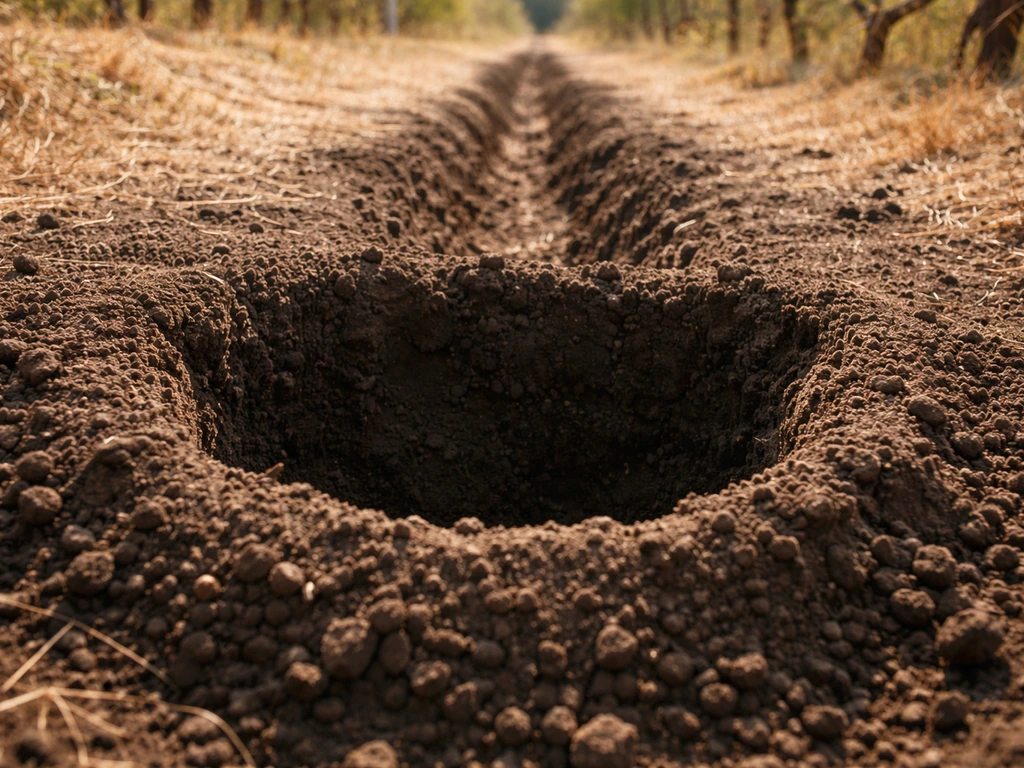
Full sun is non-negotiable, aim for at least 8 hours of direct sun daily. A south- or southeast-facing slope is ideal because it warms up early in spring and drains cold air away from the vines on frosty nights. Avoid low spots, wet areas, and anywhere that water sits after rain. Good air circulation around the vines reduces fungal disease pressure dramatically, so don't crowd them against a fence line with no airflow.
Soil prep
Grapes are remarkably adaptable on soil type but they need excellent drainage. Kansas soils range from heavy clay in the east to loamy and sandy in the west. If you have clay-heavy soil, work in a few inches of compost and consider raising your rows a few inches to improve drainage. Target a soil pH between 5.5 and 6.5, get a soil test done before you plant. Many Kansas soils test on the alkaline side, so you may need sulfur to bring pH down a bit. A K-State extension office can process a soil test for a few dollars and give you amendment recommendations.
Planting timing and spacing
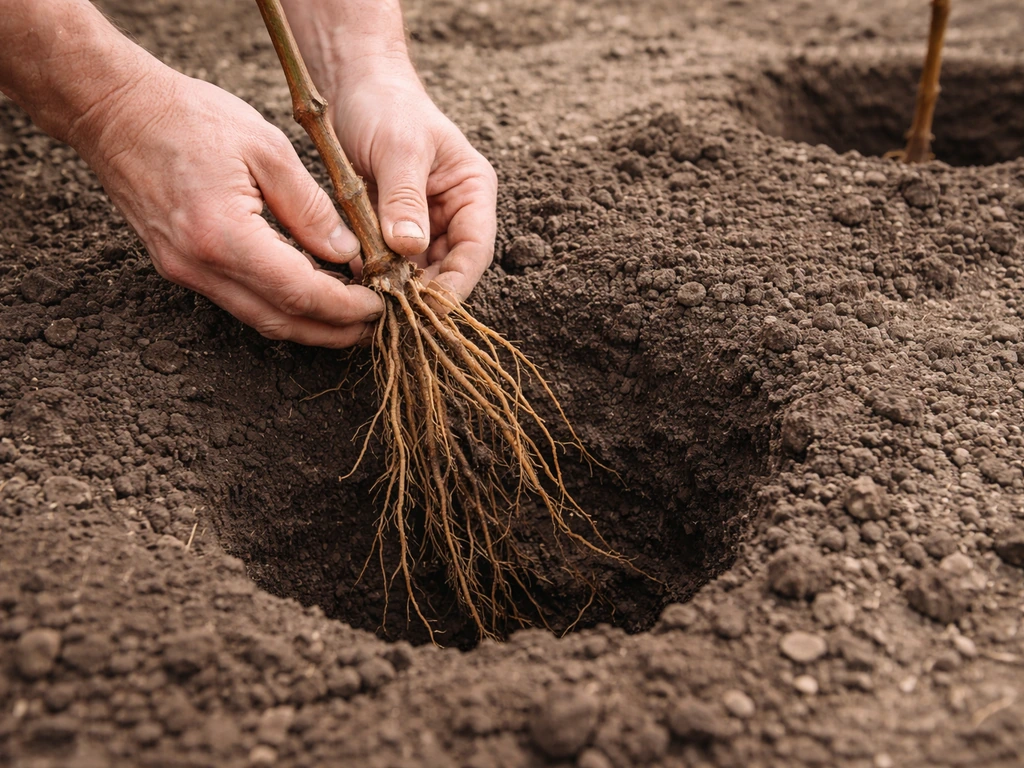
Plant dormant bare-root vines in early spring, typically late March through mid-April in central Kansas, once the soil is workable and hard freezes are mostly behind you. Container-grown vines can go in a little later, into May. Space vines 6 to 8 feet apart in a row, with rows at least 8 to 10 feet apart if you're planting multiple rows. At planting, dig a hole wide enough to spread the roots without bending them, set the graft union (if present) just above the soil surface, backfill firmly, and water in well. Cut the vine back to two or three buds at planting, this feels brutal but it forces strong root development and a better-structured vine later.
What to expect through the growing season
Kansas grapes generally follow this seasonal arc, though exact timing shifts north to south across the state by two to three weeks. Long-term climate summaries from Kansas State University also document that frost and freeze timing varies over time and across years, which is why planning for frost windows matters blank" rel="noopener noreferrer">exact timing shifts north to south across the state by two to three weeks.
| Growth Stage | Approximate Timing (Central KS) | What's Happening |
|---|---|---|
| Budbreak | Late March – mid-April | First green tips emerge. Late frost risk is real here — watch forecasts closely. |
| Shoot growth | April – May | Rapid vegetative growth. Train new shoots to trellis, remove suckers. |
| Bloom | Late May – early June | Small flower clusters open. Avoid heavy irrigation during bloom. |
| Fruit set | June | Berries begin forming. Thin clusters on young vines (year 1 and 2) to encourage root development. |
| Veraison (color change) | Late July – August | Berries soften and change color. Flavor development begins. |
| Harvest | August – October (variety dependent) | Concord and most American types ripen late August to October. Taste-test before picking. |
| Dormancy | November – March | Vines go dormant after first hard freeze. Pruning happens in late winter (February–early March). |
Northwest Kansas growers should expect everything to run about two to three weeks earlier in fall and be more conservative about late-spring frost risk. A variety like Himrod, which ripens early, is particularly well-suited to that shorter window.
Training and trellising for a Kansas backyard
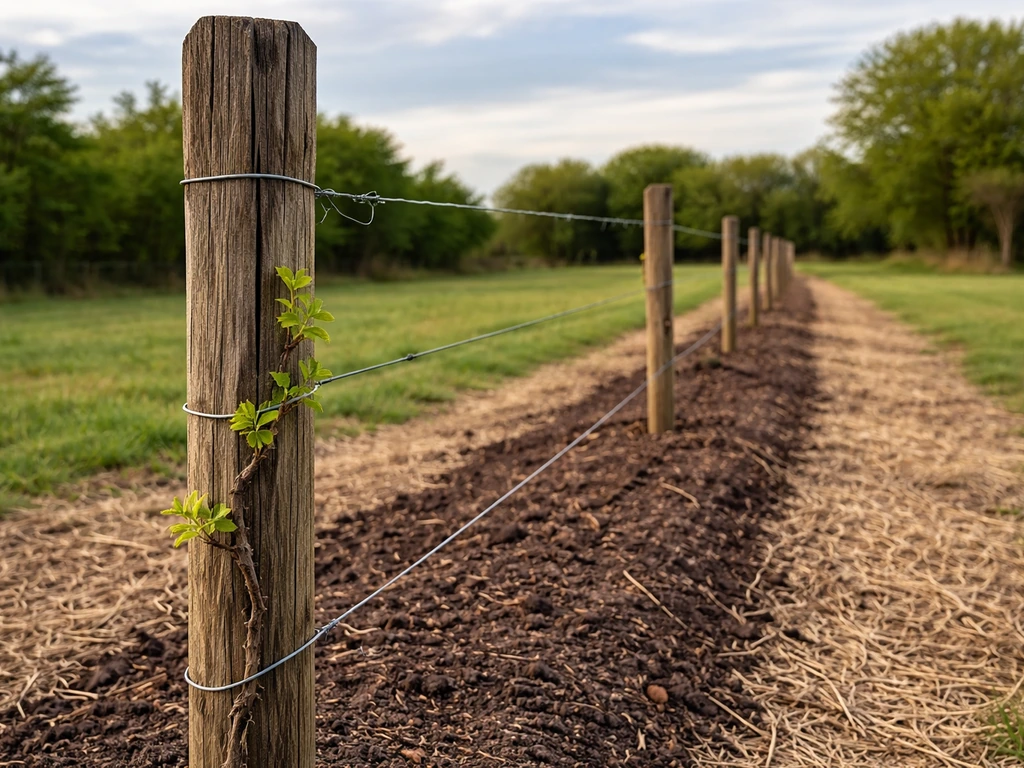
For most home gardens in Kansas, a simple two-wire trellis system works perfectly. Set sturdy wooden or metal posts (8 feet long, buried 2 feet deep) every 8 to 10 feet along your row. Run one wire at about 3 feet high and a second at 5 to 5.5 feet. Use 12- or 14-gauge galvanized wire. This setup supports the most common training system for Kansas home growers: bilateral cordon (also called four-arm Kniffin).
In the bilateral cordon system, you train a single trunk straight up to the top wire, then let two permanent arms (cordons) run in opposite directions along that wire. Fruiting canes or spurs hang down from those arms each season. This gives you a manageable, repeatable structure that's easy to prune and easy to inspect for pests. It also keeps the vine canopy open enough for airflow, which really matters in humid Kansas summers.
For year one, your only goal is getting that trunk established. Pick the strongest shoot, tie it loosely to a bamboo stake or the lower wire, and let it grow. In year two, you extend the trunk to the top wire and begin selecting your two main arms. By year three, you'll have a structured vine ready to produce a real crop. Don't rush it, let the vine build its root system before you push for heavy fruiting.
Ongoing care through the Kansas season
Watering
Established vines are fairly drought-tolerant once rooted, but Kansas summers can be brutal and dry enough to stress vines. Aim for about 1 inch of water per week during the growing season, either from rain or irrigation. Young vines in their first two years need more consistent moisture. Drip irrigation is ideal because it keeps foliage dry, which helps reduce fungal disease. Cut back watering as harvest approaches, too much water late in the season dilutes flavor and can crack berries.
Fertilizing
Less is more with grape fertilizer, especially nitrogen. Over-fertilized vines put out excessive leafy growth at the expense of fruit and become more disease-prone. Apply a balanced fertilizer (something like 10-10-10) once in early spring, just as growth starts, about half a pound per mature vine. After the first couple of years, let your soil test guide amendments. If your soil has adequate phosphorus and potassium (common in Kansas), you may only need a light nitrogen application or nothing at all. Watch vine vigor: if canes are growing 6 to 8 feet and fruit is abundant, back off the fertilizer.
Pruning
Prune in late winter, typically February through early March in central Kansas, while the vine is still fully dormant but temperatures are consistently above about 20°F. The standard guidance is to remove 70 to 90 percent of the previous season's growth, which sounds extreme but is exactly right. Leaving too much wood results in overcrowded canopy, poor fruit quality, and more disease. On a mature cordon-trained vine, select healthy pencil-thick canes and prune back to 2-bud spurs spaced every 6 to 8 inches along the cordon. Clean pruning cuts close to the trunk reduce the entry points for disease.
Pest and disease management
The three diseases you need to watch in Kansas are black rot, downy mildew, and powdery mildew. Black rot is the most damaging for most Kansas home growers, it overwinters in infected mummified berries and cane lesions left on the vine, so sanitation is your first line of defense. Remove and dispose of all mummified fruit and dead canes at pruning time. Downy mildew gets worse in hot, humid conditions with wet foliage, which describes Kansas in June and July.
Powdery mildew can show up in drier conditions too. Choosing resistant varieties like Marquette and Frontenac cuts your disease management workload enormously. If you do need to spray, copper-based fungicides and sulfur sprays are effective and appropriate for home garden scale, apply preventively starting at budbreak and every 10 to 14 days during humid stretches.
For insects, Japanese beetles and grape berry moths are the most common issues. Hand-picking beetles in the morning (when they're sluggish) works surprisingly well for small plantings. Row covers during heavy beetle pressure can protect young vines. Birds will also take fruit as it ripens, lightweight bird netting draped over the vines after veraison is the simplest and most effective solution.
Winter protection and dealing with cold damage
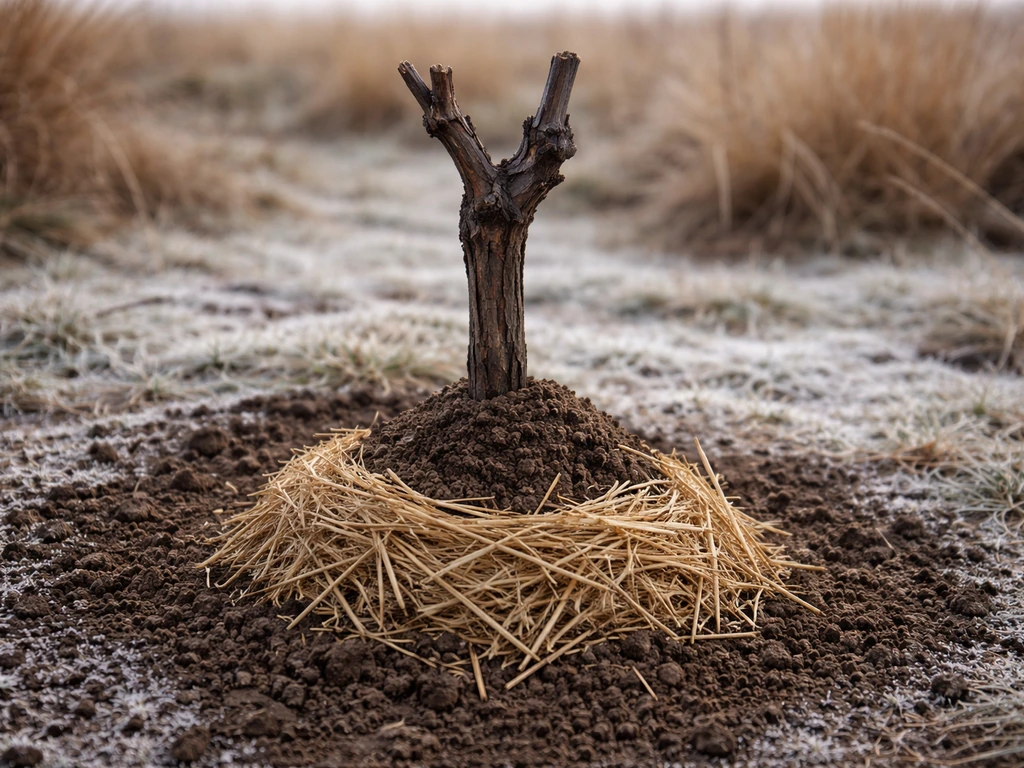
Winter cold is the number one killer of grapes in Kansas, especially for young vines and for anyone who plants a marginally-hardy variety. Here's what to do about it.
Protecting young vines (years 1–3)
Young vines with immature trunks are most vulnerable. After the first hard freeze drops leaves in fall, mound 6 to 8 inches of soil or straw around the base of each vine to protect the graft union and lower trunk. In northwest Kansas (zone 5b–6a), you can also wrap the lower trunk with burlap or foam pipe insulation for extra protection. Once vines have established thick, mature trunks after three or four years, this level of protection is less critical, but the base mound is still cheap insurance.
Protecting mature vines in hard winters
If a polar vortex event or brutal cold snap is forecast (think temperatures below −10°F or lower), even established vines of cold-hardy varieties can sustain cane damage. The most vulnerable parts are the one-year-old fruiting wood and the buds. One practical approach is to keep extra backup canes during pruning in harsh-winter years, prune to more spurs than you normally would, knowing some buds may die. After a brutal winter, wait until late April to do your final cleanup pruning so you can see exactly what survived and what didn't.
How to diagnose cold damage
In spring, if buds are slow to break or some areas of the vine show no growth, scratch the bark gently with your fingernail or a knife. Green tissue underneath means the wood is alive. Brown or black tissue means it's dead. Dead buds will simply fail to push growth. Dead canes need to be cut back to live wood. If the trunk itself is killed to the graft union, the vine may still resprout from the rootstock, but that rootstock growth won't be the same variety, so it's usually better to replant. Trunk damage is the worst-case scenario, and it's rare with the hardy varieties listed here when planted in appropriate zones.
Late spring frost damage
If a late freeze hits after budbreak, young shoots will appear water-soaked and then collapse. This is frustrating but usually not fatal, most vines will push secondary buds within a week or two. Secondary buds are less fruitful, so your crop for that year may be light, but the vine itself will survive. Don't panic and don't prune aggressively after a late frost; give the vine two weeks to respond before assessing what's truly dead.
Your Kansas grape growing plan: a quick seasonal checklist
| Season | Tasks |
|---|---|
| Late winter (Feb–Mar) | Prune dormant vines to 2-bud spurs; remove mummified fruit and dead wood; apply dormant copper spray; remove winter mulch from base |
| Early spring (Mar–Apr) | Plant new bare-root vines; tie new shoots to stakes; watch frost forecasts for late freezes after budbreak |
| Late spring / early summer (May–Jun) | Train growing shoots to trellis; begin fungicide spray program at budbreak; thin fruit clusters on young vines |
| Summer (Jul–Aug) | Monitor for black rot and mildew; water during dry spells; net ripening fruit against birds; harvest early-ripening varieties |
| Fall (Sep–Oct) | Harvest remaining varieties; stop fertilizing after harvest; allow vines to harden off naturally after first frost |
| Winter (Nov–Jan) | Mound soil or straw at vine bases after hard freeze; plan next season's variety additions; order bare-root vines for spring delivery |
Kansas is genuinely good grape country when you work with its climate rather than against it. The same long hot summers that can stress unprepared vines also produce excellent sugar accumulation and flavor in the right varieties. If you're in neighboring states debating the same question, Arkansas and Kentucky share similar climate dynamics on different sides of Kansas, with their own regional considerations worth exploring. If you want to compare, you can also explore whether you can grow grapes in Kentucky and what adjustments different regions there require.
If you’re wondering can you grow grapes in Houston, you’ll want to focus on heat-tolerant varieties and plan around humidity and winter lows. If you're asking can you grow grapes in Arkansas, you can use the same basic approach, but you will want to focus on Arkansas winter lows and local humidity. If you're wondering can you grow grapes in Kentucky, the same cold-hardy variety and site-choice principles apply, with adjustments for the local season and winter lows.
If you’re in Alabama instead, the process is similar, but you’ll want varieties and protection strategies that match the state’s warmer conditions neighboring states. Yes, you can grow grapes in Alabama too, but you’ll want to focus on heat, humidity, and the right cultivar for your area If you’re in Alabama instead. But for Kansas specifically, the path forward is clear: choose cold-hardy hybrids or American varieties, site them in full sun with good drainage, give them a solid trellis, and stay on top of dormant-season pruning and fungal disease management. You'll be harvesting your own Kansas-grown grapes before you know it.
FAQ
If I live in northwest Kansas, what should I do differently than the rest of the state?
Yes, but you’ll get the best results by aiming for early ripening hybrids (like Himrod) and by prioritizing frost avoidance in spring. Once budbreak happens, even hardy canes may be hit by a 28°F snap, so plan to protect young shoots with row covers during forecasted cold spells and expect lighter fruit the first season after severe late freezes.
Why do some Kansas grape vines die even when I pick a hardy variety?
Usually, no. In the Kansas context, a vine that can survive the winter (based on zone hardiness) still may fail if it is planted in a frost pocket, poorly drained clay, or a site with poor airflow. Many “it died” stories are actually site problems, such as water staying around the roots after rain or vines planted too close to a wall that traps humid air.
Do Kansas grapes need irrigation, or is rainfall enough?
For most Kansas home plantings, one main priority is keeping roots evenly moist, not wet foliage. A simple target is roughly 1 inch of water per week during active growth, use drip to keep leaves dry, and reduce watering as berries approach harvest to avoid diluted flavor and splitting.
How long do I need to mound soil or wrap the trunk for winter protection?
A winter protection mound of 6 to 8 inches around the graft union is mainly for young vines and sometimes after exceptionally cold forecasts. After about three to four years, when trunks are thicker and established, you typically rely less on heavy wrapping, but still leave the base mound in place as low-cost insurance.
What’s the right way to assess grape winter damage without ruining the vine?
If buds are slow or don’t break, wait before pruning. Use the scratch test once temperatures are consistently thawed, cut back to living wood, and postpone final cleanup pruning until late April in a brutal-winter year so you can see what actually survived.
Should I grow grapes for eating, wine, or juice in Kansas, and does that change what I plant?
If your goal is fruit for eating, early hybrids and hardy American types are usually your best bet, and you should also choose varieties that match your expected first-fall freeze. If you want wine, you’ll still need Kansas-appropriate hybrids, because classic vinifera grapes typically require heavier winter protection than most home growers want to provide.
If my trunk dies in winter, can I expect the vine to come back the same variety?
Yes, but it depends on whether the cold damage is at the trunk (graft union area) or only on one-year fruiting wood. If the trunk is killed back to the graft union, the vine may regrow from rootstock and produce different fruit, so replanting is often the simplest long-term fix.
Can you grow grapes in Kansas in containers?
Container growing can work as an experiment, but it’s harder to manage winter lows because pots freeze more thoroughly than ground. If you try it, use a large container with excellent drainage, keep the plant dormant and insulated through winter, and be prepared for higher winter risk than in-ground planting.
What’s the biggest fertilizer mistake Kansas grape growers make?
No, you generally shouldn’t. Grapes in Kansas respond poorly to excess nitrogen, and you can end up with vigorous leaves and weaker fruiting, plus greater disease pressure. Use soil testing to guide nutrients, apply only a light early-spring balanced feed when needed, and watch cane vigor as your feedback.
How do I stop birds from eating grapes in Kansas without damaging the vines?
Bird netting is usually the cleanest option once berries begin ripening (after veraison). Use lightweight netting draped over the vine and secure it so birds cannot reach through gaps, remove it carefully after harvest, and avoid leaving it on too long into the season when tangled growth can make removal difficult.