
In California, grapes actively grow from late winter or early spring through fall harvest, with buds breaking anywhere from January in the Coachella Valley to March or April in cooler coastal and foothill regions. If you want the short answer to when do grapes grow, it usually starts with budbreak in late winter or spring and continues through harvest in summer to fall, depending on your region. The harvest window runs from mid-July through early October depending on your region and variety. After harvest, vines go dormant through winter and the cycle starts again. The exact months that matter to you depend heavily on where in California you are growing, which variety you pick, and the microclimate in your backyard.
When Do Grapes Grow in California Timing by Region
Marcus Whitfield
9 Jun 2026
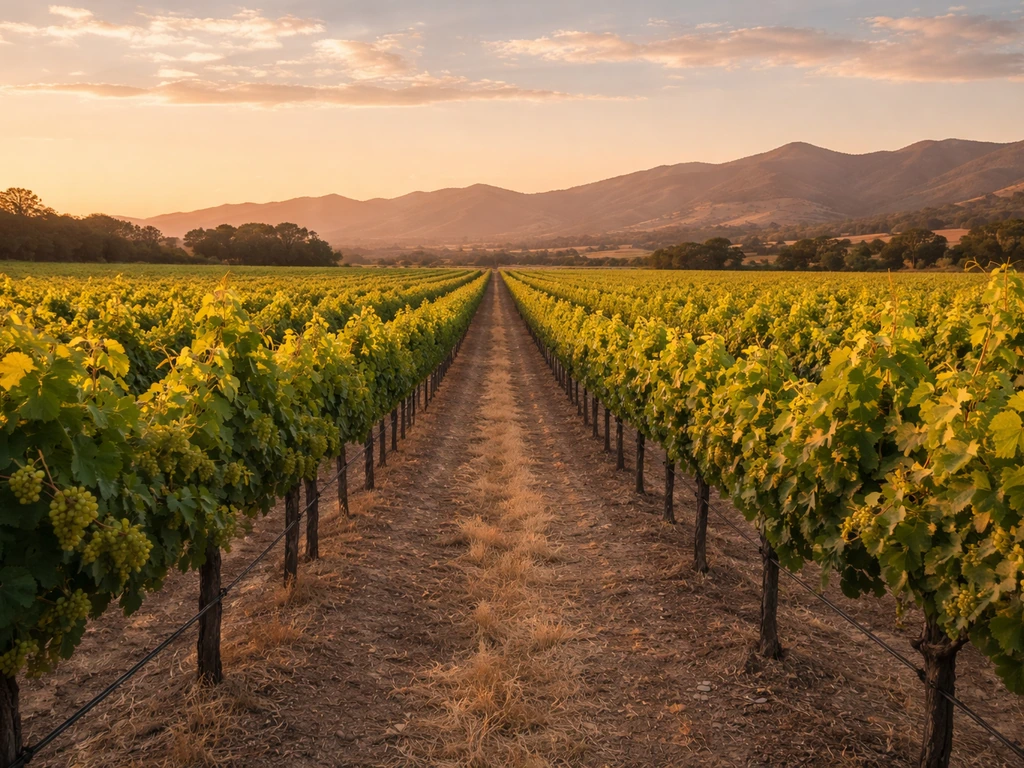
The California grape growing calendar, month by month
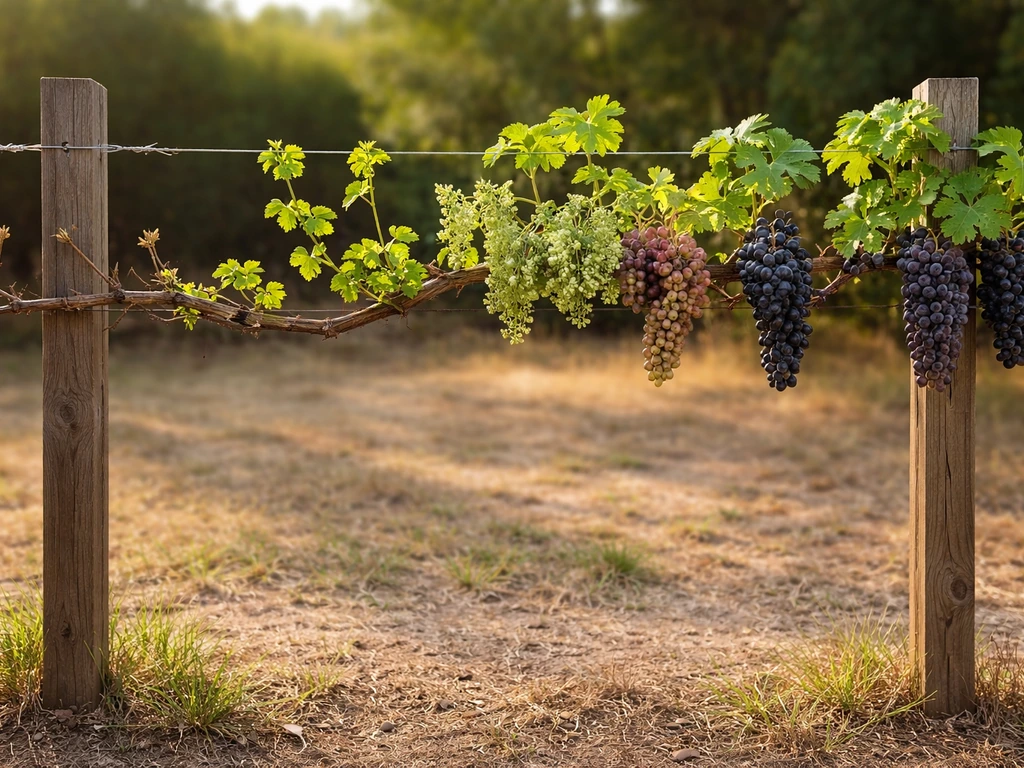
Most California home gardeners can follow a roughly consistent set of seasonal milestones, even though the exact dates shift by region. Here is what the typical season looks like from the vine's perspective, using approximate statewide timing as a baseline:
| Stage | What's Happening | Typical Statewide Timing |
|---|---|---|
| Dormancy | Vine is resting; canes are bare; best time for pruning | December through February |
| Bud swell / budbreak | Buds fatten and push out first green tissue | January (Coachella) to April (coastal/foothills) |
| First leaves unfold | Canopy starts filling in; vine is actively growing | 2 to 4 weeks after budbreak |
| Bloom / flowering | Tiny flowers open; pollination occurs | 6 to 9 weeks after budbreak (roughly April to June) |
| Fruit set | Fertilized flowers develop into small berries | Immediately after bloom; late April to June |
| Bunch closure / pre-veraison | Berries are green and hard; clusters tighten | June to July |
| Veraison onset | First berry color change (red/black varieties turn, whites go translucent) | July to August |
| Harvest | Berries reach target sugar, acid, and flavor balance | Mid-July through early October |
| Post-harvest / leaf drop | Vine winds down; prepares for dormancy | October through December |
The most important takeaway from that calendar is the gap between budbreak and bloom: it is consistently six to nine weeks regardless of region. That means once you see budbreak in your yard, you can start counting forward and anticipate flowering. From bloom to veraison is another roughly eight to ten weeks, and harvest follows veraison by four to six weeks depending on variety. These intervals are more reliable than calendar dates alone.
How timing shifts across California's regions
California is not one climate. The difference between growing grapes in Fresno versus Half Moon Bay is enormous, and the timing of every growth stage reflects that. Here is how the major regions compare:
Coachella Valley and Southern California deserts
This is the earliest-waking region in the state. Budbreak can happen in January or February, driven by the warm winters and intense spring heat. That early start sounds like an advantage, but it also means frost risk is essentially the trade-off concern in January, and summer heat can push harvests uncomfortably early, sometimes into July. Table grape varieties like Flame Seedless thrive here. If you are growing in this region, you are working on a compressed but intense season.
San Joaquin Valley (Central Valley)
Budbreak in the San Joaquin Valley typically happens in March. This is California's most productive commercial grape-growing corridor, and home gardeners here benefit from long, hot, dry summers with very low disease pressure. The heat accumulation (measured in growing degree days) is high, which means both table grapes and wine grapes ripen reliably. Harvest for most varieties lands between August and October. The main challenge here is summer heat stress and managing irrigation, not getting enough warmth.
Bay Area and coastal valleys
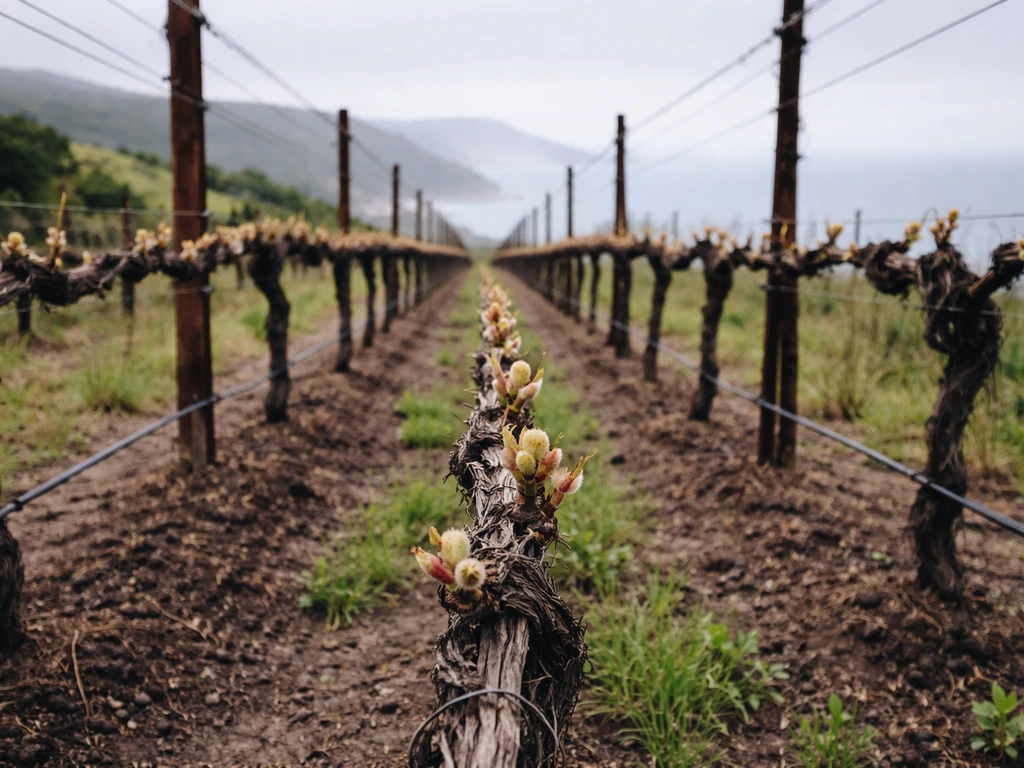
Coastal influence means cooler springs and summers, which delays every stage. Budbreak typically runs late March to mid-April, and the growing season extends longer into fall because heat accumulation is slower. Harvest can run into October. Cooler coastal conditions are actually ideal for wine grape varieties like Pinot Noir and Chardonnay, but home gardeners trying to ripen thick-skinned table grapes may find the season too short. Marine fog also increases disease pressure, especially powdery mildew and Botrytis bunch rot, so disease management becomes more important here than in the Central Valley.
Napa, Sonoma, and inland North Coast valleys
These valleys get warmer than the immediate coast but still benefit from cool overnight temperatures and marine air influence. Budbreak is typically late March. The combination of warm days and cool nights during the ripening window (August through October) produces excellent flavor development. If you are growing wine grapes as a home gardener in this region, you are in arguably the best conditions California offers for quality. Table grapes are also viable but not the priority here.
Sierra Foothills (El Dorado, Amador, Calaveras counties)
Elevation changes everything in the foothills. At 1,500 to 3,000 feet, you get warmer days than the coast but cooler nights than the valley floor, and budbreak is generally in April. The season is slightly compressed at the top end of elevation, and frost risk in spring is real. However, the diurnal temperature swings (warm days, cool nights) during ripening create excellent flavor complexity. Zinfandel thrives at these elevations and has a long history here. Home gardeners in the foothills should plan for an April start and harvest running September through October.
What to watch on the vine instead of just the calendar
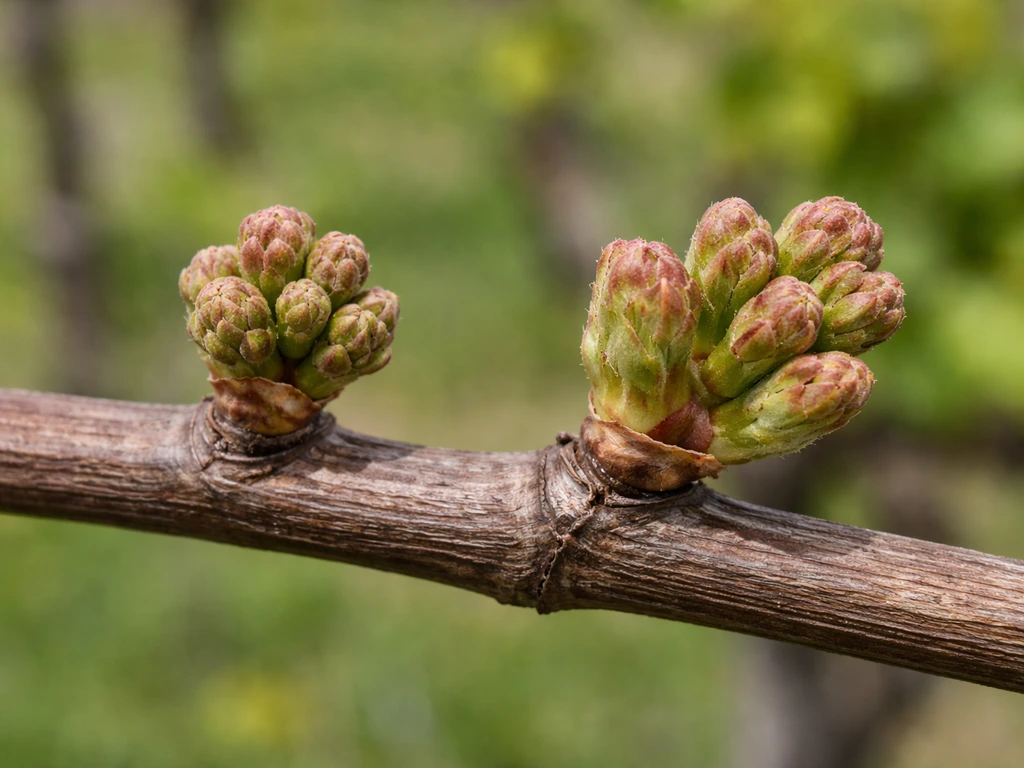
Calendar dates are a starting point, but your vine will tell you more accurately what stage it is in than any almanac. A phenology tracking guide recommends recording in-season growth stages such as budbreak, bloom, fruit set, bunch closure, and the start and progression of veraison phenology tracking by recording key in-season stages. Learning to read a few visual cues turns you from a passive observer into someone who actually knows what is happening in their backyard.
- Bud swell: The bud scales loosen and the bud visibly fattens before any green shows. This is your earliest signal that the vine is waking up.
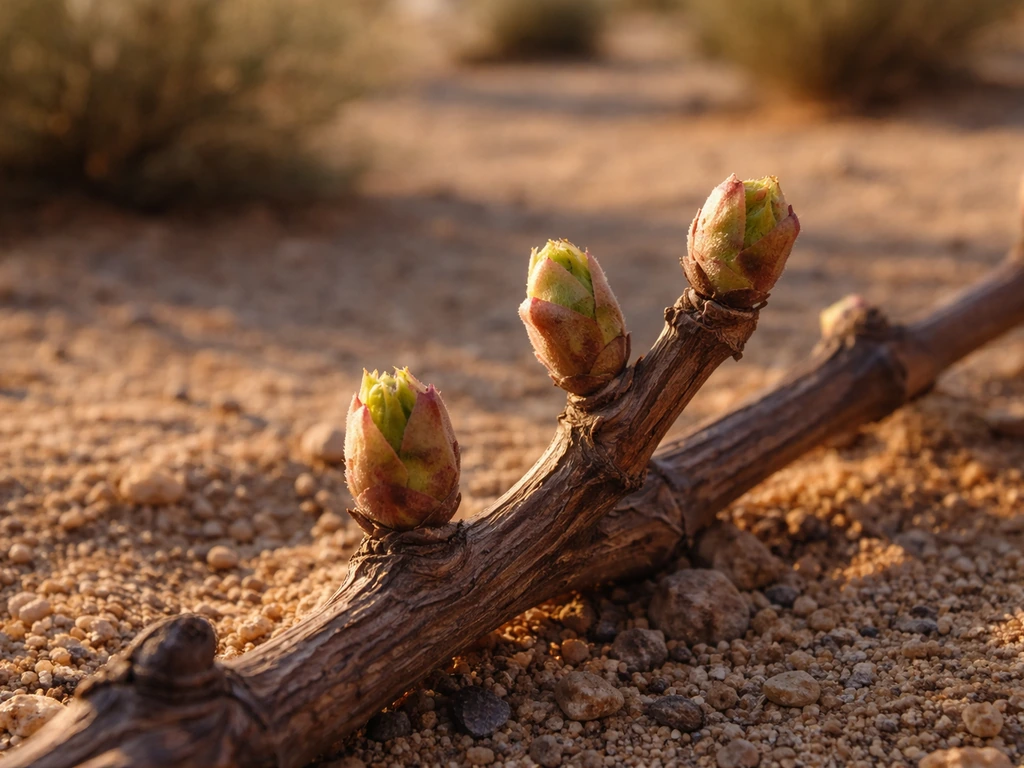
- Budbreak (woolly stage): A small tuft of grayish-green or reddish wool-like tissue pushes out. This is the official start of the growing season and your zero-point for counting forward.
- First leaf unfolding: The first recognizable grape leaf shape appears. Vine is now photosynthesizing actively.
- Bloom: Look for tiny, cap-like flower hoods falling off. When roughly half the caps have fallen on a cluster, that is 'first bloom.' Full bloom is when nearly all are gone.
- Fruit set: Tiny green pearls replace the flowers. Many will drop naturally; what stays will become your berries.
- Bunch closure: Berries grow large enough that the cluster tightens and air circulation decreases. This is a key disease management window.
- Veraison onset: The first berry in a cluster changes color (red/black varieties) or turns translucent and softens (white/green varieties). Once you see one berry change, harvest is roughly four to six weeks away.
- 50% veraison: Half the berries have changed color. Sugar accumulation is accelerating. Start tasting berries every few days from this point.
Tracking these stages in a simple notebook or phone photo log gives you a personal phenology record. After two or three seasons you will know exactly when your vine typically hits each milestone, which is far more useful than generic statewide averages.
Where grapes grow best in California
The good news for California home gardeners is that grapes grow in most parts of the state. Sea grapes are a salt-tolerant plant rather than a cultivated grape, and you will typically find them growing in coastal, brackish habitats where do sea grapes grow. The climate is fundamentally well-suited: warm, dry summers reduce disease pressure, Mediterranean-pattern rainfall keeps fungal problems mostly manageable, and winter cold (even mild cold) provides the dormancy period grapes need. That said, some regions are more naturally suited than others.
| Region | Climate Type | Best for | Main Challenges |
|---|---|---|---|
| Coachella Valley / Southern deserts | Hot desert (BSk/BWh) | Table grapes, early-ripening varieties | Extreme summer heat, frost timing in January |
| San Joaquin / Central Valley | Hot Mediterranean (Csa) | Table grapes, heat-loving wine varieties (Zinfandel, Barbera) | Irrigation management, summer heat stress |
| Bay Area / coastal valleys | Cool Mediterranean (Csb) | Cool-climate wine grapes (Pinot Noir, Chardonnay) | Season length for table grapes, fog disease pressure |
| Napa / Sonoma / inland North Coast | Moderate Mediterranean (Csb/Csa) | Premium wine grapes, many table varieties | Land cost, occasional late frost |
| Sierra Foothills (1,500–3,000 ft) | Foothill Mediterranean | Zinfandel, Syrah, Barbera, some table varieties | Spring frost, compressed season at higher elevations |
| Southern California inland (Riverside, Temecula) | Warm Mediterranean | Table grapes, Rhône varieties, Zinfandel | Variable rainfall, warm winters limiting dormancy depth |
Practically speaking, if you are in California and not in a heavy fog zone or above about 4,000 feet elevation, you can grow grapes. The question shifts from 'can I grow them' to 'which variety fits my season length and heat accumulation.'
How long before you actually get grapes
This is the question most beginner growers wish someone had answered honestly before they planted. A grapevine planted from a bare-root cutting or a one-gallon nursery container will not produce a meaningful harvest in its first or even second year. Here is the realistic timeline:
- Year 1: Focus entirely on root establishment and training the main trunk. Remove any flower clusters that form so the vine puts energy into roots, not fruit. You are building a structure, not harvesting.
- Year 2: The vine starts to look like a vine. You may allow one or two clusters to develop just to confirm the variety, but a real harvest is not the goal. Keep training the framework.
- Year 3: First genuine but light harvest. Expect a small number of clusters, maybe enough to taste and enjoy. Quality can actually be quite good on a young vine managed properly.
- Year 4 to 5: A proper backyard harvest. A well-established vine in good California conditions can yield 15 to 20 pounds of fruit or more per vine at this stage.
- Year 7 and beyond: Vines hit their stride. Production stabilizes and flavor complexity often improves as root systems deepen.
The patience required is the hardest part for new growers. But the flip side is that a well-planted grapevine in California can produce for 30, 40, or even 50 years. The investment of those first few establishment years is absolutely worth it.
Choosing a variety that actually fits your growing window
Variety selection is where most home gardeners either set themselves up for success or quietly doom themselves to frustration. The core principle is simple: match the variety's heat requirement and season length to what your location actually delivers. Every grape variety has a rough heat unit (growing degree day) requirement to reach harvest. Cool coastal areas accumulate fewer heat units than the Central Valley, so you need a variety that ripens earlier and at lower heat accumulation.
For hot Central Valley and Coachella Valley gardens
You have the most flexibility. Heat-loving table grapes like Flame Seedless, Thompson Seedless, and Red Globe are the classics here and ripen reliably. For wine grape hobbyists, Zinfandel, Barbera, and Grenache love this heat. Avoid cool-climate varieties like Pinot Noir because they will ripen too fast and lose the aromatics that make them worthwhile.
For Bay Area and cooler coastal gardens
Stick to early-ripening or cool-climate-adapted varieties. Pinot Noir, Chardonnay, and Gewürztraminer are genuinely suited to these conditions. For table grapes, look for early-ripening varieties like Himrod (a seedless green table grape) or Canadice rather than late-season heavyweights that need more heat. Check your local USDA hardiness zone (most coastal Bay Area falls in 9b to 10a) and confirm the variety's heat unit requirement is within reach of your location's typical summer.
For foothill and inland valley gardens
You sit in a sweet spot. Zinfandel is practically the official grape of the Sierra Foothills and grows beautifully in home gardens at these elevations. Syrah and Tempranillo also perform well. If you want table grapes, mid-season varieties like Fantasy Seedless or Autumn Royal typically have enough heat to ripen before fall cold sets in.
Next steps to plan your season starting today
Since today is June 9, 2026, most California vines are already well into the growing season. Depending on your region, you are likely somewhere between bunch closure and the early stages of veraison right now. Here is what to actually do today and over the coming weeks:
- Walk your vine today and identify what stage it is at using the visual cues listed above. If berries are green and clusters are tightening, you are pre-veraison. If any berries are starting to color, veraison is beginning.
- If you are in the Central Valley or Coachella Valley, start checking sugar levels with an inexpensive refractometer in the next four to six weeks. Target sugar levels (Brix) vary by variety but most table grapes are ready between 16 and 22 Brix.
- Check for powdery mildew and Botrytis bunch rot now if you are in a coastal or foggy area. Bunch closure to veraison is the highest-risk window for both diseases.
- If you do not have vines yet and are planning to plant, use this growing season to observe your yard: track afternoon shade, note your earliest and latest frost dates, and estimate how hot your summers actually get. That data will guide your variety choice far better than guessing.
- For fall planting or bare-root purchase (typically available January through March from nurseries), make your variety decision now before stock sells out. Local UC Cooperative Extension offices publish region-specific variety recommendations and are free to contact.
- Start a simple seasonal log: note today's growth stage, the date, and a photo. Two or three years of that record will make you a much more confident grower than any single article can.
California is genuinely one of the best places in the world to grow grapes as a home gardener. The climate does most of the heavy lifting. Your job is to pick the right variety for your specific corner of the state, give the vine time to establish, and pay attention to what the vine is showing you rather than just watching a calendar. Once you understand how the timing plays out in your yard, growing grapes stops feeling complicated and starts feeling like a rhythm you know by heart.
FAQ
When do grapes grow in California if I want fruit in the first year or two?
Expect little to no meaningful harvest in year one, and only a small trial crop in year two, even if budbreak happens on schedule. If your goal is an actual harvest soon, buy a more established vine (not a bare-root stick) and plan to remove most or all clusters the first season so the vine builds structure.
If my grapes are growing in a container, does the timing change across California?
Yes. Containers warm faster in spring and cool faster at night, so budbreak can be earlier than in-ground planting. In cool coastal areas, use wind protection and consider raising containers off cold ground to prevent delayed or uneven budbreak.
How can I tell whether my grapevine is actually at budbreak versus just early growth?
Look for true budbreak, not just swollen buds. You want visible green shoots emerging from multiple buds, and then you can count the typical stage gap toward bloom. If shoots stop after a short burst, it may be weather-driven setback rather than the start of the normal cycle.
Do grapes always get harvested from mid-July to early October in California?
That window fits many varieties, but microclimates can shift it. Very warm inland spots can push harvest earlier, while foggy coasts can extend it into October, especially for thicker-skinned table grapes. Your variety’s ripening heat requirement matters more than the general statewide range.
What should I watch for in spring if I’m in a frost-prone area like parts of the Central Valley or foothills?
Even when budbreak is expected in March or April, a late frost can damage young shoots. Protect tender growth with frost cloth during cold nights, and avoid heavy pruning late in winter, which can spur extra vulnerable new growth right before freezing weather.
Does the budbreak-to-bloom timing rule work for every region and variety?
The stage gaps are usually consistent, but variety and local weather can widen the range slightly. If you have multiple cultivars, you may see bloom differences even when budbreak seems similar, so count from your specific vine’s visual milestones instead of using only region averages.
Can I grow grapes in high elevations, or will the season never be long enough?
High elevation can work, but you need a variety that ripens with fewer heat units, and you may still face spring frost. If you are above about 4,000 feet, confirm the variety’s heat requirement against your local summer conditions and be realistic about later harvest timing and fall rain risk.
Why does my vine look healthy but berries are small or flavor is bland when harvest arrives?
Common causes are insufficient heat accumulation for that variety, irrigation mismanagement during ripening, or crop load that is too high. If you consistently miss flavor targets, switch to an earlier-ripening or more heat-adapted cultivar rather than changing the schedule alone.
How do disease conditions change the practical growing timeline near the coast?
Coastal fog often increases pressure from powdery mildew and Botrytis, so you may need to start preventive sprays or canopy management earlier than you would inland. Even if harvest timing is similar on paper, disease control can become the limiting factor that forces earlier picking.
What is the best way to decide which variety to plant, given my location’s timing?
Match the variety’s heat requirement to your site, then back-calculate your expected ripening period from the first budbreak you see. Use your own photo log to refine it over 2 to 3 seasons, since backyard microclimates can shift stage dates enough that a statewide recommendation may not land on the right cultivar.