
Yes, you can absolutely grow grapes in Minnesota. If you're wondering can you grow grapes in Michigan, the same basics apply: pick cold-hardy varieties, choose a sunny, well-drained site, and be prepared for winter protection. The key is choosing cold-hardy varieties developed specifically for northern climates, picking the right site, and giving your vines a little extra care heading into winter. With those pieces in place, home gardeners across almost every part of the state can grow healthy vines and harvest real fruit.
Can You Grow Grapes in Minnesota How to Succeed

Marcus Whitfield
24 Apr 2026
What Minnesota's climate actually means for your grapes
Minnesota is genuinely challenging grape-growing territory, but it's not impossible territory. The two biggest factors working against you are brutal winters and a compressed growing season. Most of Minnesota sits in USDA Hardiness Zones 3b to 5a, with northern areas dipping to Zone 3. That means January temperatures can drop to -20°F, -30°F, or colder in some locations. European wine grapes (Vitis vinifera) simply can't handle that without elaborate protection like burying the vines every fall. Don't even bother with them unless you're ready for that level of commitment.
The growing season runs roughly 120 to 150 frost-free days depending on where you are in the state. Southern Minnesota gets a little more runway than the north, but you're still working with a tight window. That's why matching your variety to your actual season length is just as important as cold hardiness. A variety that needs 160 days to ripen won't make it to harvest before frost shuts things down, no matter how tough it is in winter.
On the bright side, Minnesota summers deliver plenty of sunshine and warm days that grapes genuinely love. Soil conditions vary widely across the state, but grapes are famously adaptable as long as drainage is good. They'll struggle in heavy, wet clay that stays waterlogged, but they thrive in well-drained loam or sandy loam. If your soil drains well and your site gets full sun, you're already most of the way there.
Sun and drainage: your two non-negotiables
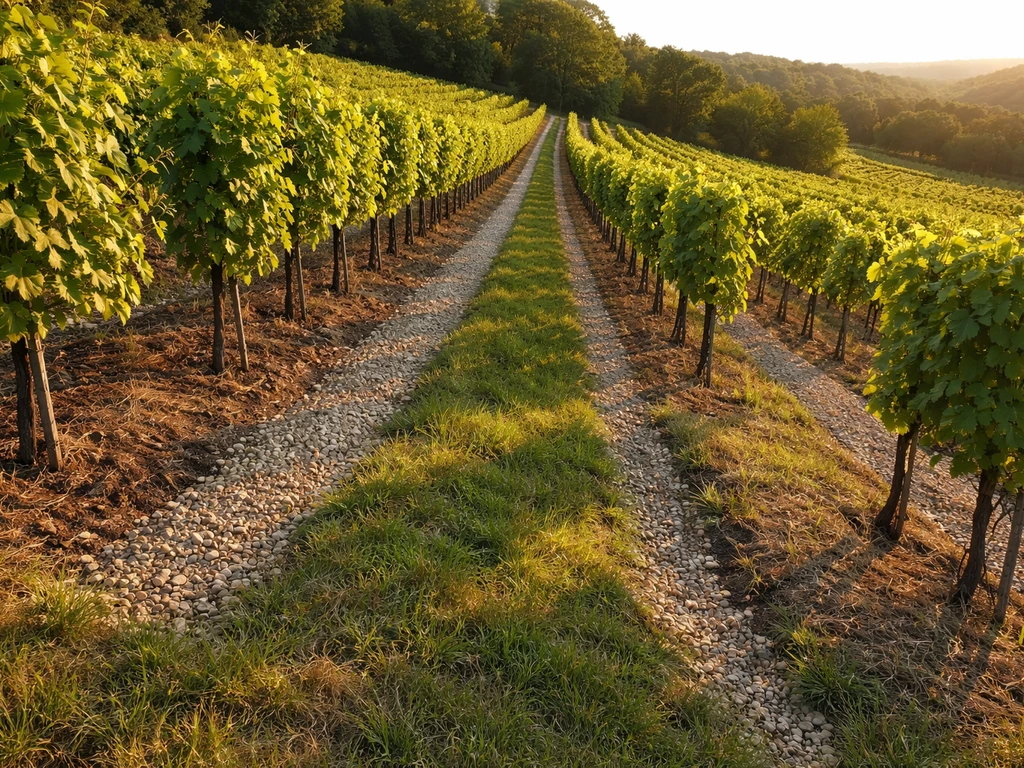
Grapes need at least 6 to 8 hours of direct sun per day to ripen fruit reliably. In Minnesota's short season, you really want a south- or southwest-facing slope if you can get it. That extra heat accumulation from the angle can make a real difference in getting fruit to full ripeness before the first hard frost. Poor drainage is the other deal-breaker. Sitting water around the root zone invites disease, weakens the vine, and increases winter injury risk. If your site is flat and somewhat heavy, raised bed planting or even a small raised mound can improve things noticeably.
Best grape varieties for Minnesota home gardens
The University of Minnesota's grape breeding program has done a lot of the hard work for you here. They've spent decades developing varieties specifically built for Zone 4 and colder conditions. Stick to these cold-climate releases and you'll be starting from a much stronger position than someone who picks up a random variety at a big-box nursery.
| Variety | Cold Hardiness | Best Use | Notes |
|---|---|---|---|
| Frontenac | To about -35°F | Wine (red), juice | Extremely cold-hardy; great for northern MN; proven performance in harsh winters |
| Marquette | To about -20 to -30°F | Wine (red) | Complex flavor; susceptible to bud death in extreme cold; excellent for southern/central MN |
| La Crescent | Zone 4 | Wine (white) | Early bud break; moderately disease resistant; watch for late-season downy mildew on leaves |
| Bluebell | Zone 4 | Table, juice, jelly, wine | Released by UMN in 1944; Concord-like flavor; matures earlier than Concord; great fresh eating |
Frontenac is the go-to choice if you're in northern Minnesota or anywhere that regularly sees temperatures below -25°F. It's survived documented cold events down to -35°F with minimal damage, which is remarkable. Marquette is a step up in wine quality but a step down in extreme cold tolerance, so it's better suited to the Twin Cities metro and south. Bluebell is the standout table grape option: it matures earlier than Concord, tastes great fresh off the vine, and handles cold well. If you want grapes you can eat out of hand rather than ferment, start with Bluebell.
One thing to keep in mind with La Crescent: it has a relatively condensed bud break period and is prone to downy mildew on the leaves later in the season, especially after harvest. It's a good variety, but it rewards attentive growers who stay on top of fungal disease management.
Choosing your site and getting vines in the ground
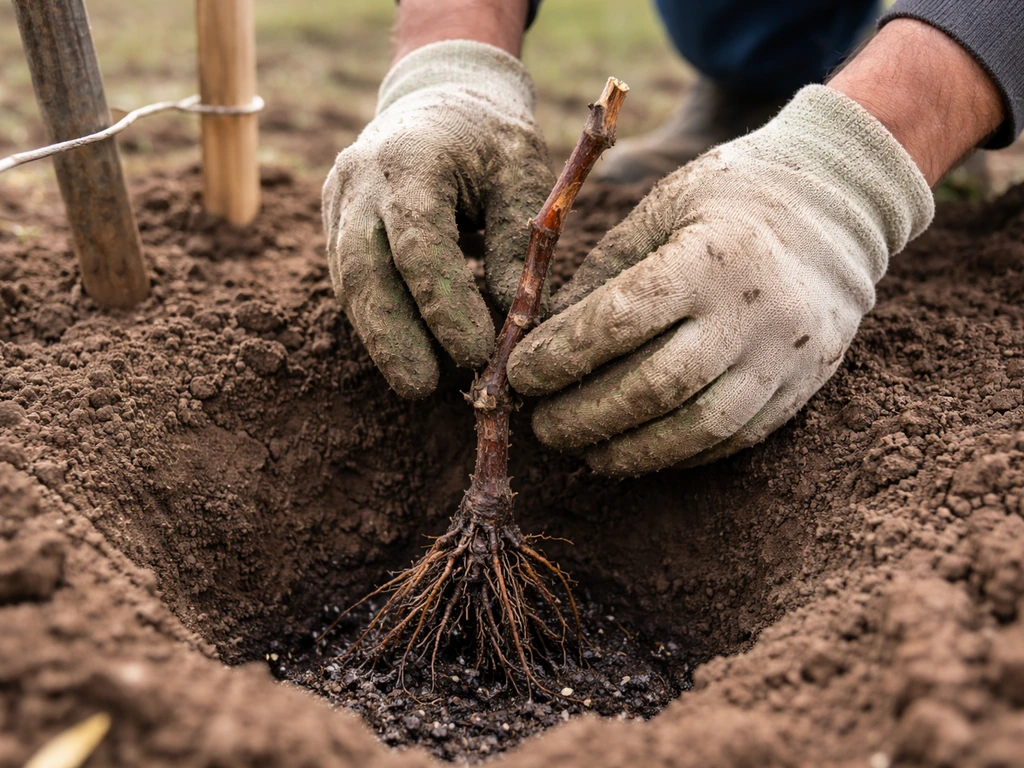
Spring planting is the right call in Minnesota. You want to give the vine as much of the growing season as possible to establish its root system before it faces its first winter. Planting in May after the last frost date gives you that window. Don't rush it in late April and risk a late frost hitting young growth.
When you plant, position the vine so the lowest bud on the cane sits just above the soil surface. Don't bury it too deep. Space vines 6 to 8 feet apart on a trellis line to give each plant room to develop and allow good airflow, which matters a lot for disease prevention in Minnesota's sometimes humid summers.
Your trellis needs to be in place before or at planting time, not as an afterthought. A basic two-wire trellis with posts every 8 to 10 feet and wires at roughly 3 feet and 5.5 to 6 feet is a solid starting point for most home gardeners. Get the infrastructure right early because you'll be working with it for decades.
Soil prep and early watering
Test your soil before planting if you haven't already. Grapes prefer a slightly acidic to neutral pH (around 5.5 to 7.0). Amend for drainage first, fertility second. In the first two years, young vines need about half an inch to one inch of water per week depending on rainfall. If it's been dry, water consistently. Established vines are much more drought-tolerant, but in those first two growing seasons you're trying to build a root system, so don't let them dry out completely.
A season-by-season care plan for Minnesota growers
Early spring (March to April)
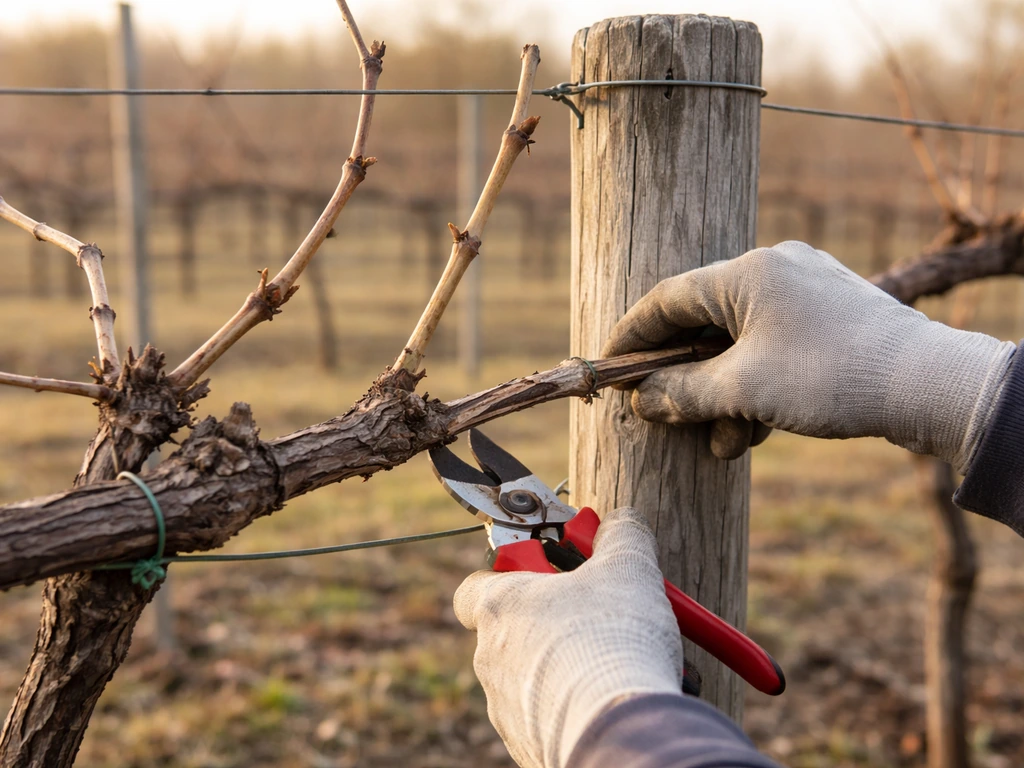
Prune existing vines in March before growth starts. This is your most important task of the year. You're removing the majority of last year's wood and selecting the canes or spurs that will carry this year's fruit. Don't wait until you see green buds pushing, or you'll be cutting off wood that's already investing energy in growth. If you've been protecting vines over winter, remove any mulch or wrapping as temperatures stabilize and the risk of hard frost drops.
Late spring (April through June)
After bud break, start rubbing off any shoots growing from the lower trunk that you don't want. This directs the vine's energy into the framework you're building and keeps the base clean. Shoot thinning is easy to let slide at this stage, but don't skip it. Overcrowded shoots mean poor airflow, more disease pressure, and fruit that struggles to ripen. Phomopsis is especially active in Minnesota from bud break through pre-bloom, so if you're going to spray for fungal disease, this is the window that matters most. Tuck new shoots into your catch wires as they grow to keep the canopy organized.
Summer (July and August)
Focus on canopy management and disease monitoring. Remove leaves in the fruit zone to improve sun exposure and airflow around the clusters. This is especially important in Minnesota's humid stretches because bunch rots including Botrytis, black rot, phomopsis, anthracnose, and sour rot can all hit hard when conditions are wet and the canopy is dense. Keep shoot density at roughly 4 to 6 shoots per foot of trellis wire as a rule of thumb. More than that and you're creating the kind of shaded, damp microclimate that disease loves.
Fall (September to October)
This is harvest time for most Minnesota varieties, though timing varies by cultivar. Taste your grapes rather than going purely by calendar date. Once harvest is done, shift your attention to preparing vines for winter. Water vines thoroughly going into freeze-up if fall has been dry. Hydrated vines go into dormancy in better shape than stressed ones. Don't fertilize late in the season because you don't want to push new soft growth that won't harden off before cold arrives.
Training systems and pruning approaches for home growers
Most Minnesota home growers do well with either a vertical shoot positioning (VSP) system or a high wire cordon approach. UMN Extension notes that most Minnesota wine grapes are trained on two-dimensional trellises as bilateral cordon vines using either a High Cordon or Vertical Shoot Positioning (VSP), and it also describes double-canopy options like Geneva Double Curtain blank" rel="noopener noreferrer">Training systems for cold. VSP works especially well with upright-growing varieties and keeps the canopy tidy and well-exposed to sun. You establish a permanent cordon (horizontal arm) along the lower wire, then train upright shoots vertically through catch wires above. For downward-growing varieties like Bluebell, blank" rel="noopener noreferrer">a Geneva double curtain or high wire cordon where shoots drape downward is a better fit.
Pruning is where a lot of beginners freeze up, but the core idea isn't complicated. Each year you're removing most of the vine's growth from the previous season and keeping only the wood you want for the coming year. For cane-pruned systems, you select one or two healthy canes per side of the trunk, each carrying 8 to 12 buds, and remove everything else. For spur-pruned systems, you cut each spur back to 2 buds. The goal in both cases is controlling the vine's vigor, keeping fruit in the right zone, and maintaining good airflow.
One note specific to Minnesota: avoid keeping large, thick bull canes for fruit production. They're more susceptible to winter injury than moderately sized wood, and La Crescent growers especially should pay attention to this. Moderately sized, well-ripened canes tend to overwinter better in cold climates.
Winter protection and solving the most common Minnesota problems
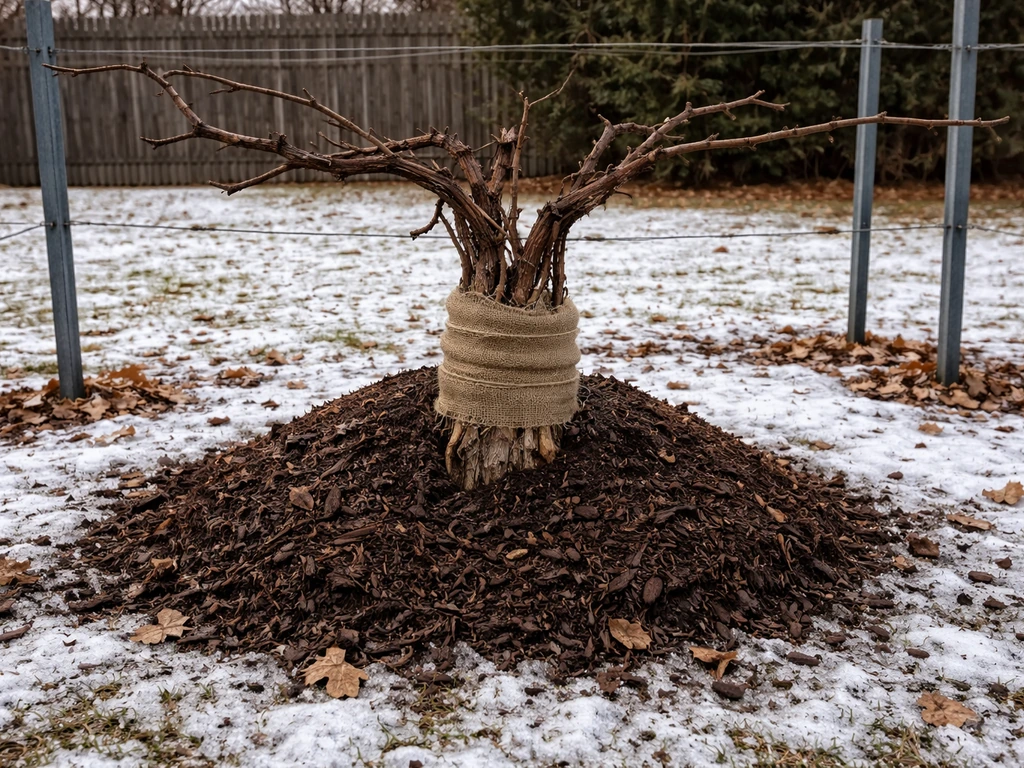
Do you need to protect your vines in winter?
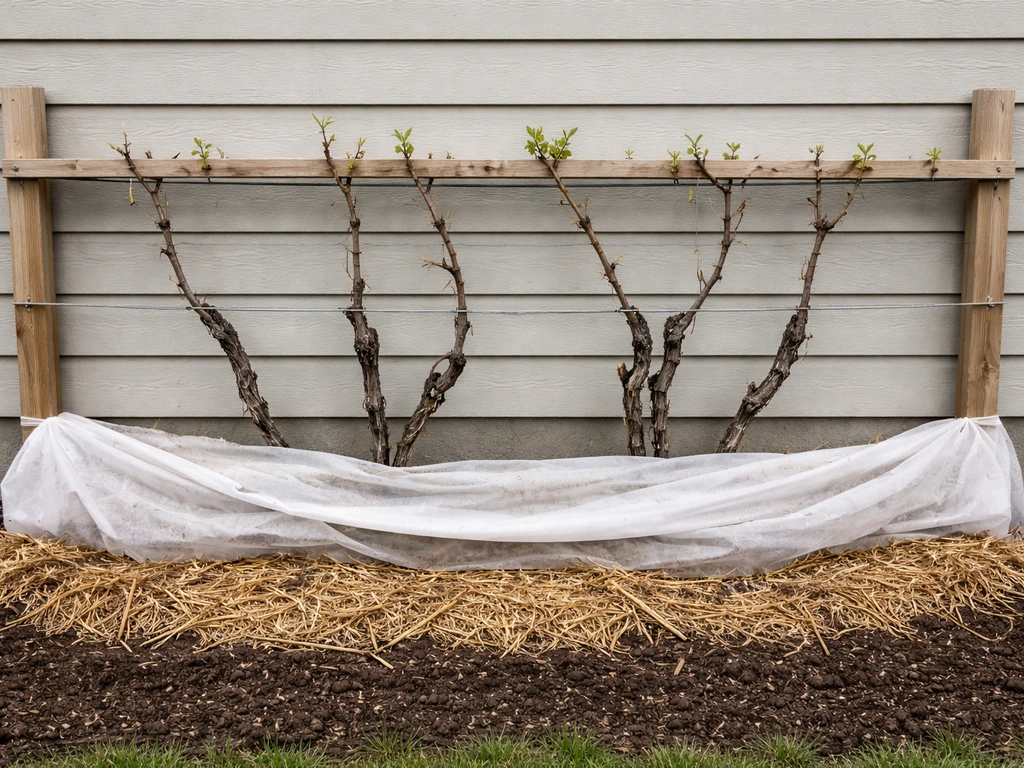
It depends on where you are in the state and what you're growing. If you've chosen a truly cold-hardy variety like Frontenac and you're in central or southern Minnesota, you may get away with minimal protection most years. In northern Minnesota or in years with extreme cold snaps, even hardy varieties can suffer bud death or cordon dieback. For less-hardy seedless table varieties, some winter protection is generally recommended except in far southern Minnesota. For Vitis vinifera types, burial of the vine canes is the only reliable protection in a Minnesota winter.
For home gardeners growing cold-hardy UMN varieties, a practical approach is to mound mulch around the base of the vine after the ground starts to freeze and monitor annually. Watering well before freeze-up gives the vine the best possible start to dormancy. If you're in a particularly exposed site or a colder zone, you can go further with wrapping the lower trunk or laying canes down and covering them.
Troubleshooting common Minnesota grape problems
- Winter bud death or cordon dieback: Usually caused by temperatures dropping below the variety's hardiness threshold or by rapid temperature swings. Scratch canes in early spring to check for green live tissue. Prune back to live wood and allow the vine to regrow from lower healthy buds or the trunk.
- Bunch rots (Botrytis, black rot, sour rot): Almost always made worse by a dense canopy and wet weather. Prevention is your best tool: aggressive shoot thinning, fruit zone leaf removal, and good airflow will reduce pressure significantly more than sprays alone.
- Phomopsis (cane and leaf spot): Most active from bud break through pre-bloom. Prioritize early-season fungicide applications during this window if you've had problems in past seasons.
- Downy mildew on leaves (especially La Crescent): Shows up as yellow spots on upper leaf surfaces with white fluffy growth underneath. Monitor after harvest when La Crescent is particularly susceptible. Improve airflow and consider a late-season application if pressure is high.
- Fruit not ripening before frost: Usually a variety mismatch problem. Switch to an earlier-maturing cultivar. You can also speed up ripening by removing leaves in the fruit zone in August to maximize sun exposure on clusters.
- Bird and animal damage: Netting is the only truly reliable protection for ripening fruit clusters. Install it once fruit starts to color up. For winter, bury the bottom edge of any protective fencing a few inches into the soil to reduce small animal access.
Growing grapes in Minnesota is more involved than growing them in a warmer state like Ohio or Illinois, where a wider range of varieties are viable and winters are less severe. Yes, and if you are wondering about Illinois specifically, the biggest things to plan for are cold hardiness and choosing varieties that match your growing season. But Minnesota's dedicated cold-climate breeding program means you have excellent variety options that were literally engineered for your conditions.
Pick the right cultivar for your location, get your site and trellis sorted out before planting, and follow the spring pruning and shoot management calendar closely. Growers in neighboring Wisconsin and Michigan face similar challenges and succeed regularly with the same UMN varieties, which should give you confidence that this is genuinely doable. Your first harvest, a cluster of Frontenac or a bowl of fresh Bluebell grapes from your own backyard, makes the effort feel completely worth it.
If you're growing grapes in Wisconsin, the same emphasis on cold-hardy varieties, sun, drainage, and winter planning can help you succeed.
FAQ
Can you grow grapes in Minnesota if you only have a small backyard or tight space?
Yes, but plan for training and airflow. Choose a cold-hardy variety and run a compact trellis line, then keep shoot density controlled (roughly 4 to 6 shoots per foot of wire). If you cannot give full sun, expect lower ripeness, so prioritize a south or southwest exposure and don’t crowd vines closer than 6 feet.
What’s the best way to protect grapevines in Minnesota during extreme cold snaps?
Even hardy cultivars can lose buds or die back in exposed sites. For the most insurance, mound mulch around the base after ground begins to freeze, water well before freeze-up, and for the coldest locations wrap the lower trunk and consider laying canes down with additional covering if wind exposure is high.
Should I grow grapes from seed or buy established vines in Minnesota?
For Minnesota, start with named cold-hardy cultivars rather than seed. Seedling grapes rarely match the cold tolerance and ripening traits of the parent plant, so you may end up with fruit that never ripens before frost or vines that die back repeatedly.
Do I need a trellis right away, or can I wait until the vine grows?
Build it before or at planting time. Grapevines set up their structure early, and training later often leads to bent trunks, tangled canes, or poor placement of fruiting wood. A stable two-wire system with good spacing also helps you manage disease by keeping the canopy organized.
How do I know if my variety is ripening early enough for Minnesota?
Don’t rely only on dates. Use tasting and look at cluster sugar development, then prioritize harvesting when fruit tastes right, not when berries are just “soft.” If you consistently see sour flavor at first frost, switch to earlier-maturing varieties for your specific zone and sun exposure.
What soil adjustments matter most if my yard has heavy clay?
Drainage first. If water sits after rain, grapes will struggle and winter injury risk increases. Raised beds or mounded planting can help, but also consider grading for runoff and avoiding planting in low spots where cold air collects.
Can you grow grapes in Minnesota without pruning every year?
Not reliably. Pruning is what sets next year’s fruiting wood and keeps the vine from becoming crowded and shaded. If you skip it, you’ll likely get more disease pressure and clusters that fail to ripen before the season ends.
Is it better to prune early or wait until I see buds in spring?
Prune in March before active growth starts. Waiting until you see green buds can remove wood you wanted to keep, and delayed pruning also shortens the window for training and shoot selection before the canopy gets dense.
How important is watering in Minnesota, especially after planting?
It matters most in the first two growing seasons. Provide about half an inch to one inch per week if rainfall is light, and keep vines from drying completely during establishment. For winter readiness, water thoroughly going into freeze-up when fall has been dry.
What causes most grape failures for Minnesota home growers?
The top issues are poor drainage, insufficient sun, and unmanaged shoot crowding. Even with cold-hardy varieties, wet feet and dense canopies raise disease risk and can lead to winter dieback. If you address site and canopy organization first, you avoid the majority of common problems.
Do grapes in Minnesota need fertilizer?
Use soil testing and avoid late-season feeding. Fertility is helpful when pH and nutrients are off, but late fertilization pushes soft growth that may not harden before cold weather. Many beginners do better adding nutrients only when a test indicates a need.
Are grape diseases a serious problem in Minnesota, and when should I pay the most attention?
They can be. Pay the closest attention around bud break through pre-bloom, because several fungal issues are most active then. Later, humidity and dense foliage increase bunch rots, so leaf removal in the fruit zone and keeping shoot density moderate are key cultural controls.
Do I need multiple grape plants for fruiting?
For most grape types, fruit comes from the same plant you train on the trellis, but variety-specific pollination can matter. If you’re planting a less common seedless table variety or you’re unsure about flower and berry set in your cultivar, choose based on cold-hardy recommendations that also indicate fruiting reliability for home gardens.