
Grapes are grown commercially in over 90 countries, but the heaviest hitters are Spain (around 930,000 hectares under vine), France (773,000 ha), China (753,000 ha), Italy (722,000 ha), Türkiye, the USA, Argentina, India, Romania, and Portugal. OIV’s 2024 Statistical Brief reports that in 2024 the world’s major vine-growing countries include Spain (~930 kha), France (~773 kha), China (~753 kha), Italy (~722 kha), and Türkiye, the USA, Argentina, India, Romania, and Portugal, totaling about 7,066 kha worldwide [OIV Statistical Brief](https://oiv. int/sites/default/files/documents/OIVStatisticalBrief-WineTableGrapesandDriedGrapesin20240.
What Countries Grow Grapes: Regions and Climate Tips
Marcus Whitfield
11 Jul 2026
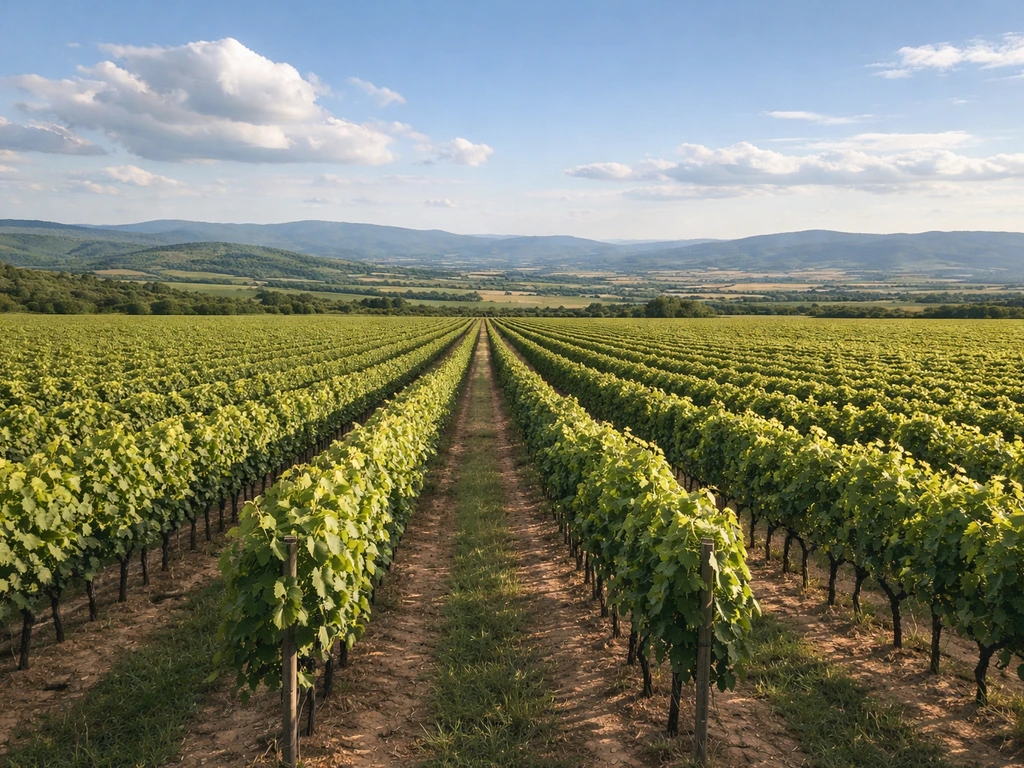
pdf). Together those ten countries account for the bulk of the world's roughly 7 million hectares of vineyards. What makes that list useful for home gardeners isn't the rankings themselves, it's what those countries have in common climatically. Every single one of them offers the combination grapes need most: a warm, long growing season, decent sunlight hours, and some version of winter dormancy or a dry season that slows the vine down and resets it for the next year.
Top grape-growing countries worldwide

According to the OIV's 2024 Statistical Brief, global vineyard area sits at about 7,066,000 hectares. Here's a quick look at the leaders and what they're primarily growing:
| Country | Approx. Vineyard Area (2024) | Primary Use |
|---|---|---|
| Spain | ~930,000 ha | Wine grapes |
| France | ~773,000 ha | Wine grapes |
| China | ~753,000 ha | Table & fresh grapes (largest fresh producer globally) |
| Italy | ~722,000 ha | Wine grapes |
| Türkiye | ~402,000 ha | Table grapes & dried (raisins) |
| USA | ~385,000 ha | Wine & table grapes |
| Argentina | ~200,000 ha | Wine grapes |
| Romania | ~187,000 ha | Wine grapes |
| India | ~185,000 ha | Table grapes |
| Portugal | ~173,000 ha | Wine grapes |
China's position here is worth noting. It doesn't get as much press as France or Italy in wine circles, but by sheer vineyard area and fresh grape volume, it rivals the European giants. World grape production hit roughly 74.94 million tonnes in 2022 according to FAOSTAT data, and China leads that count. For home gardeners, the takeaway is that grapes aren't a narrow European crop, they're genuinely global, which means the climate conditions that allow them exist on nearly every continent.
Where grapes grow around the world: a regional breakdown
Mediterranean Basin
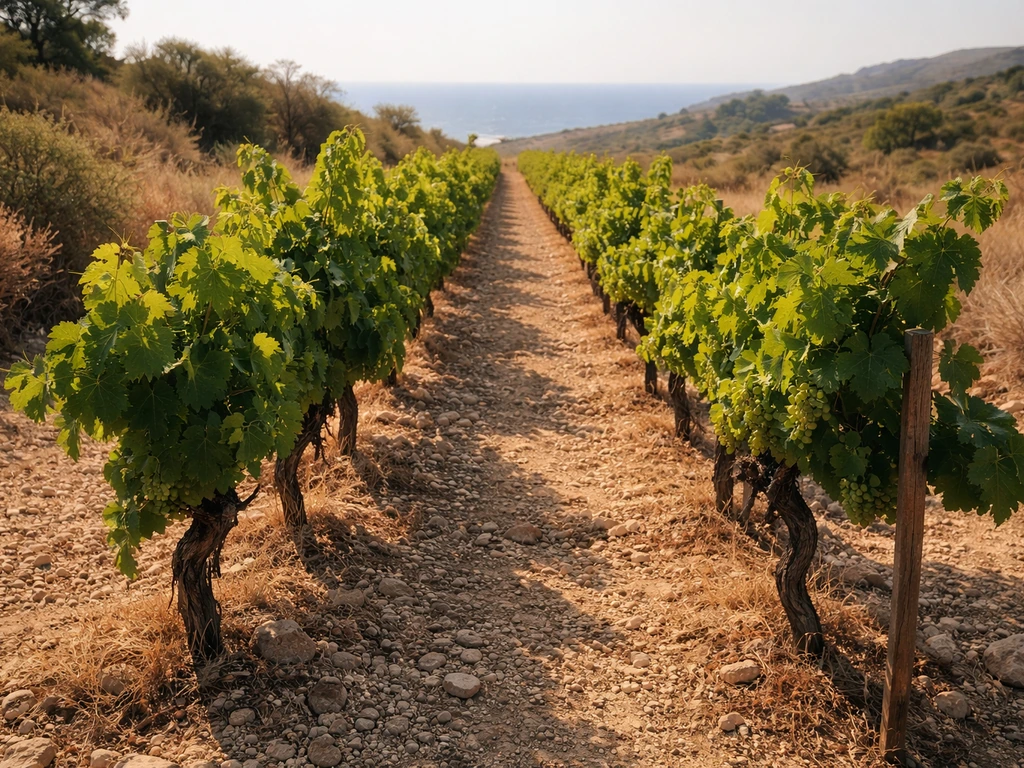
This is the original home of Vitis vinifera, the classic European wine grape species. Spain, France, Italy, Greece, Portugal, and Türkiye all sit in or near the Mediterranean climate zone: hot, dry summers, mild winters, and low humidity during the growing season. Disease pressure from fungi like powdery and downy mildew is lower here because the summers stay dry. Vines can push 200 or more days between last and first frost in the best spots. If your home garden is in a climate that mirrors this (think California's Central Coast, parts of Chile, or South Africa's Western Cape), you have access to the widest possible variety list.
Europe beyond the Mediterranean
Germany, Austria, Hungary, Romania, and Moldova grow grapes further north and in more continental climates, where winters are colder and summers shorter. Here the focus shifts to early-ripening varieties like Riesling, Pinot Noir, and various local cultivars that can finish ripening before October frosts arrive. Romania alone has nearly 187,000 hectares under vine, which often surprises people. These countries prove that grapes can work well into USDA Hardiness Zone 6 territory when you pick the right variety and site. If you're trying to answer what states grow grapes, start by looking at which states contain these reliable climate zones USDA Hardiness Zone 6 territory.
The Americas
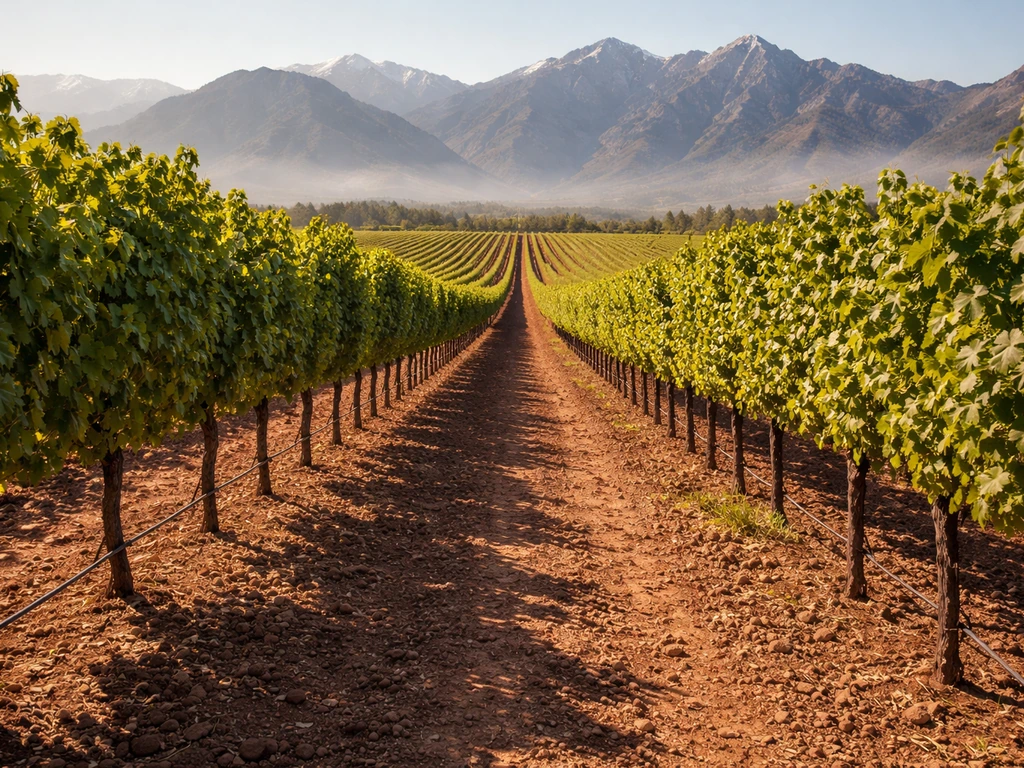
The USA and Argentina dominate in the Americas, but Chile, Brazil, and Canada also have meaningful grape industries. Argentina's Mendoza region sits at altitude (around 900 to 1,500 meters), which moderates temperatures despite its relatively southern latitude. Chile benefits from a near-perfect Mediterranean analog. In the US, California accounts for the majority of commercial production, but states across the Southeast, Midwest, and Northeast grow grapes successfully using cold-hardy American hybrids and native species.
In the US, you can find grape growing most famously in California, but many other states also have thriving vineyards grape growing in the US. Canada's Niagara Peninsula and Okanagan Valley push the northern boundary of commercial viticulture. For a deeper look at US-specific conditions, the breakdown of what states grow grapes covers the regional variation well.
Asia
China is the story in Asia. Its 753,000 hectares of vineyards are spread across very different climates, from the hot, arid Xinjiang region (which produces excellent table grapes with irrigation) to cooler regions like Ningxia and Yunnan that are increasingly producing wine grapes. Japan grows Koshu and Muscat Bailey A in its humid conditions, though the disease management demands are significant.
Koshu is one example of a grape that can do well in the right US climate conditions, so your local growing zone matters as much as the variety can you grow koshu grapes in the us. India, primarily in Maharashtra and Karnataka, grows table grape varieties in a semi-arid tropical climate with irrigation-dependent production. The sheer diversity of Asian growing conditions shows that grapes adapt more widely than most people assume.
Oceania
Australia and New Zealand are the main players. Australia's wine regions range from the warm Barossa Valley and McLaren Vale to the cooler Yarra Valley and Margaret River. New Zealand, especially Marlborough, has become famous for Sauvignon Blanc in a cooler maritime climate. Both countries deal with a southern hemisphere growing calendar (harvest happens in February through April), which matters if you're importing planting material, but the underlying climate logic, warm summers, cool to cold winters, manageable humidity, mirrors the best European regions.
What actually makes a country (or your backyard) good for grapes
Every country on the top-10 list hits a core set of climate requirements. Understanding these is exactly what lets you figure out whether your own location is workable, or what hurdles you'll face.
- Growing season length: Grapes need roughly 150 to 180 frost-free days minimum, with many vinifera varieties wanting 180 to 210+ days. Short seasons push you toward cold-hardy hybrids.
- Heat accumulation (Growing Degree Days): Most wine grapes want 2,500 to 4,000 GDDs (base 50°F) per season. Table grapes often need even more. Cooler regions struggle to ripen classic vinifera but can handle early-ripening cultivars.
- Winter cold tolerance: Vinifera vines generally survive down to about 0°F to -5°F (-18°C to -21°C) when fully dormant. Below that, cane and bud damage becomes serious. American hybrids and native species like Concord survive to -20°F or colder.
- Summer humidity and disease pressure: High summer humidity is the biggest challenge in the eastern US, the US Gulf Coast, parts of Asia, and tropical regions. Fungal diseases — black rot, downy mildew, powdery mildew — thrive in humid conditions and can devastate unprotected vinifera. Choosing disease-resistant varieties or committing to a spray program is non-negotiable in humid climates.
- Rainfall timing: Rain at harvest is a major problem. Mediterranean climates are ideal partly because summers are naturally dry. In humid regions, good canopy management and drainage matter enormously.
- Frost risk: Late spring frosts after budbreak and early fall frosts before harvest are the two danger windows. Frost pockets (low-lying areas, valleys) are particularly risky for home gardeners.
The countries at the top of the global list have figured out how to work within these parameters, either through favorable natural conditions or through irrigation, variety selection, and technique. Home gardeners can do the same at a smaller scale. These same fields where winemakers grow grapes depend heavily on matching climate and choosing varieties that suit it.
Picking grape varieties based on your region and climate zone
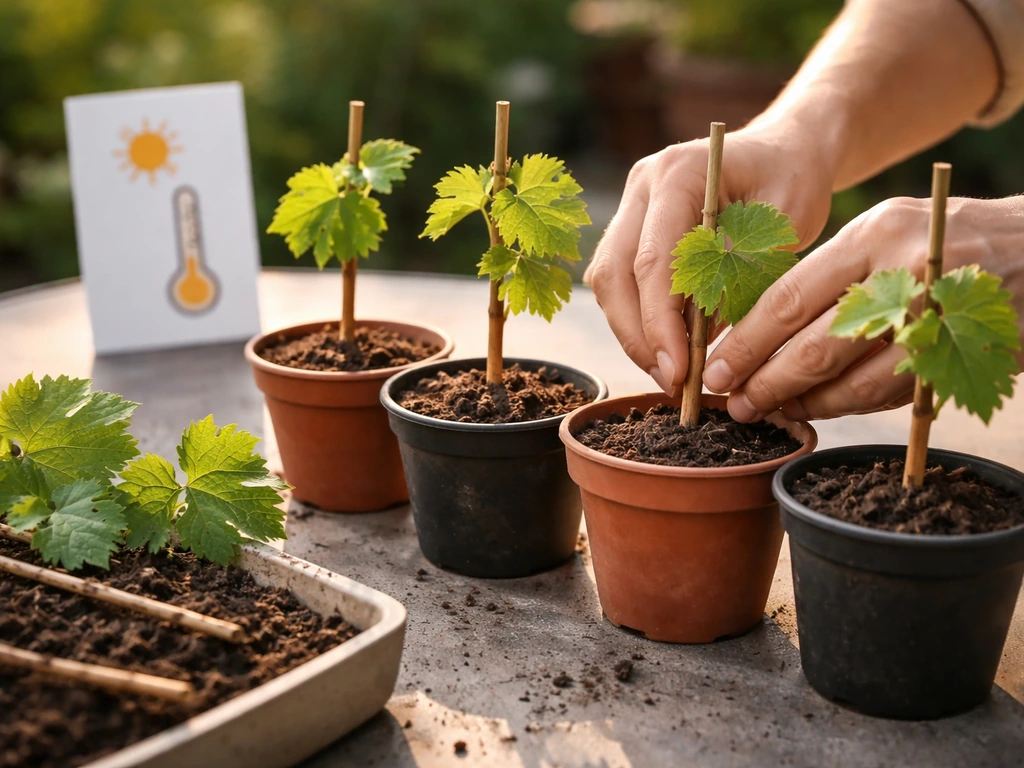
The variety question is where global knowledge becomes locally useful. Here's how to think about it by climate type rather than country:
Mediterranean-analog climates (hot, dry summers, USDA Zones 8–10)
You have the widest variety selection available. Classic vinifera, Cabernet Sauvignon, Chardonnay, Merlot, Zinfandel, Syrah, Muscat, Thompson Seedless, all perform well here. Disease pressure is low enough that you can grow them without heroic spray programs. If you're in California, the Pacific Northwest, or a similarly dry-summer region, start with whatever interests you most because your climate rarely gets in the way.
Continental climates with cold winters (USDA Zones 4–6)
This covers a huge swath of the US Midwest, Northeast, and much of northern Europe. Here you need cold-hardiness as your first filter. Marquette, Frontenac, Itasca, and La Crescent are University of Minnesota-developed hybrids that survive -30°F and ripen in shorter seasons. Concord and Niagara are classic American varieties that work reliably in Zone 5 and up. Vinifera is possible in Zone 6 with protection, but it's a stretch in Zone 5 without burial or mounding of the canes in winter.
Humid subtropical and southeastern climates (USDA Zones 7–9, high humidity)
The disease pressure here is the challenge, not the cold. Muscadine grapes (Vitis rotundifolia) are the natural fit, they're native to the southeastern US, naturally resistant to most fungal diseases, and thrive in heat and humidity that would destroy vinifera quickly. Varieties like Carlos, Noble, and Ison produce reliably in this climate. Some disease-resistant hybrids like Blanc du Bois and Black Spanish (Lenoir) also work well in Zone 8 and parts of Zone 9. Standard vinifera grapes are generally not practical here without intensive management.
High-altitude and semi-arid climates
Think Argentina's Mendoza, parts of Colorado, New Mexico, and Texas Hill Country. Altitude moderates summer heat while giving the vines good sun exposure. Irrigation is usually required since rainfall is limited. Vinifera does well here, Tempranillo, Viognier, and Grenache are particularly suited to these conditions. The main risks are severe cold snaps in winter (site selection on slopes matters) and late spring frosts at altitude.
Can grapes actually grow where you are? How to check
Before you buy a single vine, run through these quick checks. They take about 20 minutes online and save you a lot of disappointment.
- Find your USDA Hardiness Zone at the USDA Plant Hardiness Zone Map (planthardiness.ars.usda.gov). This tells you your average annual minimum winter temperature. Zone 5 and above is generally workable for at least some grape varieties.
- Look up your average last spring frost and first fall frost dates. The NOAA frost date tool or your local cooperative extension office can give you this. Calculate the days between them — that's your frost-free growing season. Under 150 days makes things very difficult; 160 to 180+ days opens up more options.
- Estimate your Growing Degree Days (GDDs). Some state extension offices publish GDD maps. Alternatively, a rough rule: if your summers regularly hit 85–90°F for months at a time, you likely have adequate heat for most varieties. If your summers are cool and short, focus on early-ripening cultivars.
- Assess your summer humidity. Do you have regular summer thunderstorms and sticky August heat? That's humid territory — point yourself toward muscadines or disease-resistant hybrids. Does your summer stay dry? Vinifera is on the table.
- Check if neighbors or local farms grow grapes. Nothing validates local viability faster than an existing vineyard nearby. Your county extension office often knows of local wine trail operations or experimental plantings.
If you're specifically interested in US conditions by state, the regional picture of where grapes grow in the US breaks down the zone-by-zone viability in more detail. The global pattern shows that where major grape-growing countries succeed, the common thread is always those same climate checkboxes, it's not magic, just matching the plant to the place.
Practical next steps: planning your first grape planting
Once you've confirmed your climate is workable, here's how to move from research to dirt:
Timing your planting
In most of North America, bare-root grapevines are planted in early spring, as soon as the soil can be worked and the worst frost risk has passed, typically March through early April in Zones 6 and 7, April through May in Zones 4 and 5. Container-grown vines can go in a bit later. Don't rush to plant before frost risk passes; a late frost after planting can kill tender new growth quickly. On the flip side, don't delay too long into the heat of summer.
Setting up your site
Grapes want full sun, at least 6 to 8 hours of direct sunlight daily, and more is better. South-facing or southwest-facing slopes are ideal because they maximize sun exposure and promote air drainage (which reduces frost risk and disease pressure). Avoid low spots where cold air settles. Soil drainage matters more than soil richness, grapes hate wet feet. If you have heavy clay, either amend heavily or plant on a raised berm. Plan your trellis system before you plant, not after. A simple two-wire trellis (one wire at about 3 feet, one at 5 feet) works well for most home gardeners using a high-cordon or VSP (vertical shoot positioning) system.
Setting realistic expectations
Grapevines are a long game. In year one, you're establishing roots and training the trunk, expect zero fruit and focus on getting a strong single cane going. Year two brings a small trellis framework and maybe a handful of clusters, which most experienced growers remove anyway to focus energy on the vine structure. Year three is when you start getting a real harvest. By year four and five, a healthy vine in a good site should be producing 8 to 15 pounds of fruit per vine depending on the variety. The countries that grow the most grapes got there by planting and waiting, your backyard operation works the same way.
The most important thing is to match your variety to your actual climate, not to the climate you wish you had. Spain's Tempranillo isn't going to thrive in a Zone 5 Minnesota winter, but Marquette will. Mediterranean countries grow vinifera beautifully because their climate suits it, your job is to find the equivalent match for your own backyard. Get that right, and grapes are genuinely one of the most rewarding things you can grow.
FAQ
Besides the top countries, what other places grow grapes successfully?
A lot of countries grow grapes at commercial scale, but success usually clusters in specific climate bands (Mediterranean, continental temperate, and irrigated arid/high altitude). If you want candidates beyond the big ten, scan for regions with warm, long seasons plus either winter dormancy or a dry period, then narrow by available disease management and cold protection options.
Do grapes grow in countries with very wet summers?
They can, but wet-summer climates raise fungal disease pressure, so you typically need more ventilation, canopy management, and often disease-resistant varieties (like hybrids) rather than relying on classic vinifera. If rainfall is consistently high during ripening, expect more frequent spraying and higher failure rates without tight timing.
What is the main factor, climate or irrigation, for countries that grow grapes in dry regions?
Climate sets the baseline, but irrigation is the difference between “grapes can exist here” and “grapes can thrive commercially.” In arid regions, vineyards are usually carefully managed for consistent vine water status to prevent overly vigorous growth, sunburn, and poor fruit set, so irrigation planning is part of answering what countries grow grapes.
Can I grow grapes if my area has hot summers but mild winters (low dormancy)?
Low dormancy can reduce vine rest and uniform budbreak, leading to weak growth or uneven timing. In warm-winter areas, choose varieties that match your chilling needs, and be prepared for training and pruning adjustments that account for less natural winter reset.
Which grapes are easiest to grow if I am in a colder country or near the edge of viticulture?
At colder margins, look first at cold-hardy hybrids and early-ripening types, then confirm you can protect vines through winter (mulching, mounding, or other cover systems). Your site also matters, because a frost-pocket backyard can turn a “zone-appropriate” variety into a repeat failure.
What countries grow grapes that are well suited for table grapes, not just wine grapes?
Many major producers grow both, but arid and warm-season regions often specialize in table grapes because they can control maturity and reduce humidity-related problems during ripening. If you aim for table grapes, prioritize variety selection for eating quality, plus reliable pollination and irrigation steadiness during berry set and sizing.
Do countries that grow grapes mostly use Vitis vinifera, or are other species common?
Vinifera dominates globally in Mediterranean and many continental wine regions, but other species and hybrids are common where winters are colder or humidity is higher. If your goal is easier backyard success, local planting recommendations often favor hybrids or region-native grapes because they can carry built-in disease tolerance.
If my climate matches one of the big grape countries, what should I check next before buying vines?
Check frost timing and the microclimate of your specific spot. A location can have the right averages but still fail due to late spring freezes, morning fog, or low spots where cold air pools. Ideally, verify that your chosen variety’s ripening window fits your first-frost date.
How do I interpret “canopy,” “trellis,” and winter protection decisions for my country’s climate?
Trellis affects airflow and sun exposure, which directly changes disease risk and ripening speed, so plan it before planting. In colder climates, winter protection strategy also changes your training system, for example whether you can safely bend and cover canes or whether you need a more permanent structure.
What are common mistakes people make when deciding what countries grow grapes, then trying to copy that choice?
The biggest mistake is matching to country-level climate headlines instead of local temperature extremes and humidity patterns. Another frequent issue is planting too early before frost risk clears, then losing tender new shoots to late freezes, or planting in poorly drained spots and getting root problems even when winter hardiness is fine.