
Grapes grow in every single U.S. state, including Alaska and Hawaii, but that doesn't mean every grape grows everywhere. The real question is which type of grape will actually thrive where you live, because your winter lows, season length, summer heat, and rainfall matter far more than your state's name. Once you know how your winter lows, season length, and rainfall line up, you can narrow down the best fields where winemakers grow grapes in your area. If you want a quick answer to where grapes grow in the US, start by matching your climate zone to the grape types that thrive there. California, Washington, Oregon, New York, and Texas lead commercial production, but home gardeners in Minnesota, Georgia, Ohio, Pennsylvania, and even the Deep South are growing grapes successfully right now by matching the right variety to their local climate.
What States Grow Grapes: Climate Guide for Success

Which States Grow Grapes (Commercially and at Home)
California is the undisputed leader in commercial wine grapes, crushing about 2.884 million tons in 2024 alone, led by Chardonnay and Cabernet Sauvignon. USDA ERS Charts of Note also highlights that California crushed about 2.884 million tons of wine grapes in 2024, making it the leading wine-grape producing state Chardonnay and Cabernet Sauvignon. Washington comes in a distant second at roughly 159,000 tons harvested in 2023. Oregon has 23 federally recognized American Viticultural Areas (AVAs), making it one of the most regionally diverse wine states in the country. New York, Texas, Virginia, Michigan, Pennsylvania, and Missouri all have significant commercial industries, and nearly every other state has at least some commercial or farm winery presence.
For home gardeners, the picture is even broader. Cold-hardy hybrid varieties developed by the University of Minnesota have made grape growing viable in Zone 4 states like Minnesota, Wisconsin, and the Dakotas. Muscadine grapes native to the Southeast thrive in Georgia, Mississippi, North Carolina, and East Texas. Concord-type American grapes cover a huge swath of the Midwest and Northeast. The key insight: don't ask 'does my state grow grapes?' Ask 'what climate zone am I in, and what variety was bred for those conditions? Once you know your climate zone, you can also narrow down what countries grow grapes that match your conditions and growing goals. '
Grape-Growing Regions and Climate Zones Across the U.S.
Think of the U.S. as five broad grape-growing climate regions. Each one has a different set of challenges and a different cast of winning varieties.
Hot and Dry: California and the Desert Southwest
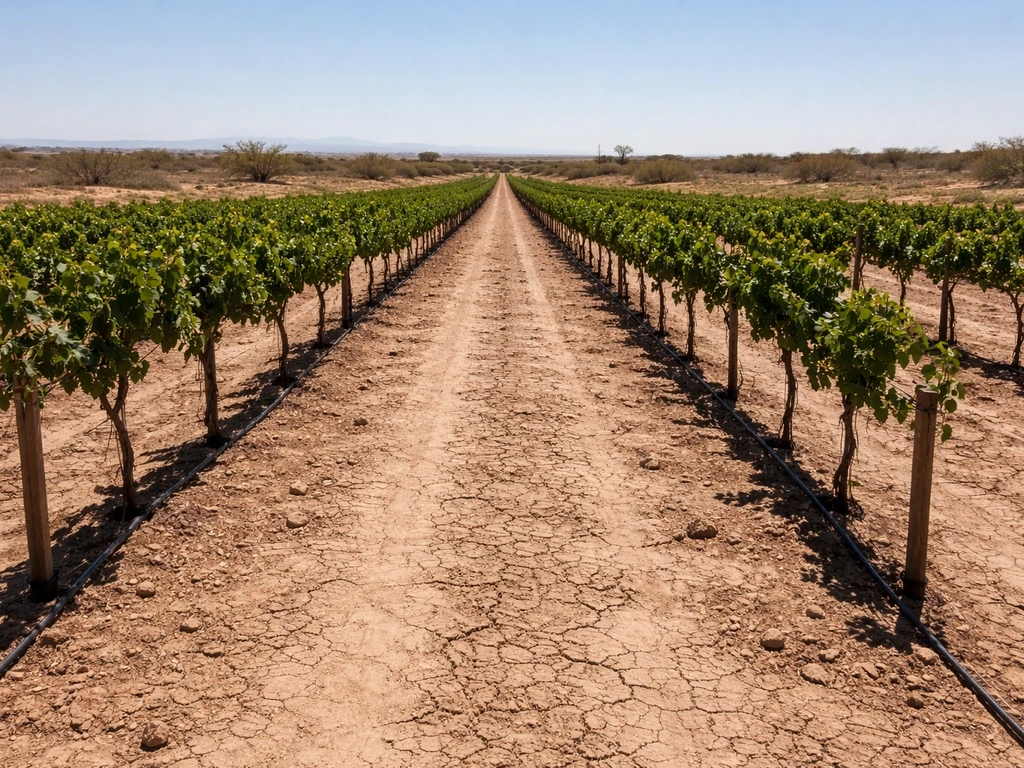
California's Central Valley and its coastal appellations, along with parts of Arizona and New Mexico, give you long, warm, dry summers with very low disease pressure. Powdery mildew is the main fungal concern, but humid-triggered diseases like black rot and downy mildew are minimal. Vitis vinifera varieties (Cabernet, Merlot, Zinfandel, Chardonnay) thrive here. The challenge isn't cold, it's heat accumulation management and irrigation.
Cool and Wet: Pacific Northwest West of the Cascades
Washington's Puget Sound AVA is the state's coolest and wettest growing region, sitting west of the Cascade Mountains. Western Oregon's Willamette Valley is similar: cool summers, wet springs, and a race to ripen grapes before fall rains arrive. Early-ripening varieties like Pinot Noir and Pinot Gris shine here. Disease pressure from downy mildew is real, and growing season length is the limiting factor.
Arid and Continental: Eastern Washington and the Inland West
East of the Cascades, Washington's climate flips to arid or semi-arid continental, with hot summers, cold winters, and very low rainfall. This is prime Cabernet, Syrah, and Riesling country. Utah, Colorado, and Idaho share similar profiles. Disease pressure is low, but winter cold injury is a real risk, especially during early and late dormancy when vines are most vulnerable to freeze-thaw cycles.
Cold and Continental: Upper Midwest and Northern Plains
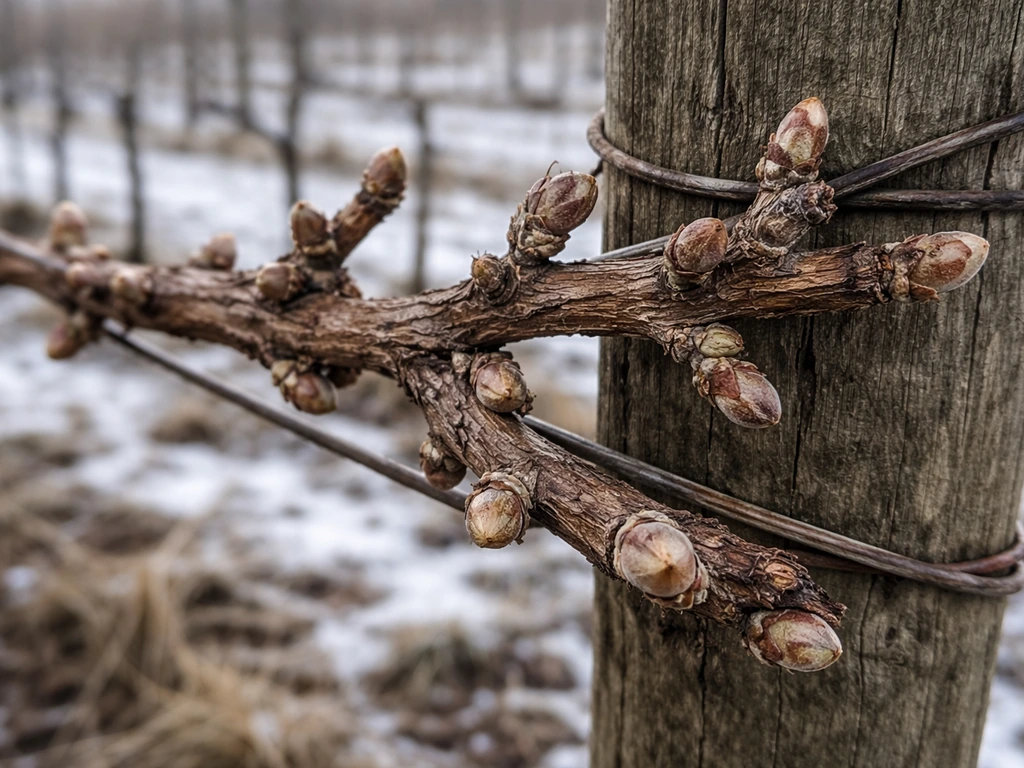
Minnesota, Wisconsin, Michigan's Upper Peninsula, Iowa, and the Dakotas sit in USDA Zones 3b through 5. Winters can send temperatures to -20°F or colder, and standard vinifera grapes simply won't survive without extreme protection. This is where University of Minnesota cold-hardy hybrids like Frontenac (wine) and Bluebell (table) were specifically bred to perform. Most seedless table varieties need winter protection even in southern Minnesota, so hardiness has to be your first filter here.
Warm and Humid: Southeast and Gulf Coast
Georgia, Mississippi, North Carolina, South Carolina, Alabama, Louisiana, and East Texas have hot, humid summers with mild winters. Pierce's disease (spread by the glassy-winged sharpshooter) makes standard V. vinifera impossible across much of this region. Muscadine grapes (Vitis rotundifolia) are native here and are the practical answer. They ripen from early August through September, tolerate the heat and humidity, and thrive in loamy soils at a pH around 6.0.
Humid Temperate: Mid-Atlantic, Northeast, and Midwest
Pennsylvania, New York, Ohio, Virginia, Michigan, Illinois, and Missouri occupy a middle ground: cold but survivable winters, warm summers, and enough humidity to make disease management a season-long job. Black rot can ruin an entire harvest, downy mildew builds quickly in wet springs, and powdery mildew is a constant background concern. American varieties like Concord, Catawba, and Niagara have the best disease resistance and cold hardiness in this zone. French-American hybrids (Vidal, Chambourcin, Traminette) are a strong middle ground between hardiness and wine quality.
Best Grape Varieties by State and Climate
| Region / States | Best Variety Types | Top Examples | Primary Challenge |
|---|---|---|---|
| California, AZ, NM (hot/dry) | Vinifera wine grapes, table grapes | Cabernet Sauvignon, Chardonnay, Zinfandel, Thompson Seedless | Heat management, irrigation |
| Pacific Northwest west of Cascades (cool/wet) | Early-ripening vinifera | Pinot Noir, Pinot Gris, Müller-Thurgau | Season length, downy mildew |
| Eastern WA, ID, CO, UT (arid continental) | Vinifera wine and table grapes | Riesling, Syrah, Cabernet Franc, Concord | Winter cold injury, freeze-thaw cycles |
| MN, WI, IA, ND, SD (cold continental) | Cold-hardy hybrids, American varieties | Frontenac, Marquette, Bluebell, Concord | Extreme winter lows, vine survival |
| GA, MS, NC, SC, TX East, AL (warm/humid) | Muscadine / Scuppernong | Scuppernong (bronze), Carlos, Noble, Fry | Pierce's disease, pollination (female vines need pollinizer) |
| PA, NY, OH, VA, MI, IL, MO (humid temperate) | American varieties, French-American hybrids | Concord, Catawba, Niagara, Vidal Blanc, Chambourcin, Traminette | Black rot, downy mildew, powdery mildew |
A quick note on muscadine pollination: UGA Extension points out that muscadine varieties split into self-pollinating (perfect-flowered) and female-only types. If you plant a female variety like Scuppernong, you need a perfect-flowered pollinizer within 50 feet. Mississippi State University Extension’s muscadine variety guidance recommends options such as Scuppernong and explains practical differences between bronze cultivars and other types. This is one of the most common beginner mistakes in the Southeast, and it results in poor or zero fruit set despite healthy vines.
How to Tell If Grapes Will Actually Grow in Your State
Your state doesn't determine viability, your site does. Here are the four numbers you need to look at before you plant anything.
Winter Low Temperature
Penn State Extension's rule of thumb is practical and worth memorizing: if your site hits -10°F five or more times in 10 years, or -15°F three or more times in 10 years, it's not suitable for wine vinifera. Period. You'd need cold-hardy hybrids or American varieties. Check your USDA hardiness zone, but also look up your actual historical low temperature records, because zone maps average minimums and your specific site might run colder than the map suggests.
Freeze-Thaw Cycles and Bud Hardiness
Absolute cold isn't the only threat. Oregon State University Extension research confirms that bud cold hardiness is lowest during early and late dormancy, meaning a January warm spell followed by a February hard freeze can kill buds that survived the deepest cold of December. Cornell's bud hardiness modeling, which tracks varieties like Concord, Riesling, and Cabernet Franc, shows this dynamic clearly. If your area has volatile late-winter swings, factor that into variety selection.
Growing Season Length and Heat Accumulation
Most wine vinifera varieties need 150 to 180 frost-free days and enough heat to fully ripen. Early-ripening hybrids like Frontenac and Marquette can work with 130 to 140 days. Muscadines need a long, warm season but are naturally adapted to the South's heat. Count your average frost-free days from your last spring frost to your first fall frost, then match that number to the ripening window on your target variety's tag or description.
Rainfall, Humidity, and Disease Pressure
More than 30 inches of annual rainfall, especially during the growing season, correlates directly with higher disease pressure. Downy mildew, according to UC IPM research, is favored by any conditions that raise moisture in the air, soil, and plant tissue. University of Maryland Extension calls downy mildew a season-long challenge that can turn epidemic quickly in the East. Black rot is equally aggressive: Penn State Extension warns that even with good cultural controls, black rot can ruin the harvest once it gains momentum. If you're in a humid region, choose varieties with documented resistance ratings, not just general hardiness.
What to Expect in Terms of Timeline
In most regions, expect to wait two to three years before your vine produces any meaningful fruit, and three to five years before you get a real harvest worth talking about. Cold-climate growers sometimes see establishment take longer because the vine spends energy hardening off each fall rather than pushing growth. In warm climates like California and the Southeast, vines can establish faster, but you're still looking at two full seasons before you're harvesting anything worth eating or fermenting.
Where to Find Guidance That's Actually Local to You
Generic grape advice is fine for general principles, but variety selection, spray timing, and training decisions really do need to be localized. Here's where to look.
- Your state's Cooperative Extension Service: Every state has one, and most have grape-specific fact sheets or even viticulture specialists. Penn State, Cornell, Ohio State, UGA, University of Minnesota, Texas A&M AgriLife, Oregon State, and UC Davis all publish free, research-based guides tailored to their regions.
- Your state's AVA map: If your state has established AVAs, those appellations exist because the climate within them is distinct enough to produce different results. Oregon's 23 AVAs are a great example of how much variation can exist within one state. Use AVA resources to understand what growers in your specific sub-region are successfully growing.
- Local nurseries specializing in fruit: A good regional nursery will only stock varieties that actually survive locally. If a cold-hardy hybrid or muscadine shows up on their shelves, that's a quiet endorsement from someone who's seen what survives winters in your area.
- Washington State Wine Commission and Oregon Wine Board region guides: Even if you're not in those states, these resources offer excellent models for how to think about mapping climate sub-regions to variety choices.
- State wine grape variety trial results: Ohio State's variety recommendation sheet for Ohio, for example, includes specific data on ripening timing, winter hardiness categories, and variety strengths and weaknesses. Most land-grant universities publish similar documents.
Common Beginner Hurdles by Region
Every region has its own particular way of humbling new grape growers. Knowing yours in advance saves you a lot of heartbreak.
Cold Regions (Zones 3-5): Winter Injury and Pruning Shock
In Minnesota and similar climates, the biggest shock for new growers isn't the cold itself, it's how much wood you remove at pruning. University of Minnesota Extension warns that new growers are often genuinely surprised by how aggressively you have to prune, cutting away what looks like perfectly good growth. Proper structure (one to two trunks, two to four cordons with bud-containing spurs) is what keeps the vine productive and manageable. Skipping or under-pruning leads to dense, shaded canopies with terrible disease problems and poor fruit set. In very cold winters, you may also lose your main trunk and have to retrain from a sucker, so knowing how to manage that is essential.
Pacific Northwest: Freeze-Thaw and Season Timing
Oregon and Washington growers west of the Cascades face a tight ripening window and the constant risk of fall rains arriving before harvest. East of the Cascades, it's the freeze-thaw cycle during late winter that catches people off guard. OSU Extension's research on vine training systems for cold injury management is directly relevant here: training height, burying canes, and variety selection all interact to determine whether you have a vine in spring or a dead stick.
Humid East and Midwest: Disease Is the Real Opponent
If you're in Pennsylvania, Ohio, New York, Virginia, or Missouri, your vine will probably survive the winter just fine with a decent variety choice. What will test your patience is disease management. Black rot, downy mildew, and powdery mildew are what University of Minnesota's viticulture research calls 'perennial problems' that can be devastating when weather conditions are favorable. In wet springs, downy mildew can build epidemic-level pressure fast. Illinois Extension's guidance is blunt: American varieties like Concord, Catawba, and Niagara have significantly better disease resistance than French-American hybrids or vinifera, and for a first-time home gardener, that resistance is genuinely valuable. Start with the more resistant varieties and build your spray program knowledge before you take on more disease-susceptible types.
Southeast: Pollination and Pierce's Disease
In the South, the beginner trap is planting only female muscadine varieties and then wondering why there's no fruit. As noted earlier, female varieties like Scuppernong need a perfect-flowered pollinizer nearby. Plant at least one self-fertile variety for every two to three female vines. Beyond pollination, Pierce's disease is a genuine hard limit in the lower South and Gulf Coast. It's not manageable with sprays, and it kills standard vinifera and most hybrids within a few years. Muscadines are resistant, which is exactly why they're the right choice for this region.
Arid West (Outside California): Trellis Setup and Water
Utah, Colorado, and Idaho growers have relatively low disease pressure, which is a genuine advantage. The most common beginner mistakes here are inadequate trellis infrastructure and underestimating irrigation needs. Utah State University Extension emphasizes that choosing the right training system (cane pruning vs spur pruning) matters and that getting it wrong early sets back the vine's productivity for years. Set up a solid trellis before you plant, not after the vine outgrows whatever you improvised.
Your Next Steps
Start by looking up your USDA hardiness zone and your actual historical winter low temperatures for your county. Then identify your average frost-free growing season length. With those two numbers in hand, you can immediately eliminate the varieties that won't survive or ripen in your area and focus on what will. If you are wondering can you grow Koshu grapes in the US, the same checks for winter lows and frost-free days will tell you whether Koshu is a fit for your local climate. If you're in the Southeast, go straight to muscadine variety guides from your state extension. If you're in the Southeast, go straight to muscadine variety guides from your state extension, and use this as a starting point if you're still figuring out the best places to grow grapes in your area. If you're in the Upper Midwest, start with University of Minnesota's cold-hardy hybrid list. If you're in the humid East, prioritize disease resistance ratings alongside winter hardiness. If you're in California or the arid West, your options are broadest and your main job is matching variety to your heat accumulation and irrigation setup.
After variety research, contact your state's Cooperative Extension Service to find out if there are local trial results or variety recommendations specific to your county. Then find a regional specialty nursery rather than buying from a big-box store, where varieties are often selected for nationwide distribution rather than your specific climate. A vine that was bred for your conditions, planted in well-drained soil, trellised properly from day one, and matched to your spray program is going to give you grapes. The ones that fail almost always went wrong at the variety selection step, before a single post was ever driven into the ground.
FAQ
If every state can grow grapes, why do some varieties fail in my state?
Yes, but only for certain types. Many states can physically grow grapes, yet vinifera varieties usually fail if your site gets “too many” extreme lows or you cannot manage disease in humid years. Start by checking your historical minimum temperatures on a site map for your exact county, then match those lows to cold-hardy hybrids or American/muscadine options rather than relying on your state name.
How close do I need a muscadine pollinizer, and what’s the most common mistake?
Most people in the Southeast and Gulf Coast need at least one self-fertile (perfect-flowered) muscadine near female-only types. A practical spacing rule is within about 50 feet, and it is wise to plant more than one pollinizer cultivar if you want consistent set across odd weather years. Also note that “female” versus “self-pollinating” is cultivar-specific, so verify the labels before buying.
Is my USDA hardiness zone enough to decide which grapes to plant?
Don’t assume your USDA zone alone will protect you. Zone maps are based on averaged minimums, while your vineyard risk comes from how often you hit severe lows (and how early or late freeze-thaw swings occur). Use local historical low records to count how many times you reach your danger thresholds, then choose varieties bred for your pattern, not just your average.
How do I estimate whether my growing season is long enough for the variety I want?
Count frost-free days from your last spring frost to your first fall frost at your planting site, then compare to the variety’s ripening window. Two counties in the same state can differ enough to change which “early” varieties reliably ripen. If you are near the edge, prioritize early-ripening types or vine training that speeds heat retention.
What should I change if my area is humid and rainfall is unpredictable?
If your site has heavy rainfall, wet springs, or frequent fog, plan for disease pressure and airflow. Use well-drained soil, avoid dense canopies by following your region’s pruning structure, and consider spacing and trellis height that improves drying after dew. Variety resistance helps, but weather-driven disease spikes still require timely, local spray and sanitation decisions.
Can I grow grapes in containers if my site is too cold or too small?
Yes, but it is risky if the variety depends on long, consistent ripening conditions. Containers can work for table grapes and some cold-hardy hybrids, but you must still meet the winter hardiness reality for your cultivar, provide enough root volume, and manage irrigation carefully. Many “failure” reports come from underwatering, late pruning, or root freezing in containers rather than from a lack of sunlight.
Why do my vines look healthy but I am not getting fruit yet?
For many home growers, the main “first results” are not full production. Expect a long establishment phase, and in colder climates you may also spend more energy on winter hardening, which slows fruiting. Plan to evaluate vine health and structure year by year, then switch your focus to fruit quantity after the vine has fully established on the trellis.
What training and trellis mistake most often slows grape success?
Beginner mistakes differ by region, so choose a training system that matches your local freeze or disease reality. For cold-injury areas, practices like training height and strategies for protecting canes matter more than people expect. In arid regions, trellis setup and pruning style can strongly affect how efficiently the vine uses irrigation, so “improvising later” often reduces productivity for multiple seasons.
My grapes flower but don’t set fruit. What should I check first?
If you are seeing no fruit set, troubleshoot pollination first for muscadines, then move to flowering timing and vine stress. In vinifera and American grapes, poor set often comes from winter injury to buds, pruning that removes too many fruiting buds, or canopy problems that prevent proper flowering and pollination activity. Start with an honest check of bud survival after winter.
Should I trust the nursery’s recommendations if they are labeled for my state?
Yes, especially if you buy from a nursery that selects for broader distribution. A vine that is proven in one region can behave poorly in another due to differences in winter low extremes, heat accumulation, and disease pressure timing. The safer approach is to ask your county Cooperative Extension or a regional nursery for trialed cultivars for your specific area, not just your state.
Can I grow wine grapes (vinifera) in a region that has some warm summers but harsh winters?
Probably, if you can provide the management the variety needs, but vinifera is not automatically a fit everywhere. The key is whether you can reliably meet ripening needs with enough heat accumulation and protect winter buds during early and late dormancy swings. If your area has volatile late-winter freezes, you may need a different cultivar group, even if your winter lows are “technically” acceptable.