
Grapes don't actually grow in winter. What they do is survive it. The vine goes dormant, shuts down active growth, and either pulls through until spring or gets killed by cold it wasn't built to handle. Whether your grapes make it through winter depends almost entirely on three things: how cold your winters get, which variety you planted, and whether you gave the vine any protection. Get all three right, and your grapes will come roaring back in spring. Get even one wrong, and you'll be replanting.
Can Grapes Grow in Winter? Conditions, Varieties, Care

Marcus Whitfield
12 Jun 2026
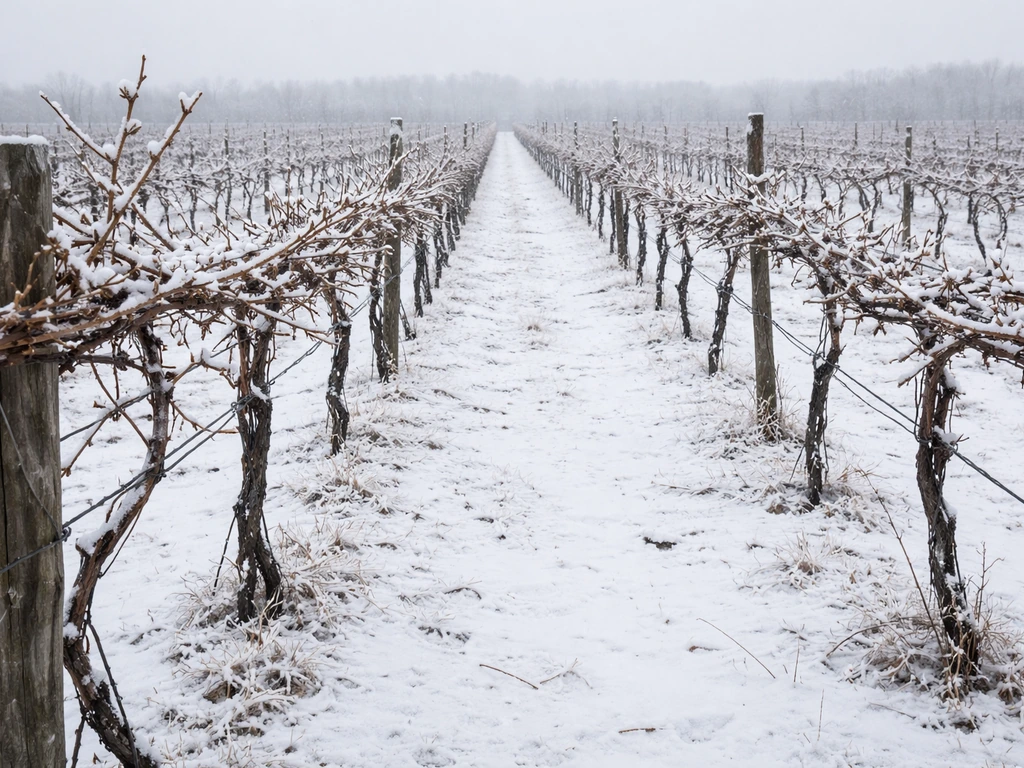
What 'winter growth' actually means for grapevines
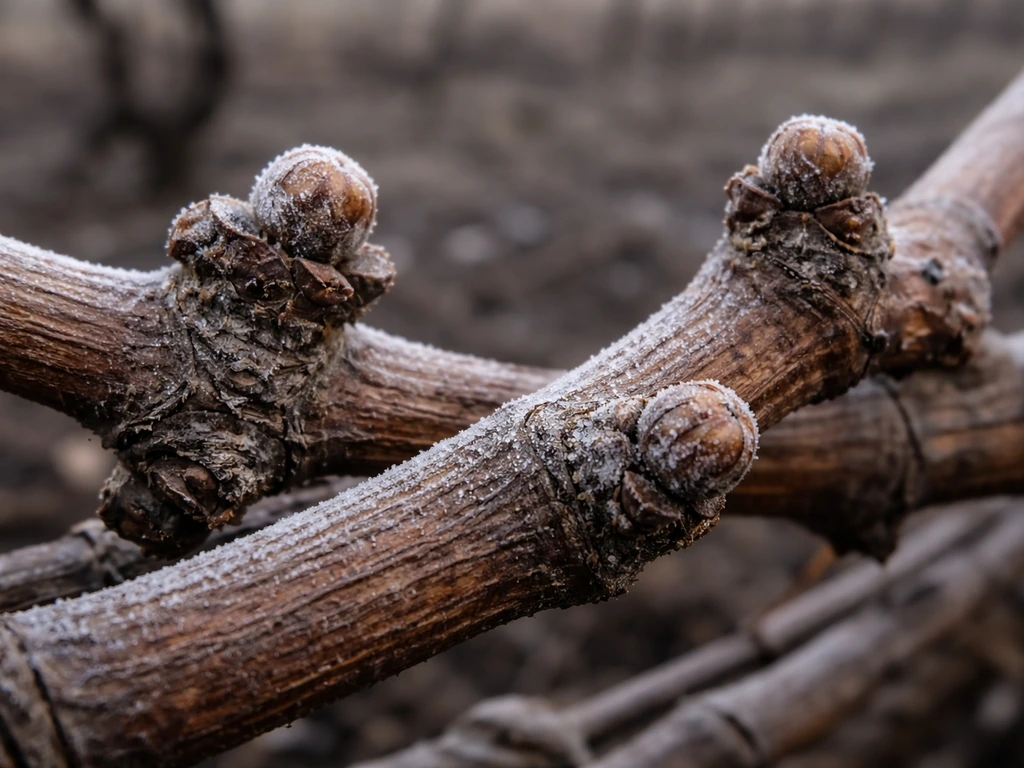
When people ask if grapes can grow in winter, they usually mean one of two things: can the vine survive cold weather, or will it keep producing fruit year-round? Because grapes are deciduous and go dormant, they do not produce fruit year-round in any typical outdoor setup. The answer to the second question is a firm no almost everywhere in the continental US. Grapes are a deciduous fruit crop. When temperatures drop in late fall, a healthy vine shuts down photosynthesis, drops its leaves, and enters dormancy. That's not a problem. That's exactly what you want.
Dormancy happens in two stages. First, the vine enters endodormancy, where cold temperatures actually trigger a biological rest that the plant needs to reset for next season. Then, once the vine's chilling requirement is satisfied, it moves into ecodormancy, where it's just waiting for warm weather to return. The temperatures most efficient for accumulating chill hours sit between about 32°F and 45°F. That means your cold winter nights are doing important work, not just threatening your vine.
Cold hardiness isn't static through the winter. Vines build up their maximum cold tolerance gradually through late summer and fall as they acclimate. That maximum hardiness peaks in midwinter, roughly late December through January. After that, as temperatures start to warm even briefly, vines begin to lose their cold tolerance. This is why a warm spell in February followed by a hard freeze can be more damaging than the same freeze in January. The vine has already started waking up, and it's suddenly much more vulnerable.
Where winter is workable and where it's a problem
Your USDA Plant Hardiness Zone is the fastest way to get a reality check on whether your winters are in range for grapes. The 2023 USDA Plant Hardiness Zone Map is the current standard, and it's worth looking up your specific zone before you plant anything. Here's the honest breakdown by region.
Zones 5–7: cold-hardy varieties are your path forward
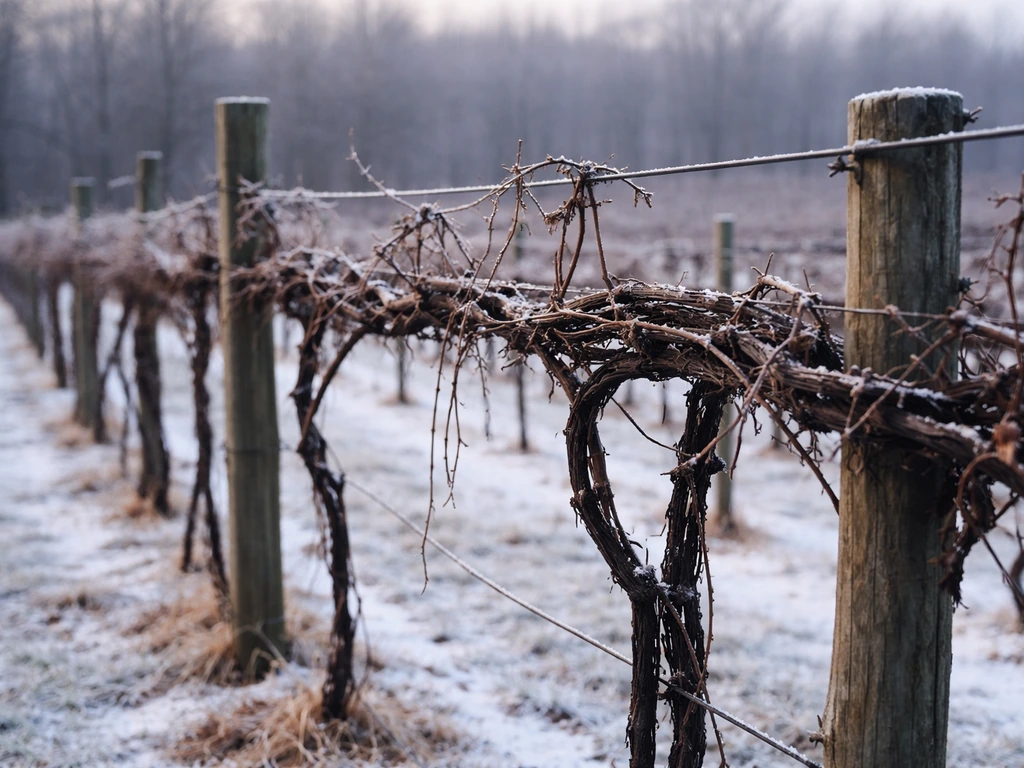
If you're in the Upper Midwest, Great Plains, New England, or the mid-Atlantic, your winters regularly push below 0°F. Minnesota winters can drop below -30°F in bad years. Illinois spans zones 5a through 6b, which means winter lows from roughly -20°F to 0°F depending on where in the state you live. In these zones, European wine grapes (Vitis vinifera) like Cabernet Sauvignon or Chardonnay are going to struggle or outright die without serious protection like burying the entire vine. What actually works here are cold-hardy hybrids bred specifically for these conditions.
Zones 8–10: the opposite problem
Mild-winter climates present a different challenge. In hot weather, the bigger issue is often whether your grape variety can handle heat without stress and sunburn Mild-winter climates present a different challenge. . If you're in coastal California, Florida, the Gulf Coast, or the lower Southwest, your winters may not get cold enough for grapes to fully satisfy their chilling requirements.
That said, how much sun grapes need to grow can also affect how well they establish and how reliably they perform once dormancy ends chilling requirements. Most grape varieties grow best in climates that provide the right winter cold or chilling hours to match their dormancy cycle. Without adequate chilling hours, vines don't break dormancy properly in spring, which leads to uneven bud break, poor fruit set, and weak growth. You're not fighting cold here, you're fighting warmth.
Muscadine varieties and certain low-chill selections are your best bets in these zones.
The sweet spot: Zones 6–8 in the right locations
The Pacific Northwest, mid-Atlantic, parts of the Midwest, and much of the Southeast offer winter conditions that work well for a wide range of grape varieties. Vitis vinifera bud cold hardiness for many Pacific Northwest cultivars falls in the range of about -14°F to -7°F at peak midwinter, which matches up reasonably well with zone 6–7 winter lows. These regions give you the most variety options, but you still need to match cultivar to your specific site.
Choosing the right variety for your winter
Variety selection is where most home gardeners either set themselves up for success or frustration. The difference between a vine that breezes through a Minnesota winter and one that dies back to the roots comes down almost entirely to which cultivar you planted.
| Variety | Type | Cold Hardiness | Best Zones | Notes |
|---|---|---|---|---|
| Frontenac | Cold-hardy hybrid | To about -35°F | 3–6 | Exceptional cold survivor; red wine grape; proven in Upper Midwest |
| Concord | Native hybrid (V. labrusca) | About -10°F to -20°F (buds) | 5–7 | Classic table/juice grape; reliably cold-hardy across much of the Midwest and Northeast |
| Marquette | Cold-hardy hybrid | To about -30°F | 4–6 | High-quality red wine grape; UMN bred; strong disease resistance |
| Itasca | Cold-hardy hybrid | To about -30°F | 4–6 | White wine grape; newer UMN release; good for cold climates |
| Cabernet Sauvignon | Vitis vinifera | About -7°F to -10°F (buds) | 6–9 | Not reliably cold-hardy; best in zones 7+ without protection |
| Chardonnay | Vitis vinifera | About -7°F to -14°F (buds) | 6–9 | Similar limits as other vinifera; needs mild winters |
| Muscadine | Vitis rotundifolia | To about 0°F to 10°F | 7–10 | Ideal for the Southeast and Gulf Coast; not cold-hardy in northern zones |
The bottom line on variety choice: if your winter lows regularly hit below -10°F, skip Vitis vinifera entirely and go straight to cold-hardy hybrids like Frontenac, Marquette, or Concord. If you're in zones 7–9 with mild winters and want to grow vinifera, your biggest task is making sure you're getting enough chill hours rather than worrying about freeze damage.
Protecting your vines through winter
Pruning timing: don't rush it
Pruning too early in fall is a common mistake that increases winter damage risk. Wait until the vine is fully dormant and you're in late winter or early spring before doing major pruning. In cold climates where a late freeze could damage new growth, delaying pruning until the worst of the winter-kill risk has passed is smart. That way you can also assess which canes actually survived and prune accordingly. Don't start cutting in October just because the leaves dropped.
Mounding and cane burial for extreme cold zones
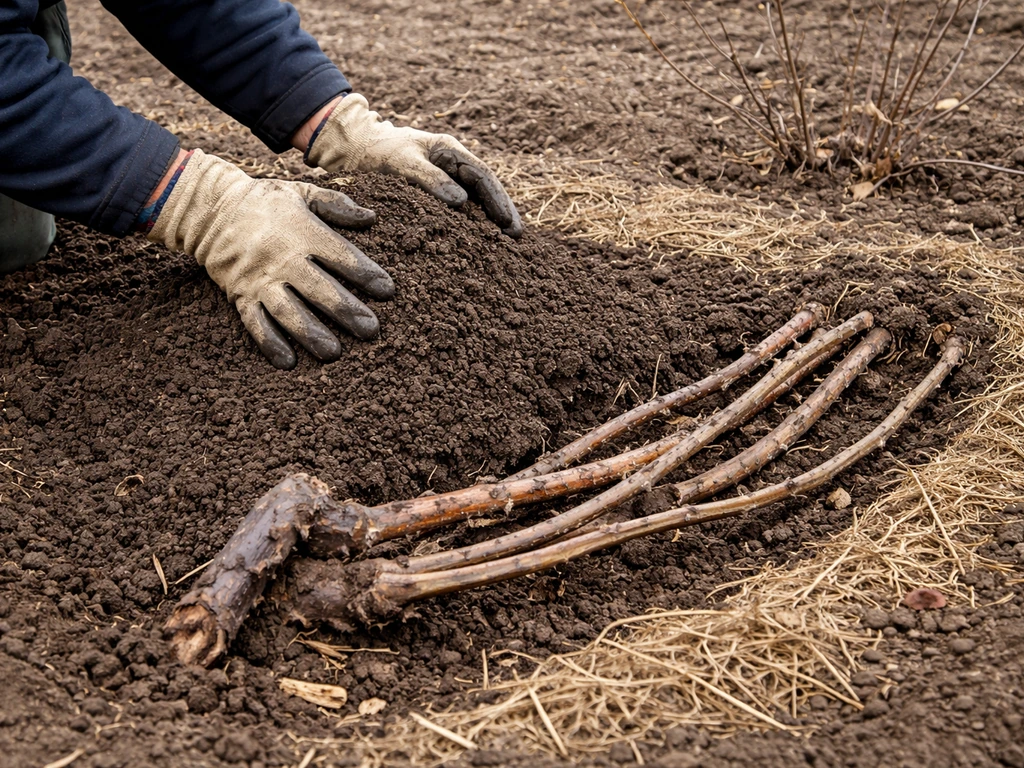
In zones 4–5 where winters regularly push past -15°F or -20°F, mounding soil over the vine's crown and burying canes is one of the most effective protections you can give a vine. The goal is to cover the vine head with at least 6 inches of soil on all sides. Buried canes and buds are insulated from rapid temperature swings, which is often what causes the worst damage.
PNW 603-E explains that winter injury prevention focuses on protecting vine tissues like buds and canes, whose cold hardiness varies through the season, and that soil or mound methods can buffer rapid temperature changes Buried canes and buds are insulated from rapid temperature swings.
One important detail: any canes left sticking out of the mound are still exposed and can be killed even if the buried parts survive.
Mulch and site selection
A 4- to 6-inch layer of straw, wood chips, or shredded leaves around the base of the vine helps insulate the root zone and slows soil temperature swings. Site selection matters too: a south-facing slope with good air drainage is far better than a low spot where cold air pools. Soil quality, especially good drainage and the right pH, matters a lot for growing grapes successfully soil conditions. Natural snow cover actually adds insulation, so don't worry too much if your area gets reliable snowfall. It's the exposed, wind-swept sites where vines are most vulnerable.
Wind and frost management
Cold wind strips heat away from canes faster than still air at the same temperature. A windbreak on the north or northwest side of your trellis, whether that's a fence, hedge, or outbuilding, can meaningfully reduce winter damage. For late-spring frosts that threaten new growth after bud break, wind machines and sprinklers can help protect shoots but are most effective when temperatures stay above about 23°F. Below that threshold, most mechanical frost protection methods struggle to keep up.
What winter care actually involves
Watering in winter
Once your vine is dormant and temperatures are consistently cold, it needs very little water. Roots are still alive but not actively growing. The main risk is letting a young vine go into winter drought-stressed, which weakens its cold hardiness. Water young vines well going into fall, then taper off as temperatures drop. In late fall, actually reducing irrigation for young vines helps encourage cane hardening before dormancy sets in. Don't water frozen ground, and don't let irrigation lines freeze.
Fertilizing: stop in late summer
Do not fertilize grapevines in fall or winter. Late-season nitrogen pushes new, tender growth that hasn't hardened off and is extremely vulnerable to cold damage. Your last fertilizer application of the year should happen no later than midsummer. Winter is a complete fertilizer blackout period for grapes.
Pest and disease considerations in winter
Winter is actually a useful window for disease management. Diseases like phomopsis cane and leaf spot and downy mildew (a major problem in the Midwest and East) can overwinter on infected plant debris. Removing and disposing of fallen leaves, mummified fruit clusters, and dead cane material before winter reduces the inoculum load going into next season. A dormant or delayed-dormant season spray treatment, typically lime sulfur or copper-based fungicide applied while the vine is still dormant, can help knock back fungal and bacterial pathogens before growth resumes. This is one of the most cost-effective disease management steps a home grower can take.
Your first-winter plan, step by step
If you've just planted grapes or are heading into your first winter with a young vine, here's a clear plan to follow. Young vines are more vulnerable than established ones because their root systems haven't spread and their trunks haven't thickened. Give them extra attention that first year.
- Stop fertilizing by midsummer (no nitrogen after July or early August).
- Reduce irrigation in early fall to encourage cane hardening, but make sure the vine goes into winter with soil that is moist, not bone dry.
- After the first hard frost and before temperatures drop below about 15°F, mound 6 or more inches of soil over the base of the vine if you're in zones 5 and colder.
- Add a 4- to 6-inch layer of straw or wood chip mulch around the base to insulate the root zone.
- Remove all fallen leaves, dead canes, and debris from around the vine to reduce overwintering disease pressure.
- Do not prune in fall. Wait until late winter (February to March depending on your region) when the worst cold risk has passed.
- In late winter after a significant freeze event, wait a few days and then cut a sample bud from a mid-cane position. Bring it inside, let it sit for 24 hours, then slice it open and check for green tissue (healthy) versus brown discoloration (dead bud). This tells you how the vine weathered the winter.
- Apply a dormant-season fungicide spray (copper or lime sulfur) just before bud break to reduce phomopsis and other fungal disease pressure going into the growing season.
- Prune based on what survived. If bud mortality is high, leave more canes and buds than you normally would to compensate.
How to know if your vine made it
The bud dissection test described above is your most reliable tool. Missouri State University also emphasizes that cold injury assessment often involves [measuring bud or cane viability](https://ag. missouristate. edu/Winery/Hardiness/winter-cold-injury.
htm) to guide pruning decisions. Remember that grapevine buds are compound, meaning each bud position actually contains multiple meristems: primary, secondary, and tertiary. If the primary bud is brown and dead but secondary or tertiary buds are green, the vine will still push growth in spring. That growth won't fruit as well, but the vine is alive and recoverable.
If all three meristems are brown and the wood underneath looks dark or discolored rather than green and moist, that cane is dead. Widespread cane and trunk death in a first-year vine is a signal to reconsider your variety selection or protection approach before replanting.
One good winter survival doesn't mean you're done adapting. Track your lows each winter, note which canes survived, and adjust your protection approach year over year. Grape growing rewards the gardener who pays attention to their specific site, not just the averages. If you're sorting out your local climate zone and which varieties make sense there, spending time understanding what temperature ranges and soil conditions your specific location offers will save you a lot of frustration down the road. A big part of that is figuring out what temperature grapes grow in for your exact site, including both winter lows and spring timing.
FAQ
If grapes are dormant in winter, should I still do normal grape care like watering and pruning?
You generally should not do “active growth” tasks in winter. After dormancy, watering is minimal except for preventing young vines from drying out before the ground freezes. For pruning, do major cuts in late winter or early spring after dormancy and after you have a clearer picture of winter kill, rather than during autumn leaf drop.
How can I tell whether my grapevine died versus just lost some buds in winter?
Use the bud and cane inspection approach, but also check the cane wood color and texture. Living vines often have at least some green tissue in secondary or tertiary buds, even if the primary bud is dead. If the trunk area also shows extensive dark, dry, or discolored tissue, that is a stronger sign of death than isolated bud loss.
Does leaving canes above the mound during winter protection help or hurt?
It hurts, because any portion of cane sticking out is less insulated and can be killed even when the crown and buried portions survive. If you mound/bury for protection, aim to cover the vulnerable head and canes consistently so exposed tissue is minimized.
What is the risk of pruning too late, even if my winter is mild?
In mild-winter areas, pruning too late can coincide with earlier bud swelling or intermittent warm spells that start waking up the vine. Even if you avoid fall pruning, cutting when buds are already beginning to move can increase winter injury risk if a cold snap follows.
Can I grow grapes in winter with indoor or greenhouse setups to get fruit faster?
You can grow vines in controlled environments, but winter “production” outdoors is different. Grapes still need a proper dormancy and chilling cycle for reliable bud break, even if you protect them from outdoor cold. If you skip the right dormancy timing, you may get weak or uneven growth rather than normal fruiting.
If my winters are too warm for chilling, will a hard freeze still trigger bud break?
Not reliably. A freeze can damage tender tissue, but the chilling requirement is about accumulated time in the right temperature range. In low-chill climates, the more common problem is buds breaking unevenly or late, which leads to poor fruit set rather than a simple “cold is cold” fix.
Do grapes need snow cover to survive winter?
Snow helps by acting like natural insulation, but it is not required if you provide other insulation. Don’t rely on snow in wind-swept or frequently cleared areas. If your site is exposed, use mulch and wind protection so the vine is insulated even when snow cover is thin.
Is there a safe way to protect grapes from freezing winds without building a full structure?
Yes, smaller wind reduction can still help. Even temporary barriers, dense fencing, or planting a hedge on the north or northwest side can reduce wind exposure. The goal is to reduce how quickly cold air is stripped away from canes, not to create a warm microclimate.
When should I remove winter protection like soil mounds and mulch?
Remove protection after the risk of severe late freeze has passed and the vine is clearly transitioning out of dormancy. If you uncover too early and a cold snap hits, exposed buds and canes can be damaged. If you notice bud swell, time uncovering so you minimize both freeze risk and moisture-related rot concerns.
Should I fertilize in winter to help recovery after hard winters?
No, winter is a blackout period for fertilizing. Late-season nitrogen can push tender growth that has not hardened off, increasing cold damage during the period when the vine should be resting. Your last fertilizer application should be in midsummer at the latest.