
Grapevines start growing when daily temperatures consistently hit around 50°F (10°C) in spring, grow and flower best between roughly 60°F and 85°F (15–29°C), and need warm summers with enough heat accumulation to ripen fruit before fall frosts arrive. In winter, they go dormant and can survive surprisingly cold temperatures depending on the variety, but a late spring frost after buds break is often the bigger practical threat than winter cold itself. Whether grapes will work in your location comes down to three things: how cold your winters get, how much summer heat you have, and how long your frost-free window is. If you want to know what climate grapes grow in, start by comparing your winter lows, your summer heat, and your frost-free window three things.
What Temperature Do Grapes Grow In? Ideal Ranges by Season
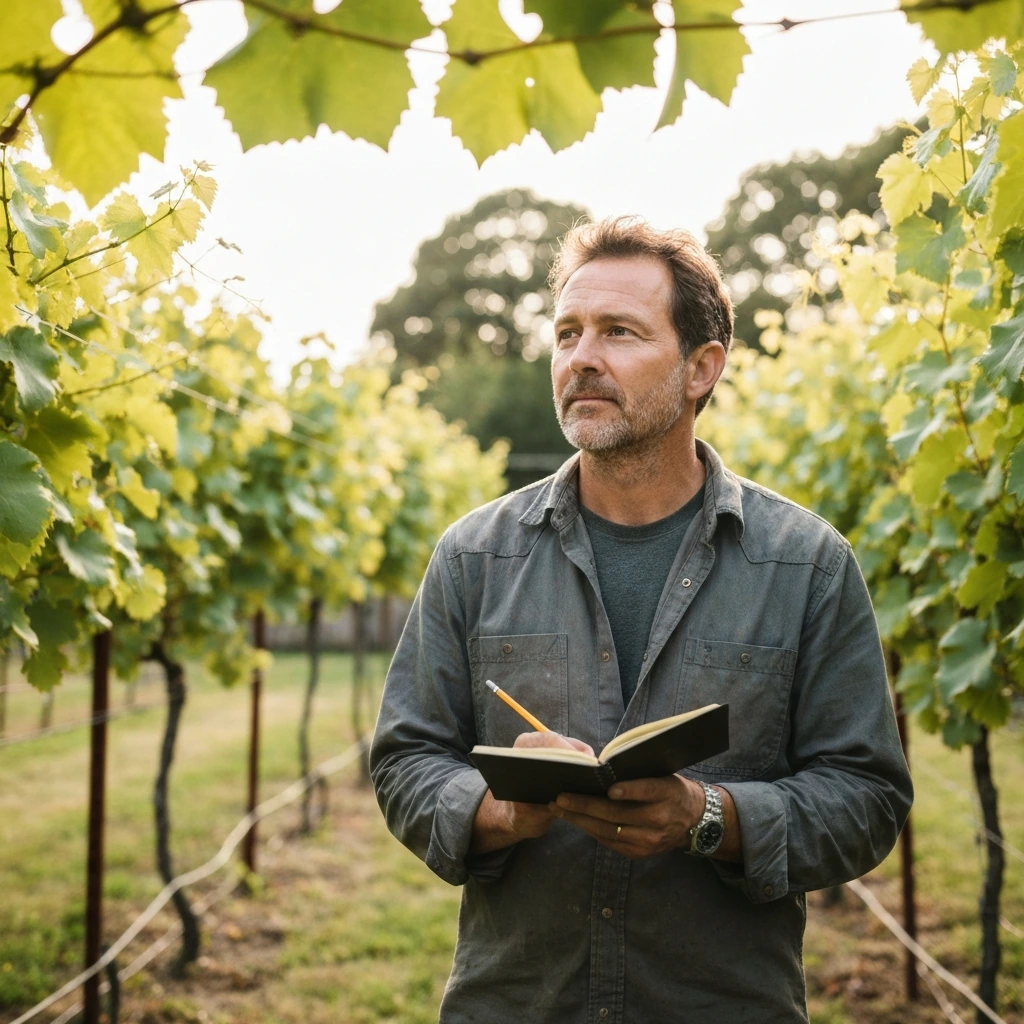
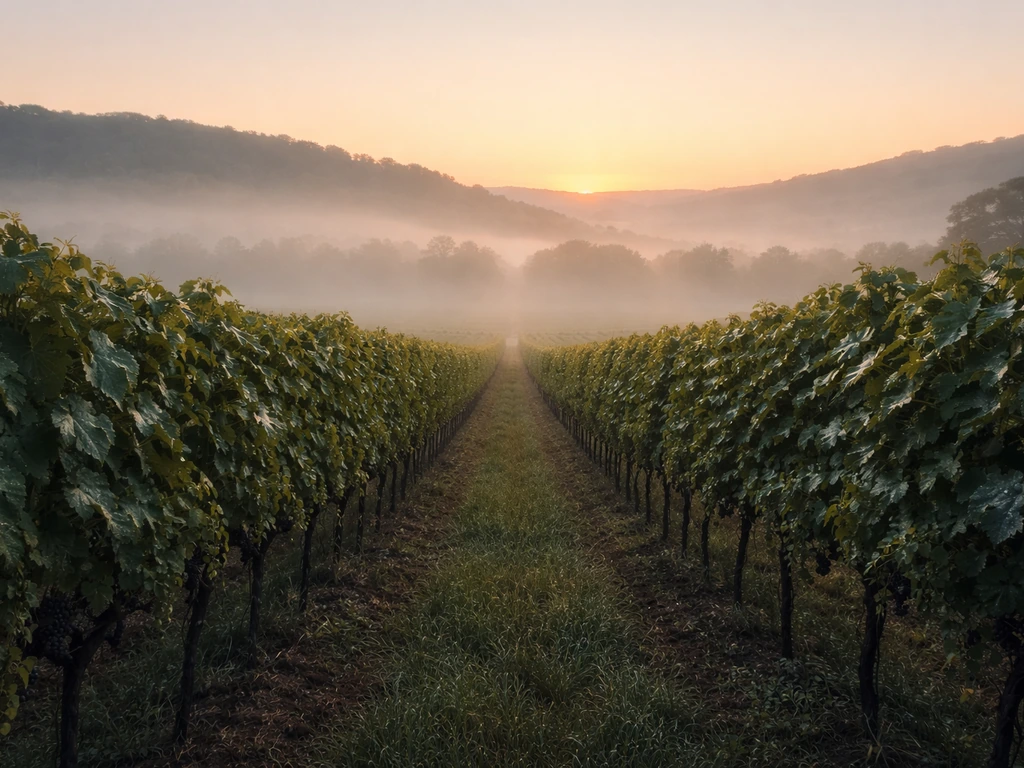
Grape temperature needs by growth stage
Grapevines don't just need one temperature range. They cycle through very different needs across the year, and understanding each stage helps you figure out where your climate might cause problems.
Dormancy and chilling (winter into early spring)
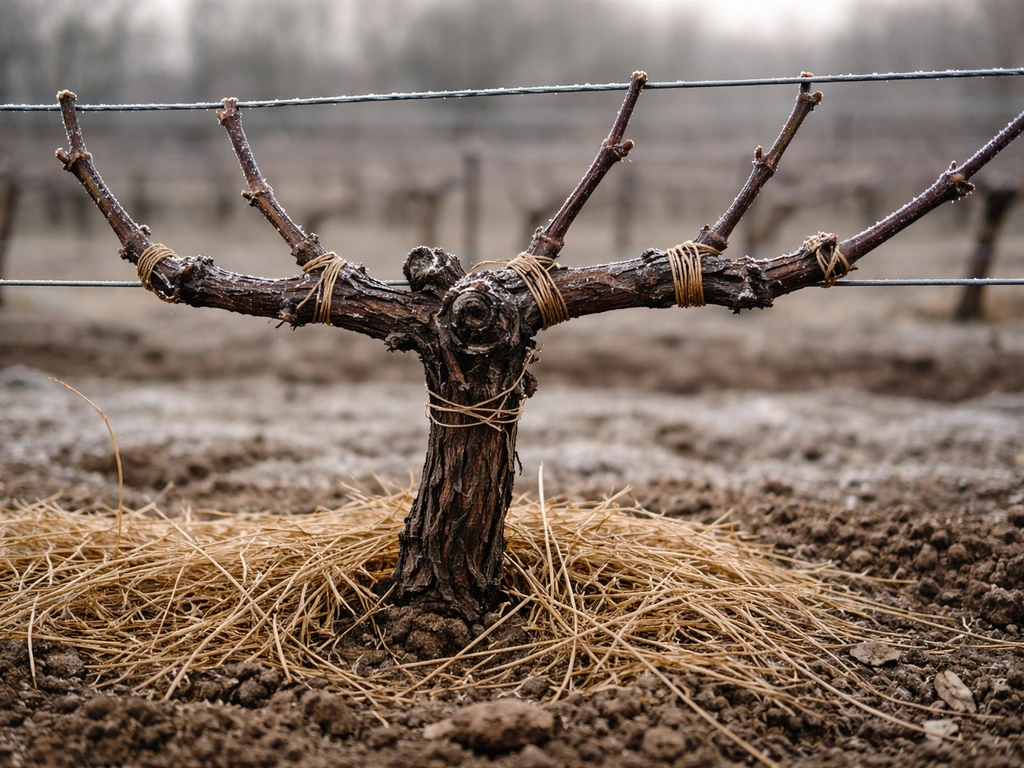
Through winter, grapevines are dormant and actually require a certain number of cold hours to break dormancy properly in spring. Research on Vitis vinifera varieties shows they need a minimum of around 200 hours of chilling exposure in the 32–45°F (0–7°C) range. Skip that chilling requirement and budburst is patchy and weak. This matters most for gardeners in very mild climates, like parts of Southern California, Florida, or coastal Hawaii, where winters don't get cold enough for a long enough stretch. Most of the continental US has no problem meeting this chilling requirement.
Budburst and shoot growth (early to mid-spring)
Once chilling is satisfied, buds respond to warming temperatures. Budburst and shoot growth kick off when daily average temperatures reach about 50°F (10°C). Growth accelerates as temperatures climb toward the 60s and 70s°F. This is also when the vine is most vulnerable to late frost damage. Once buds start to swell, they can take damage in the mid-20s°F (around −3 to −4°C). By the time you're at full bud burst, damage occurs at just 28–29°F. That's a very narrow margin, and it's why spring frost is something every grape grower has to take seriously.
Flowering and fruit set (late spring to early summer)
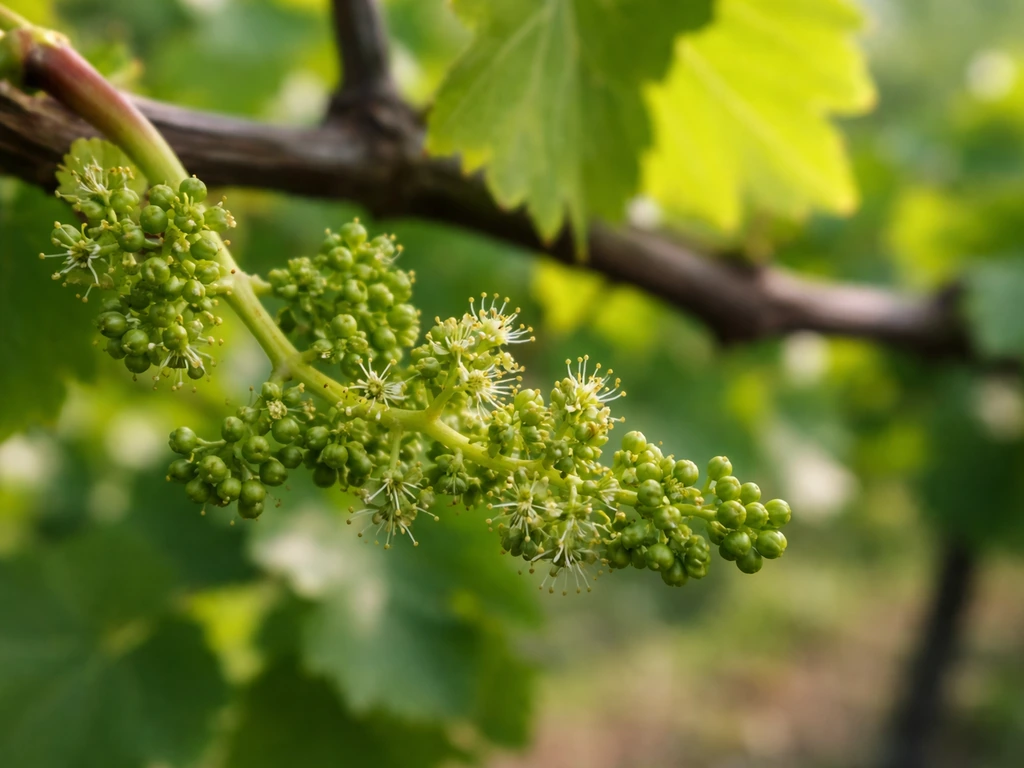
Flowering is temperature-sensitive in ways that directly hit your harvest. Flowers start opening when temperatures reach around 59°F (15°C), and pollination proceeds well between 60°F and 86°F (roughly 17–30°C). The sweet spot for fruit set appears to be around 68/59°F day/night (20/15°C). Controlled experiments on Cabernet Sauvignon showed fruit set dropped to zero when temperatures hit 100/91°F day/night (38/33°C). On the cold side, temperatures below about 59°F (15°C) during bloom impair pollen development and reduce set. A cold snap or heat wave right at flowering can cost you most of your crop, even if the rest of the season is fine.
Ripening (mid-summer through harvest)
For ripening, you want warm days and cool nights. Grapevines need consistent heat to develop sugars, but color and flavor compounds actually benefit from cooler temperatures, especially at night. Research shows that anthocyanin (color) development is optimized around 59–68°F (15–20°C) and gets inhibited when daytime temperatures push past 95°F (35°C) or nights stay above 86°F (30°C). This is one reason why classic wine regions have warm days but relatively cool nights. For home gardeners, very hot, humid summers without temperature relief at night can produce fruit that's high in sugar but low in color and flavor complexity.
Heat stress and upper limits
At the extreme end, berry temperatures above 95–104°F (35–40°C) constitute heat stress and trigger quality decline. When individual berry skin temperatures exceed about 113°F (45°C), you start seeing sunburn, skin necrosis, and berry shriveling. This can happen on exposed clusters on very hot days even when air temperatures are in the 95–100°F range, since berries in direct sun run hotter than the surrounding air. Canopy management that provides some cluster shade is a practical fix, which is worth keeping in mind if you're in a desert or high-heat climate like Arizona, inland California, or Texas.
Ideal growing and ripening temperature ranges
Here's a quick reference for the temperature ranges that matter most. These apply across most common table and wine grape varieties, though specific varieties have their own tolerances.
| Growth Stage | Ideal Temperature Range | Problem Threshold |
|---|---|---|
| Chilling (dormancy break) | 32–45°F (0–7°C), 200+ hours | Fewer than ~200 chilling hours = poor budbreak |
| Budburst and shoot growth | 50–75°F (10–24°C) | Below 50°F slows growth; frost below 26–28°F damages buds |
| Flowering and fruit set | 60–86°F day, 55–70°F night (15–30°C/13–21°C) | Below 59°F or above 90°F (32°C) reduces set |
| Berry development | 70–85°F (21–29°C) | Above 95°F (35°C) begins to inhibit quality |
| Ripening and color development | 75–85°F day, 55–65°F night (24–29°C/13–18°C) | Nights above 86°F (30°C) or days above 95°F (35°C) hurt color |
Winter cold tolerance and frost risk
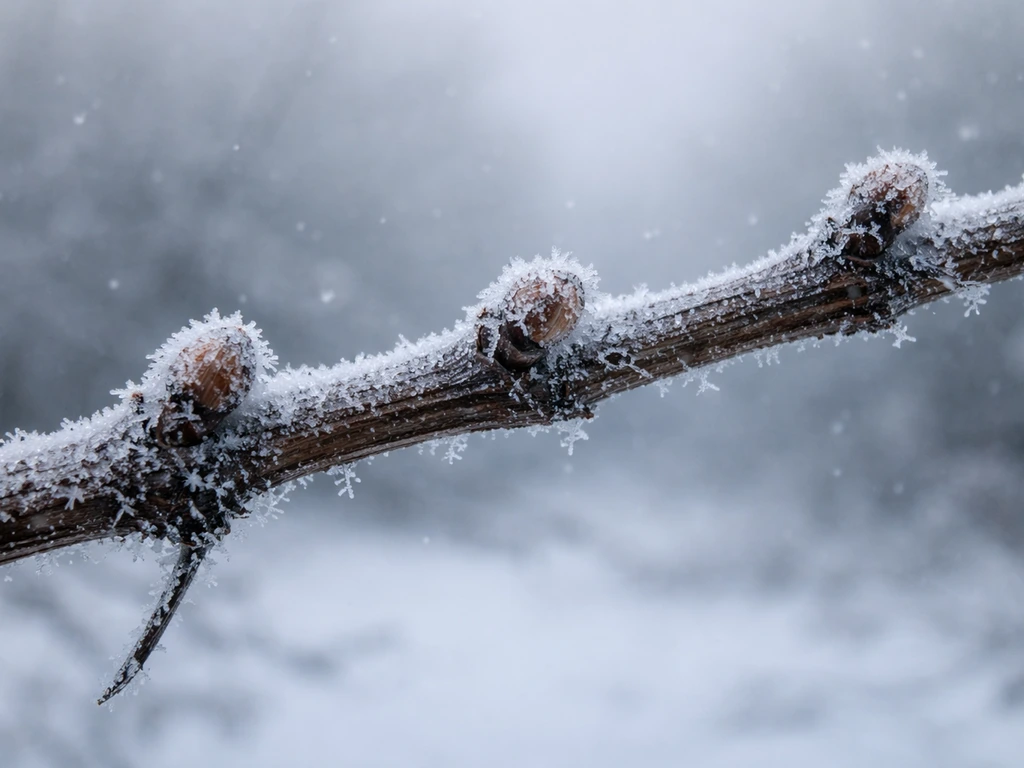
This is where things get really variety-specific. Not all grapes handle cold the same way, and picking the wrong type for your climate is one of the most common mistakes home gardeners make.
How cold can grapevines survive?
Fully dormant grapevine buds reach their peak cold hardiness in late December through January. At that point, depending on the variety, they can survive some very impressive cold. American hybrid varieties (like Concord or Niagara) generally tolerate down to −10°F (−23°C) or colder. French-American hybrids (Marquette, Frontenac, La Crescent) can push even lower. Vitis vinifera varieties like Cabernet Sauvignon, Chardonnay, or Pinot Noir are significantly more tender, with damage occurring below about −5°F (−20°C) in many cases. Washington State University research puts peak bud hardiness for vinifera in the −10°F to −20°F range under ideal cold acclimation, but that assumes a gradual, well-timed hardening process, not a sudden cold snap.
| Variety Type | Winter Cold Tolerance | Examples |
|---|---|---|
| American hybrids | To −10°F (−23°C) and below | Concord, Niagara, Catawba |
| French-American hybrids | To −10°F to −20°F (−23 to −29°C) | Marquette, Frontenac, La Crescent, Chambourcin |
| Vitis vinifera | Damage often below −5°F to −15°F (−20 to −26°C) | Cabernet Sauvignon, Chardonnay, Pinot Noir, Riesling |
The catch is that hardiness isn't static. Vines harden up through fall as temperatures gradually cool, then begin de-hardening again in late winter as days warm. A sudden hard freeze in early fall before vines have fully hardened, or a late winter warm spell followed by a cold snap, can damage buds that would otherwise survive. If you're in a climate with volatile winter temperature swings, that volatility matters more than just the minimum temperature.
Spring frost: the real danger zone
Late spring frost after budburst is honestly the more practical concern for most home gardeners in the US. Once buds start swelling, they lose cold hardiness fast. Swelling buds take damage in the mid-20s°F (around −3 to −4°C). By two-leaf stage, frost damage happens at 29°F, and at four-leaf stage, 30°F is enough to cause injury. That's basically just below freezing. A single night dipping to 28°F in late April or early May can wipe out your whole season's shoot growth. Vines can re-shoot from secondary buds, but yield will be reduced and quality often suffers. This is why your last frost date matters so much, and why gardeners in zones 5 and 6 need to pay close attention to variety timing.
Heat units, growing season length, and ripening timeline
Knowing your climate has warm summers isn't enough. What grapes really need is a measurable amount of accumulated heat from spring through fall, and whether you have enough of that accumulated heat determines which varieties will actually ripen before your first frost.
Growing degree days explained
The standard tool for this is Growing Degree Days (GDD), also called heat units. The formula is simple: GDD = ((daily max temp + daily min temp) / 2) − 50°F. You accumulate these daily from April 1 through October 31. The base temperature of 50°F reflects the point at which grape growth begins. A cool climate like upstate New York might accumulate 2,000–2,500 GDD per season. A hot climate like California's Central Valley can hit 4,000+ GDD. This scale, known as the Winkler Index, is what viticulturalists use to match variety needs to regional climates.
For home gardeners, the practical takeaway is this: early-ripening varieties like Marquette, Frontenac, or Concord need roughly 1,800–2,200 GDD to ripen well. Mid-season varieties need more. Late-season vinifera varieties like Cabernet Sauvignon can require 3,000+ GDD. If your region doesn't accumulate enough heat units, those late varieties simply won't ripen properly before your first fall frost arrives. The University of Minnesota notes that their early cold-climate varieties can be harvested as early as mid-August, while later varieties stretch into October. That's a huge difference in heat unit requirements.
Frost-free season length
Alongside GDD, your frost-free window (days between last spring frost and first fall frost) needs to be long enough. Most grapevines need at least 150 frost-free days to complete a full growing cycle. Early-ripening cold-climate varieties can manage with around 140–150 days. Late vinifera varieties might need 180 days or more. Check your local USDA hardiness zone and your county's average frost dates, but remember those are averages. A 50% probability of frost on a given date means one in two years that date will be earlier.
How to check your local climate (and pick the right varieties)
Here's how to actually do this for your location, step by step.
- Find your USDA hardiness zone using the USDA Plant Hardiness Zone Map. This tells you your average annual minimum temperature, which screens out varieties that can't survive your winters.
- Look up your area's average last spring frost date and first fall frost date. Your local Cooperative Extension office (usually state university-affiliated) often publishes these by county. The gap between these dates is your frost-free growing season.
- Estimate your seasonal GDD accumulation. MSU Enviroweather and similar state extension tools provide historical and forecast GDD data by region. Some will give you the base-50°F accumulation directly. Alternatively, your state's wine or viticulture extension program often publishes average GDD for your region.
- Match your GDD and winter minimum to variety requirements. Extension programs in your state, particularly from land-grant universities, often publish lists of recommended varieties with GDD requirements and cold hardiness ratings. University of Minnesota, Cornell, Virginia Tech, and many others have these resources.
- Talk to local growers or your county extension agent. No data substitute beats someone who has grown grapes for five seasons within 20 miles of your property.
As a rule of thumb: if you're in zones 3–5, stick with American hybrids and cold-climate French-American hybrids. Zones 6–7 open the door to most French-American hybrids and some cold-hardy vinifera like Riesling or Cabernet Franc. Zones 8–10 can grow most vinifera but need to watch for insufficient chilling hours and extreme summer heat. Your summer heat matters just as much as your winter lows when it comes to variety selection.
Microclimates and site choices to manage temperature
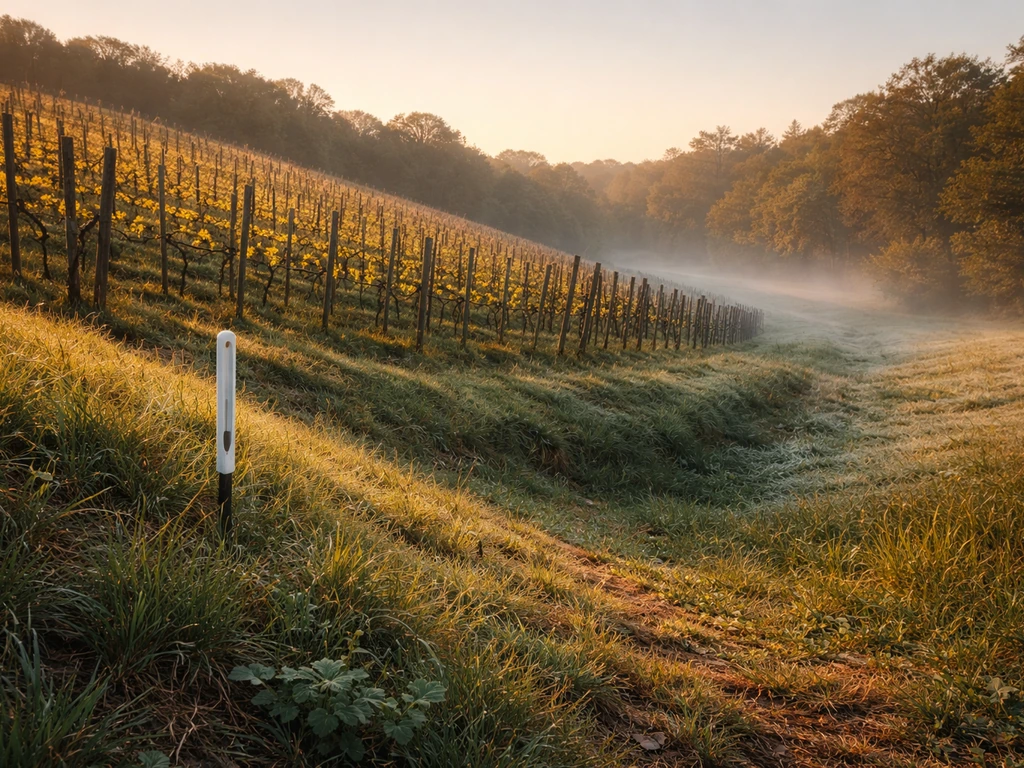
Your property's microclimate can shift the effective temperature by several degrees compared to official weather station data, either in your favor or against you. Choosing the right spot makes a real difference. Choosing the right soil type for grapes depends on drainage and texture, so aim for a well-drained, moderately fertile site.
Cold air drainage and frost risk
Cold air is denser than warm air and flows downhill, pooling in low spots, depressions, and areas blocked by tree lines or structures. Cornell Cooperative Extension’s Finger Lakes Grape Program explains that cold air can drain downhill and pool in low-lying vineyard areas, making frost injury more likely there cold air drains downhill and pools in low-lying areas. A frost hollow can be 5–8°F colder than a hillside just 50 feet above it on a still, clear night. Cornell's Finger Lakes Grape Program documents this pattern clearly. If you plant vines at the bottom of a slope or in a low-lying area next to a fence row, you're asking for frost trouble. A gentle, open slope with good air drainage is the classic ideal. Avoid bowl-shaped areas, valley floors, and spots where cold air has nowhere to go.
Aspect and sun exposure
South-facing slopes receive more sun and accumulate more heat, which helps in cool climates but can be a liability in very hot ones. Sun exposure matters too, so make sure your site gets enough light for the grapes to grow and ripen. South-facing exposures also break bud earlier in spring, which sounds appealing but actually increases frost risk because your vines are further along in development when a late frost hits. UGA Extension notes this trade-off directly. In borderline-cold climates (zones 5–6), a south-facing slope generally helps ripen fruit. In hot climates (zones 8–9), a slight east or northeast exposure can reduce afternoon heat stress on fruit.
Water bodies and urban heat
Large bodies of water moderate temperature swings, delaying both spring warming and fall cooling. The Great Lakes wine regions of Michigan and New York benefit enormously from this effect, gaining a longer frost-free season than inland areas at the same latitude. Urban heat islands work similarly on a smaller scale. A south-facing wall in a suburban backyard in zone 6 can function more like zone 7 for a vine trained against it, absorbing and radiating heat through cool evenings.
What to do if temperatures are outside the ideal range
Most home gardeners don't have a perfect climate for grapes, and that's completely fine. Here's how to work with what you've got.
If your winters are too cold
Start with the right variety. This is by far the most effective protection. A properly selected cold-hardy hybrid will survive temperatures that would kill vinifera vines outright. If you are wondering can grapes grow in winter, start by looking at dormancy and cold-chilling needs for your grape variety. Beyond variety selection, you can apply soil-level mounding of soil or mulch over the graft union in fall to protect the most vulnerable point of grafted vines. In extreme cases (zone 4 and colder), some growers bury their canes over winter. Assess bud damage in late winter by cutting through a few buds and examining the interior: green tissue means the bud is alive, brown means it's dead. Always prune a bit later than you think you need to, allowing time to see how many primary buds survived and adjust your pruning accordingly.
If you're at risk for spring frost
Don't prune too early. Delaying pruning until just before budburst can push budburst timing back by a week or two, buying you time past the worst frost risk. If a frost is forecast after budburst, you have a few options. Overhead sprinklers turned on when temperatures approach 30°F will coat forming ice in water, and the latent heat released as that water freezes actually protects tissue at the core, holding it near 32°F. This method works well but requires water supply and system capacity. Small wind machines or even a box fan can break up the temperature inversion that forms on still, clear nights, mixing warmer air from above down into the vineyard. Row covers or frost fabric over young shoots work for small plantings. After a severe frost, don't give up: vines can push secondary buds from the same nodes, and while your yield will be reduced, you'll likely still get some fruit.
If your summers are too hot
Heat stress during ripening is a real issue in climates that regularly see daytime temps above 95–100°F. The most effective responses are canopy management (leaving enough leaf cover to shade clusters from direct afternoon sun), irrigation to reduce vine stress and moderate berry temperature, and choosing heat-tolerant varieties. Some varieties like Grenache, Mourvedre, Tempranillo, or certain hybrid table grapes handle high heat significantly better than others. If you're in a hot desert climate, avoid west-facing exposures that get blasted by intense late-afternoon sun, and consider whether a trellis system that provides more cluster shade makes sense.
If your growing season is too short
Focus entirely on early-ripening varieties. In zones 4–5, that means cold-climate hybrids from the University of Minnesota breeding program (Marquette, Frontenac Gris, Itasca) or other short-season selections. Don't get tempted by vinifera just because someone nearby claims to grow it. Check the GDD requirements, check your frost-free window, and be realistic. A vine that almost ripens in most years but fails in one out of three is not a satisfying garden plant. The right early variety will give you reliable harvests every season, which is what actually makes grape growing worth it.
FAQ
Do grapes grow in the same temperature range year-round?
No, the key thresholds change by growth stage. Chilling (cool winter hours) supports spring budbreak, then different temperatures govern budburst, flowering, and ripening. A climate can be “warm enough” overall but still fail if spring is too cold at the wrong time or summer nights stay excessively hot.
What is the lowest temperature where grapevines can start growing in spring?
Bud growth typically begins when daily average temperatures reach about 50°F (10°C). Below that, vines may survive and look alive, but you generally will not get strong shoot growth, which matters for planning expectations and frost protection timing.
How can I predict frost risk for my grapes besides looking at the annual last frost date?
Use nightly temperature patterns around bud swelling, not just the calendar average. Cold air pools in low spots and can be several degrees colder than nearby weather readings, so the microclimate of your planting location (slope vs frost hollow) can be the deciding factor even when the regional last frost date looks safe.
If my grapes are hardy, will winter cold alone still threaten the harvest?
Winter lows matter, but late spring frosts after budbreak usually cause more season-ending damage. Hardy buds can be killed or injured when they have de-hardened after warm spells, so a mild winter followed by a sudden cold snap can still hurt, even if the absolute minimum temperature was “within tolerance.”
What temperature is most dangerous for grape buds during spring?
Once buds swell, injury risk rises sharply in the mid-20s°F (around -3 to -4°C), and damage becomes likely close to the high 20s°F. The narrowness of this window is why growers treat late frost management as a system, not a one-time response.
Can heat help grapes ripen faster, or can it cause problems too?
Both. Warmth supports sugar development and ripening progress, but extreme heat can reduce color and flavor complexity and can trigger berry sunburn when berry skin temperature exceeds roughly 113°F (45°C). If you face frequent 95°F+ days, shade and canopy management become part of “temperature control,” not optional extras.
How do I use heat units (GDD) correctly for my location?
Accumulate Growing Degree Days using the base of 50°F from spring into early fall, and only count periods when you realistically expect active growth. Also verify your frost-free window, because a vine can accumulate enough heat in a hot year yet still fail in a cool year if the first fall frost arrives too early for your variety’s GDD requirement.
What if my region meets the chilling needs but my winters still feel too mild?
Chilling needs can be met in “hours below a range,” but mild winters can still cause uneven or weak budburst if the chilling exposure is borderline or interrupted by warm spells. That’s why you should check both chilling hours and how volatile your winter temperatures are, especially in coastal or southern climates.
Do all grape varieties handle heat stress the same way during ripening?
No. Some varieties show better performance under hot conditions, but tolerance depends on both day and night temperatures. If your nights regularly stay above about 86°F (30°C), color development can be inhibited, so selecting heat-tolerant varieties and strategies that cool clusters (like trellis choices) can be more important than chasing higher daytime heat.
Should I plant grapes on the warmest spot in my yard?
Not always. Warm spots can break bud earlier, which increases frost exposure risk in borderline-cold areas. A cooler, well-drained slope that sheds cold air often beats a “hot” low area that traps frost, even if it takes slightly longer to wake up.
What temperature protection options work best for small home plantings if frost hits?
For small plantings, row covers or frost fabric on young shoots can help, and water-based ice protection via overhead sprinkling can work if you have adequate water pressure and supply. Avoid relying on protection that only warms the vines briefly, because frost injury can occur quickly when temps hover in the danger range.