
Grapes do not grow year round outdoors in most climates. They follow a hard seasonal cycle: active growth from spring through fall, then a true physiological dormancy through winter. Yes, grapes can grow in winter only in very warm, frost-free conditions where the vines do not fully enter dormancy true physiological dormancy through winter. That dormancy is not just the vine "resting" because it's cold outside.
Do Grapes Grow Year Round? Seasonal Timeline and Tips
Marcus Whitfield
2 Jun 2026
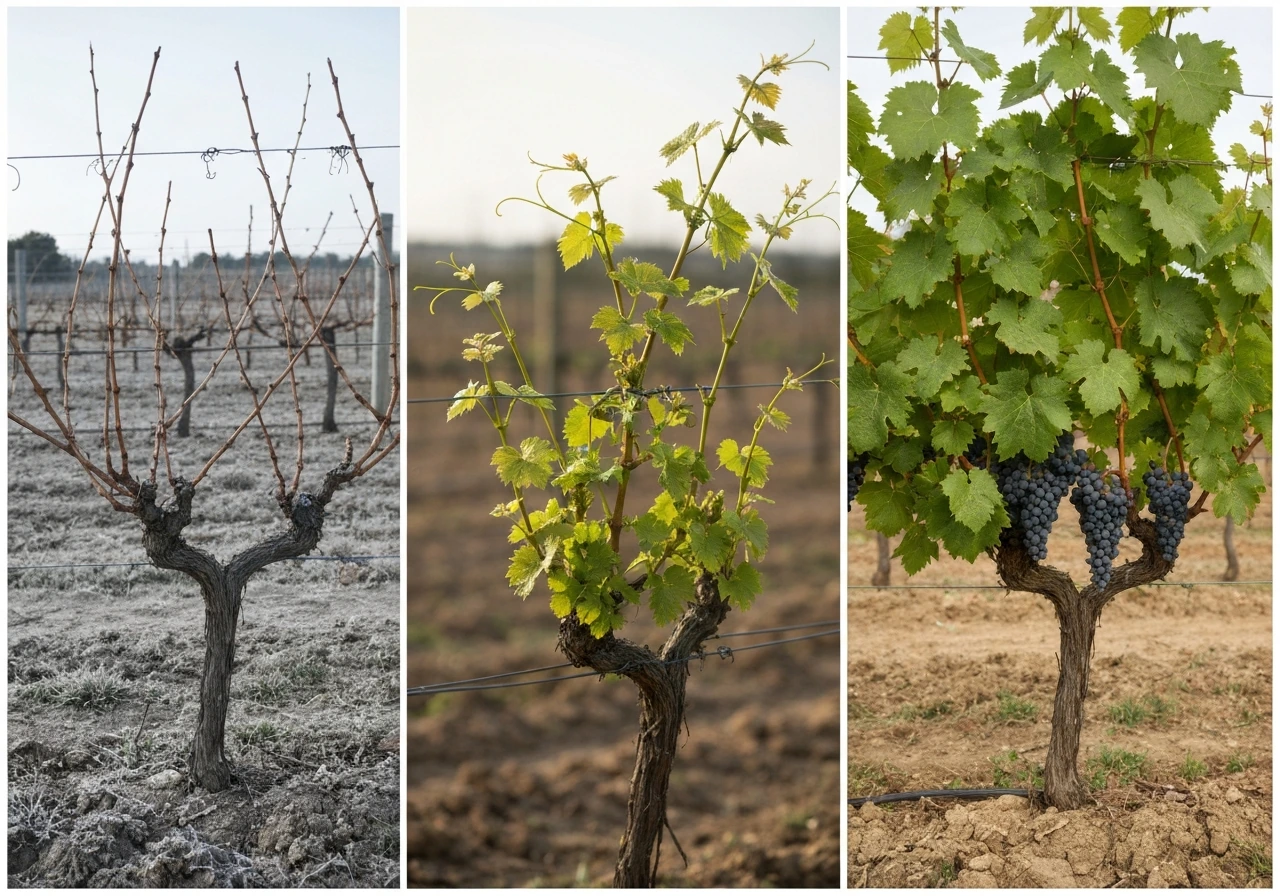
It's a biological requirement. Without it, your vines won't budbreak properly the following spring, and you won't get fruit. The only places where something close to year-round vine activity happens are frost-free subtropical zones where winters stay warm enough that vines never fully shut down. For the vast majority of home gardeners in the US, you're working with a seasonal window, not a continuous one.
Why grapes can't just grow all year
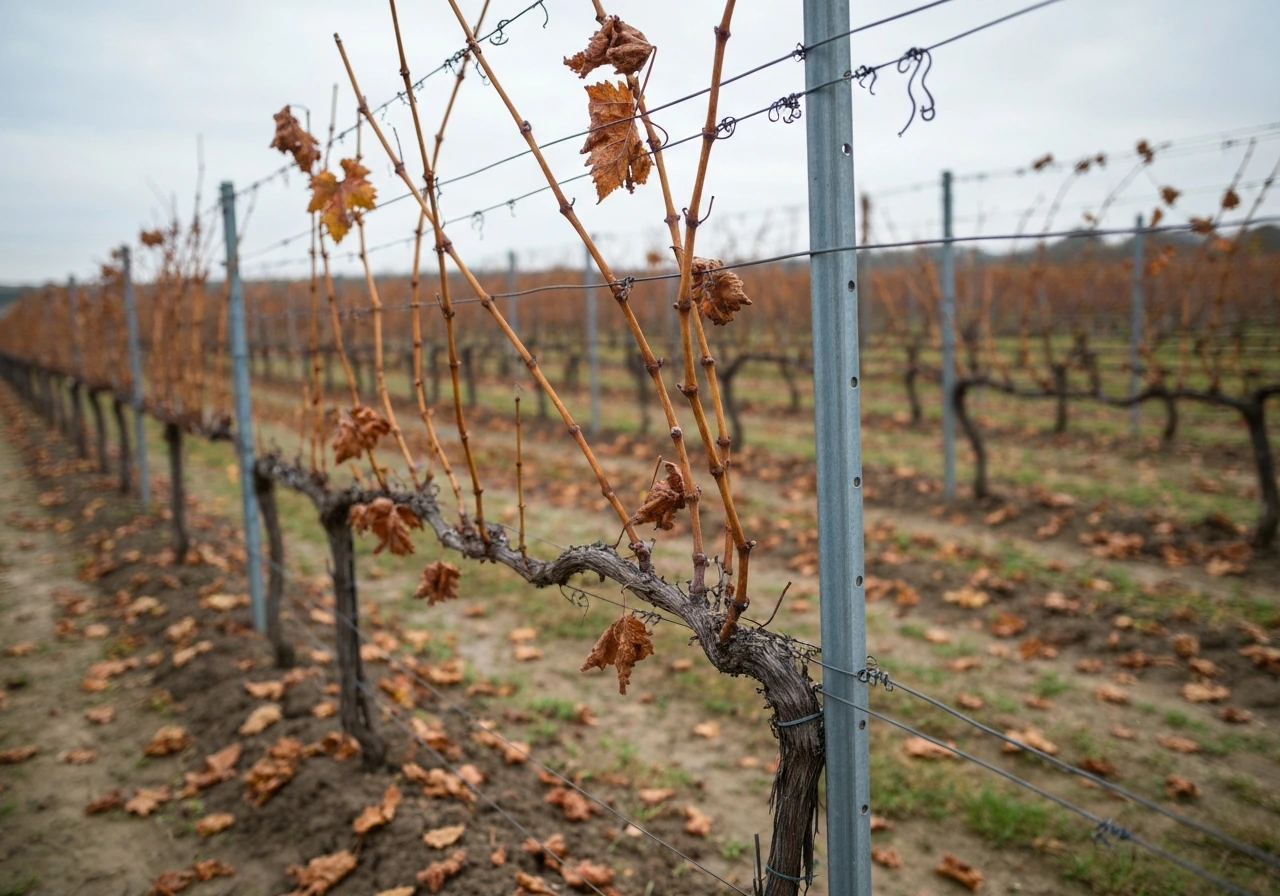
Grapevines are temperate-zone plants, and their internal calendar is driven by temperature, not just your watering schedule. After harvest in the fall, vines drop their leaves and enter true dormancy. During this period the canes are fully woody and there's zero active growth happening above or below ground in any meaningful sense. What's actually going on is the vine is accumulating chilling hours, typically temperatures between roughly 32 and 45°F, to satisfy a biological requirement before it's ready to wake up again.
Here's the part that surprises a lot of new growers: even if you get a warm spell in January, a properly dormant vine won't just start growing. Dormancy release requires enough chilling accumulation first, and most Vitis vinifera varieties need somewhere in the range of 50 to 400 chilling hours depending on the cultivar. Once that chilling requirement is met and temperatures warm up in spring, the vine starts accumulating heat units (growing degree days) that push it through budbreak, flowering, fruit set, veraison, and finally harvest. Remove winter from that equation and the whole system breaks down.
Where something close to year-round growth actually happens
If you're in a frost-free or near-frost-free climate, specifically USDA zones 9b through 11, you'll see vines that stay semi-active much longer than anywhere else. Parts of coastal Southern California, South Florida, Hawaii, and similar subtropical climates fall into this category. In those locations, vines may not experience a hard dormancy at all, which sounds like a bonus until you realize it creates its own problem: without enough chilling, budbreak becomes erratic, flowering is inconsistent, and yields drop. Some growers in warm climates have experimented with hydrogen cyanamide applications to artificially break dormancy, but that's well beyond a typical home garden setup.
For everyone else, what determines your season length is really two things: how cold your winters get (which governs vine survival and dormancy quality) and how many frost-free days you have in the growing season (which governs whether you can actually ripen a crop). Most early-ripening varieties need at least 150 frost-free days. Late-ripening varieties like many Vitis vinifera table grapes need 180 days or more. Full sun is non-negotiable too.
Grapes need maximum light exposure for sugar development and proper ripening, so a shaded yard or a cloudy coastal site will cut into your effective season even if the calendar looks fine. The short answer is that grapes generally need full sun, usually at least 6 to 8 hours of direct light per day, to ripen well how much sun grapes need.
What the growing season actually looks like at home
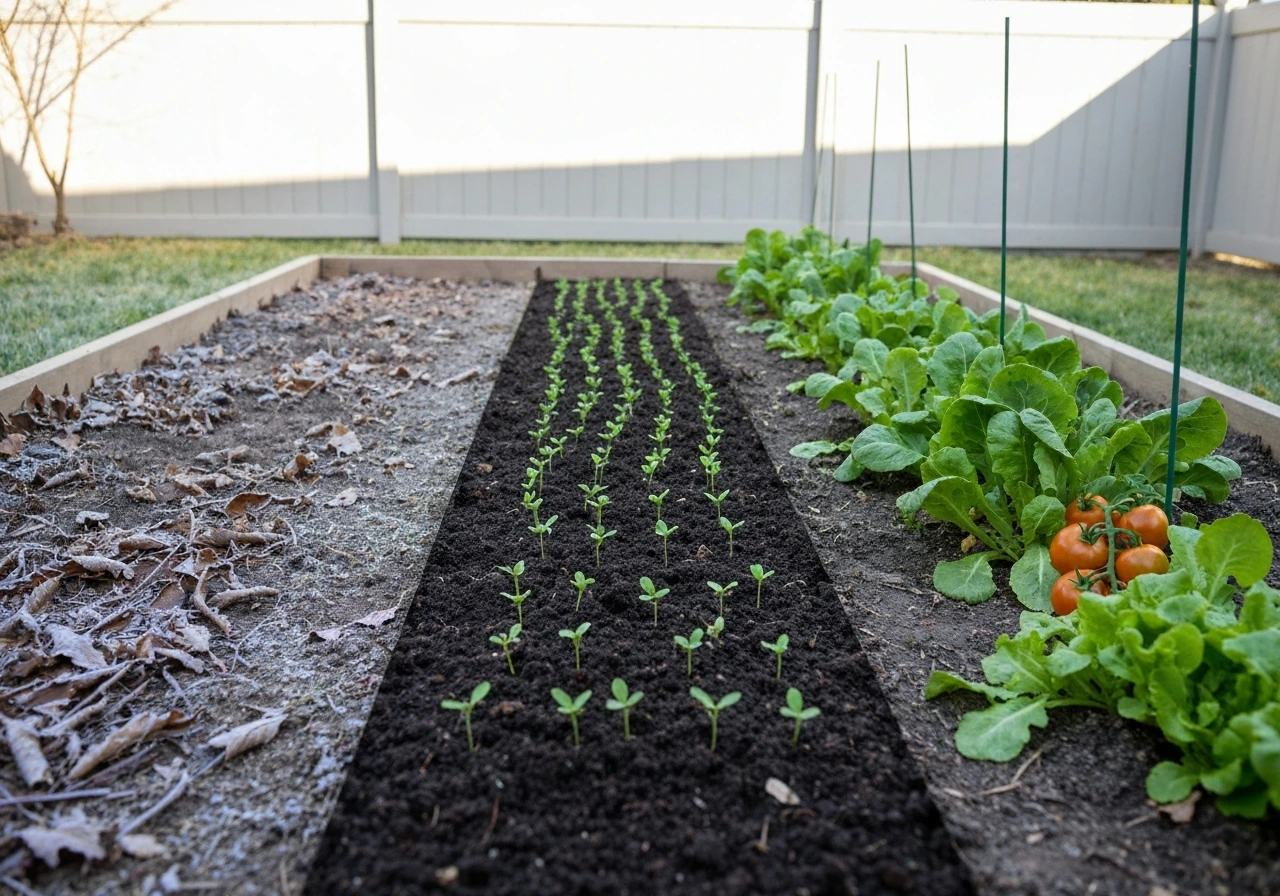
Here's a realistic breakdown of what to expect in a typical temperate US home garden, roughly zone 5 through 7. The timeline shifts earlier as you move south and later as you move north, but the sequence is the same.
| Stage | Typical Timing (Zone 5–7) | What You'll See |
|---|---|---|
| Dormancy | November through March | Bare, woody canes. No visible growth. |
| Budbreak | Late March through April | Small green buds swell and push open. |
| Shoot growth and flowering | May through early June | Rapid shoot elongation; small flower clusters appear and open. |
| Fruit set and berry development | June through July | Berries form and swell; green and hard. |
| Veraison | Late July through August | Berries soften and change color; sugar starts accumulating. |
| Harvest | September through October | Berries reach full ripeness; harvest window opens. |
| Leaf drop and return to dormancy | October through November | Leaves yellow and fall; vine shuts down for winter. |
That's your year, in full. The vine is visibly active for roughly six to seven months. The rest is dormancy, which is not wasted time. It's mandatory biology. If your last spring frost is in late May and your first fall frost is in September, you're working with a shorter window and you'll need to choose early-ripening varieties carefully or risk losing the crop before it matures. In the typical outdoor temperate home-garden timeline, planting happens after the threat of frost passes and harvest is commonly in September to October for many varieties last spring frost in late May and your first fall frost in September.
How to squeeze the most season out of what you have
You can't change the dormancy requirement, but you can absolutely push the edges of your active season and protect what you've got. These are the levers that matter most.
Choose the right variety first
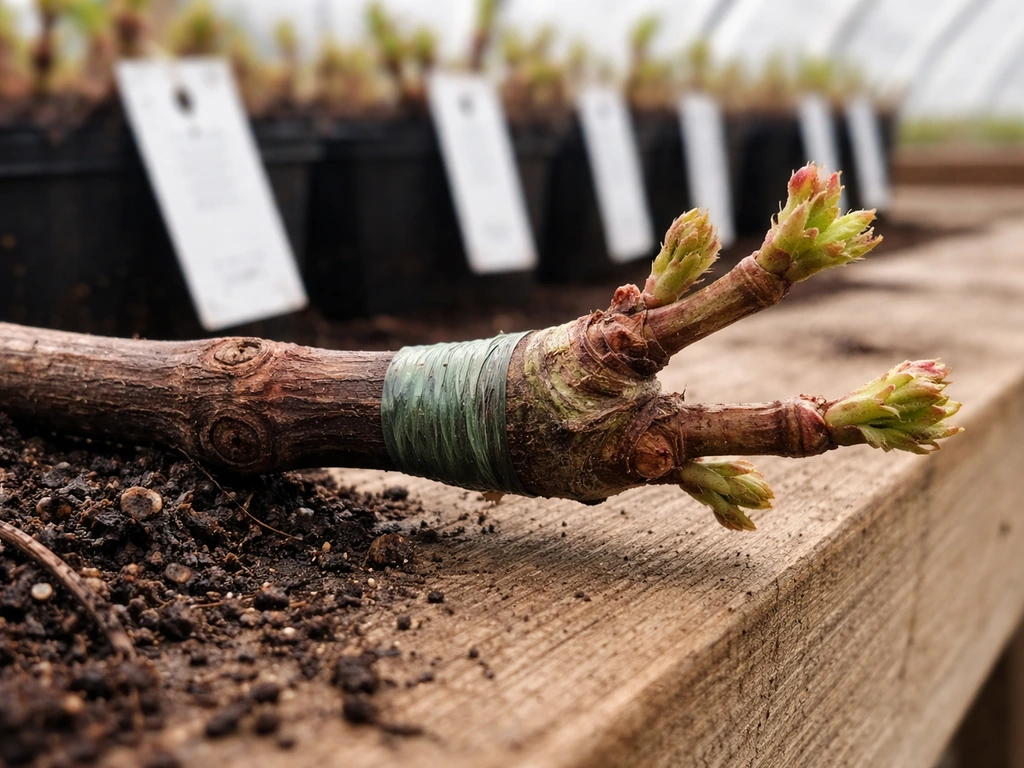
This is the single biggest decision you'll make. If you're in a cold climate (zones 4 through 6), you want cold-hardy varieties developed for those conditions. The University of Minnesota breeding program has released several excellent options, including Marquette, Frontenac, and La Crescent for wine grapes, and some table grape selections that can handle zone 4 winters.
For colder areas, look for varieties rated to at least -20°F if you're in zone 4, or at least -10°F if you're in zone 5 to 6. Einset Seedless, for example, carries a cold hardiness rating around -10°F and works well as a table grape in moderate cold-climate regions. Vitis vinifera varieties like Cabernet Sauvignon or Thompson Seedless are simply not suitable for most northern states without substantial winter protection.
If you're in zones 7 through 9, you have much more flexibility with vinifera varieties, but you still need to think about heat accumulation and whether your winters provide enough chilling. Sites that regularly hit -10°F five or more times per decade, or -15°F three or more times per decade, are generally not viable for wine grape production without selecting specifically for that cold tolerance.
Train your vines to maximize sun and heat
A well-trained vine on a proper trellis system isn't just about aesthetics. It directly affects how quickly your grapes ripen and how long your effective season is. An open canopy that catches maximum sunlight from morning to late afternoon will accumulate more growing degree days than a tangled, shaded mess of shoots. In cooler climates especially, trellis your vines on a south-facing slope or against a south-facing wall if you have one. The reflected heat and improved light interception can meaningfully accelerate ripening and extend your window. This connects directly to the sunlight and temperature conditions that grapes need, which are worth understanding in detail for your specific location.
Use row covers and frost protection at the margins
In spring, late frosts after budbreak are one of the biggest threats to your crop. Young shoots are highly frost-sensitive, and a single hard freeze at the wrong moment can wipe out the year's fruit potential. Low tunnels or lightweight frost cloth draped over your vines on nights when the forecast dips below 32°F can make the difference between a full harvest and a frustrating loss.
In fall, a similar approach can buy you one to two extra weeks before the first killing frost arrives, which matters a lot if you planted a variety that needs those final weeks to sweeten up. WVU Extension describes building simple low tunnels for exactly this kind of shoulder-season protection, and it's genuinely worth the effort.
Can a greenhouse or indoor setup keep grapes producing longer?
This is where things get genuinely interesting, but also where you need honest expectations. A greenhouse or high tunnel can extend your growing season and protect vines from weather extremes, but it does not eliminate the dormancy requirement. In fact, if you seal up a heated greenhouse all winter and keep your vines warm, you'll disrupt the chilling accumulation and create problems the following spring. High tunnel guidance from NCAT is explicit about this: after harvest, open your high tunnel and let the vines experience normal winter temperatures so they complete their chilling requirement naturally. The tunnel is a tool for the active season, not a way to skip winter.
For true indoor growing with the goal of producing fruit year after year, you need to deliberately engineer the dormancy period. That means moving the vine somewhere cool (around 40 to 50°F) for roughly six to twelve weeks to satisfy the chilling requirement, then bringing it back under high-intensity lights with a 12 to 16 hour photoperiod to force the active growing season. It works, but it's a significant commitment in time, space, and equipment.
Most home gardeners who try this do it as a container experiment, not as a reliable food production strategy. One classic approach that takes less infrastructure is the RHS method of planting the vine just outside the greenhouse and training it through a low gap in the wall, so the roots experience outdoor winter conditions while the fruiting canopy benefits from the protected interior climate during the growing season.
A high tunnel without heat is more practical for most people. It can push your effective growing season two to four weeks earlier in spring and later in fall by passively accumulating solar heat, which translates to more growing degree days for ripening. Just keep in mind that daytime temperatures inside can spike well above outdoor levels, which is great for ripening but can cause stress during heat events, and nighttime temps in an unheated tunnel can still drop close to outdoor lows, so frost protection during shoulder seasons still requires attention.
Matching variety and location: what to expect where you live
Here's a practical summary of what home gardeners in different regions can realistically expect, and where to focus variety selection.
| Region / Zone | Growing Season Length | Vine Survival Challenge | Recommended Variety Types |
|---|---|---|---|
| Northern US / Canada (Zones 3–5) | 120–150 frost-free days | Winter lows can kill vinifera canes; protection needed | UMN cold-hardy hybrids (Marquette, Frontenac, La Crescent); native species |
| Midwest and Mid-Atlantic (Zones 5–6) | 150–170 frost-free days | Occasional polar vortex events; site selection matters | Cold-hardy hybrids; some hardier vinifera with winter protection |
| Southeast US (Zones 7–9) | 180–240 frost-free days | High heat and humidity; disease pressure | Muscadine grapes (Vitis rotundifolia); heat-tolerant hybrids |
| Pacific Northwest (Zones 6–8) | 150–200 frost-free days | Cool, cloudy sites reduce ripening; choose warm valleys | Vinifera in warm valleys; hybrids on cooler sites |
| Southwest and California (Zones 8–10) | 200–280+ frost-free days | Chilling hours can be low in warmest zones | Vinifera widely viable; choose low-chill varieties in warmest areas |
| Florida and Gulf Coast (Zones 9–11) | Near year-round frost-free | Chilling deficiency; fungal disease pressure | Muscadine and low-chill varieties specifically |
If you're in the Southeast, muscadine grapes are not a consolation prize. They're genuinely well-adapted, productive, and delicious in those conditions, and they handle the heat and humidity that would devastate most vinifera varieties. Muscadine grapes are a great match for warm, humid climates where traditional vinifera varieties struggle. If you're in the Upper Midwest, the cold-hardy hybrids from the UMN program have genuinely changed what's possible at home. Ten years ago a zone 4 gardener had almost no good options. Now there are several proven performers.
Whatever your zone, the best next step is to confirm your average last spring frost date and first fall frost date, calculate your frost-free window, and then look for varieties with a ripening period that fits comfortably inside that window. Plant in full sun. For the best results, you also want soil that drains well while still holding enough moisture to support steady vine growth. Build your trellis before you plant, not after. And accept that year one is establishment, year two you might get a small crop, and year three is when the vine really starts performing. Grapes reward patience and good site selection more than almost any other fruit you can grow at home.
FAQ
Can I keep my outdoor grapevine producing by watering more during winter so it doesn’t “go dormant”?
No. Dormancy is a temperature-driven biological cycle. If temperatures drop enough to meet dormancy requirements, the vine will shut down regardless of watering. In very warm climates where true dormancy is minimal, you may get semi-active growth, but you still risk erratic budbreak if chilling is insufficient.
If we get a warm January, will my dormant grapevine start growing early and then recover?
A healthy dormant vine typically won’t fully bud out just because of a brief warm spell, but it can still be thrown off. Dormancy release depends on accumulated chilling before spring warmth, and early bud activity can make you vulnerable to a later freeze.
Do grapes need chilling hours if I’m growing in a greenhouse or under row cover in winter?
Yes. Even if you protect vines from frost, they still need a winter chilling period to meet their chilling requirement. The article notes that keeping vines warm all winter can disrupt chilling accumulation, leading to poor or uneven budbreak and lower yields.
What’s the difference between “resting” and true dormancy in grapevines?
Dormancy is not just inactivity from cold weather. It is an internal requirement where the vine must experience appropriate temperatures to prepare for normal budbreak. If chilling is inadequate or skipped, the vine may leaf out unevenly, flower inconsistently, or struggle to set fruit.
How do I figure out whether my site has enough frost-free days for the variety I want?
Start with your first fall frost date and count backward using the variety’s typical time from budbreak (or planting) to harvest. Then leave buffer for weather delays, since late-season cold or cloudy stretches can slow sugar accumulation. Early varieties still need their ripening phase to fit before killing frost.
Is it better to grow table grapes or wine grapes if I want the most chance of ripening in my climate?
Often, table grapes are not automatically easier. Many vinifera table grapes require long, warm ripening periods, while some cold-hardy hybrids are better for shorter seasons. The best approach is to match each variety’s ripening duration and temperature needs to your frost-free window, not just its grape type.
What if my winter is mild, but I still get occasional freezes, will that cause problems even if the vines don’t fully go dormant?
Yes. Mild winters can mean insufficient chilling, which affects budbreak uniformity and flowering. Occasional freezes can then damage any buds that break early, combining two risks, erratic phenology and frost injury.
Do muscadines or other warm-climate grapes ripen earlier than vinifera in hot, humid areas?
They often perform more reliably in warm, humid conditions, and their seasonal behavior can fit those climates better than many vinifera varieties. That said, exact ripening timing still depends on cultivar and your local heat patterns, so you should still confirm the expected harvest timing against your local first-frost date.
Will a south-facing wall or slope always improve ripening enough to change which variety I can grow?
It can, especially in cool regions. The extra reflected light and localized warmth often raises effective heat accumulation, but it won’t override a seriously short frost-free window. Use it as a boost, then still verify that the variety’s ripening period comfortably fits before killing frost.
Can I rely on mulch or blanket wrap alone for spring frost protection after budbreak?
Mulch helps with root-zone temperature, but it doesn’t protect fragile new shoots the way a targeted cover does. For post-budbreak freezes, the article suggests low tunnels or lightweight frost cloth timed to forecast dips below about 32°F, which shields the green tissue that will be damaged.
If I use a high tunnel without heat, do I still need to worry about winter chilling?
Yes, in most setups. A non-heated high tunnel can extend the active season and protect during shoulder seasons, but you generally still need the vines exposed to normal winter temperatures so they complete chilling. Keep the tunnel open during winter rather than sealing it for long warm periods.
How long does it take before I might get meaningful fruit after planting grapes?
Most home gardeners should expect establishment year one, possibly a small crop in year two, and a more reliable harvest by year three. This timing matters when planning your “year-round” expectations, because even in ideal climates you are building a productive vine structure before you can count on consistent yields.
Should I build my trellis before planting even if my vine is still small?
Yes. The article recommends building the trellis before planting. Starting training early helps you establish an effective canopy and improves light interception and airflow, which supports better ripening and reduces disease pressure even before the vine is producing heavily.